What to Look At First
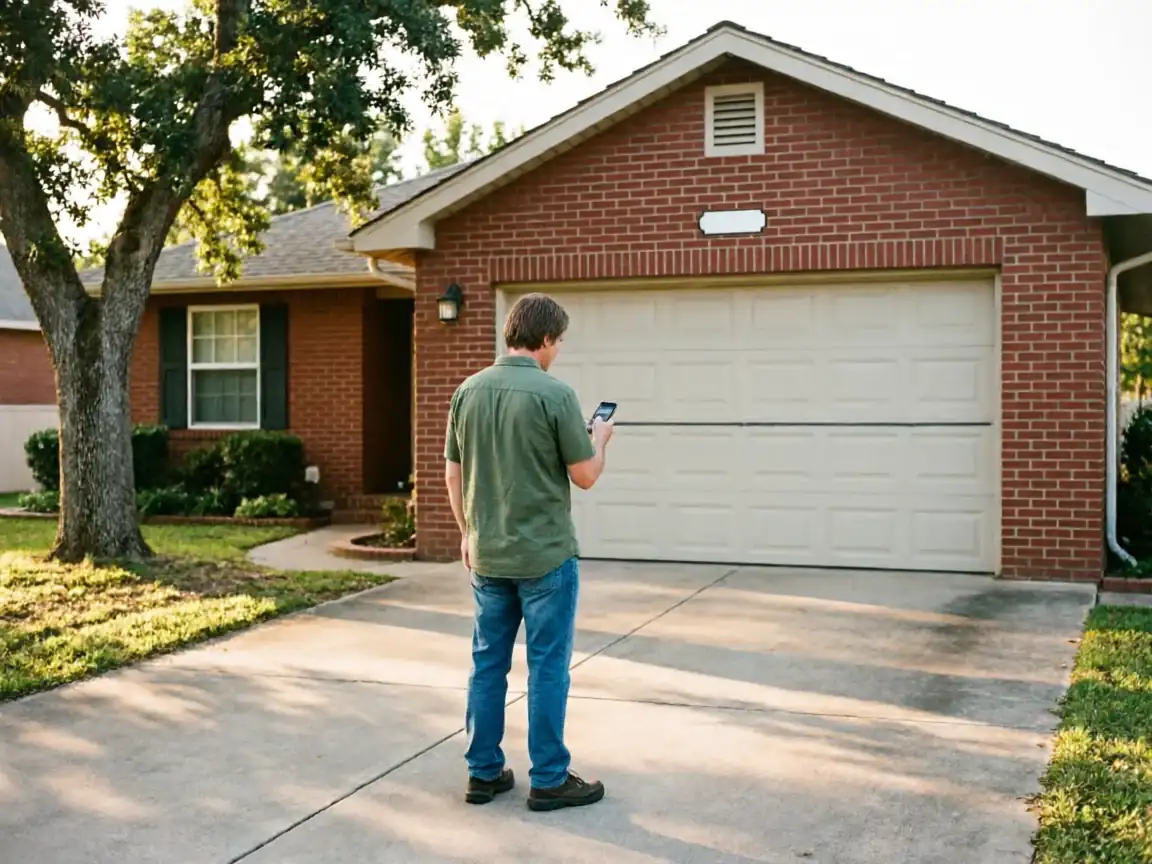
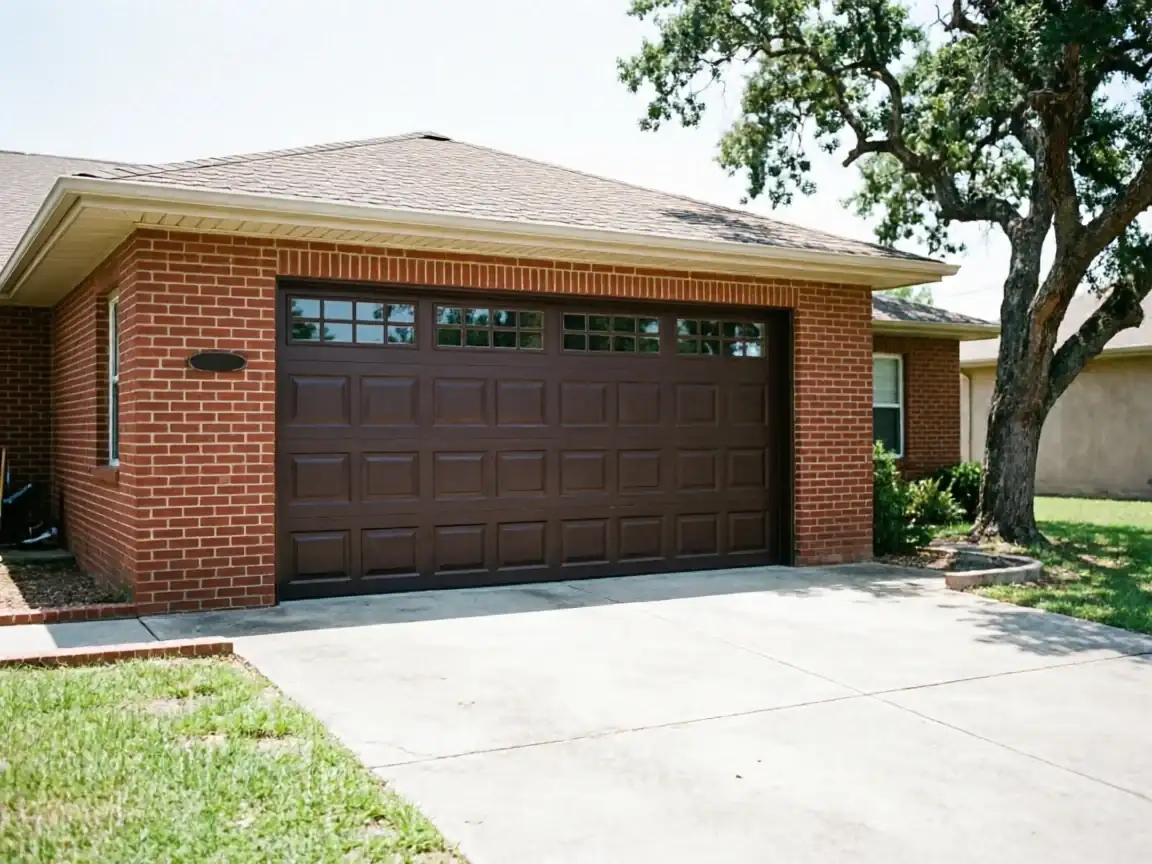
Before you worry about repair or replacement, go look at the door itself. La Porte's housing stock spans 1956 to 2011, with the median build year sitting at 1984, and across the 23 named areas that make up this service territory, most of the actual houses date to the 1980s and 90s. That matters because insulation in garage doors wasn't standard builder practice in that window. If your door is a single layer of steel with no backing panel, and you can feel the outside temperature through it with your hand, that's an original door from that era doing exactly what it was built to do.
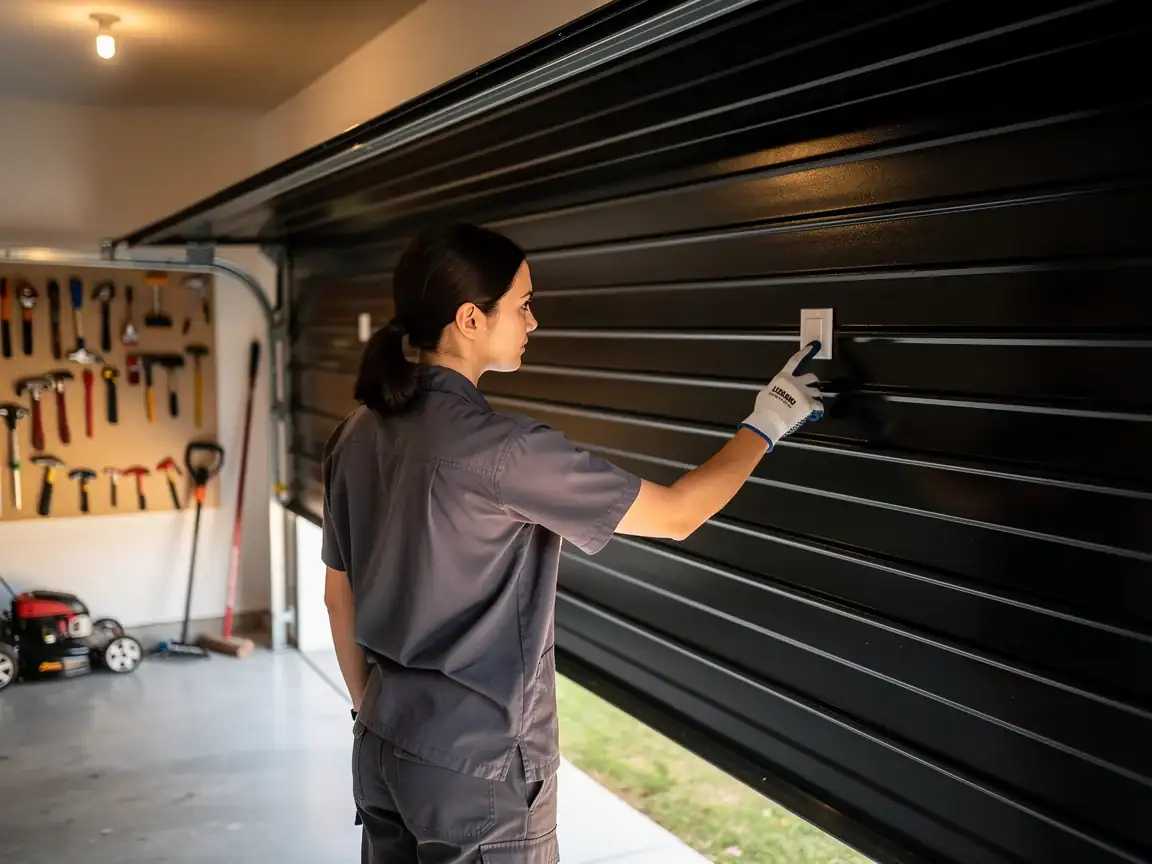
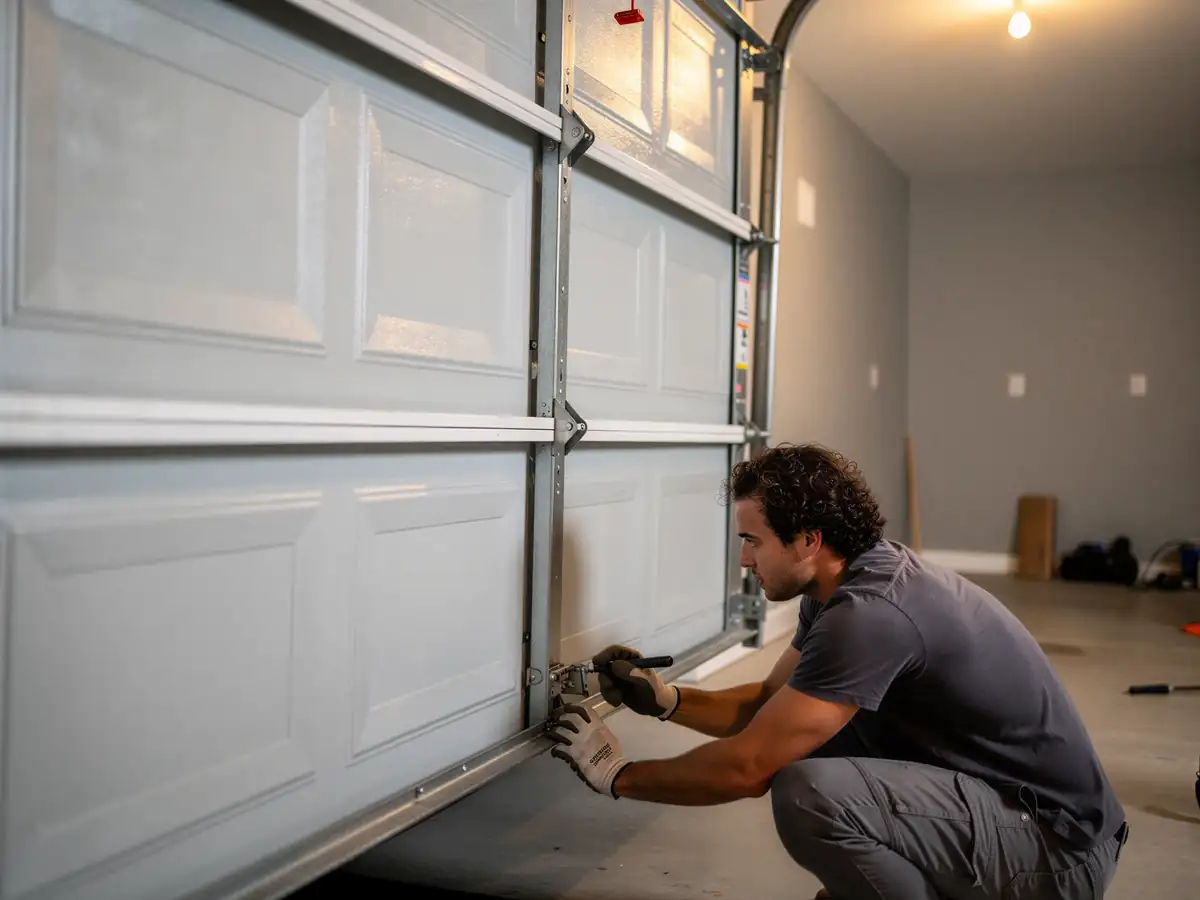
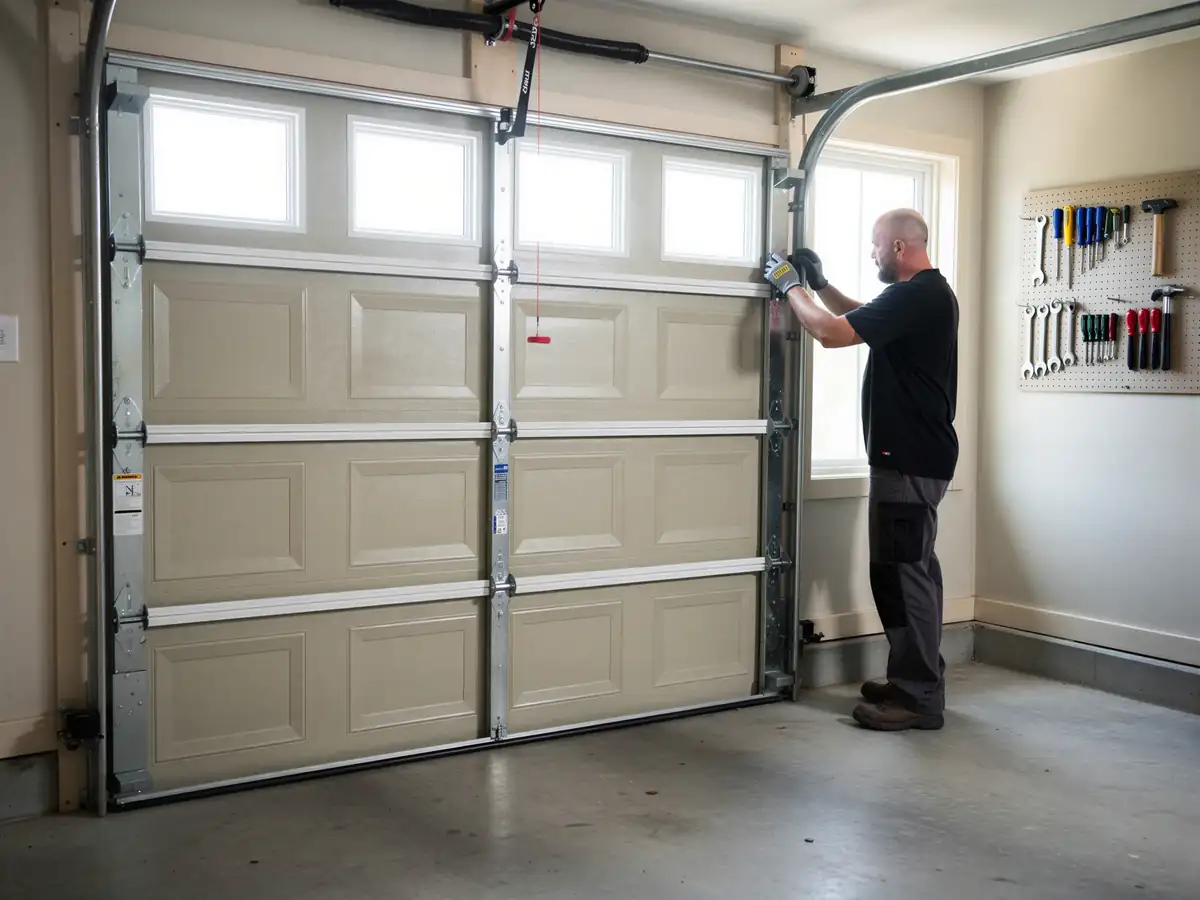
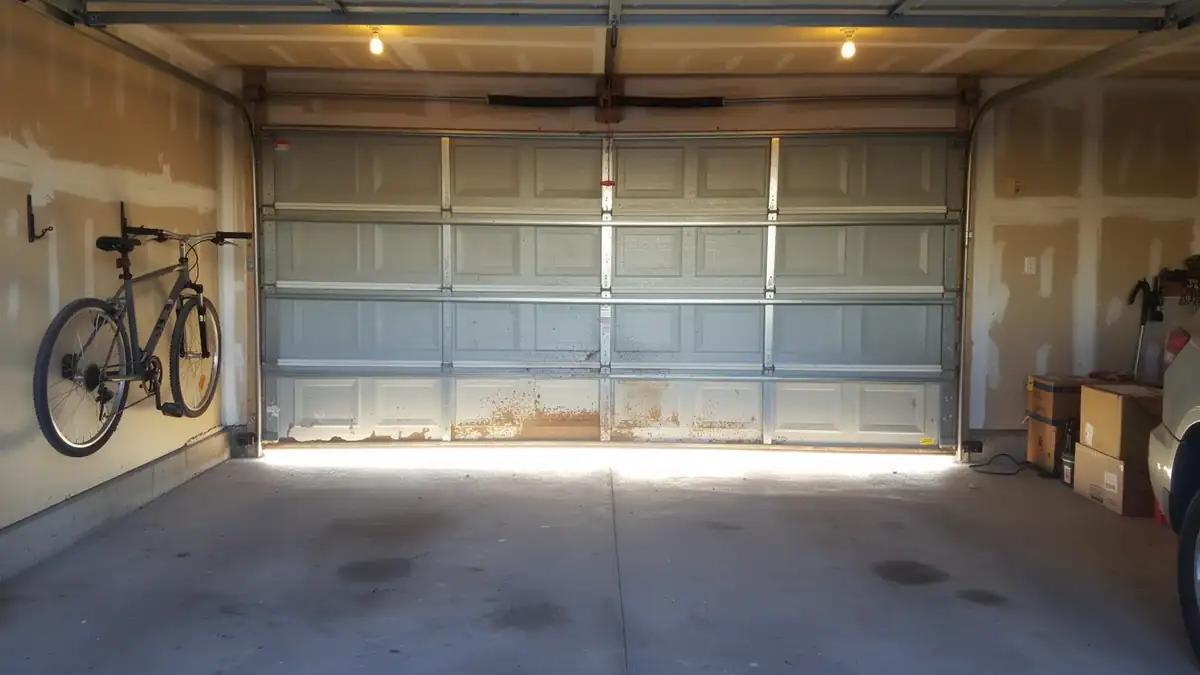
Check the inside face of the door. A non-insulated door usually shows bare ribbed steel, sometimes with surface rust starting in the low corners where condensation collects. An insulated retrofit or replacement will have a foam or vinyl backing panel, often white or tan, screwed or glued to the inside. If you see exposed steel ribs and nothing else, you're looking at a door built before anyone in this market was required to think about R-value in a garage bay. That's not a flaw, it's just the year it was made.
The Situation
La Porte sits in a mild climate band with occasional freezes. Most of the year, an uninsulated door doesn't cost you much. Gulf humidity is the bigger day-to-day issue - a bare steel door sweats on the inside face when the air outside is warm and wet and the garage is a few degrees cooler, and that moisture is what you're actually fighting, not cold.
The freeze days are the exception, not the rule, but they're real. A handful of mornings a year, that steel door becomes the coldest surface in the garage, and if you've got a laundry setup, a chest freezer, or a workbench against that wall, you feel it. None of this is dramatic. It's a slow problem - rust at the bottom panel, a slightly colder garage in January, a door that sweats enough to drip onto the floor in August. Houses built in the 1980s and 90s stock that makes up most of this area were not built with that in mind, because the doors of that era weren't rated for it. It's a function of when the house went up, not a defect.
What You Pay
I don't have pricing figures to put in front of you here, and I'd rather say that than guess
What I can tell you is what drives the number: door size, whether you're retrofitting insulation into an existing door versus replacing the whole unit, and the insulation type - foam board kits run different money than a new polyurethane-core door. A single door costs less to insulate or replace than a double, and a double on a 1980s-era house is common enough in this area that it's worth measuring before you call around.
The honest limitation
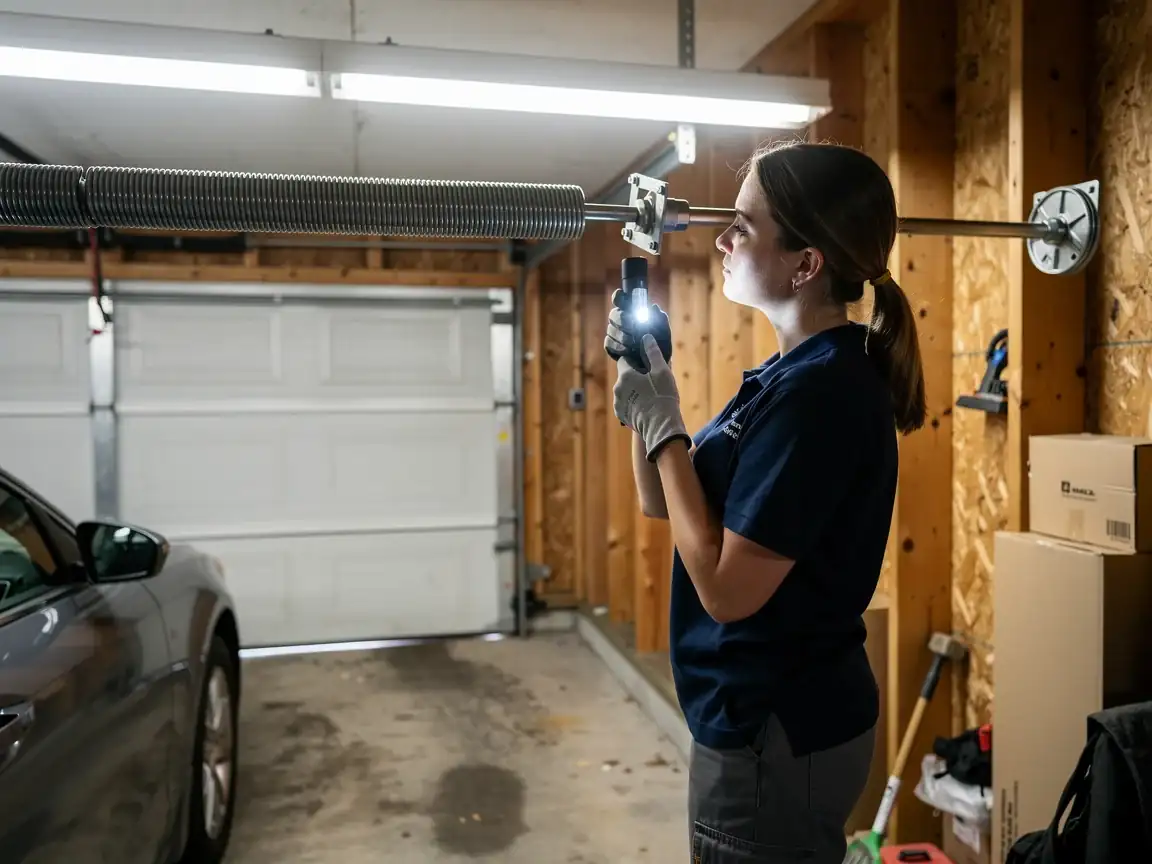
Retrofitting an old steel door with foam board panels is a real option, but it's a patch, not a fix, if the door is already rusting at the bottom or the rollers and hinges are original. In that case you're paying to insulate a door that's going to need replacing in a few years anyway. We'll tell you when that's the case instead of selling you a kit that doesn't make sense.
How Local Conditions Play In
With 44,440 owner-occupied houses among 77,380 households across this service area, and a median household income of $77,315, a lot of the calls we get are on original builder-grade doors from that same 1956-2011 build window. Most of those doors were never insulated, because insulation wasn't part of the spec when the house went up.
Nearby communities - Morgan's Point three miles out, Deer Park four miles, Seabrook and Taylor Lake Village six miles - sit in the same build era and the same mild, occasionally-freezing climate band. The insulation gap shows up the same way across all of them: a little moisture in summer, a cold patch in winter, slow rust at the bottom panel if nobody's looked at it in a decade. None of that is unique to one street or one subdivision. It's a function of the year the house was built and the climate it sits in, and that combination is what we're actually working with on most calls out here.