How We Fix It
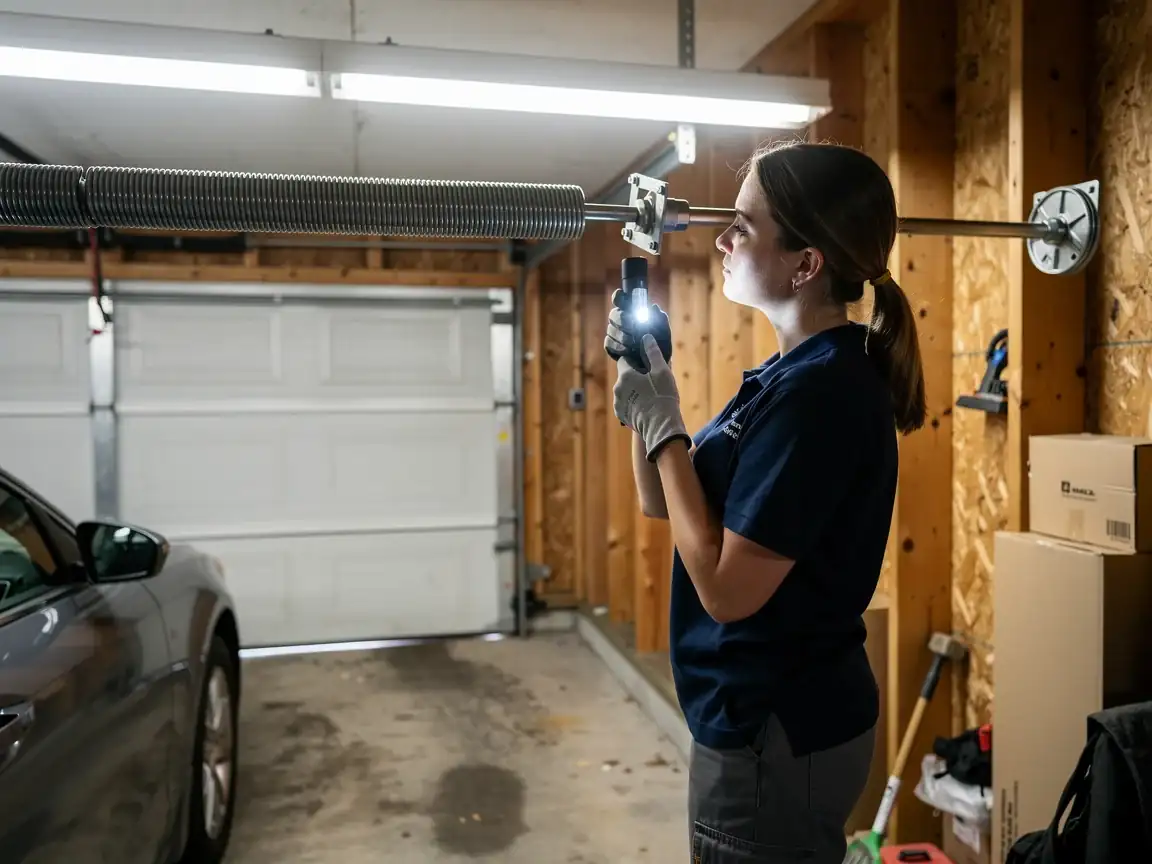
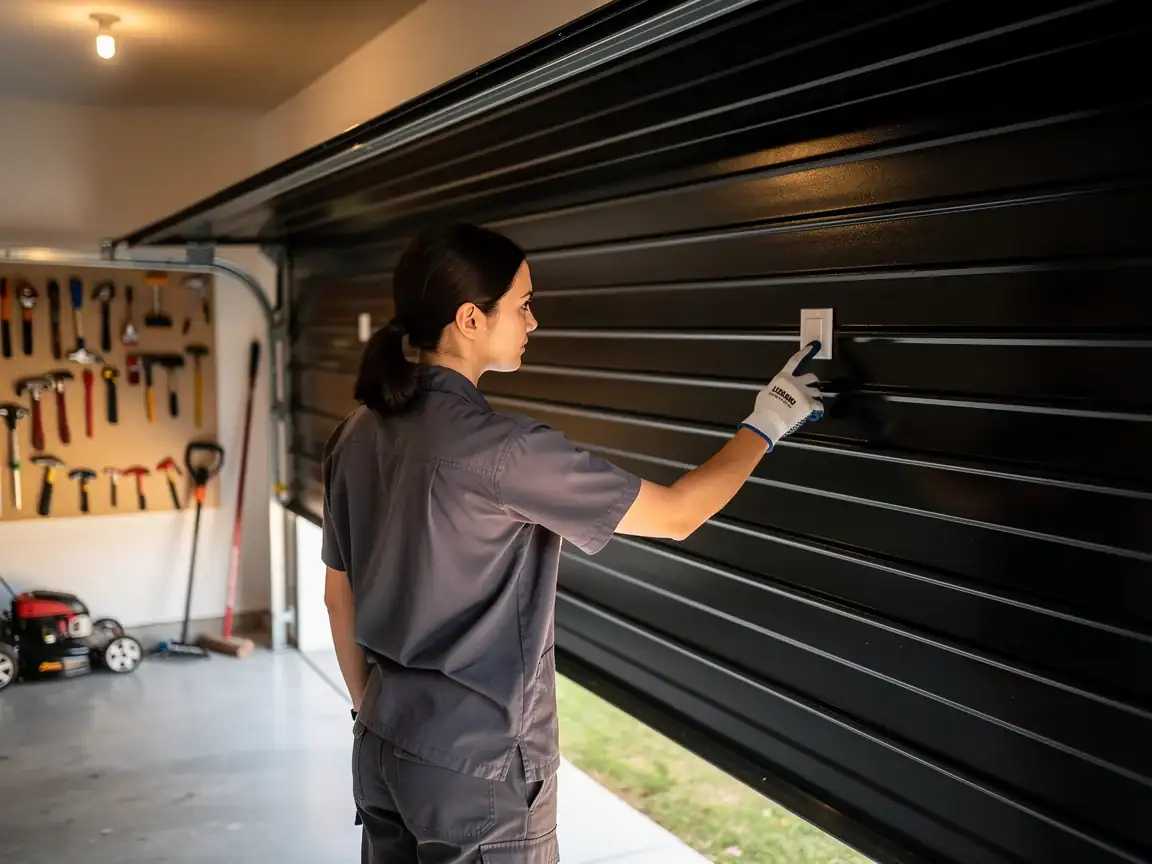
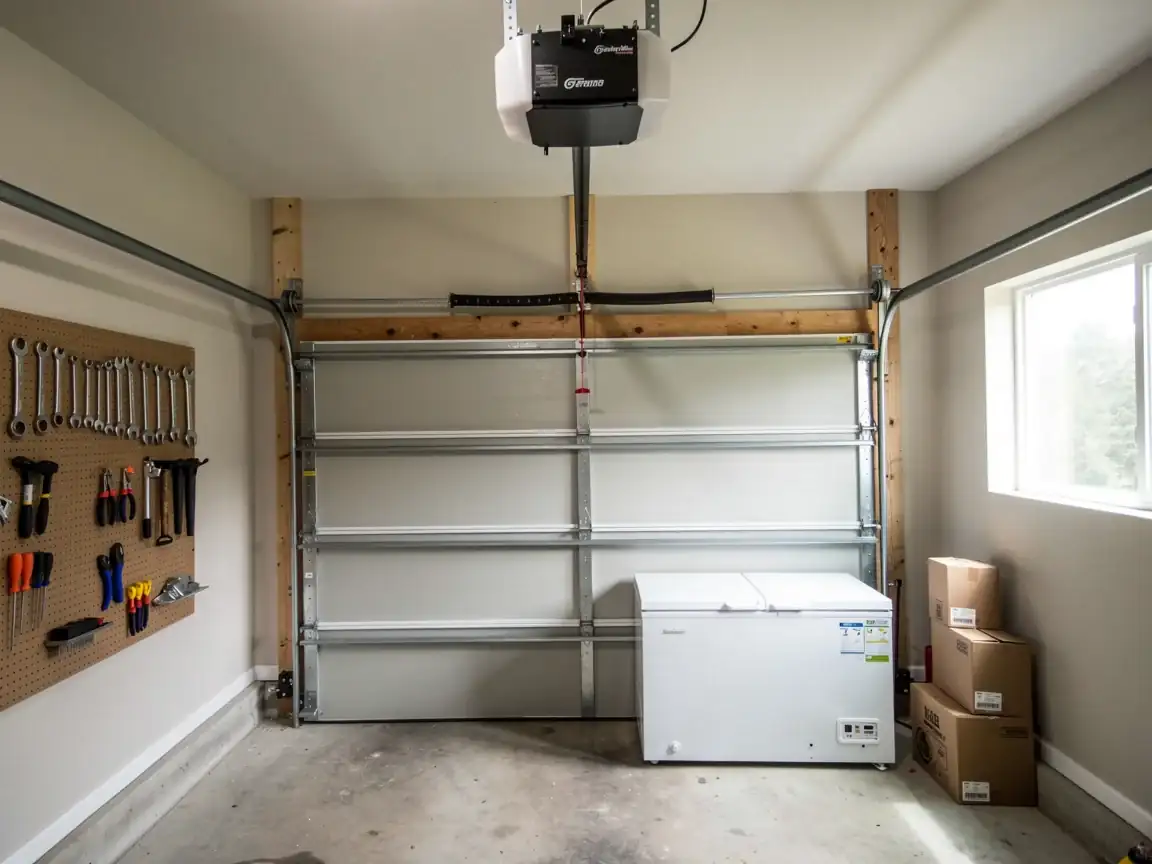
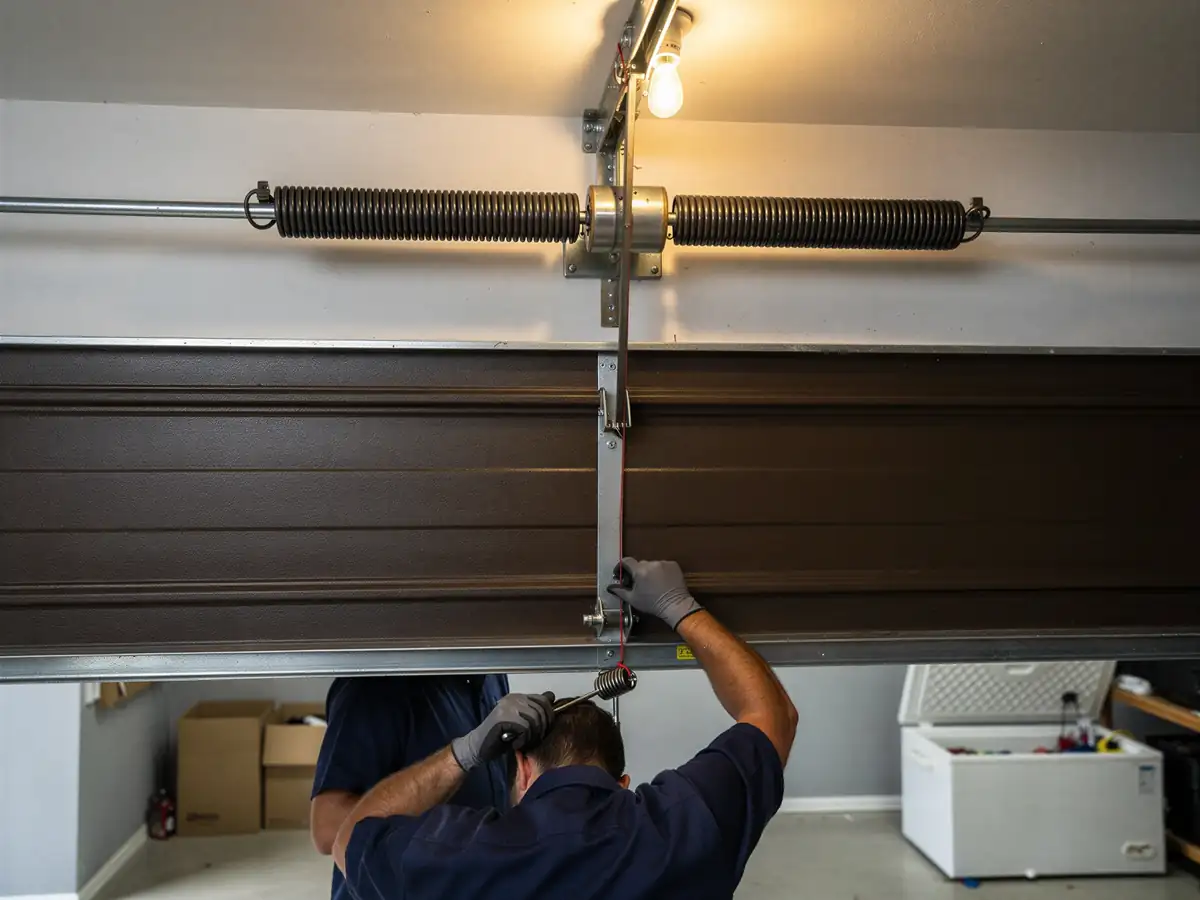
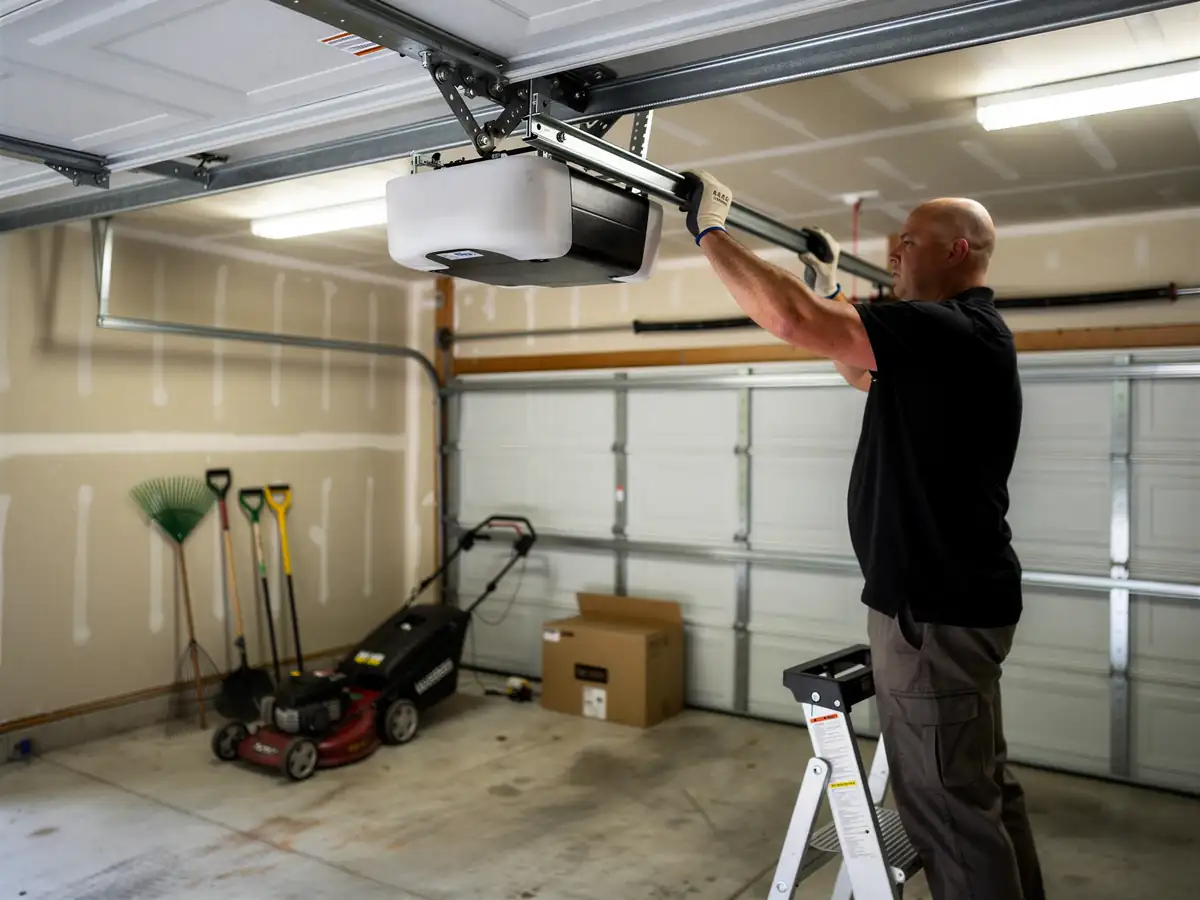
When your opener quits, we start at the control board, not the motor, because that's where most of these units actually fail. We check the logic board for burnt traces or a stuck relay, test the wall button and remote frequency, and look at the travel limits before we ever pull the motor housing. On the chain and belt-drive units common in homes built through the 1980s and 90s, we check gear sets, trolley carriages, and the capacitor on older AC motor units separately, since each wears on its own schedule. If the board has failed outright, we replace it rather than patch it; a board that's arcing once will arc again. We don't guess - we test voltage at the terminals, check the safety sensor alignment, and confirm the drive mechanism isn't fighting a door that's out of balance, because an opener straining against bad springs will burn out again even with a new board installed. Some jobs are a ten-minute sensor realignment. Others need the gear and sprocket kit replaced because the original has been grinding plastic dust into the housing for years. We tell you which one you've got before we start charging for parts.
How Long It Takes
Most opener calls in this area come down to boards, gears, or sensors, and the honest answer on timing depends on which one it is and whether the part is still made. Homes in La Porte were mostly built between the 1950s and the early 2010s, with the bulk of the stock dating to the 1980s and 90s, and a fair number of those houses still run their original opener. Original gear-drive units from that era used proprietary gear sets that aren't always sitting on a shelf anymore, so a repair on one of those can take longer than a repair on a newer belt-drive unit where the part is universal. We won't quote you a time before we've opened the housing and seen what we're dealing with - a board swap is quick, a gear and sprocket replacement on an obsolete unit takes longer because we may need to order the part. If a unit is old enough that the parts aren't available at all, replacement is usually the faster and cheaper path, and we'll tell you that straight instead of chasing a repair that won't hold.
Why This Fails Locally
La Porte's housing stock runs from 1956 up through 2011, with most of it landing in the 1980s and 90s, and that matters for openers specifically because that's the generation of chain and gear-drive units that used plastic gear sets instead of the metal gears common before and the belt-drive systems common after. Plastic gears wear down steadily and then fail without much warning, and a huge share of the opener units still running in this area are exactly that generation. Layer the climate on top of that: this area sits in a mild band with occasional freezes, which means openers here don't get the brutal cold-weather lubricant thickening that shortens motor life up north, but they do get repeated humidity swings that corrode circuit board contacts and relay points over the decades these units have been running. An opener installed in 1988 in a house built that same year has had thirty-plus years of that cycle, and the board and gear set are usually the first things to go. That combination - an aging gear-drive majority and a damp-mild climate that's hard on electronics rather than on metal - is why board failures and stripped gears are the calls we get most, rather than motor burnout from deep freeze, which is more of a northern climate problem than a La Porte one.