How We Fix It
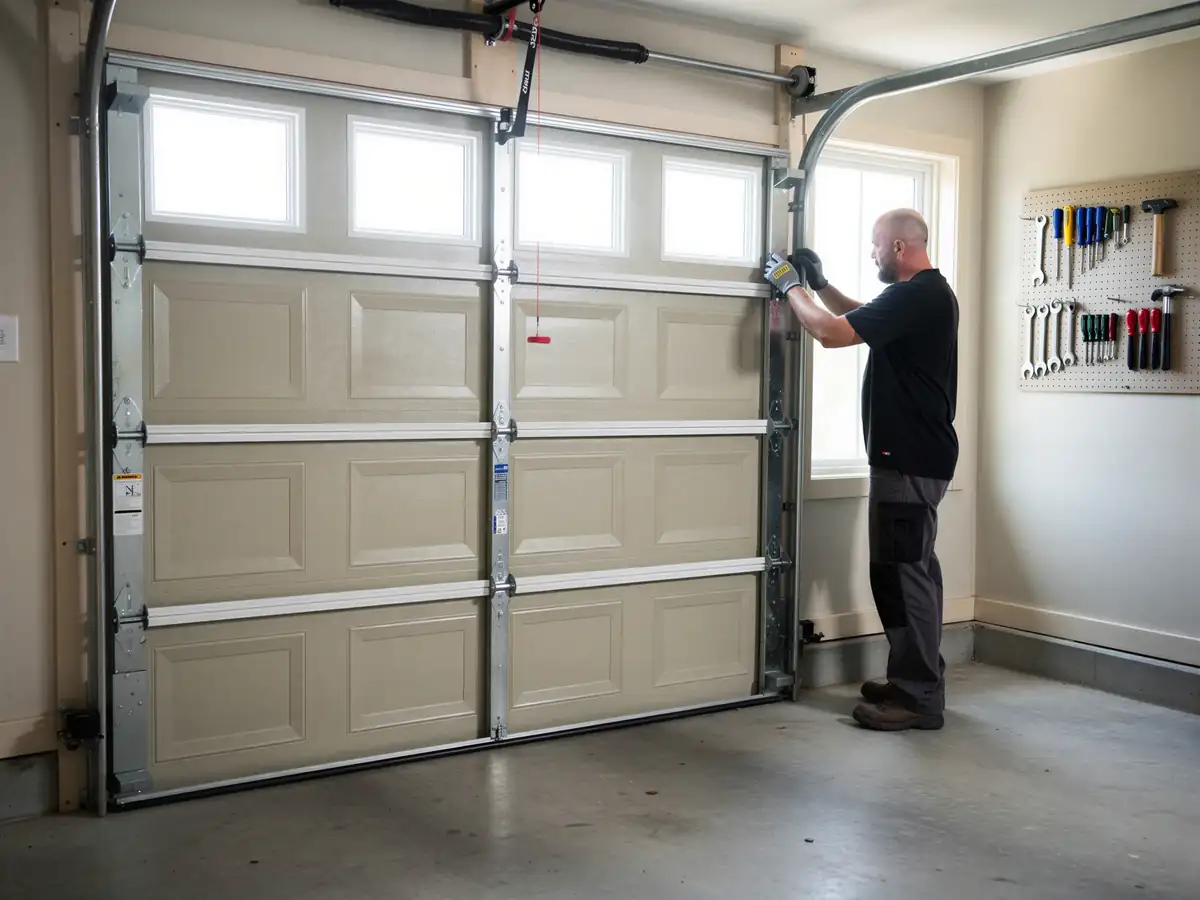
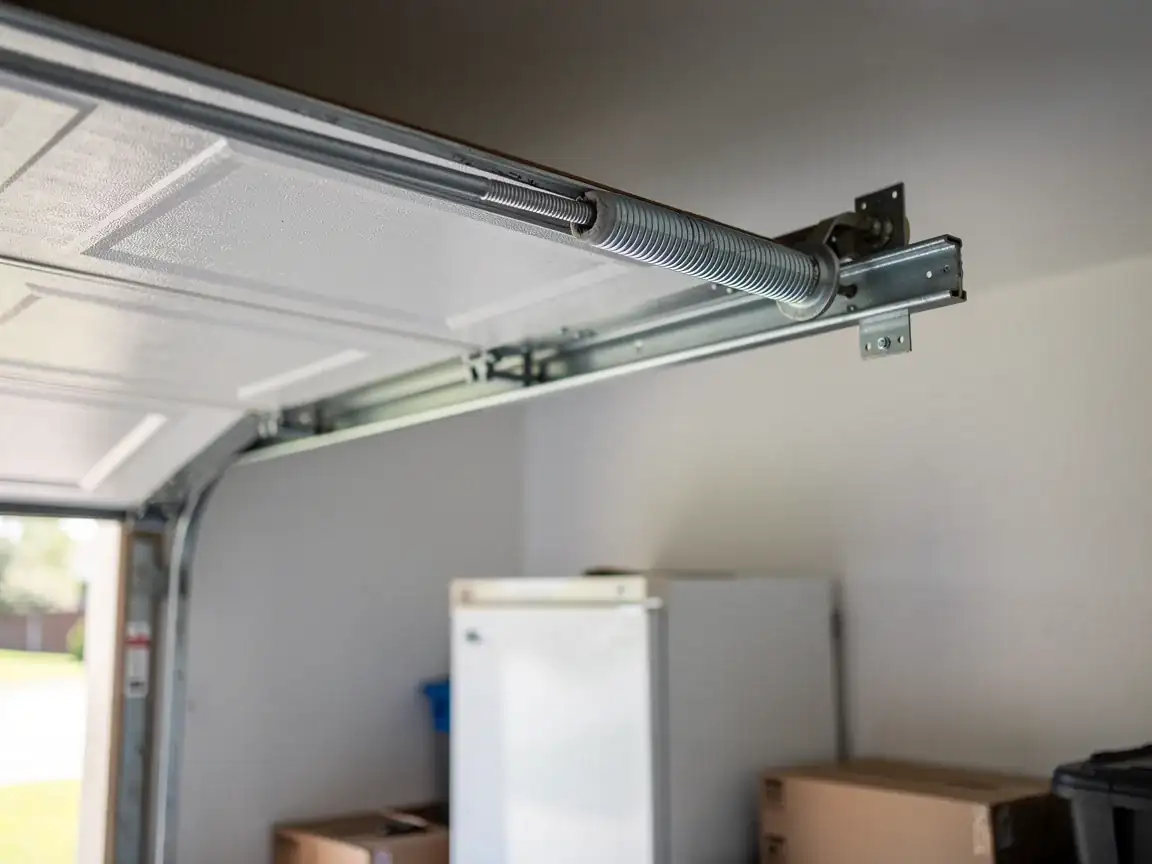
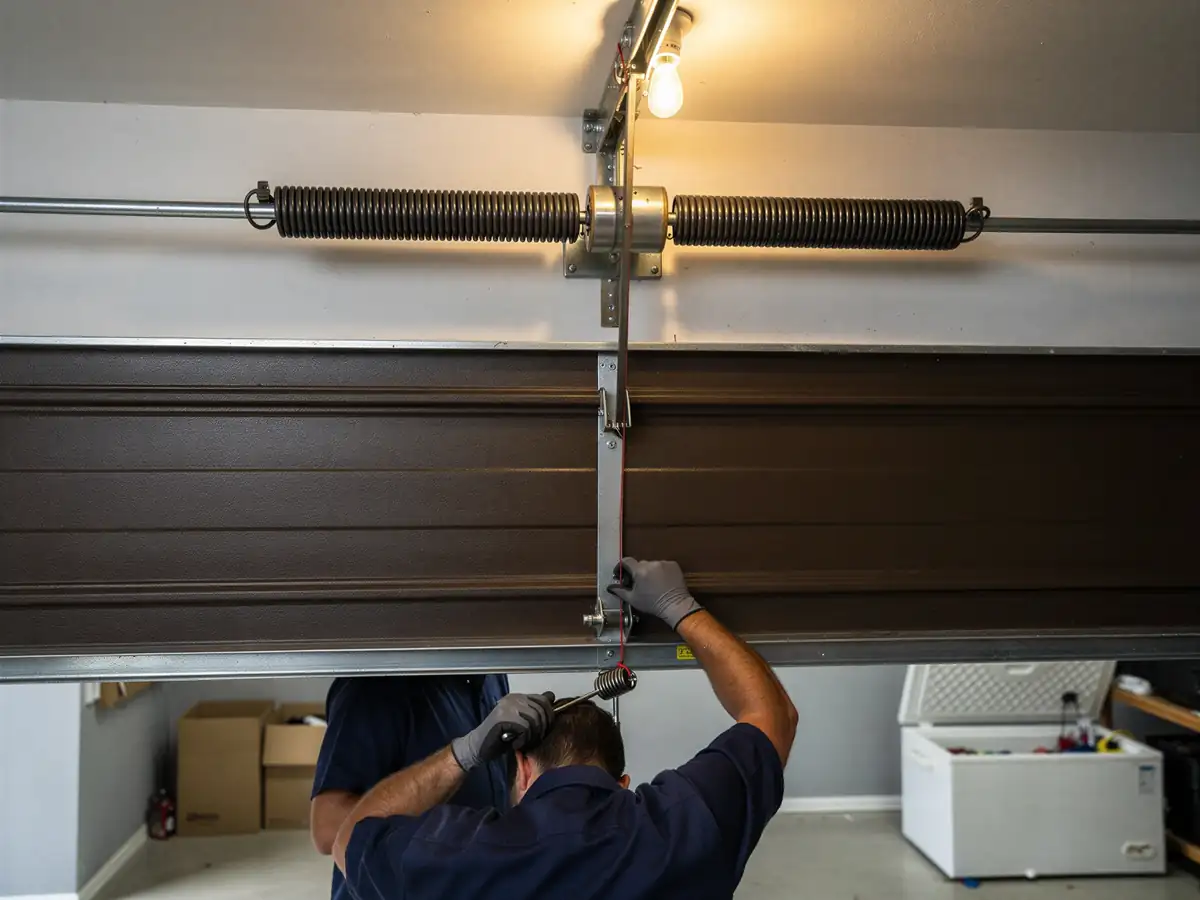
A broken spring job starts with figuring out which kind you have. Most garage doors built in this area run on torsion springs mounted on a shaft above the door, though some older single-car setups still use extension springs along the horizontal tracks. We match the spring to the door's weight and cycle count rather than grabbing a universal replacement off the shelf, because an undersized spring just fails again in a year or two.
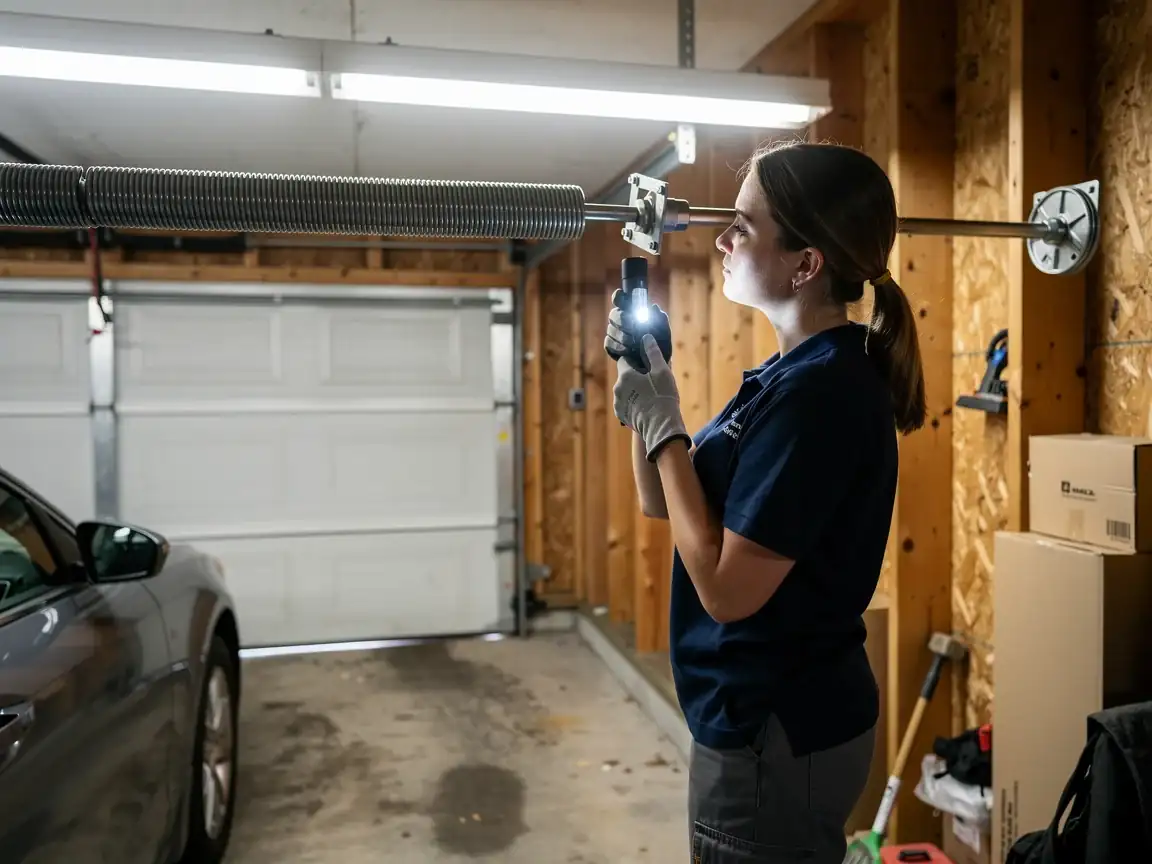
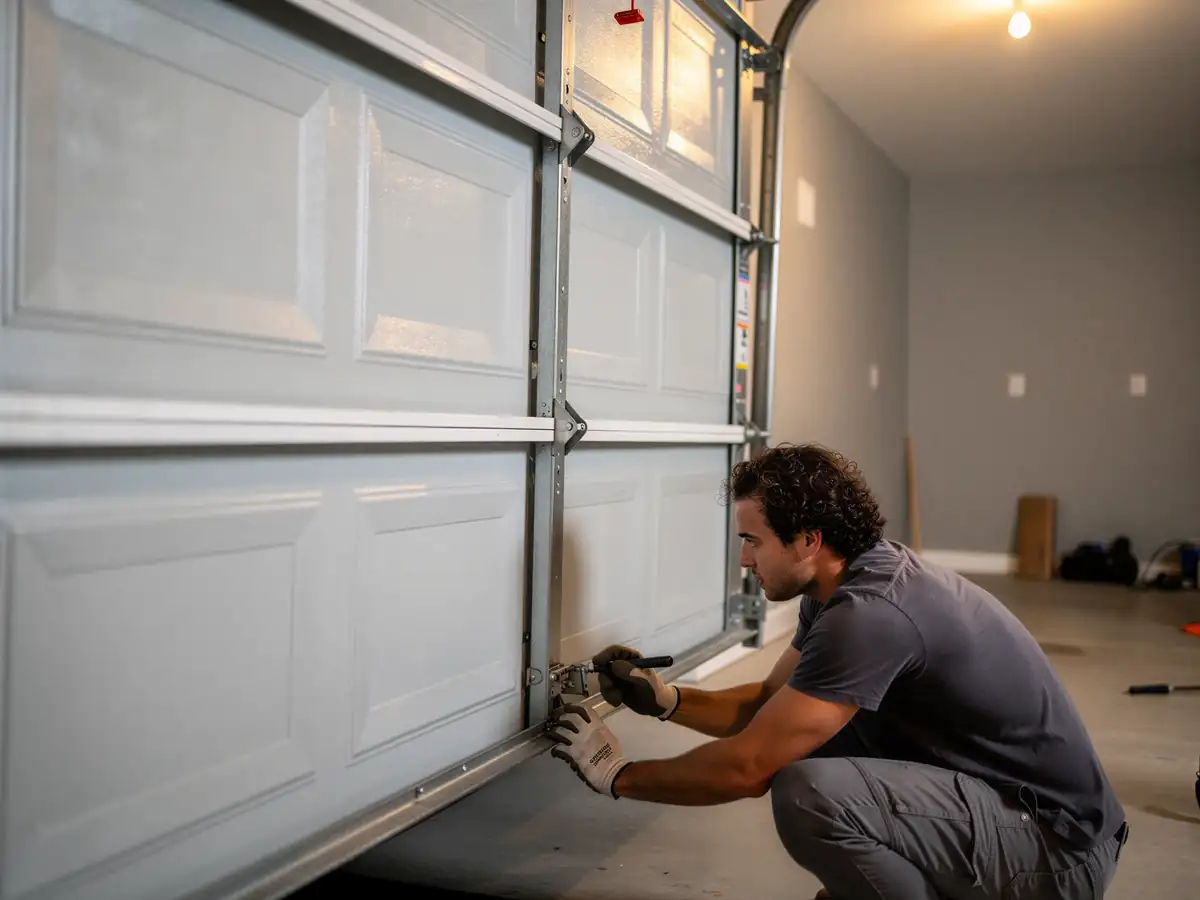
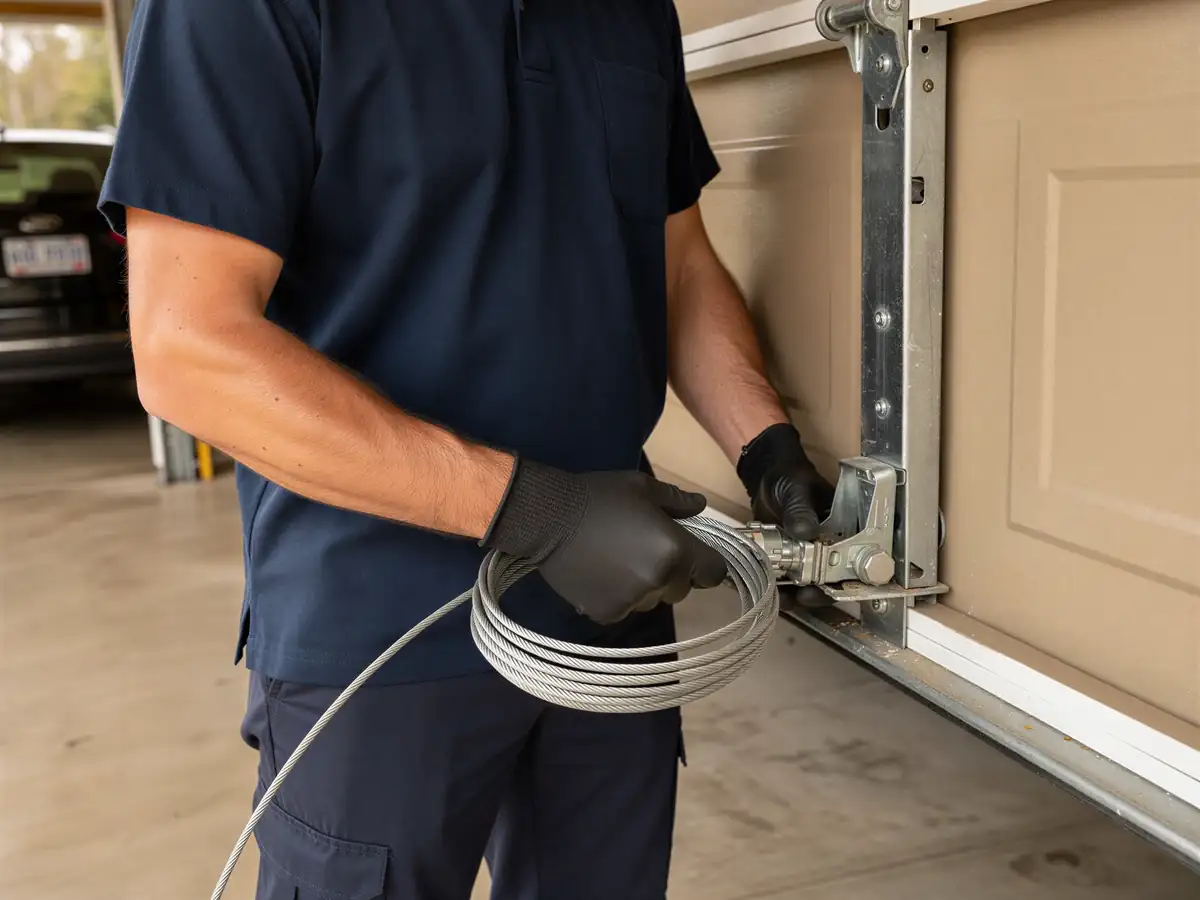
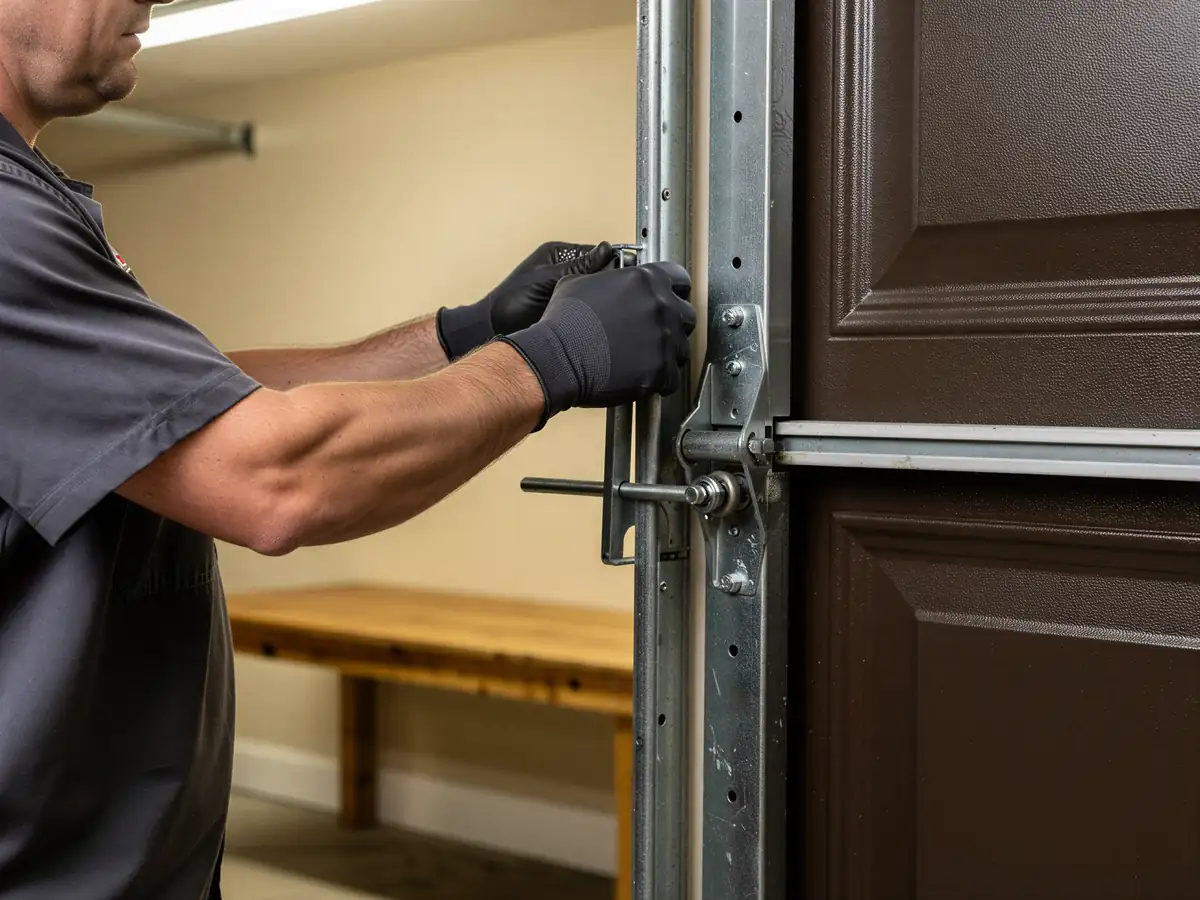
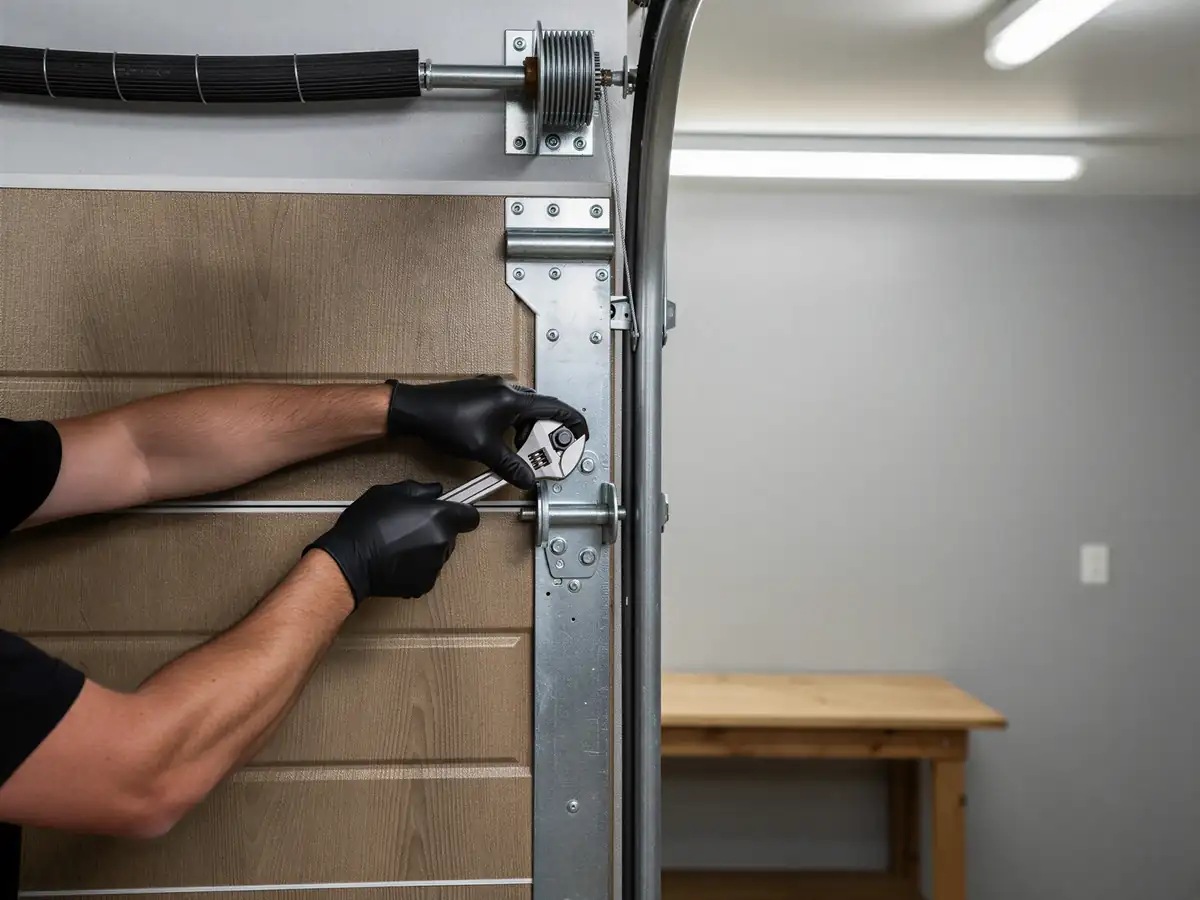
We pull the broken spring, check the cable drums, bearing plates, and center bracket for wear the spring failure usually causes on its way down, and replace what's damaged along with the spring itself. On torsion setups we check both springs even if only one broke, since they age together and the second one is usually close behind.
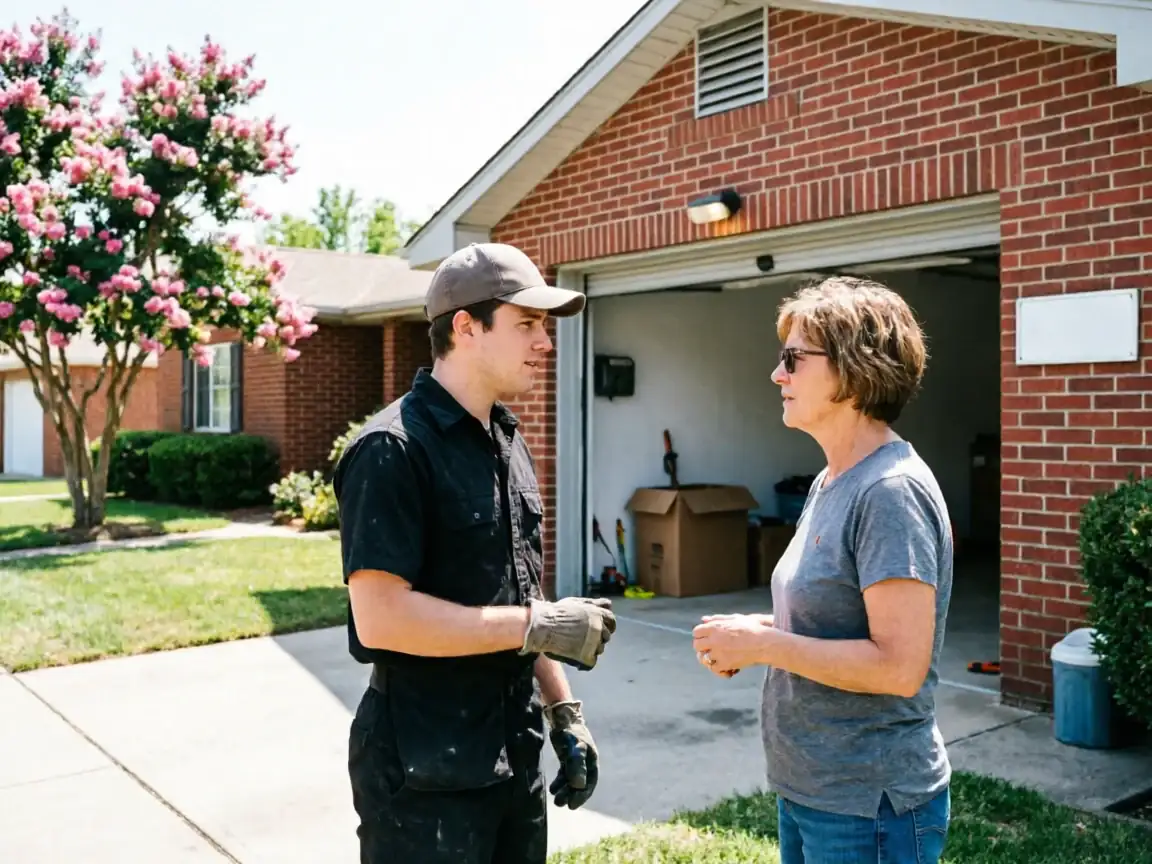
One limitation worth saying plainly: if the door itself has sagged or the track is bent from the door dropping suddenly when the spring went, a new spring won't fix that. That's a separate repair, and we'll tell you straight if the door needs more than a spring before we quote anything.
How Long It Takes
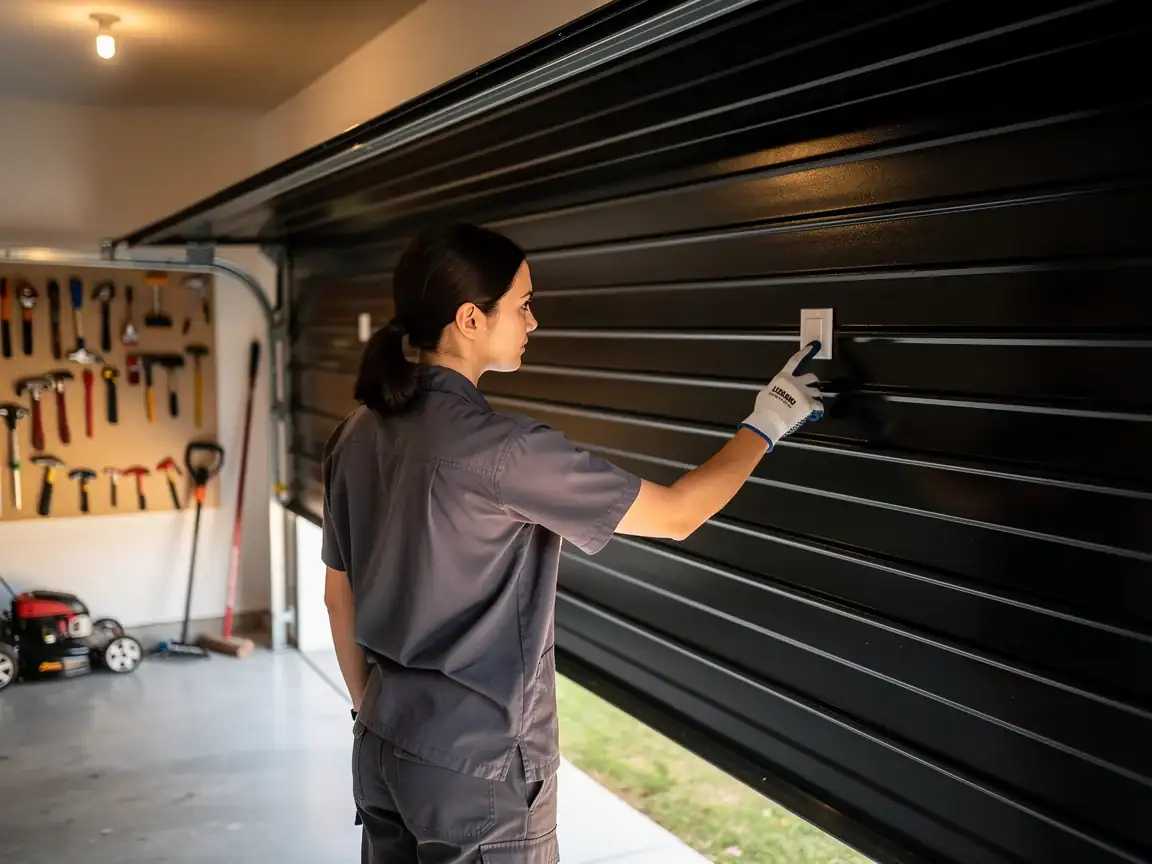
A standard torsion spring swap on a single door is a same-visit job once the right spring is on the truck - this isn't a multi-day repair for most houses in the service area. Double doors or homes with two separate springs take a bit longer since both get inspected and usually replaced together.
What slows a job down is almost never the spring itself. It's finding a matching spring for an opener or door track that was installed decades ago and isn't a common size anymore, which shows up more often in the older sections of the service area where houses date back to the 1950s through the 1970s. On newer construction, from the 1980s and 90s stock that makes up most of the 23 named areas here, parts are standard and the job moves fast.
We don't give a universal number because door weight, spring count, and whether the drums or bearings also need replacing all change the math. What we can say is that a dead spring on a working door is one of the faster fixes in this trade, not one of the slower ones.
How It Shows Up
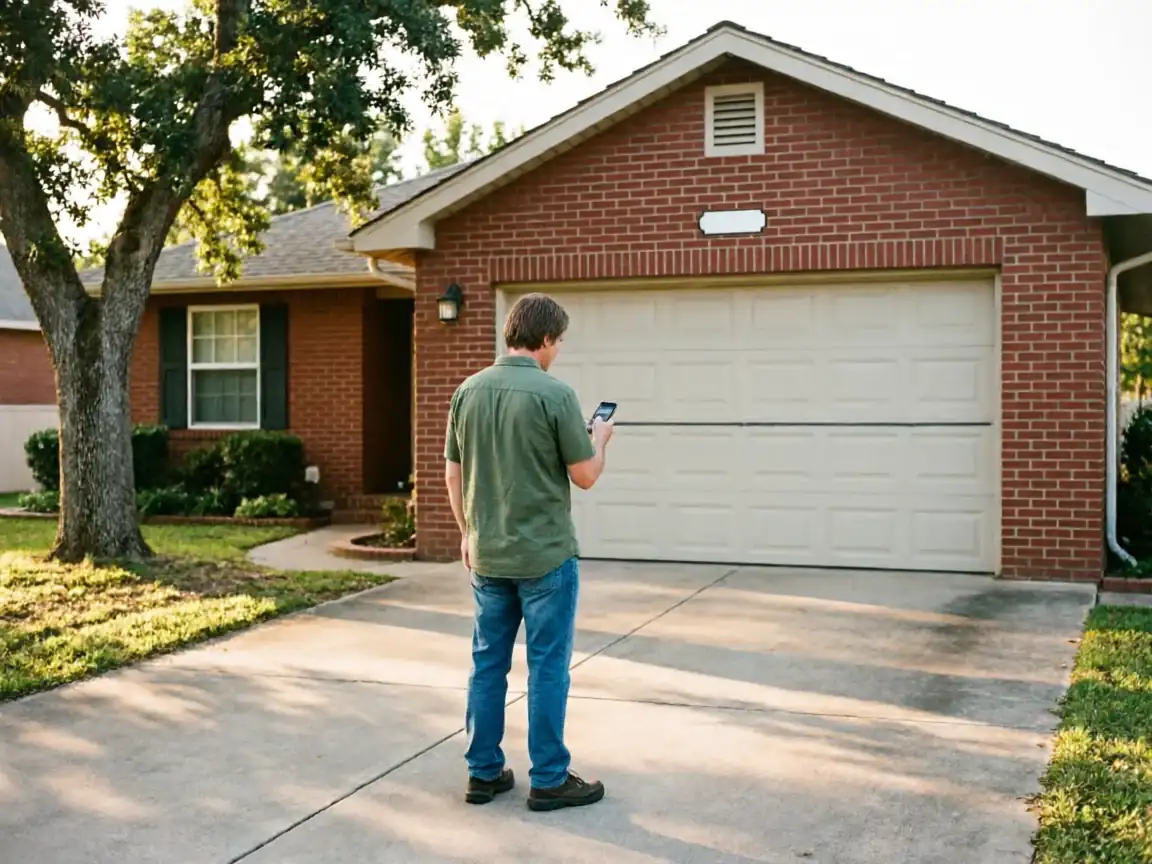
The door won't lift, or it lifts a few inches and stops
Sometimes you hear a loud bang from the garage - that's the spring letting go, usually while the door is down and nobody's touching it. Other times it's gradual: the opener strains harder each week, the door feels heavier when you lift it by hand, or the remote stops working because the opener's motor is fighting a spring that's lost its tension.
A visibly broken torsion spring shows a gap in the coil you can see from the garage floor
Usually right where it's mounted above the door. Extension spring failures are more likely to show as a loose, hanging cable along the track rather than a visible gap.
If your opener is straining and grinding instead of lifting clean
That's often a spring losing tension before it fully breaks, not an opener problem. Either way, don't force the door up by hand once it's stuck - a spring under partial tension can still move fast.
Why This Fails Locally
Housing in this service area was built mostly between 1956 and 2011, with the median build year around 1984, and that spread matters for spring repair. Older doors on original hardware are carrying springs well past their rated cycle life, while the bulk of homes - the 1980s and 90s stock that makes up most of the 23 named areas here - are now hitting the age where factory springs start to fatigue and let go without warning.
Climate plays its part too. This area sits in a mild band with occasional freeze risk, not the deep freeze-thaw cycling that cracks metal up north, but the humidity and heat swings still take a toll on spring coating and the oil that keeps a torsion spring winding smoothly. A spring that's lost its coating corrodes faster, and a corroded spring breaks with less warning than one that's just worn out.
Across the roughly 77,380 households and 44,440 owner-occupied houses in this service area, spring failure is one of the most common calls we get, and the age spread of the housing stock is the reason why - there's no single era of door that's immune.