How We Fix It
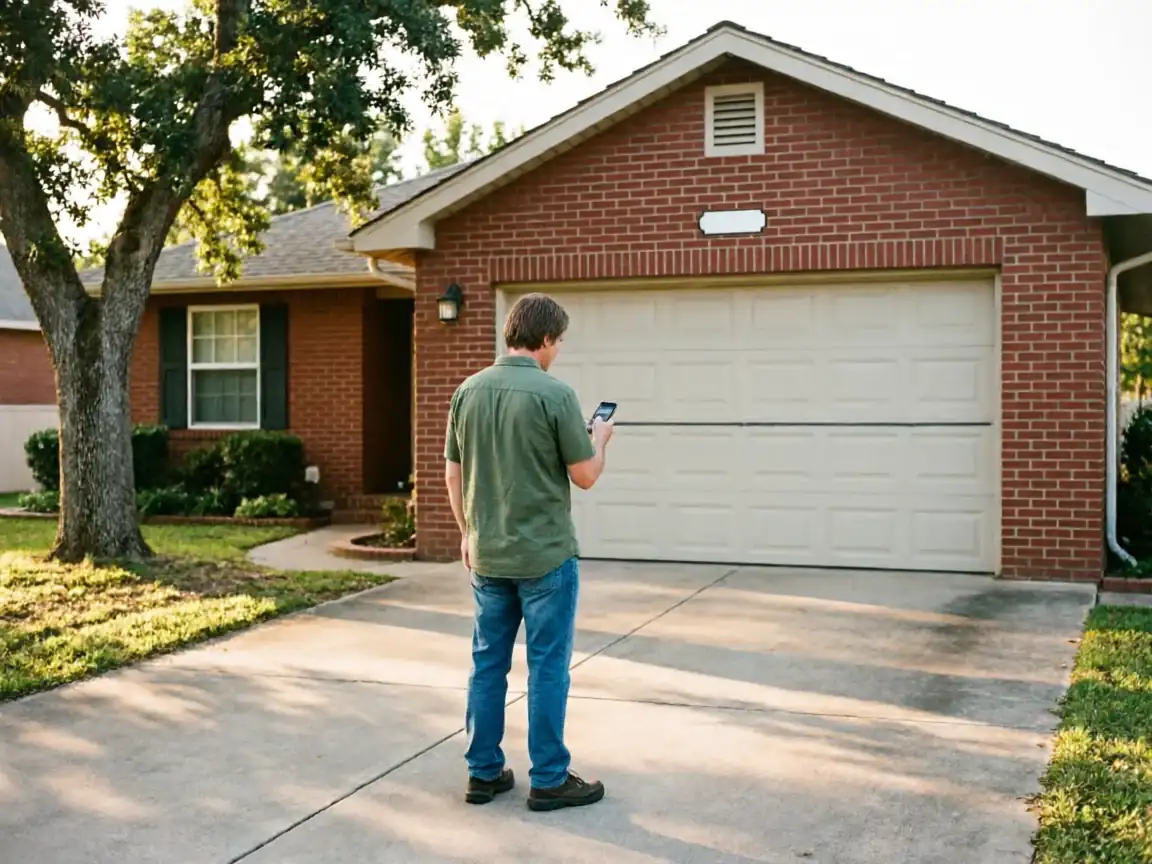
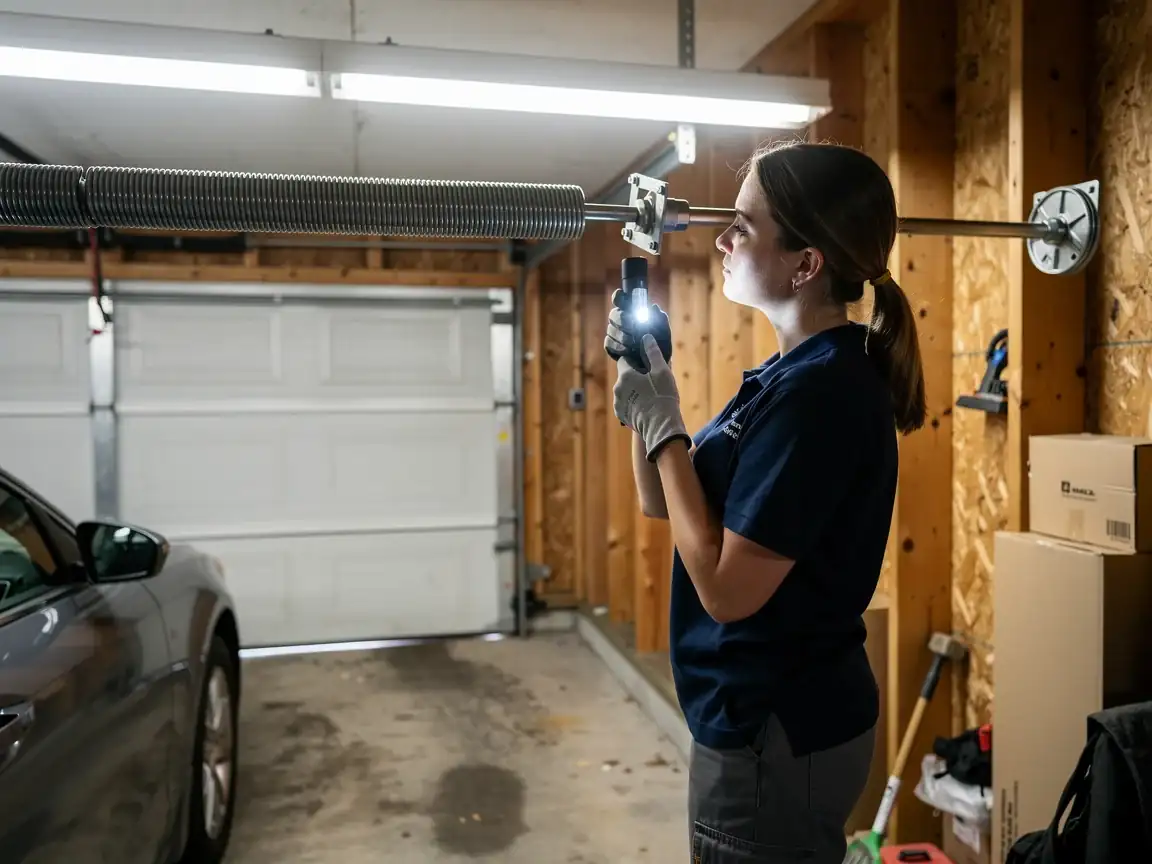
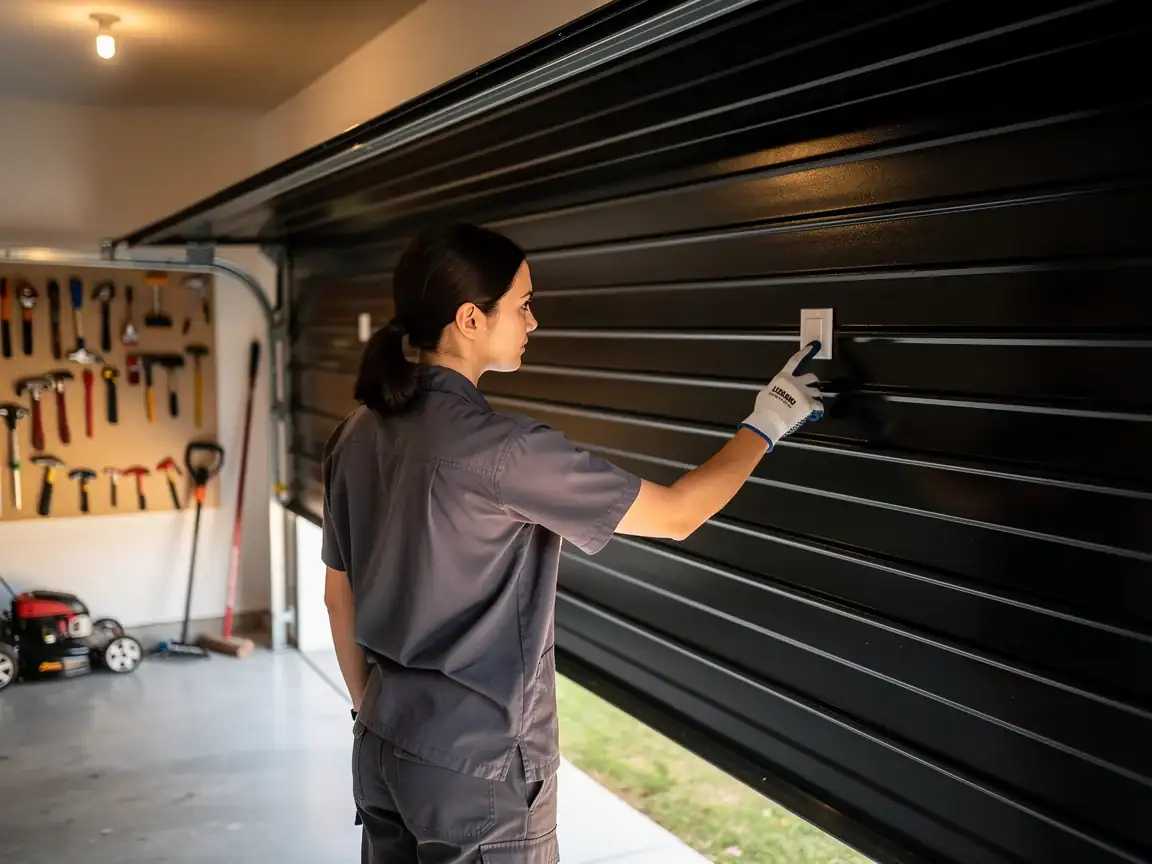
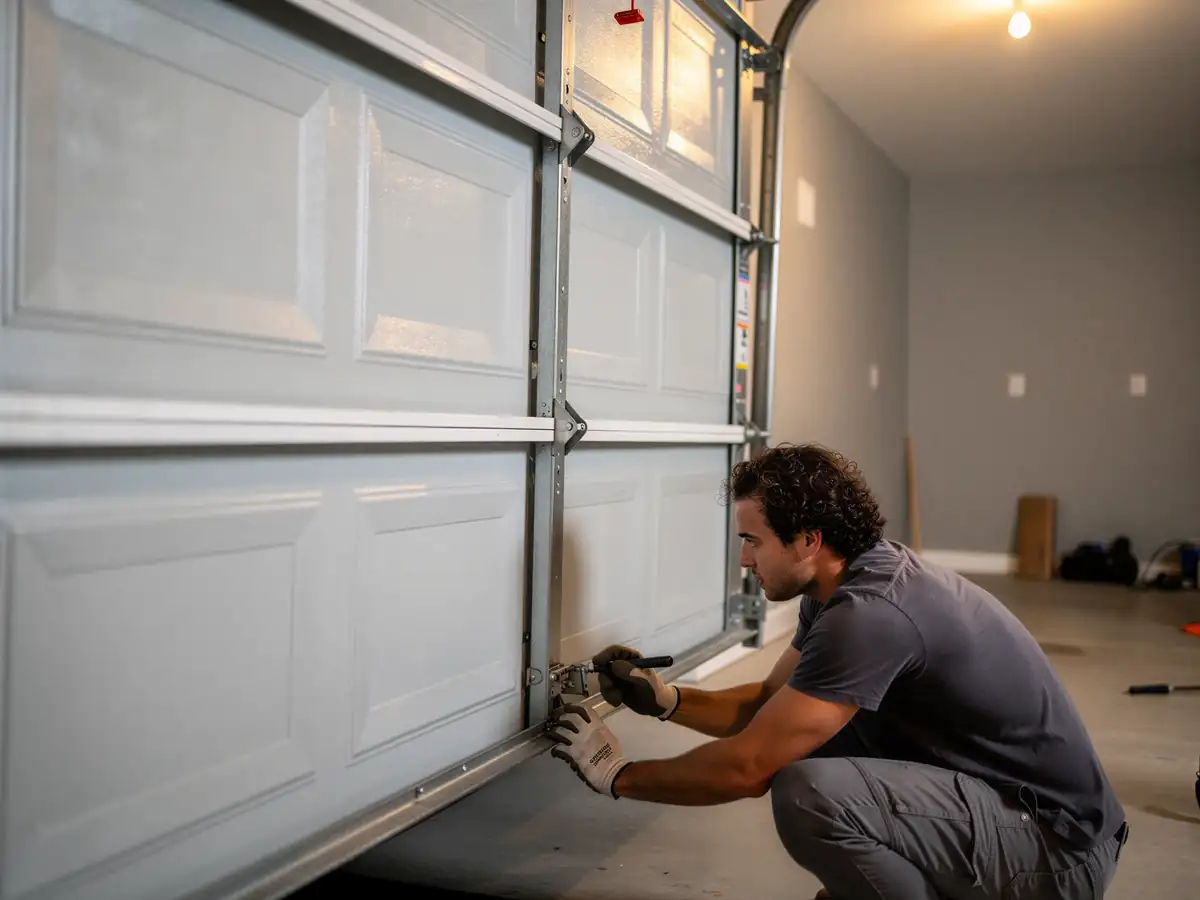
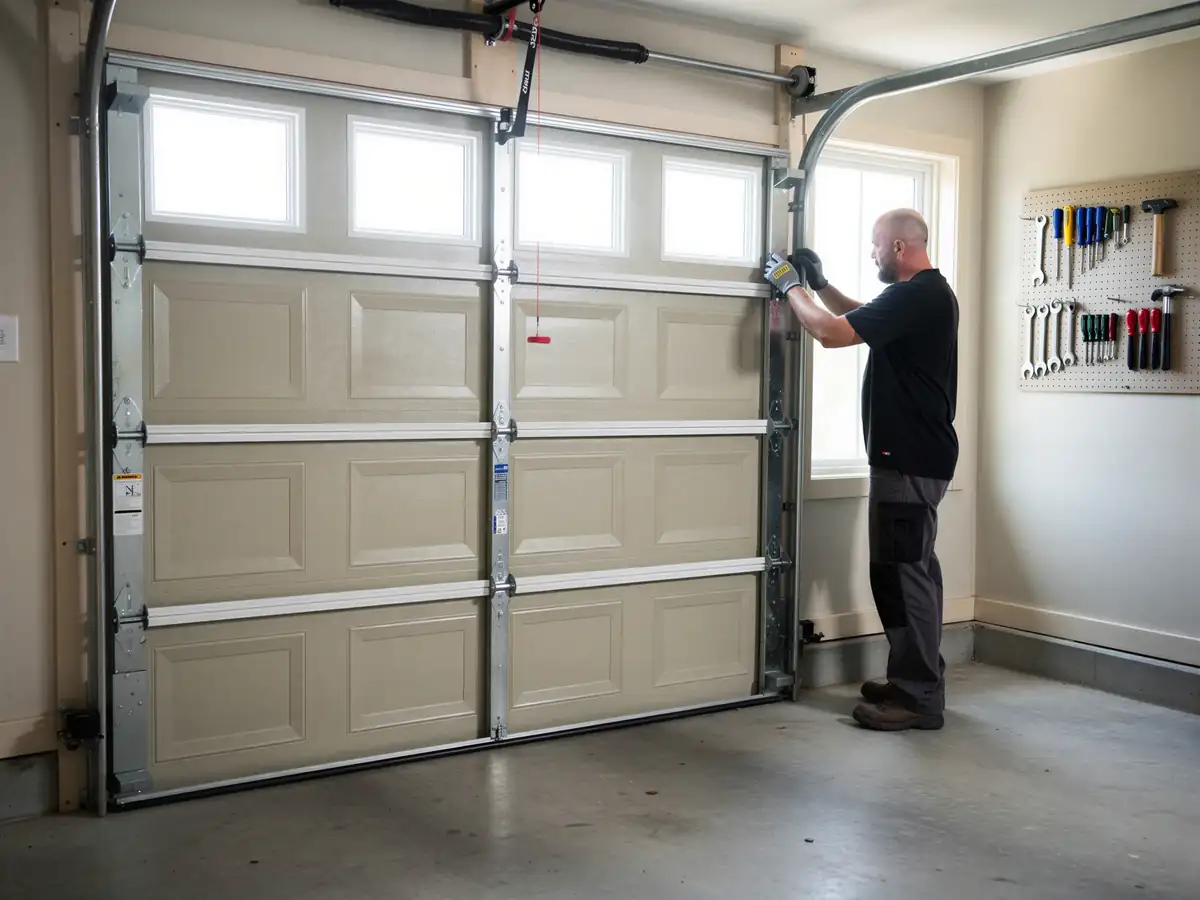
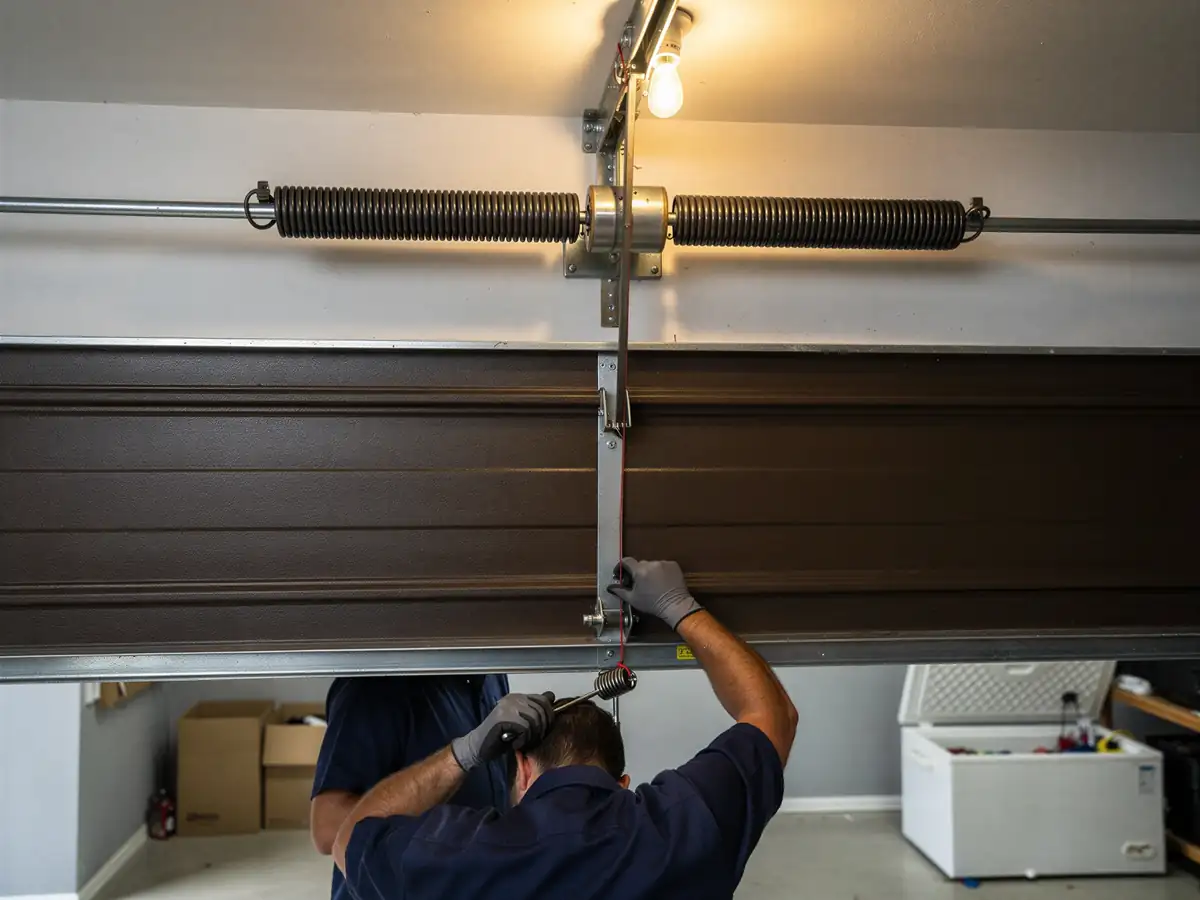
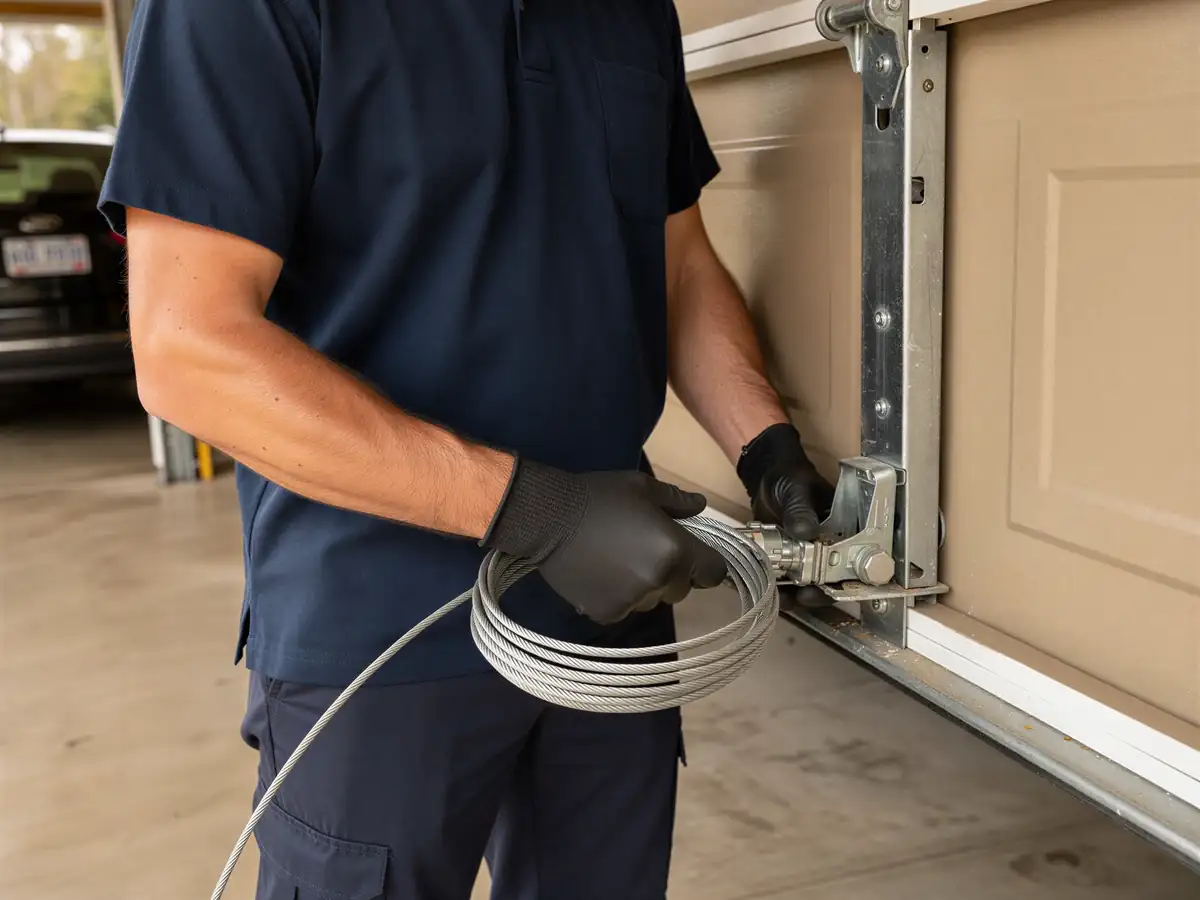
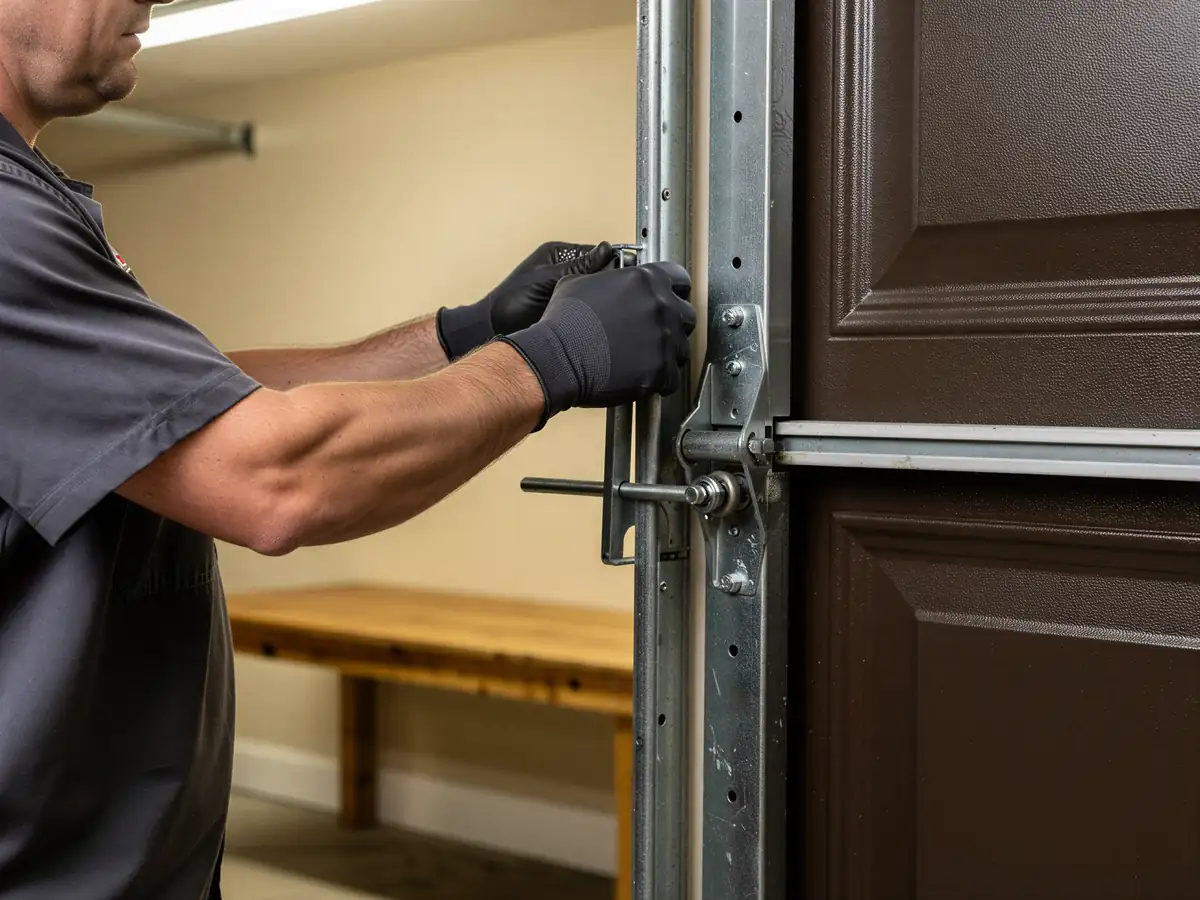
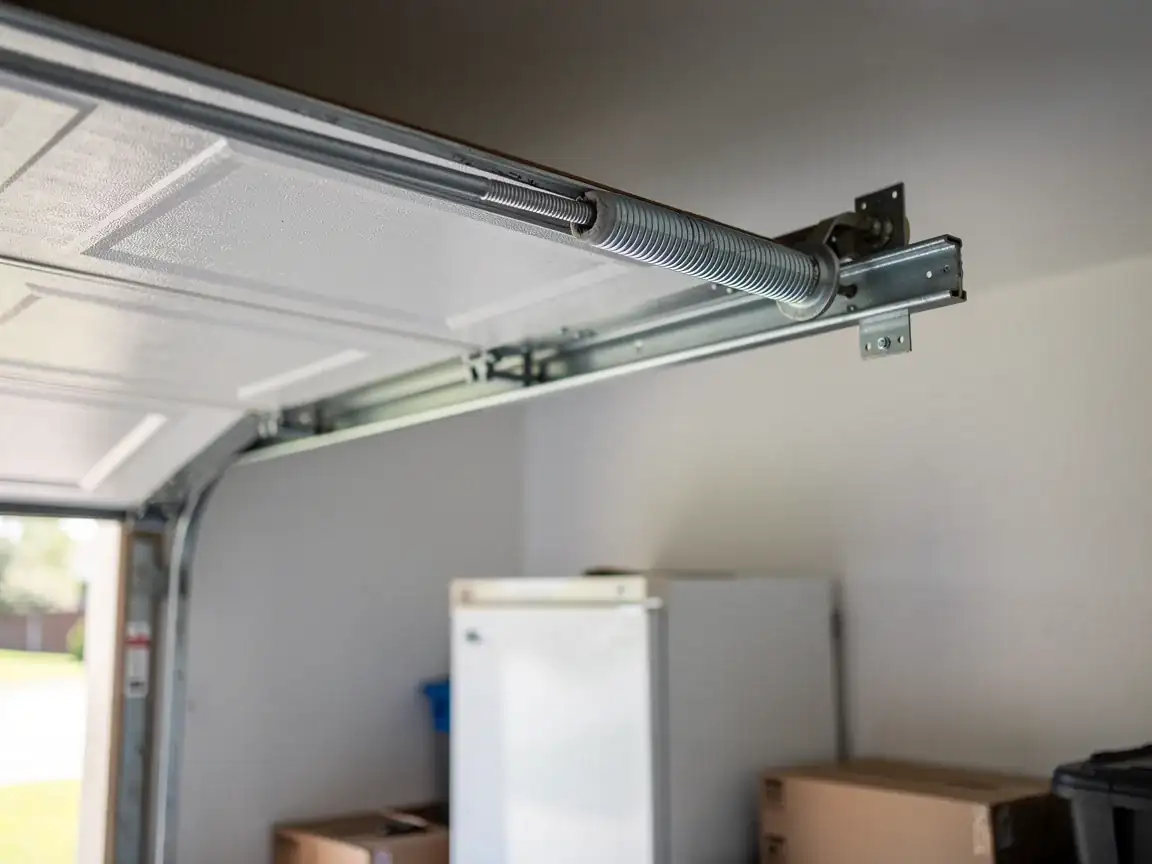
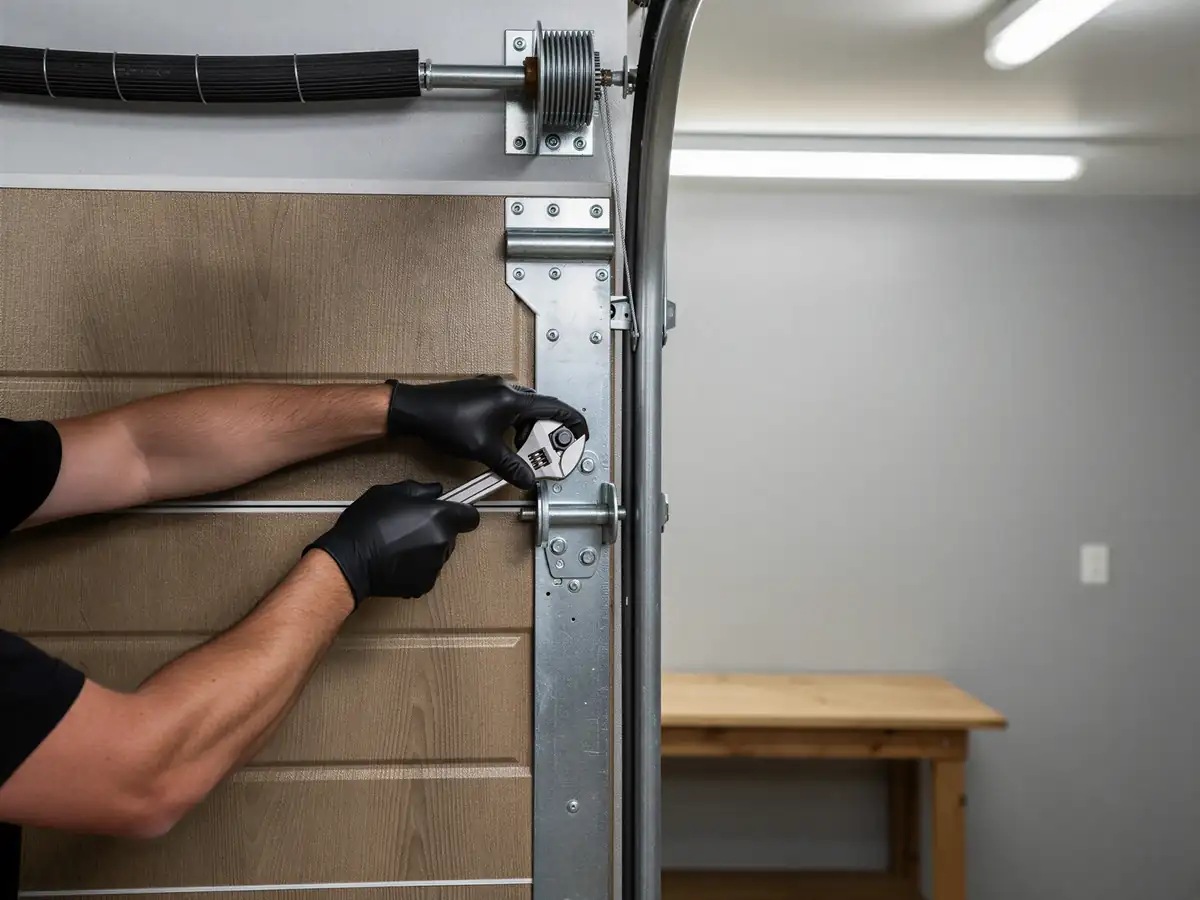
A maintenance visit isn't a quick spray-and-go. We pull the door down to the floor and watch it travel, listening for the grind that means a roller's gone flat or a track bolt has worked loose. We check spring tension by hand, not by eye - a torsion spring that's lost a quarter-turn of wind doesn't look any different, but it'll shorten the life of your opener fast. We lubricate hinges, rollers, and the torsion bar itself with a lubricant rated for temperature swings, not the household oil most owners grab from the garage shelf. We check cable fraying at the drum, tighten the header bracket, and test the auto-reverse safety sensors, since those get knocked out of alignment more than people realize when a bike or a trash can clips them. On older doors we also check whether the spring was ever upgraded to match the door's actual weight - a lot of homes in this area still run the spring that came with the house, not the door that's on it now. We don't repaint or refinish panels as part of a maintenance call; that's a separate job, and we'll say so up front rather than pad the invoice.
How Long It Takes
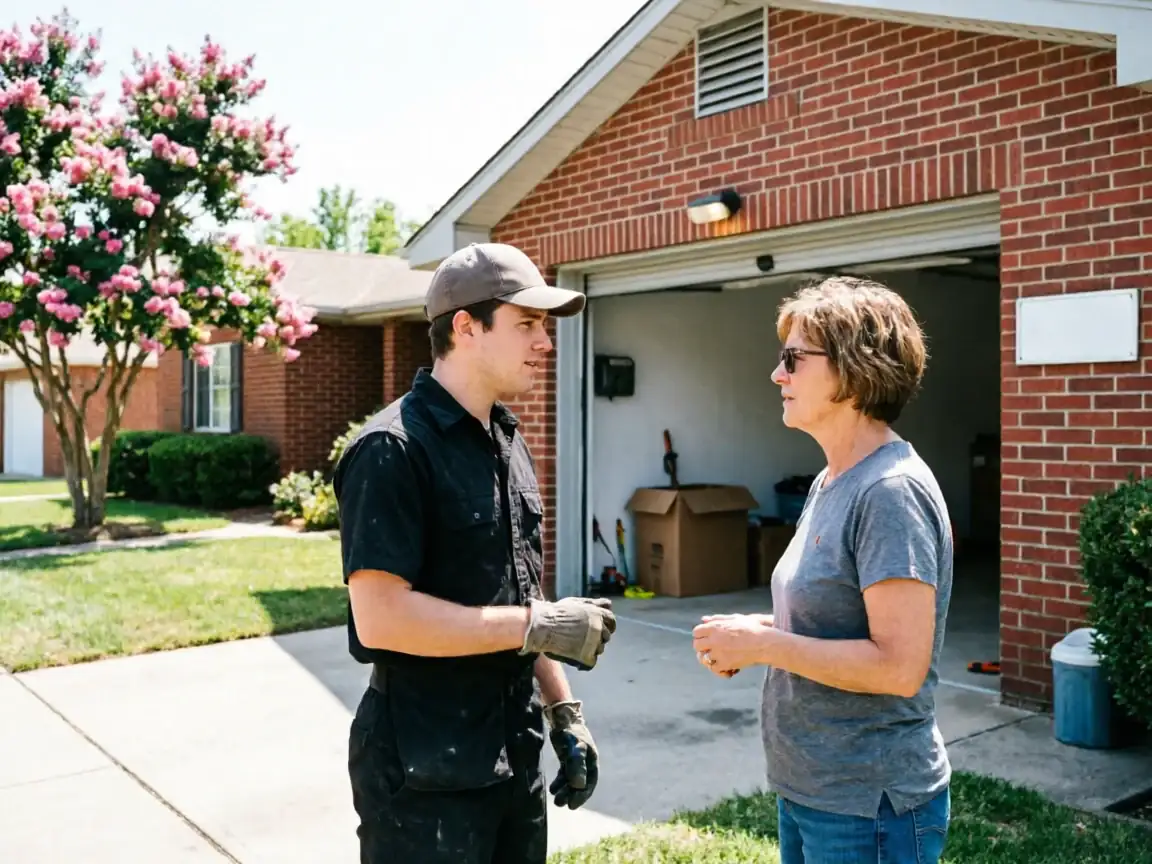
A straightforward maintenance visit on a single door with factory hardware moves fast - most of the time goes into testing balance and cycling the door a few times under load, not into any single repair. Double doors with two torsion springs take longer because we're checking two separate systems that don't always wear evenly. If we find a cable close to fraying or a bottom bracket that's rusted through, we'll tell you before touching it rather than swap parts without asking - that can turn a maintenance call into something closer to a repair, and we quote that separately. Houses with the original 1960s-era hardware sometimes need extra time just locating the right replacement roller or bracket size, since manufacturers changed dimensions more than once between then and the builder-grade hardware going into homes through the 1990s and 2000s. We don't keep every obsolete part on the truck - some older bracket styles have to be special-ordered, and that's the honest limitation here: if your door is original to a house built decades back, a same-day full parts swap isn't always possible, even if the maintenance check itself is quick.
Why This Fails Locally
Housing across this service area was built mostly between 1956 and 2011, with the typical year sitting around 1984, and the bulk of it clusters in that 1980s-and-90s builder-grade wave across the 23 named communities we cover. That spread matters: you've got original torsion hardware from the 1960s next door to a 1990s builder-grade setup two streets over, and they don't fail the same way or on the same schedule. The older doors were often never upgraded when heavier insulated panels replaced the original lightweight ones, so the spring is working harder than it was sized for. The climate band here is mild most of the year with occasional freezes, which doesn't sound harsh, but that swing between warm humid stretches and the occasional cold snap is what actually stresses lubricant and metal - it's not one hard winter doing the damage, it's dozens of small temperature swings a year wearing down parts that were fine in a stable climate. Across the 77,380 households in this service area, 44,440 own the home they live in, and most of those doors get opened and closed daily without ever getting a seasonal check - which is exactly the gap that turns a ten-minute lubrication job into a spring replacement.