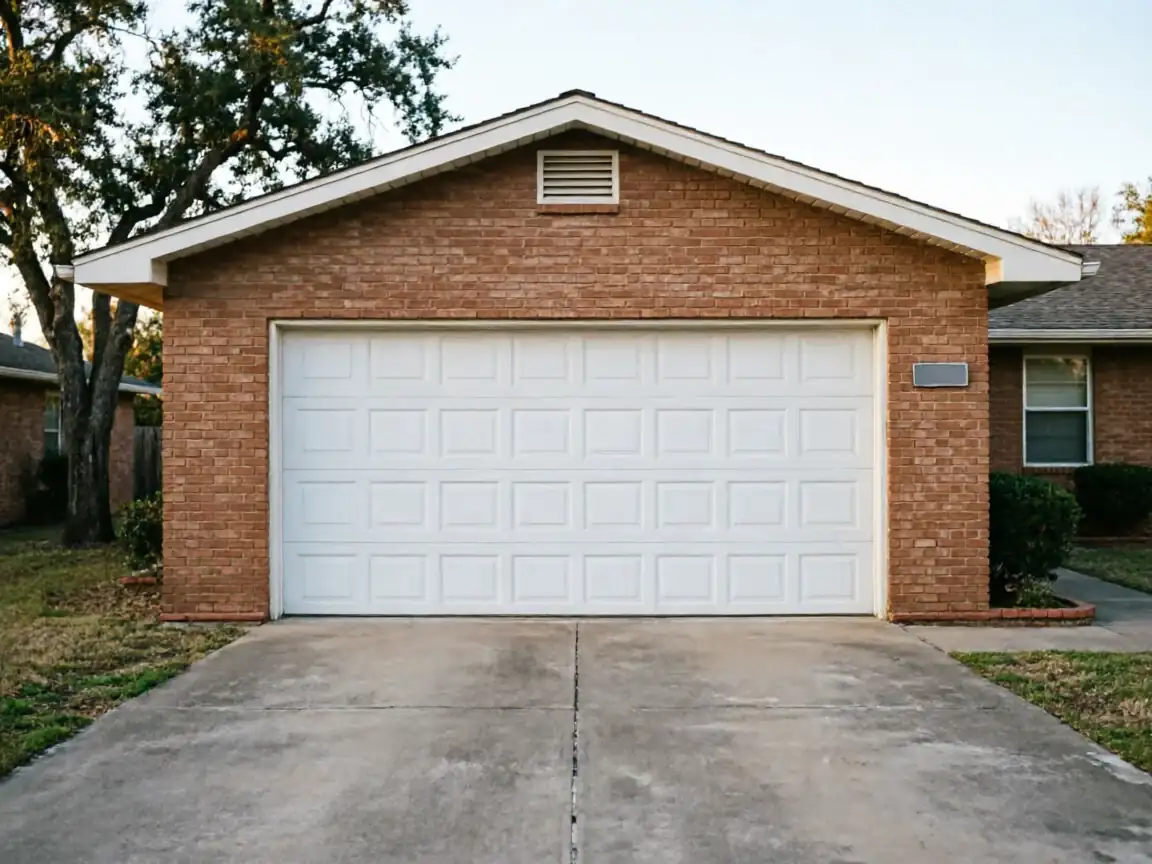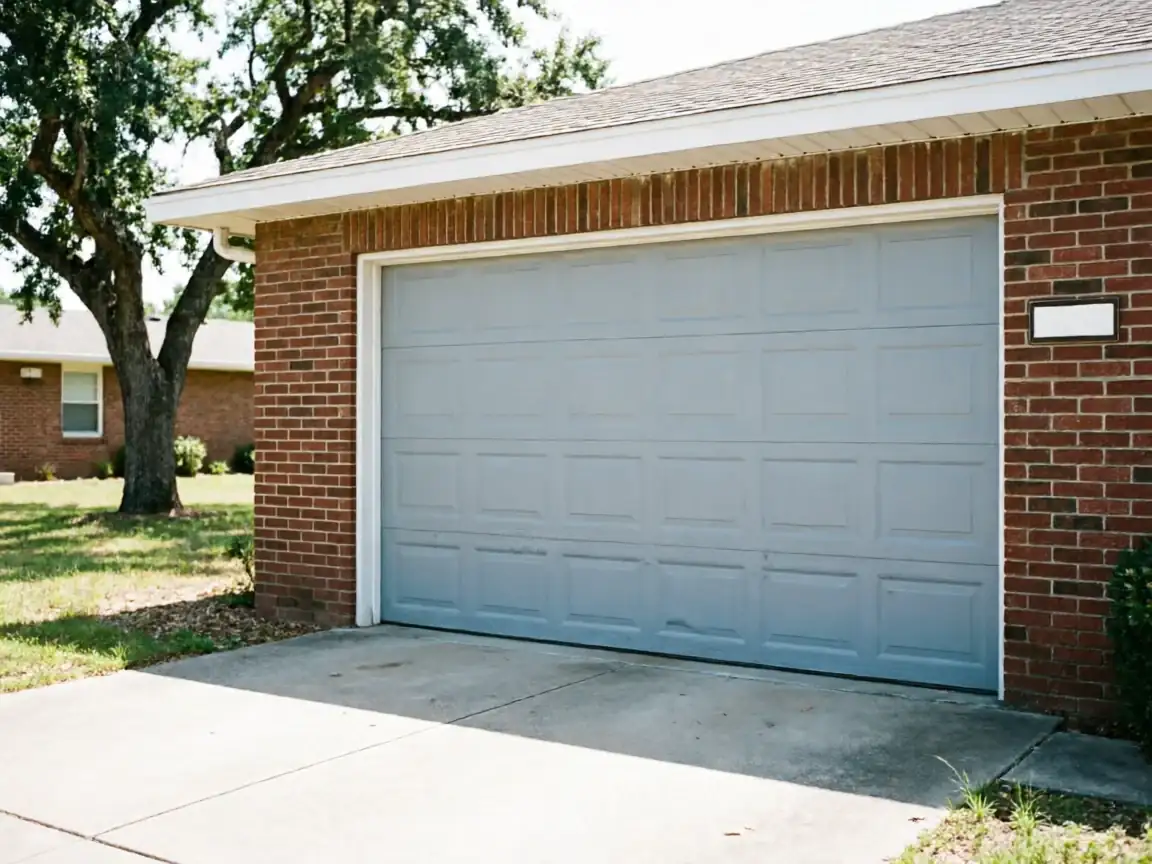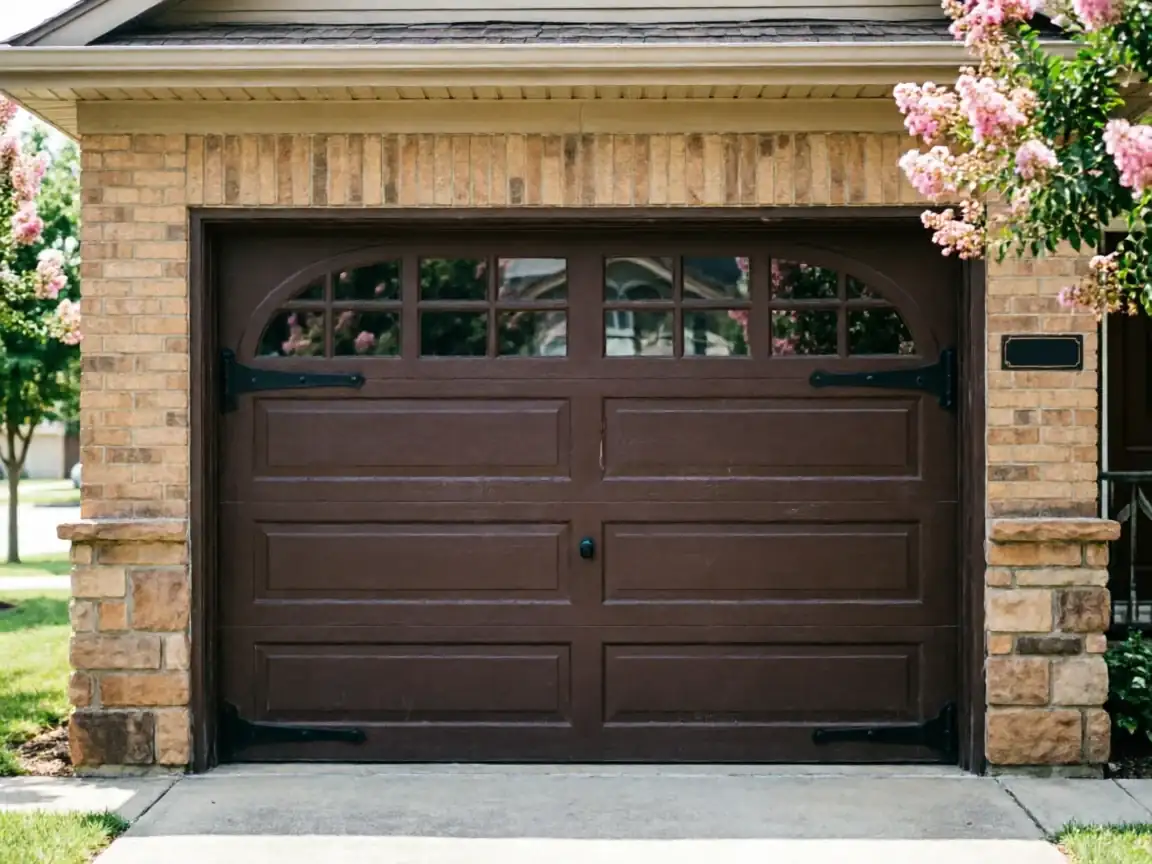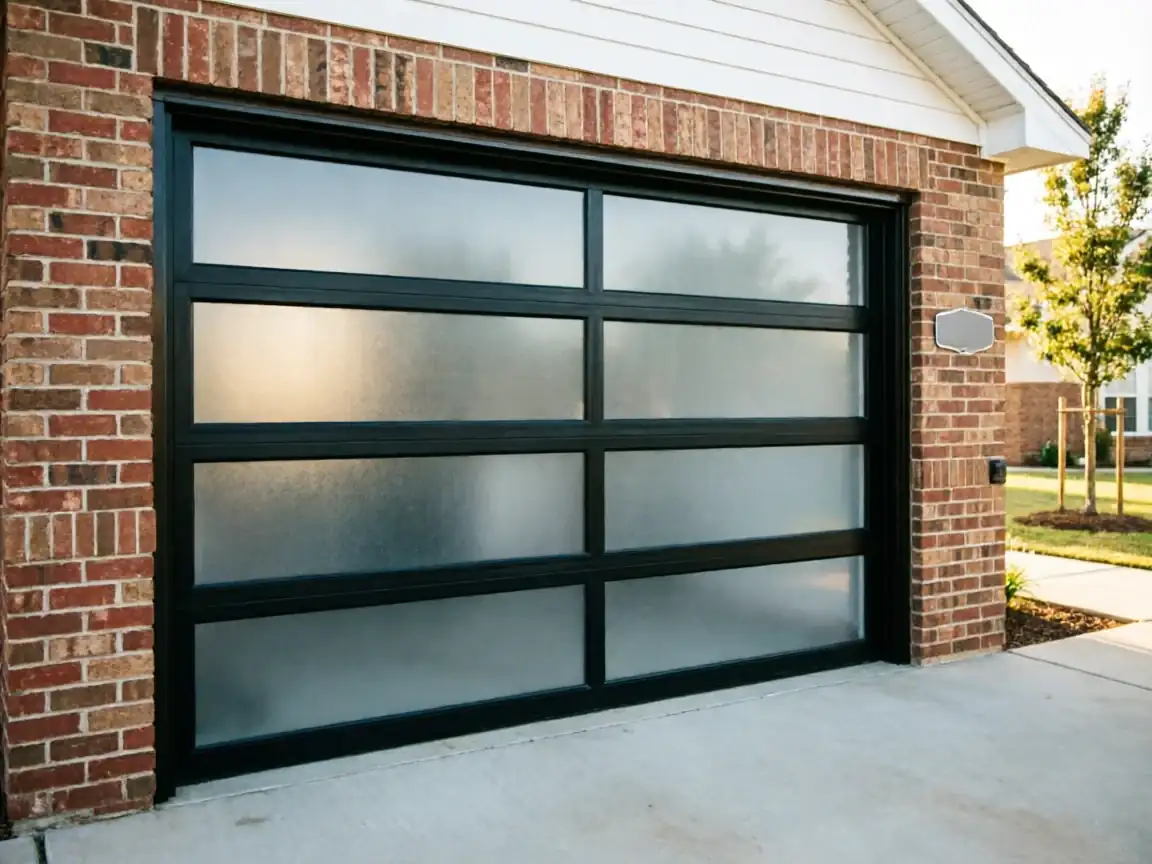
Getting Here
Santa Fe sits about 20 miles from our La Porte shop, which puts it on the far edge of where we run trucks. We don't keep a depot out here, and we're upfront that a same-day slot in Santa Fe depends on what's already on the schedule that morning. If you call early, we can usually work you into the route; if you call at 4pm on a Friday, we'll be honest about whether that's realistic. We don't promise a response time we can't back up over that kind of distance.
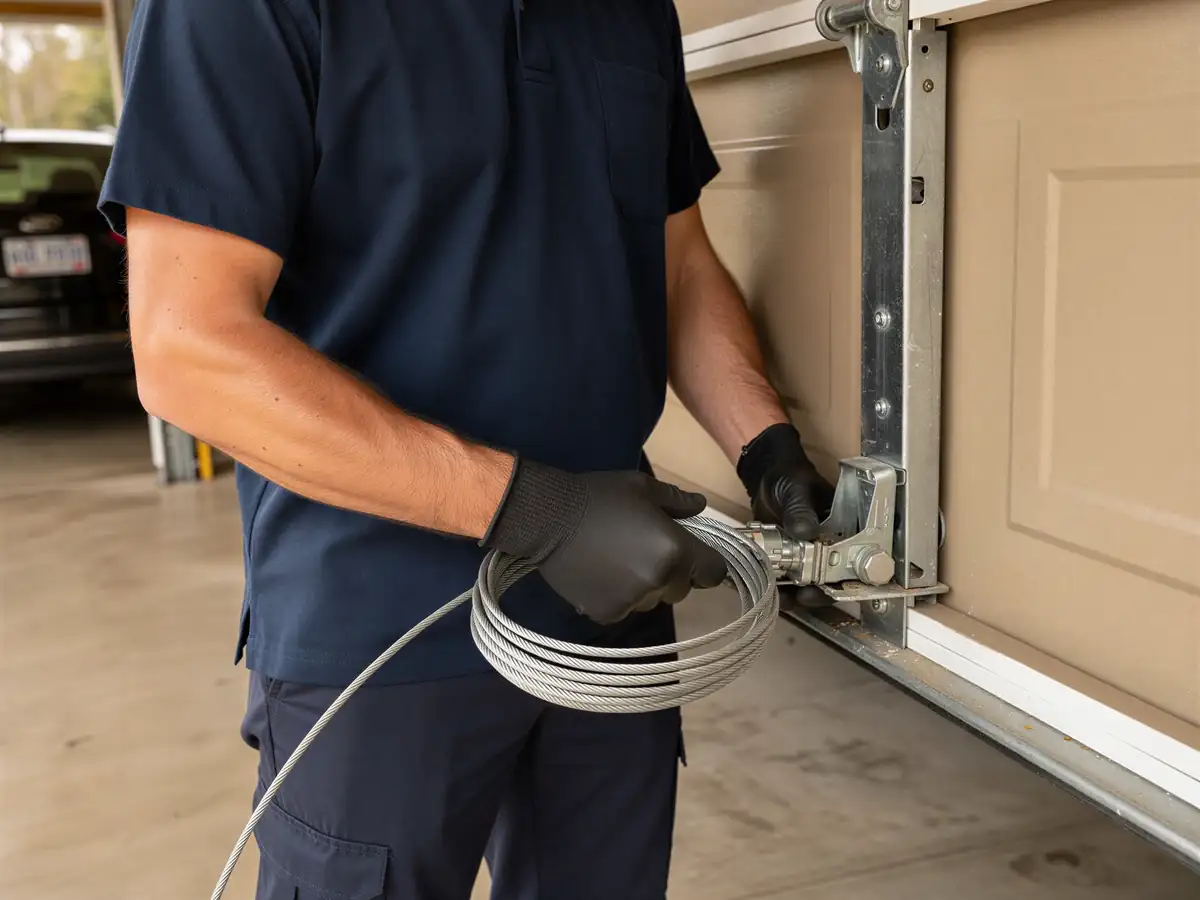
The drive matters less for scheduling and more for what we bring. A tech heading 20 miles out loads the truck differently than one staying close to La Porte, because turning around for a missing part costs the whole afternoon. For Santa Fe calls we try to get a clear description of the door, the opener brand, and whether it's a torsion or extension spring setup before we leave, so the first trip is the only trip.
Older vs Newer Streets
The rest of our coverage area has a median build year around 1984, with housing stretching back to 1956 in some of the older sections. Santa Fe runs newer: the median year built here is 1991, so a lot of garages went up after builders had already shifted to lighter steel panels and factory-set torsion springs instead of the heavier wood and extension-spring setups common in the mid-century streets closer to the water.
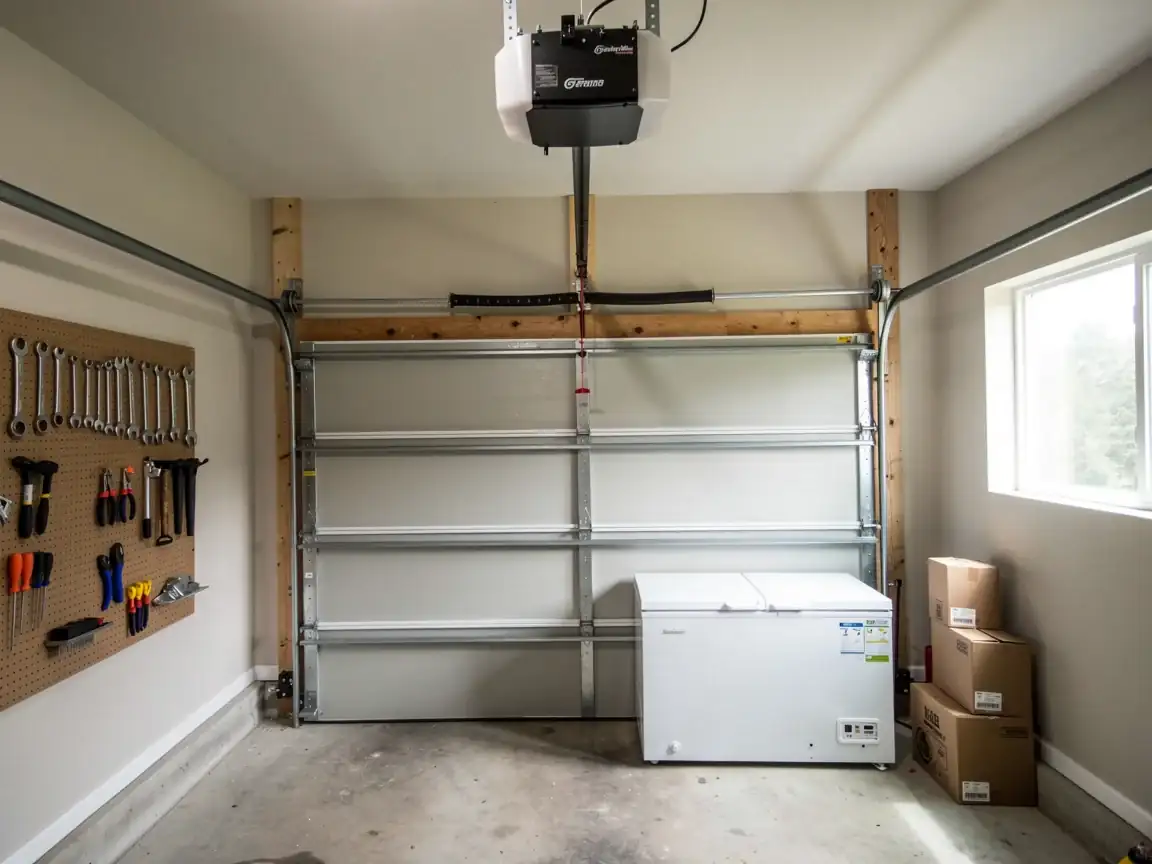
That seven-year gap isn't huge on paper, but it lines up with a real change in how garages were framed and how openers were wired in. Houses from the late 80s and early 90s in this area tend to have a single torsion spring on a standard double door rather than the paired extension springs you'd find on something built in the 60s. It also means fewer of the side-mounted, low-headroom setups that show up in the older pockets of the broader service area.
What That Means for Doors
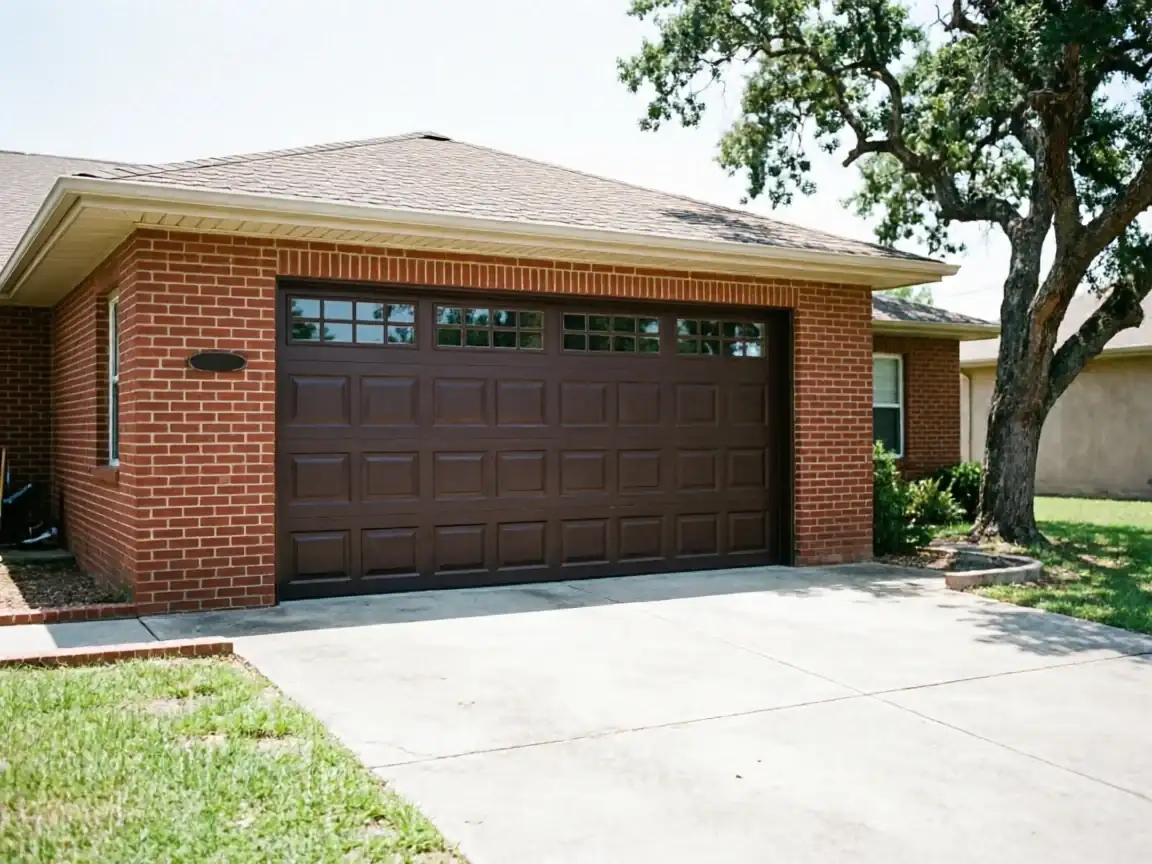
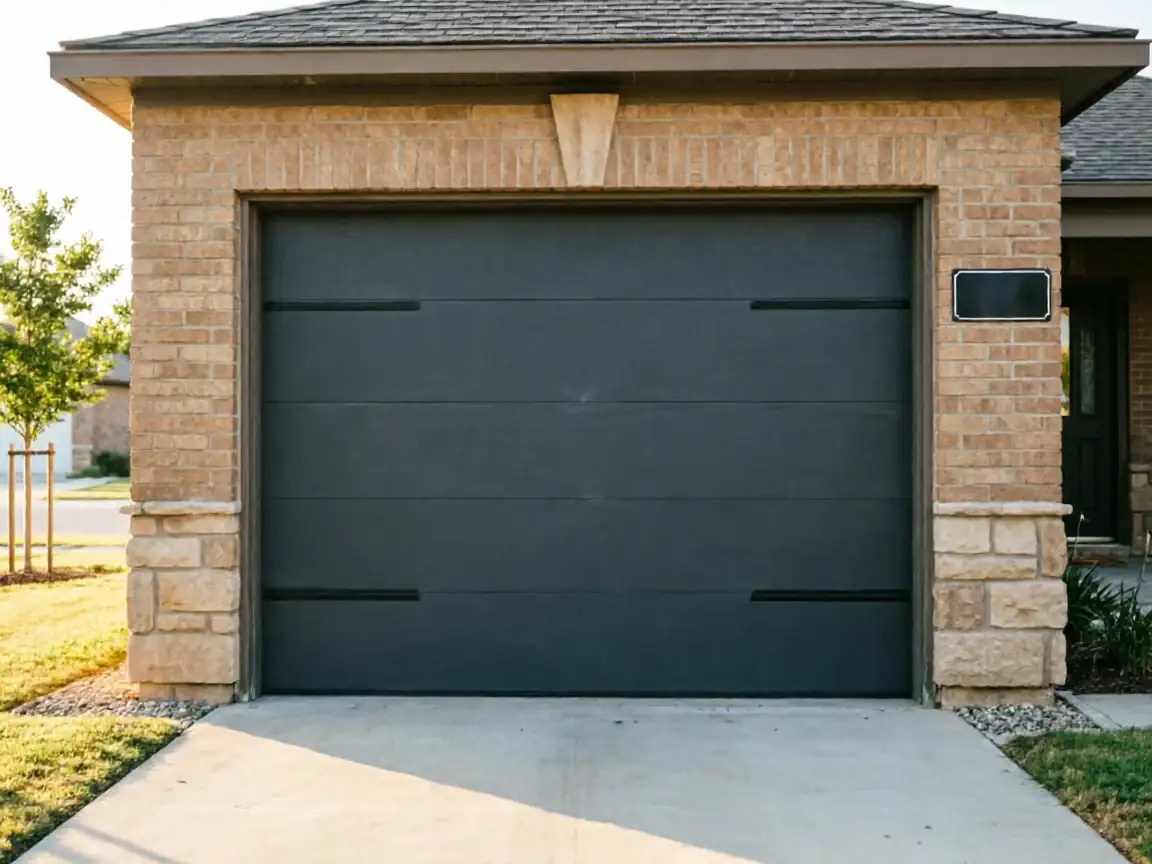
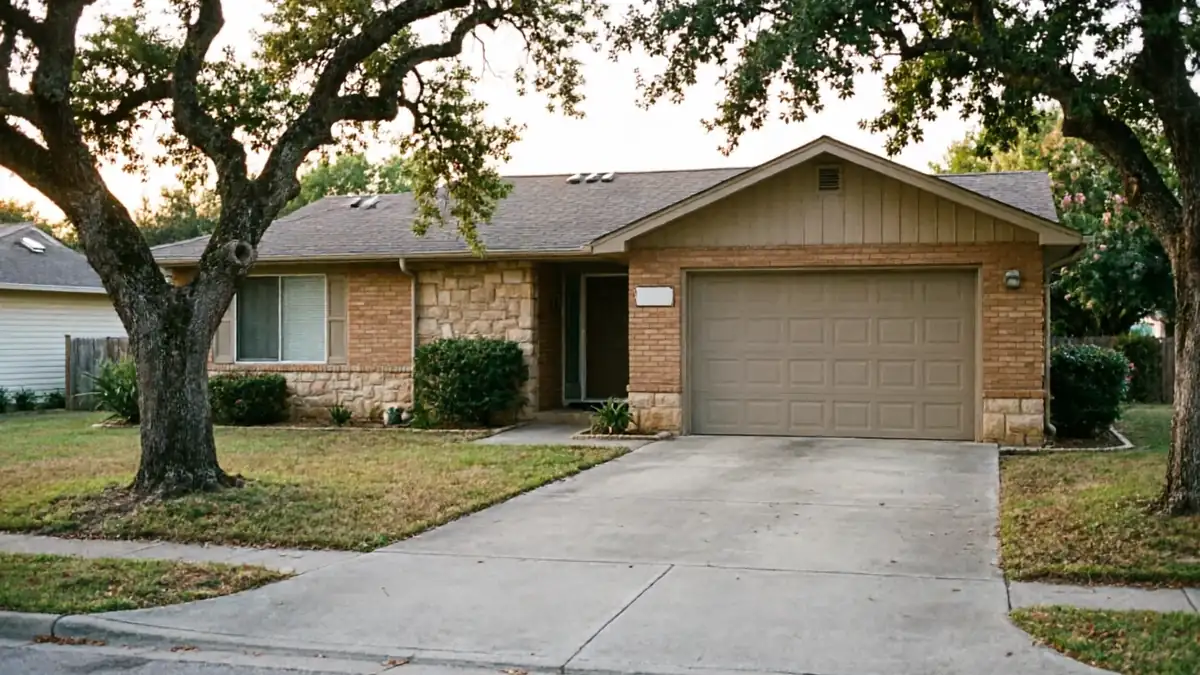
Because most Santa Fe garages date from 1991 or later
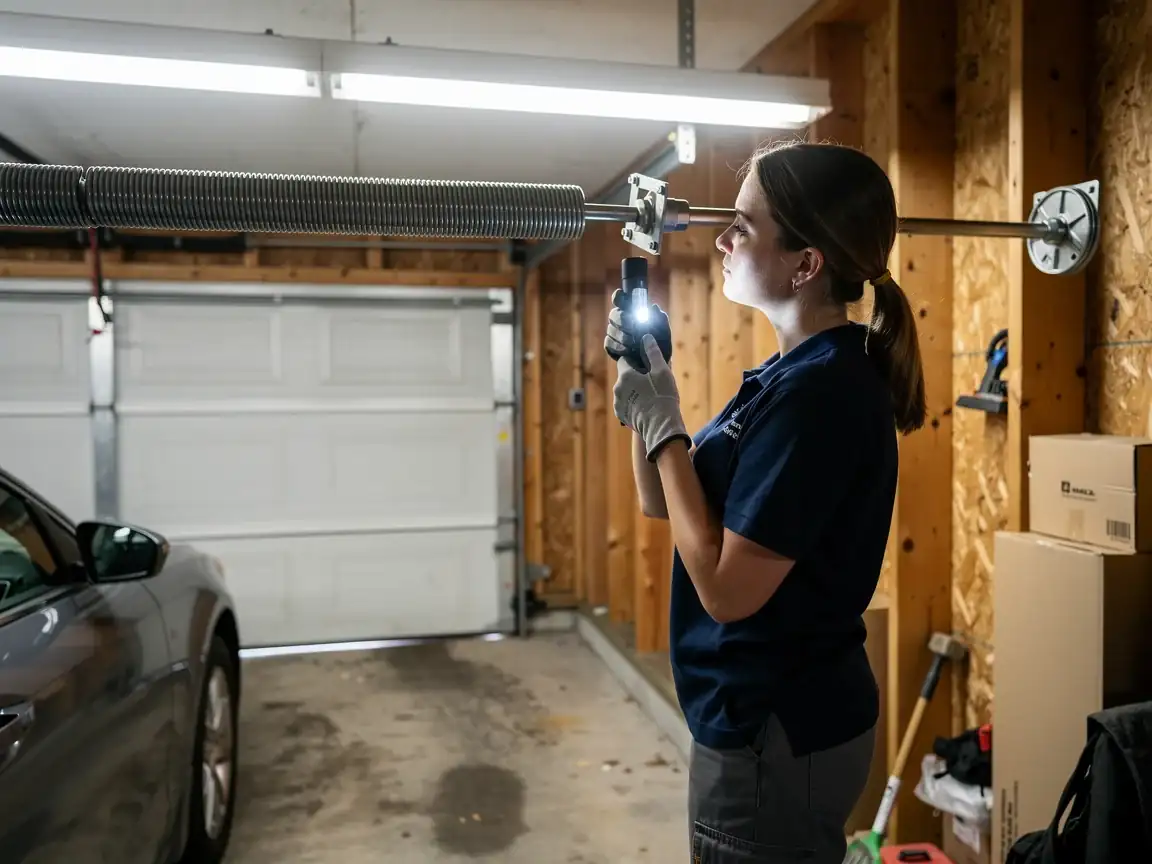
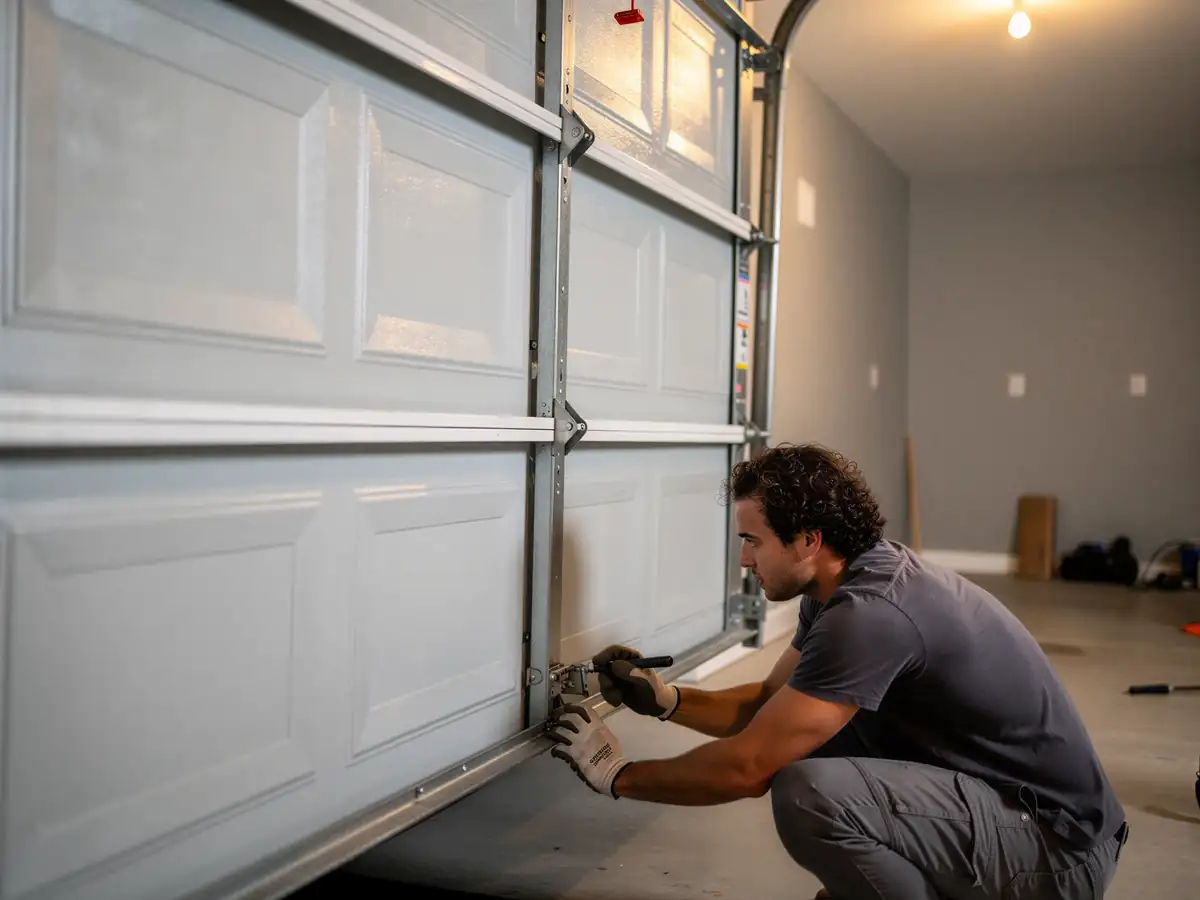
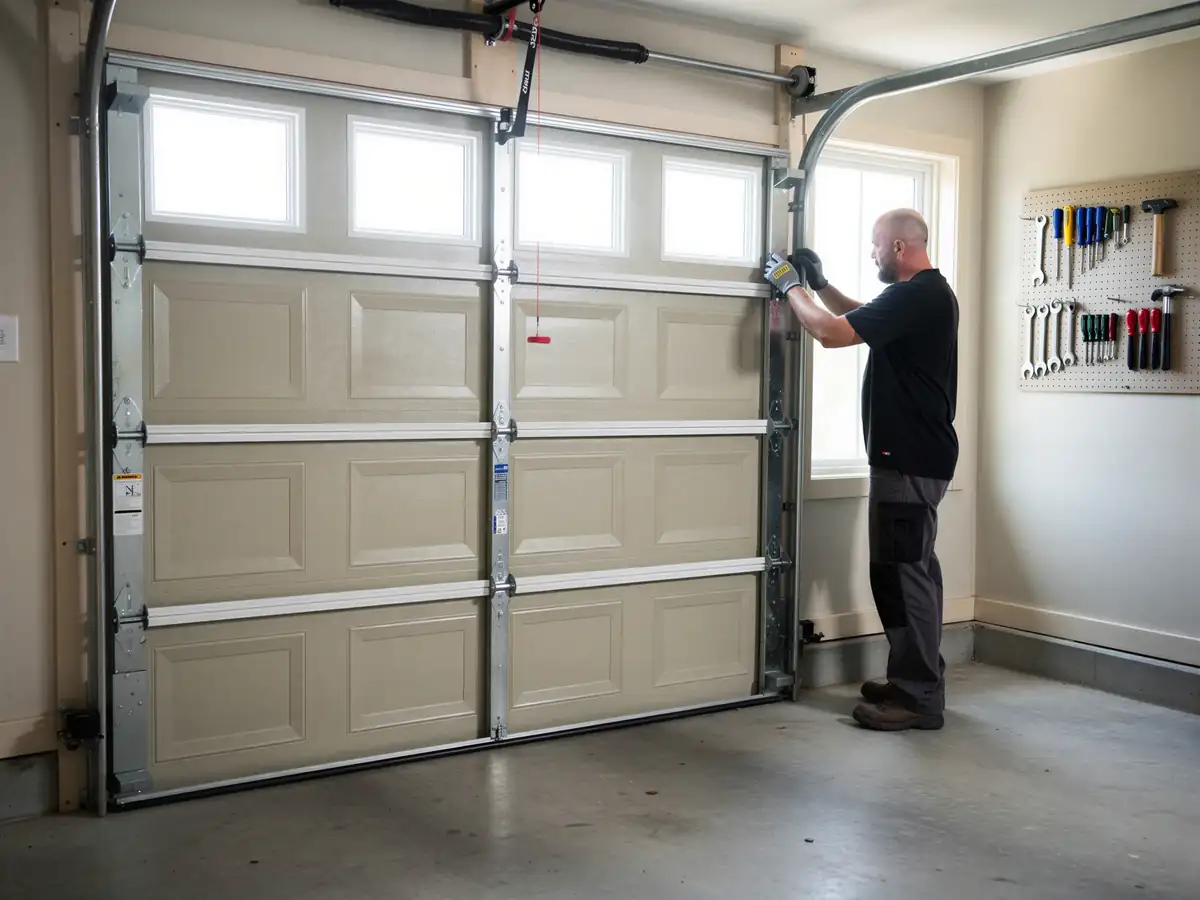
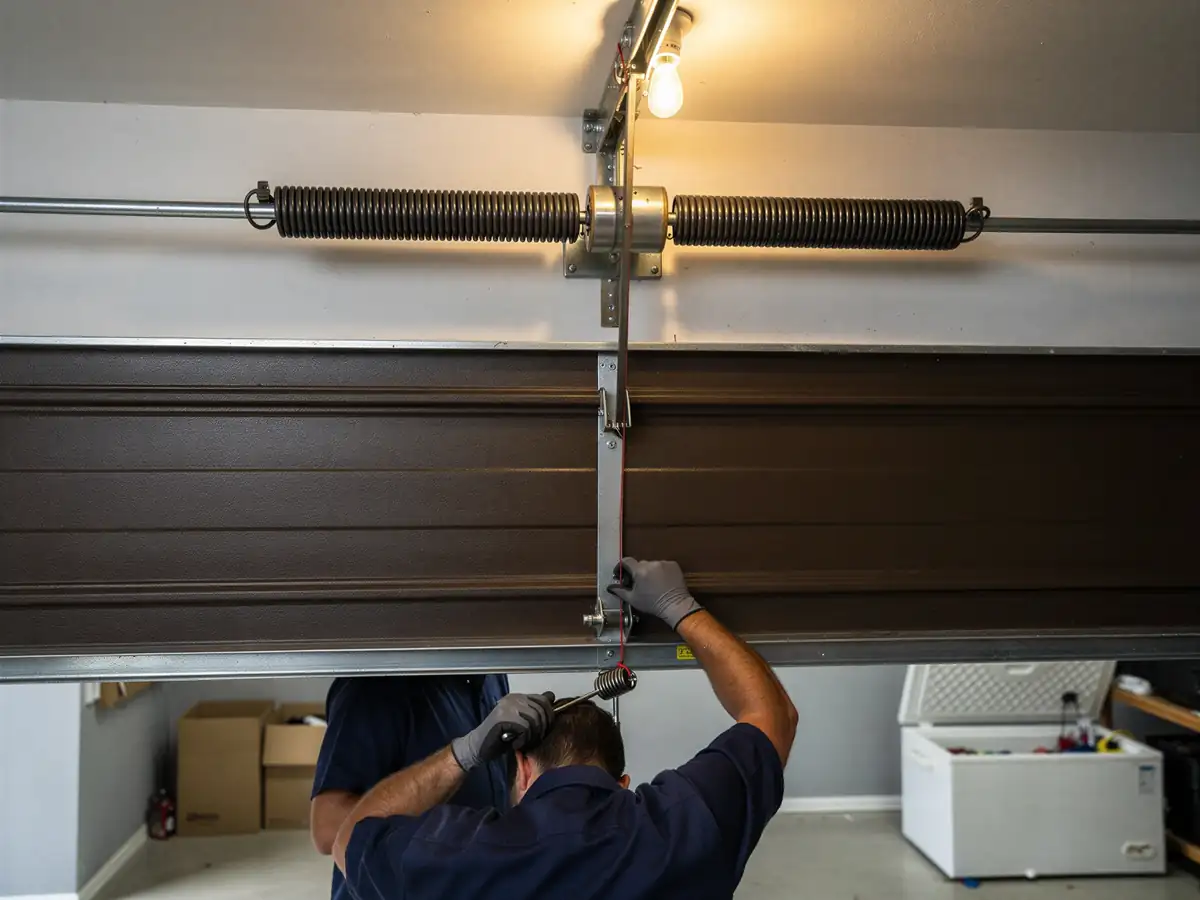
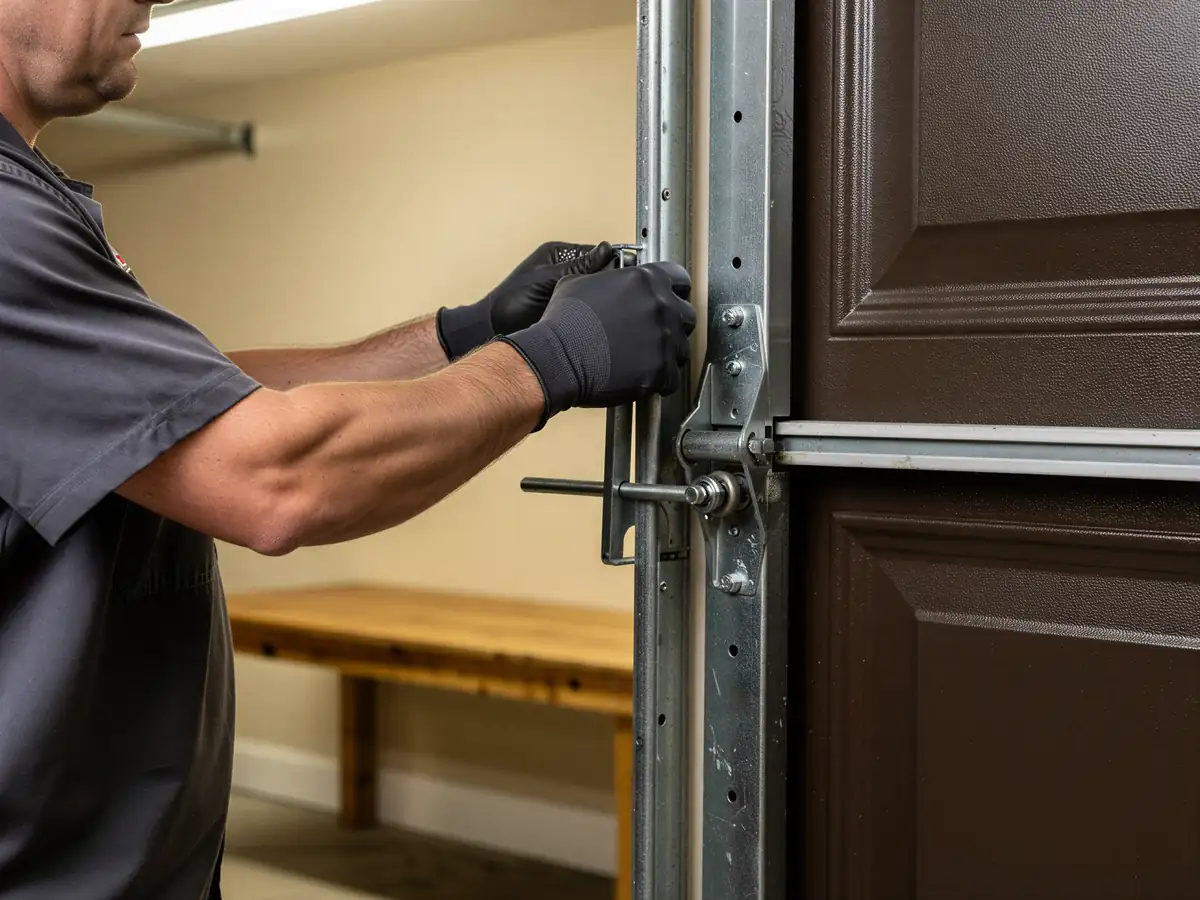
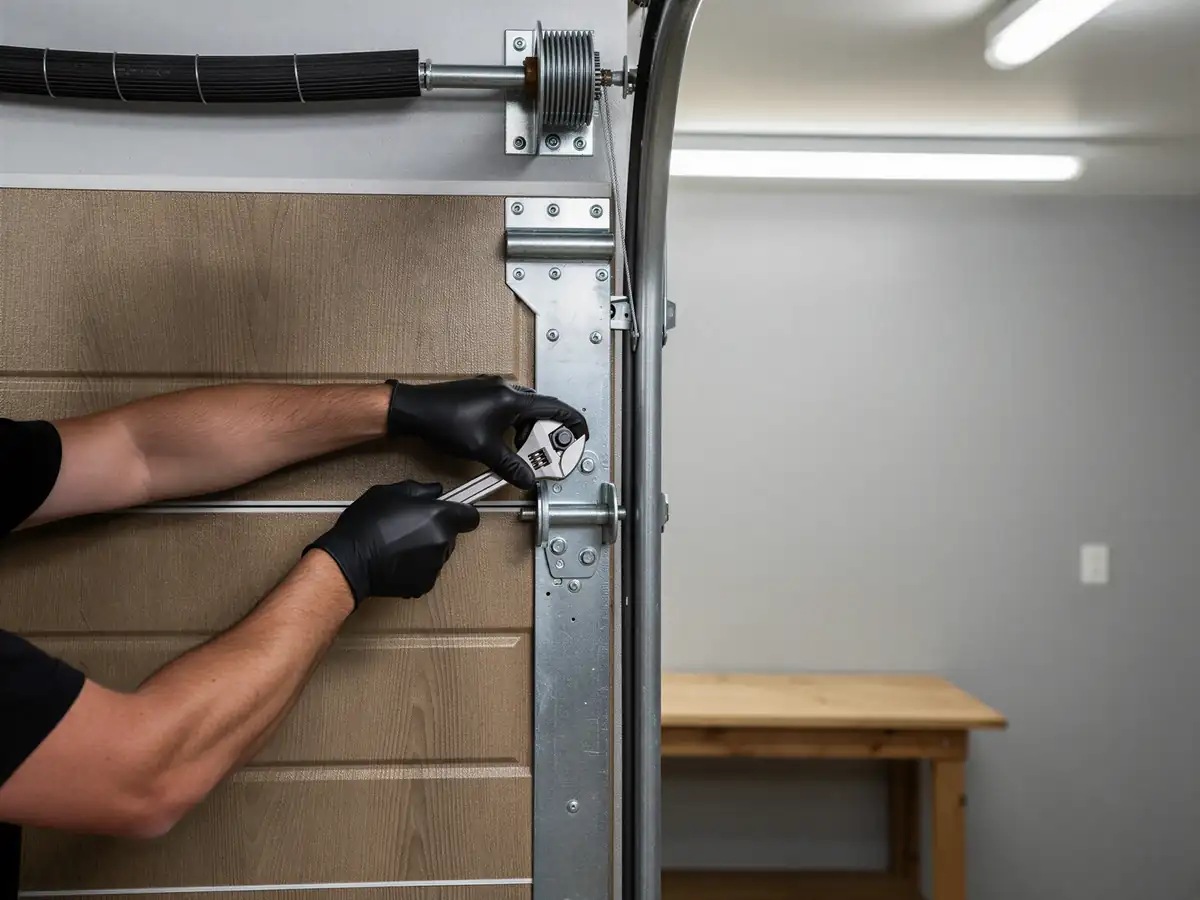
The common failure here is a worn torsion spring losing cycles after two to three decades of daily use, not the oddball hardware you find on a 1960s door. Rollers and cables wear out the same way regardless of age, but the spring sizing and drum setup on these doors is more standardized, which usually means parts are easier to match on the truck.
One limitation worth naming
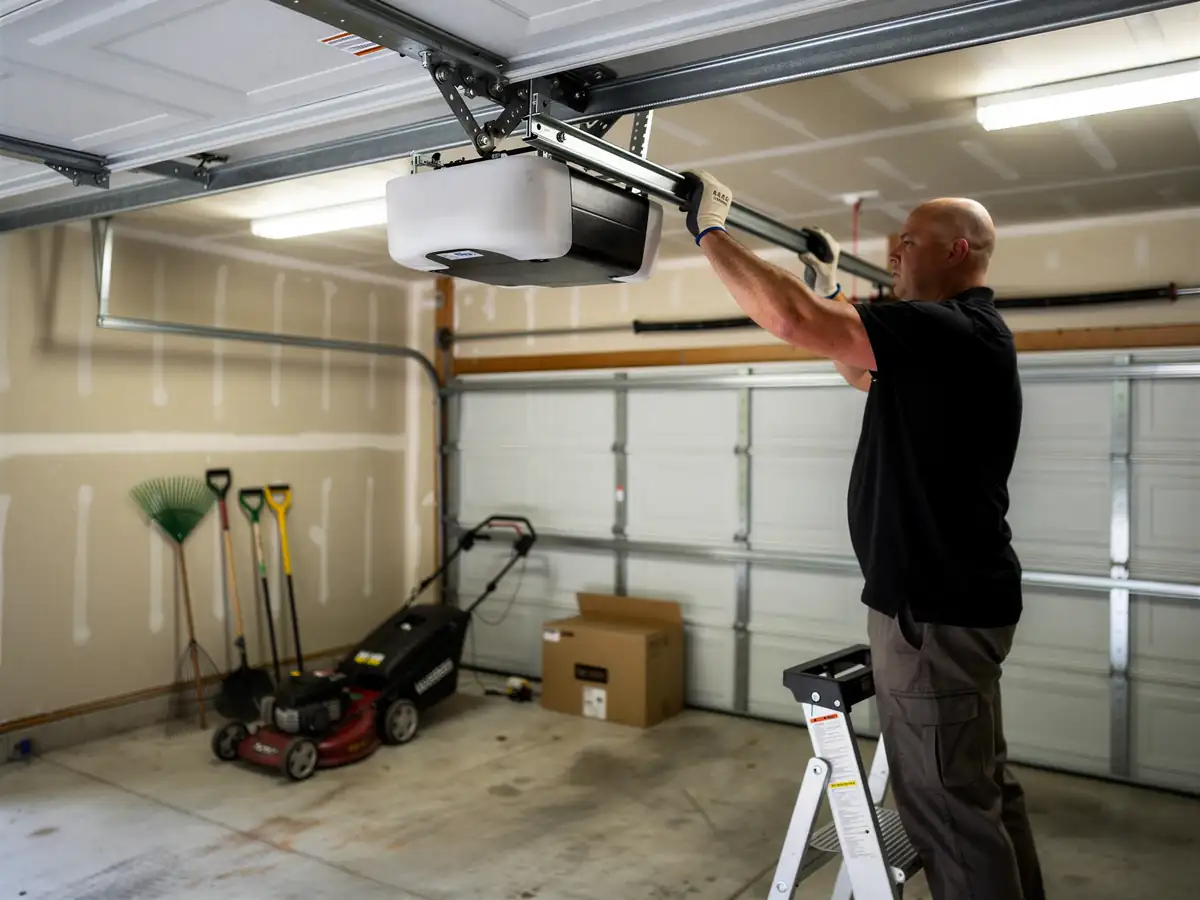
If a door here is original to a 1991-1995 build and the opener has never been replaced, we sometimes find a chain-drive unit that's simply past rebuilding. In that case we'll tell you replacement makes more sense than a repair bill that chases one failure after another. We'd rather say that up front than run the meter on a unit that's not worth saving.
This Area's Housing
Santa Fe has about 4,685 households, smaller than the rest of our coverage footprint, and a median household income of $95,815 - noticeably higher than the broader service area's $77,315. That income level tends to show up in the calls we get: more owners asking about insulated steel doors and quieter belt-drive openers as an upgrade, rather than patching an old unit one more time.
Across our wider coverage we work with 77,380 households and 44,440 owner-occupied homes spread over 23 named areas, so Santa Fe's newer, higher-income housing stock is one piece of a mixed picture. The climate here stays mild with occasional freeze risk, which is easy on hardware generally, but it won't stop a 30-year-old torsion spring from reaching the end of its cycle count.