How We Fix It
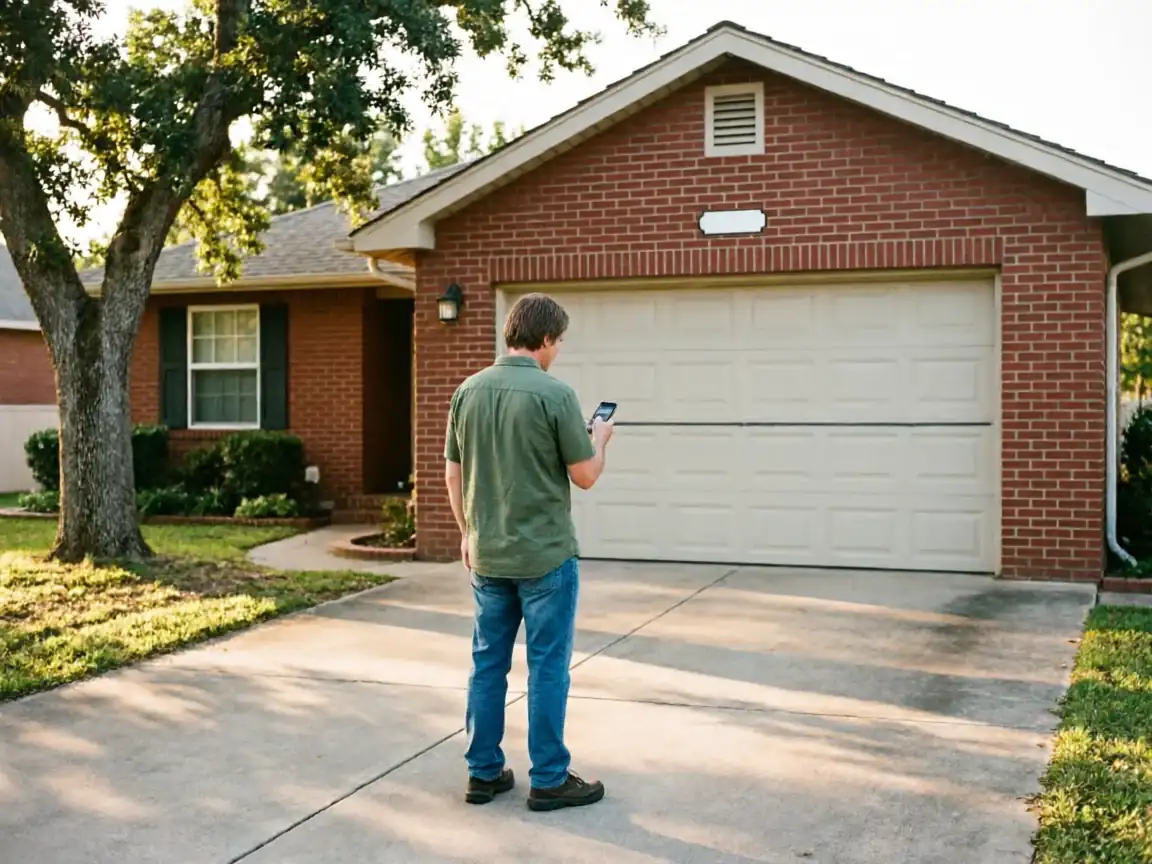
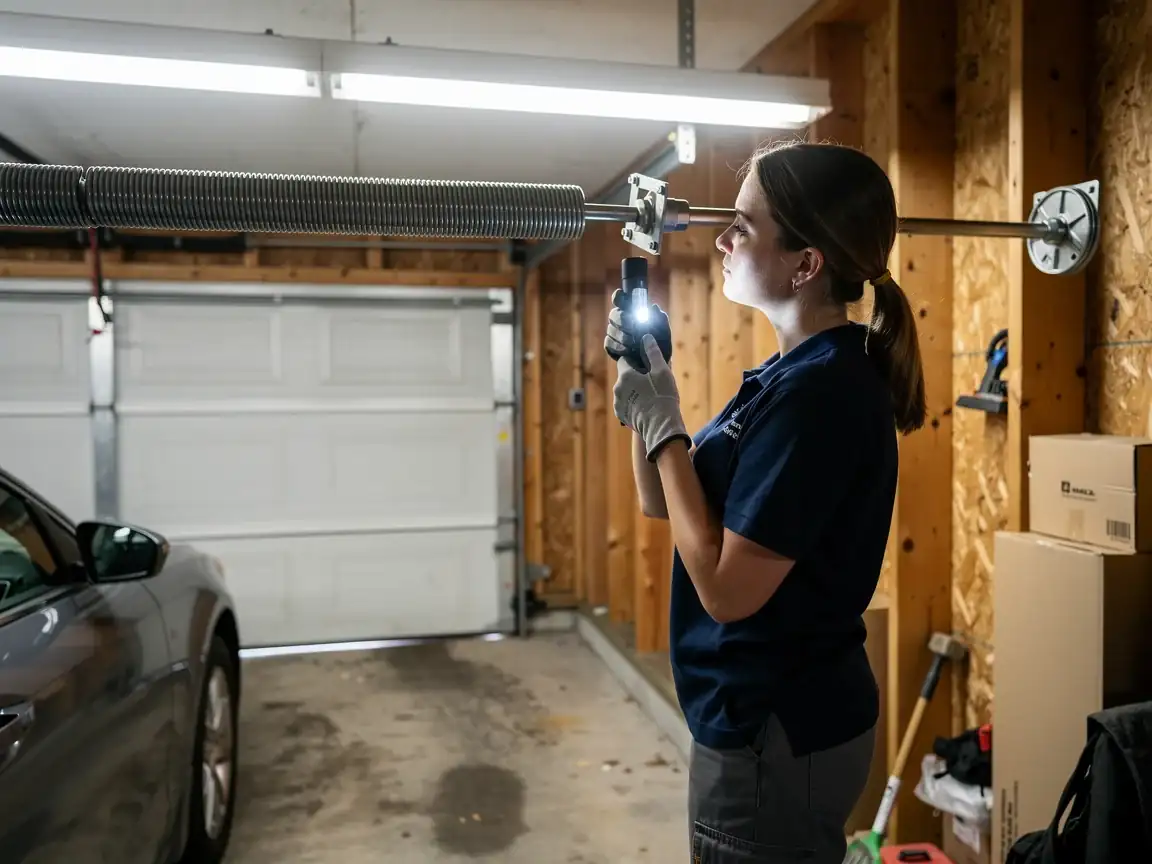
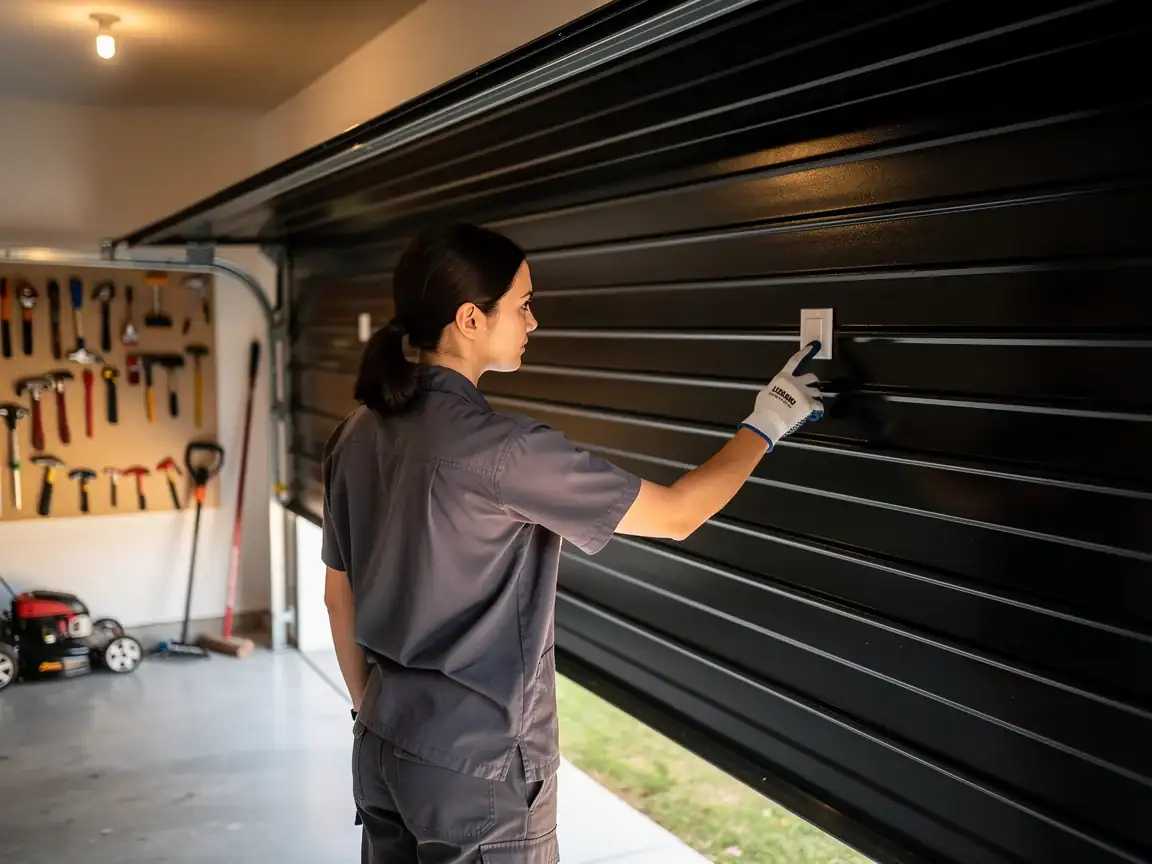
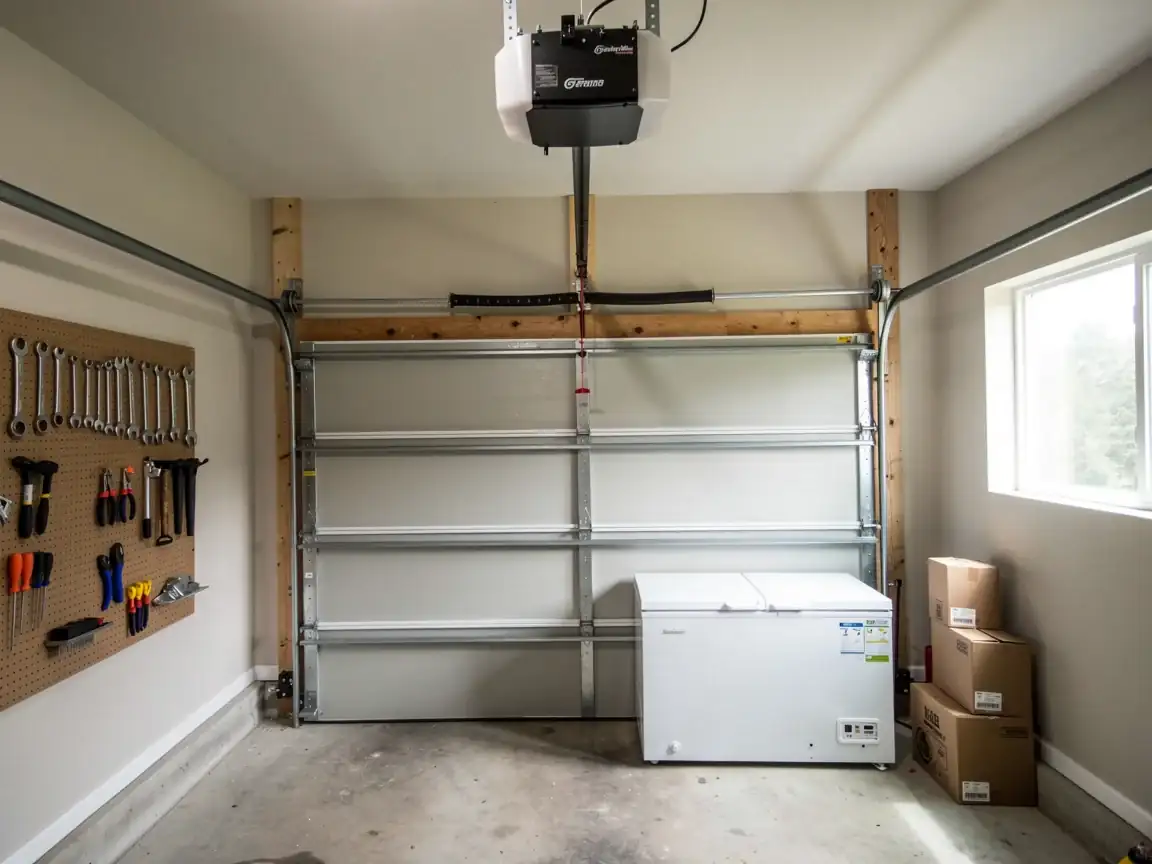
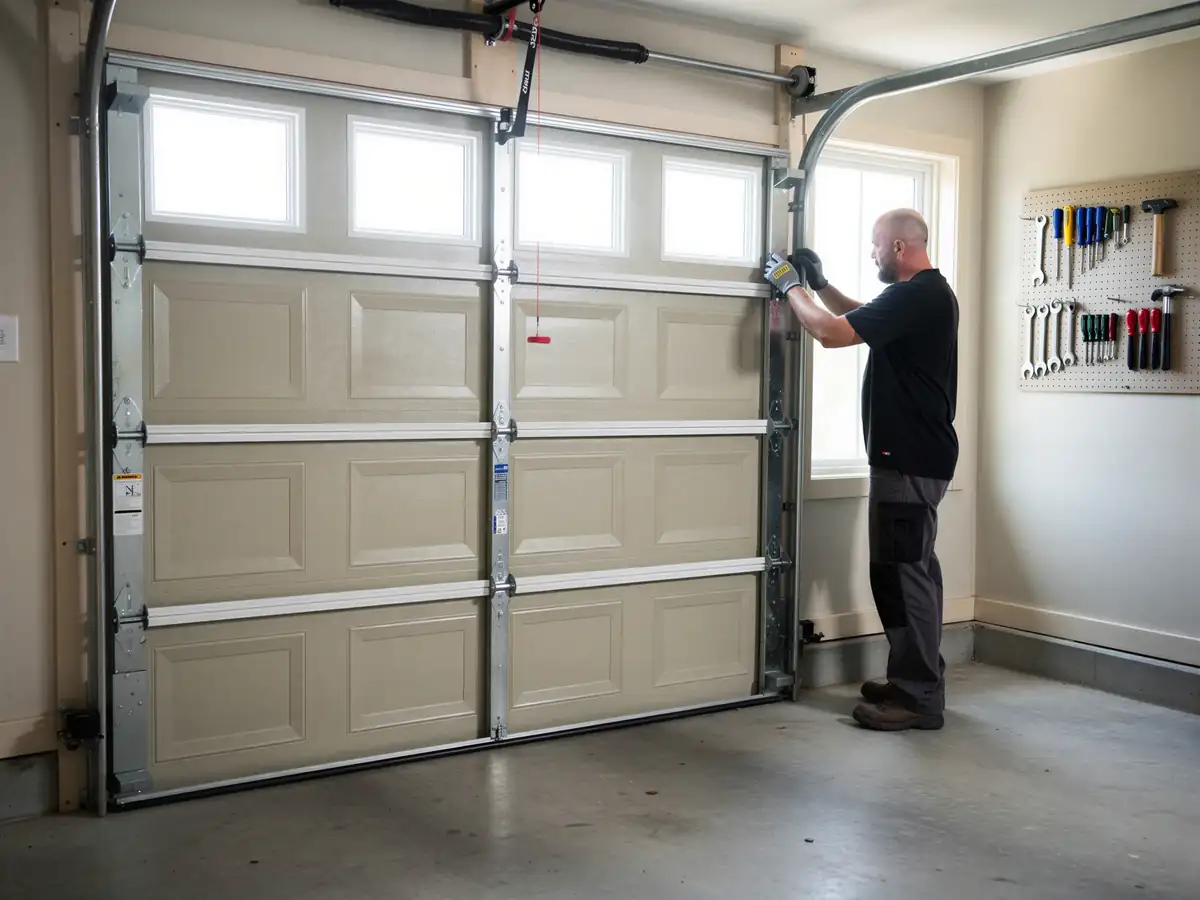
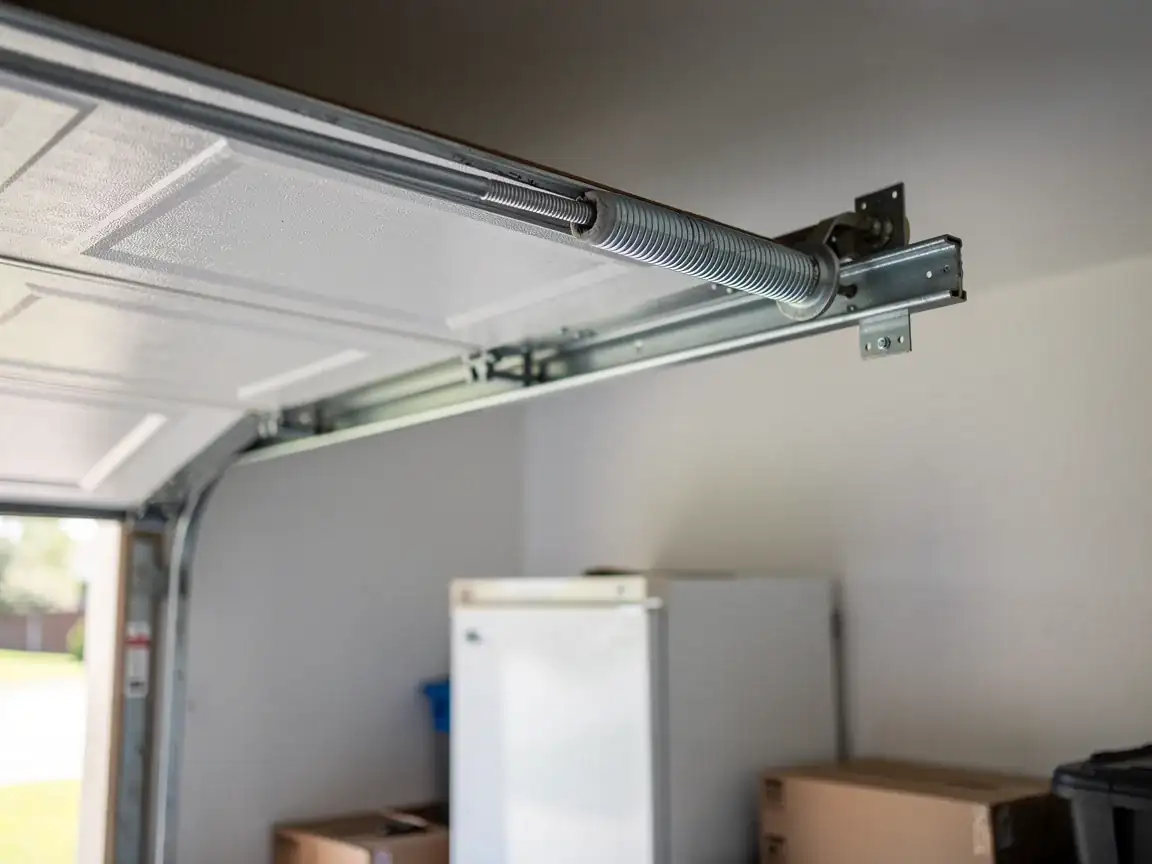
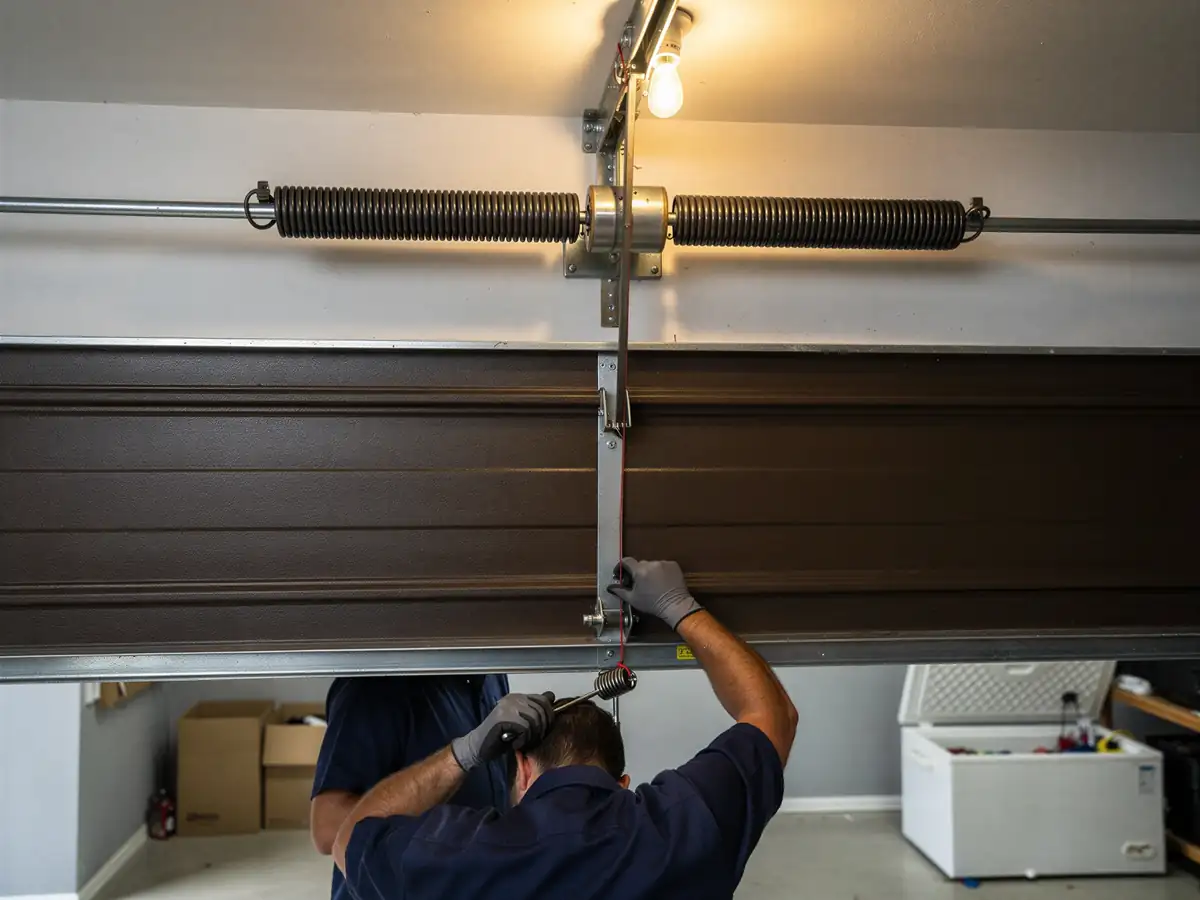
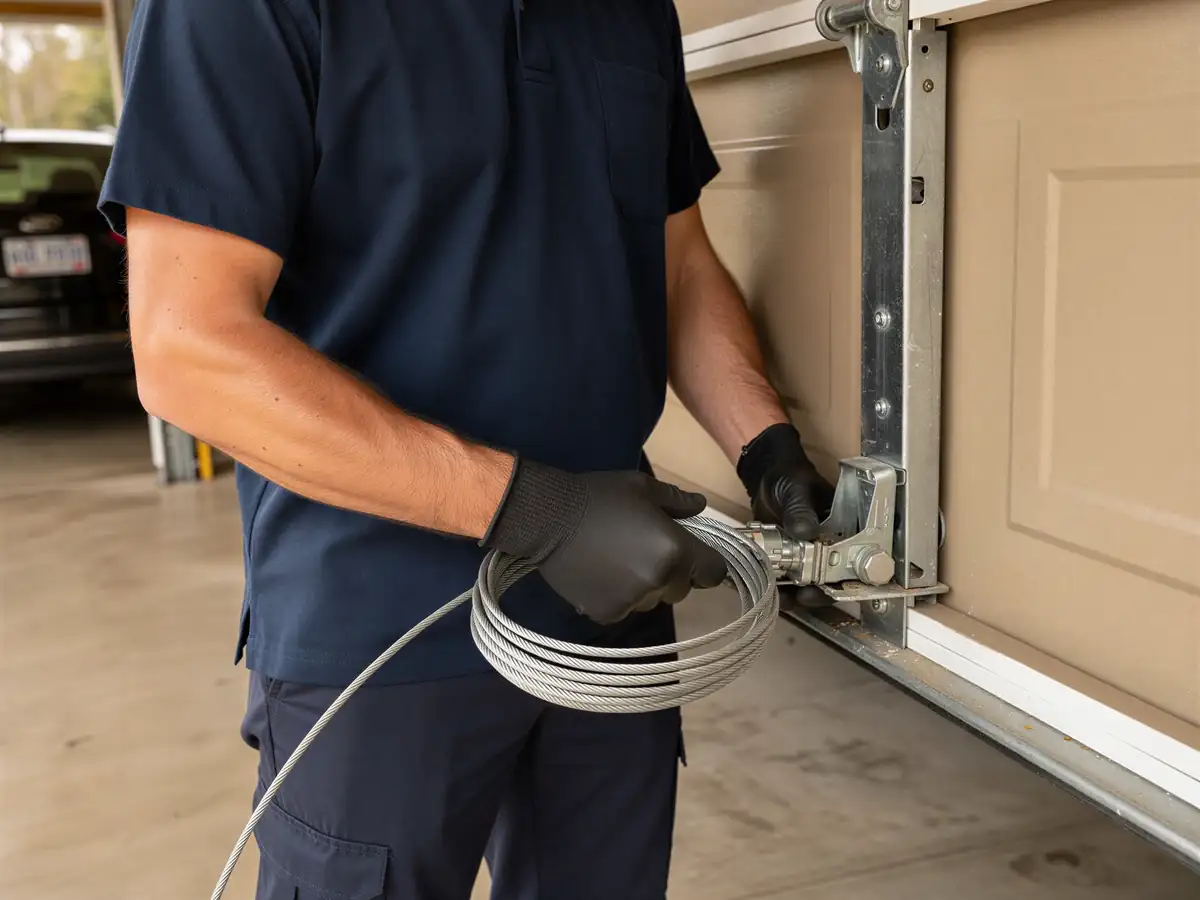
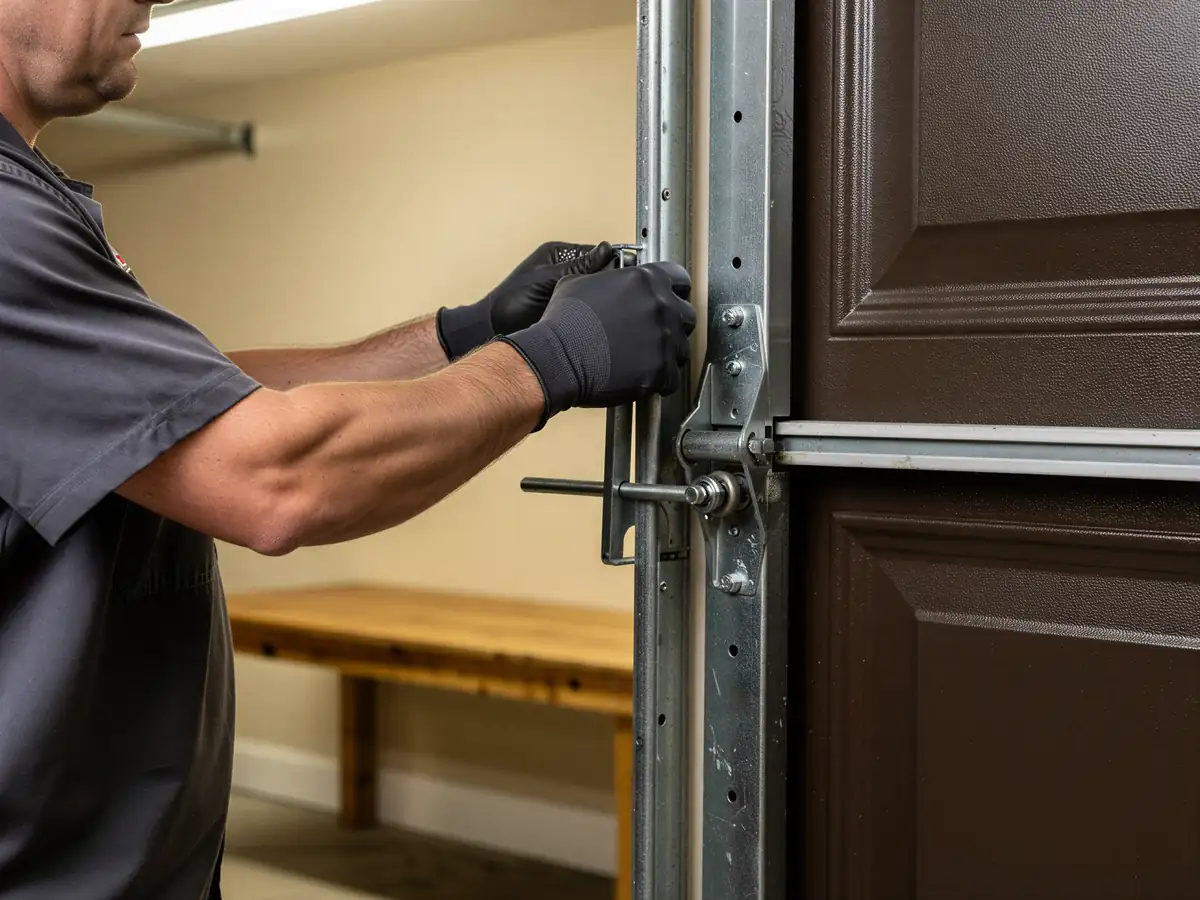
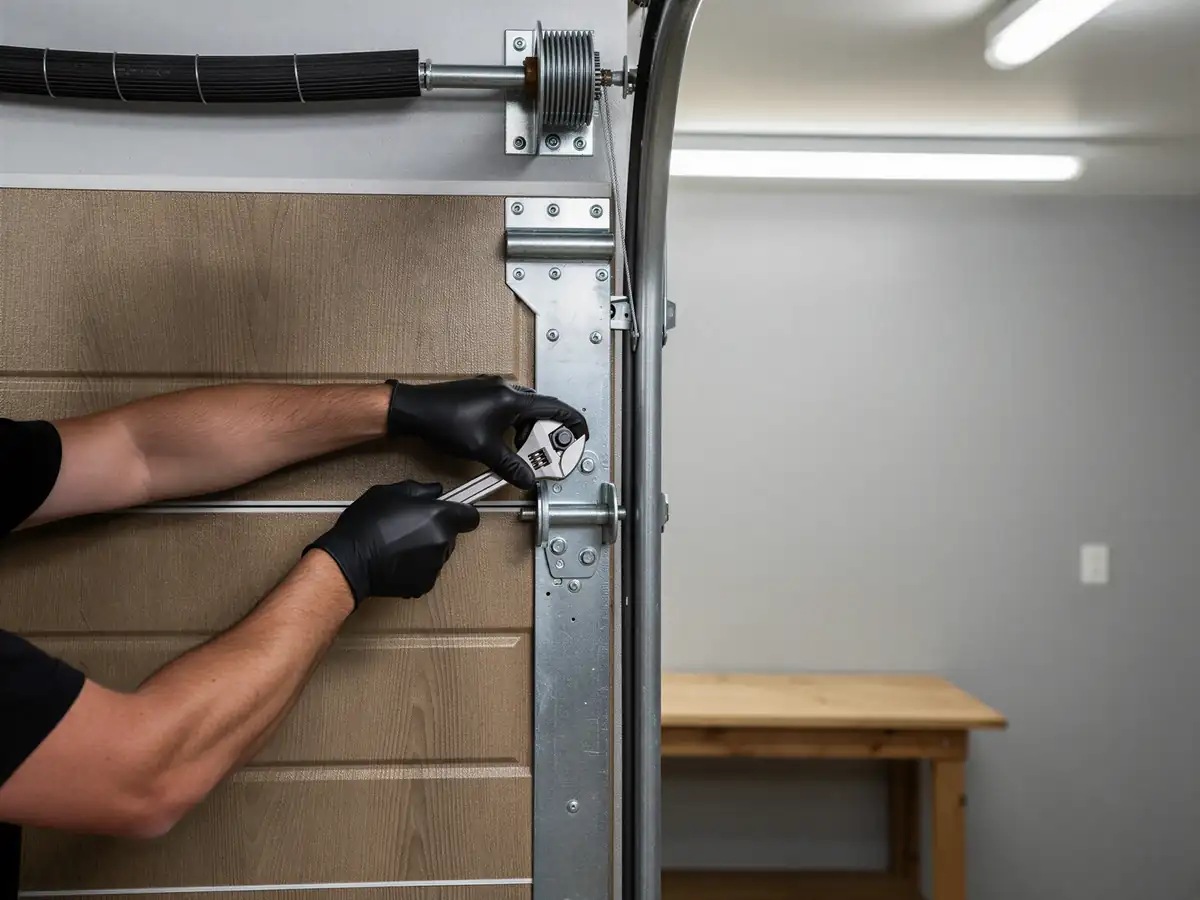
We start by running the door through a full cycle, by hand and by opener, because most failures show themselves in how the door moves, not just whether it moves at all. A torsion spring that's lost tension will let the door drop fast on the way down and strain on the way up. We check cable wear at the drum, roller condition in the track, and whether the opener's force settings have been bumped up over the years to compensate for a spring that's already going.
On La Porte's older stock, built mostly in the 1980s and 90s with some going back to 1956, we see a lot of original torsion hardware that was never upgraded when the opener was replaced. That mismatch is its own problem - a newer opener fighting an old, under-tensioned spring burns out drive gears faster than it should.
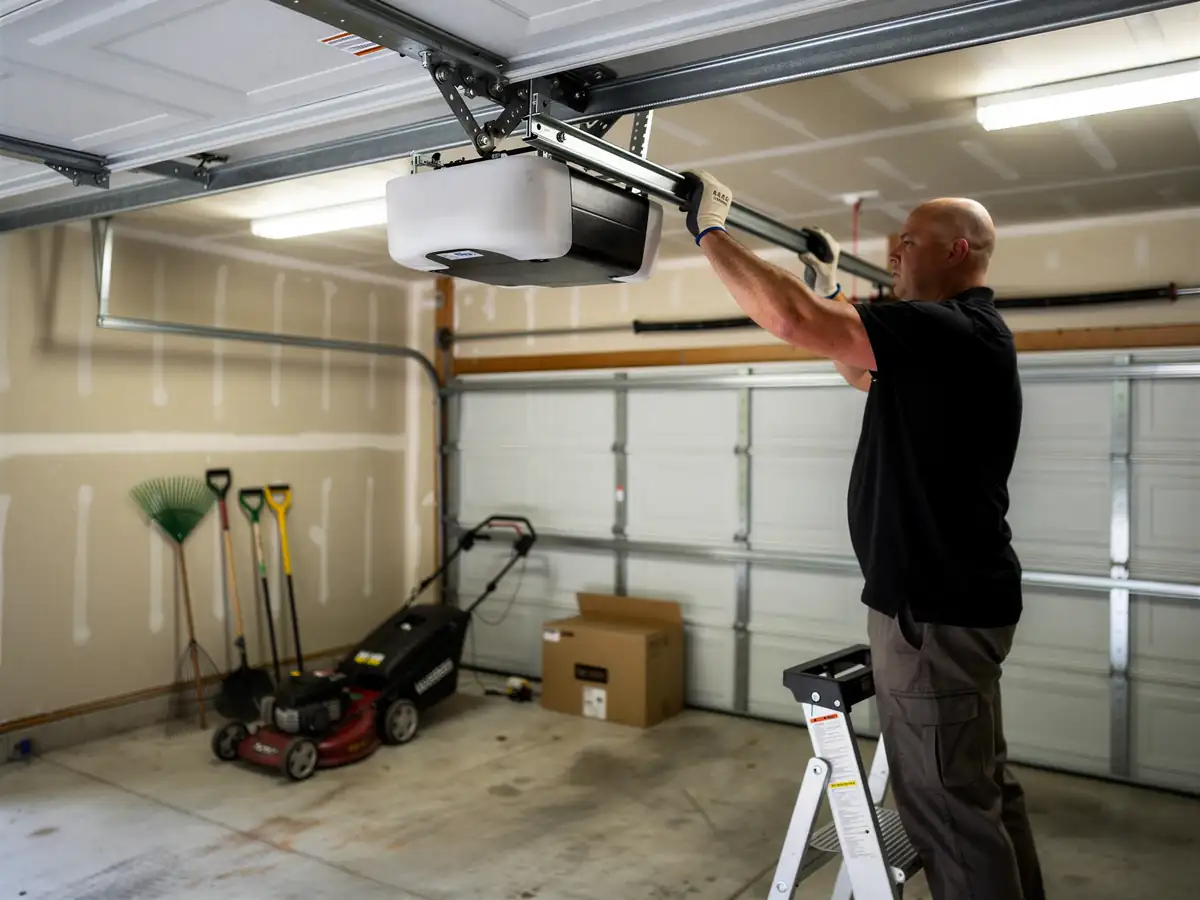
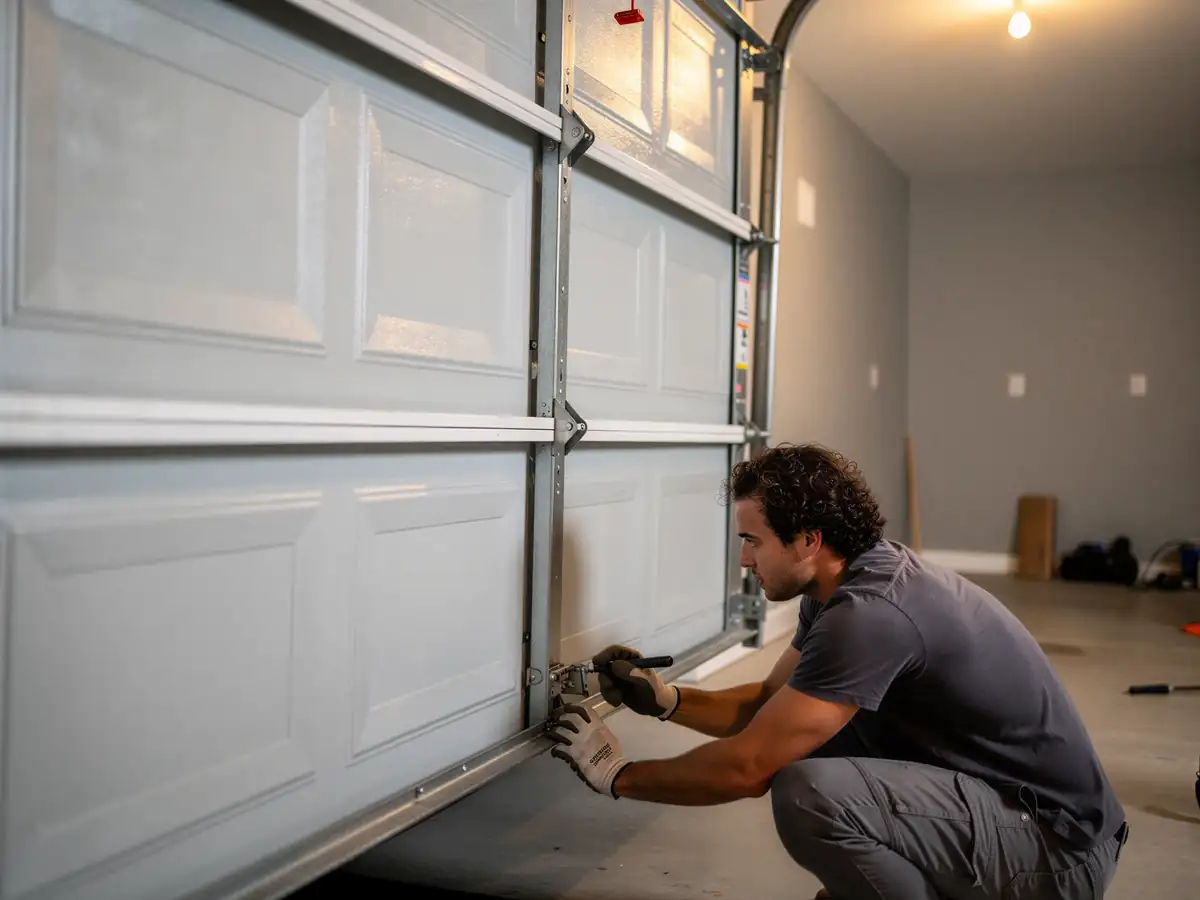
We replace what's broken: springs, cables, rollers, hinges, opener logic boards, or the opener itself when the motor's gone. We don't reframe garage openings or rebuild rotted jambs - that's carpentry work, and we'll tell you straight if that's what your door actually needs before we touch anything.
How Long It Takes
Diagnosis is quick - most failures are visible or audible within the first few cycles of the door. A broken spring, a snapped cable, or a stripped gear in the opener are easy to spot once the cover's off. What takes longer is parts. If your door uses an older torsion spring size or an opener model that's no longer in production, we may need to source a replacement rather than pull one off the truck.
Standard spring and cable jobs on double doors are straightforward because that size is common across La Porte's 1980s-era subdivisions. Single-door openers from the earlier end of the build range - closer to 1956 than 1984 - sometimes take an extra call to track down a matching part, since those openers predate a lot of the universal hardware made today.
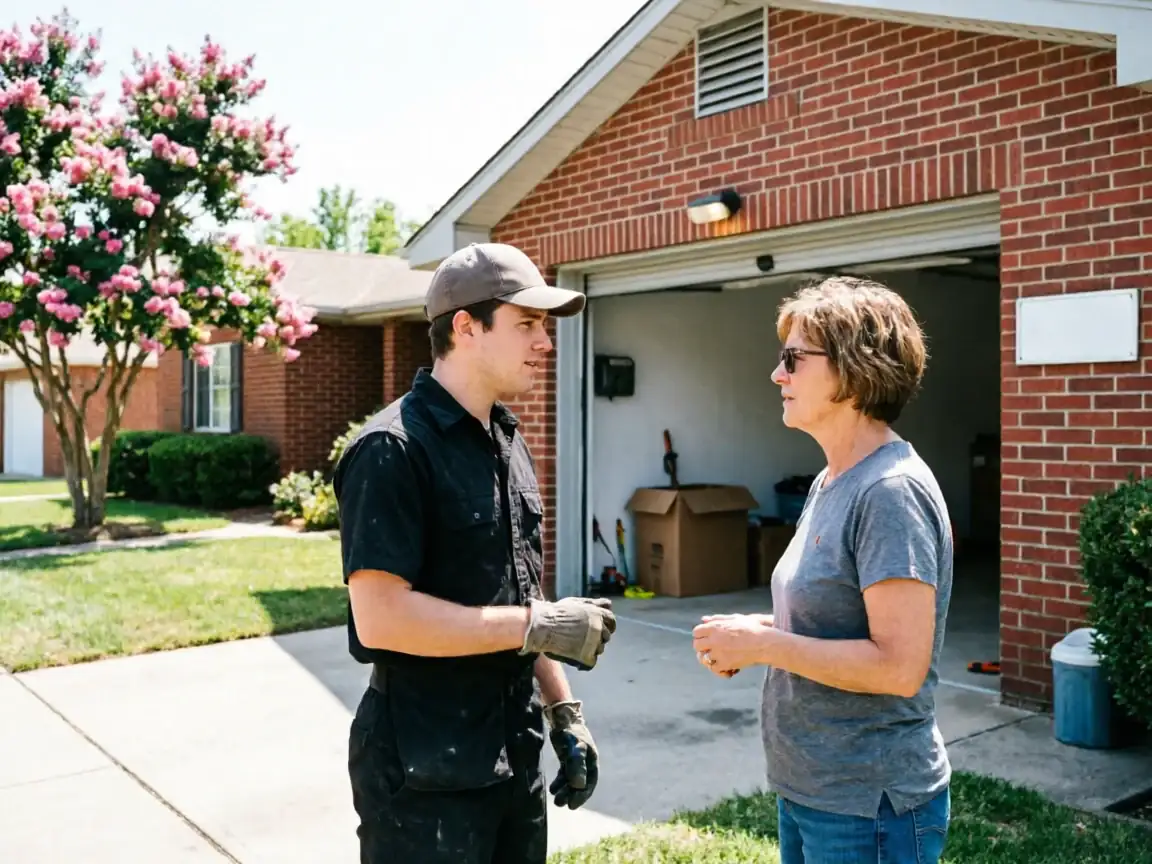
We'll tell you up front if a part has to be ordered rather than promise a same-visit fix we can't back up. A door that's been making noise for months isn't an emergency, but a door stuck open or shut on a house with one working vehicle access usually is, and we treat it that way.
How It Shows Up
The most common call is a door that won't open at all
Usually a torsion spring that's snapped clean, which you'll sometimes hear happen as a loud bang from the garage. Less dramatic but just as common: a door that reverses itself partway up, which usually points to a cable that's frayed enough to throw off tension on one side.
On opener-driven doors, the symptom is often a motor that runs but the door doesn't move
Or moves a few inches and stops. That's frequently a stripped gear inside the unit, more common on openers that have been running on borrowed time because the spring beneath them was already weak.
Rust on cables and drums shows up more than people expect for a town that doesn't get hard winters
Humidity does that work quietly, and it's often the first sign that a cable's integrity is compromised even before it looks ready to fail. Slow-closing doors, especially ones that used to seal tight and now hang a half-inch off the slab, usually mean worn rollers or a track that's shifted out of alignment.
Why This Fails Locally
La Porte's housing runs from 1956 up through 2011, with the median landing around 1984, and most of what's standing dates to that 1980s-90s stretch across the area's named neighborhoods. That matters because torsion springs have a service life measured in open-close cycles, not years, and a spring installed in 1986 has done a lot more cycles than one installed in 2015 - even on an identical door.
The climate here sits in a mild band but still sees occasional freezes, and that swing is harder on hardware than steady cold ever is. Galvanized coating on older springs contracts and expands with each freeze-thaw cycle, and over three or four decades that coating cracks, exposing bare metal to Gulf Coast humidity the rest of the year. Rust doesn't need a hard winter to set in - it needs a coating that's already compromised, and La Porte's weather pattern delivers exactly that combination.
With 44,440 owner-occupied houses among the area's 77,380 households, a large share of garages here are original to that build era, meaning the spring, cable, and roller hardware inside them predates sealed-bearing rollers and modern opener safety reversal standards. That's not a flaw in any one house - it's just what thirty-plus years of coastal humidity does to steel that was never meant to outlast the house around it.