What to Look At First
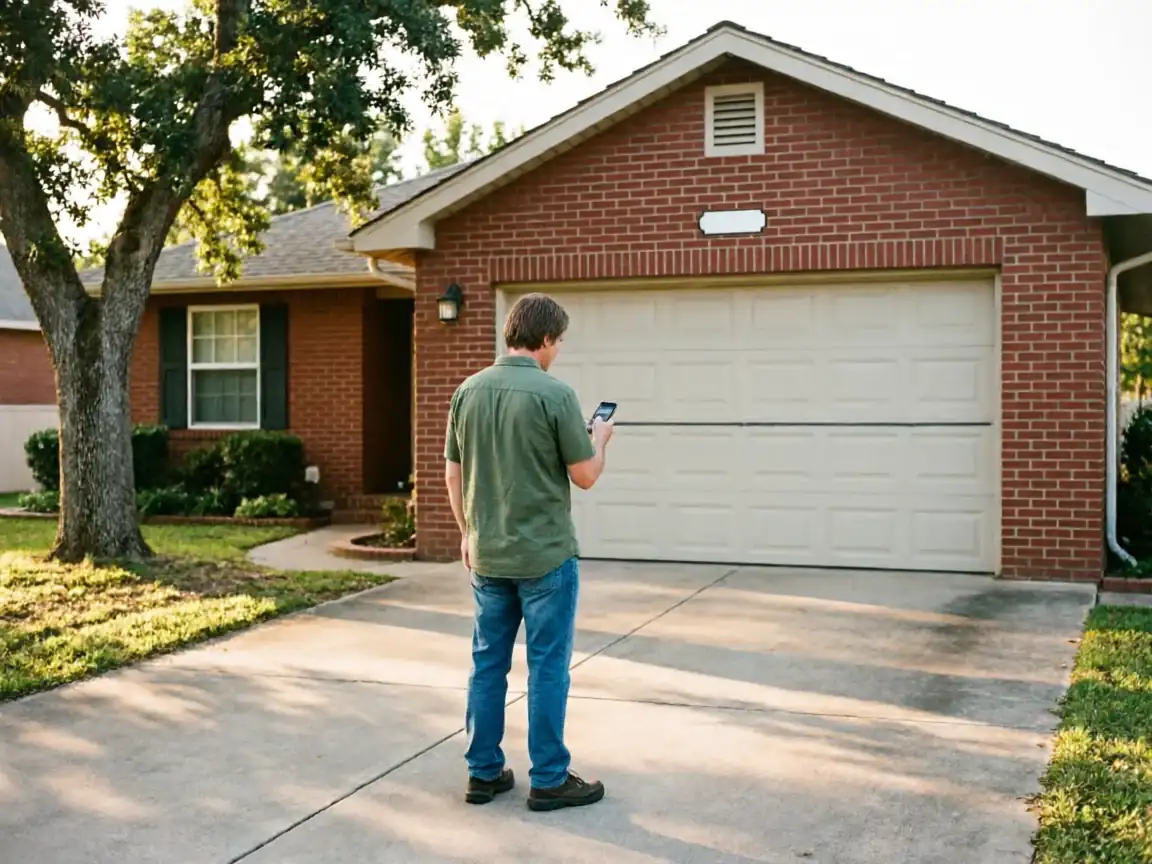
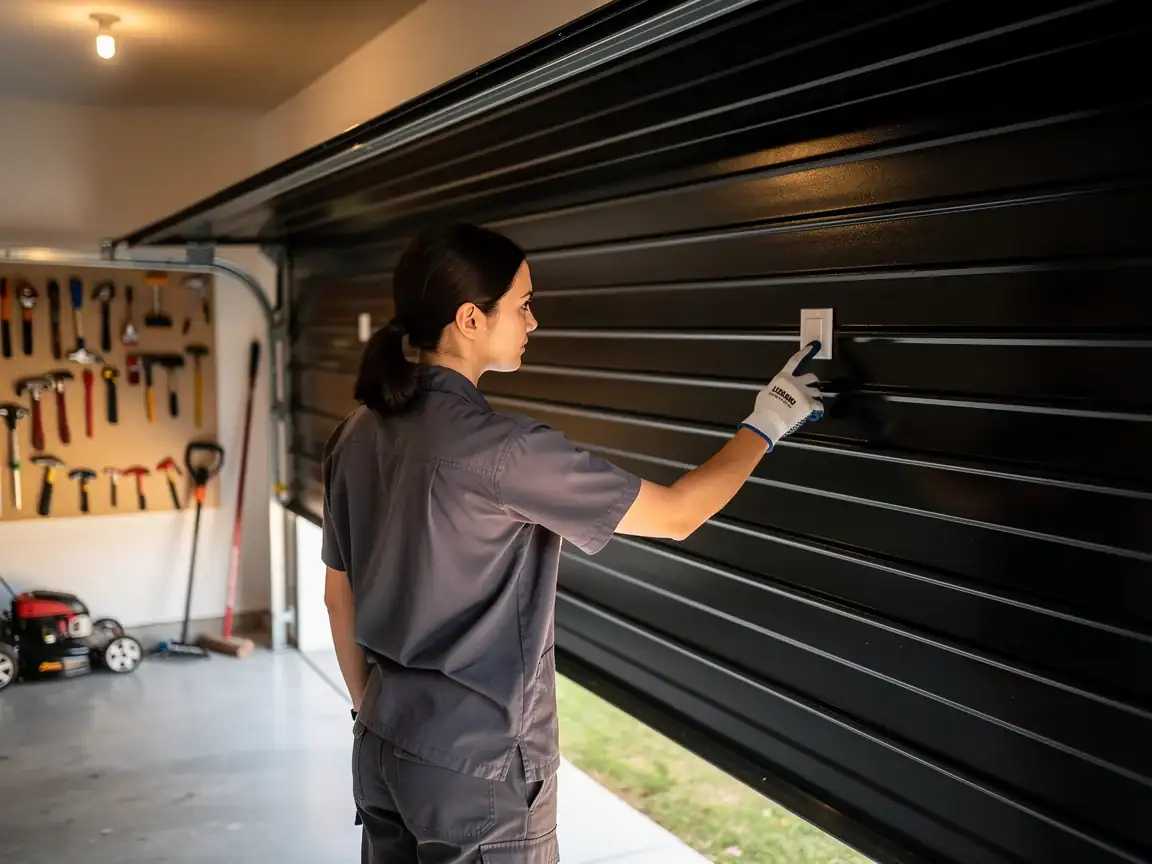
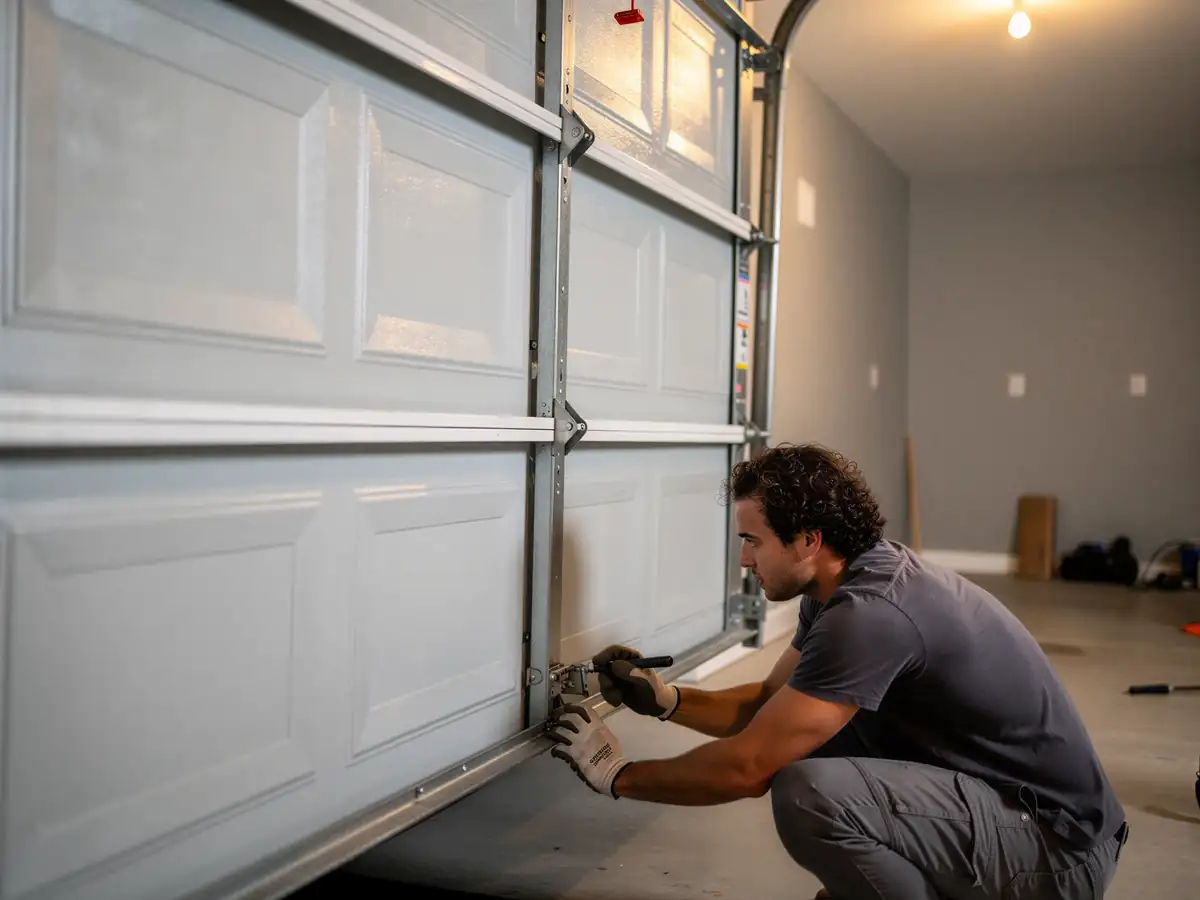
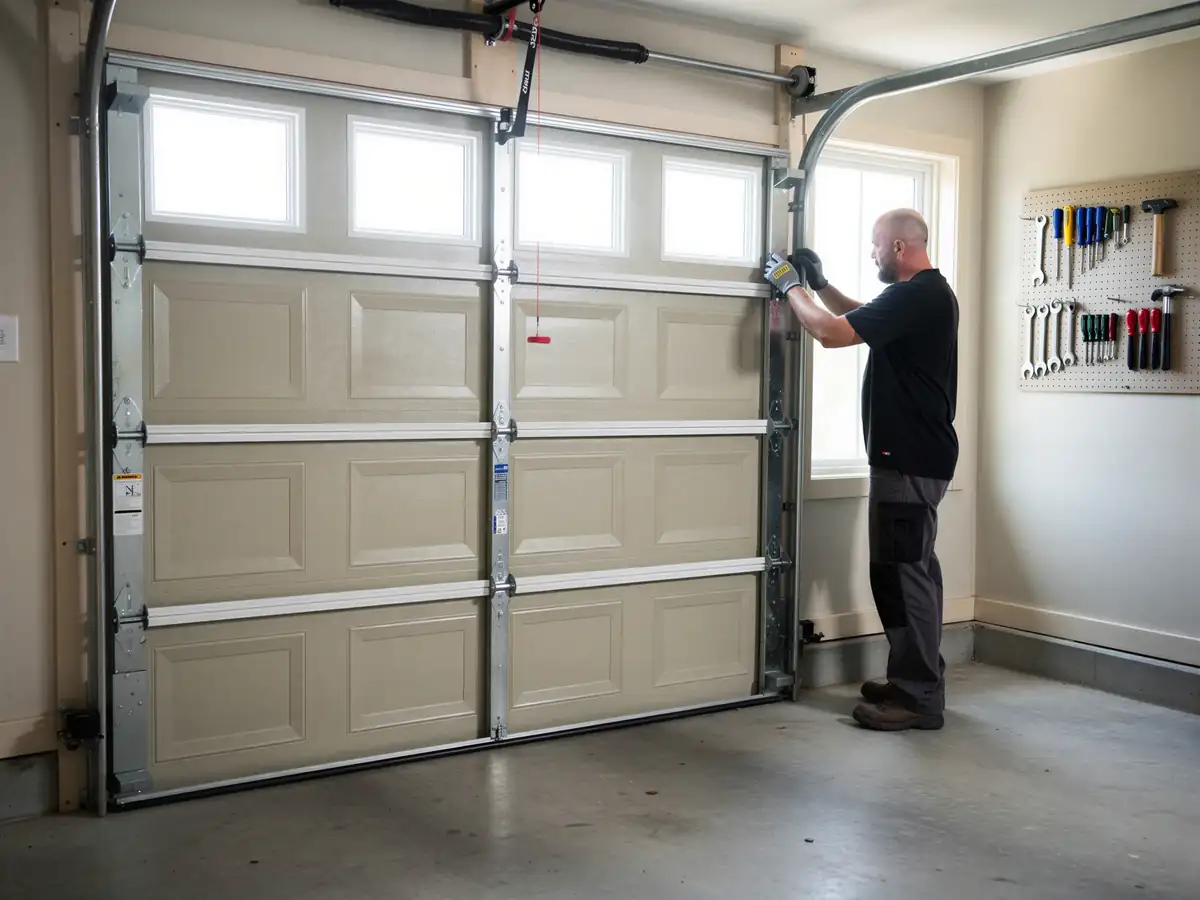
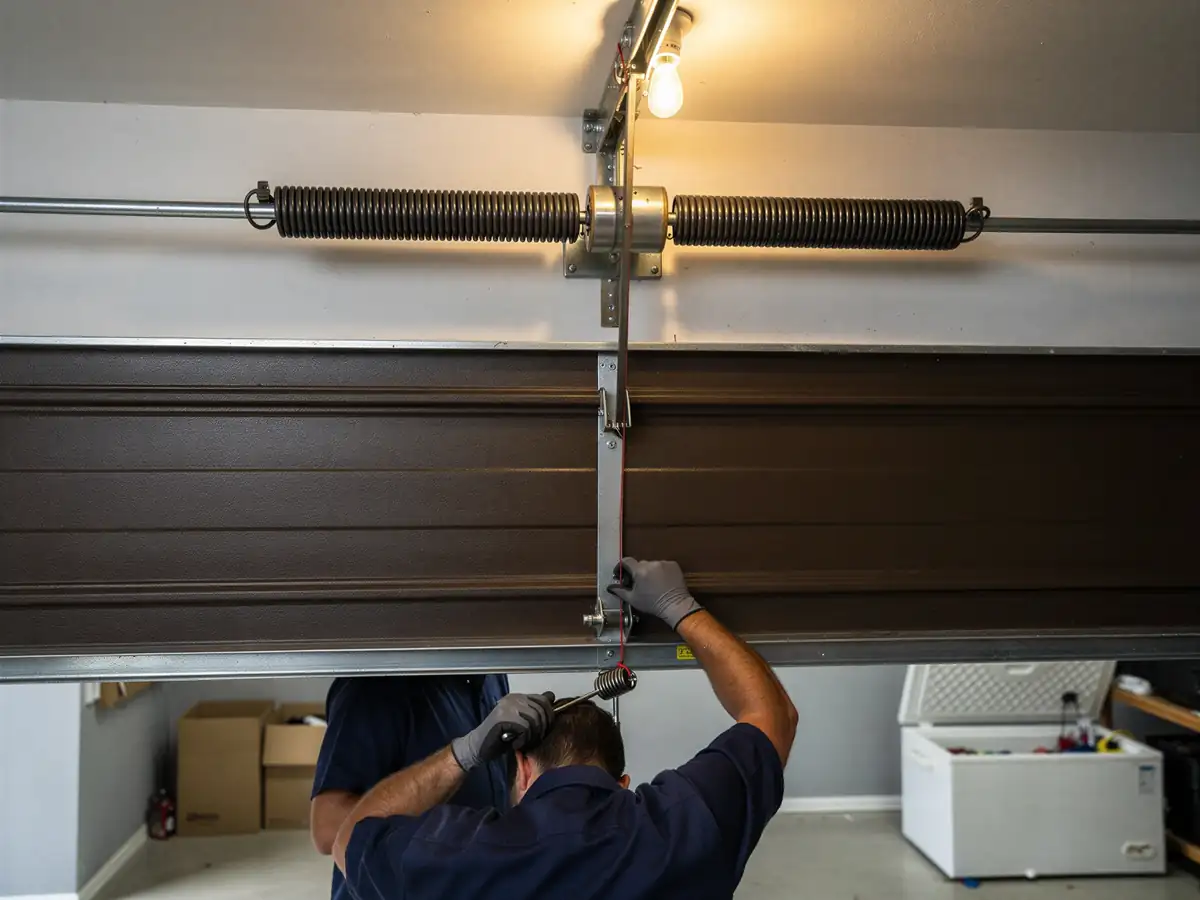
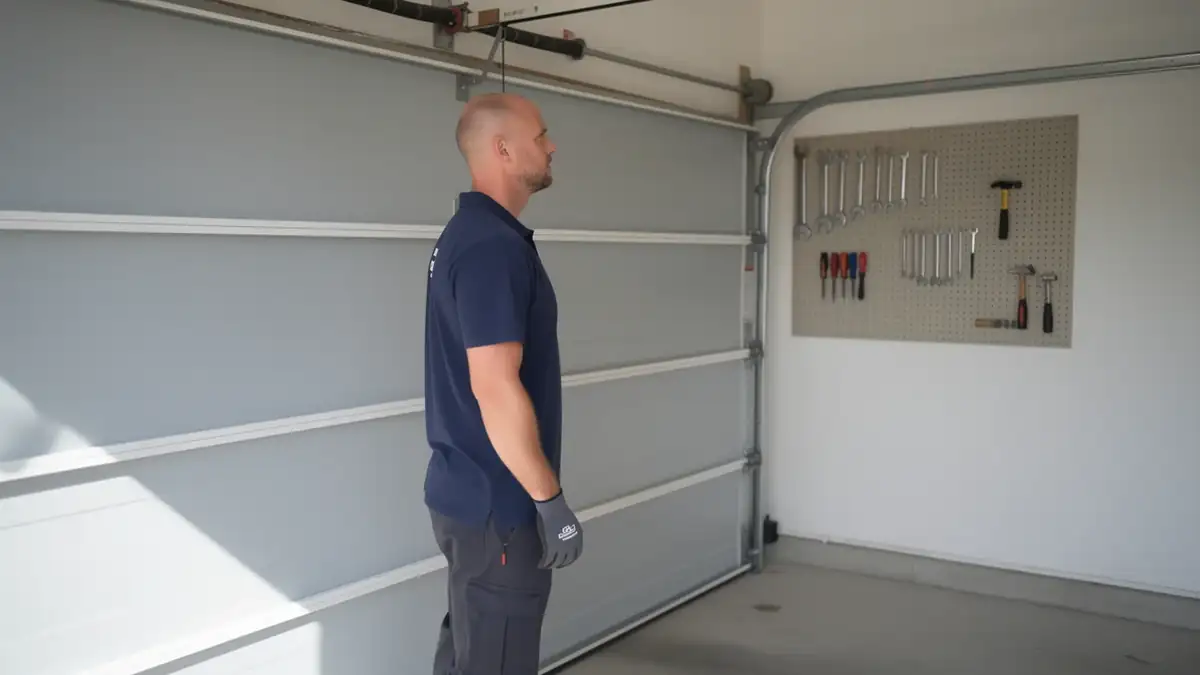
Most houses in La Porte and the surrounding area went up between 1956 and 2011, with the bulk of the stock dating to the 1980s and 90s across the 23 named neighborhoods in this service area. That matters because a door is only as good as the hardware it was built with, and hardware from that era is now thirty to forty years old. Start by watching the door move through one full cycle, not just listening. A rhythmic thump as it travels usually means a flat spot on a roller or a bent track section. A sharp pop at the top of the cycle often means a spring that's about to go, or already has a crack working through it. A metallic shriek that rises in pitch points to a dry hinge or a roller shaft that's lost its bearing. If the noise only happens on humid mornings, that's worth noting too, since moisture changes how metal-on-metal contact sounds before it changes how it fails. Write down when the sound happens, not just what it sounds like. A tech can usually narrow the cause to one or two parts before ever touching a wrench if you can tell them whether it's on the way up, the way down, or both.
The Situation
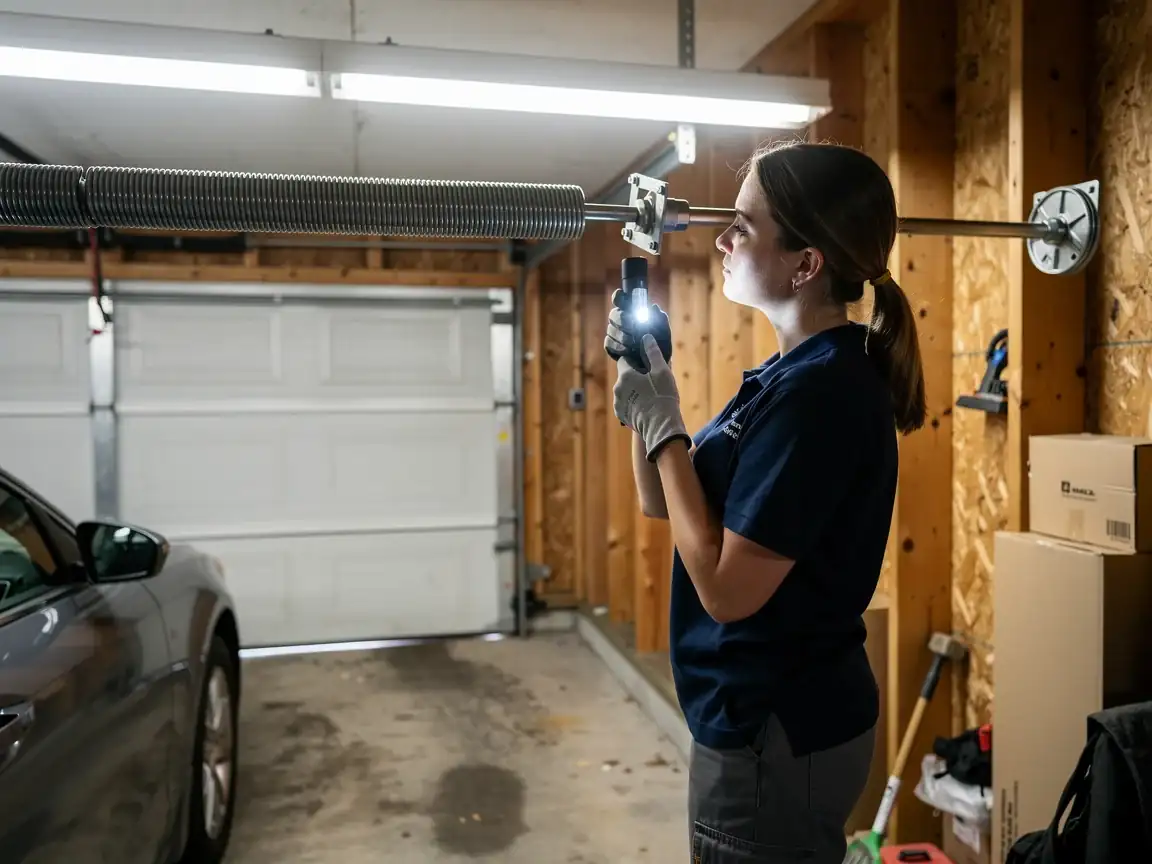
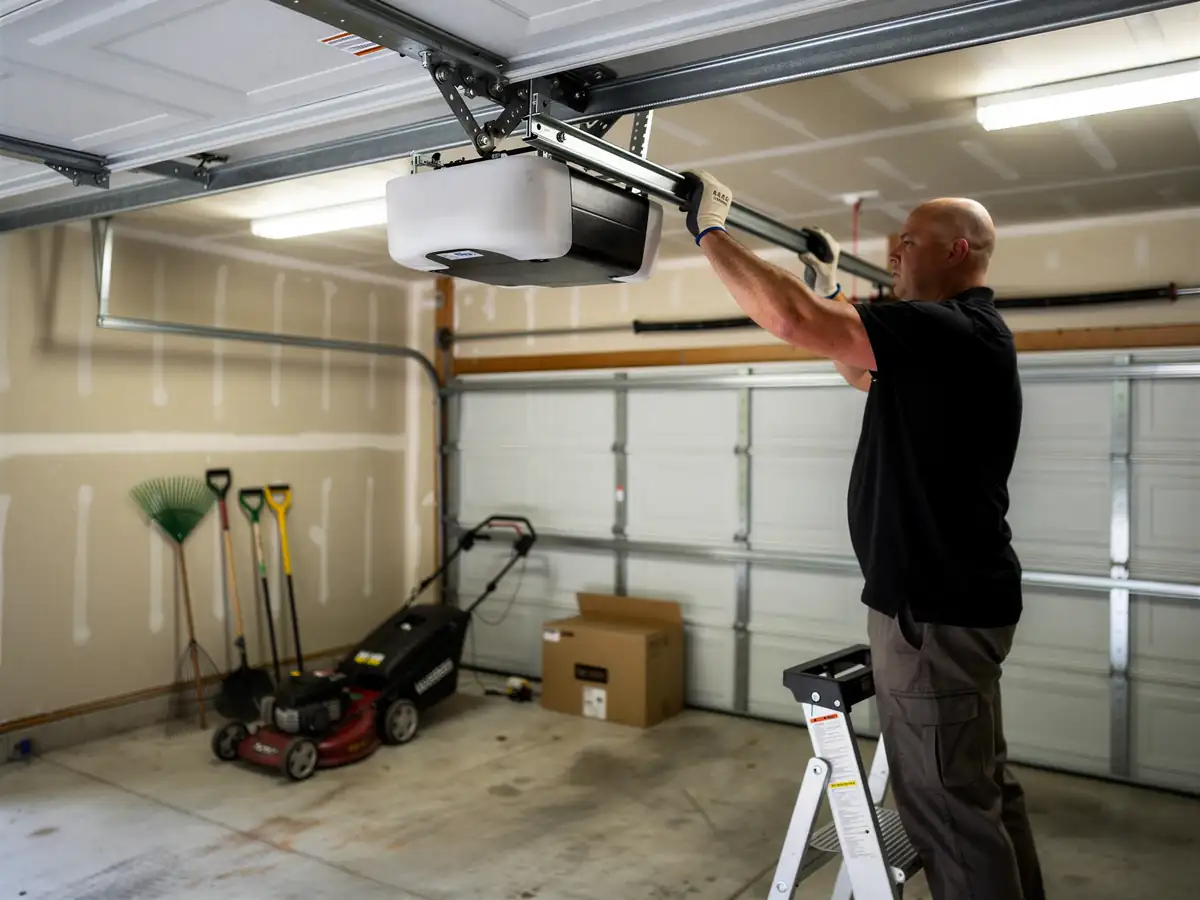
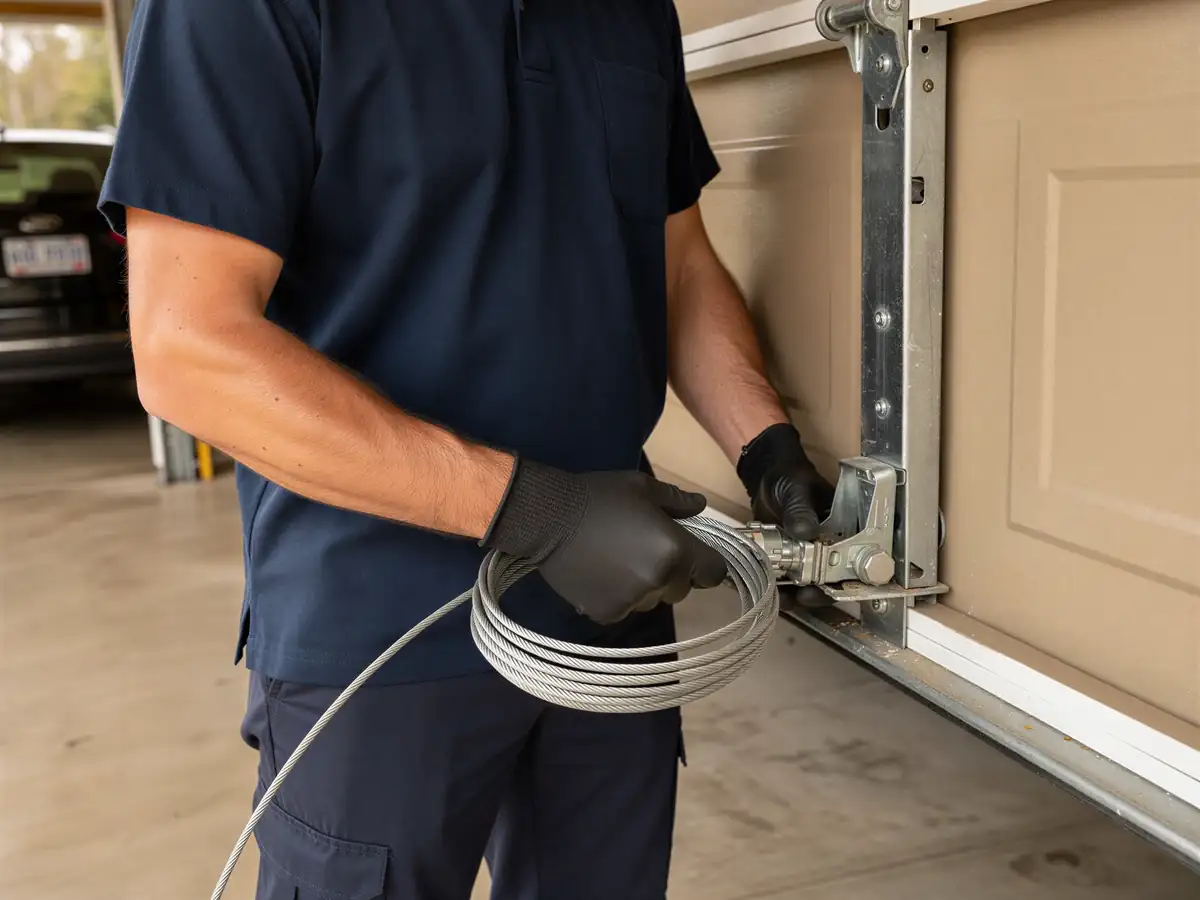
A door built or installed anywhere from the mid-1980s to the mid-1990s is running on torsion or extension springs that were never designed to last past twenty years, let alone forty. In a lot of La Porte homes that original hardware is still in the garage, because it still opens the door, just louder every month. The noise is the spring and the rollers telling you they're near the end, not a mechanical fluke. On newer builds, closer to the 2000s end of the range, the noise is more often a drive gear in a chain-driven opener wearing down, or a track bracket working loose from the ceiling joist over years of thermal cycling. Either way, the sound is rarely the actual problem. It's a symptom of parts reaching the end of a service life that started decades ago. One honest limitation: if a spring is already visibly separated or a cable has frayed, that's not a lubrication job, and no amount of adjustment buys you more time. At that point the part gets replaced, not quieted.
How Local Conditions Play In
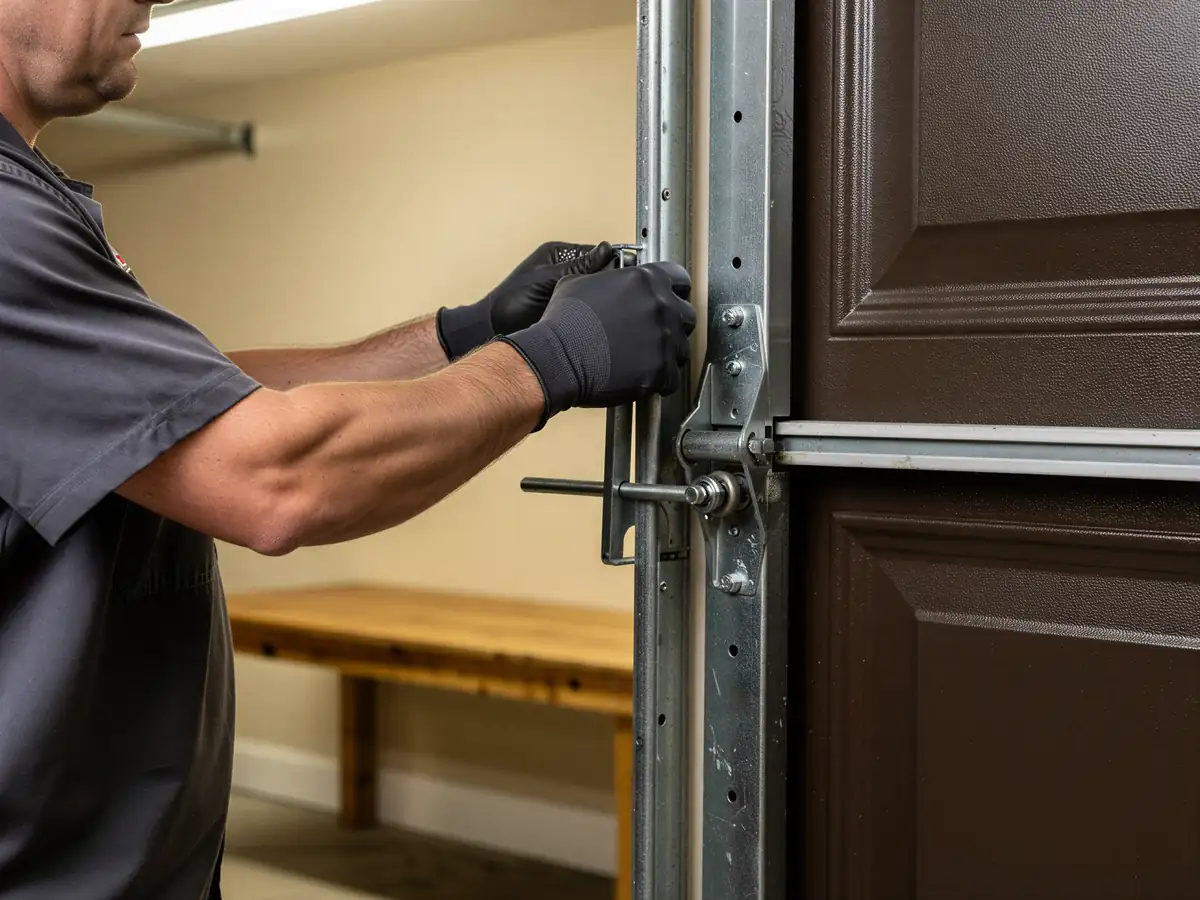
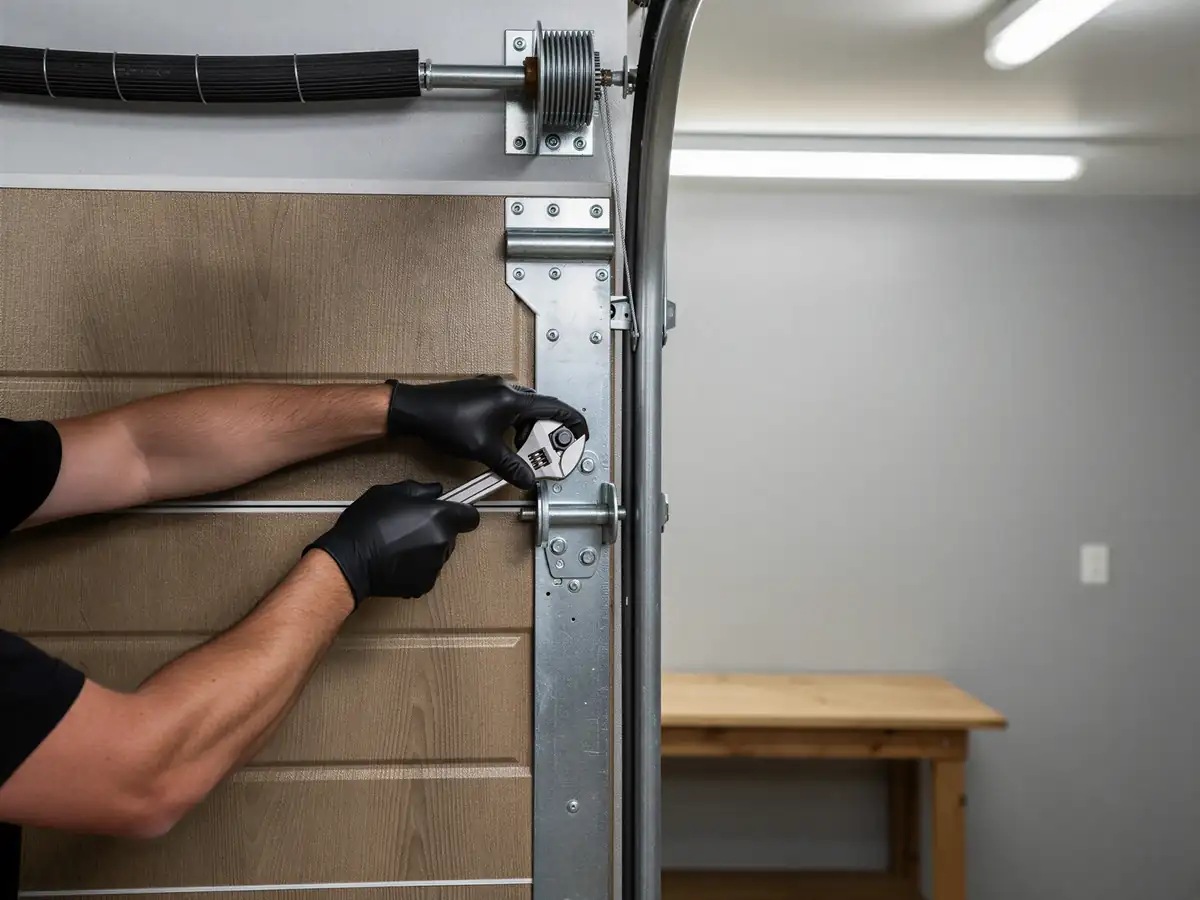
La Porte sits in a mild climate zone with occasional freeze risk, which doesn't sound dramatic next to places that see real winters, but it does one specific thing to garage hardware: the swing between humid Gulf air most of the year and the occasional cold snap causes metal to expand and contract more than owners realize. That cycle works grease out of bearings and loosens bolts at track brackets faster than a drier, more stable climate would. It's part of why a door that sounded fine in October starts grinding by February. None of this is unique to one street or neighborhood in the area, from over to but it is tied to being this close to the water and this far south, which is a combination not every town shares. If your door has gone quiet-to-loud over a single season rather than gradually over years, that seasonal swing is usually part of the story, not the whole cause.