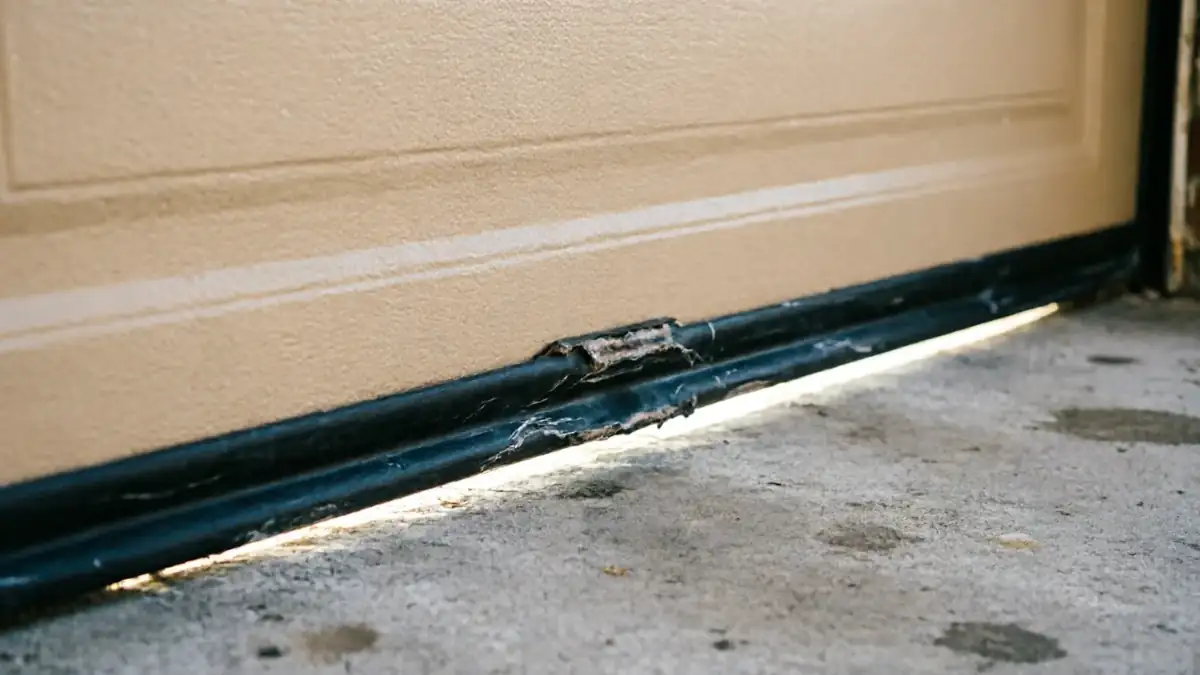
What to Look At First
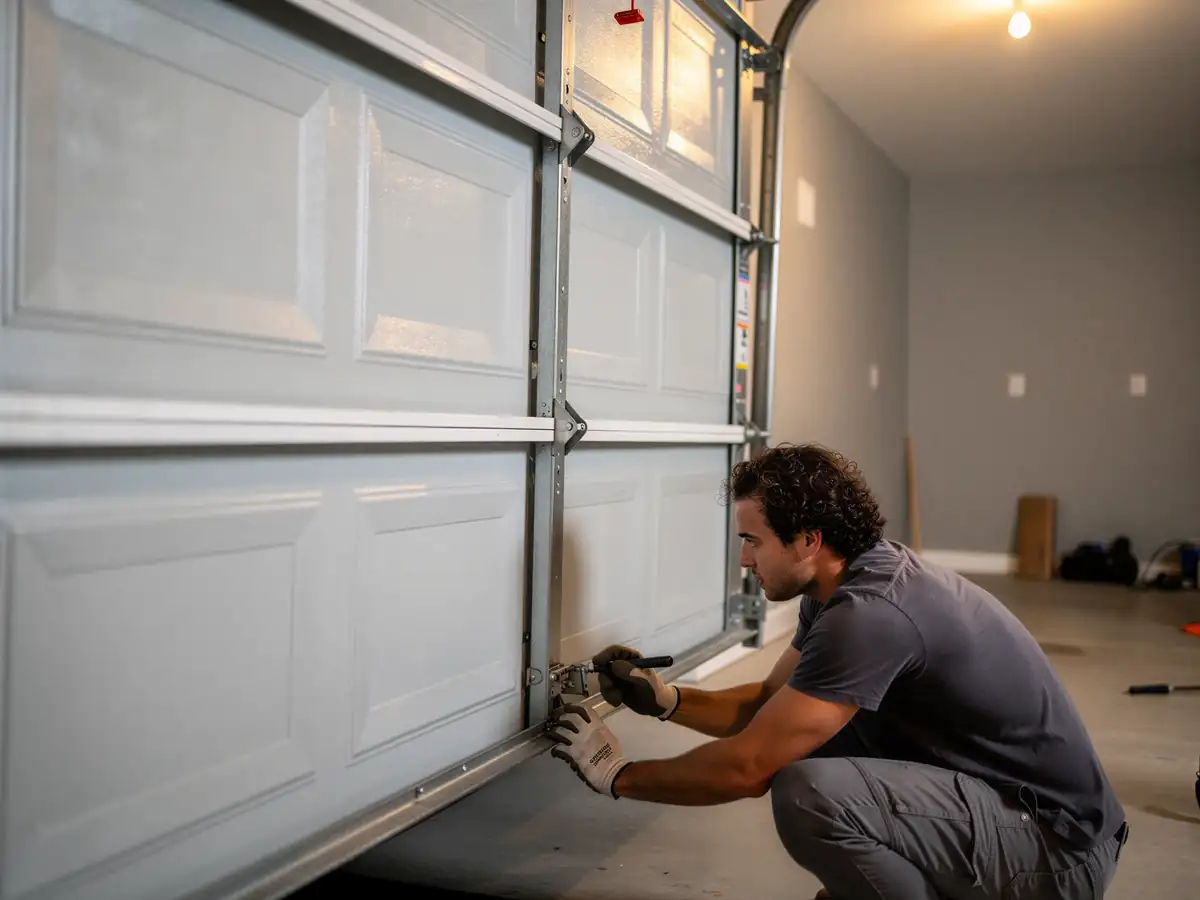
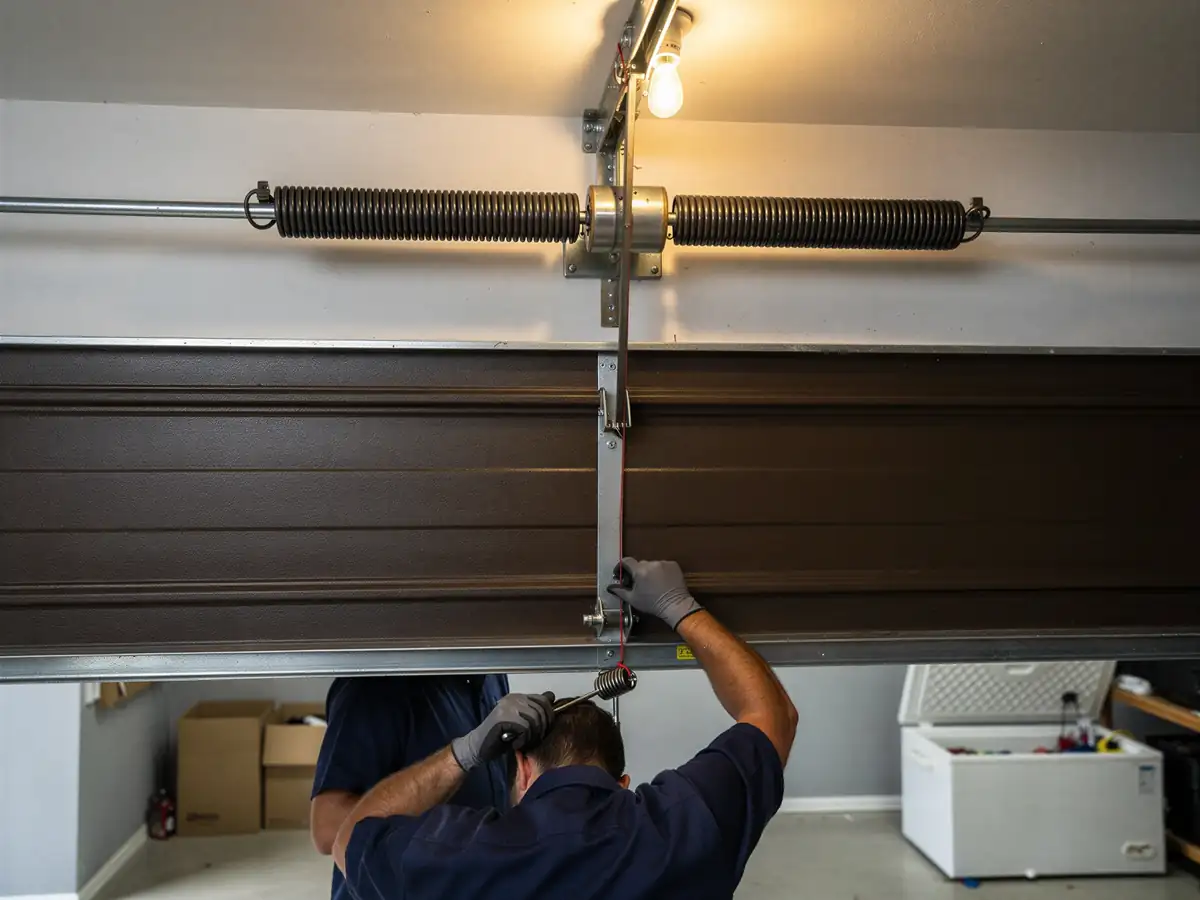
Start at the bottom of the door, not the sides. On houses built in this area between 1956 and 2011 - most of them from the 1980s and 90s, per the local housing stock - the original bottom seal is usually a single rubber bead set into a track that's gone brittle or cracked from UV and heat cycling over twenty-plus years. Run your hand along the bottom edge with the door down. If you feel daylight or airflow at the corners, that's your first sign.
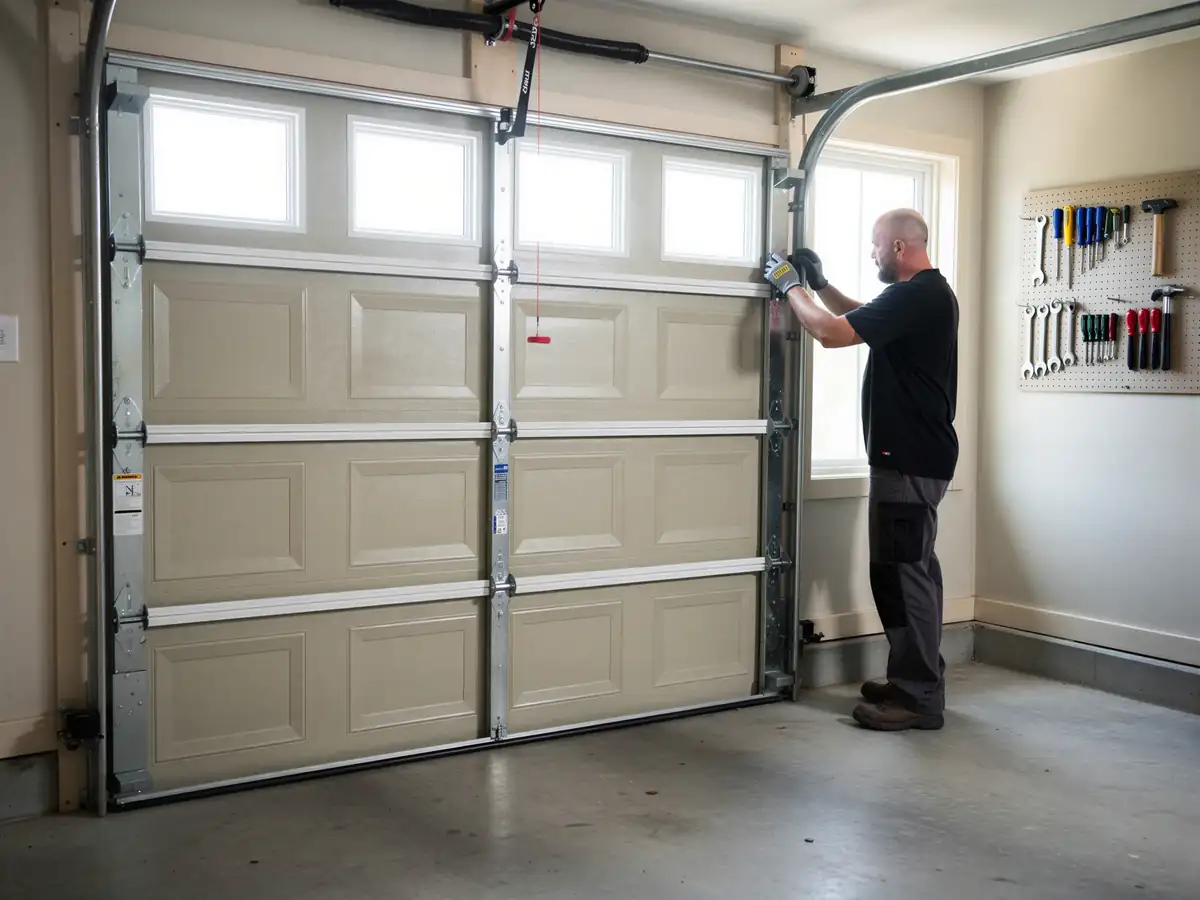
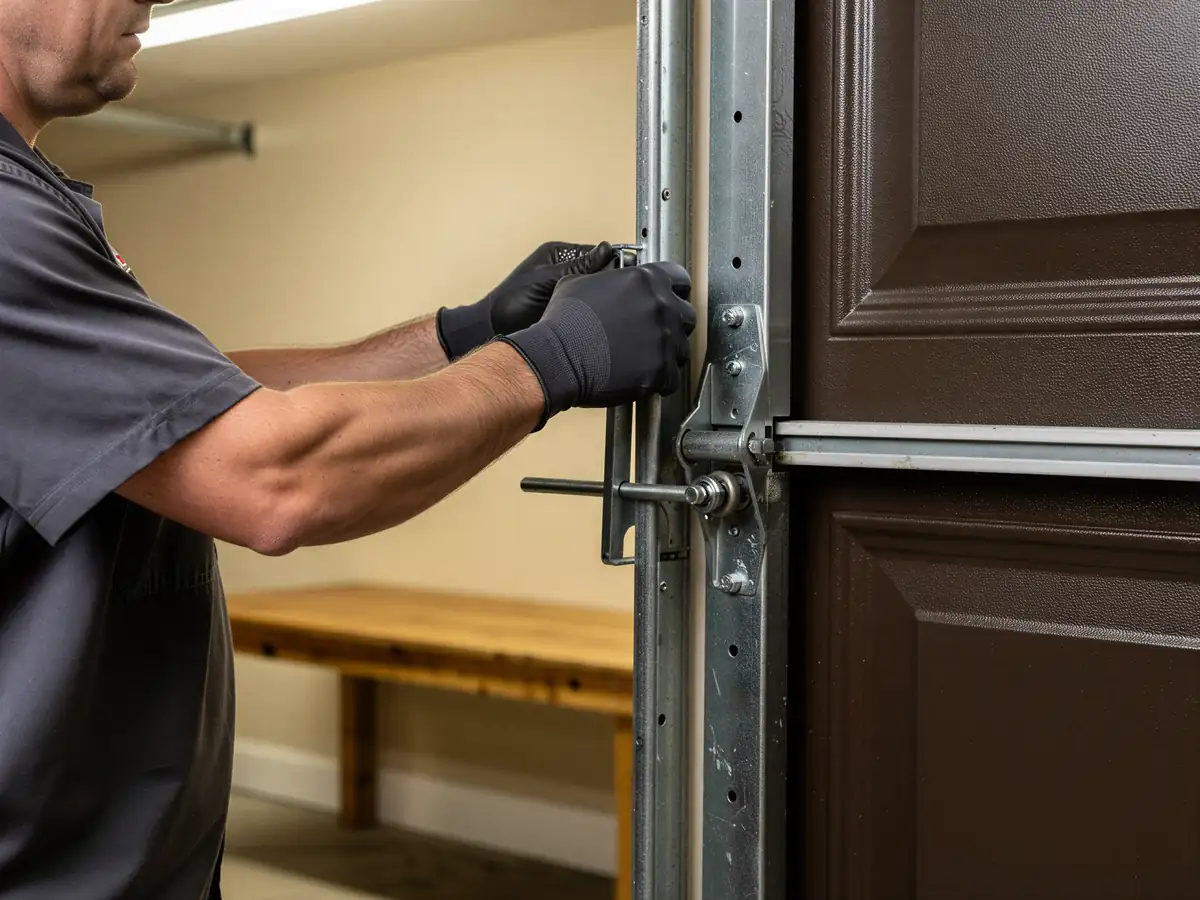
Next, check the stop molding on both sides of the frame - the thin strip of wood or vinyl the door closes against. On homes from the 1980s-90s era common across this service area's 23 named neighborhoods, that molding was often installed once and never touched again. It shrinks, warps, or pulls loose from the framing over the decades, and that gap is where most of the draught actually comes from, not the door itself.
Last, look at the top seal where the panel meets the header. It's the piece people forget because you can't see it without a ladder, and it's usually the one that failed first.
The Situation
La Porte sits in a mild climate band with occasional freeze risk, which is a different problem than hard winter towns have. You're not fighting ice buildup that cracks a seal overnight. You're fighting slow degradation - rubber that bakes in Gulf humidity and heat most of the year, then contracts hard on the handful of nights a season that dip below freezing. That cycle, repeated for decades on a door installed anywhere from the Johnson administration to the 2010s, is what turns a tight seal into a gap you can feel a draught through.
Across the service area, median household income sits at $77,315 and there are roughly 44,440 owner-occupied houses out of about 77,380 households total. That's a lot of original hardware still in service - doors that have never had the seal replaced because nothing visibly broke. A draught isn't a failure, it's wear, and on housing stock this age it's close to universal rather than the exception.
What You Pay
We don't have a flat number to quote here without seeing the door, and honestly, anyone who gives you one sight-unseen on the phone is guessing
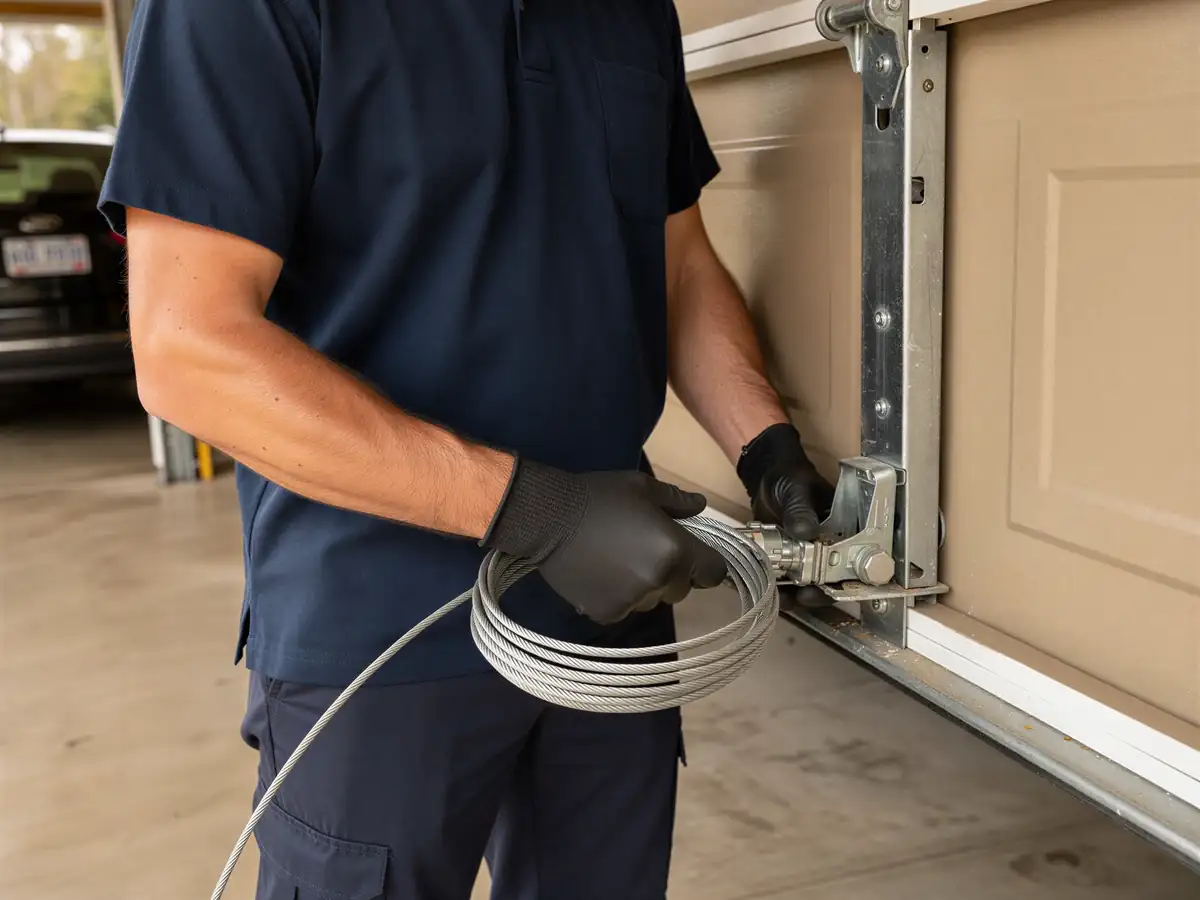
What drives the cost on a seal job is usually the length of track that's warped versus just the rubber - if the aluminum retainer at the bottom is bent, that's a different job than snapping in new weatherstrip.
What we can tell you
On a house from the 1980s-90s era that makes up most of this area's stock, the door itself is rarely the issue. It's almost always the stop molding or the bottom seal track, both of which are small parts and small labor compared to a spring or opener repair. If a door needs a full seal kit on both sides plus a new bottom astragal, that's still a fraction of a door replacement, so it's worth doing before you talk yourself into a new door over a draught.
One limitation worth saying plainly
If the door panel itself is warped - not just the seal - no amount of weatherstrip fixes that, and we'll tell you so instead of selling you a seal kit that won't hold.
How Local Conditions Play In
La Porte's position near the water - Morgan's Point three miles off two miles south, Seabrook six miles out - means humidity does more damage here than cold does. Salt-tinged, humid air breaks down rubber seals faster than dry inland air would, even in a mild-with-occasional-freeze climate band. That's a slower, quieter kind of wear than what a hard-freeze town deals with, but it adds up the same way over a thirty- or forty-year-old door.
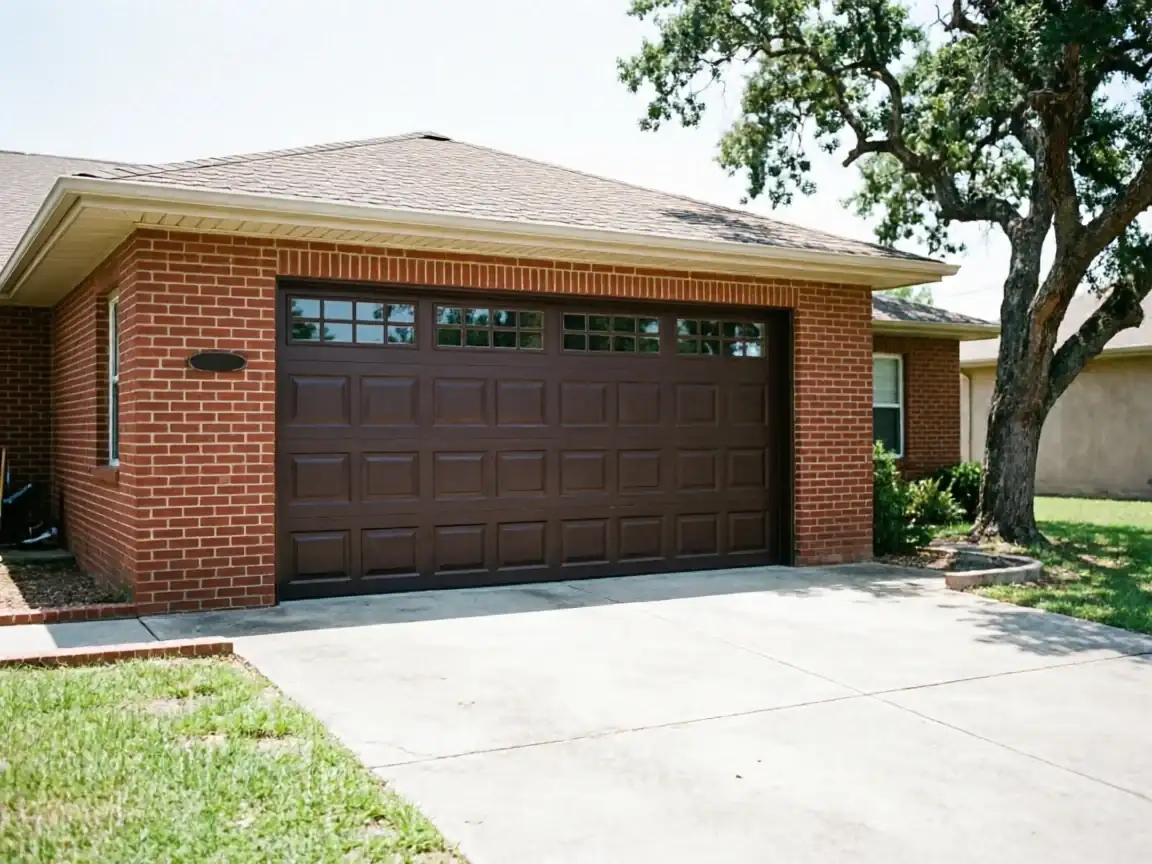
Homes further out toward Deer Park and Taylor Lake Village, both within a handful of miles, sit on the same general housing-age curve - built mostly in that 1980s-90s stretch - so the draught problem shows up on a similar timeline across this whole corridor, not just in one neighborhood. If your door was installed anywhere in that 1956-2011 range and the seal has never been replaced, draught isn't a maybe, it's a when.