What to Look At First
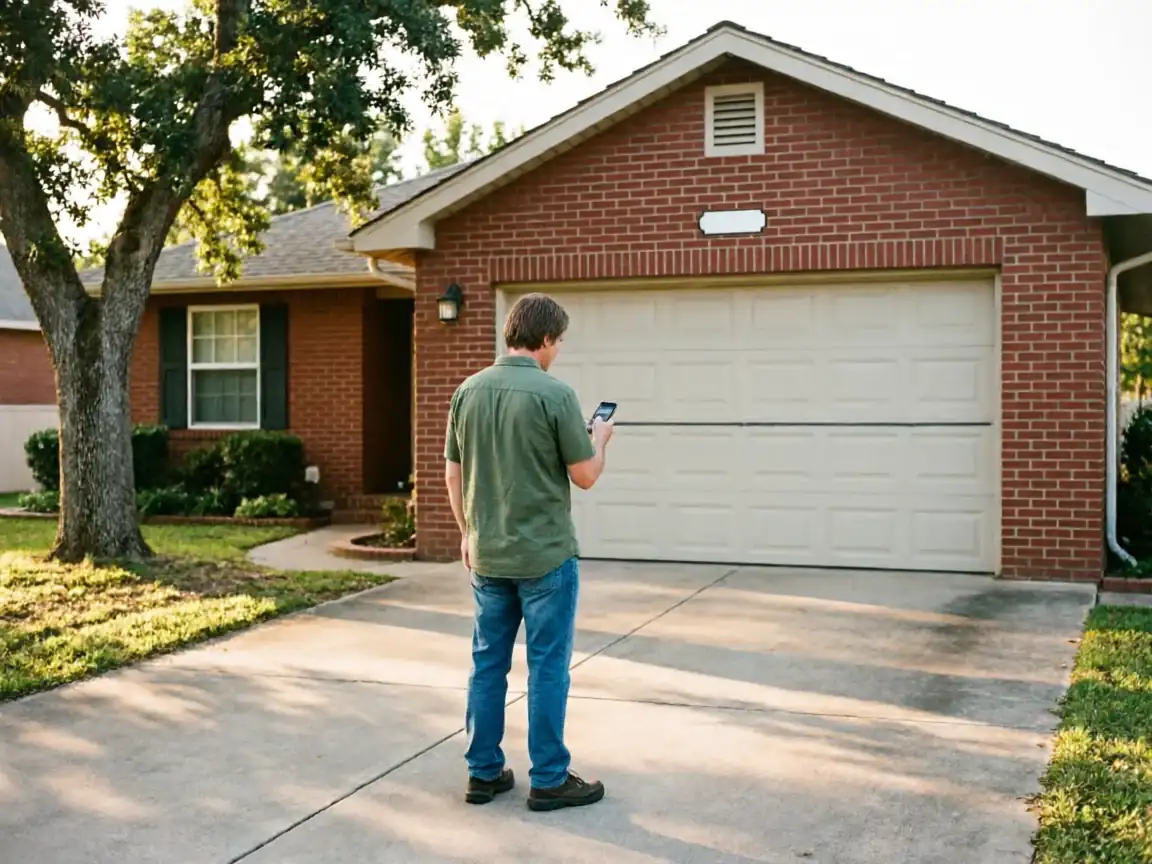
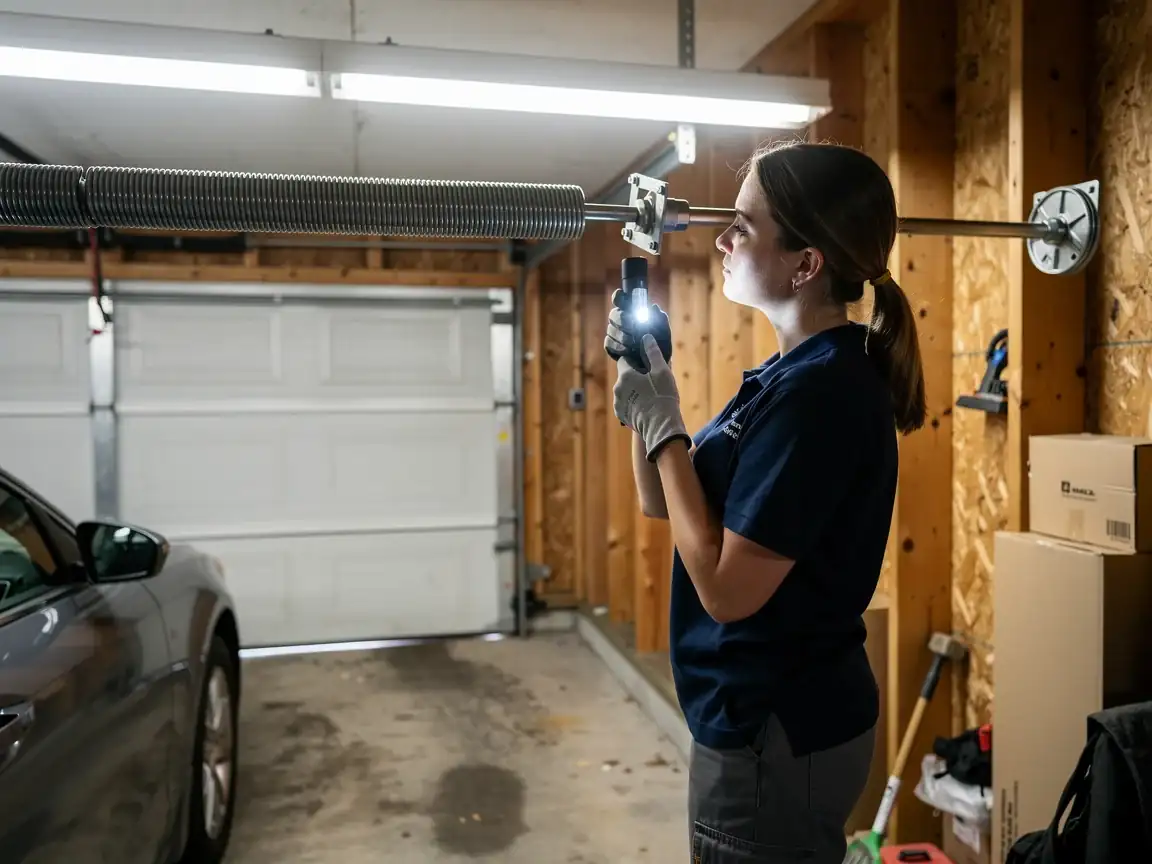
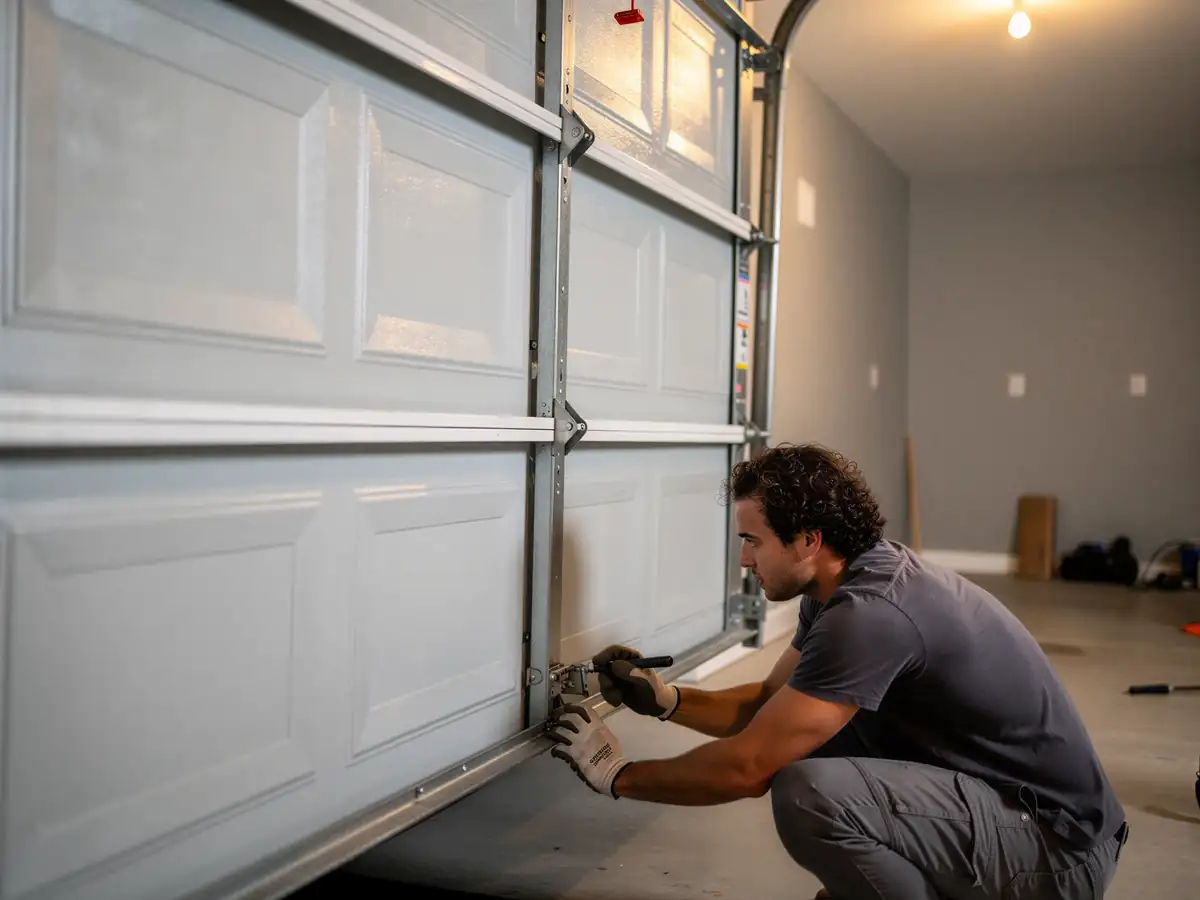
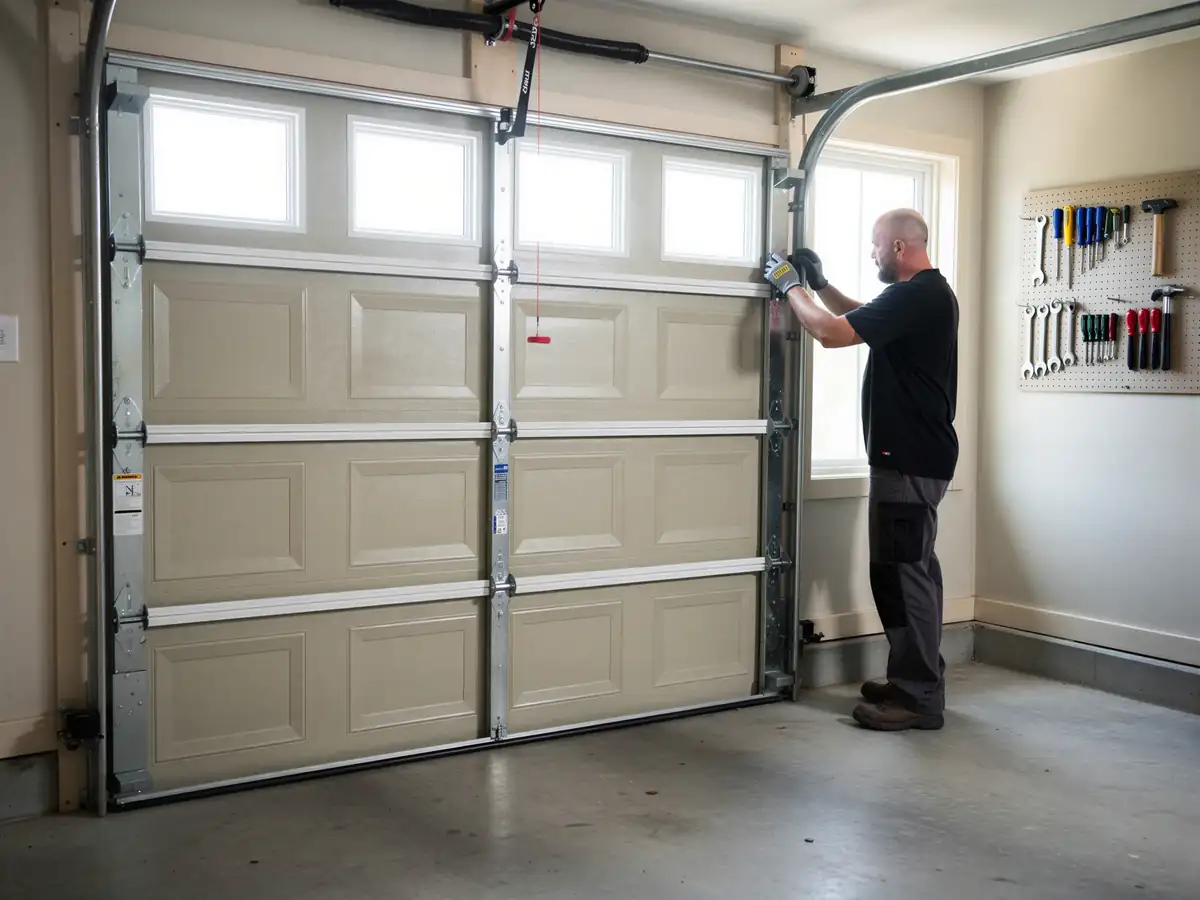
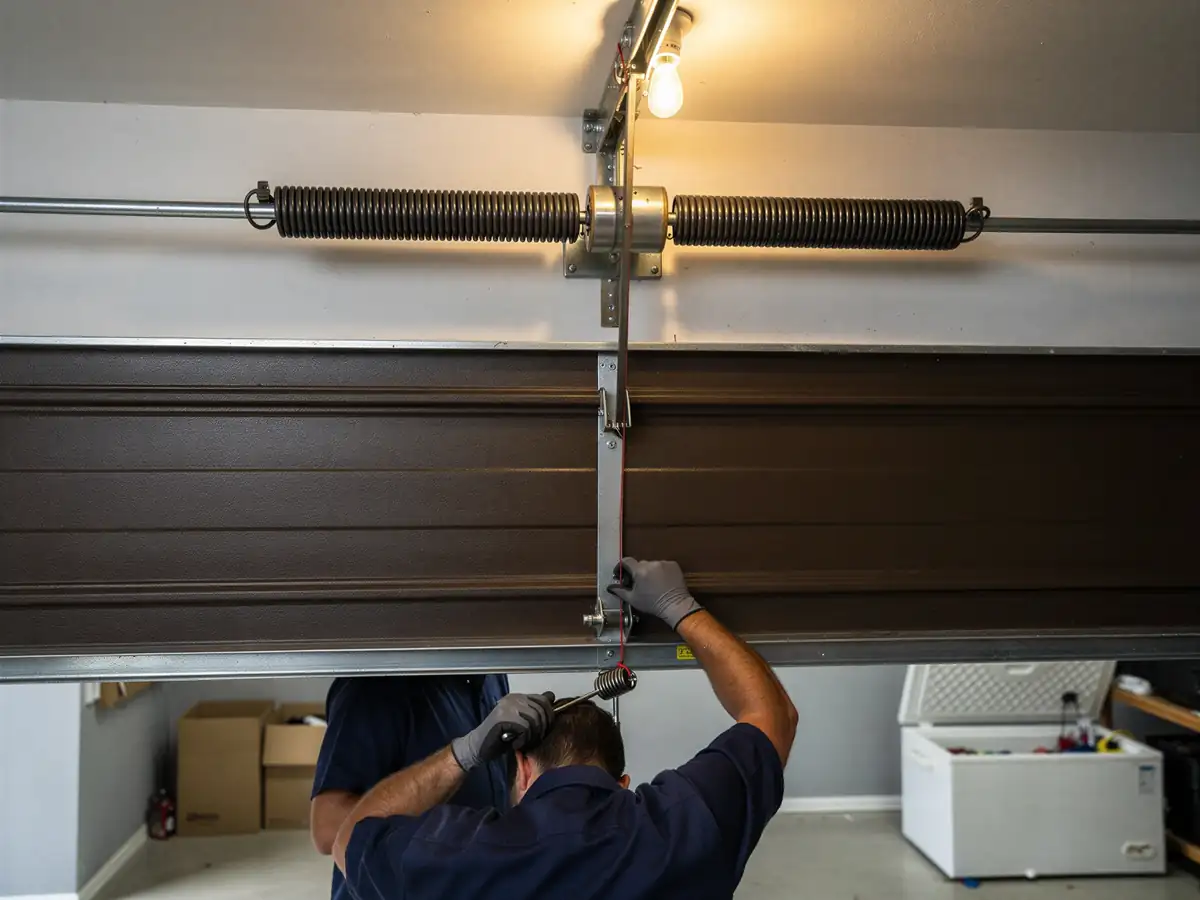
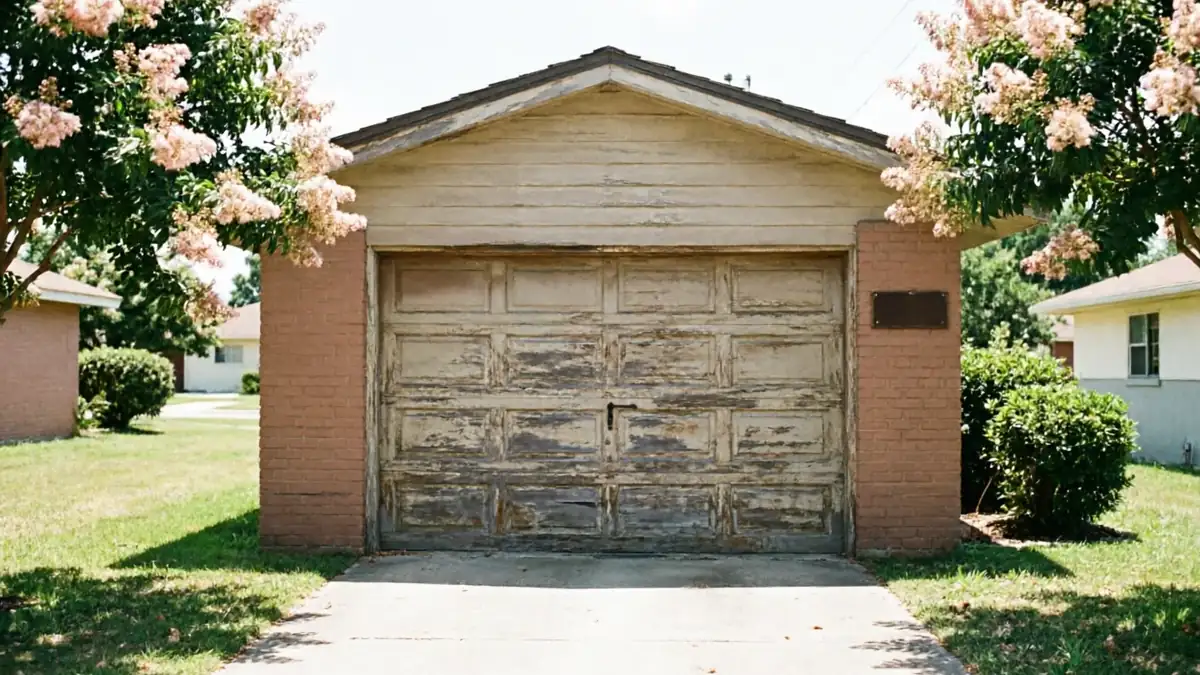
Start with the spring and the track, not the panel. In La Porte, most houses were built between 1956 and 2011, with the median landing around 1984, which means a lot of doors on the road are still running the torsion hardware that came with the house. If the spring is original, the steel has done 30-plus years of cycles and it's not a question of if it fails, it's when. Check the bottom panel for rust lines, especially near the weatherstrip, and check the rollers for flat spots. A door built in that mid-80s window usually has steel panels without the foam insulation that came standard later, so if yours feels thin or dents easily under hand pressure, that's the era talking, not abuse. Pull the release handle and move the door by hand. If it's hard to lift past waist height, something is already compensating for a weak spring, and that's wear, not a design flaw you can ignore. None of this requires tools, just five minutes before you call anyone, including us.
The Situation
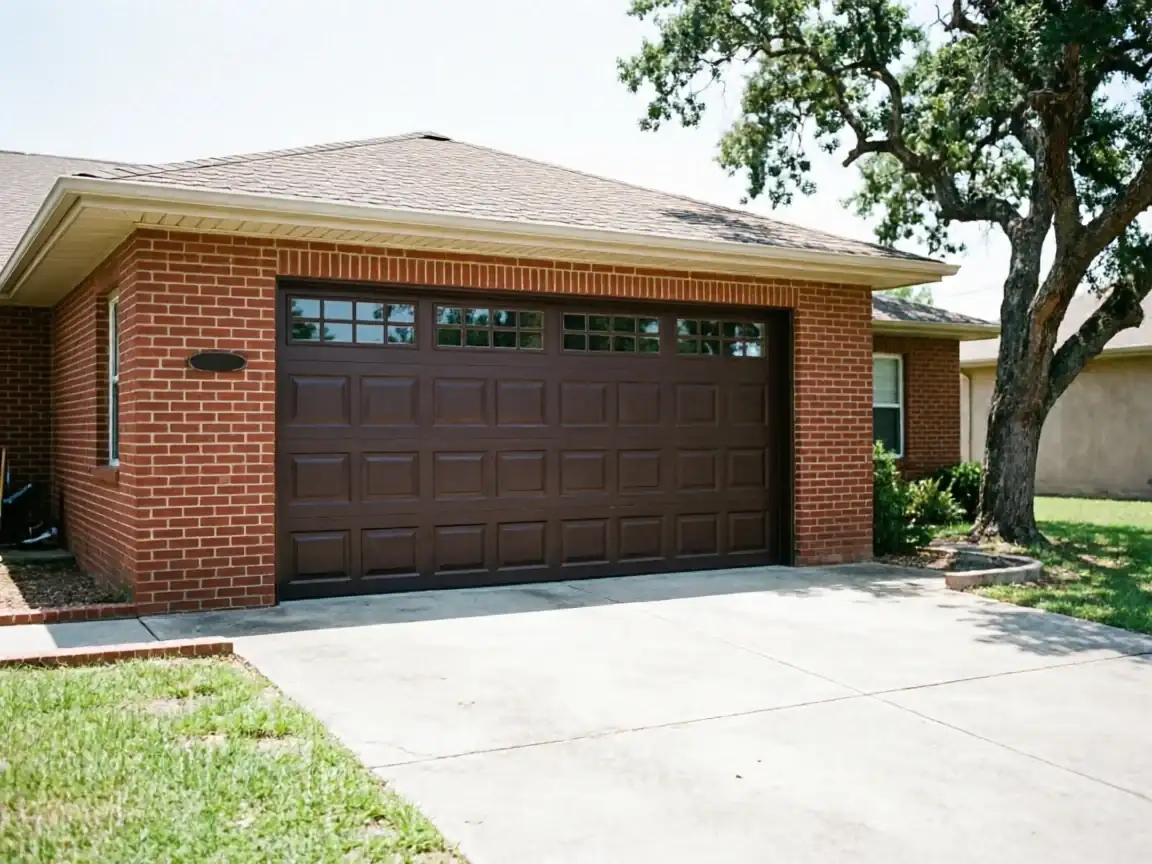
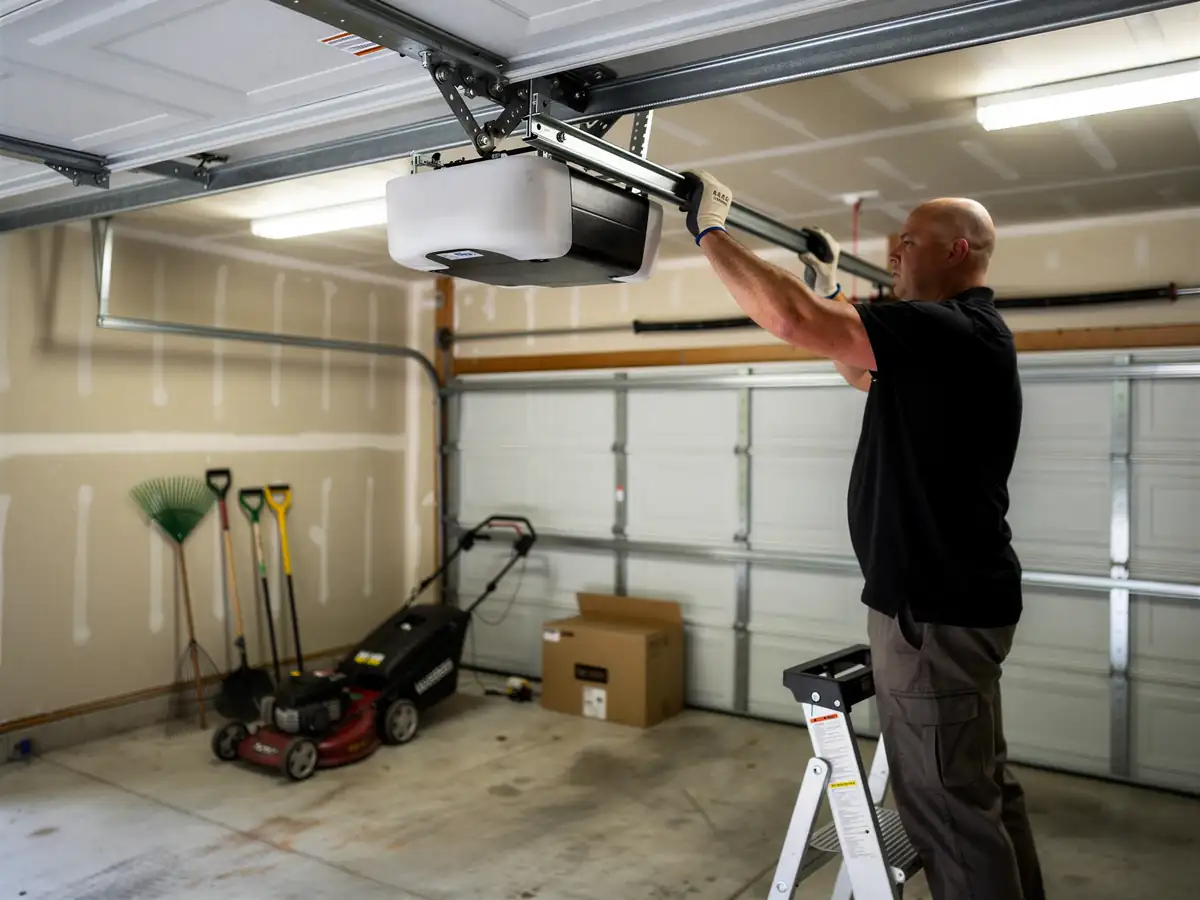
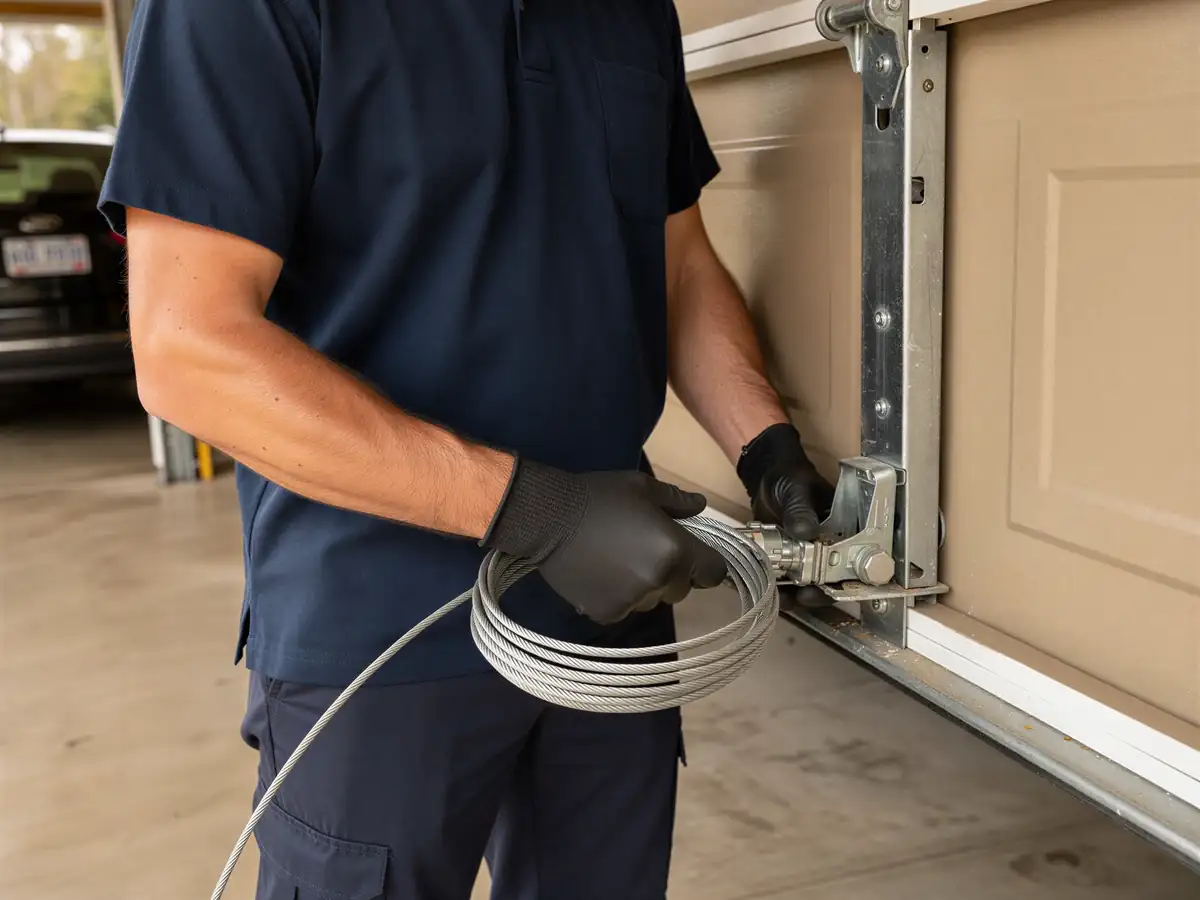
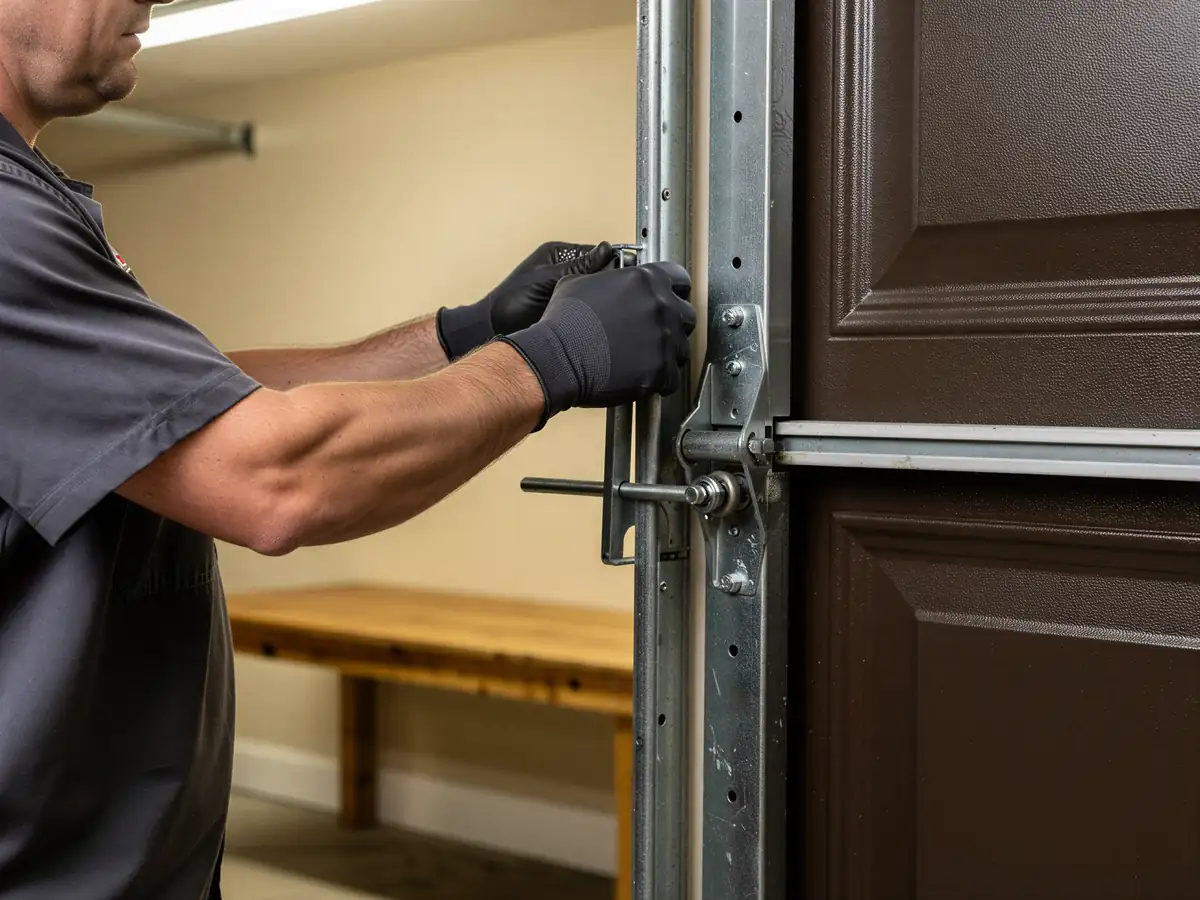
Across the area's 23 named neighborhoods, the stock is mostly 1980s and 90s construction, so a huge share of doors we look at share the same failure points: the same gauge of track, the same spring wind, the same opener-to-door ratio. That consistency actually makes the fix-or-replace call easier than it sounds. A door from that era with a cracked panel but a sound track and good hardware is often a repair job - new panel, keep the rest. A door where the track is bent and the hardware is original and worn is usually a replacement, because by the time you've paid for a new track, new rollers, and a new spring, you're most of the way to a new door anyway. The honest limit here: we don't rebuild a door section by section once three or more major parts have failed at once. At that point labor on a patchwork repair outpaces the value of the door, and we'll tell you that instead of running up a bill.
How Local Conditions Play In
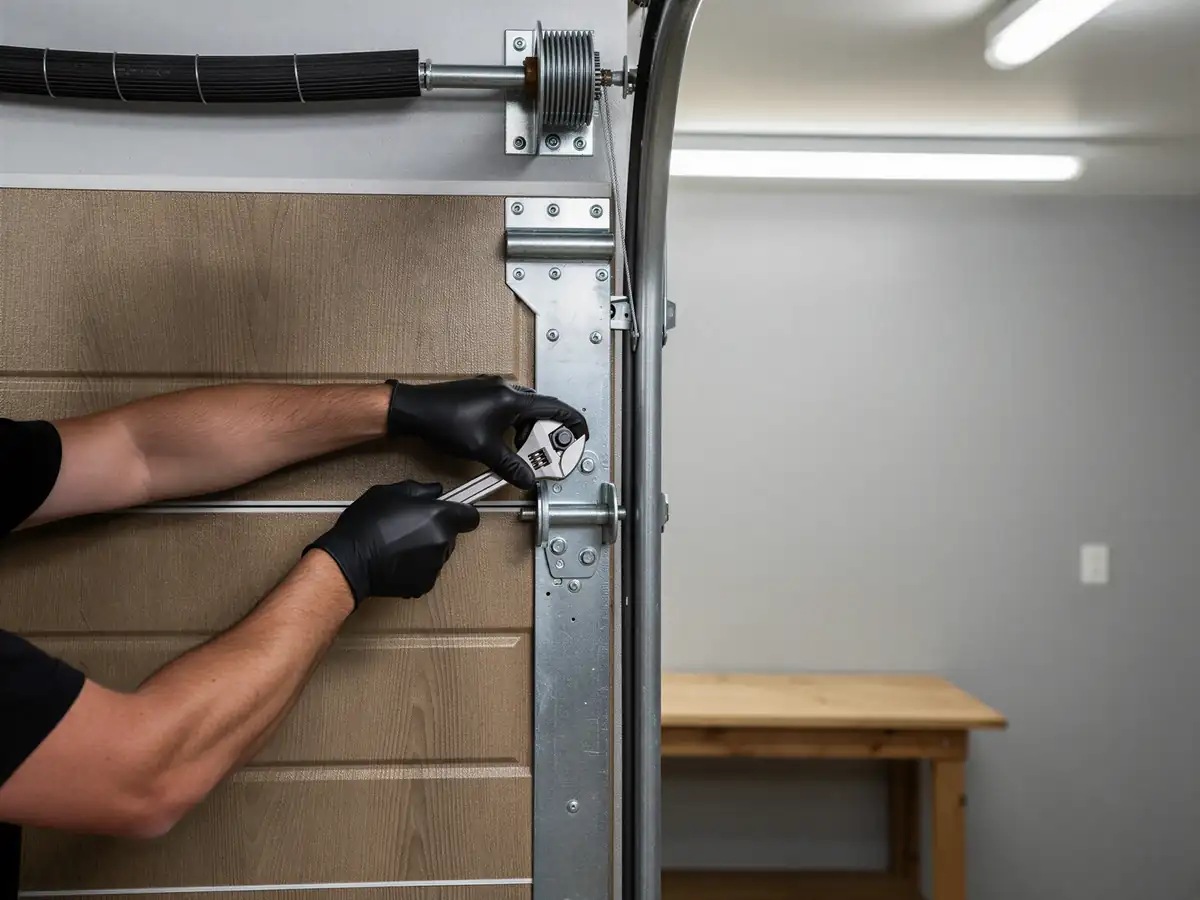
The climate here is mild with occasional freeze, not the extreme swings that chew through weatherstripping and warp panels in a couple of seasons. That works in your favor if you're deciding whether an older door is worth fixing: a 1984-vintage door in this climate band has usually aged on its hardware and springs, not its structure, because there's no deep freeze-thaw cycle putting stress on the panel seams the way you'd see further north. That means a steel door with surface rust and a tired spring is frequently a legitimate repair rather than a replacement, since the panel itself hasn't been through the kind of weather that warps or splits it. Where we do see problems tied to conditions is humidity near the bay-adjacent parts of the service area - where moisture speeds up rust on exposed hardware faster than it would inland. If your door's hinges and track bolts show heavier rust than the panel itself, that's a local-conditions tell worth mentioning when you call.