What to Look At First
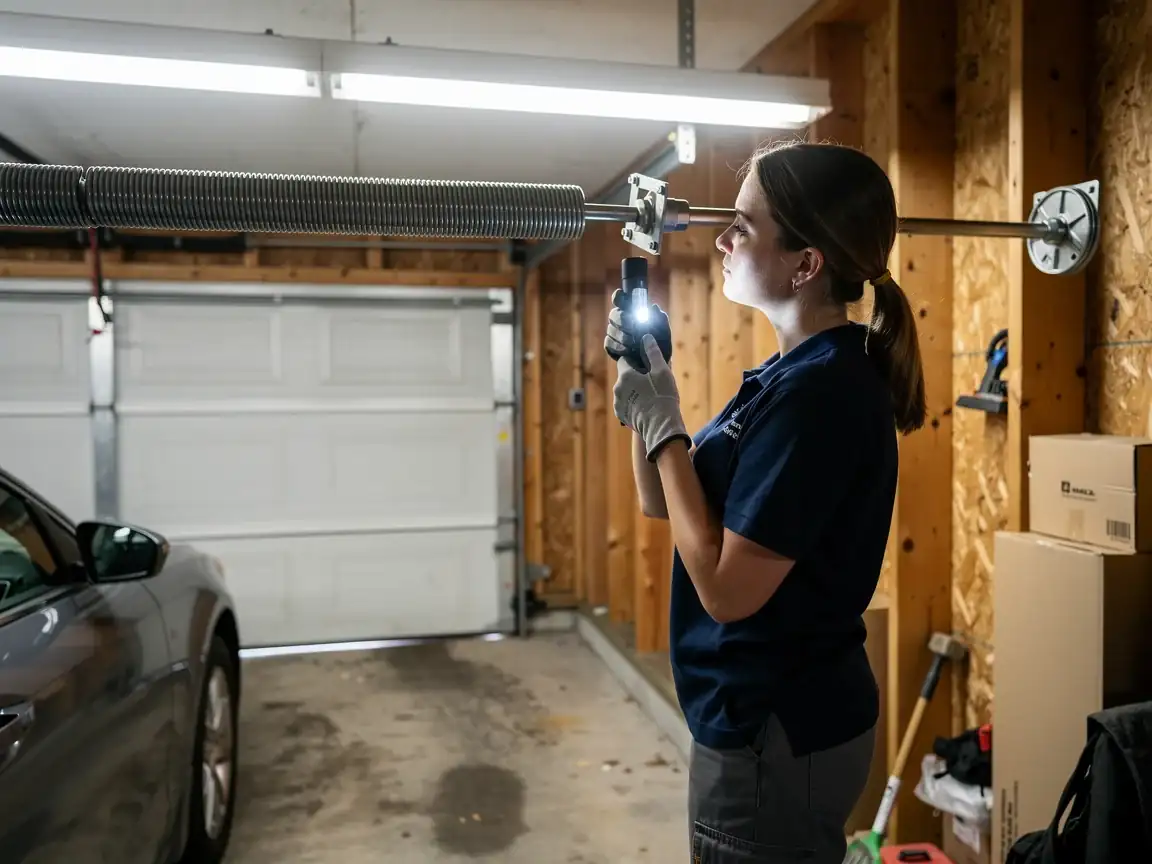
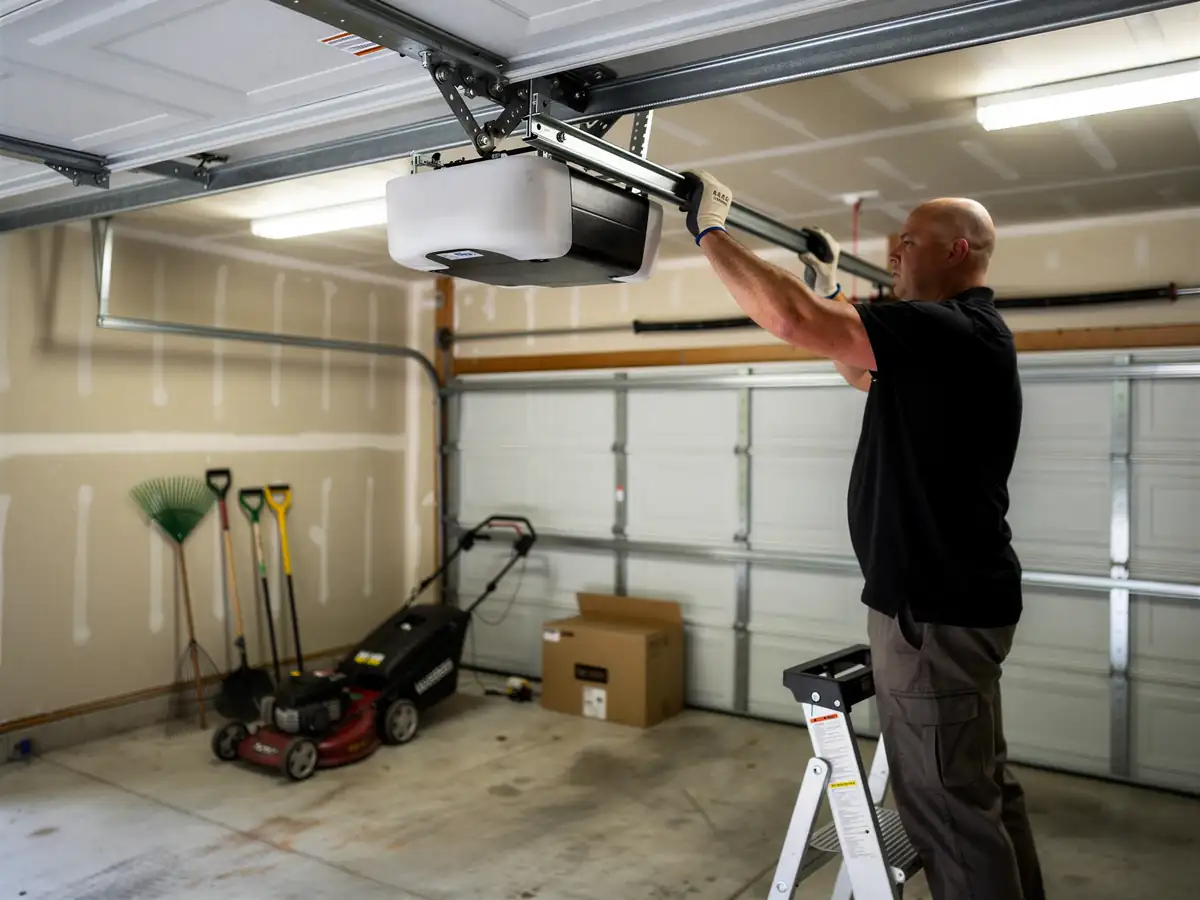
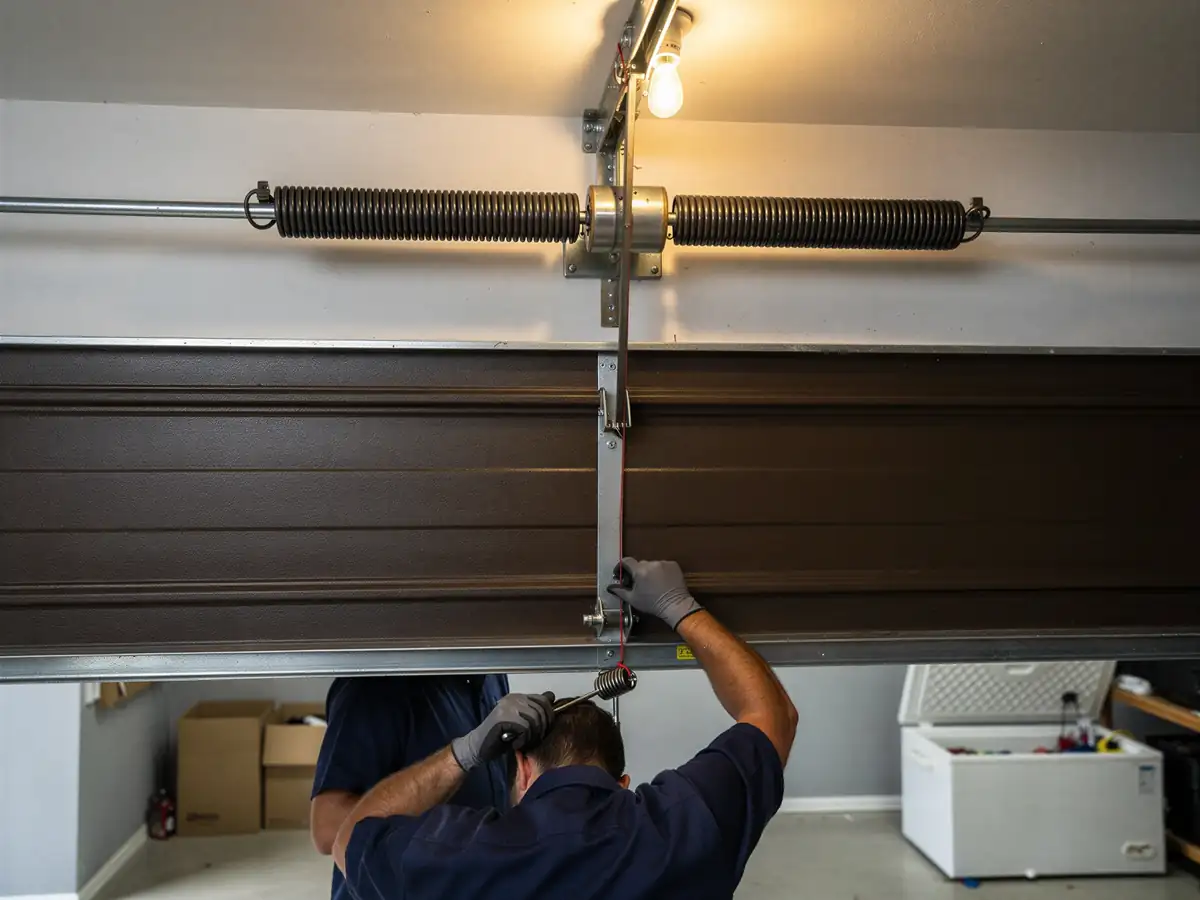
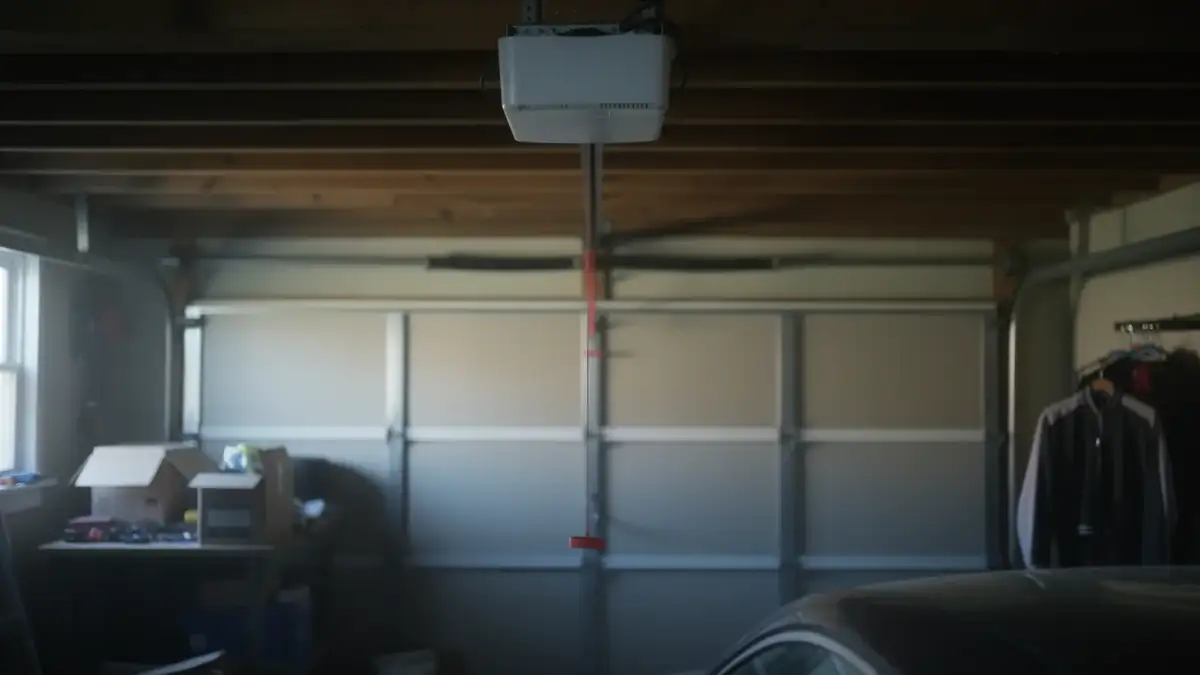
Start with the opener itself, not the door. Most houses in La Porte went up between 1956 and 2011, with the median build year sitting around 1984, and a lot of that 1980s and 90s stock still runs the chain-drive opener that came with a remodel or a prior owner's upgrade rather than anything original to the house. Check the manual release cord hanging from the trolley - if nobody in the house knows what it does, that's the first problem, because that cord is how you get the car out when the power cuts and the opener has no battery backup. Look at the wall unit too. Older installs across the service area's 23 named neighborhoods often still wire the opener straight to a switched outlet with no battery backup module at all, which means a power cut leaves the door wherever it was when the lights went out, stuck in the track with the motor dead. If your opener predates 2018 or so, odds are decent it has no backup battery, and that's worth confirming before a storm, not during one.
The Situation
La Porte sits in a mild climate band with occasional freeze risk rather than hard winters, so the power cuts we see here aren't usually ice-storm grid failures - they're more often short outages from summer storms rolling through the area. The problem isn't the weather itself, it's timing: a door that's half-up when the power drops stays half-up, and a chain-drive opener on an older torsion setup doesn't always release cleanly if the spring is already weak. Owners in houses built in that 1956 to 2011 window are the ones most likely to be running original or first-replacement hardware that was never paired with backup power, since battery-backup openers are a newer standard feature than most of this housing stock. When the power comes back, the opener usually just works again - the real risk window is the time in between, with a car trapped or a door open to the street.
How Local Conditions Play In
The service area runs from Morgan's Point three miles out to places like Dickinson fifteen miles south and Mont Belvieu seventeen miles northeast, and across that stretch the housing is fairly consistent - built mostly in the 1980s and 90s with some newer construction mixed in. That consistency matters for openers: it means a lot of the installed base is old enough that battery backup wasn't standard when it went in, but new enough that the hardware is still serviceable rather than needing a full teardown. With median household income in the area around $77,315, we see plenty of owners choosing to add a battery backup module rather than replace a working opener outright, which is usually the more cost-effective move. The mild-with-freeze climate band here means you're not dealing with sustained hard freezes that crack plastic housings or seize mechanisms, so an opener's age is more often the failure point than weather damage.