How We Fix It
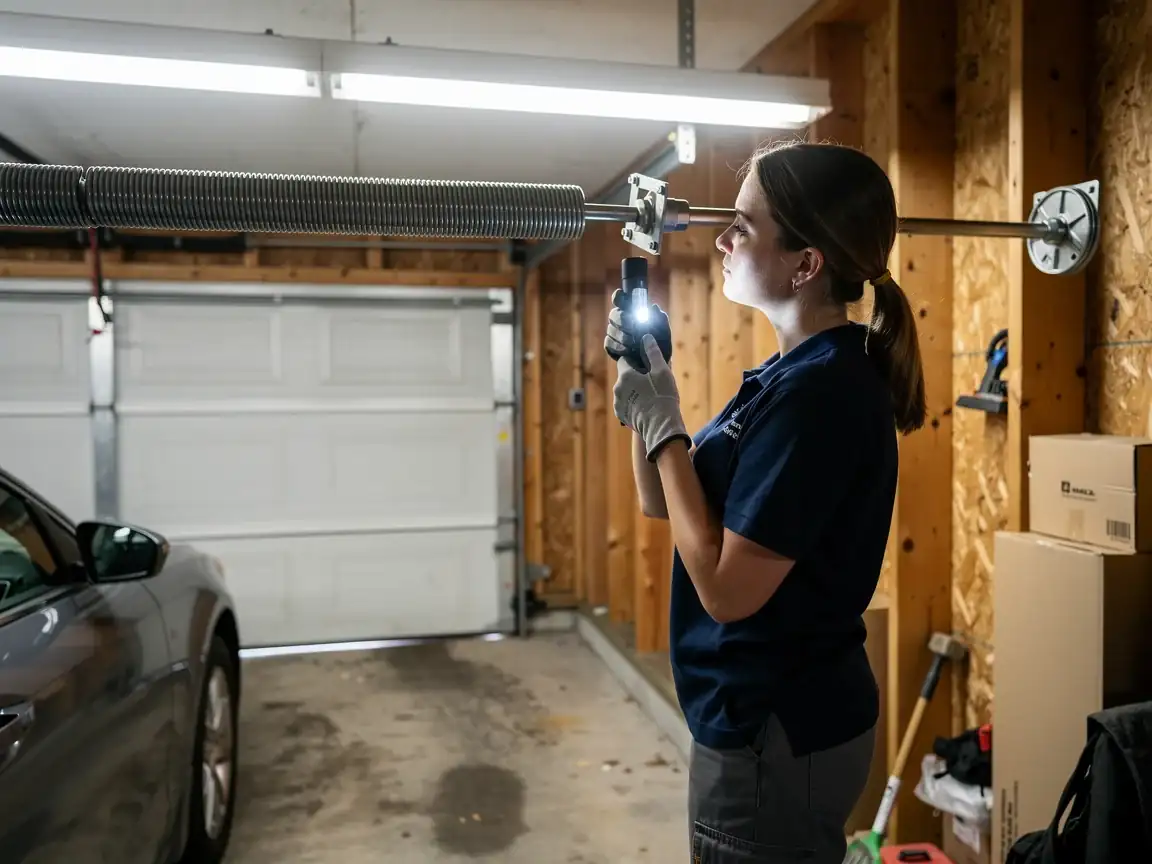
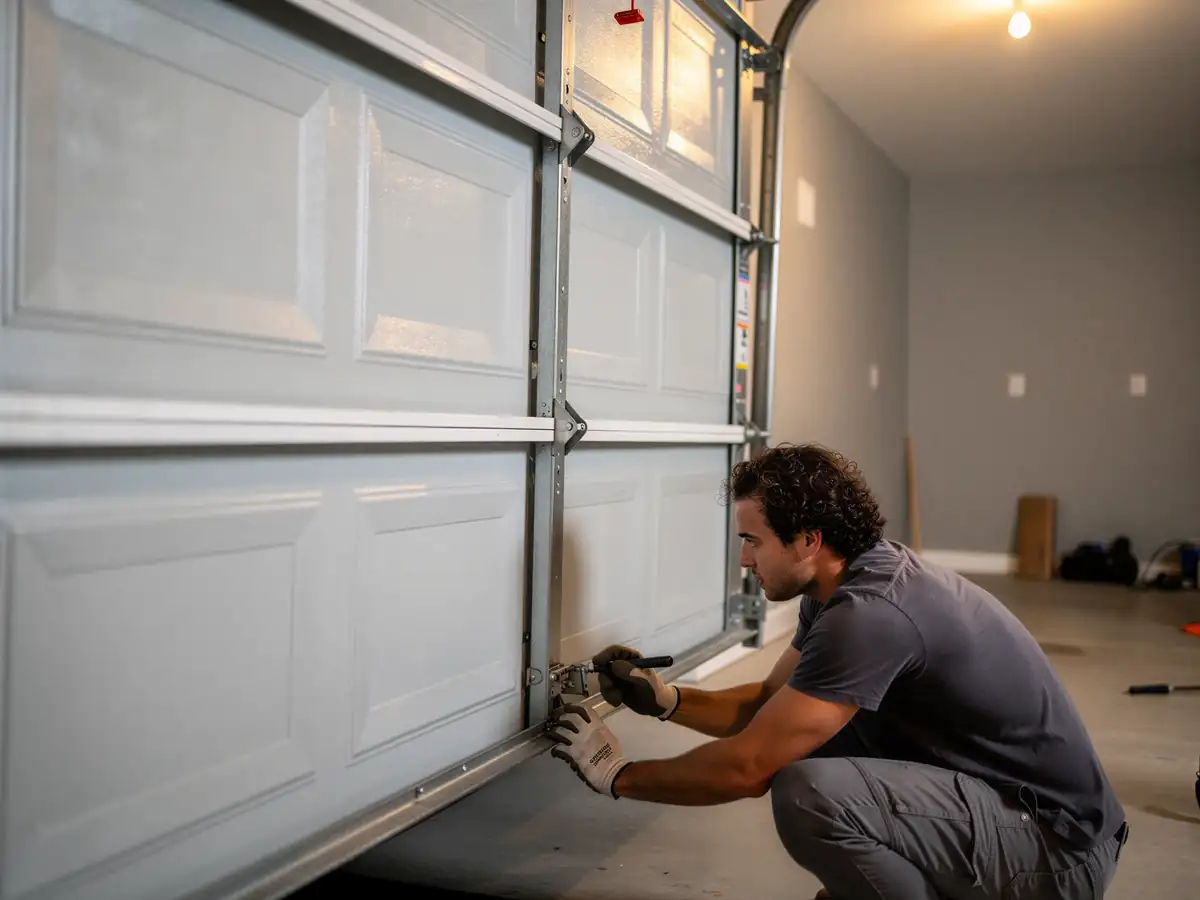
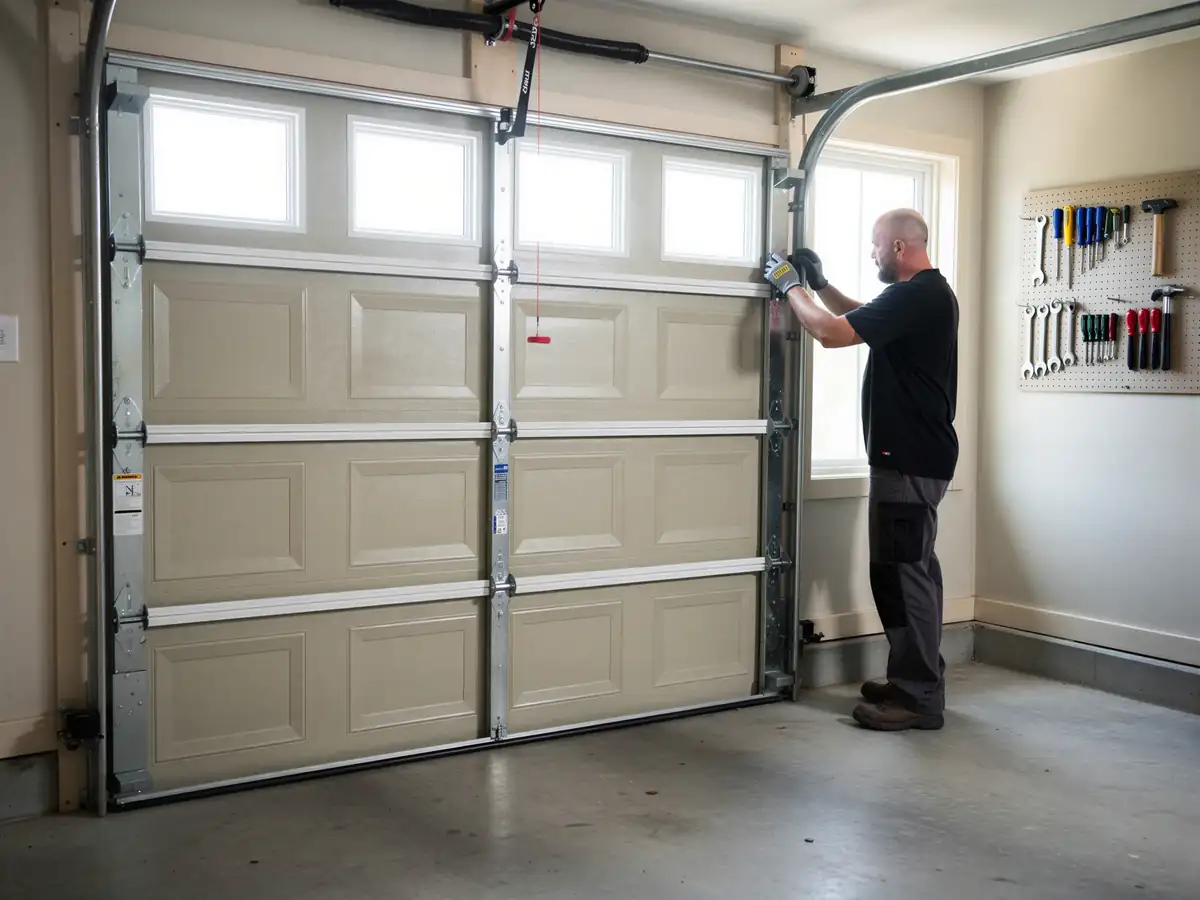
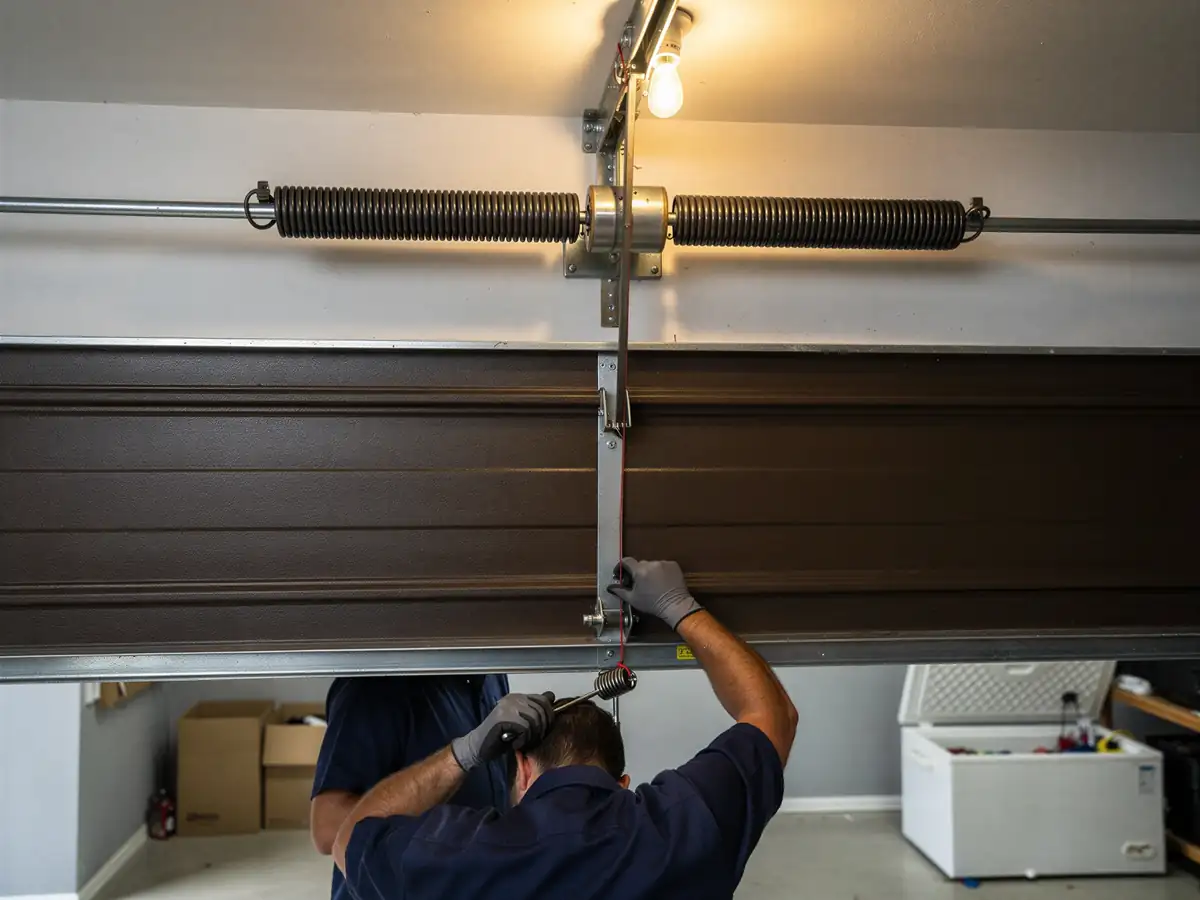
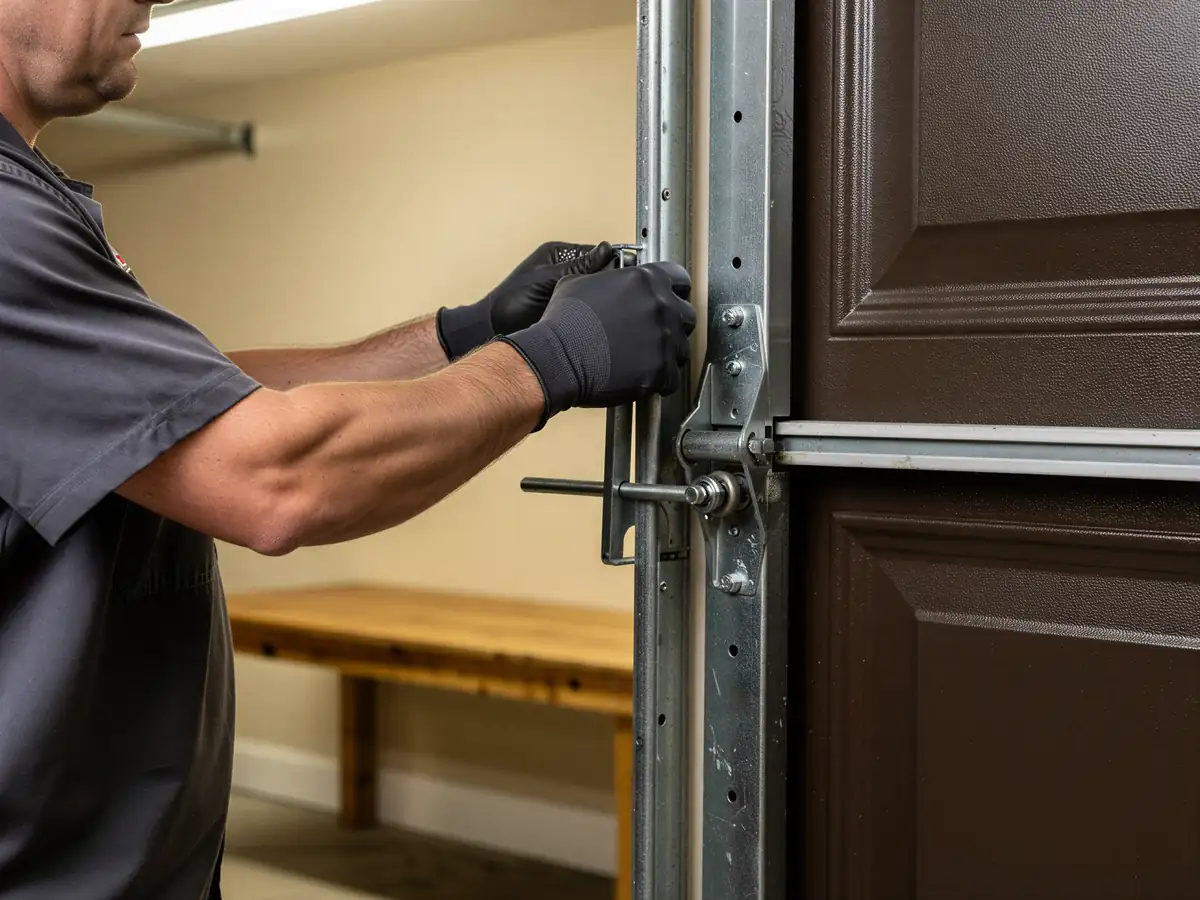
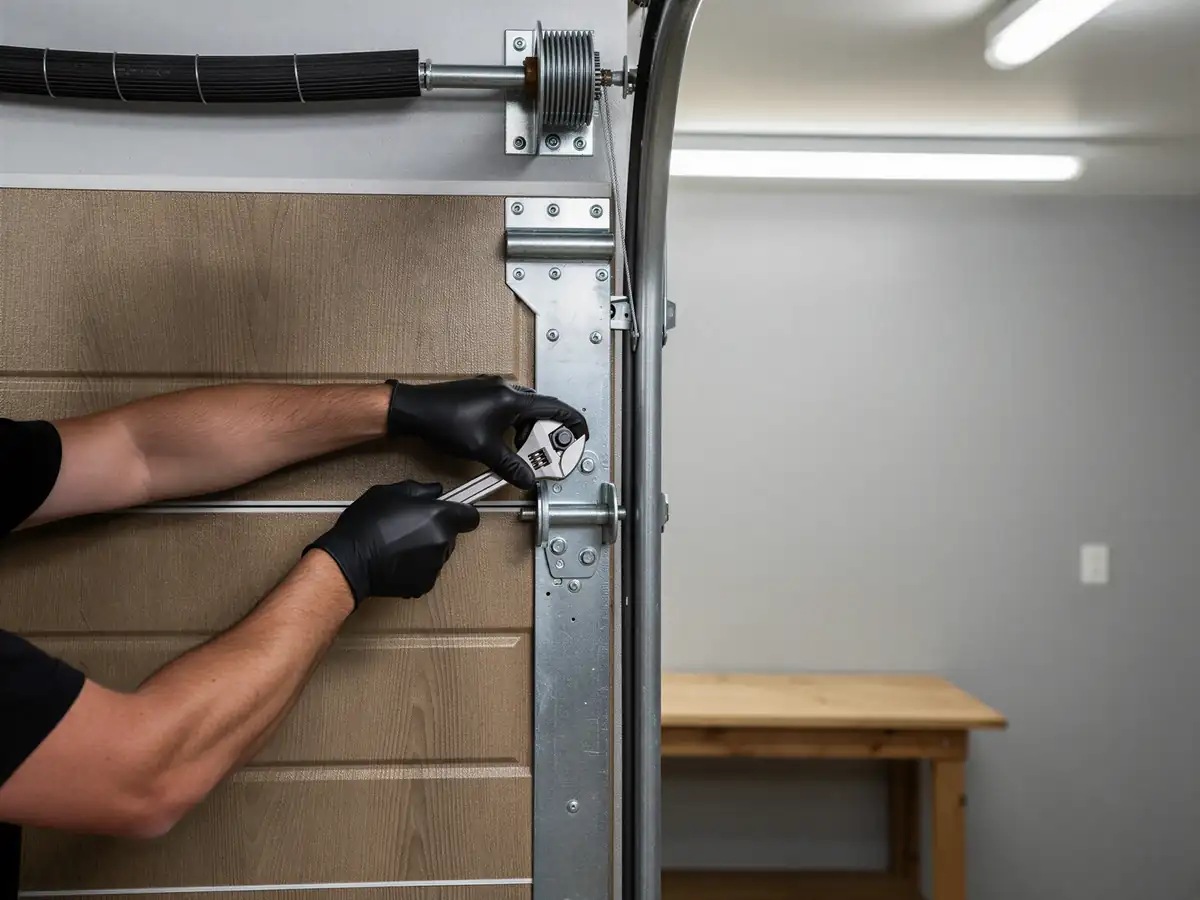
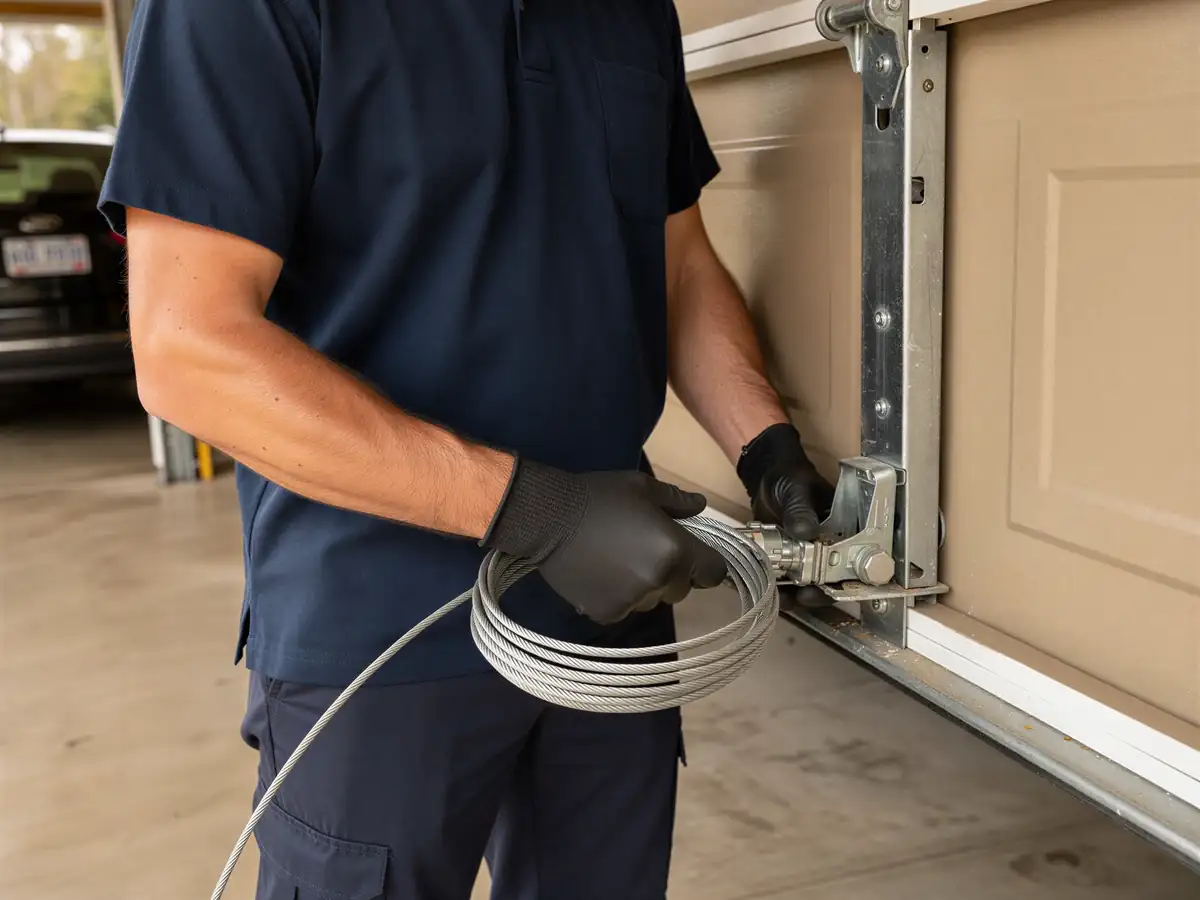
A broken or frayed lift cable isn't something you tape or splice. We pull both cables as a pair, even if only one has let go, because if one side is worn the other is close behind. We check the drums for grooving, the bottom brackets for rust, and the spring tension before we restring anything - a cable that keeps snapping in the same spot is almost always a symptom of a worn drum or a misaligned track, not a bad cable by itself.
For most homes across the service area, this means replacing galvanized aircraft cable rated to the door weight, reseating it in the drum groove, and running the door through a full cycle under load before we call it done. If the torsion spring is also shot - common when a cable finally lets go mid-cycle and the door drops - we replace that too, since running a new cable on a tired spring just buys you another call in a few months. We don't recommend a cable-only fix when the drum is already cut.
What we don't do: patch a cable that's already stranded. Once it's frayed past a few strands, it goes on the truck replacement list, not the repair list.
How Long It Takes
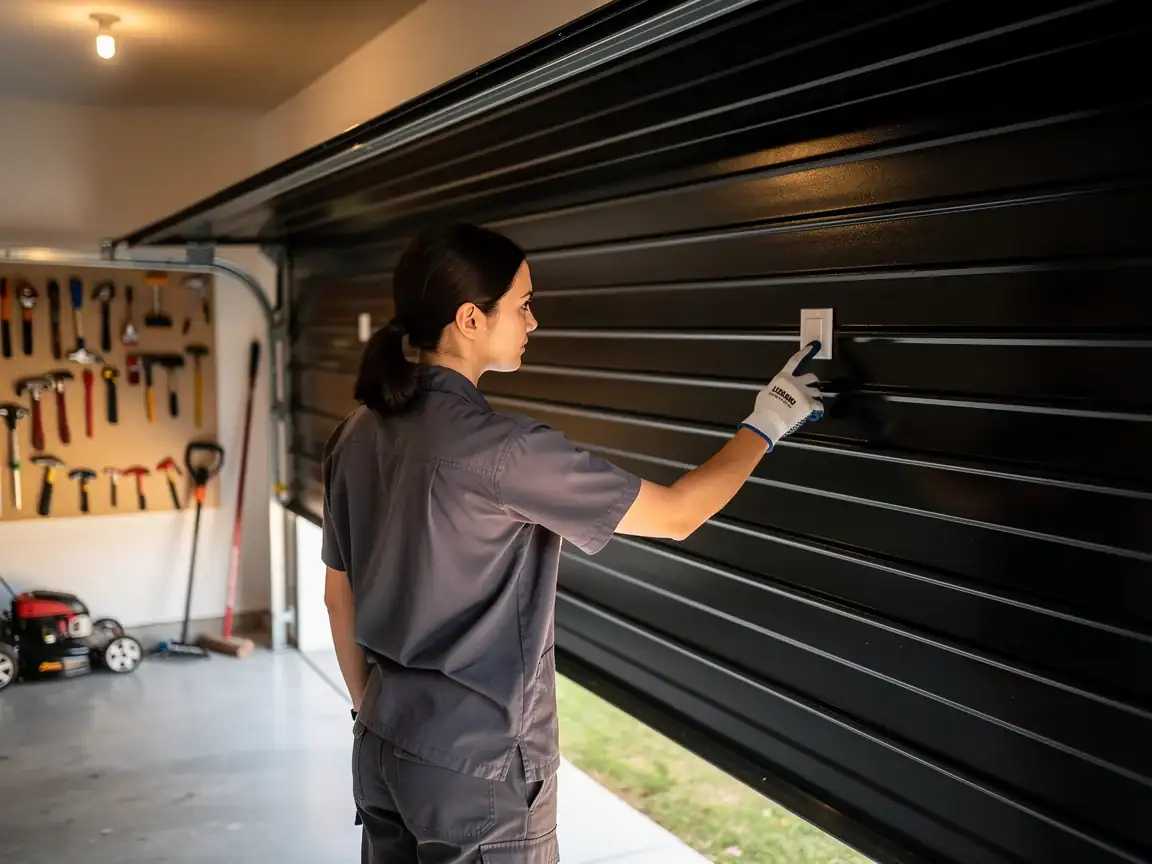
A straightforward cable replacement on a single door, both sides, is a same-visit job - most of the time is spent balancing the door afterward, not stringing the cable itself. If the drum is scored or the bottom bracket has pulled away from the panel, that adds parts and time, since we don't improvise a bracket fix on an aluminum or steel panel that's already stressed.
Parts availability is the one thing that can stretch a job past the first visit. Standard cable and drum sets are on the truck. Less common spring sizes or discontinued track hardware from older installs sometimes aren't, and we'll tell you straight if that's the case rather than guess at a fit. We'd rather order the right part once than force a close-enough one that fails again in a year.
How It Shows Up
The warning signs are usually small before they're sudden
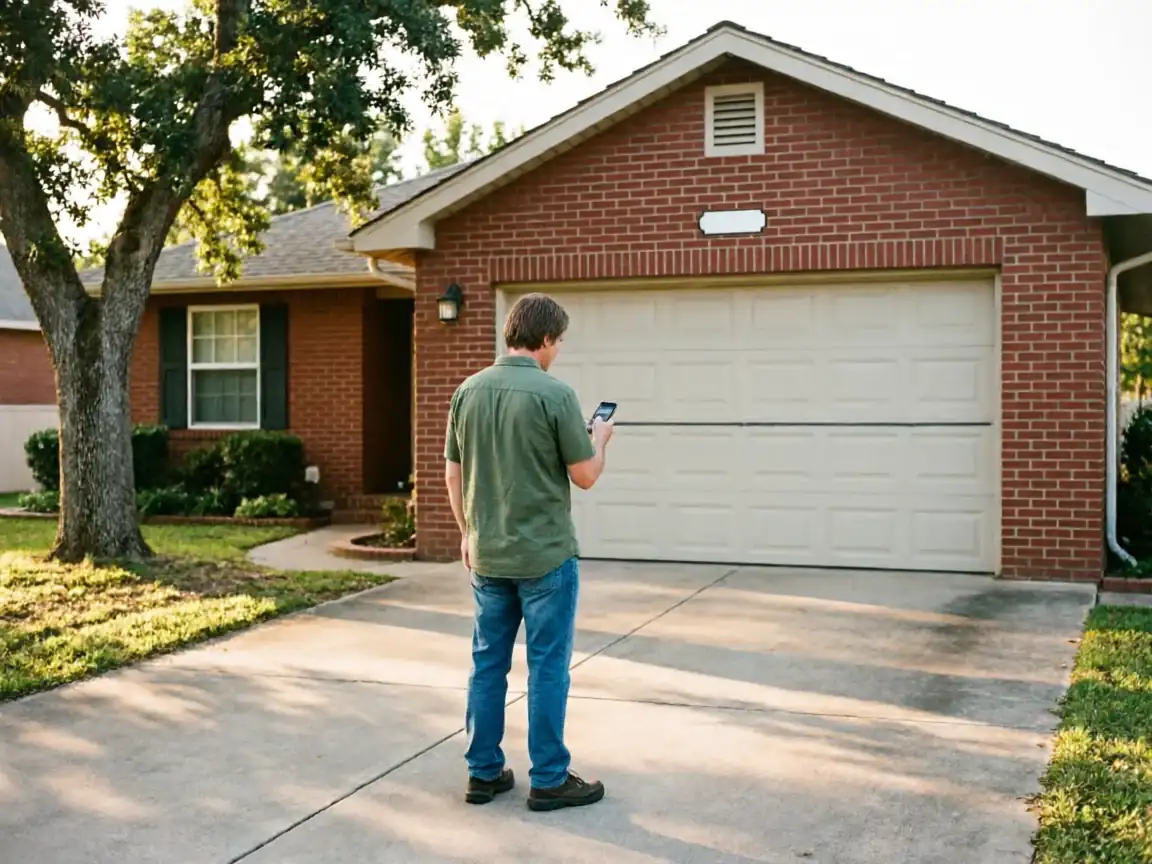
A door that looks slightly crooked when it's halfway up, one side dropping faster than the other, is a cable starting to unwind off the drum. A popping or grinding sound right before the door reaches the top is often a strand catching on the drum groove. If the door drops hard the last foot before it closes, or refuses to open past a few inches, a cable has likely already jumped the track or snapped.
Don't keep running the opener once you see a door sitting crooked
That's the fastest way to turn a cable job into a bent track and a cracked panel, because the opener doesn't know the door is off-balance and will keep pulling.
Why This Fails Locally
Most of the housing across this service area went up between 1956 and 2011, with the heaviest concentration from the 1980s and 90s. Doors from that era commonly carry cable drums and brackets that were standard for their time but run thinner gauge than what's installed new today, and after three or four decades of cycles, that's exactly where wear concentrates.
The climate here is mild with occasional freezes rather than deep cold, so it's not a hard freeze snapping cable overnight. It's the repeated swing between humid, warm stretches and the occasional cold snap that work-hardens galvanized cable over the years, making it more prone to fraying at the drum rather than stretching evenly. Combine that with original hardware still in place on a lot of older homes and you get a predictable pattern: cable wear shows up earlier here than it would on a newer build with modern galvanizing. We see this across the broader area, not just on one street or subdivision - it tracks with the age of the house, not the neighborhood name.