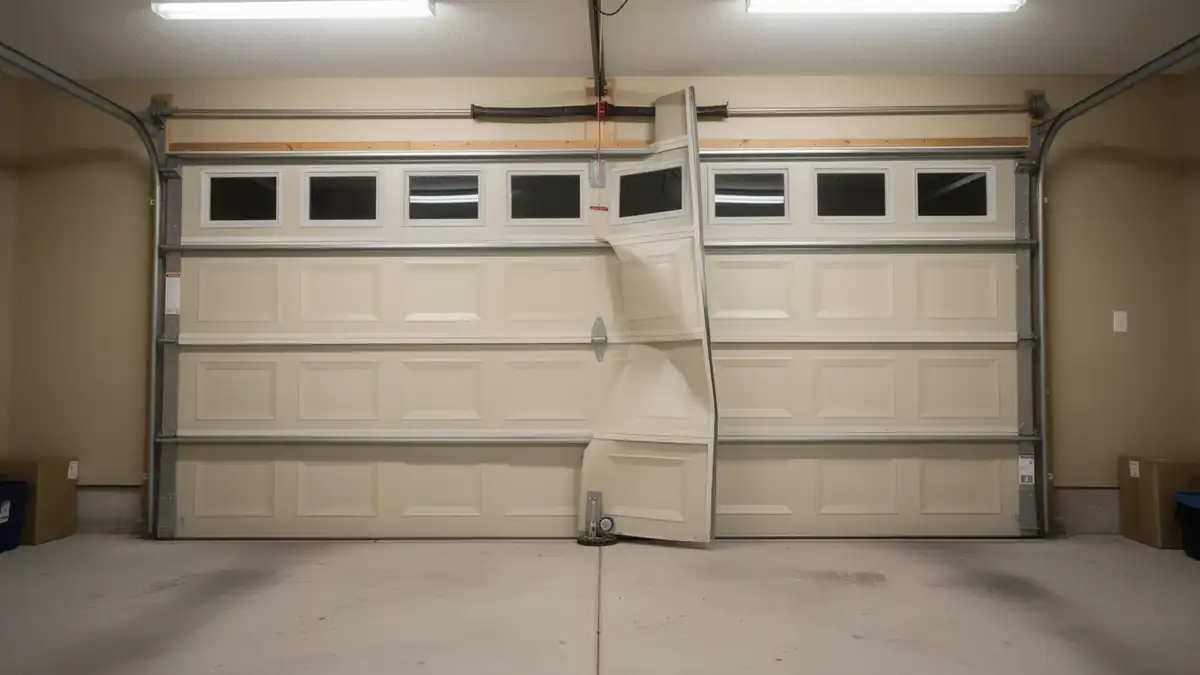
What to Look At First
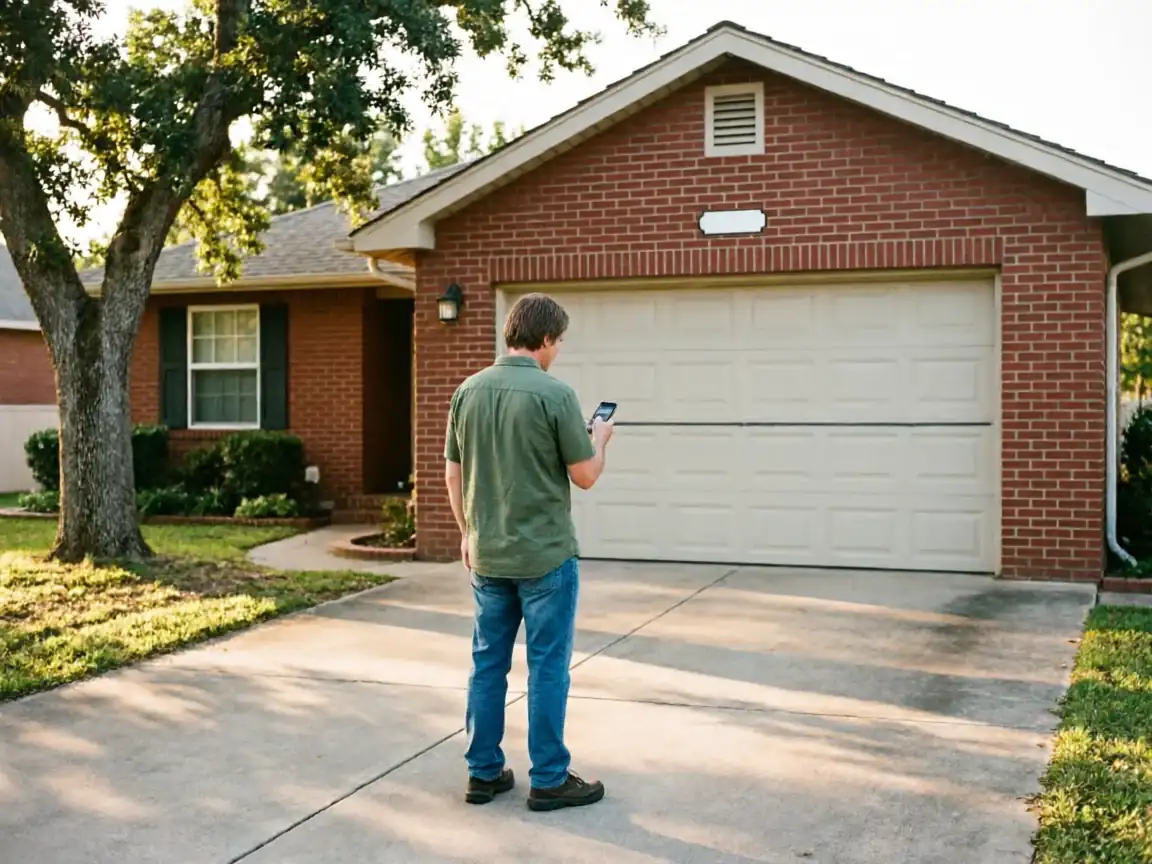
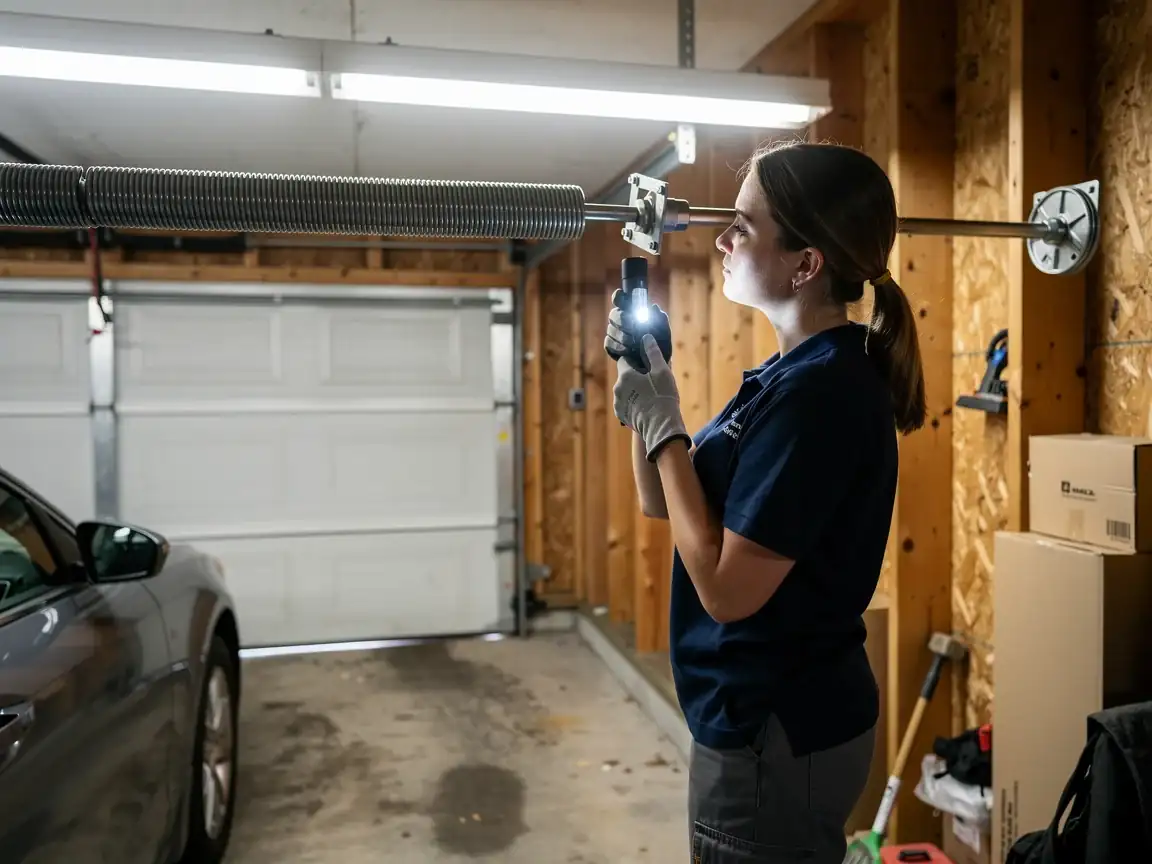
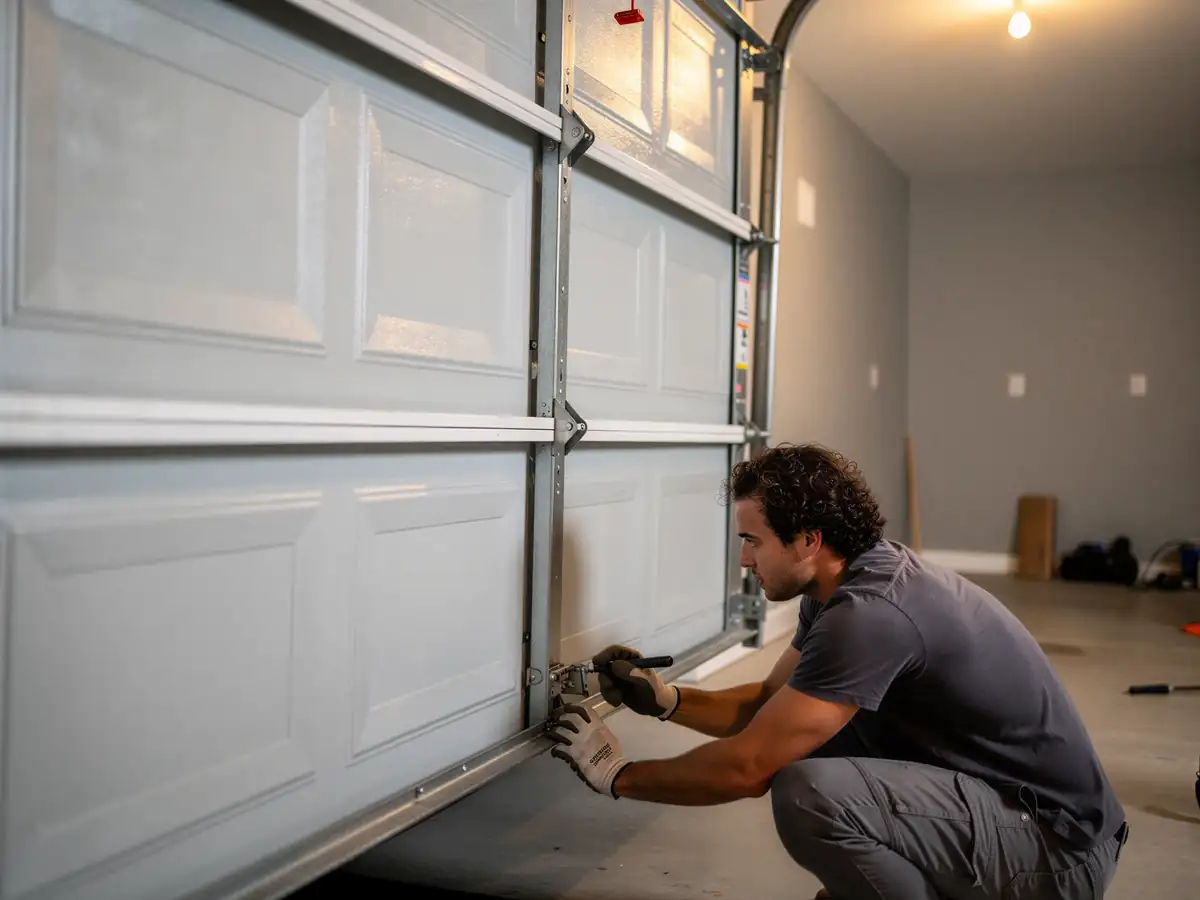
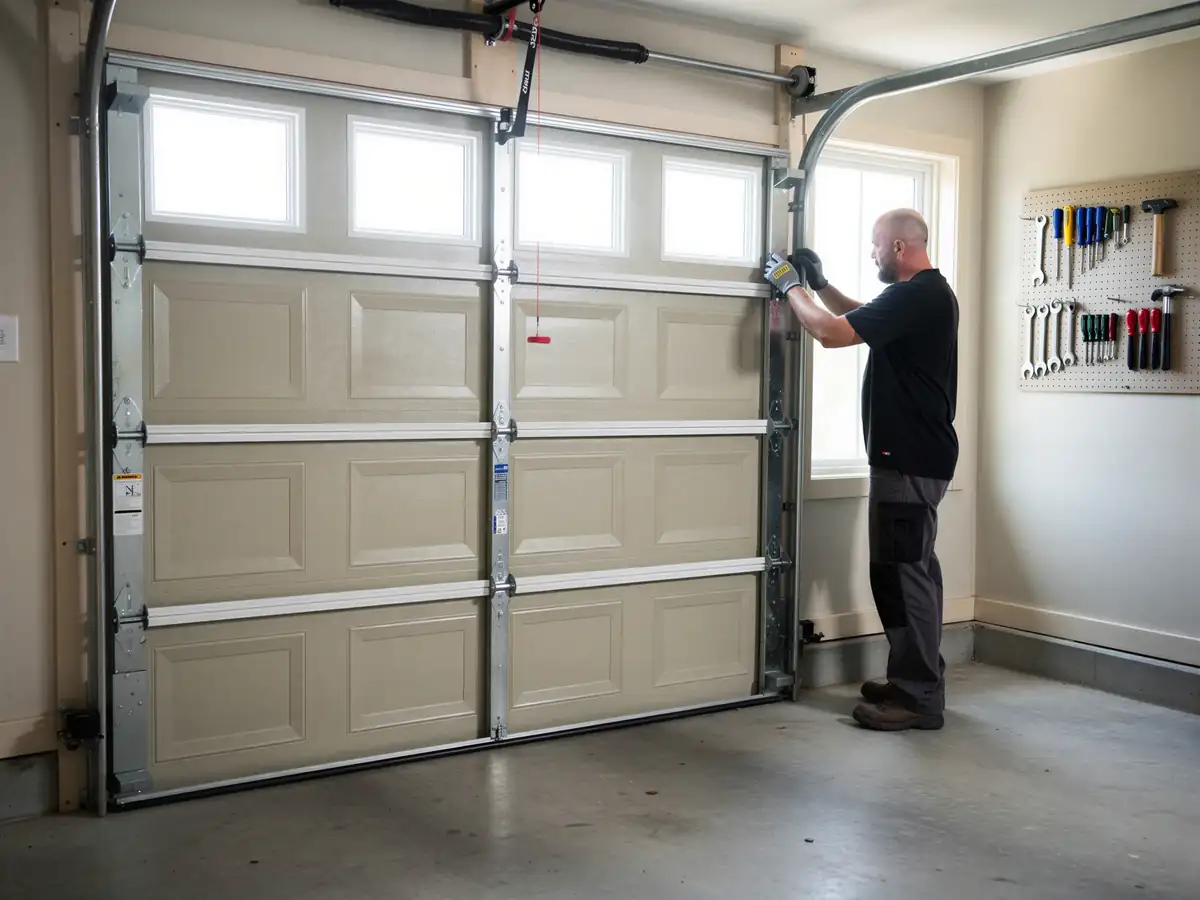
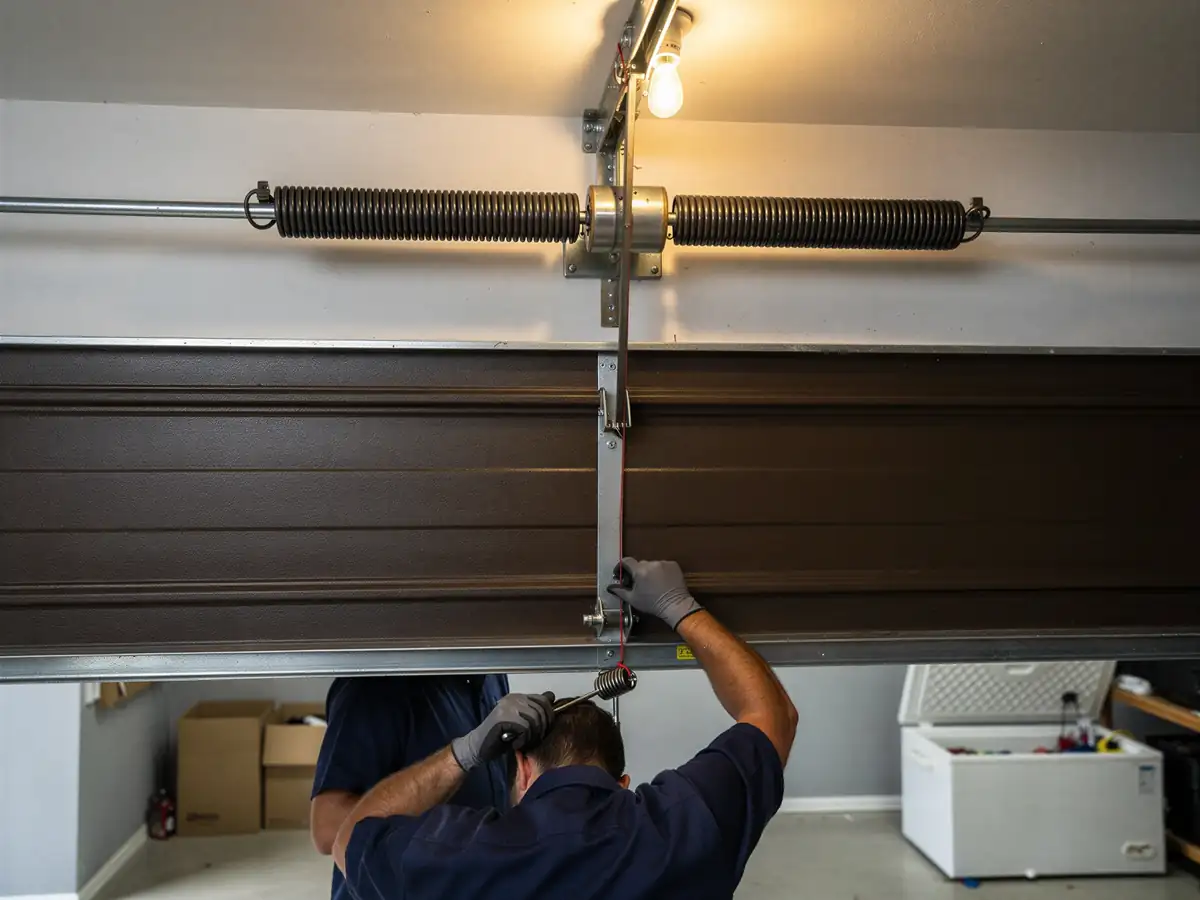
Before you call anyone, look at the track itself. Stand to the side of the door, not underneath it, and run your eyes down both vertical rails. A gap between the roller and the rail, a rail that bows outward near a bracket, or a bent spot where the horizontal track meets the curve at the top are the three things that actually cause a door to jump track, not just squeak.
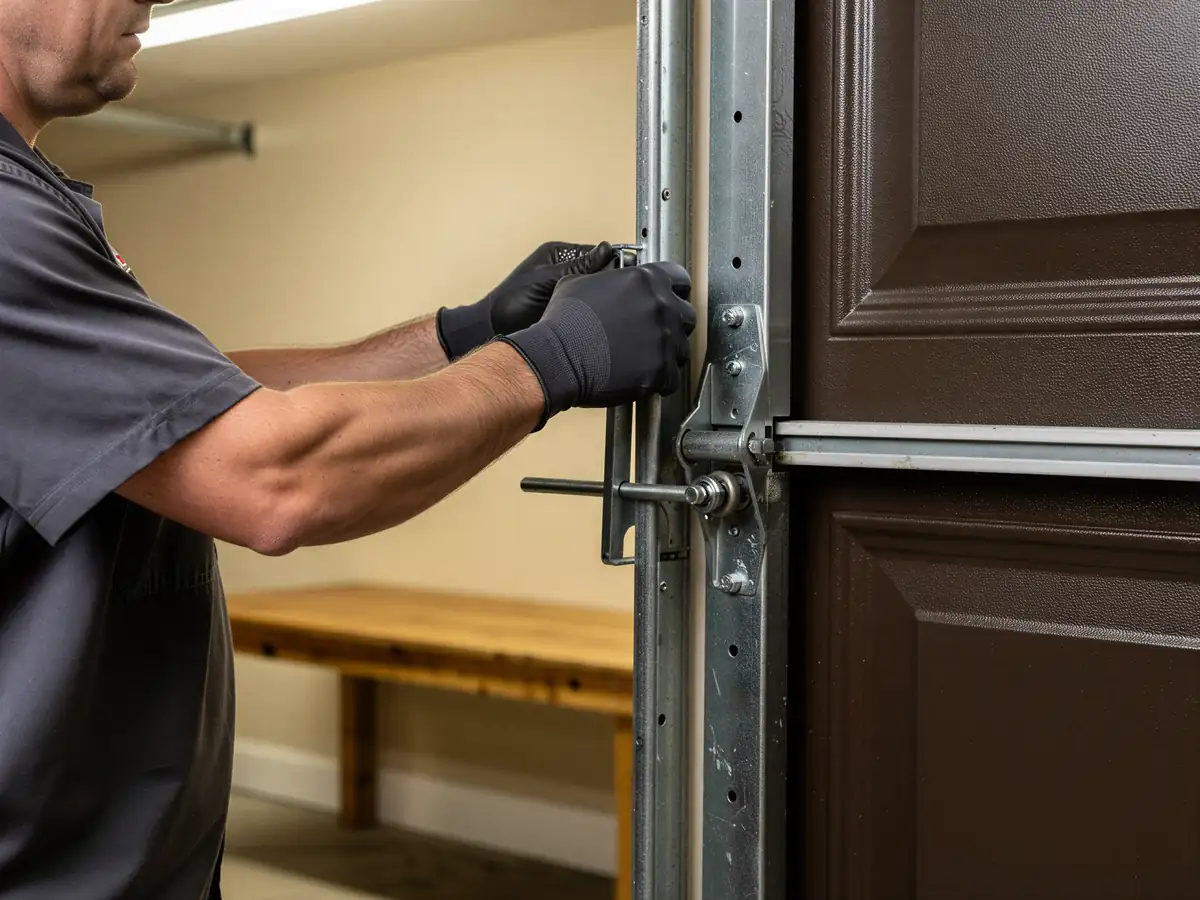
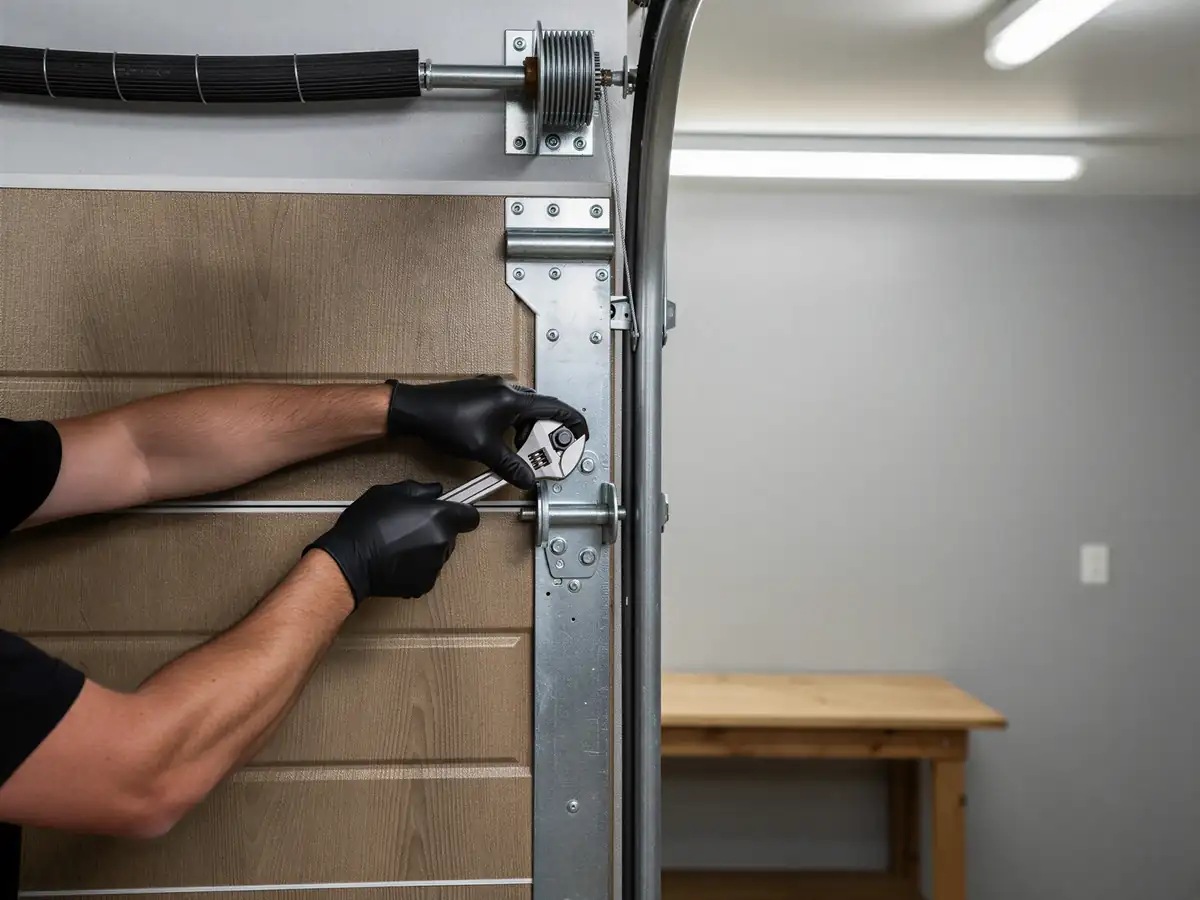
Check the brackets holding the track to the frame. On a lot of La Porte houses these are the original brackets from whenever the garage went up, and loose lag screws are common simply because wood framing shrinks and swells over decades. If you can wiggle a bracket by hand, that's load moving somewhere it shouldn't.
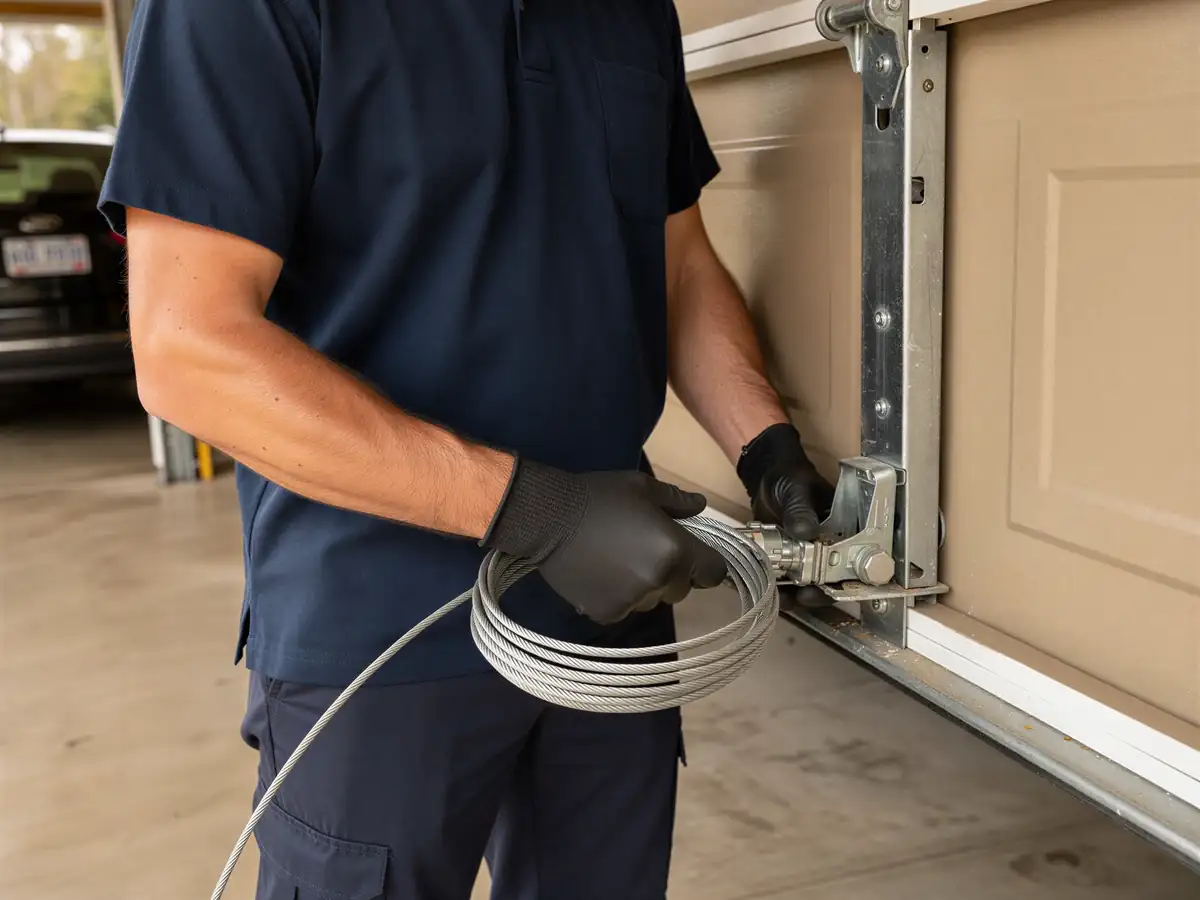
Look at the bottom rollers too. Nylon rollers wear round edges flat over enough cycles, and a flat-sided roller doesn't ride the rail the way a round one does - it walks. If a roller looks chewed up or the stem is bent, that's often the actual point of failure, not the track.
One thing I won't do over the phone is tell you it's
The Situation
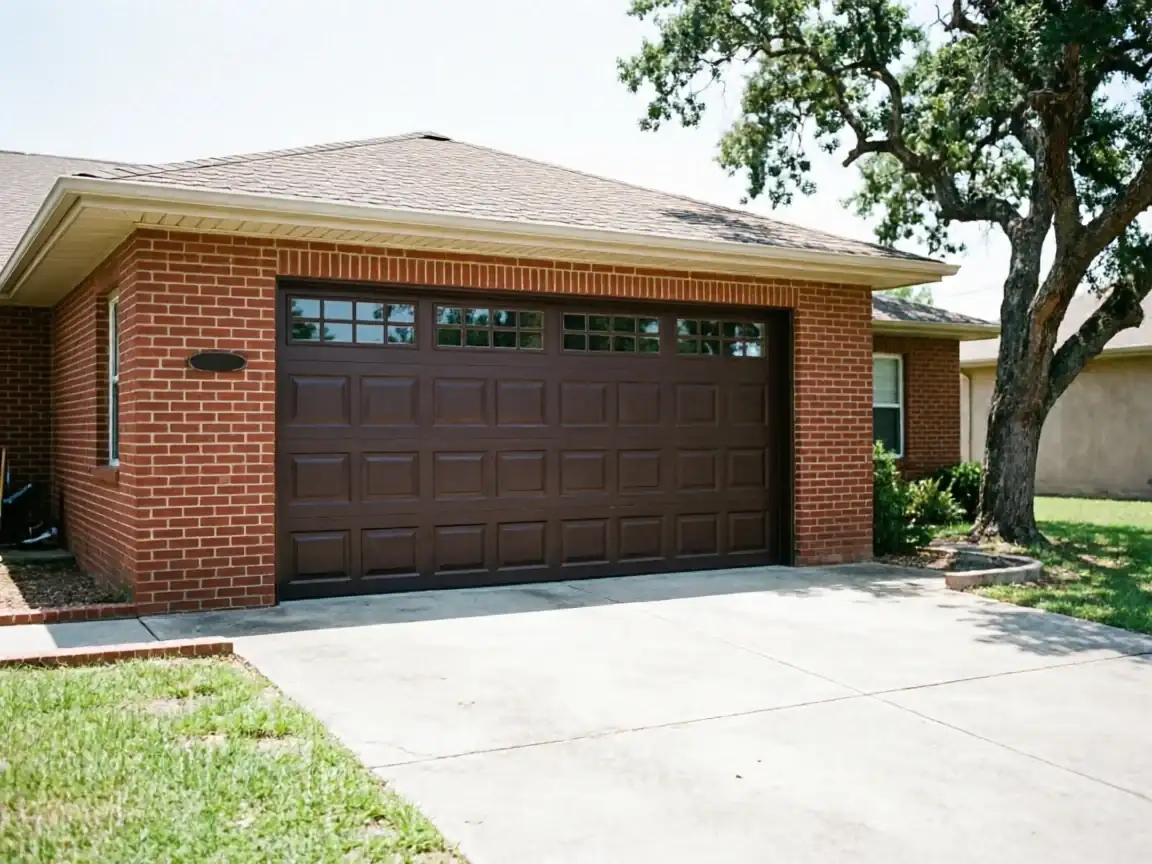
Most of the garages we get called to in this part of La Porte and the surrounding service area were built somewhere between 1956 and 2011, with the bulk of that stock going up around 1984. That matters here specifically: a door installed in the early-to-mid 1980s is now pushing forty years old, and track hardware from that era was steel, thinner-gauge than what goes in today, and bolted with hardware nobody restocks at the box store anymore.
Over that many years, the house itself moves. Foundations settle a little, especially on slab construction common across the 23 named areas in this service territory, and a track that was plumb in 1984 isn't always plumb now. That slow shift is the real reason a door that's run fine for years suddenly starts riding rough or popping a roller free on one side.
The other common cause is simpler: accumulated impact. A car bumper clips the bottom section, a kid's bike leans into the track, or someone forces a door that's already binding. Any one of those can spread a rail just enough that the rollers lose their seat. None of it needs a dramatic event - it's cumulative wear on hardware that's already decades into its service life.
What You Pay
I'm not going to put a number here that isn't backed by anything solid
Because a quote over the internet for a job I haven't seen is a guess, not a price. What I can tell you is what drives the cost up or down: whether it's one bent section of track or the whole run, whether rollers need replacing alongside the track, and whether the bracket hardware is stripped or just loose.
A straightforward re-seat
Track's not bent, rollers are fine, brackets just need tightening - is a short job. A bent rail that has to come off and get replaced, especially if it's an older gauge that doesn't match newer stock sold today, takes longer and costs more because of the hunt for matching parts.
Across the households in this service area
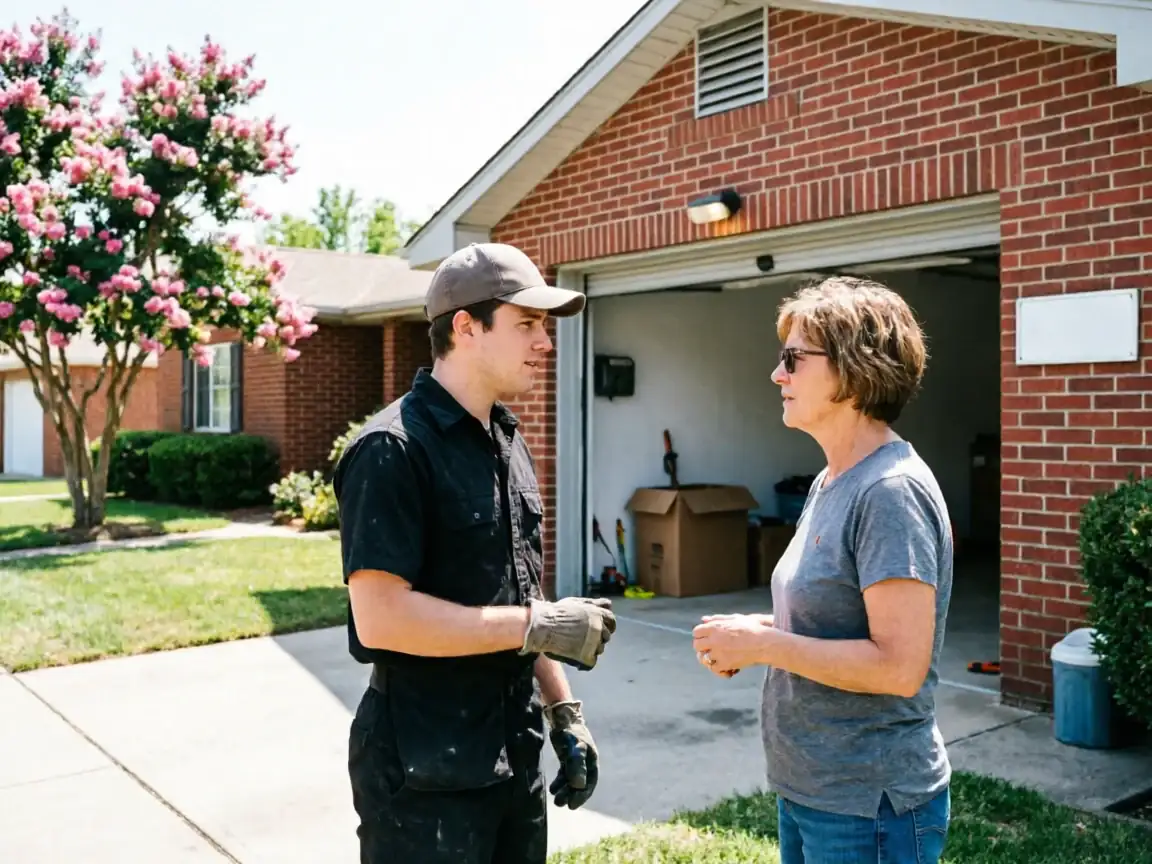
Most owners we talk to want the job done right rather than patched with a clamp or a bent-back rail hammered straight. A hammered-straight rail might hold for a while, but it's weakened at the bend and it's usually the first thing to fail again. I'd rather tell you that up front than sell you a quick fix that comes back.
How Local Conditions Play In
La Porte sits in a mild climate band that still sees occasional freezes, which doesn't sound like much, but it's enough to stiffen old grease in track rollers and shrink metal fractionally at the joints. On a track that's already a little loose from age, that small seasonal contraction is sometimes the last push that lets a roller slip free.
This part of the service area - close to two miles south and Morgan's Point three miles out - sits low and near water, and houses here were built across a long stretch of decades rather than one single development push. That means track hardware age varies block to block even within La Porte itself: a house from the 1960s and one from the 2000s sitting on the same street can have completely different wear patterns on otherwise identical doors.
What doesn't vary much is the fix. Whether the hardware is original 1980s-era steel or a newer install, a door off its track needs the rail checked for straightness, the brackets checked for grip, and the rollers checked for wear before anyone touches a wrench to reset it.