What to Look At First
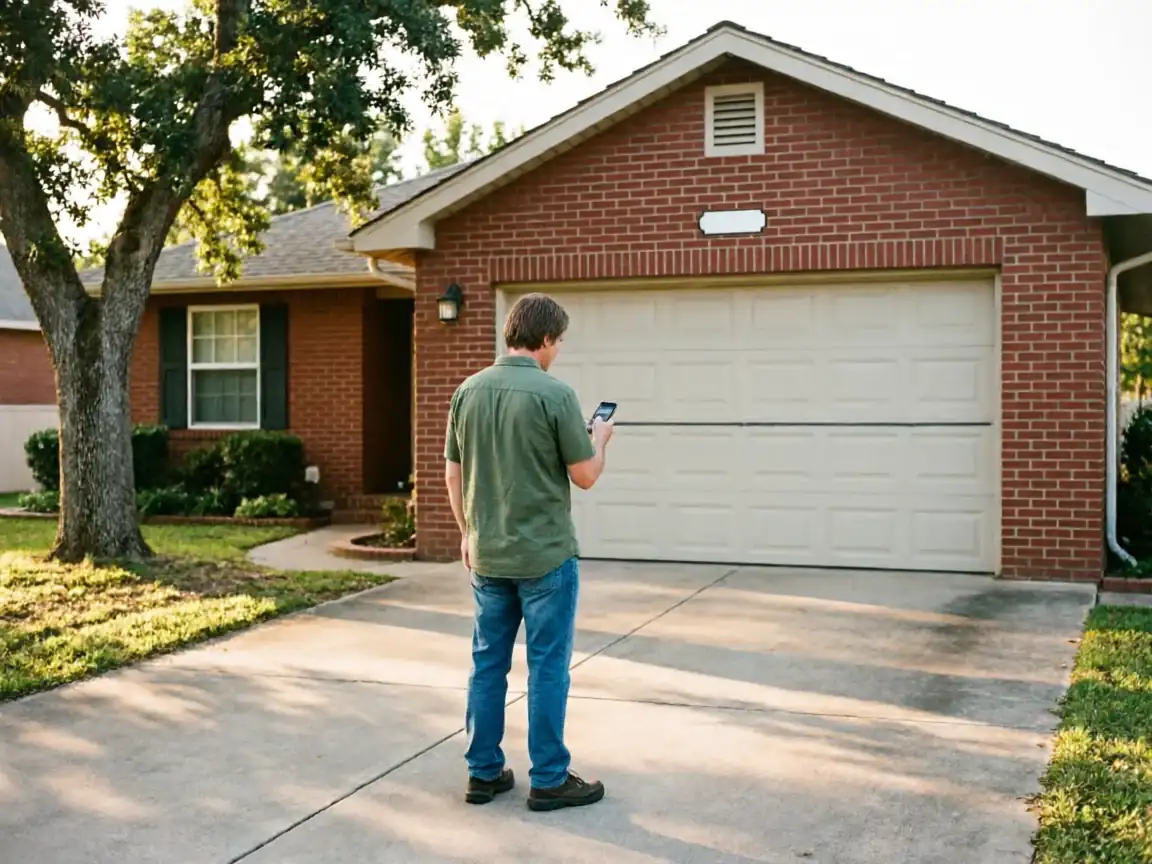
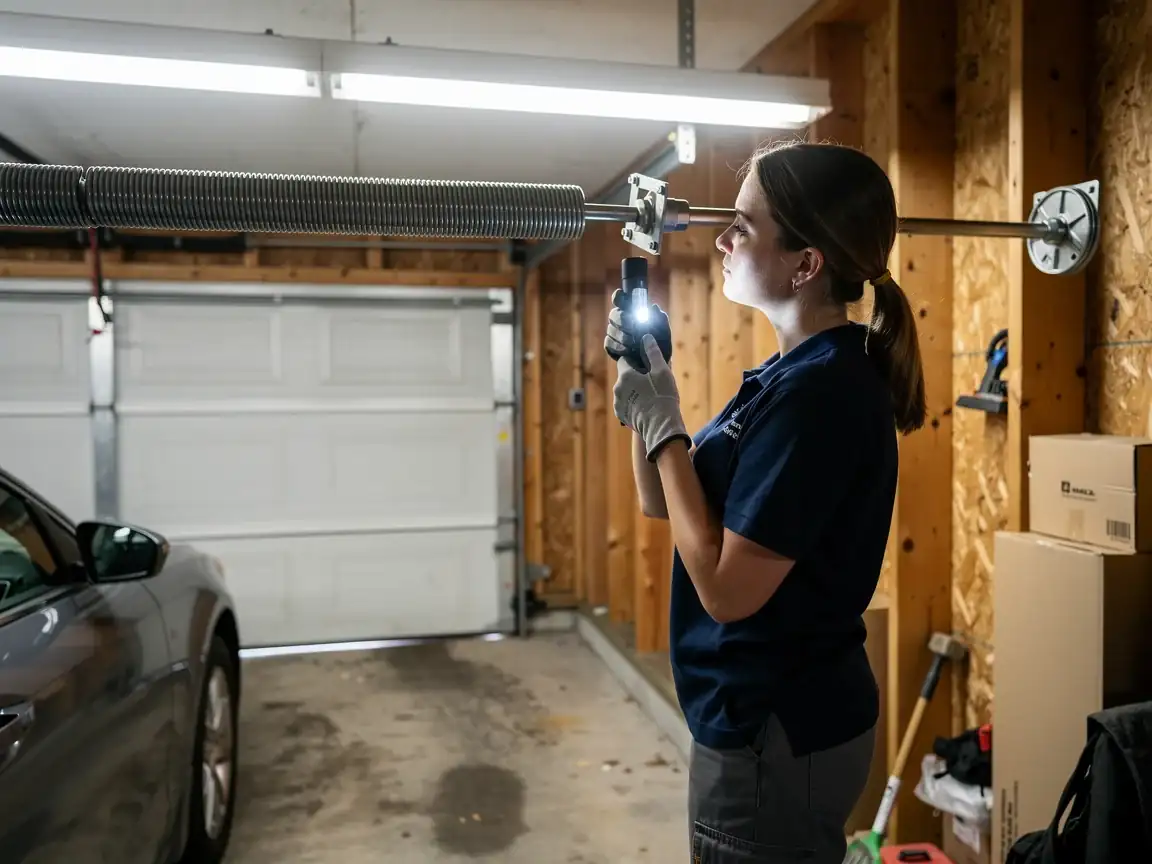
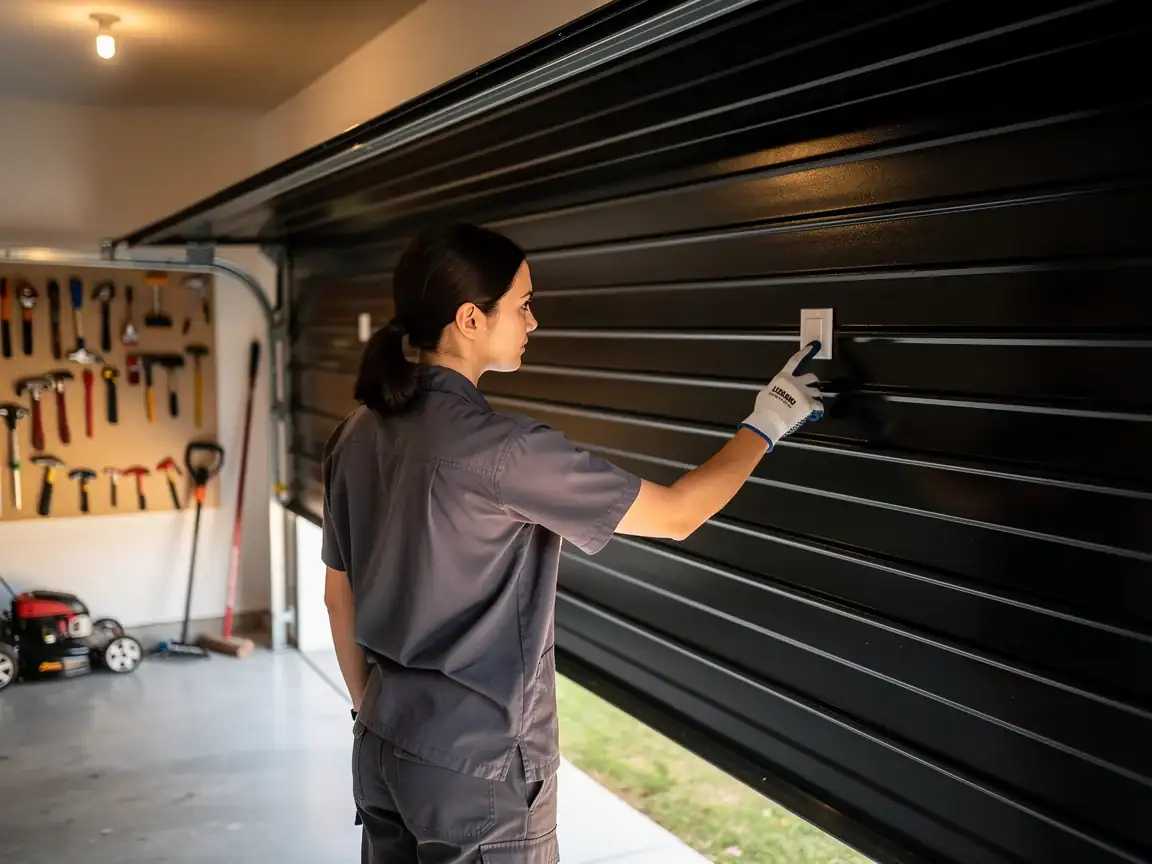
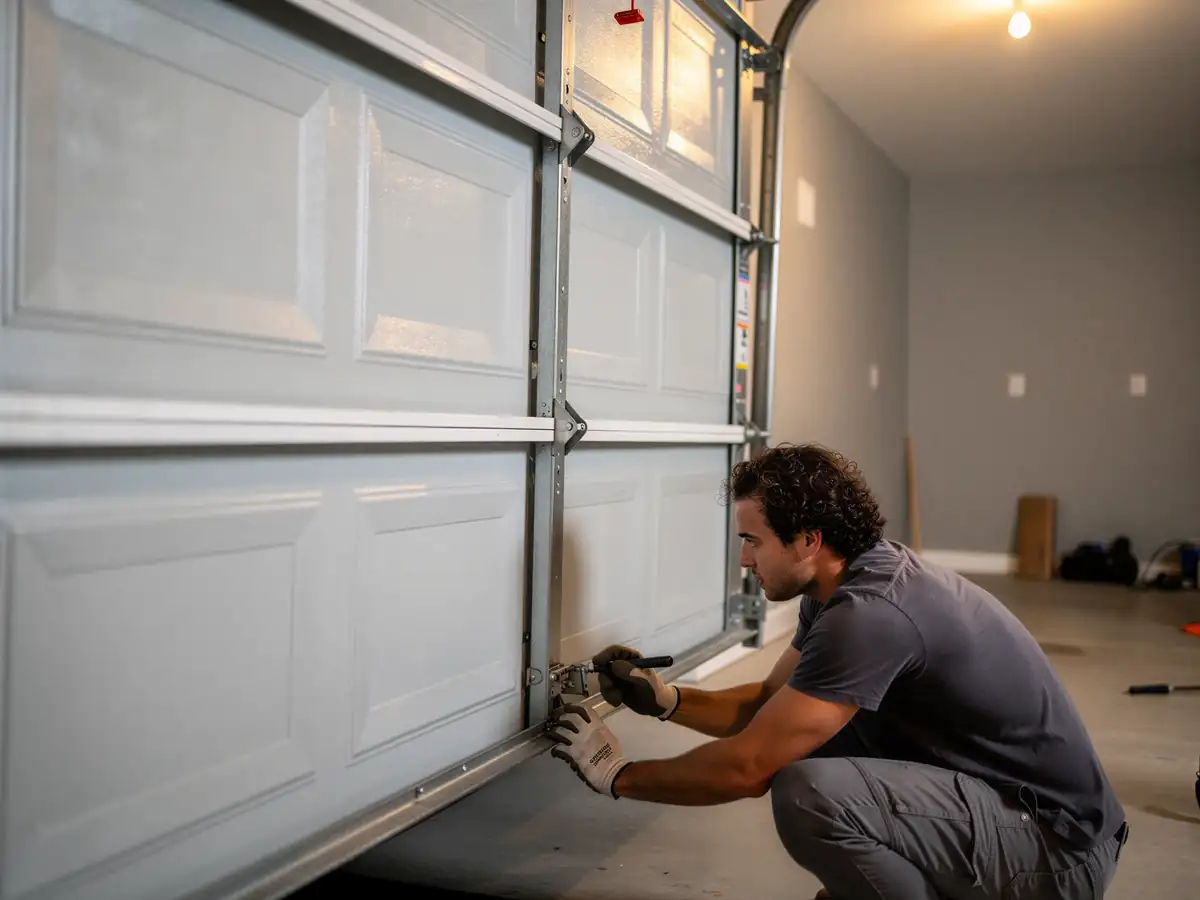
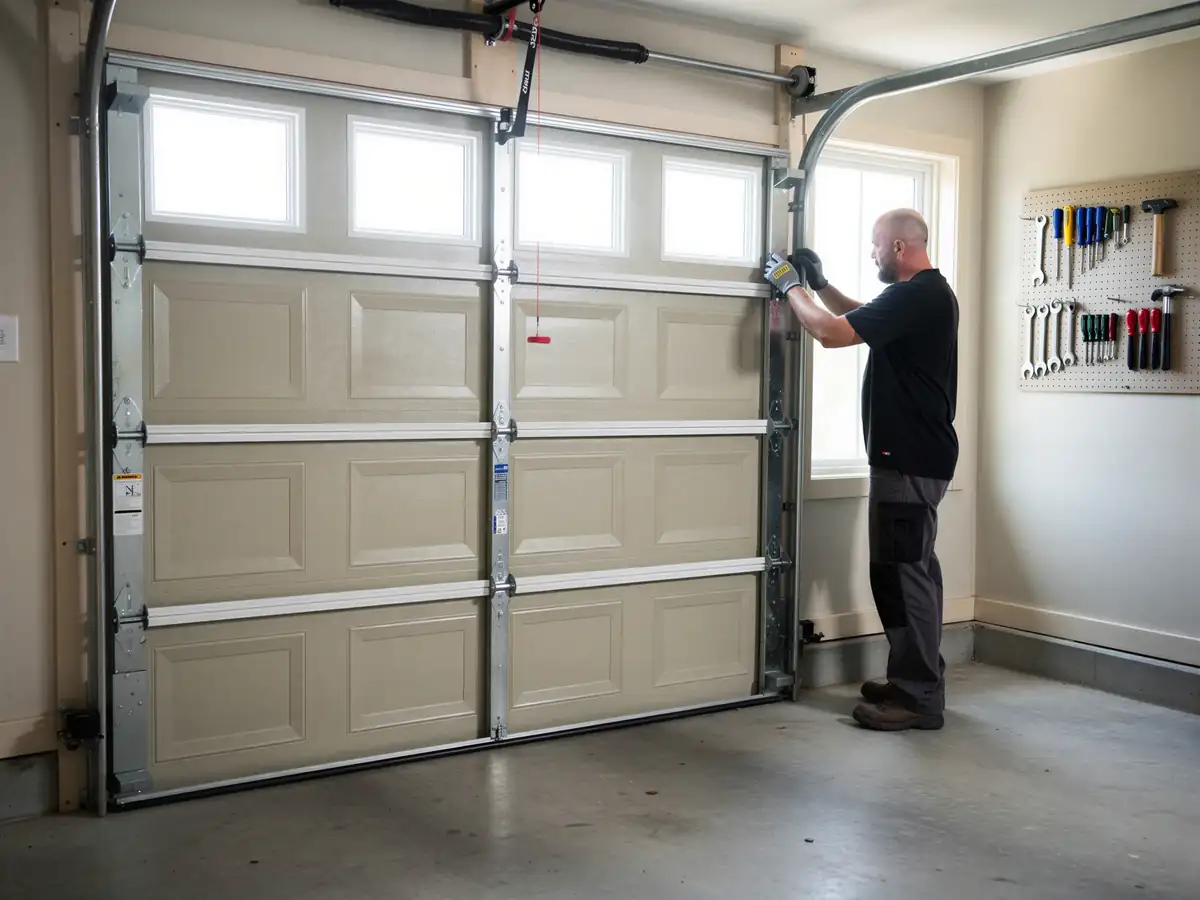
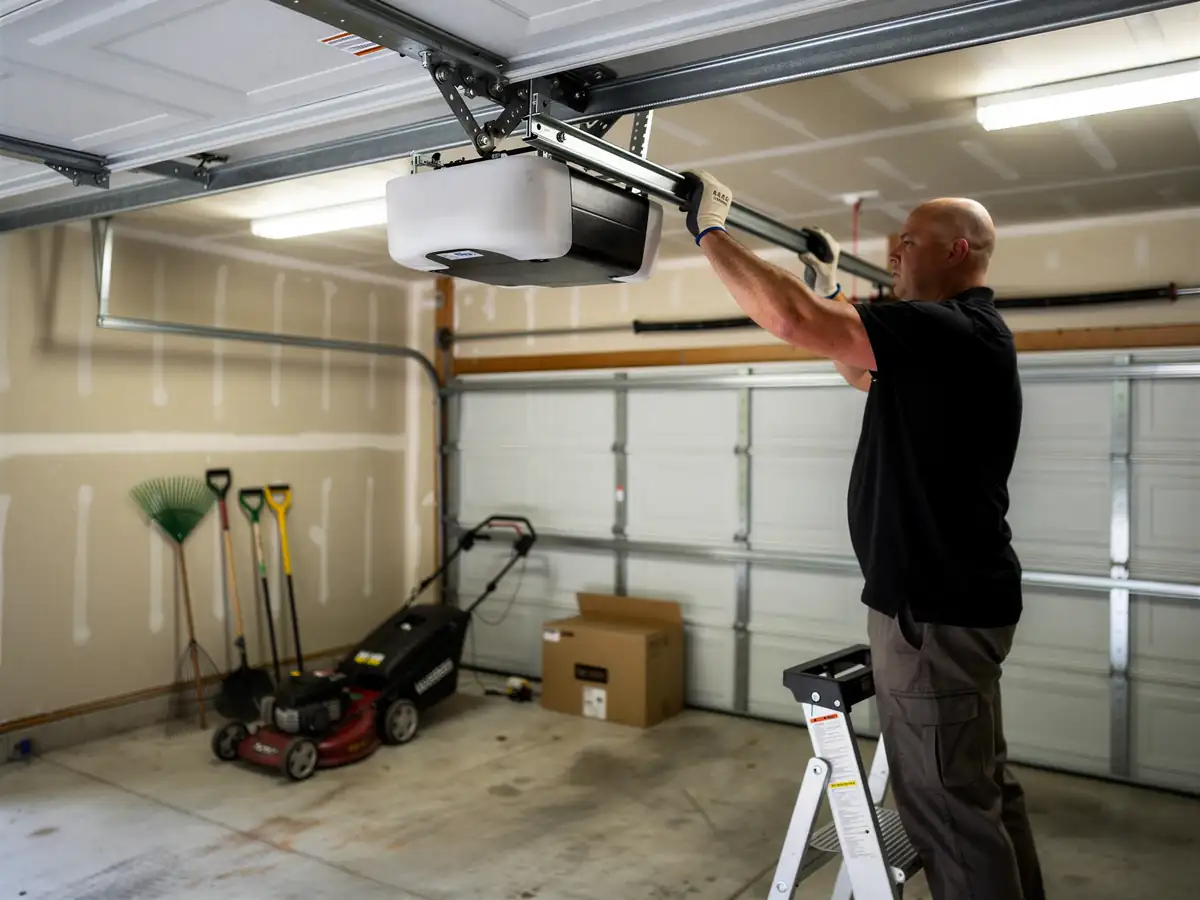
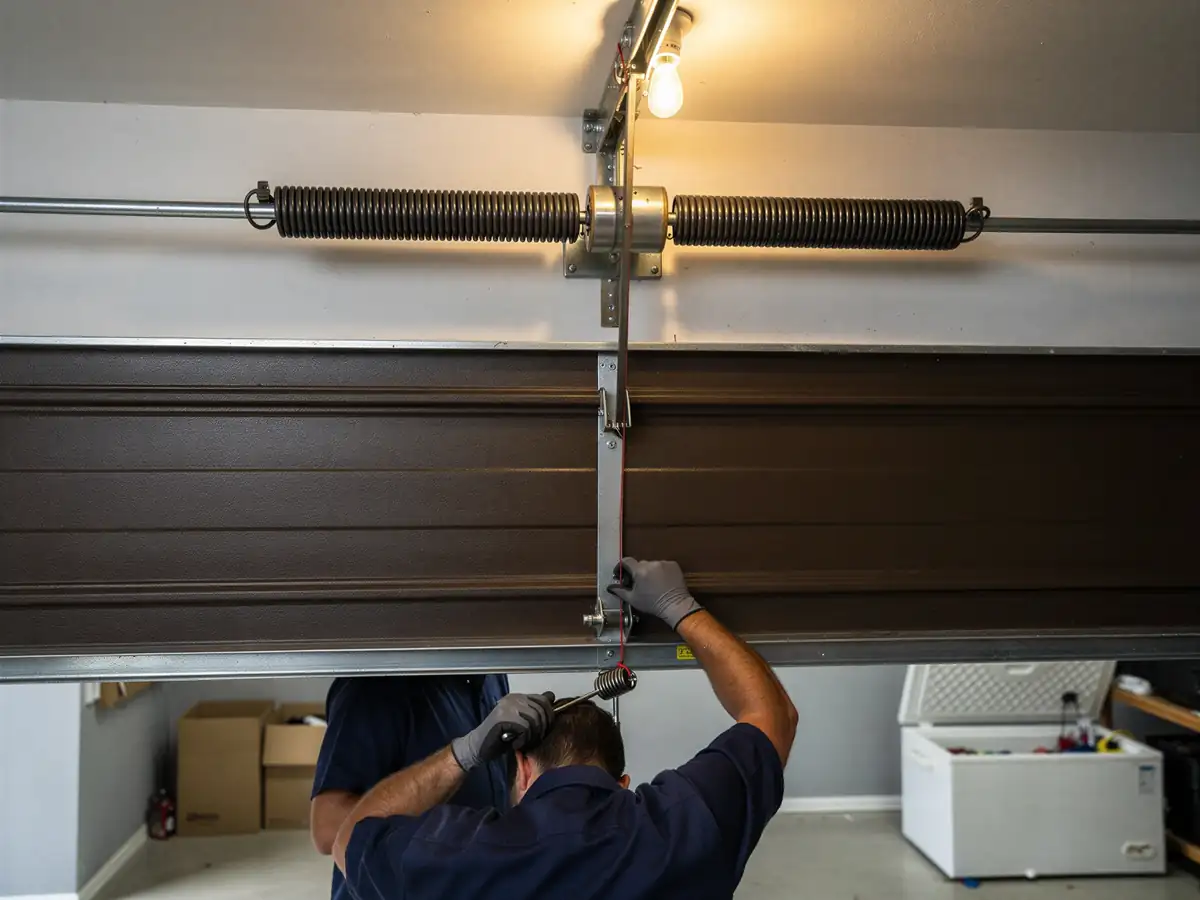
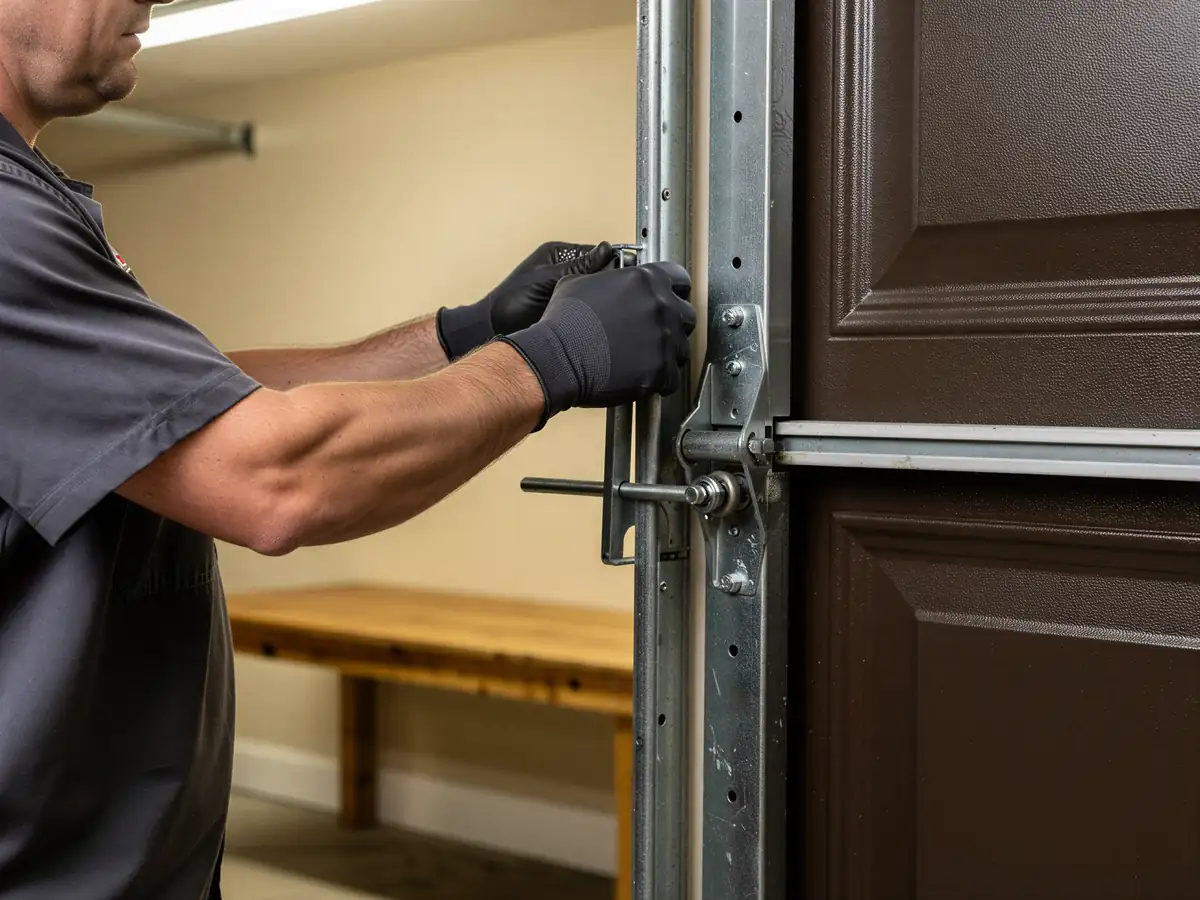
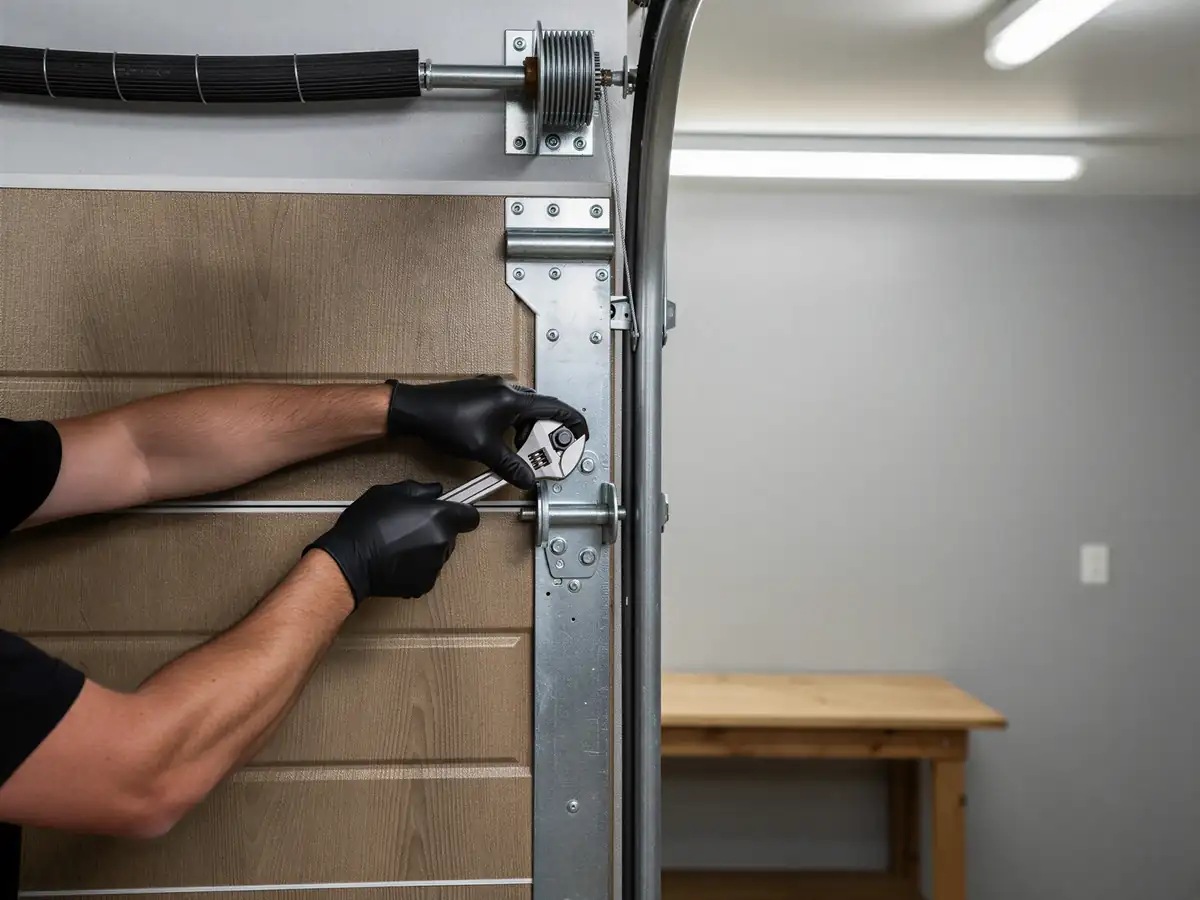
Before anything gets tightened or replaced, we walk the door through its full cycle and watch where it hesitates. La Porte housing runs from 1956 up through 2011, with the median build year sitting around 1984, and most of the 23 named areas across this service territory carry that same 1980s-90s stock. That matters because a door from that era is usually on its second or third opener by now, but the track and hardware are often original. We check spring wind count against door weight, look at roller wear in the track, and test the opener's force settings - a lot of these units were installed before modern auto-reverse standards tightened up, and owners don't always know that. If the door is original to an early-80s build, we also check for extension springs instead of torsion, since that was still common hardware in that window. Nine times out of ten the fix isn't what the homeowner called about. Someone reports a noisy door and it turns out to be a dry hinge, not the opener they were ready to replace. We tell you what we find before we touch a wrench, and if the door's fine and it's just a lubrication issue, that's the whole call.
The Situation
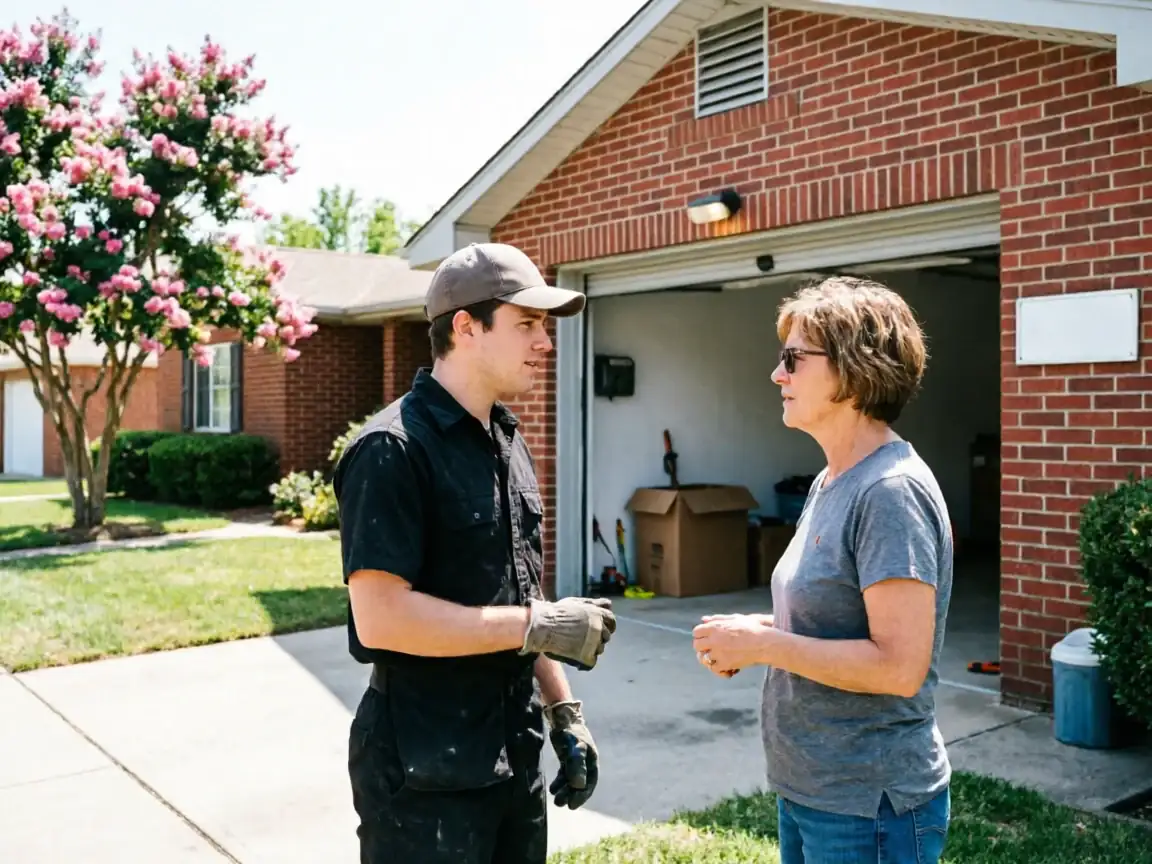
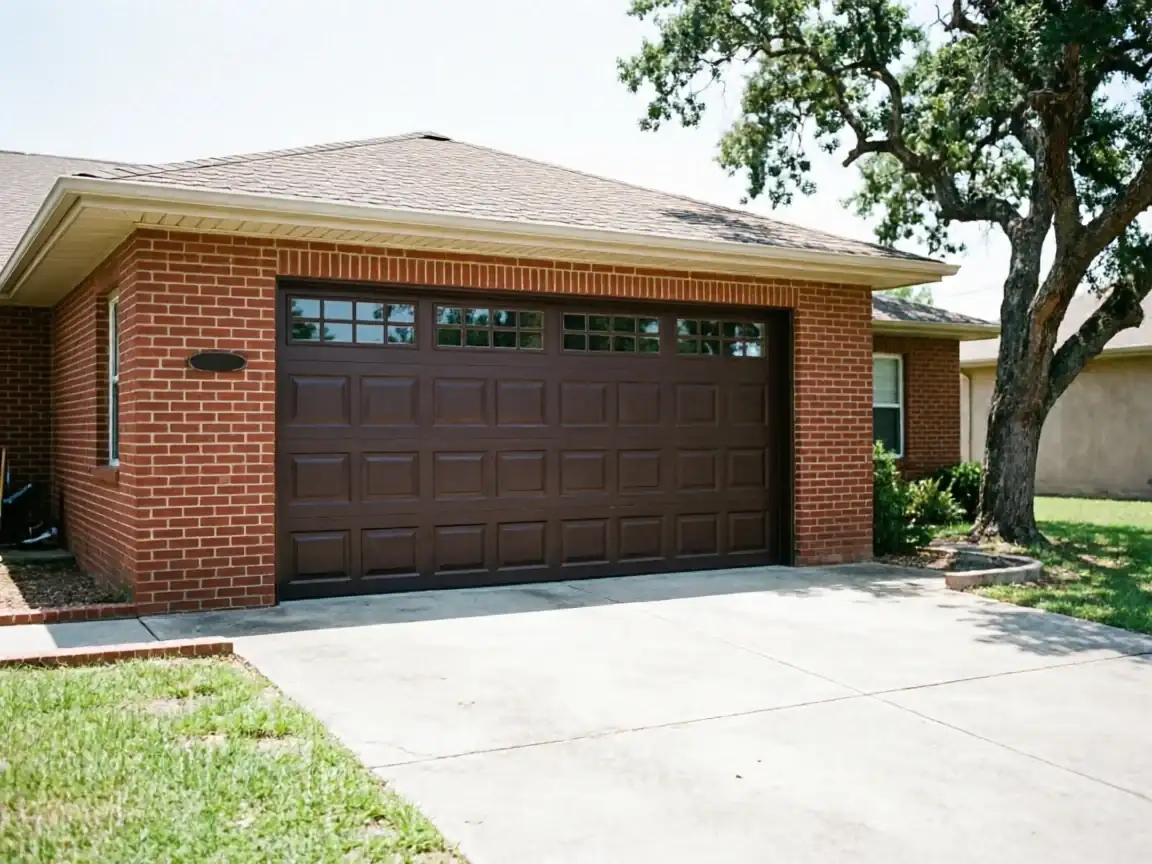
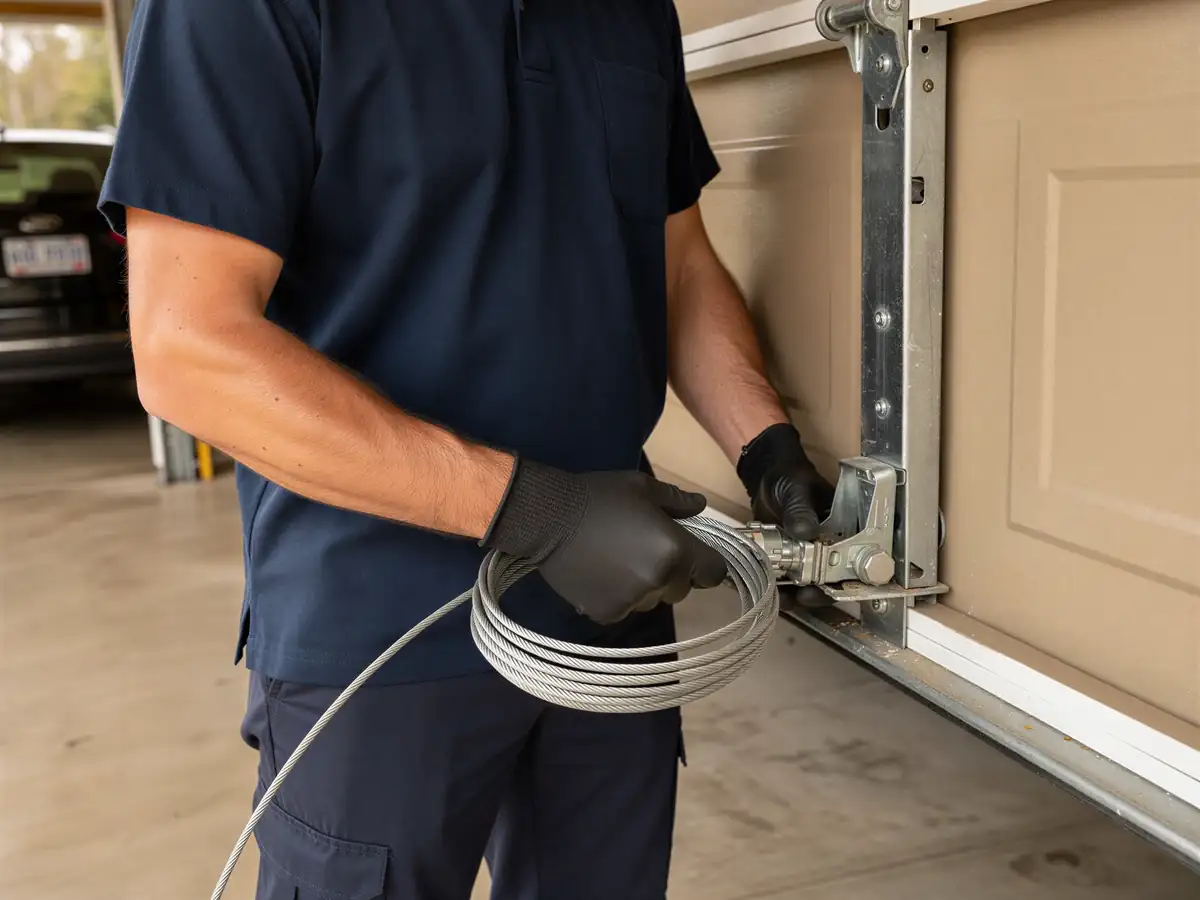
A typical La Porte service call starts with a door that's worked fine for fifteen or twenty years and has started showing it - a spring that's lost tension, a cable starting to fray, an opener motor that strains before it catches. Given the median build year of 1984, a lot of these doors are hitting the stage where the original hardware is simply worn out rather than broken by one bad event. We're not pulling up to collapsed doors most days; we're pulling up to doors that are a few months from becoming an emergency call instead of a planned one. The housing stock across this area - Morgan's Point, Deer Park, Seabrook, and the rest of the named communities out to Santa Fe - shares that same age profile closely enough that the failure patterns repeat house to house. One honest limit here: if a door's track is bent badly enough, or the opener is old enough that parts aren't stocked anymore, replacement makes more sense than a repair bill that chases the same problem next year. We'll say so instead of patching it twice.
How Local Conditions Play In
La Porte sits in a mild climate with occasional freeze days, not the deep-freeze cycling that cracks seals and warps panels further north. That works in your favor on panel longevity, but it doesn't mean the door gets a pass - the proximity to the water here means more humidity in the air most of the year, and that shows up as rust on spring coils and cable ends faster than it would somewhere drier. We see it on doors in just as often as in La Porte proper, since they're minutes apart and share the same air. On a service call, that means we're checking for surface corrosion on hardware that still tests fine mechanically, because that's usually the early sign something needs attention before the actual freeze mornings - the few La Porte gets each winter - put real stress on a weakened spring. We service the full area out to places like Seabrook, Taylor Lake Village, and Dickinson, and the same climate logic holds across all of it.