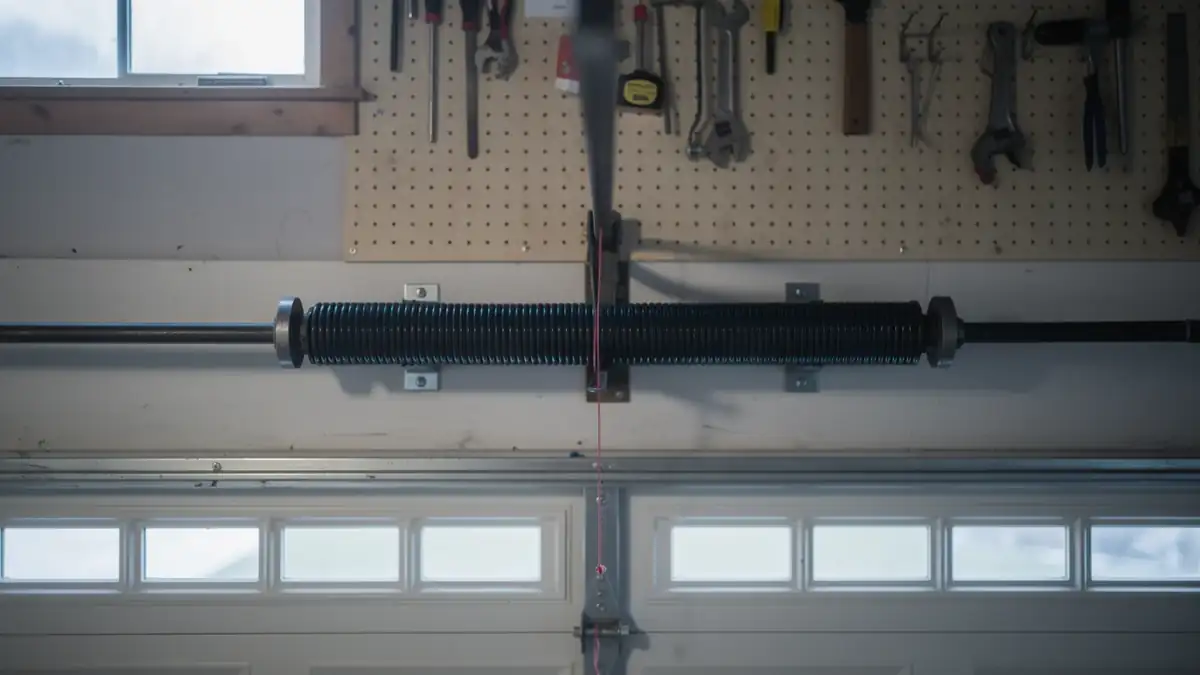
What to Look At First
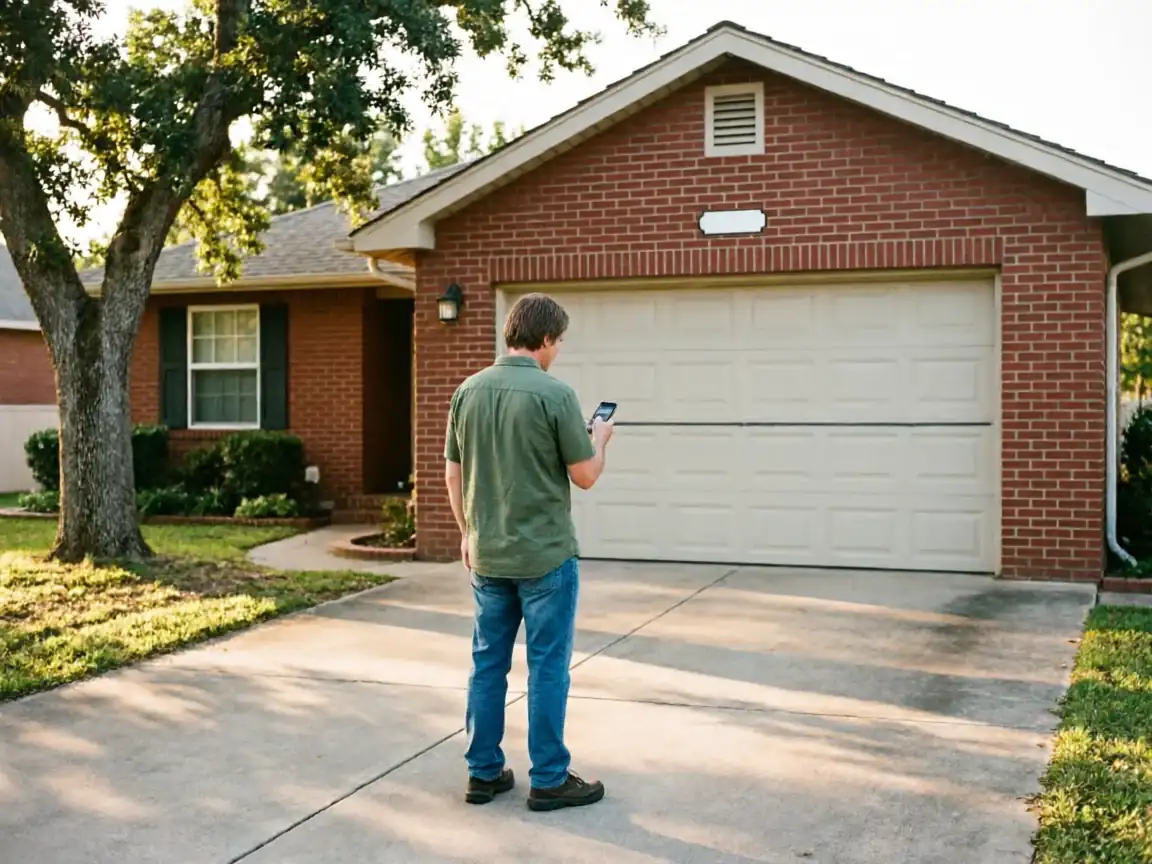
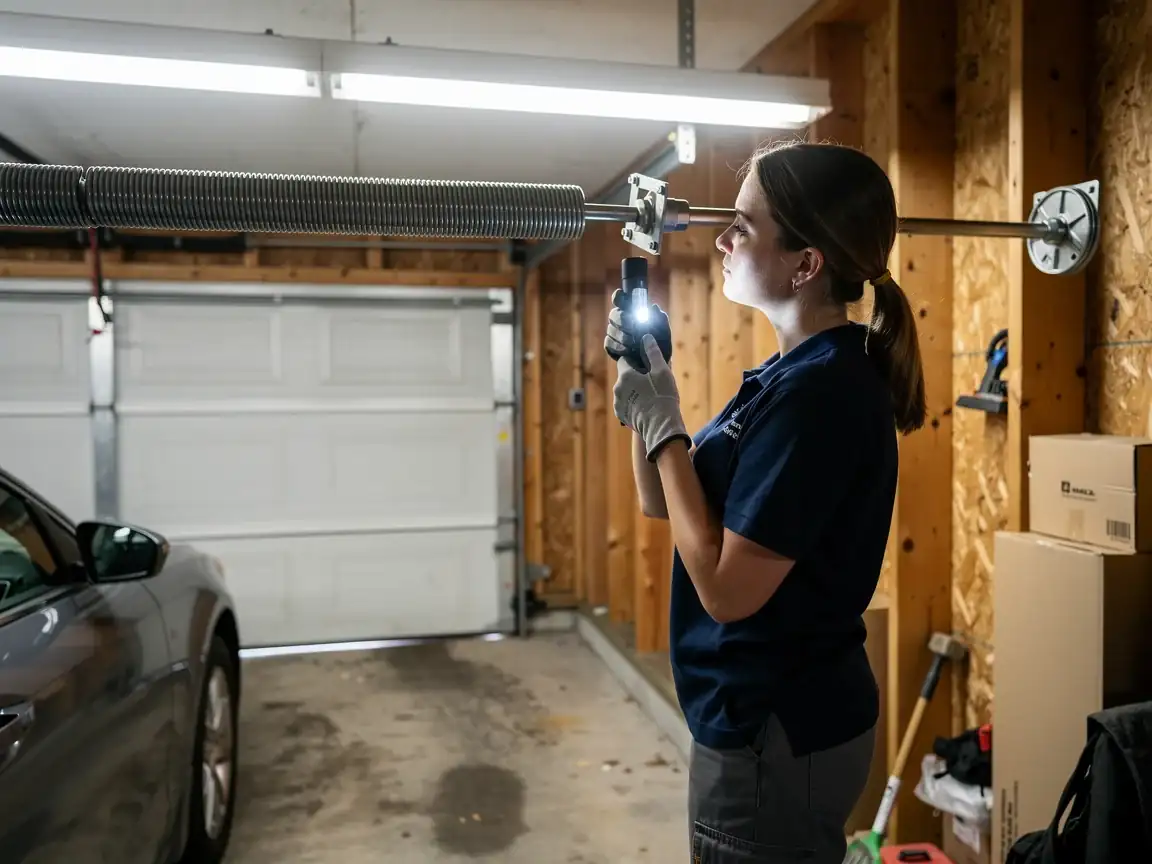
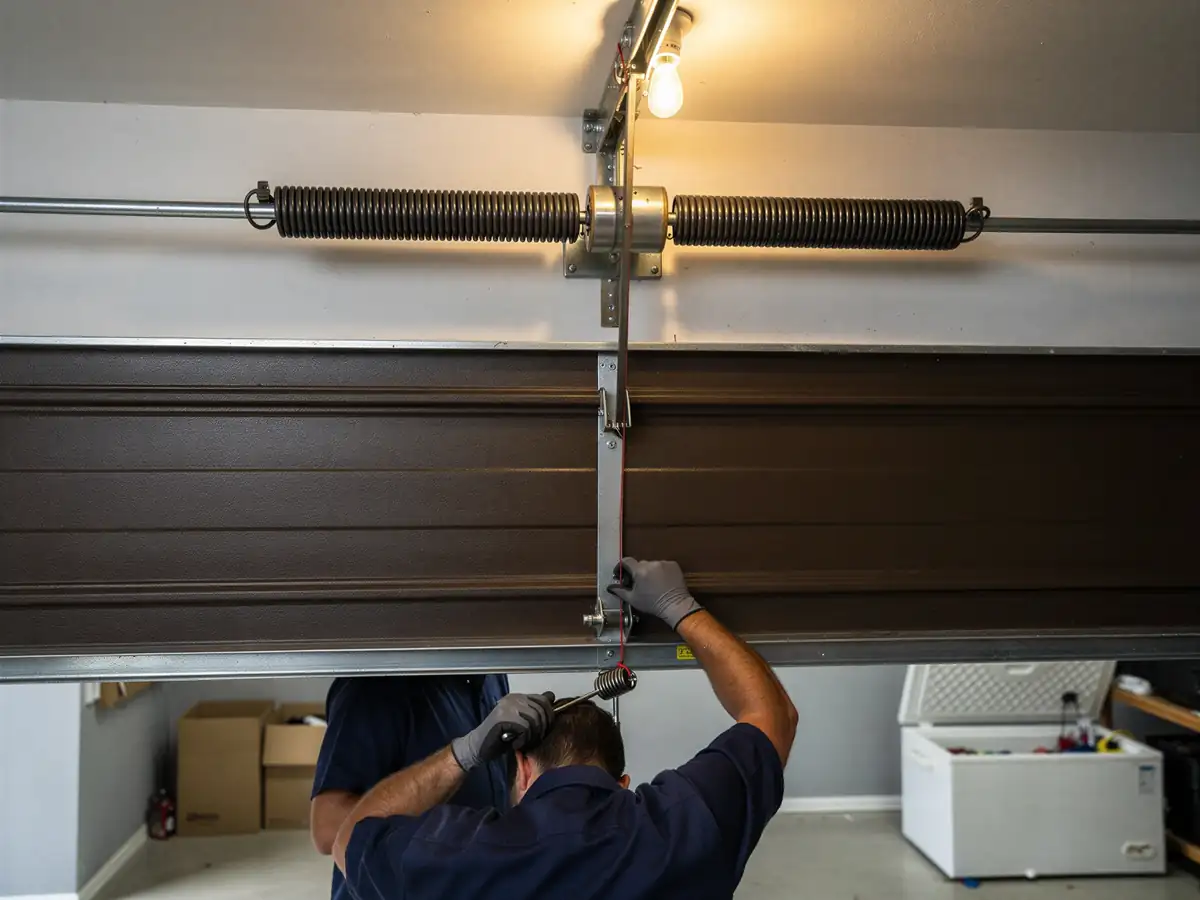
Before you call anyone, look at the spring itself. If it's a torsion spring mounted above the door on a shaft, check for a visible gap in the coil - that's a clean break, and the door won't lift at all once that happens. If you can still get the door up but it feels heavier than usual, or it drops fast on the way down, that's a spring losing tension, not a full break yet.
Most houses in this service area went up between 1956 and 2011, with the bulk of the stock dating to the 1980s and 90s. That matters because a door from that era is more likely to be running on a single torsion spring rather than the dual-spring setups common in newer builds. A single-spring failure means the door is dead weight on one side - don't try to force it up by hand, and don't let anyone stand under it while it's disengaged from the opener.
Also check whether the opener is still trying to run. If the motor hums but the door doesn't move, that's consistent with a broken spring, not a motor problem - don't let someone sell you a new opener when the spring is the actual failure.
The Situation
Springs fail more in cold weather because steel contracts and gets more brittle right at the temperature swing, and the metal fatigue that's been building for years finally gives. This area sits in a mild climate with occasional freeze, so it's not the deep-freeze cycling you'd see further north - but La Porte still gets enough cold mornings each winter to be the trigger point for a spring that was already near the end of its life.
Given that the median house here dates to 1984, a lot of these springs have never been replaced. A torsion spring is typically rated for a set number of open-close cycles, and a door that's been in daily use since the Reagan administration has almost certainly burned through that rating more than once. The spring doesn't care that the morning is only mildly cold - it cares that it's cold at all, and that's often the push that finishes off a spring that was already fatigued.
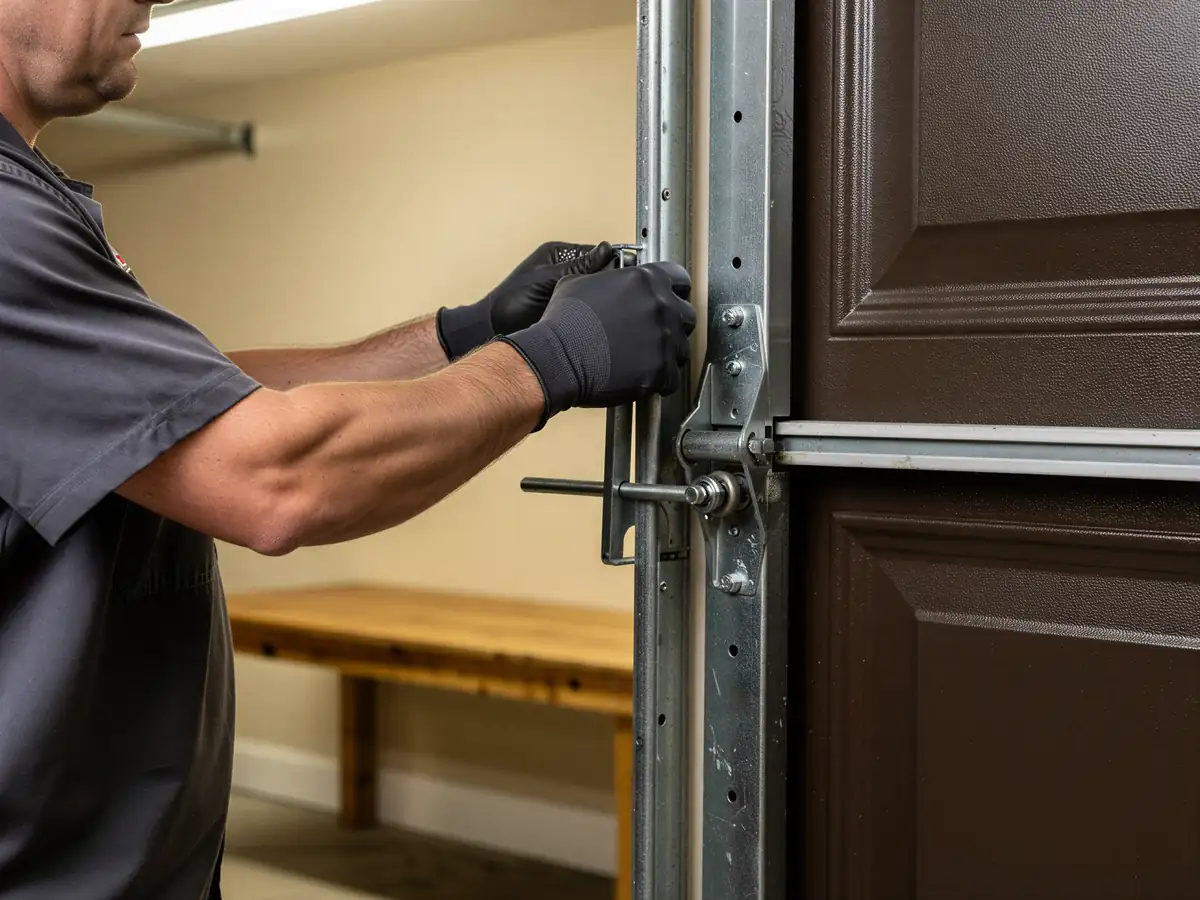
One thing I won't do: tell you a spring replacement will fix a door that's also dragging on bent track or a warped panel. If the door looks fine otherwise and just won't lift, spring is the likely call. If it's been binding or scraping for months, there's more going on and a spring swap alone won't solve it.
What You Pay
I'm not going to quote a number here that isn't backed by anything
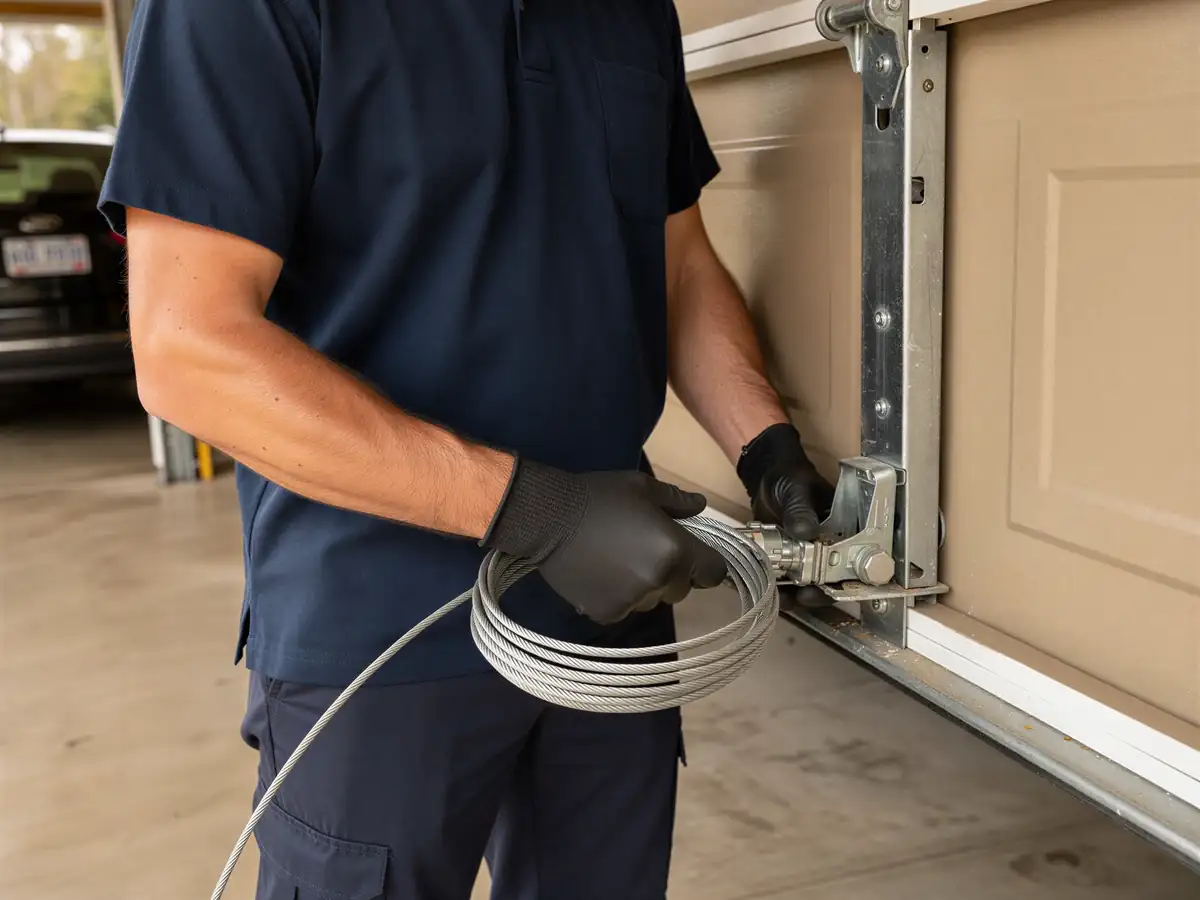
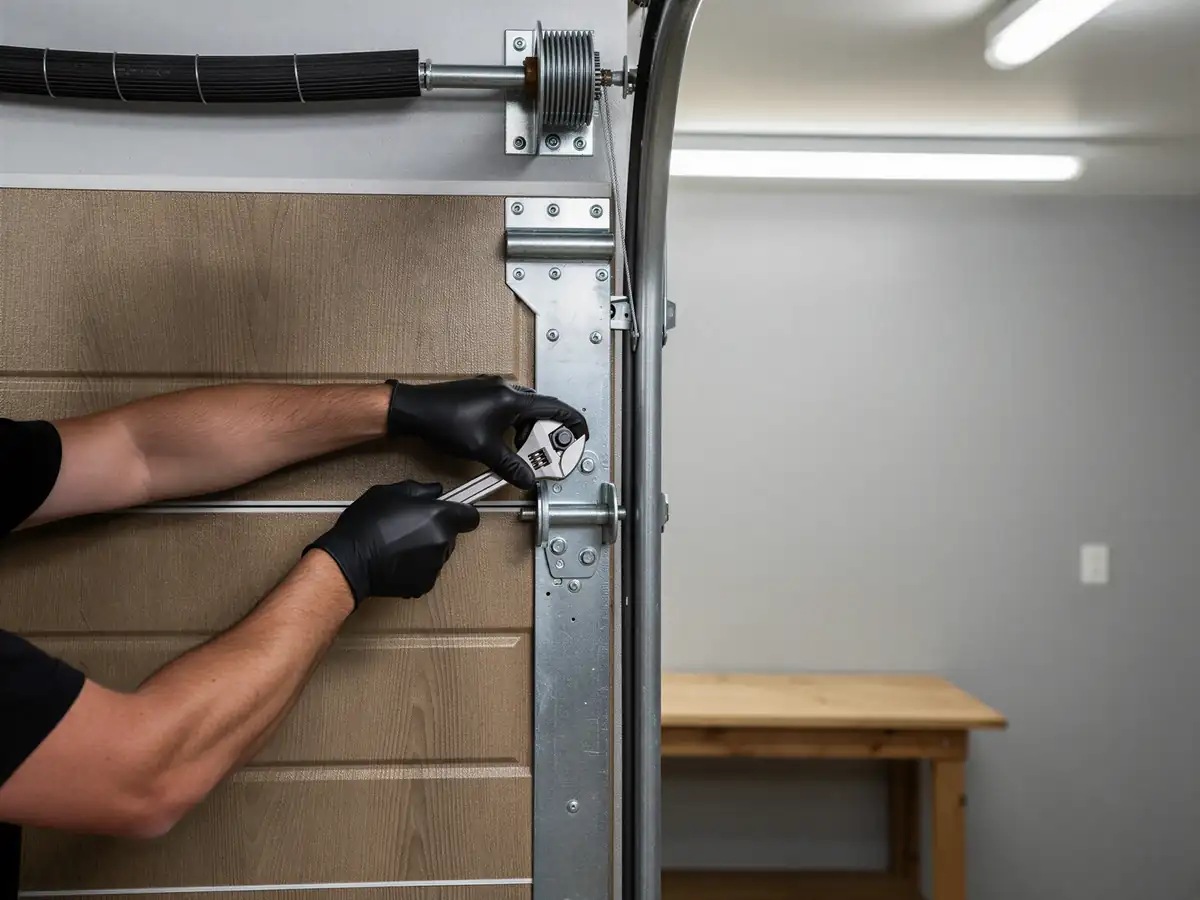
Pricing depends on spring size, whether it's single or dual, and whether the drums or cables need attention at the same time, and I don't have a rate sheet to hand you in this format. What I can tell you is what drives the cost up or down.
A single-spring door, common across the older 1980s-90s stock in this area
Usually means a simpler job than replacing a matched pair. If the cable or drum shows wear from the same stress that snapped the spring, that gets added to the job rather than becoming a second visit. Houses on the newer end of the 1956-2011 range, closer to 2011, are more likely to already have dual springs and slightly different hardware, which can shift the job either way.
The honest answer is that a phone call with the door's age and spring type gets you a real number faster than anything I can write here
How Local Conditions Play In
La Porte sits in a mild climate band with occasional freeze rather than sustained winter cold, which means spring failures here cluster around those handful of cold mornings each year rather than spreading evenly across the season. That's different from how the same hardware behaves in a town that freezes hard for weeks at a stretch - here, it's a sudden cold snap hitting a spring that's already fatigued from decades of cycles, not slow damage from constant freeze-thaw.
Because the housing stock in this service area runs from 1956 up through 2011 with most of it concentrated in the 80s and 90s, there's a wide range of spring types and mounting hardware in active use within a few miles of each other. A house near Morgan's Point or Deer Park built in the same decade as one further out toward Dickinson or Mont Belvieu may still have completely different spring hardware depending on when it was last replaced.
If your door hasn't had the spring touched since the house was built, cold weather is simply the moment the fatigue shows up. It's not bad luck tied to one morning - it's math that's been running for thirty-plus years finally landing on a cold one.