How to Book
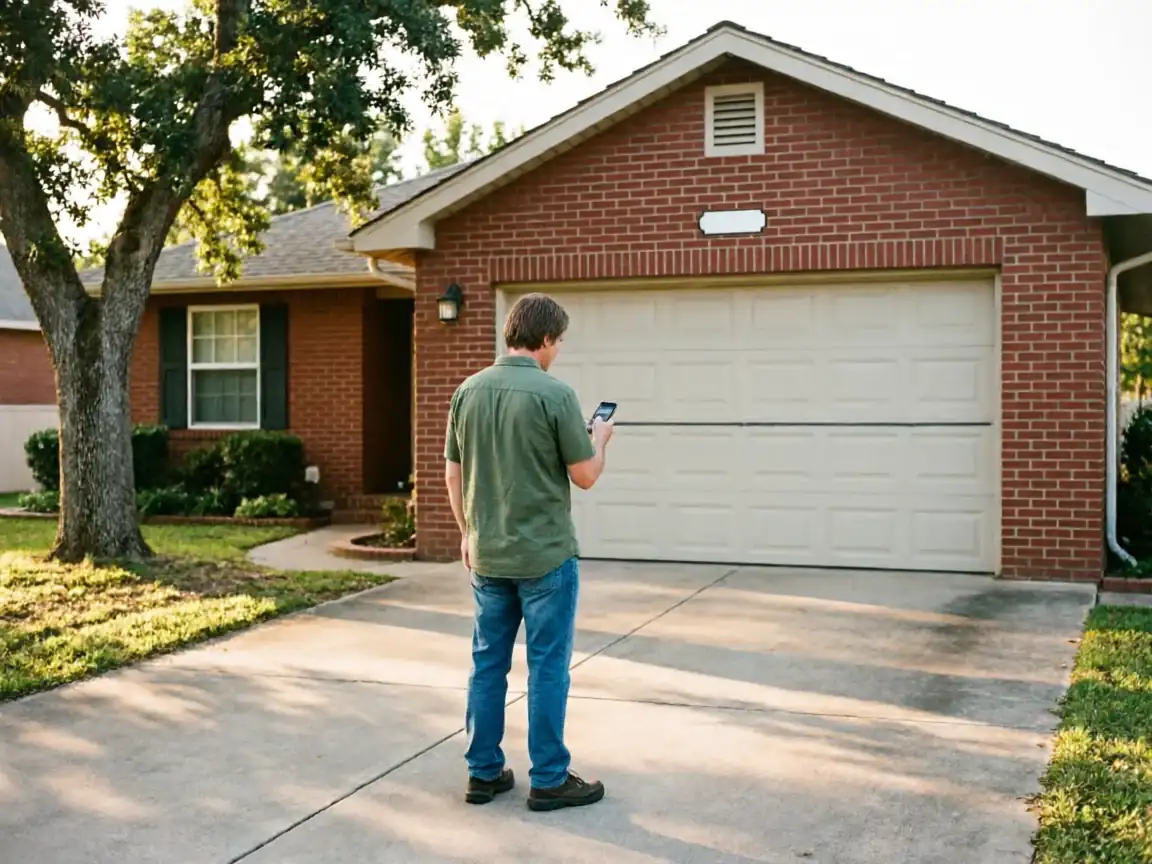
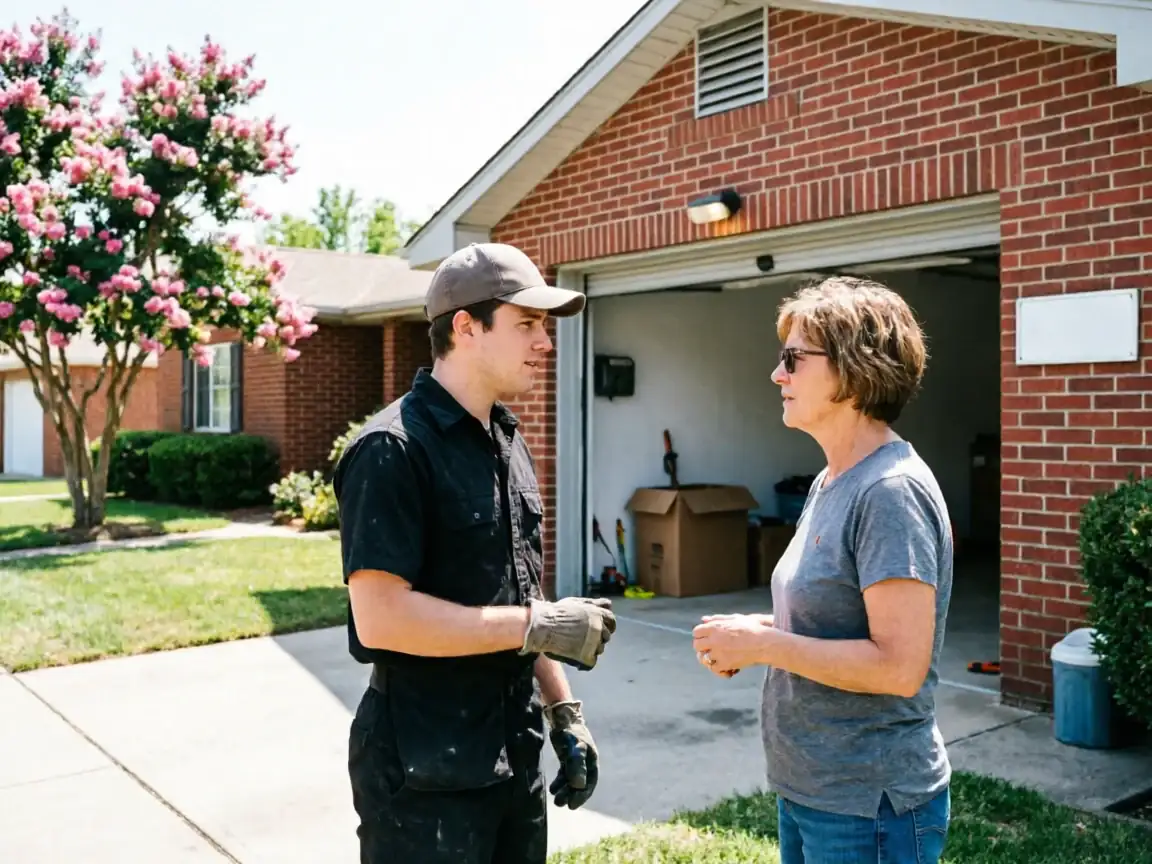
We're based in La Porte, about 10 miles from Channelview, and we don't keep a branch or a drop-box here - every job starts with a phone call or a form on our coverage page, and a truck comes out from La Porte to meet you. That means we don't quote same-day arrival times for Channelview the way we might for streets closer to our yard; we tell you a window when you call, and we stick to it. When you book, have the door's age and whether it's a single or double bay ready - most of what we need to quote a repair here comes down to those two things, since Channelview's housing stock runs fairly uniform in age. If you're not sure what's wrong, that's fine too. Tell us what you hear or see - grinding, a door that won't close past halfway, a spring that's visibly separated - and we'll bring the right parts instead of guessing on-site. We also serve nearby areas like Galena Park and Jacinto City on the same routes, so a Channelview call often gets bundled with others in the area that day.
How We Fix It
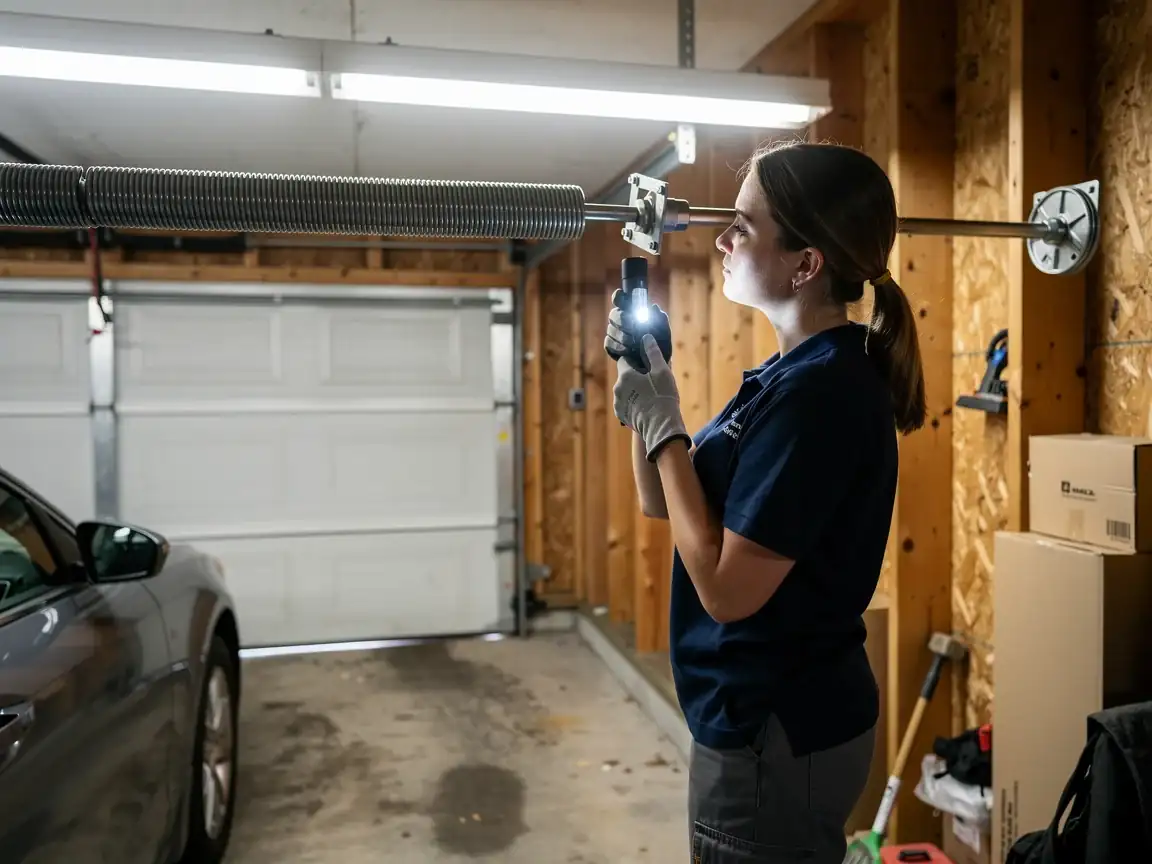
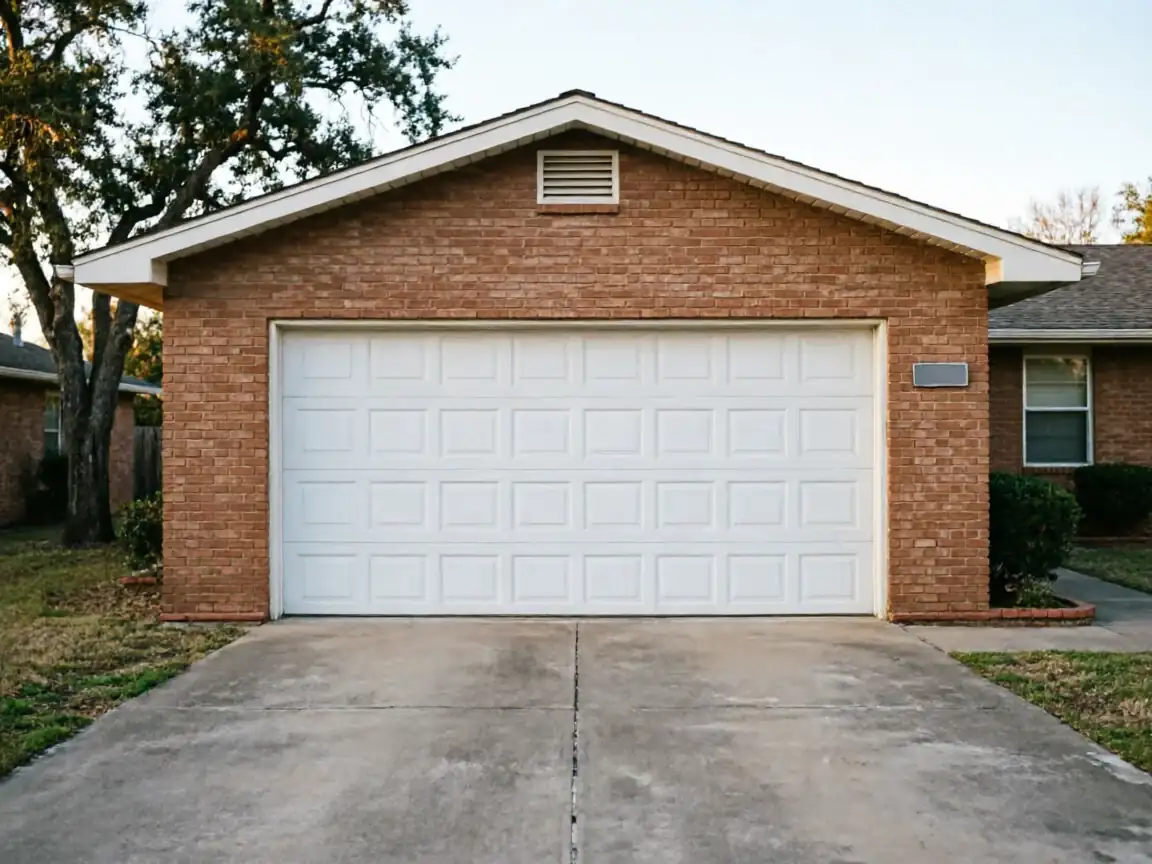
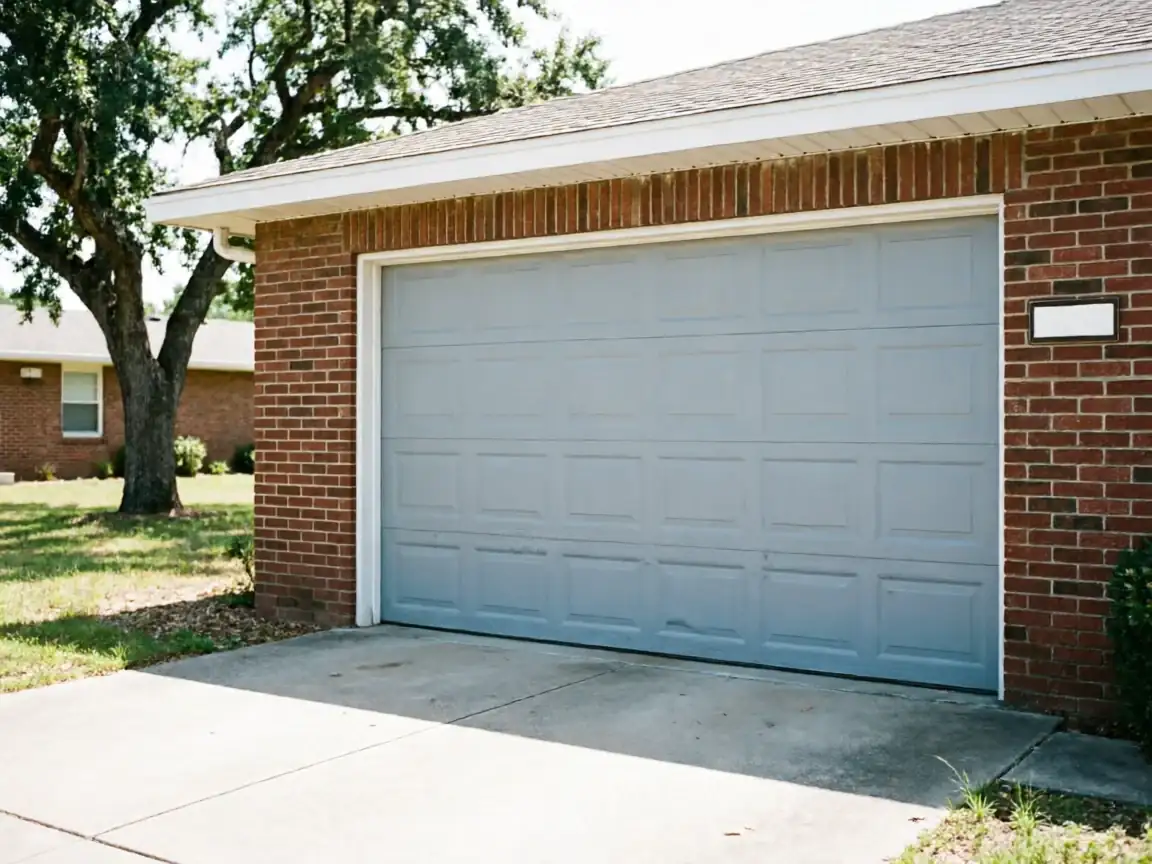
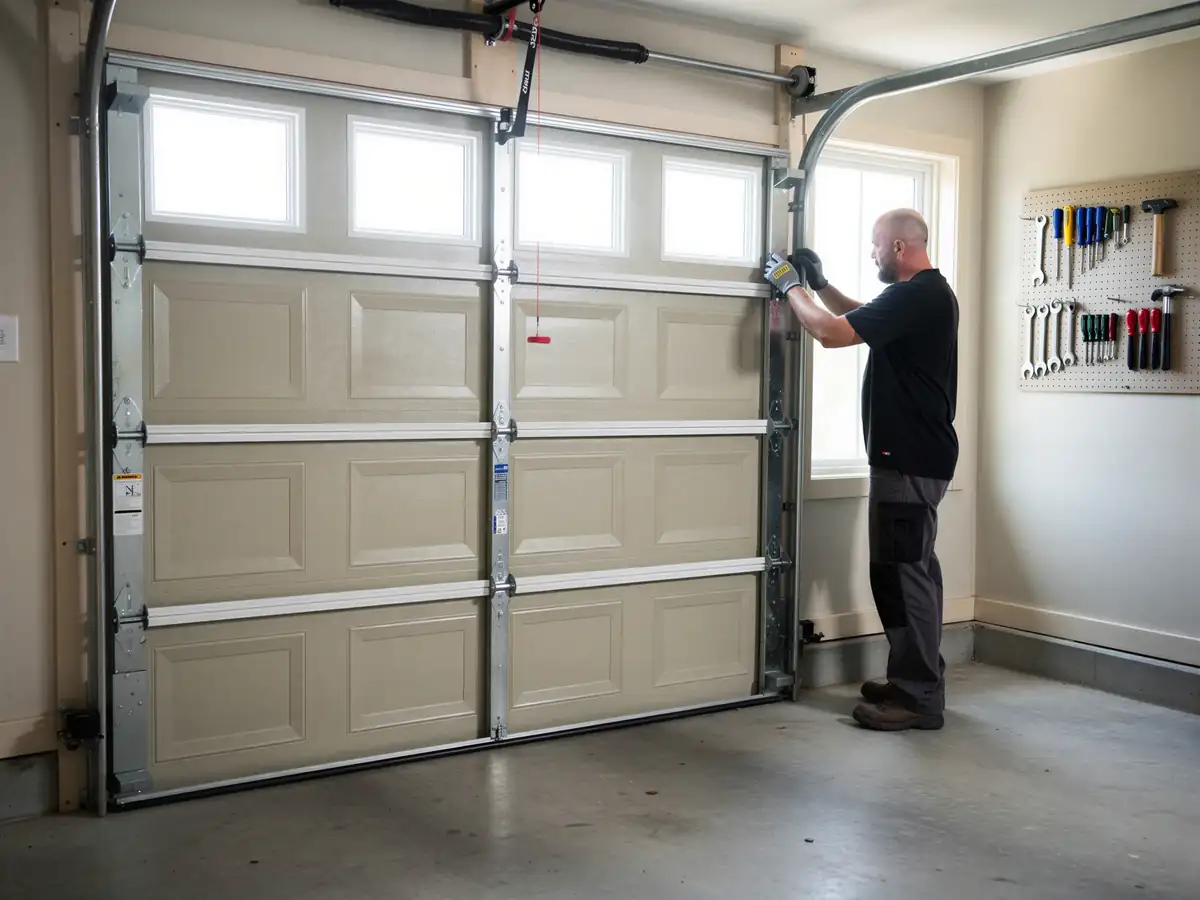
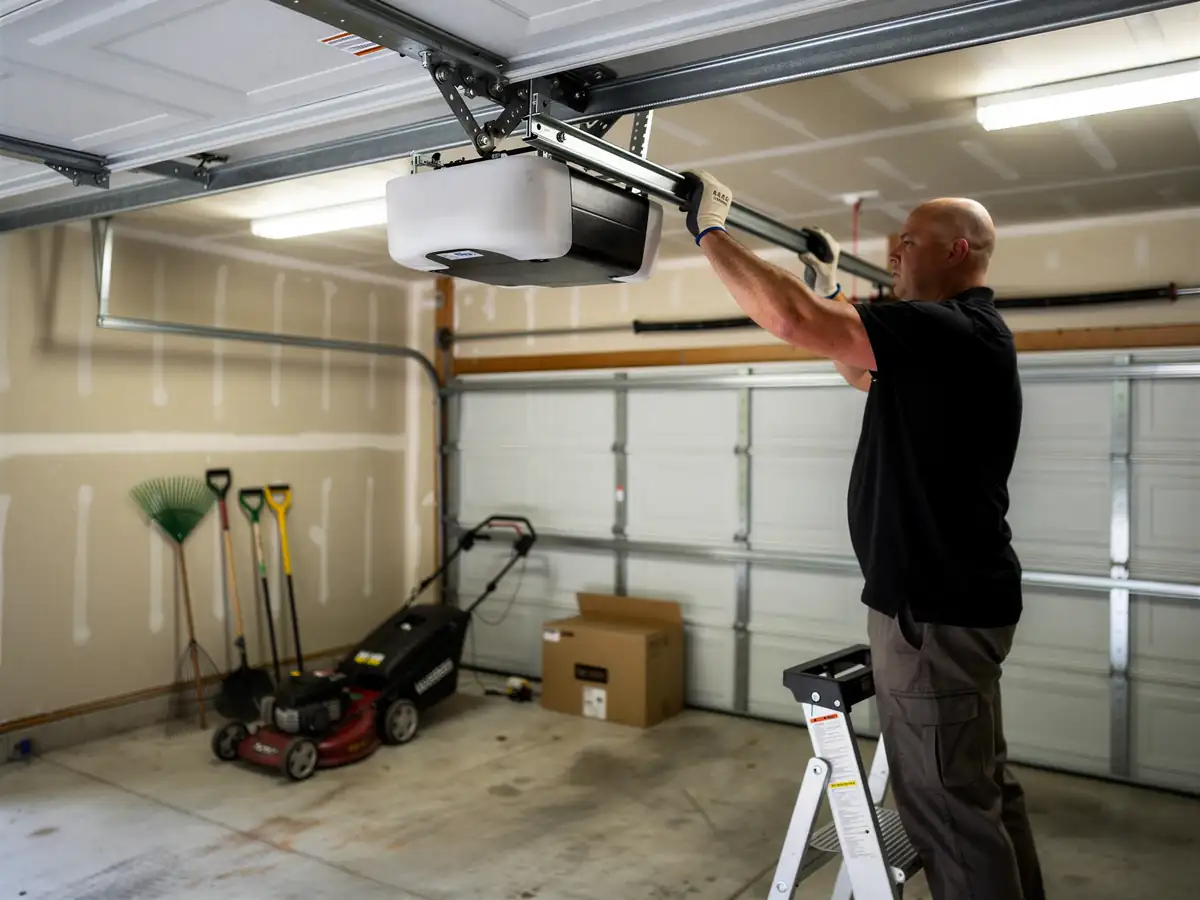
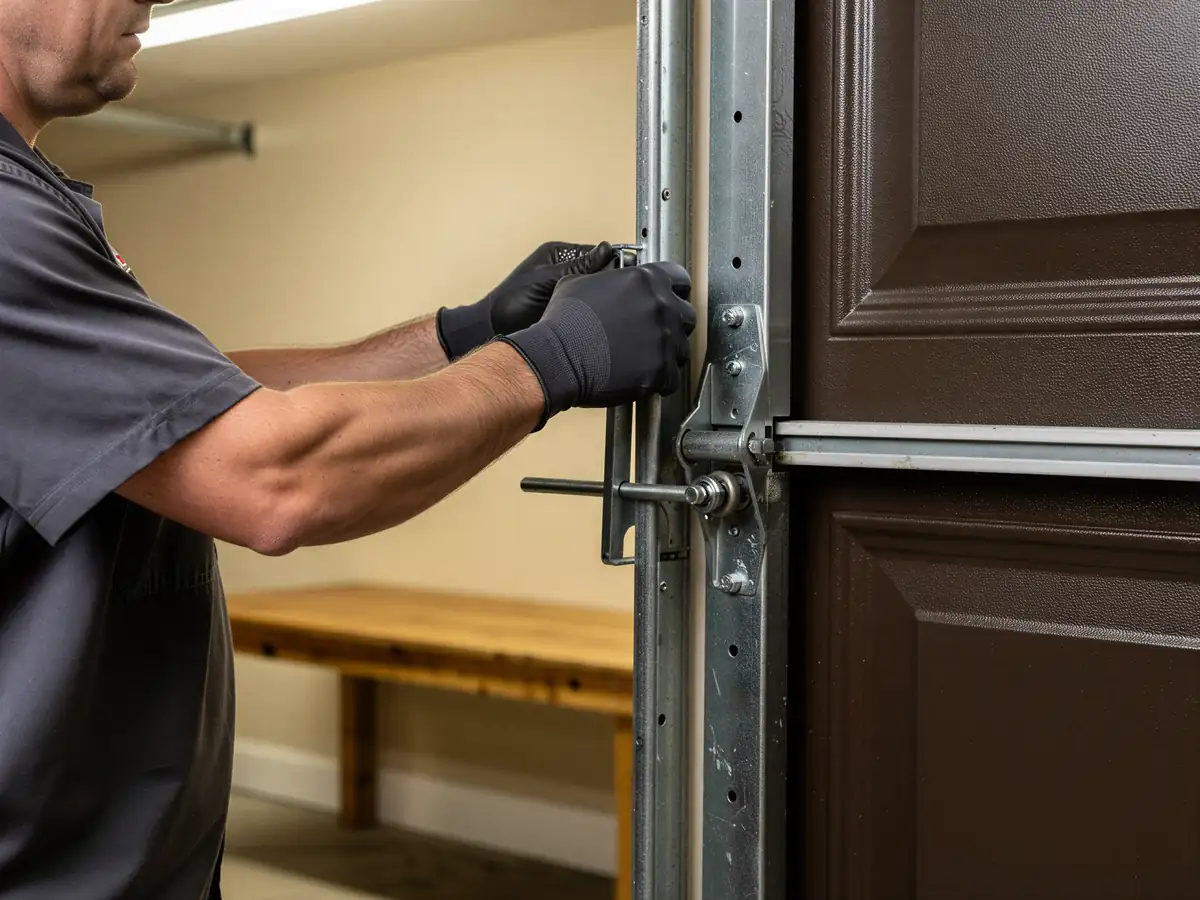
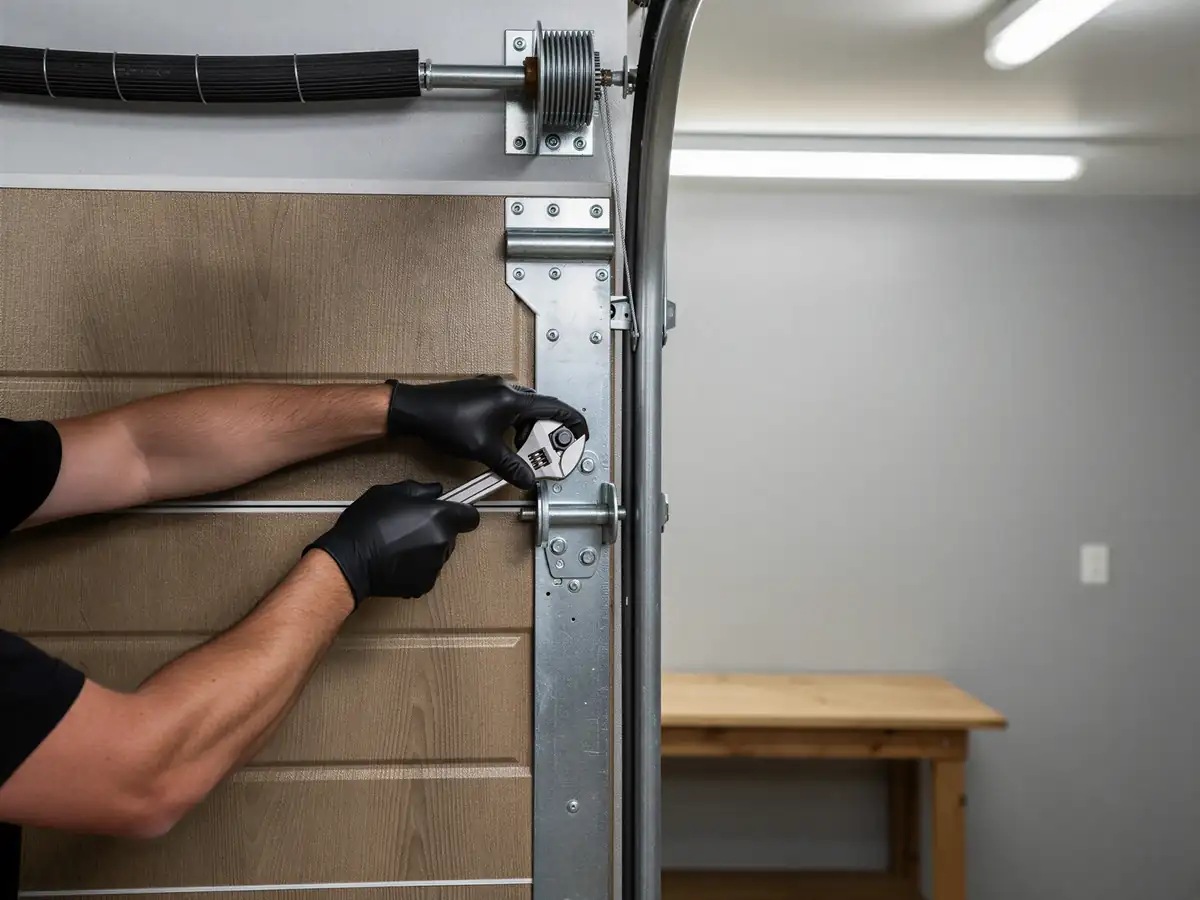
Channelview's median home here dates to 1988, which puts most garage doors on steel sectional panels with overhead torsion springs rather than the older side-mounted extension springs you'd find on anything built before the mid-1970s. That's good news for repair - torsion systems are more standardized, and we carry the common shaft sizes and drum styles that era used. What we see more often in a neighborhood this age is the opener, not the door itself: a lot of 1980s and 90s chain-drive units are still running on their original motors, and the gears inside wear out long before the door hardware does. We test the opener's force settings and travel limits first, because a door that seems to 'stick' is frequently an opener problem, not a spring or track problem. If the door panels themselves are original, we check for rust at the bottom section first - that's the panel that takes the most weather and ground moisture over three-plus decades, and it's usually the first to need replacing even when the rest of the door is sound.
The Complications
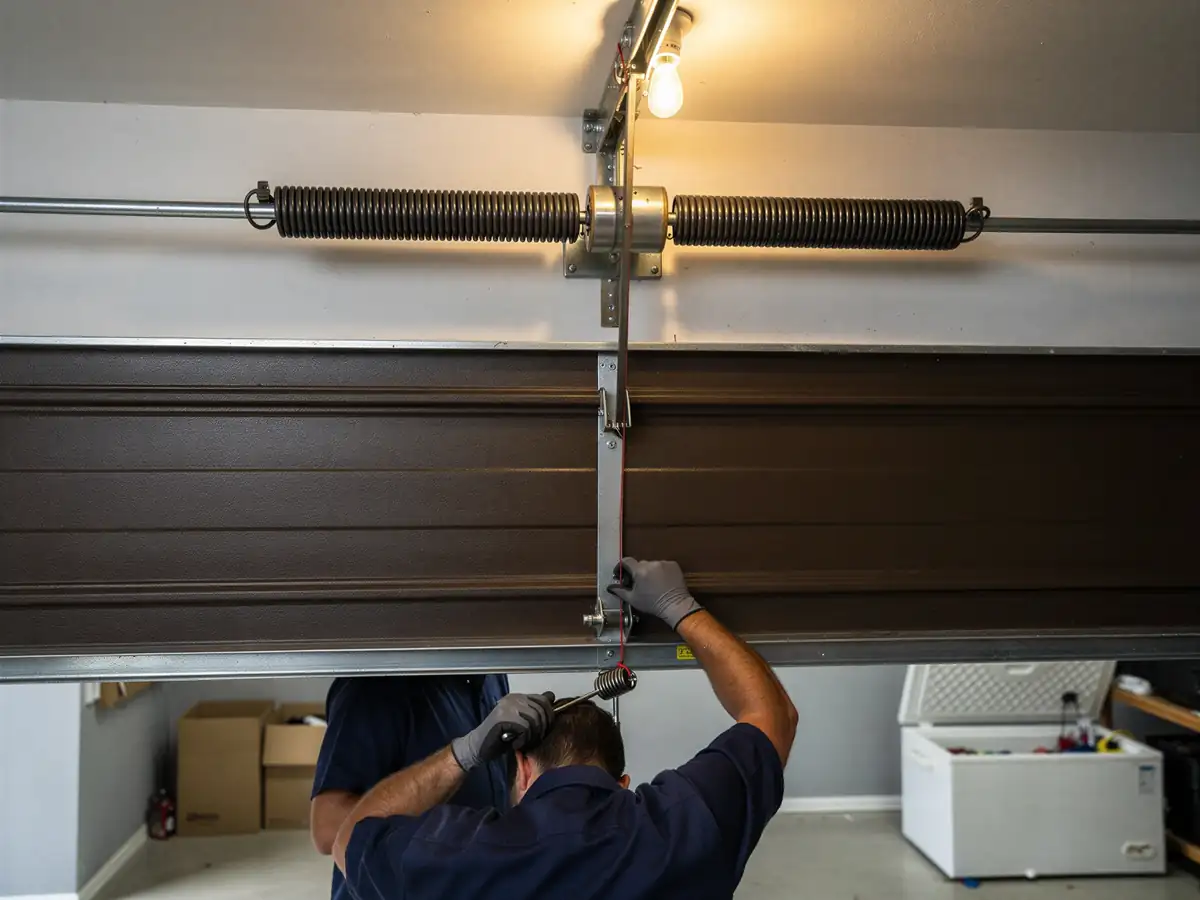
Channelview sits in the same mild, occasional-freeze climate as the rest of our coverage area - no hard winters, but enough damp air and the odd cold snap that galvanized spring coils corrode slowly over the years instead of snapping suddenly from cold shock the way they might further north. On an original 1988 door, that usually shows up as a spring that's lost tension gradually rather than one that breaks outright; the door gets heavier to lift by hand long before it fails completely. The other complication is wiring and sensor age. Photo-eye safety sensors became standard on openers sold from the late 1980s on, but on a door this old, the sensors themselves may have been replaced once or twice already, sometimes with mismatched brackets that throw the alignment off. We check that alignment on every call here, because a door that reverses for no clear reason is almost always a sensor problem, not a spring or track problem, and chasing the wrong fix wastes a visit.
How Long It Takes
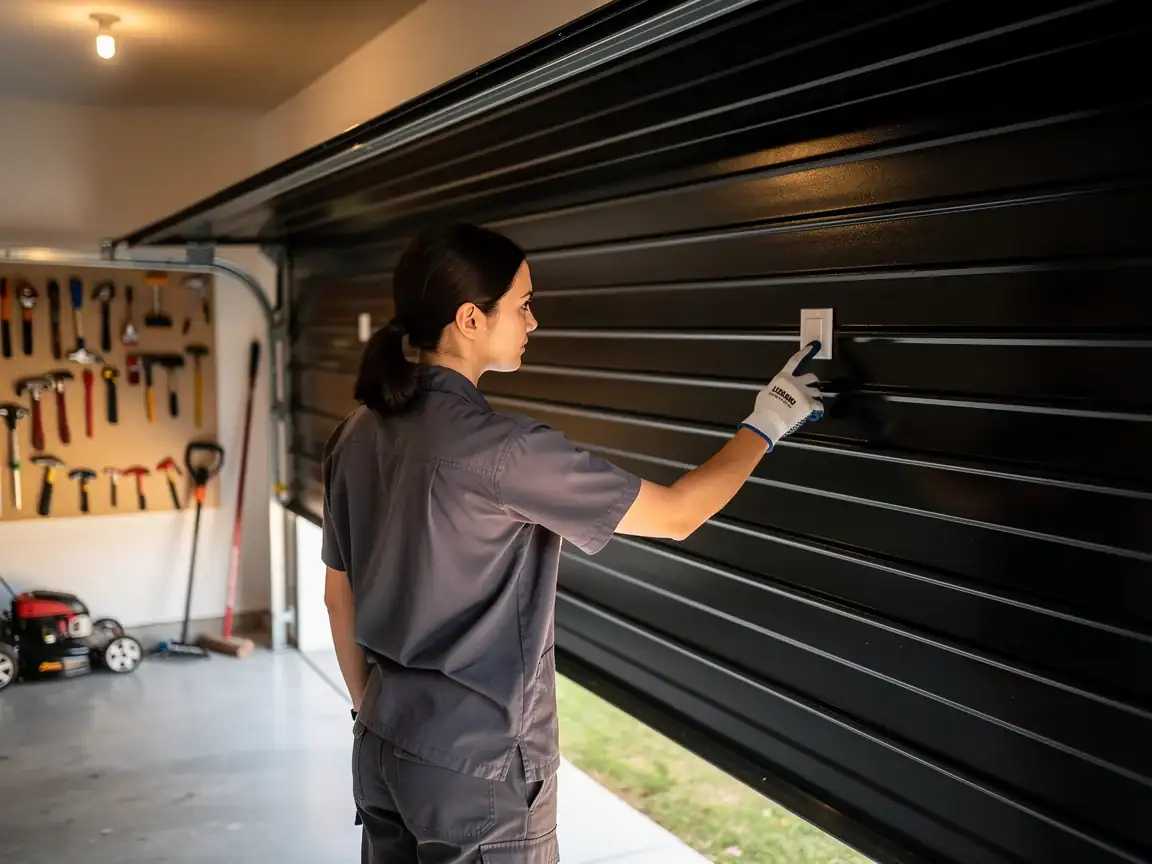
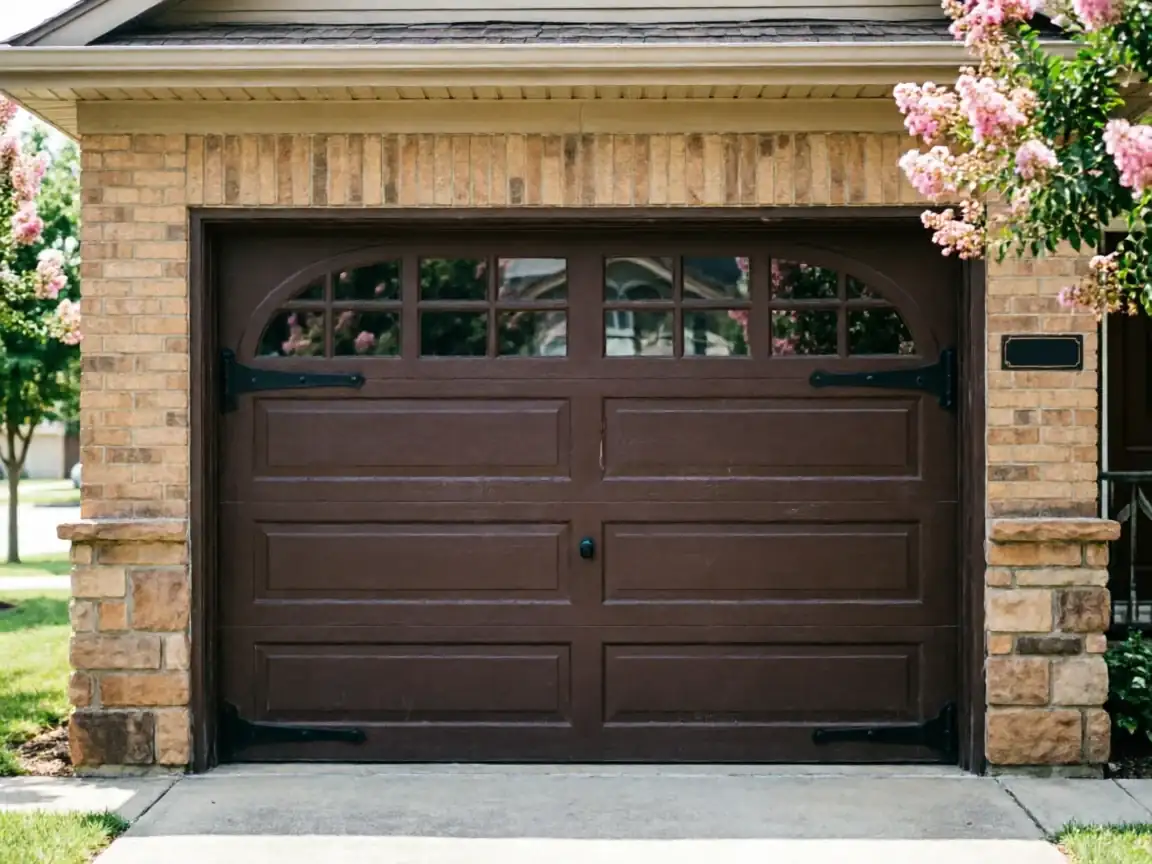
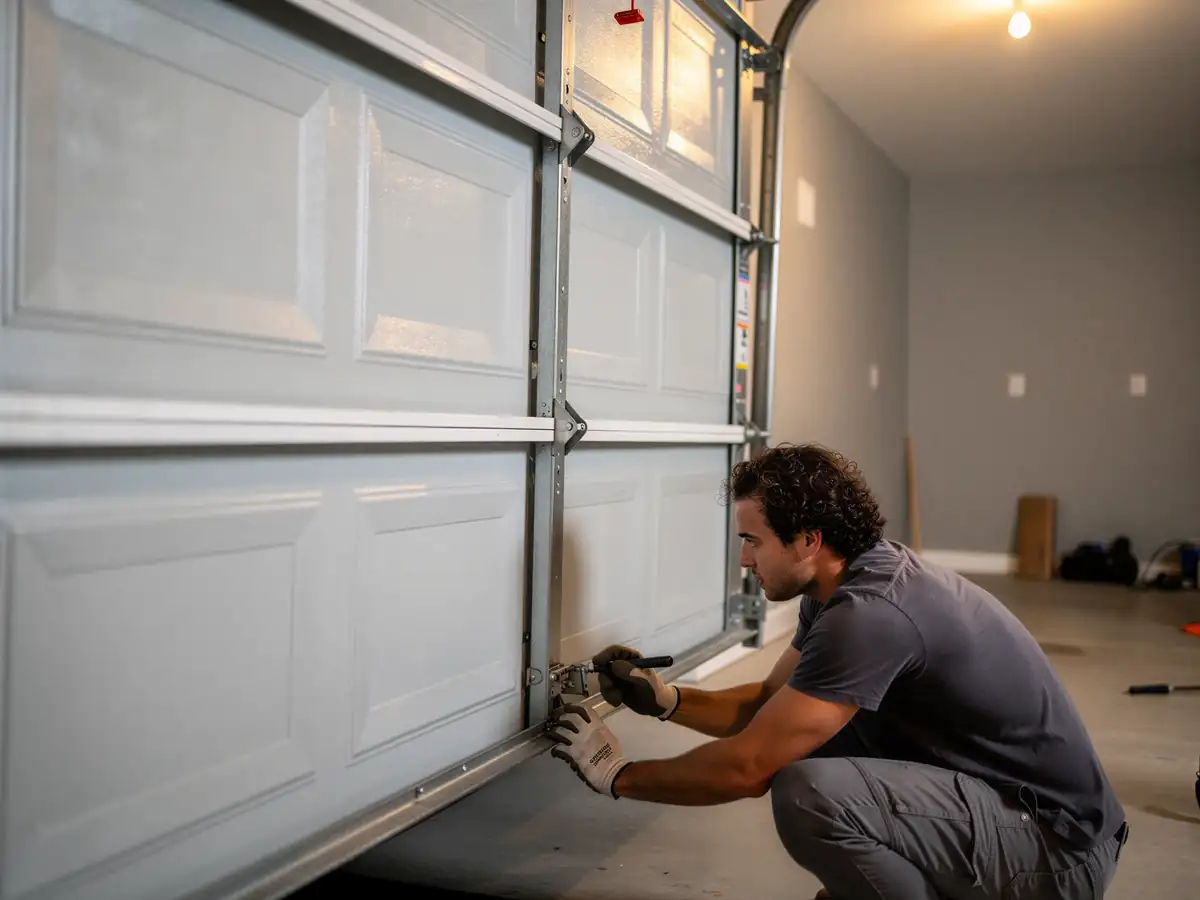
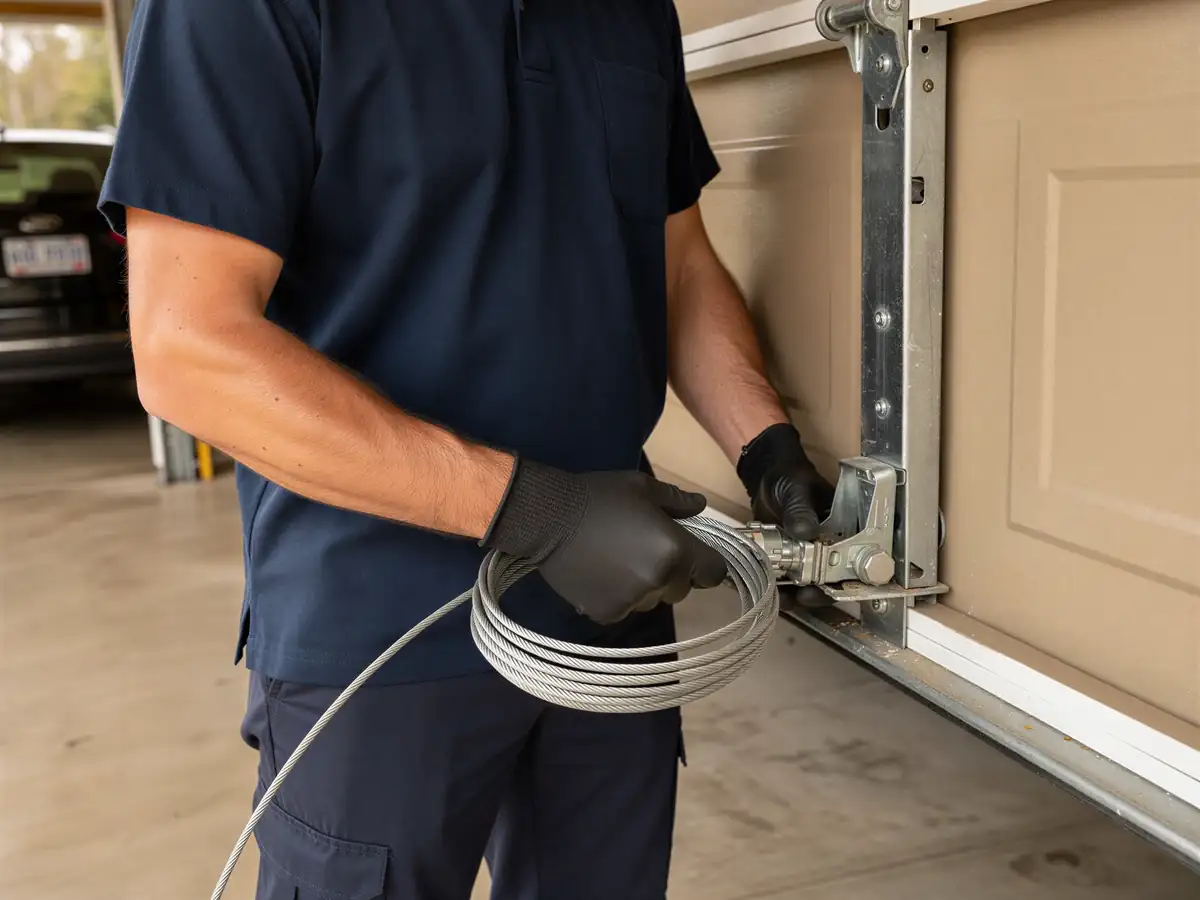
Most spring or cable repairs on a single door take under an hour once the truck is on-site and the part is confirmed; double doors with two torsion springs run a bit longer because we balance both sides together, not independently. Opener swaps, especially on original 1980s chain-drive units where the wiring and wall switch are also decades old, tend to run longer than a straight motor replacement because we're often rewiring the control box to match current safety standards rather than just bolting on a new unit. Full panel replacement is the longest job on the list, and timing there depends more on part availability than labor - a standard steel panel is usually in stock, but matching an exact color or window pattern from a 1988-era door sometimes means ordering, which can push a job out by a few days. We won't promise a single-visit fix on a panel match sight unseen; we'll tell you on the call whether that's likely before you book.