How It Shows Up
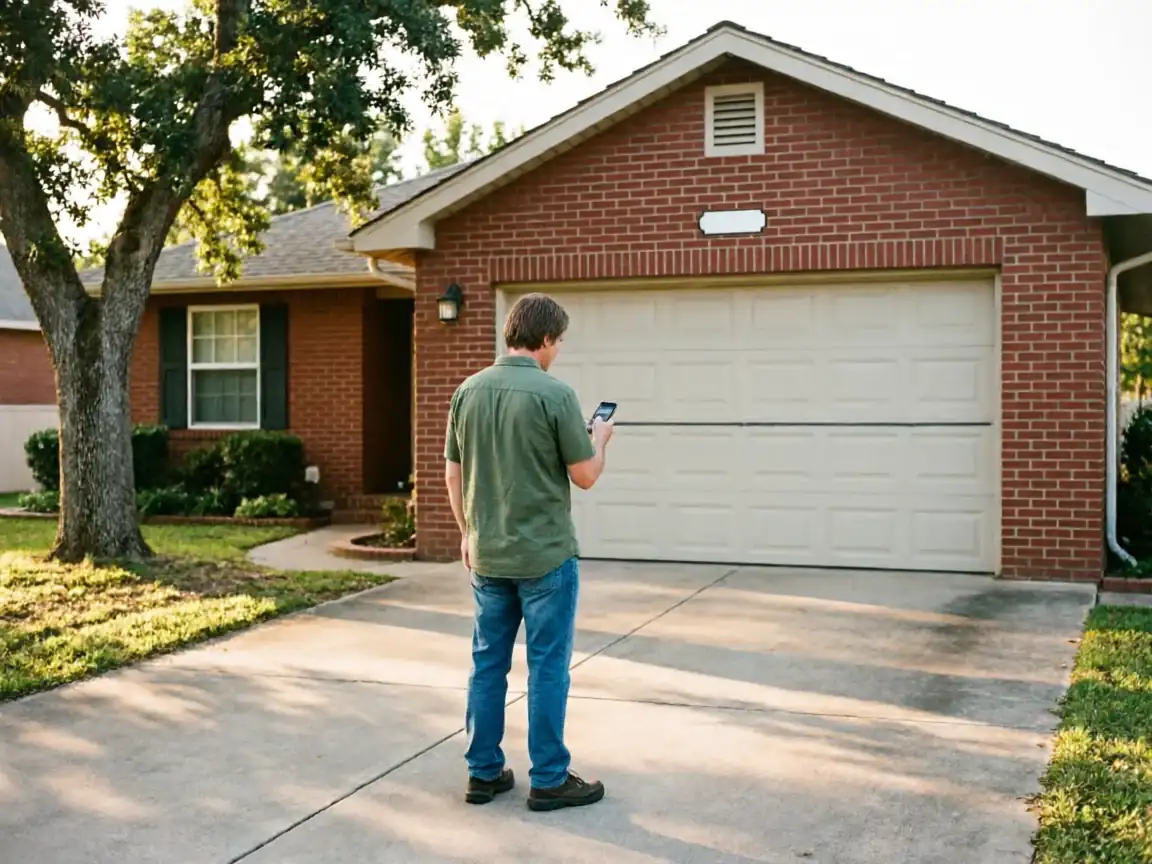
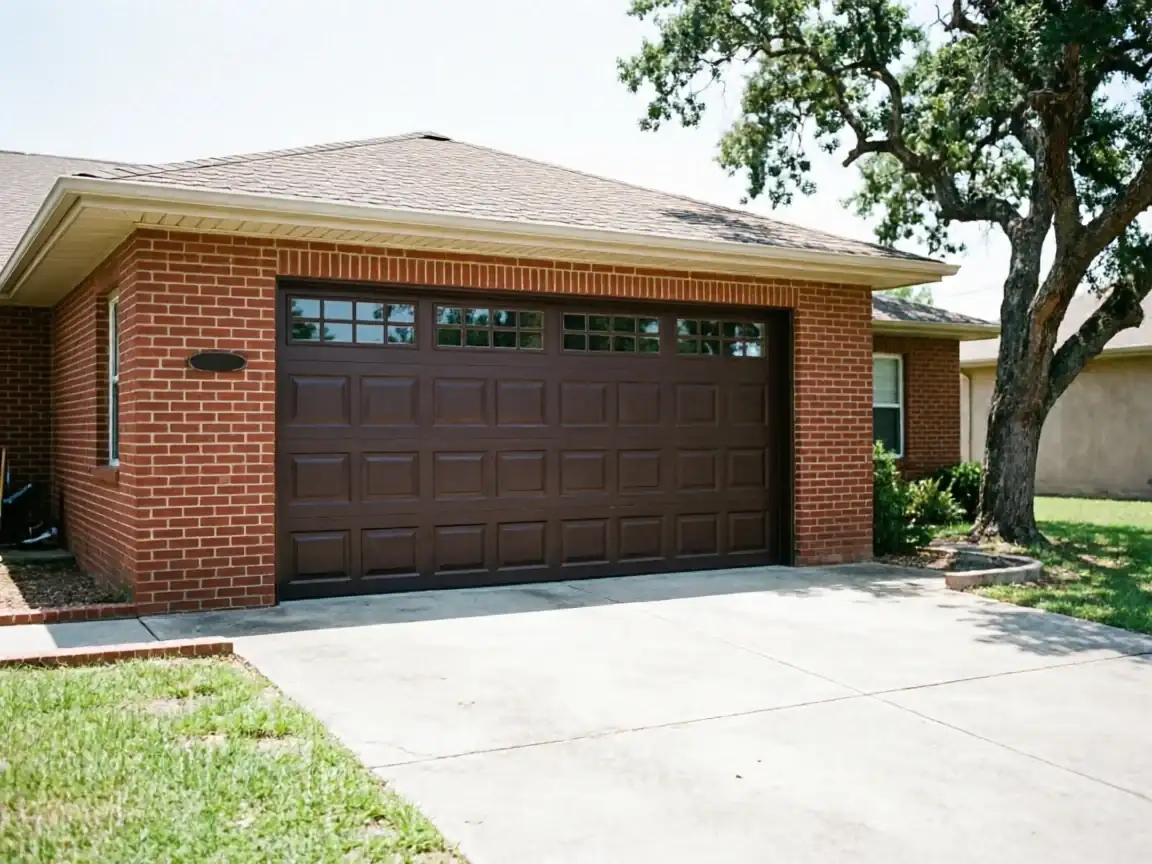
Most of the houses we service across the wider area went up between 1956 and 2011, with a lot of that stock dating to the 1980s and 90s. Mont Belvieu breaks that pattern - the median build year here is 2011, which puts a big share of these garage doors at roughly a decade to a decade and a half old. That's not old enough for the door itself to be failing, but it's exactly the age where torsion springs start hitting the end of their rated cycle count and factory grease on rollers and hinges has gone dry and gritty.
What we actually find on these calls: a door that's gotten loud, an opener that strains on the way up, or a spring that lets go without warning because it was never serviced in thirteen-plus years. The hardware is modern - steel torsion springs, photo-eye sensors, belt or chain-drive openers - so the fix isn't replacing an old extension spring setup like we'd see on a 1980s door. It's catching wear before a cycle-rated part snaps. Our climate here runs mild with the occasional freeze, which isn't hard on hardware the way heavy swings would be, but dried-out lubricant still binds tracks and rollers over time regardless of the weather.
What You Pay
We don't have a published price list specific to Mont Belvieu to quote here, and we'd rather say that plainly than guess at a number. What we can tell you is that the job itself tends to run shorter and cheaper than on older housing stock, because a 2011-median door usually has intact tracks, square frames, and an opener that's still within its working life - the visit is about lubrication, spring tension checks, and sensor alignment rather than replacing warped track or a dead opener motor.
The area's household income, at $127,902, is well above the broader service area median, and we mention that only because it tends to track with homes that had a full builder-grade door and opener installed once, correctly, rather than a patched-together setup from multiple past owners. That usually means a maintenance visit stays a maintenance visit instead of turning into a parts replacement call.
How We Fix It
We travel out from La Porte for these calls
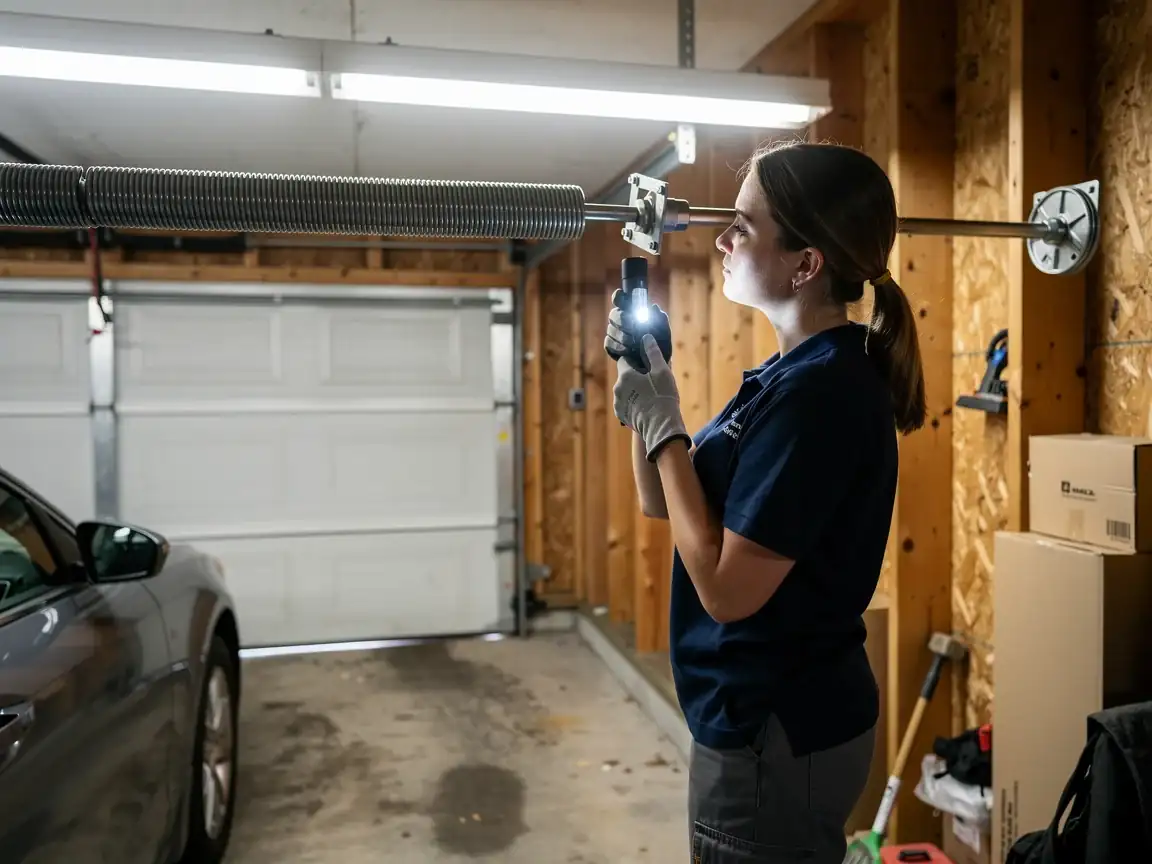
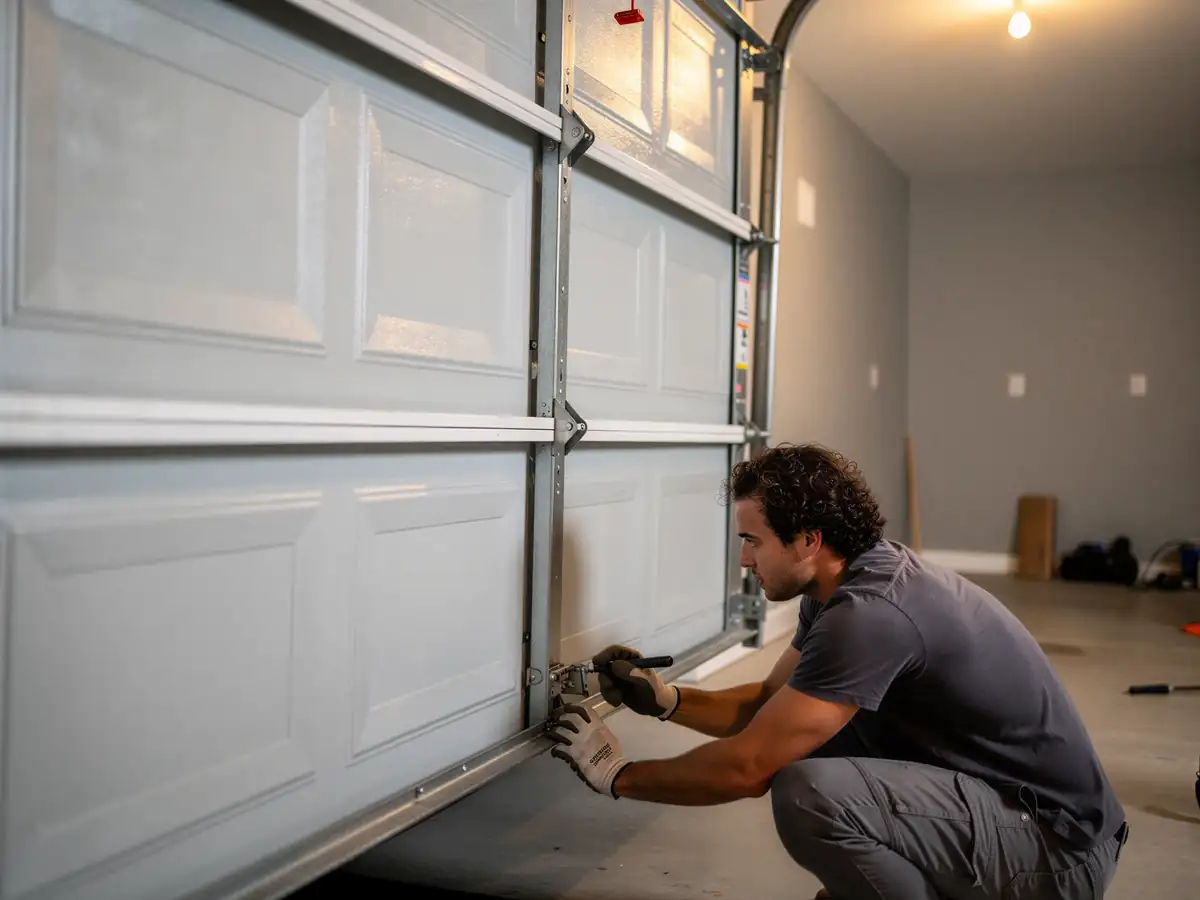
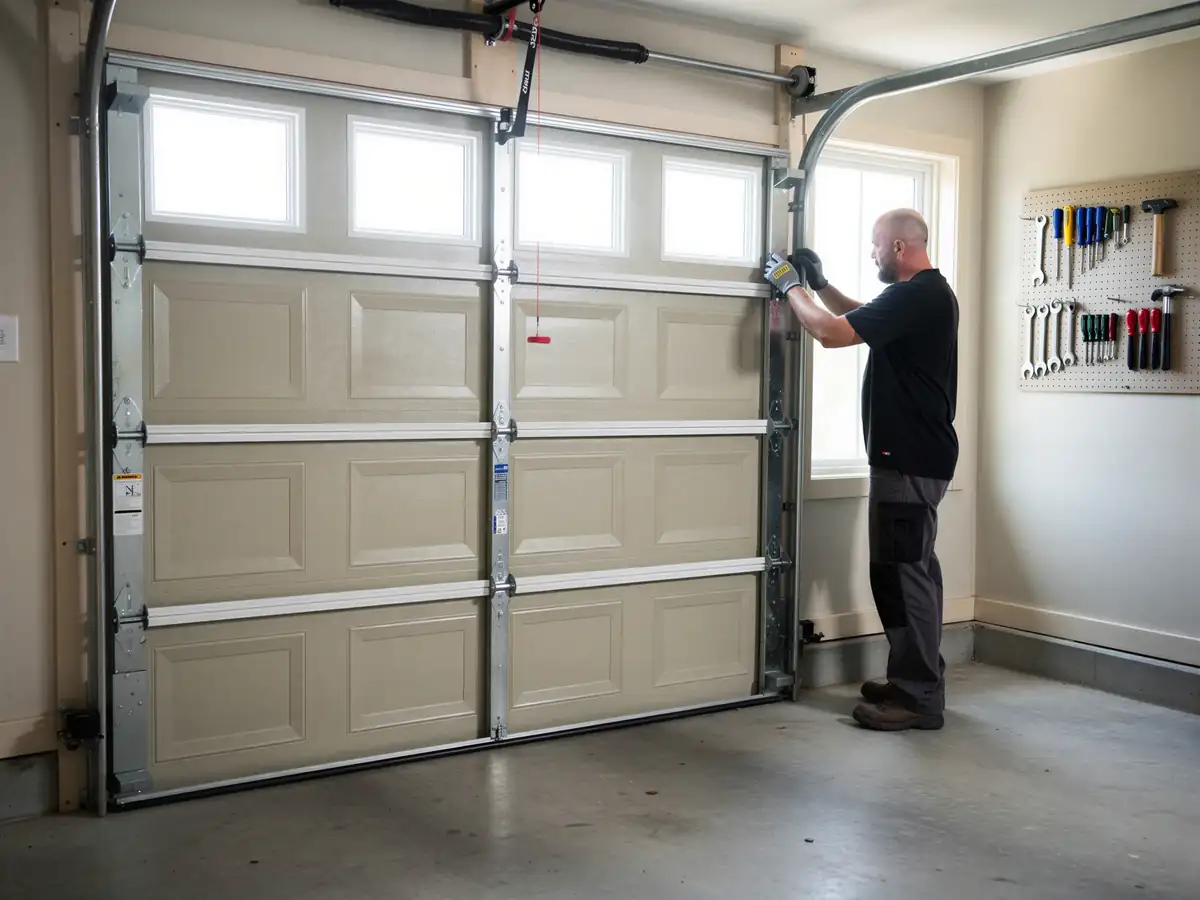
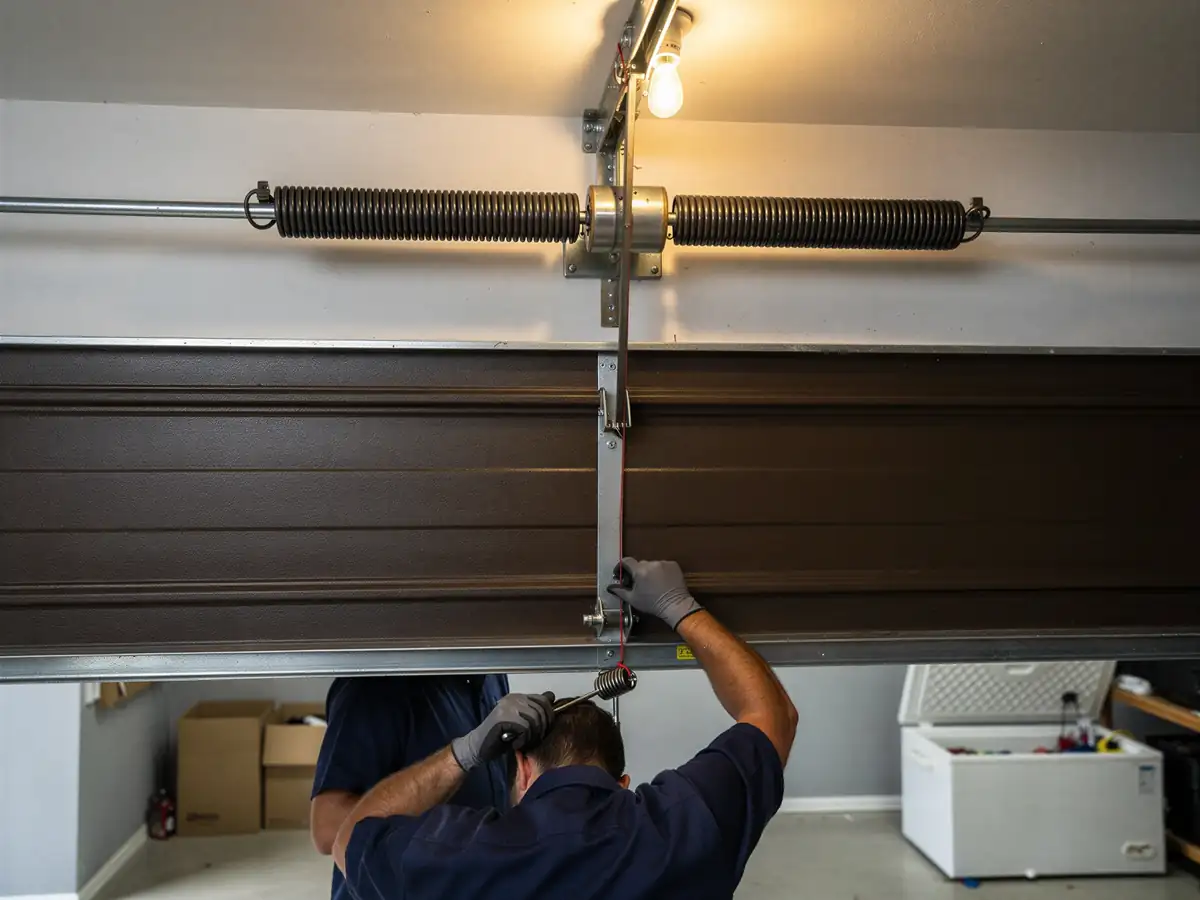
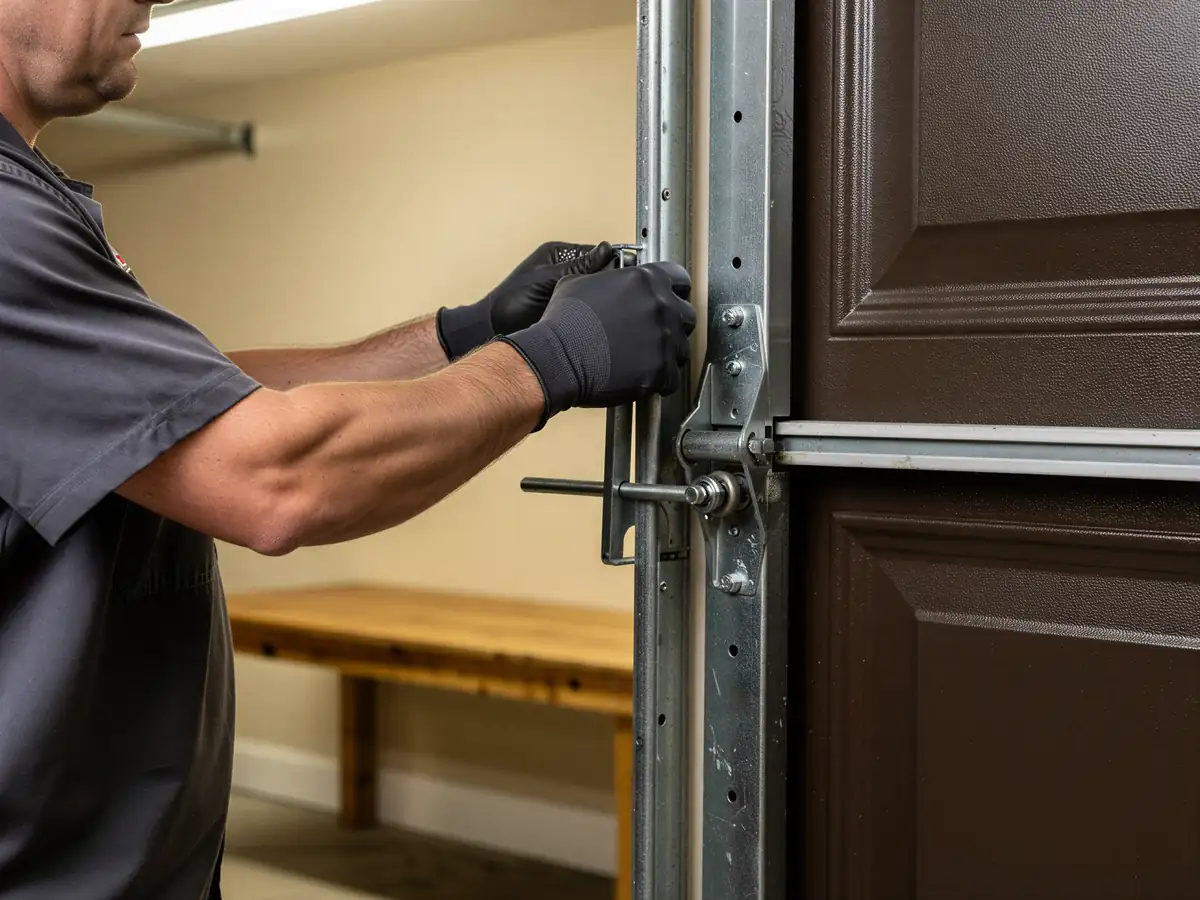
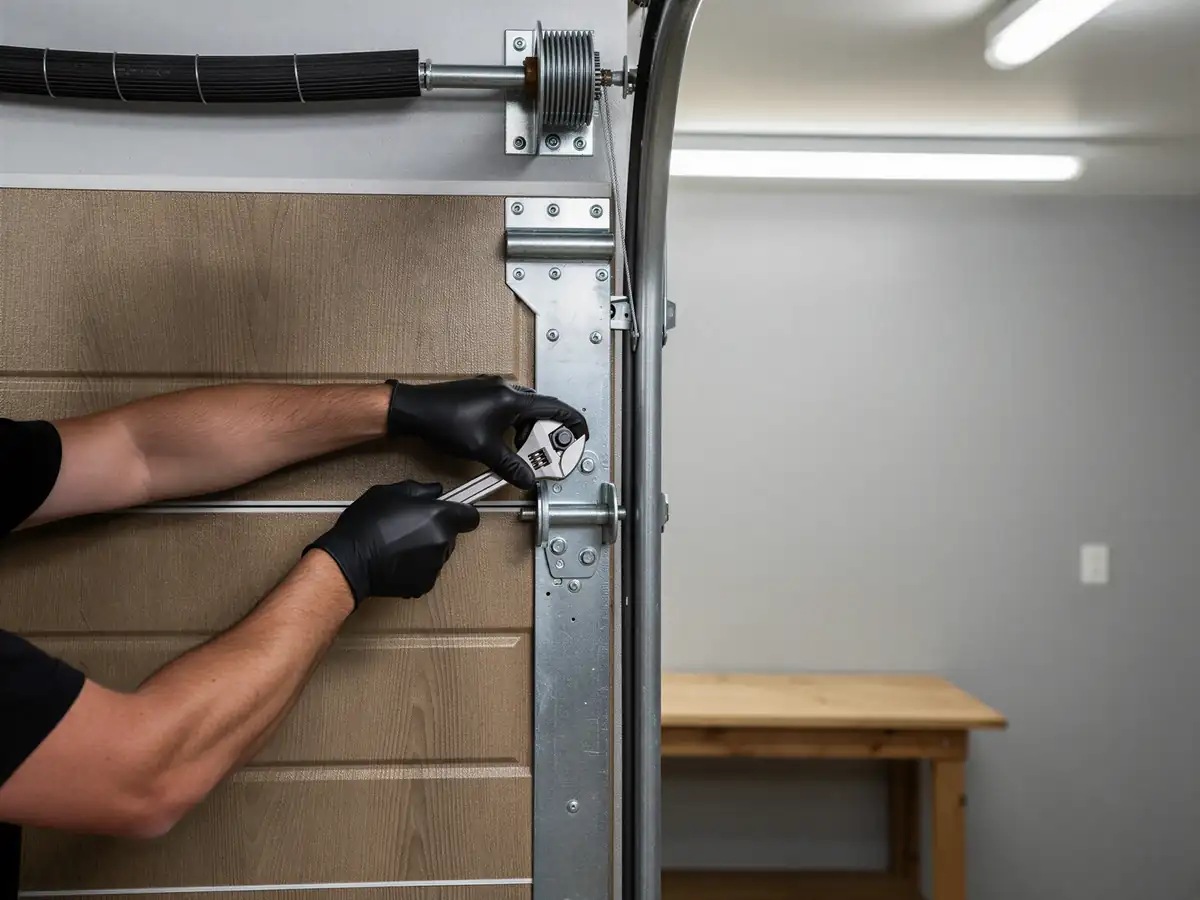
Mont Belvieu is about 17 miles from our base, so we're not a local depot here, we're a truck that comes to you. On a standard maintenance visit we check torsion spring tension and look for the early signs of fatigue - flat spots, gaps in the coil, uneven balance when the door is disconnected from the opener - since that's the part most likely to be aging out on a house built around 2011.
- 17 miles
We also clean and re-lubricate rollers and hinges
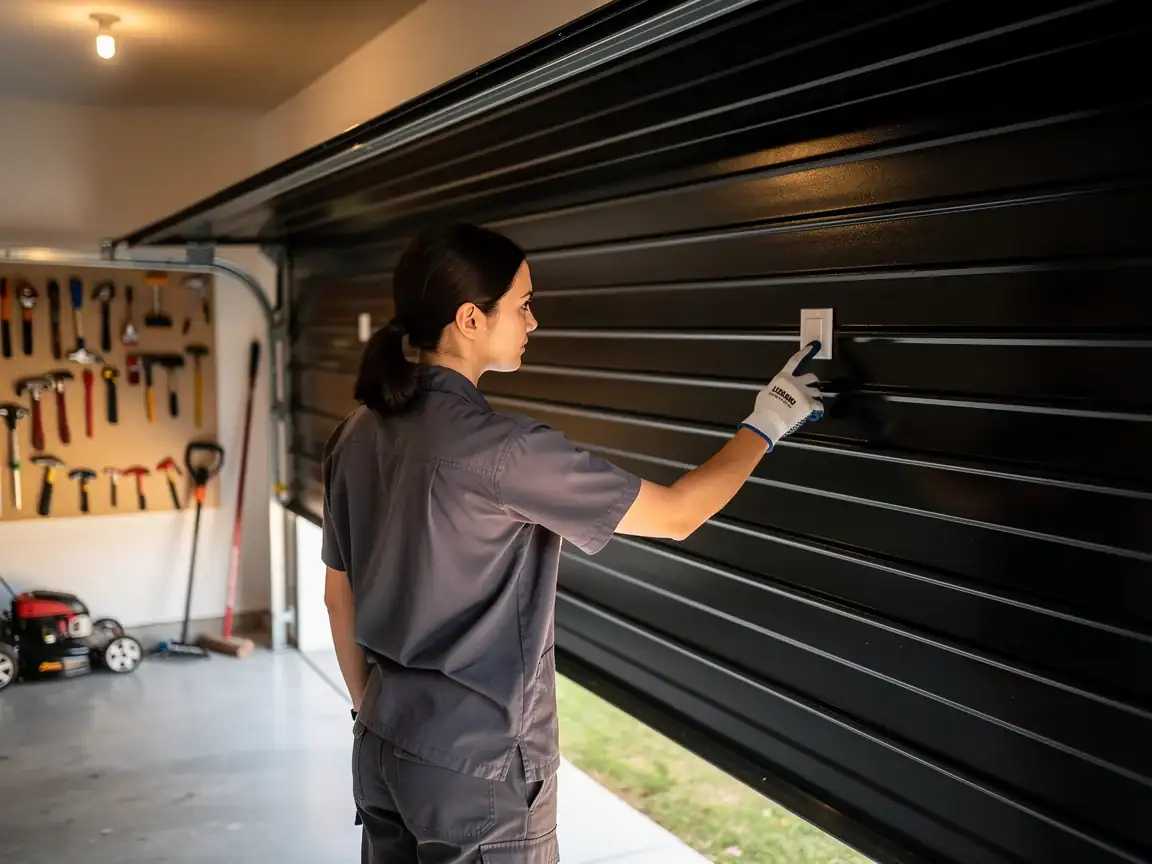
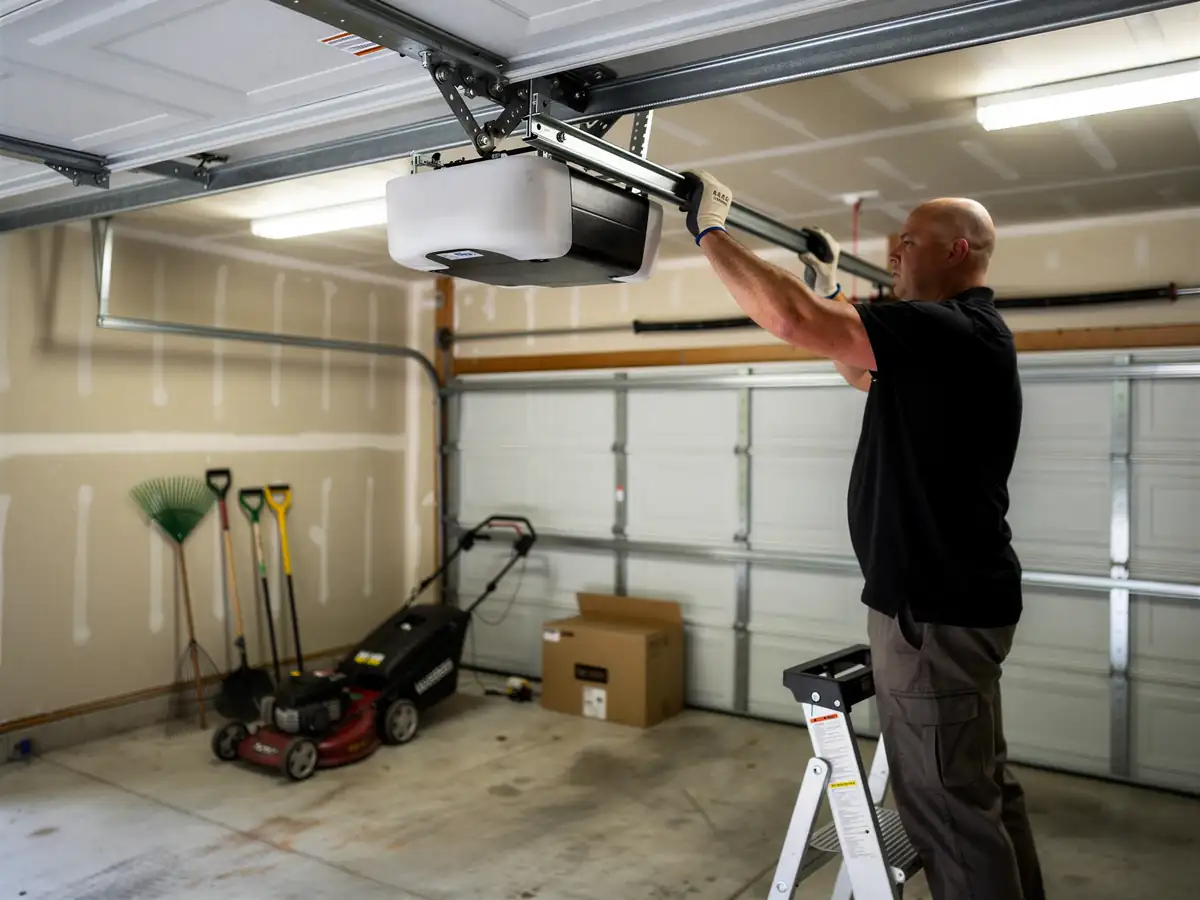
Check the photo-eye sensors for alignment (a common nuisance call on doors this age, not a safety defect, just dust and drift), and test the opener's force settings. On newer builds like these we're rarely pulling a whole track or reframing a jamb. The honest limit here: if a spring is already showing heavy wear or the opener motor is on its way out, that's a repair or replacement conversation, not something a maintenance visit papers over. We'll tell you straight which one you're looking at.
Parts We Carry
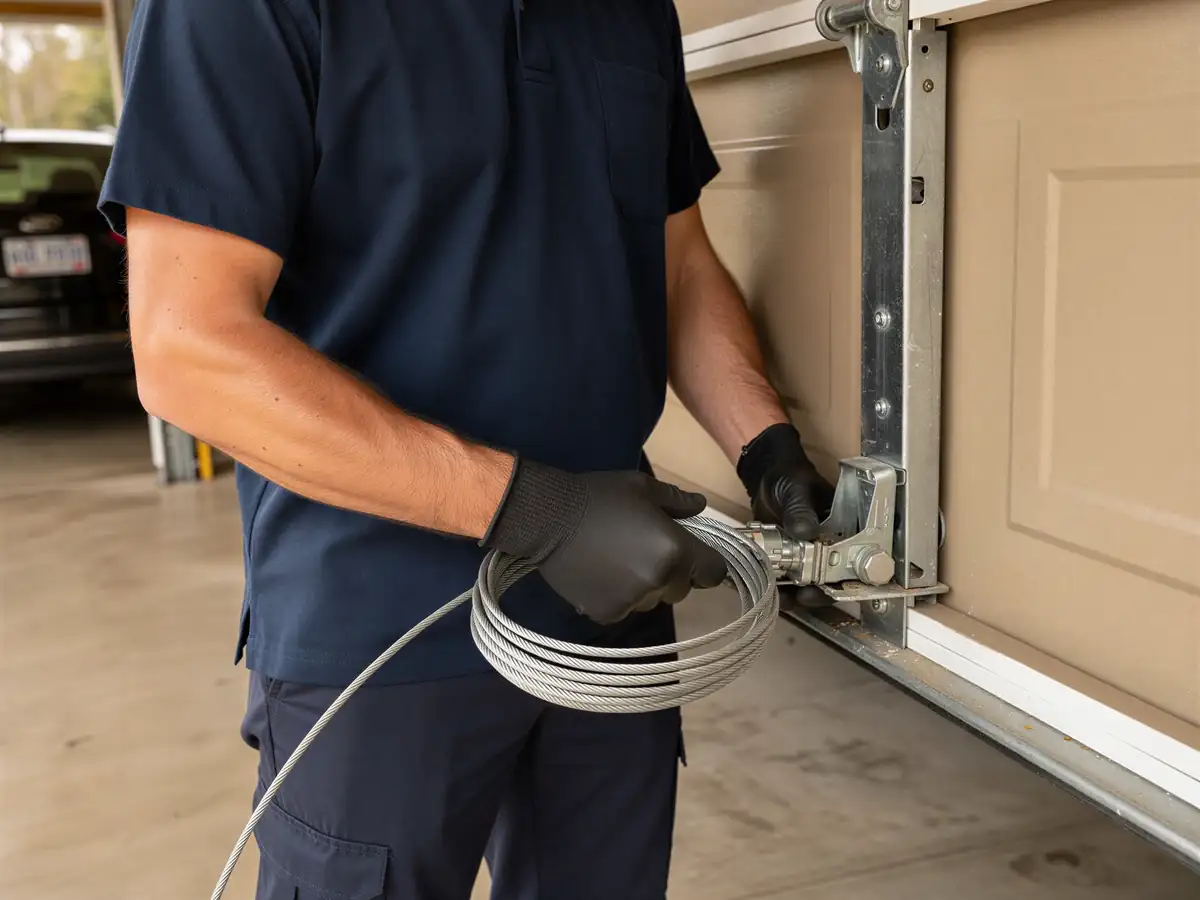
For doors in this age bracket we stock the torsion springs, cable, and rollers sized for standard builder-installed steel sections and modern lift hardware - the parts that actually wear out on a house built in the 2000s or later, not the odd legacy sizes you'd need on a 1960s one-piece door. We carry standard photo-eye sensor units and the lubricant we use is rated for the mild, occasional-freeze climate this area sits in, so it doesn't gum up in summer heat or stiffen on a cold morning.
What we don't keep on the truck is anything specialty-ordered - certain opener control boards or less common spring sizes sometimes have to be ordered in, and we'll tell you up front if that's the case rather than stall the job pretending otherwise.