How to Book
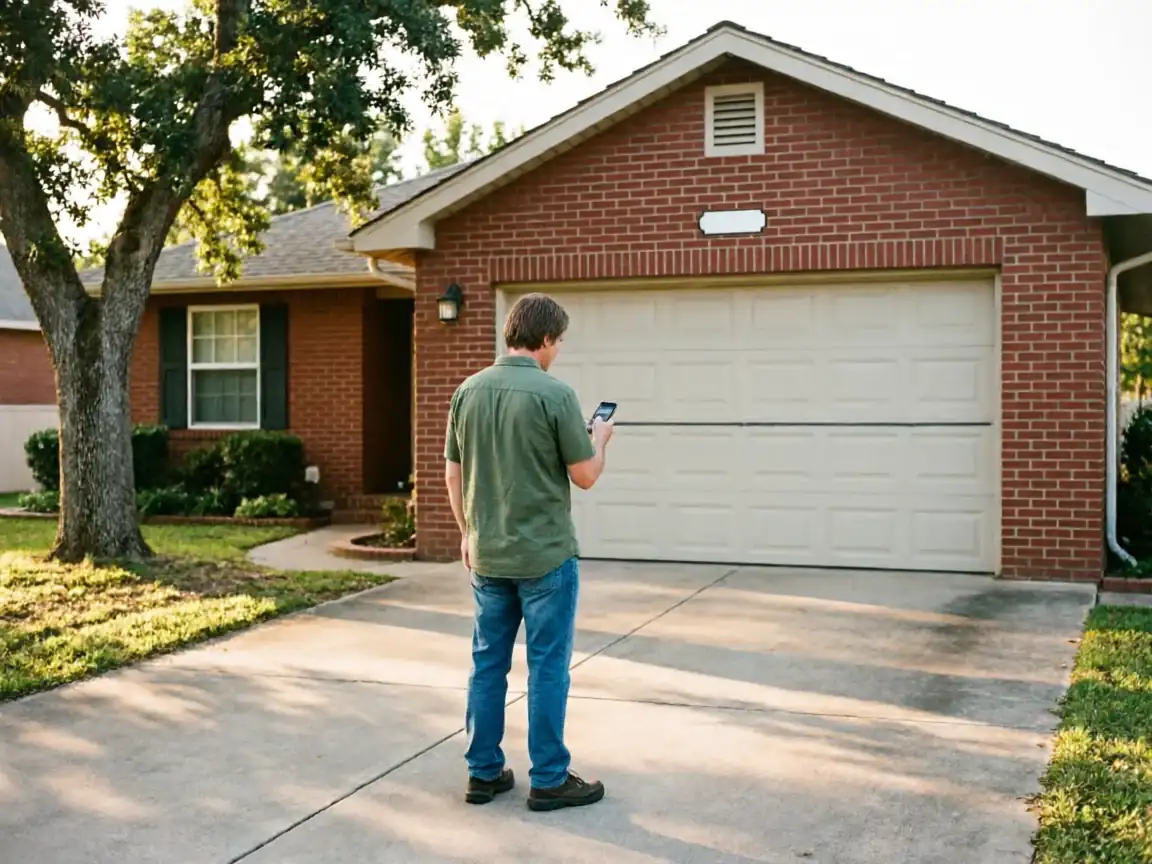
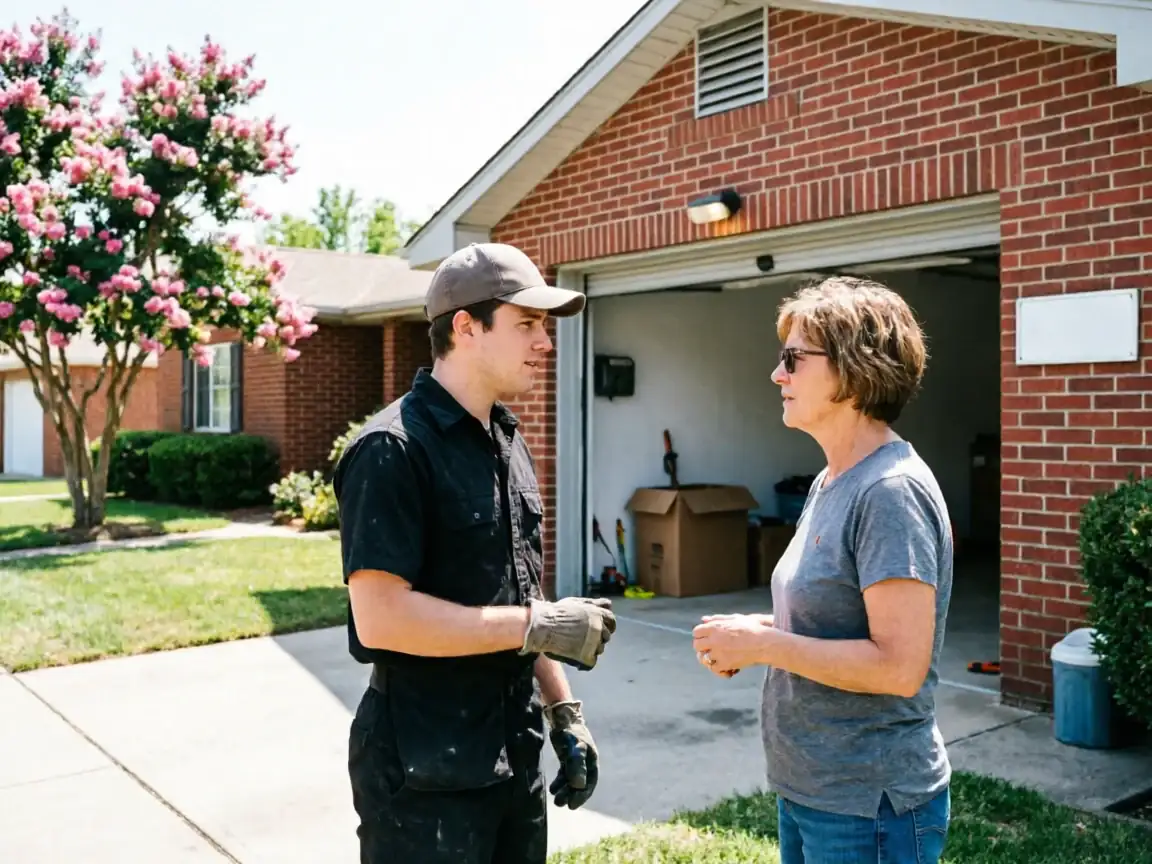
Deer Park runs about 11,829 households, small enough that a torsion spring job doesn't sit in a queue behind a hundred other calls, but large enough that we see the same handful of door problems over and over once a street's houses hit a certain age. We work out of La Porte, four miles down the road, so getting a truck to a Deer Park address isn't a cross-town trip. When you call, tell us whether the door won't open at all, makes noise going up, or has a visibly broken spring or cable - that one detail decides which parts ride in the truck and whether the first visit also fixes it. We don't quote a same-day guarantee here because we're not based in Deer Park itself, but the drive is short and it shapes how we schedule the day's route. Have the door's rough age and whether it's one piece or sectional ready when you call; it saves a trip back for the right hardware.
How It Shows Up
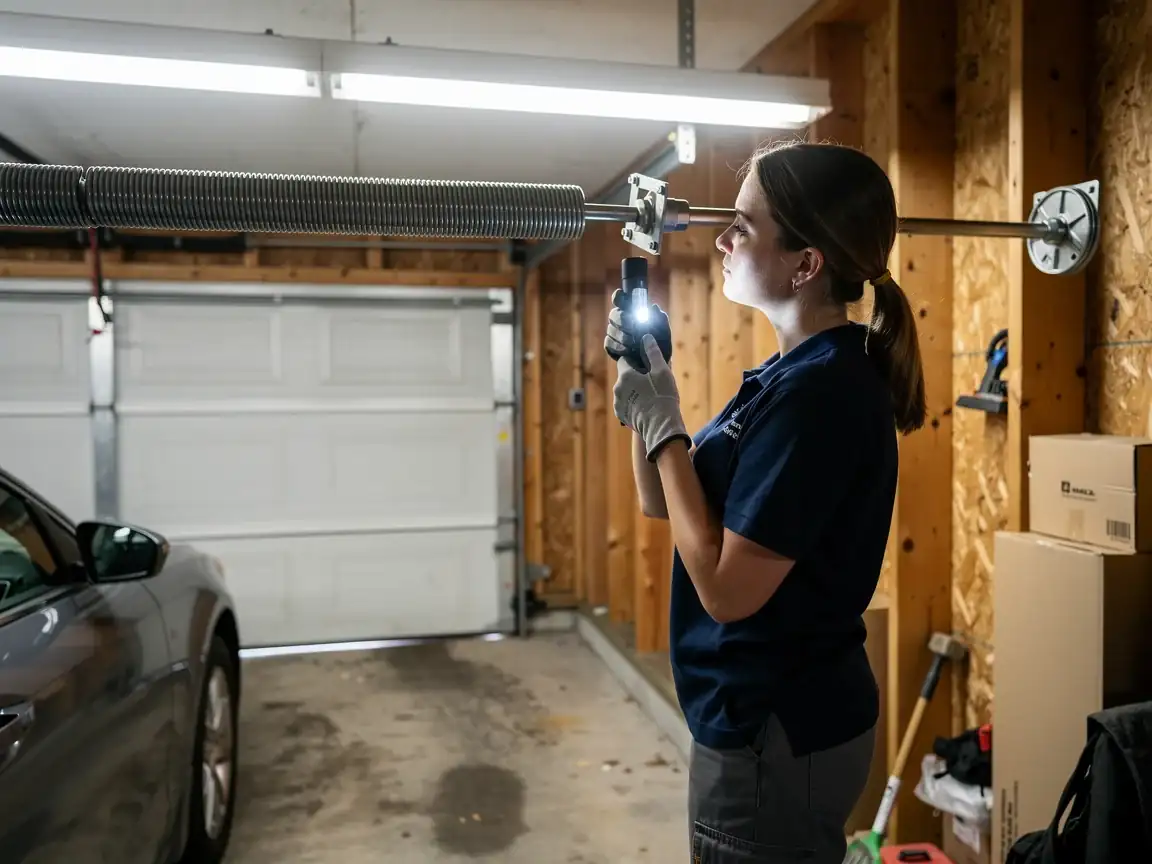
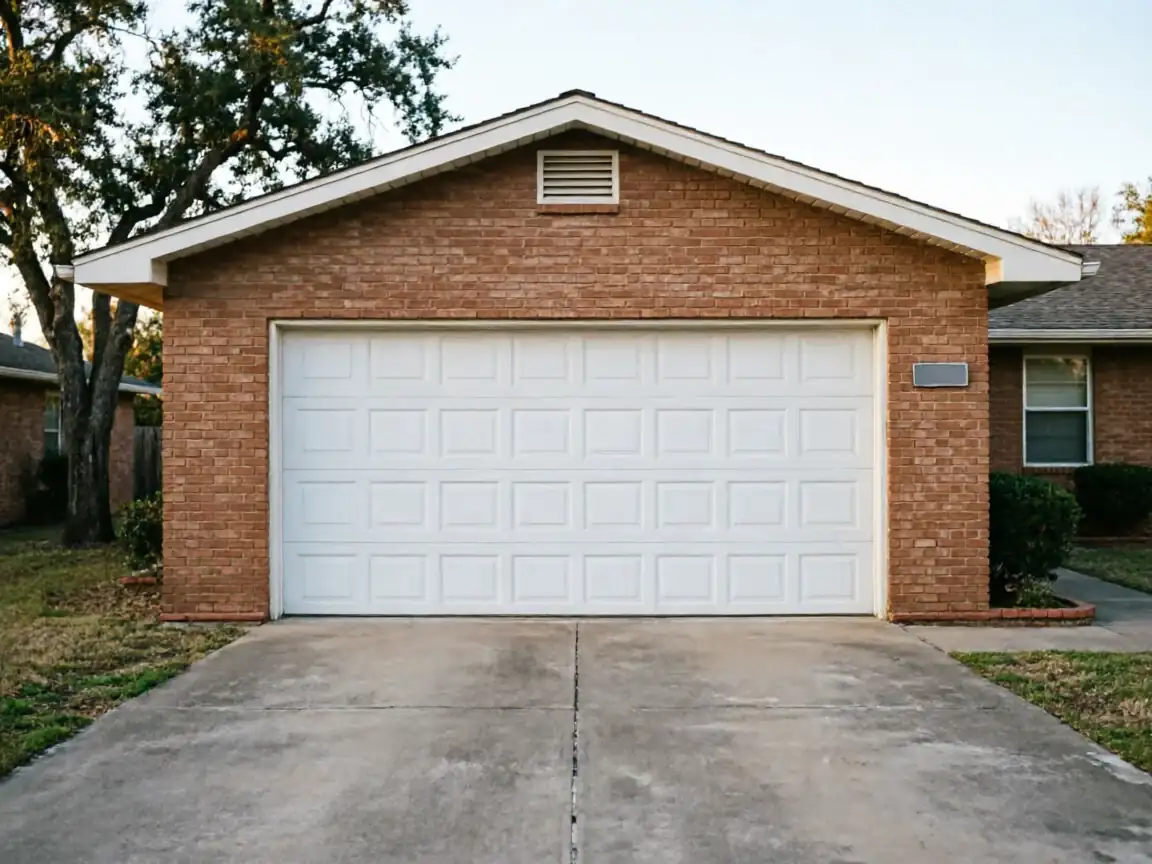
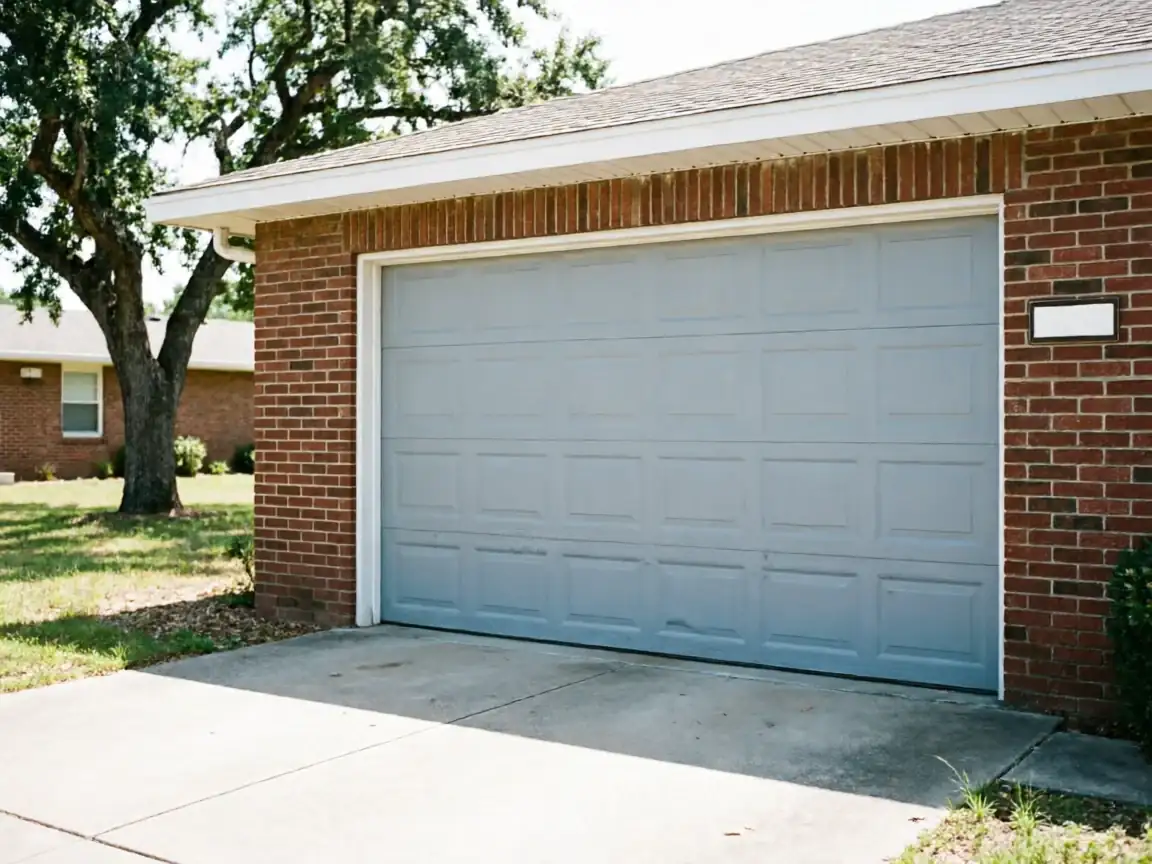
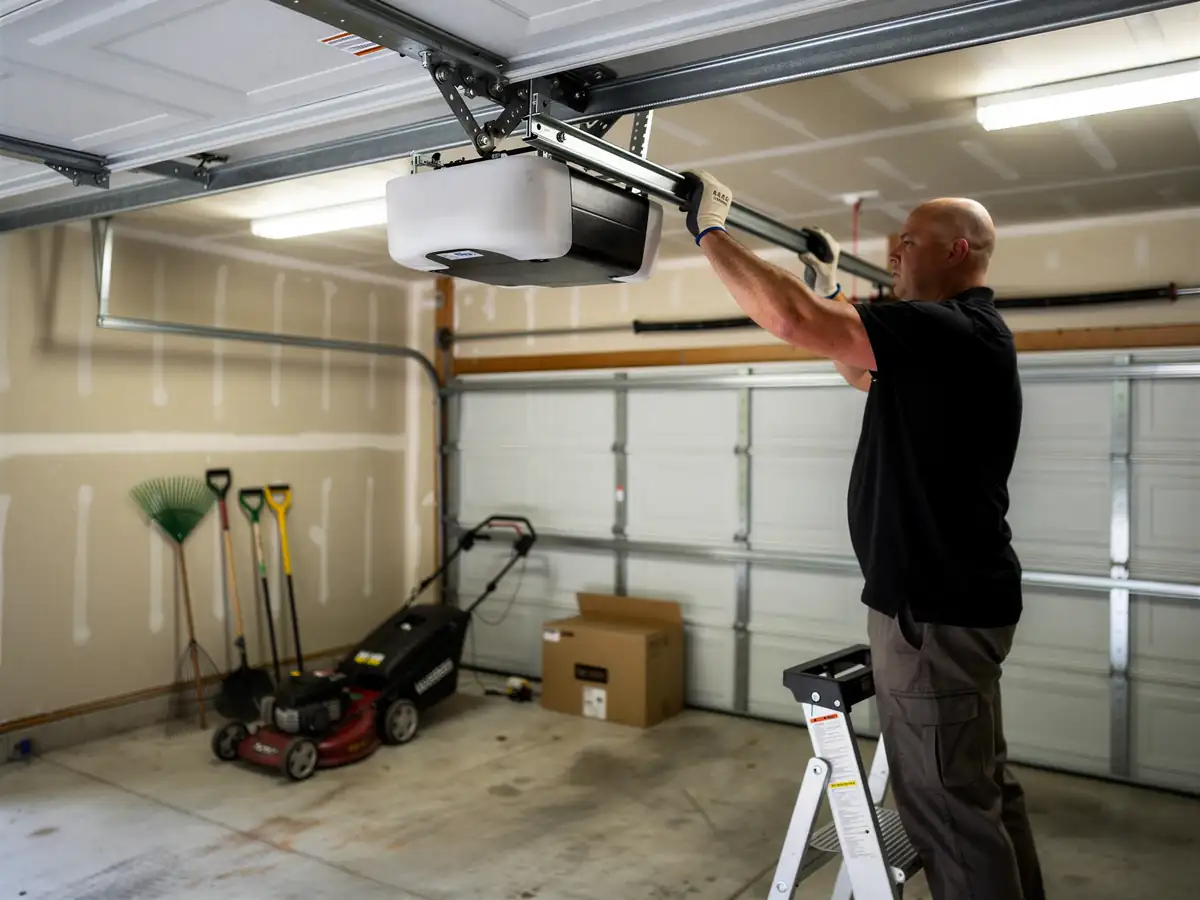
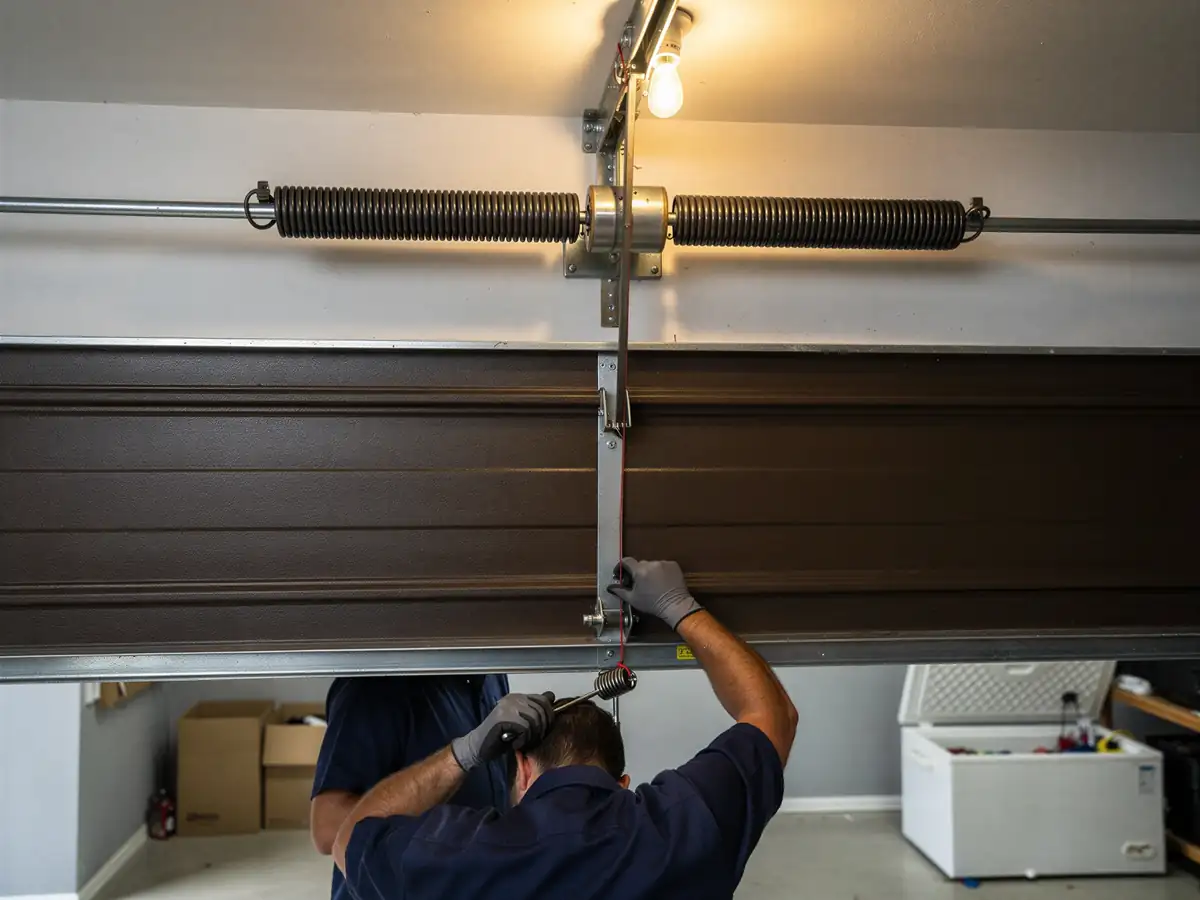
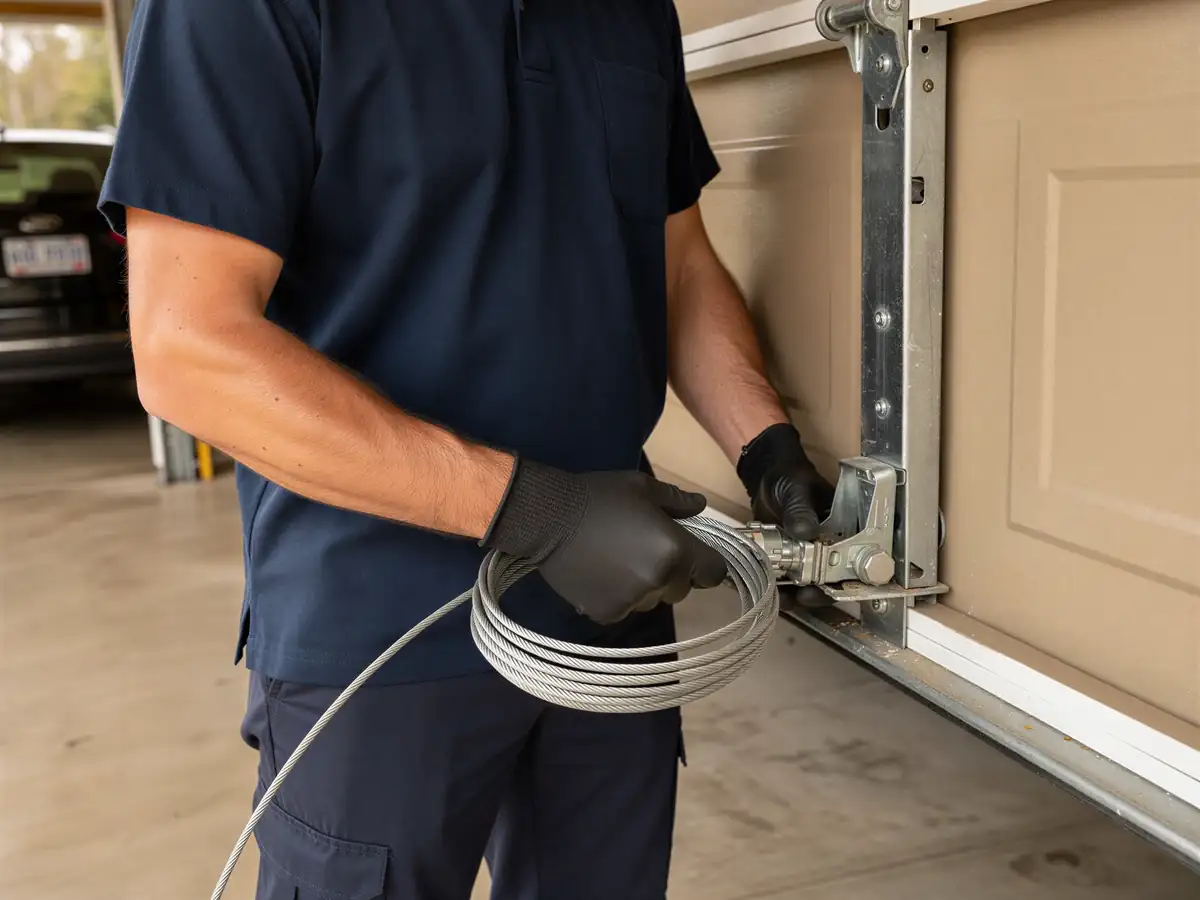
Deer Park's housing mostly dates to around 1981, which puts a lot of doors and openers into their third or fourth decade of use. That's old enough for original torsion springs to be well past their cycle count, and old enough that chain-drive openers from a 1990s retrofit are starting to strip gears rather than just run loud. The complaint we hear most from this stretch of houses isn't a door that won't move - it's one that moves unevenly, drops on one side, or reverses halfway up. On a door that age, that's almost always a spring that's lost tension unevenly or a cable starting to fray at the drum, not an opener problem, even though the opener is what people blame first. The climate here is mild with occasional freeze nights, which doesn't crack panels the way a hard freeze-thaw region would, but it does let steel rollers and hinges go a long time without anyone noticing they're dry and seizing.
Why This Fails Locally
Houses from the early 1980s in this area were mostly built with hardware sized for lighter doors than what's often hanging there now - a heavier insulated steel replacement door on an original torsion spring sized for the old wood or thin steel door it replaced. That mismatch is common enough in Deer Park's housing stock that it's one of the first things we check: the door lifts hard or closes too fast because the spring was never matched to the current door weight. Original openers from that era also tend to have the lift mechanism - chain or screw drive - set for a door weight that's changed since. None of that shows up as an obvious fault; it shows up as a door that's always worked "a little off," which homeowners get used to until something finally breaks.
How We Fix It
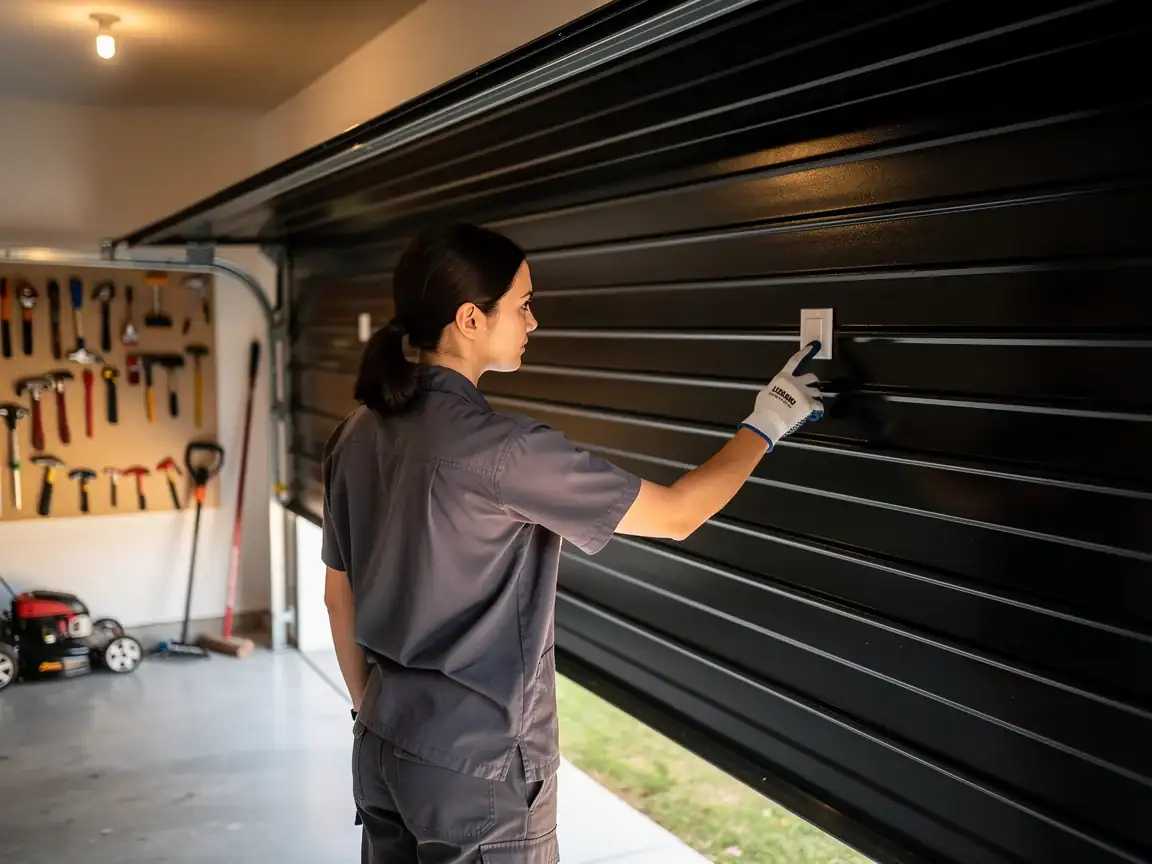
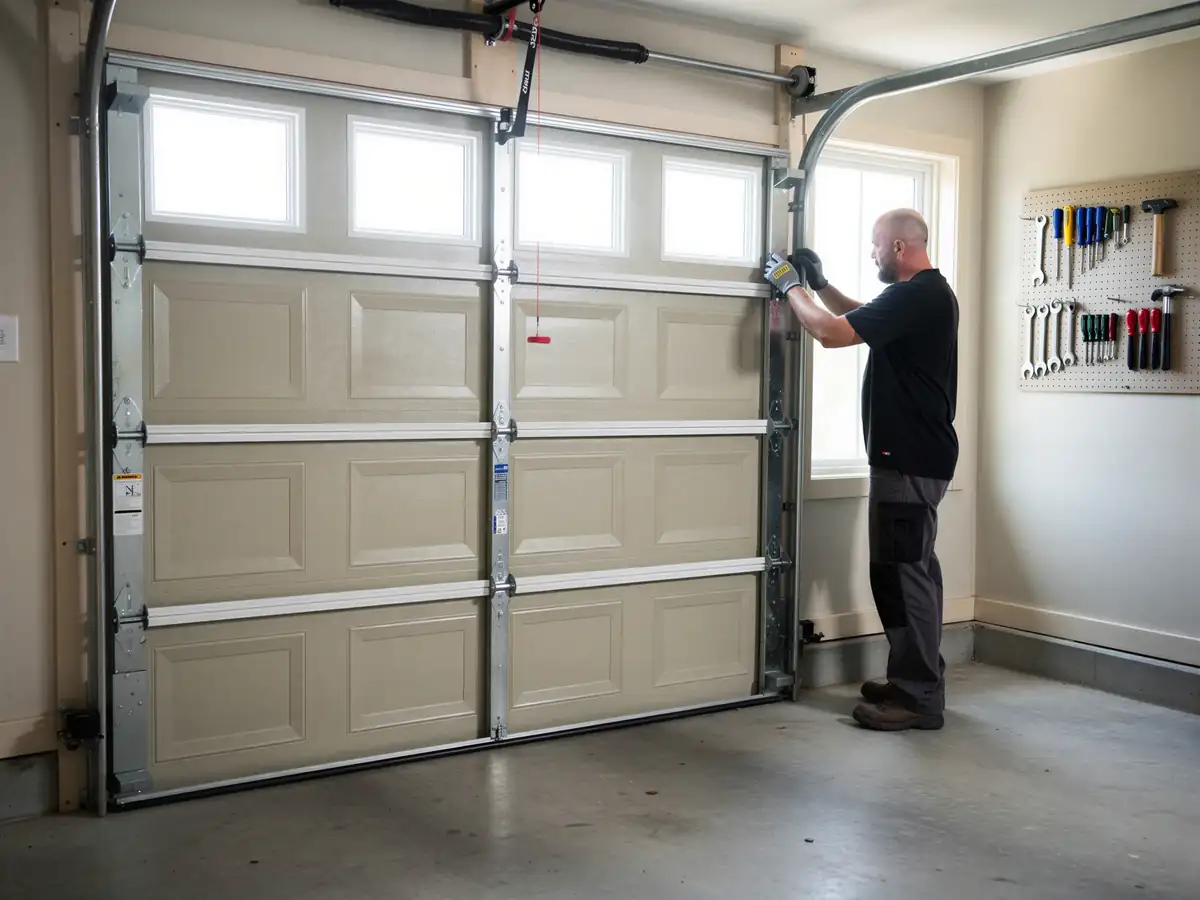
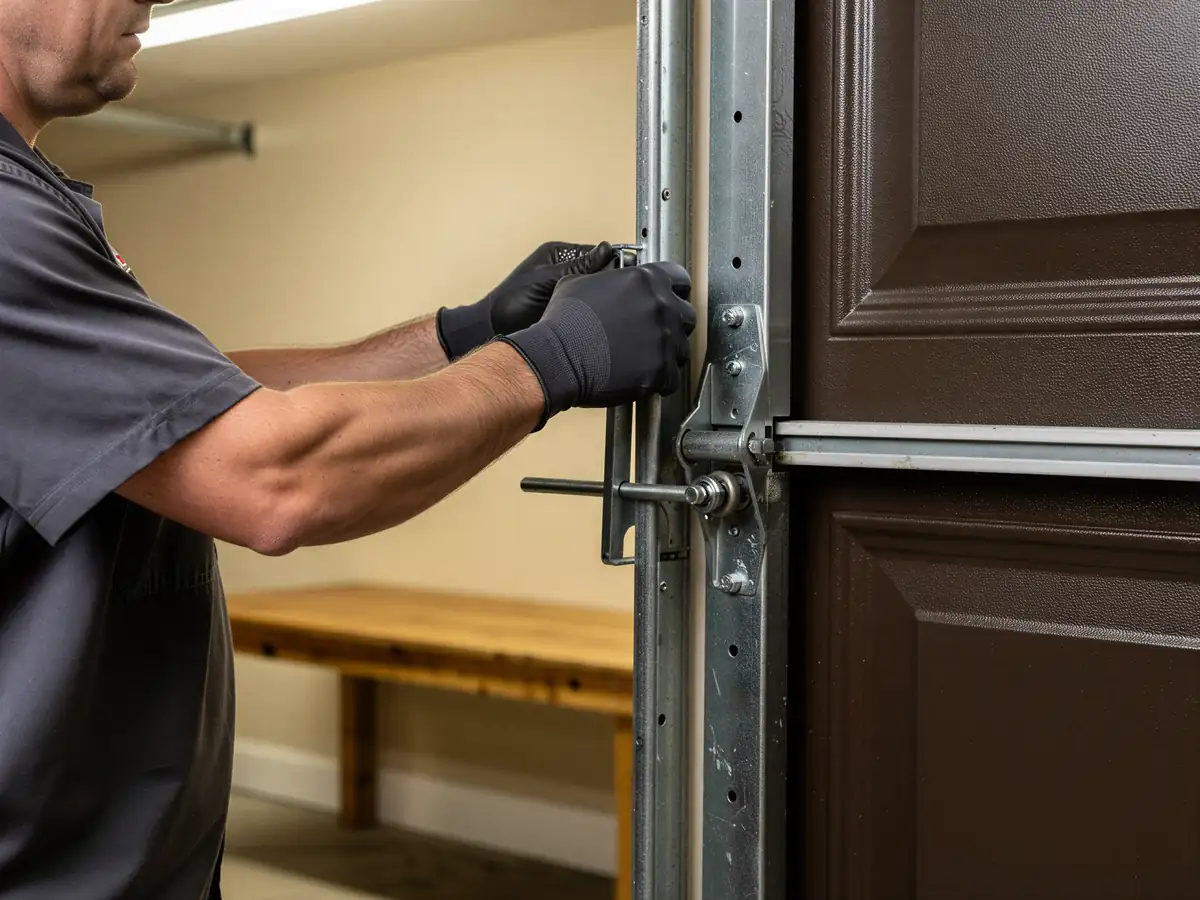
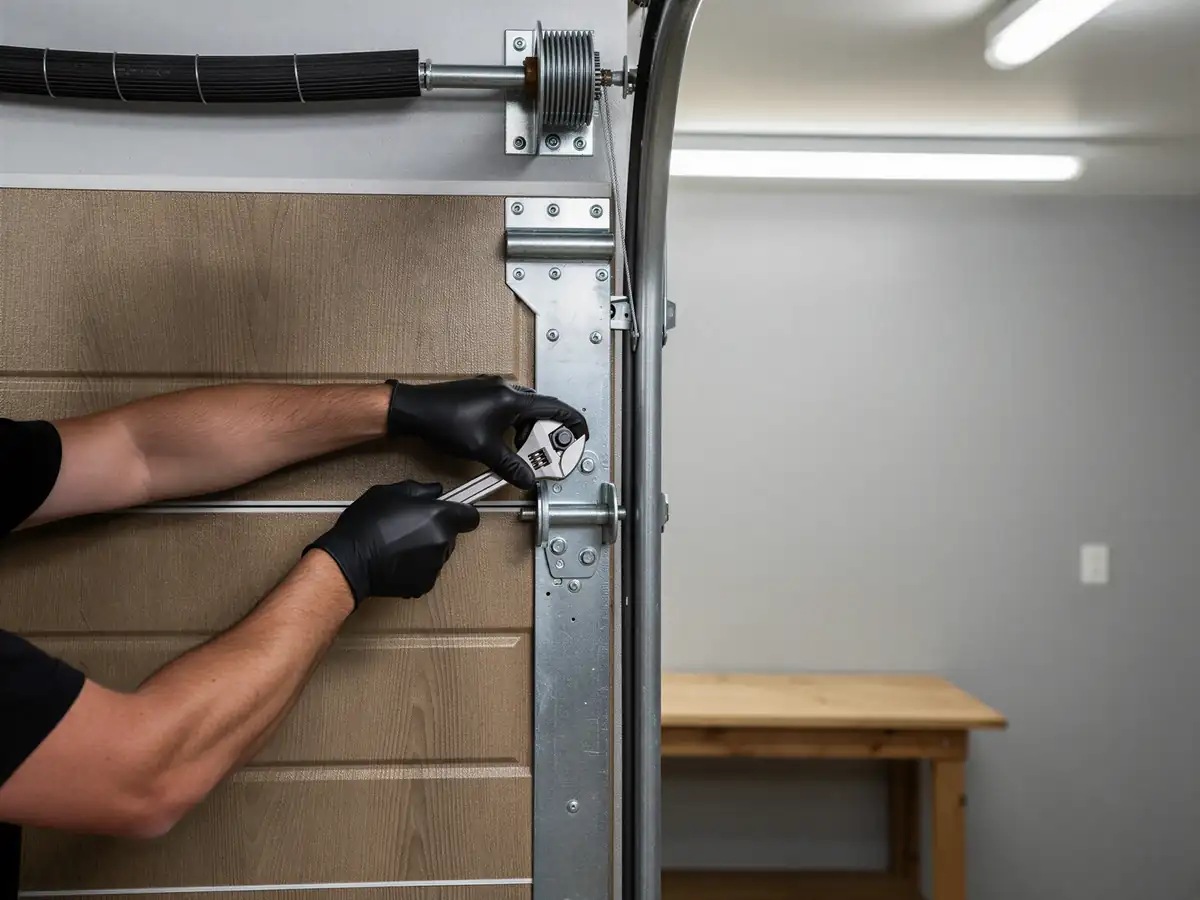
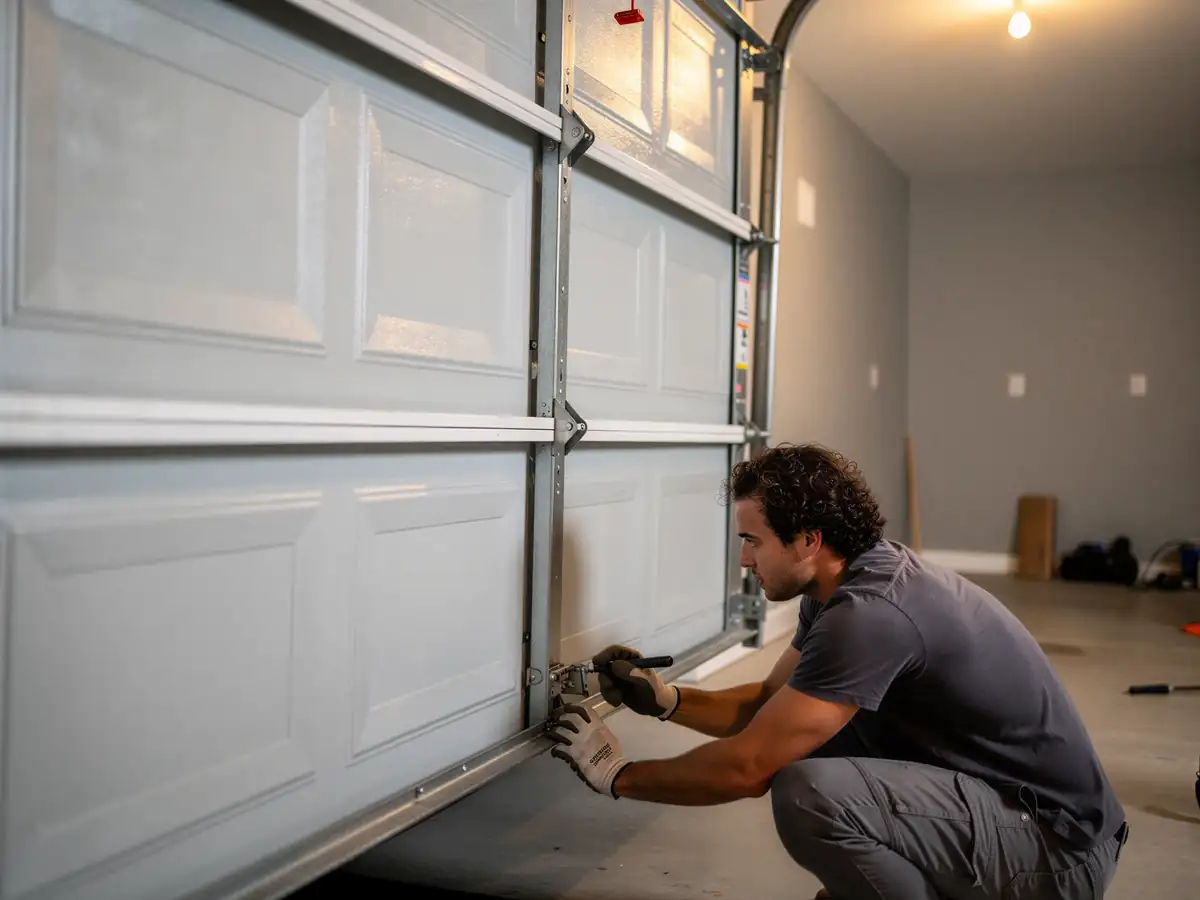
We size the spring to the door that's actually hanging there now, not the one the house came with - that means weighing or measuring the current door and setting spring tension to match, which is the fix for the lift-hard, close-fast complaint described above. On cable and drum issues we replace both cables as a pair even if only one shows fraying, since they wear at close to the same rate and a mismatched pair just moves the failure to the other side. For openers nearing the end of their service life on a 1980s-era house, we'll say so plainly rather than keep patching a gear set that's going to strip again in six months - sometimes a repair isn't the better spend. We carry common torsion spring sizes and standard track hardware on the truck; anything unusual, like an older low-headroom track configuration, may mean a short order delay.