How to Book
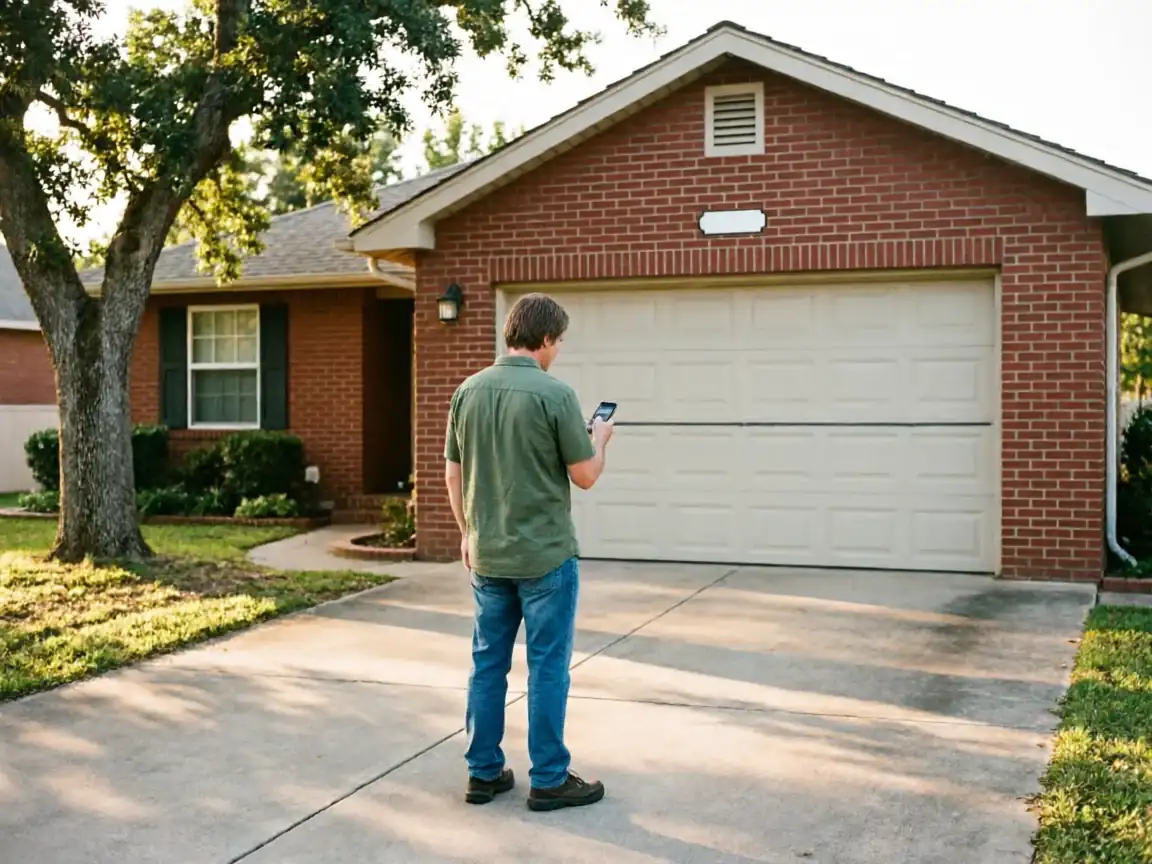
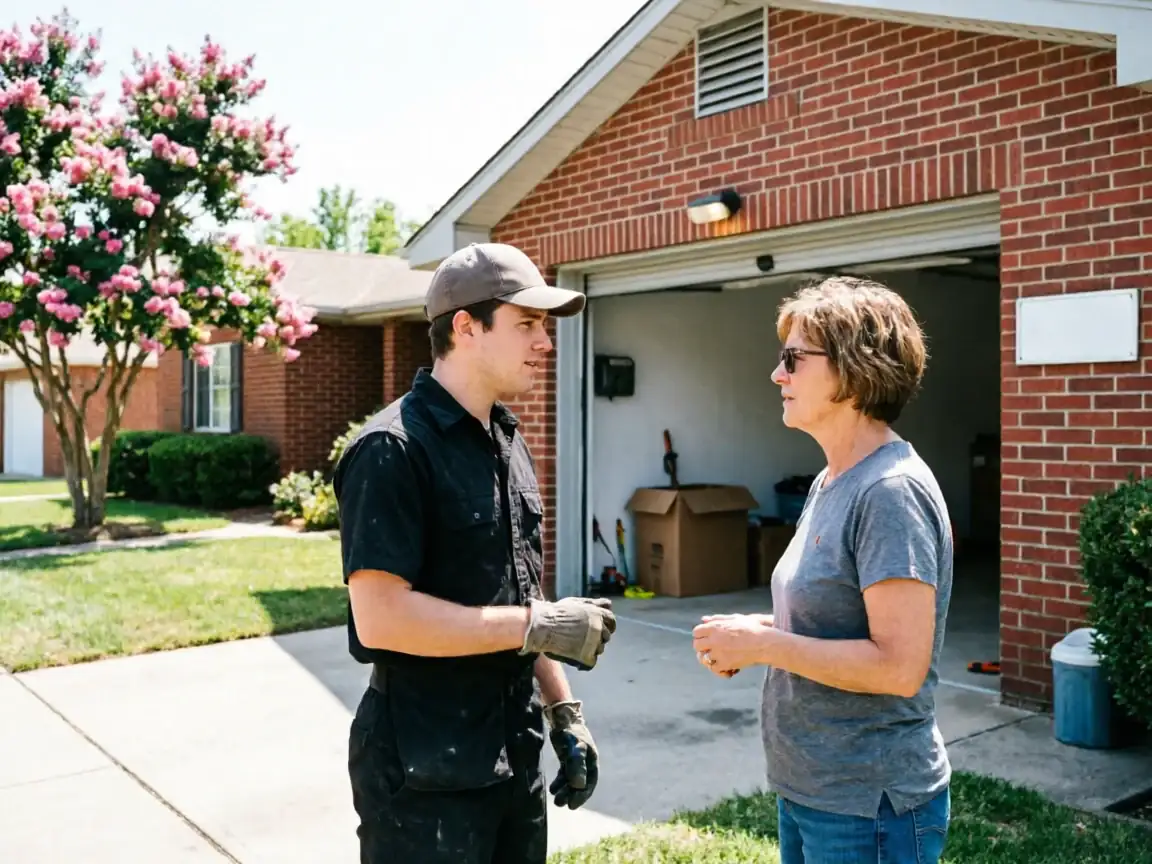
Deer Park sits four miles from our La Porte base, which is close enough that a spring call here doesn't get bumped behind the farther stops on the route. There's no Deer Park branch and no separate crew - every job rolls out on a truck based in La Porte, so when you call, you're booking a drive, not a dispatch from some call center that doesn't know the area. That short distance is also why we can usually work you into the same day rather than stacking you a week out. We cover the Deer Park area as part of the wider territory out of La Porte; if you want the full rundown of what we do out of that base, that's on the La Porte spring repair page, but this page is about the spring itself and what's actually failing on Deer Park garages. Tell us the door width, whether it's one spring or two, and whether it broke clean or is just sagging - that gets the right spring on the truck before we leave La Porte, which saves a second trip.
How It Shows Up
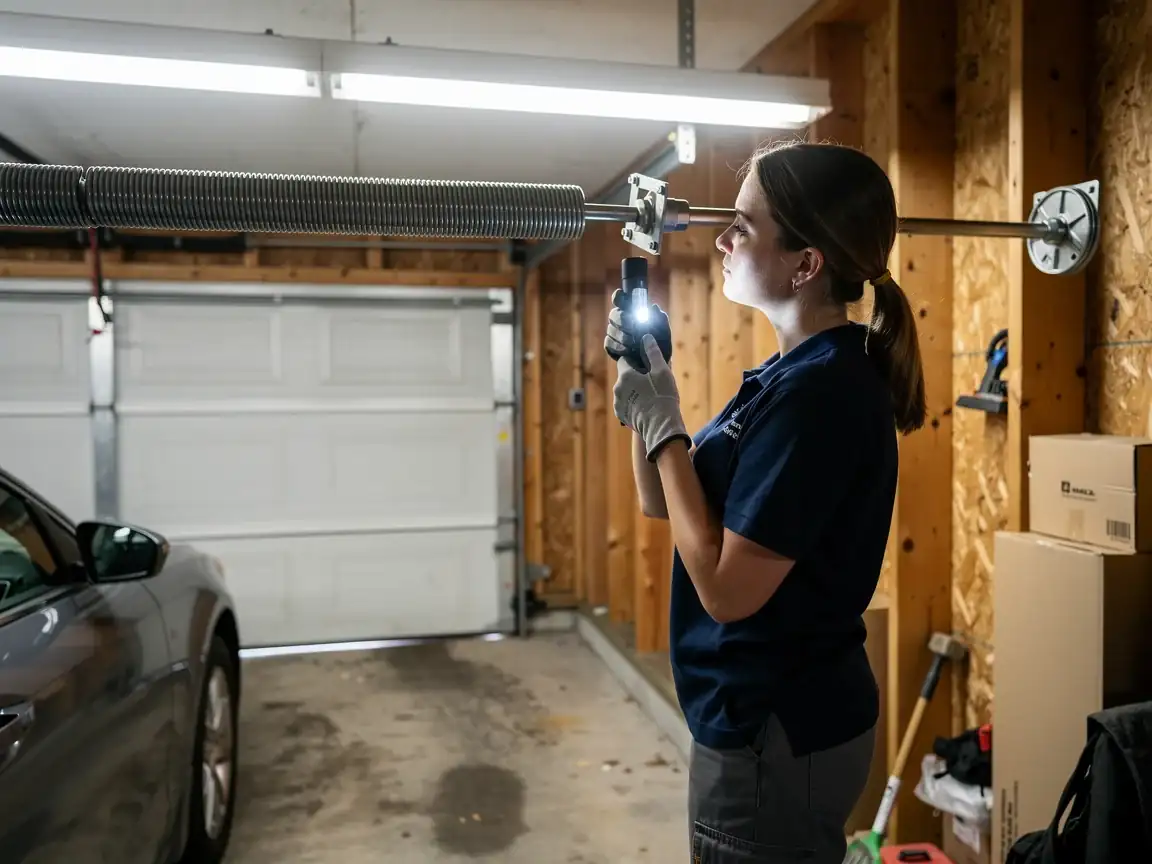
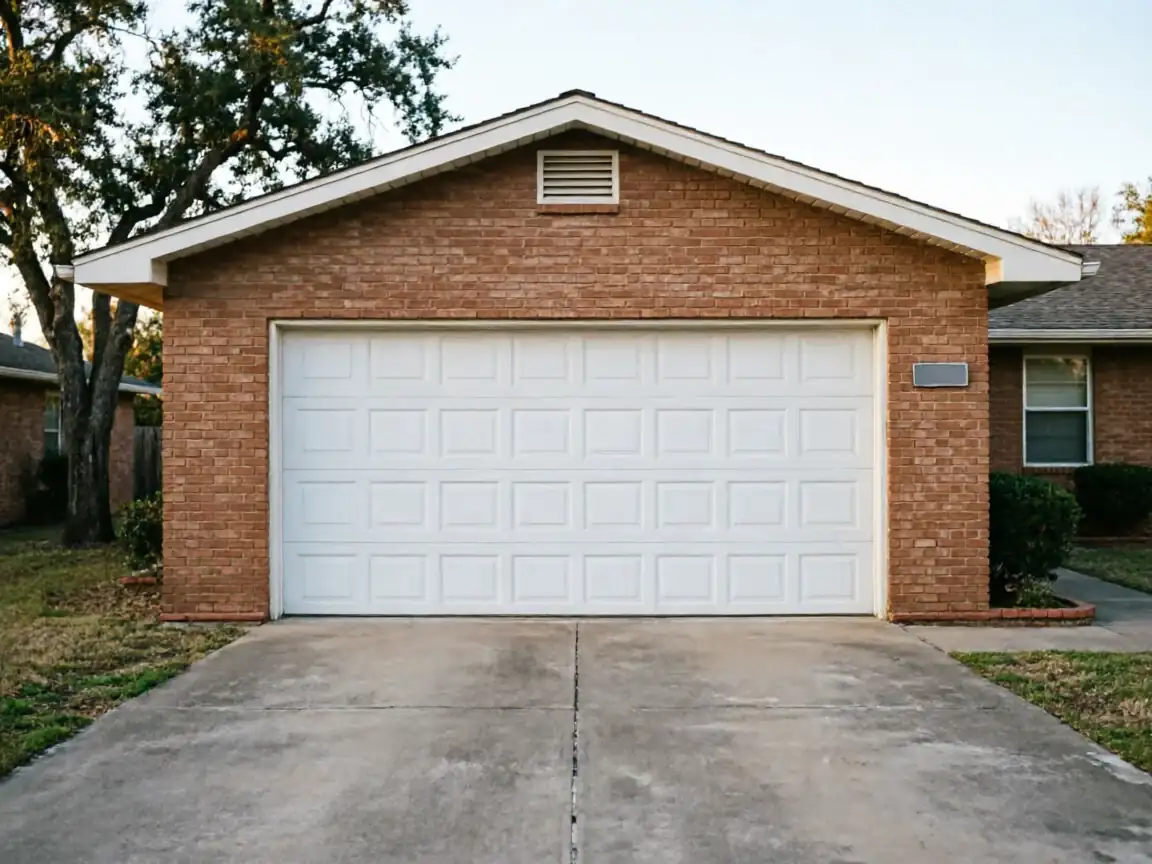
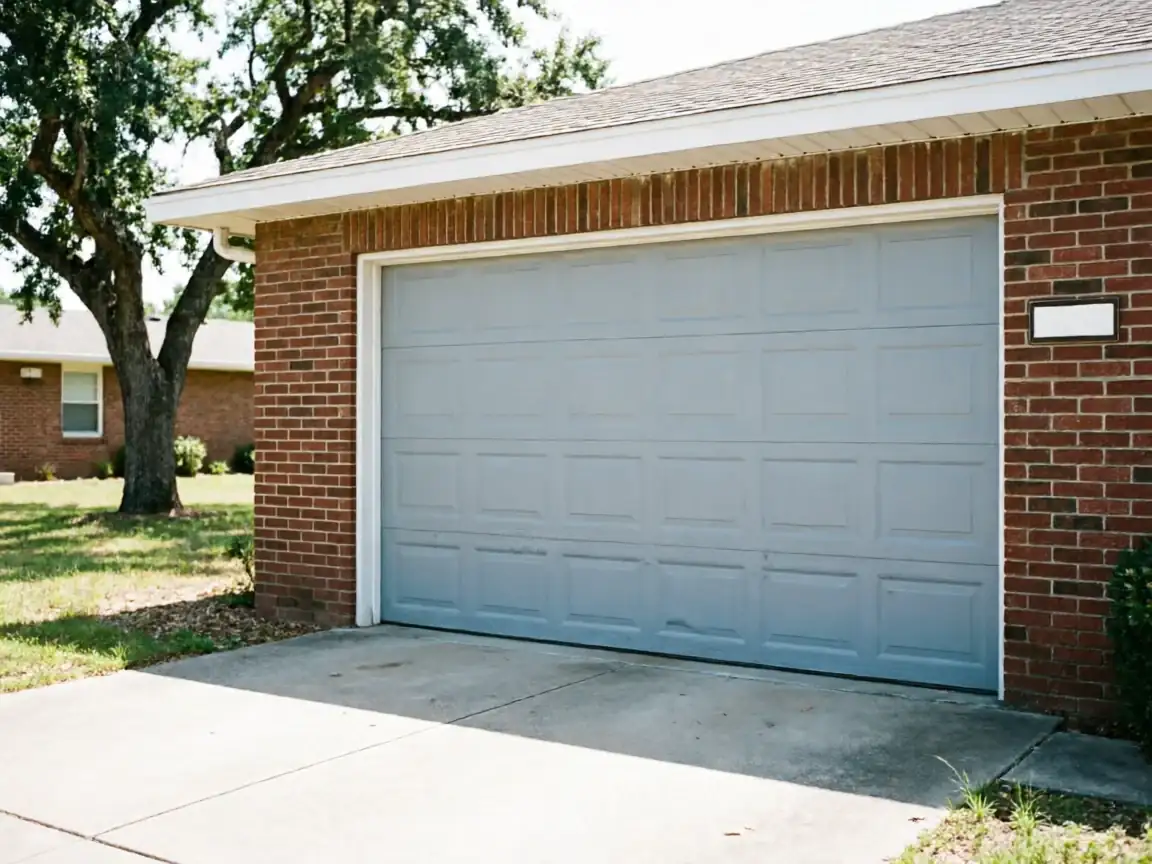
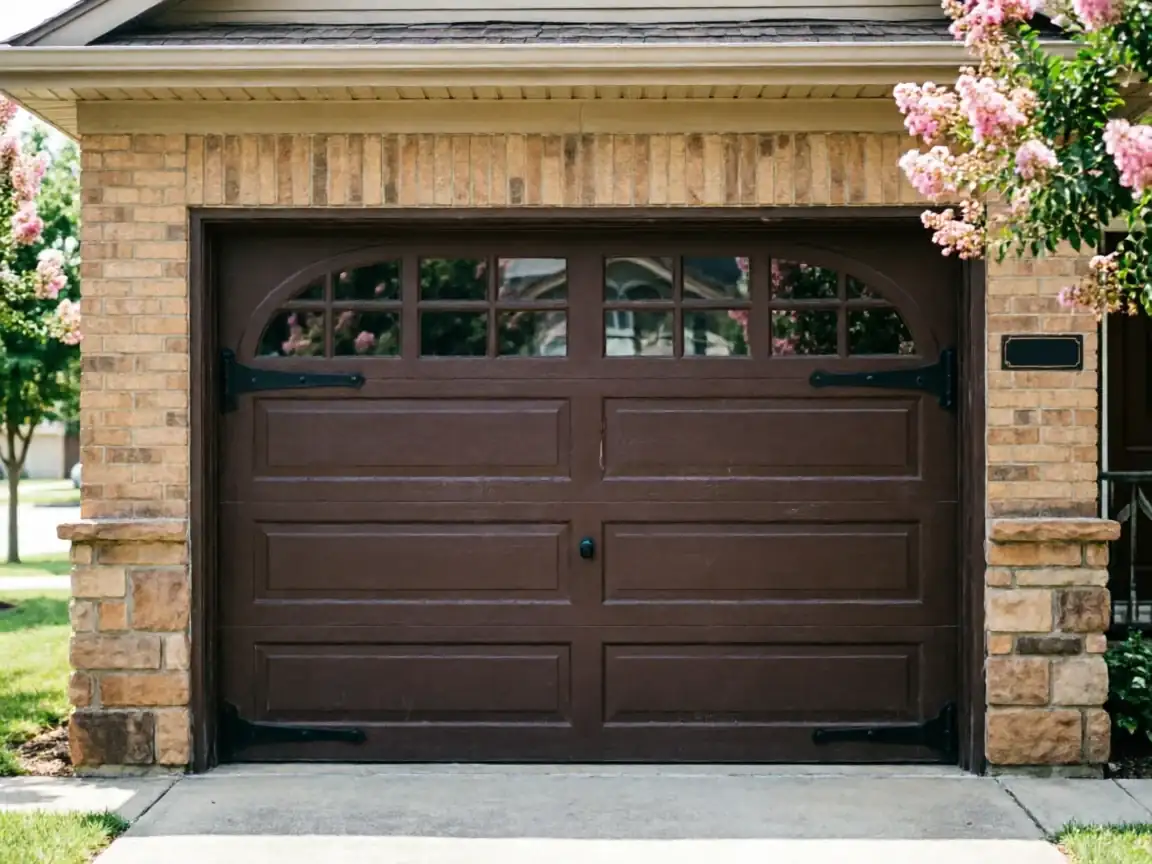
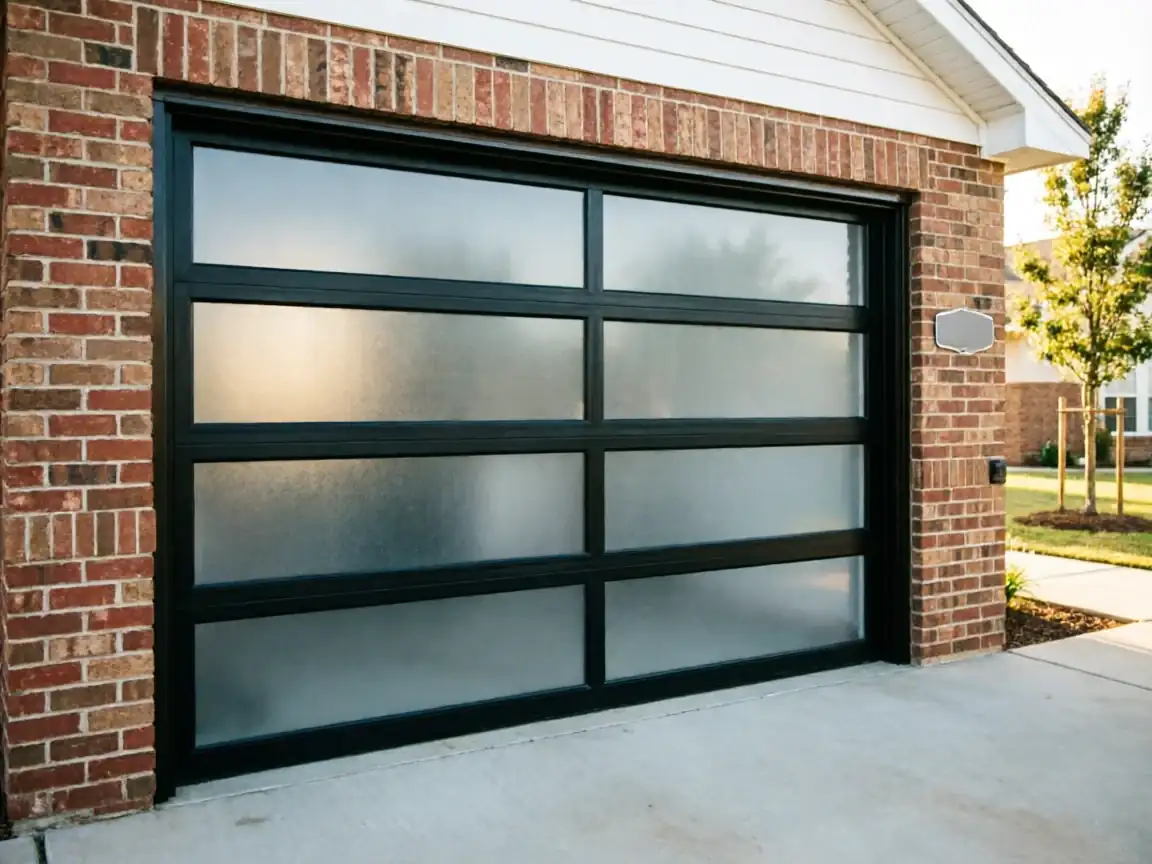
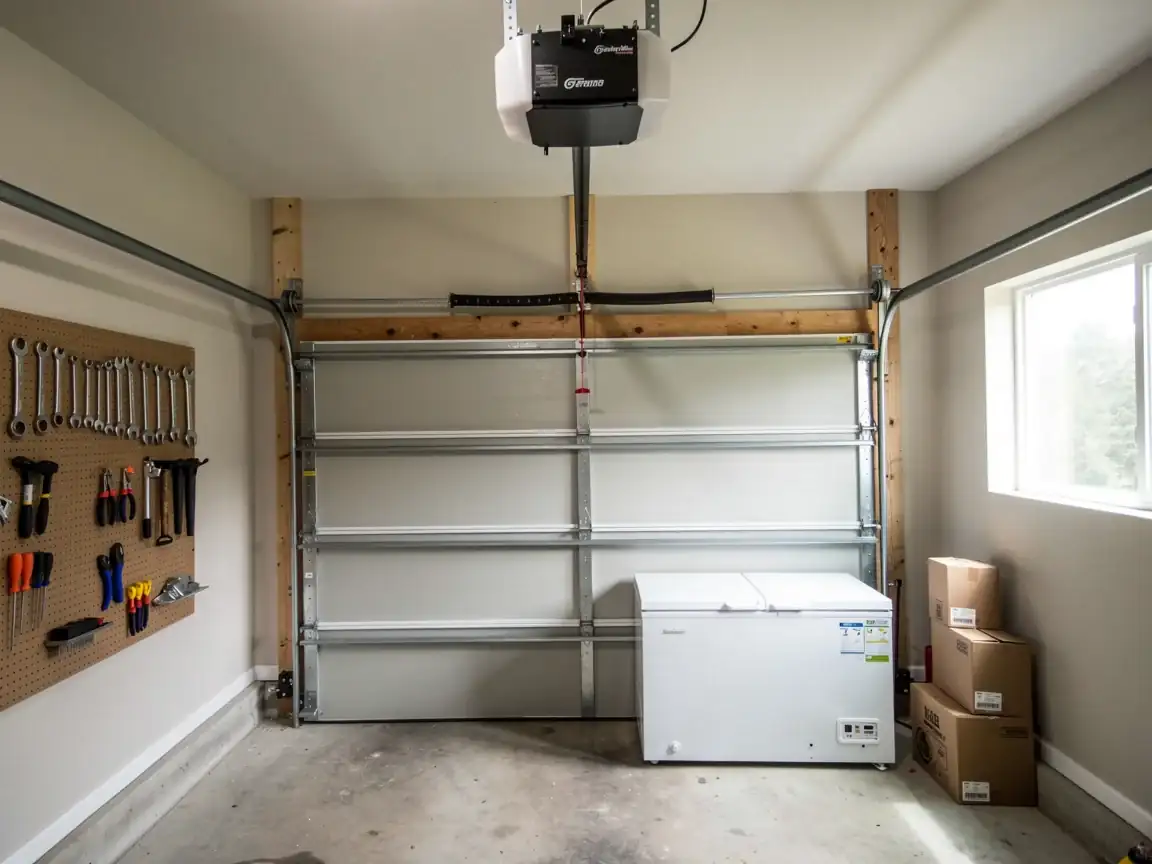
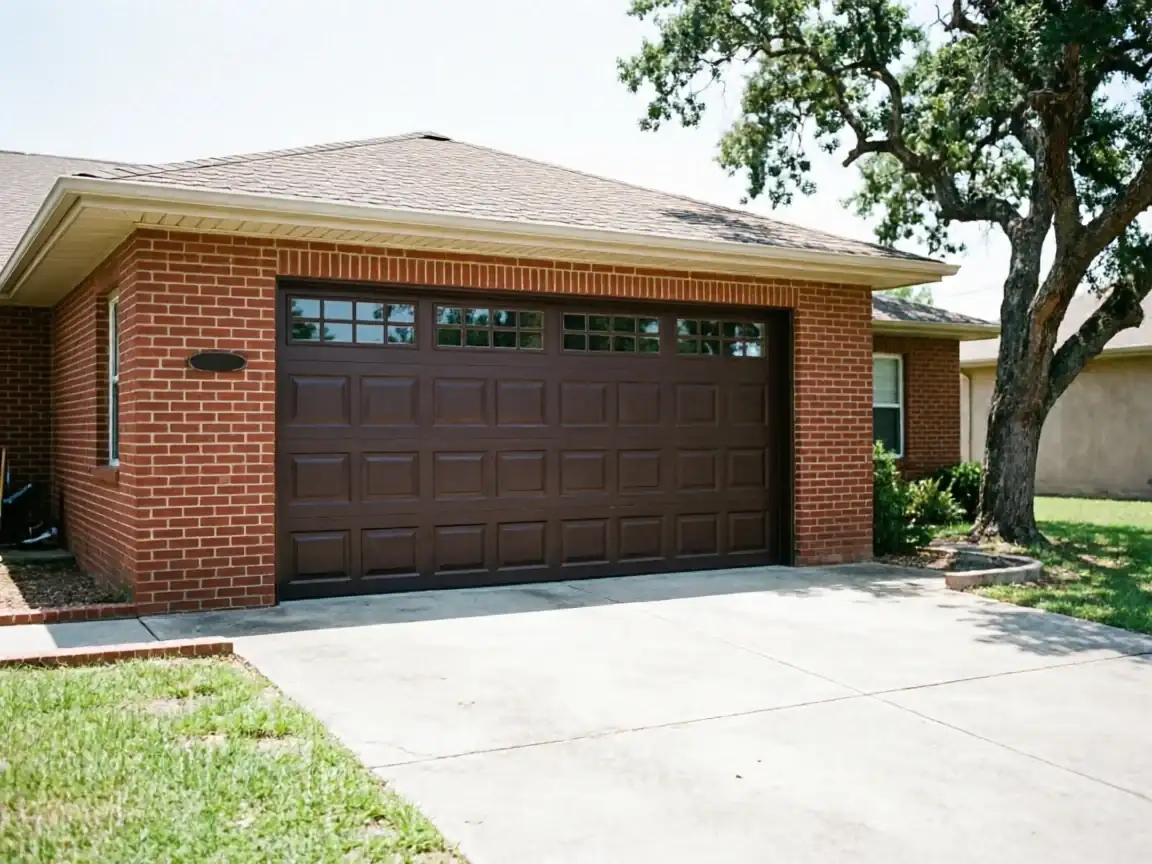
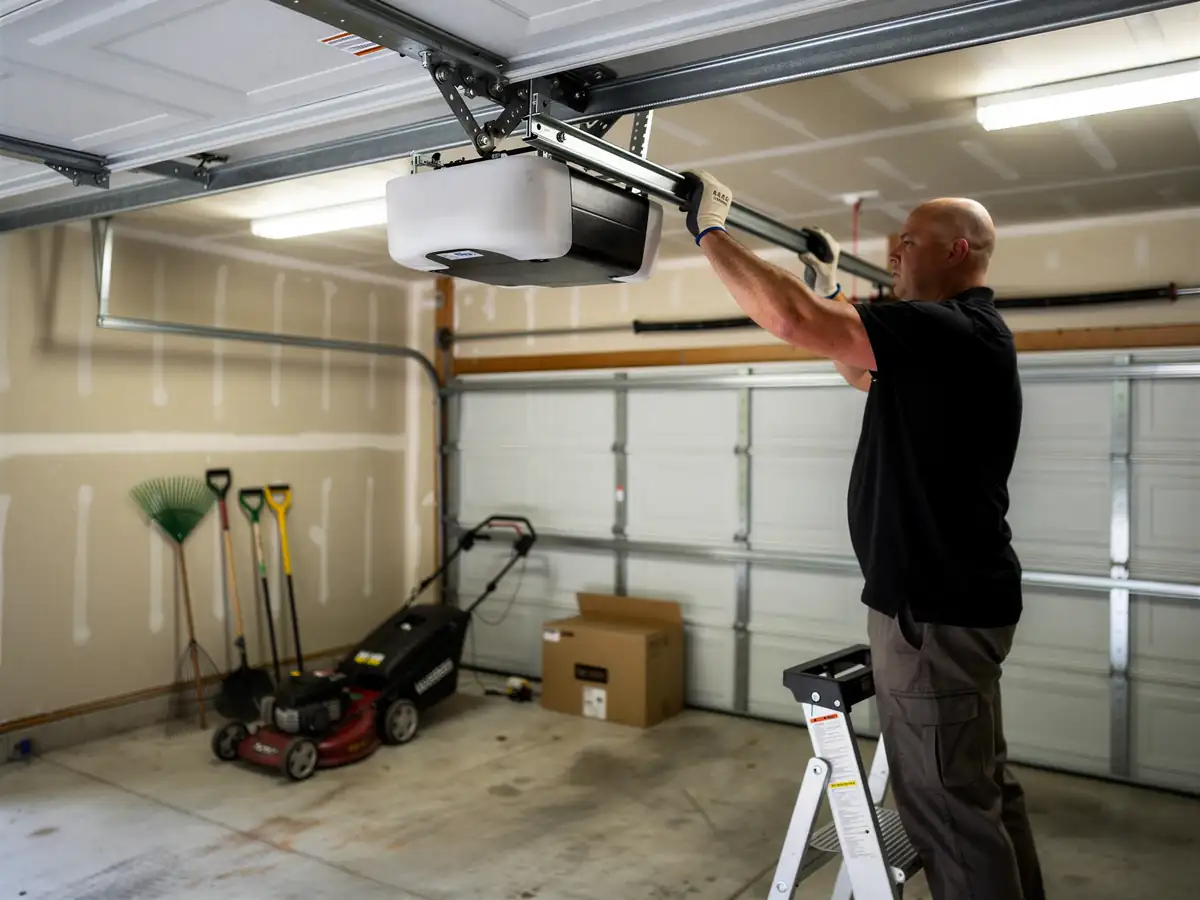
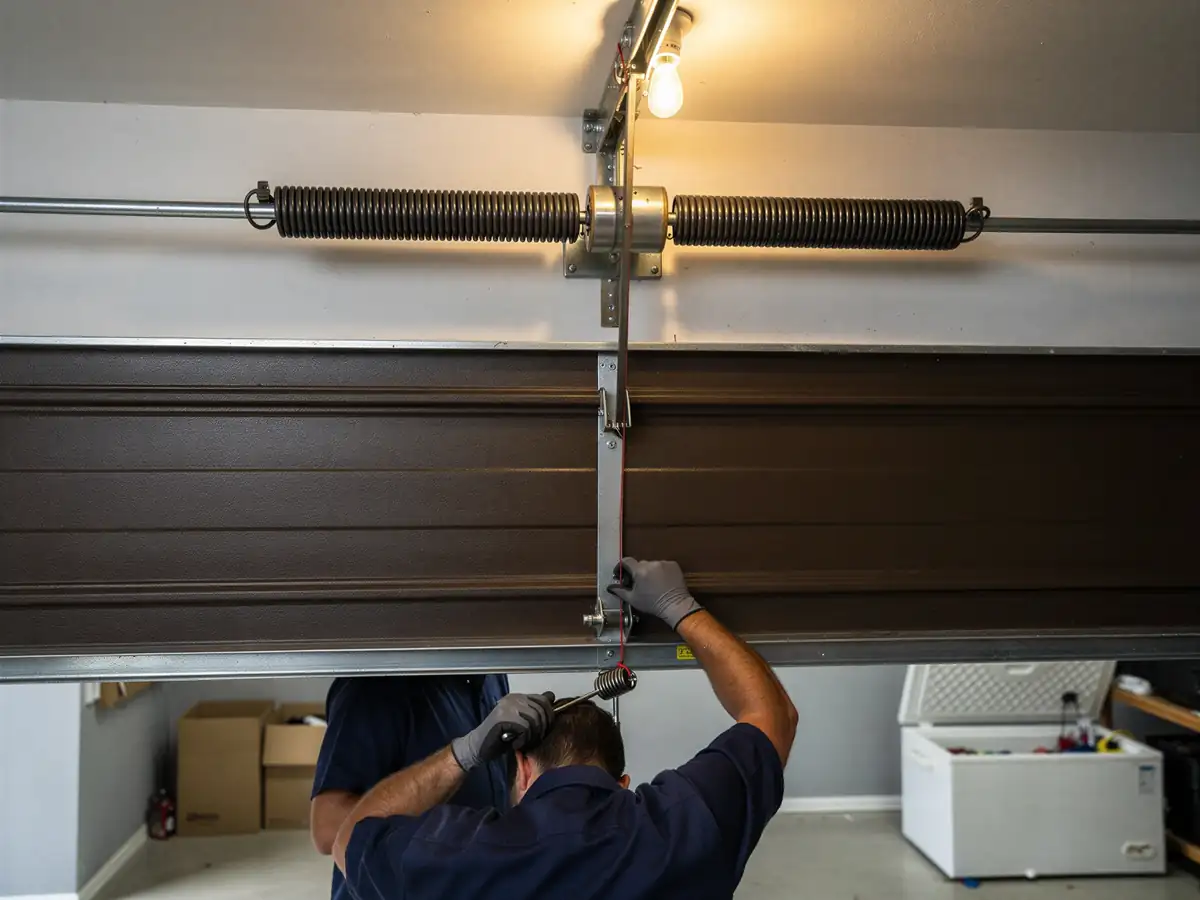
Deer Park's housing stock centers on 1981, a decade or so earlier than the newer construction mixed into the wider service area. A door that age is almost never on its original opener anymore, but it's surprisingly often still running its original torsion spring, because nobody thinks about the spring until it quits. You'll notice it first as a door that won't lift past a foot or two, or one that slams down instead of gliding - that's the spring no longer counterbalancing the weight of the panels. Sometimes it's quieter: a loud bang from the garage, usually mid-afternoon when the metal's warmed up and finally lets go. On extension-spring setups, common on garages from that build era, you'll see the spring stretched out along the horizontal track, sometimes with the safety cable snapped too. Either way, the door becomes dead weight the second the spring fails, and an opener will keep trying to lift it until the gears strip or the belt skips.
Why This Fails Locally
With a median year built of 1981, a lot of Deer Park's garage doors are past the 10,000-to-15,000 cycle rating a standard torsion spring carries, especially on houses where the garage doubles as a workshop or storage and the door goes up and down several times a day. At 11,829 households and a median income of $95,233 - notably above the roughly $77,315 average across the broader La Porte service area - Deer Park homeowners tend to replace a tired spring with a heavier-duty one rather than match the original undersized spring that shipped with the house in the 80s. That's usually the right call: a spring sized for the builder-grade door of forty years ago is often undersized for the insulated replacement door a lot of these houses have had installed since. We size the new spring to the door you have now, not the one the house came with.
How We Fix It
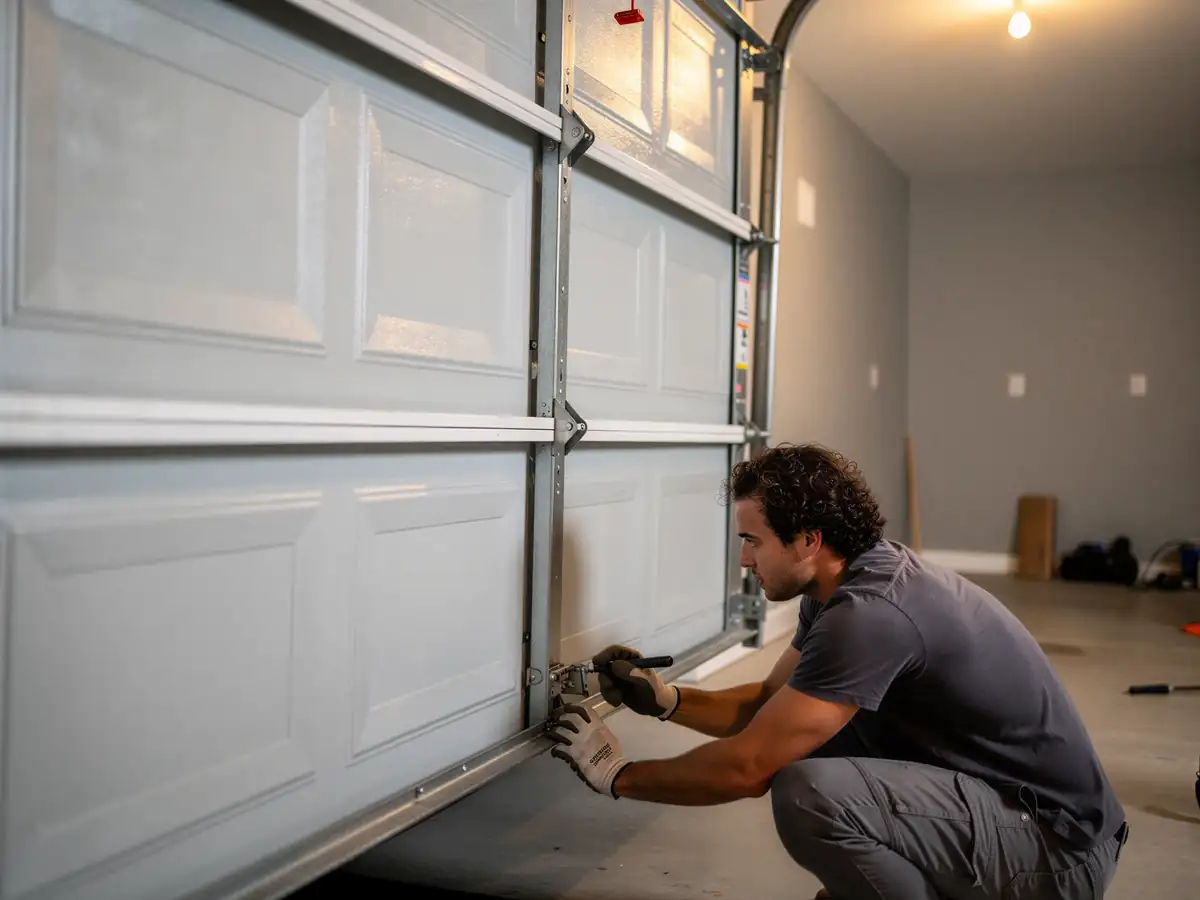
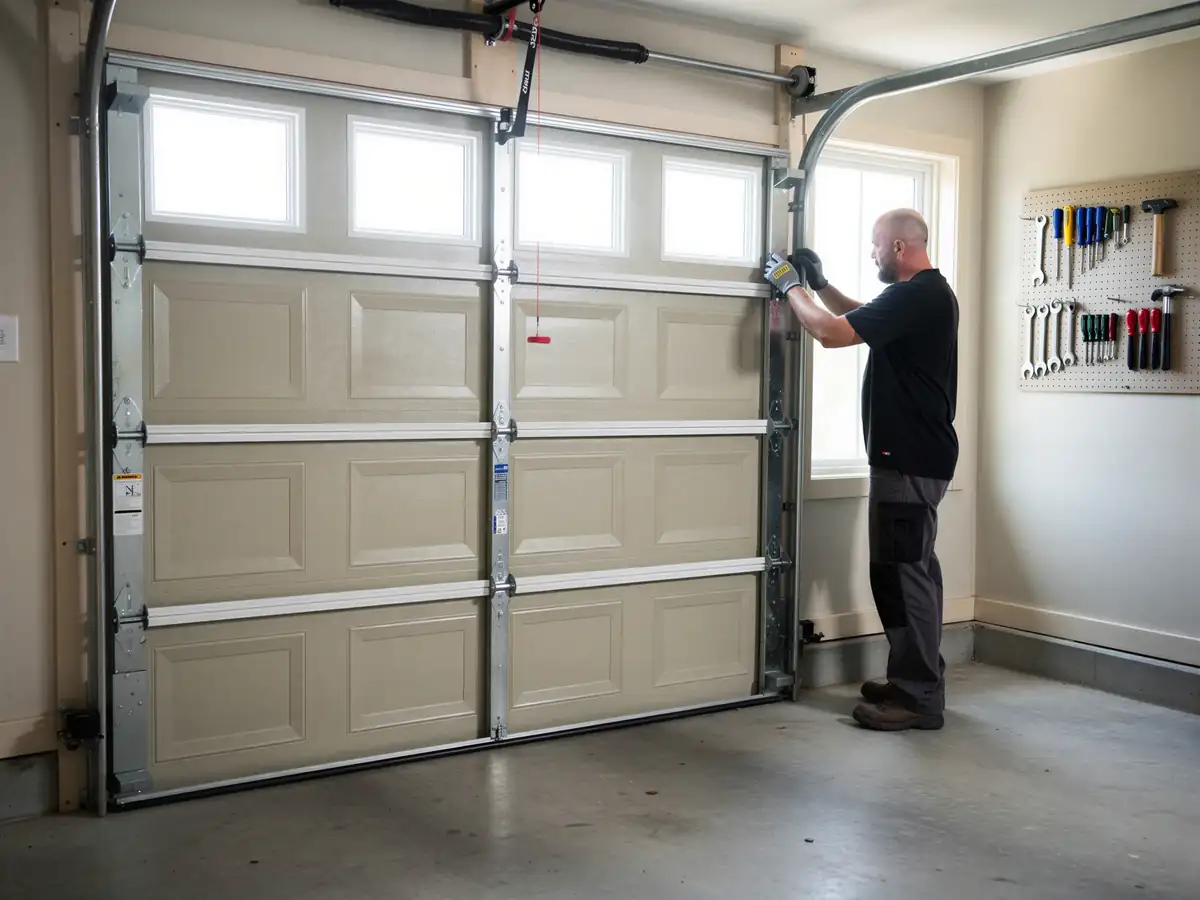
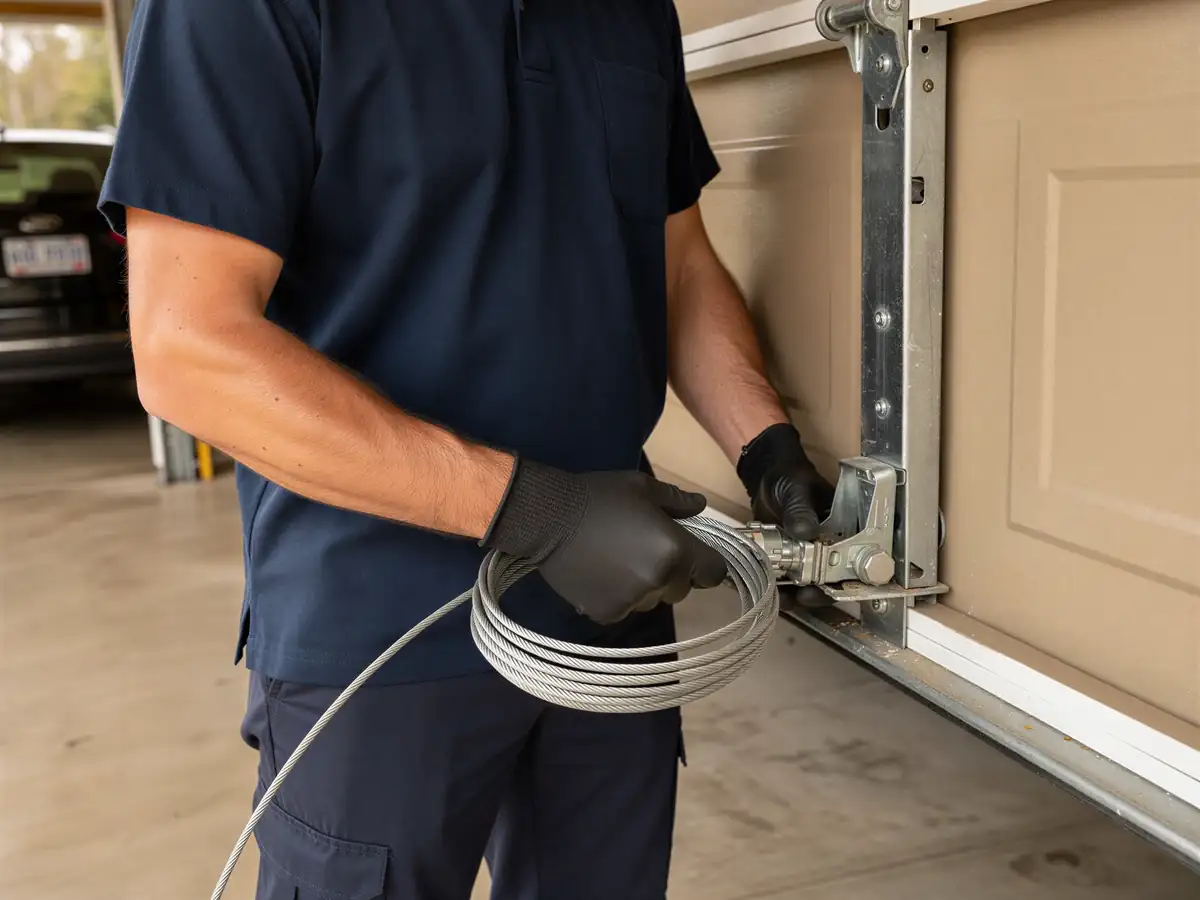
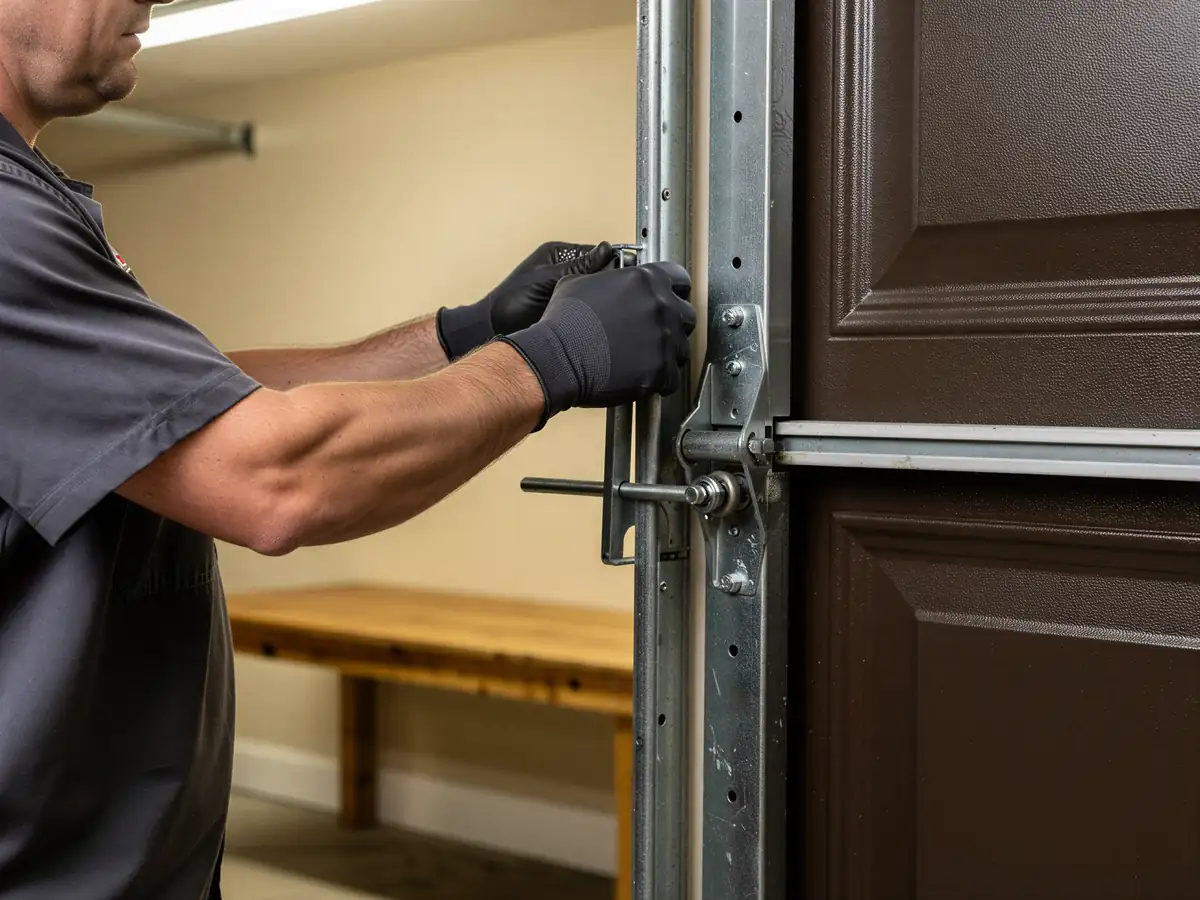
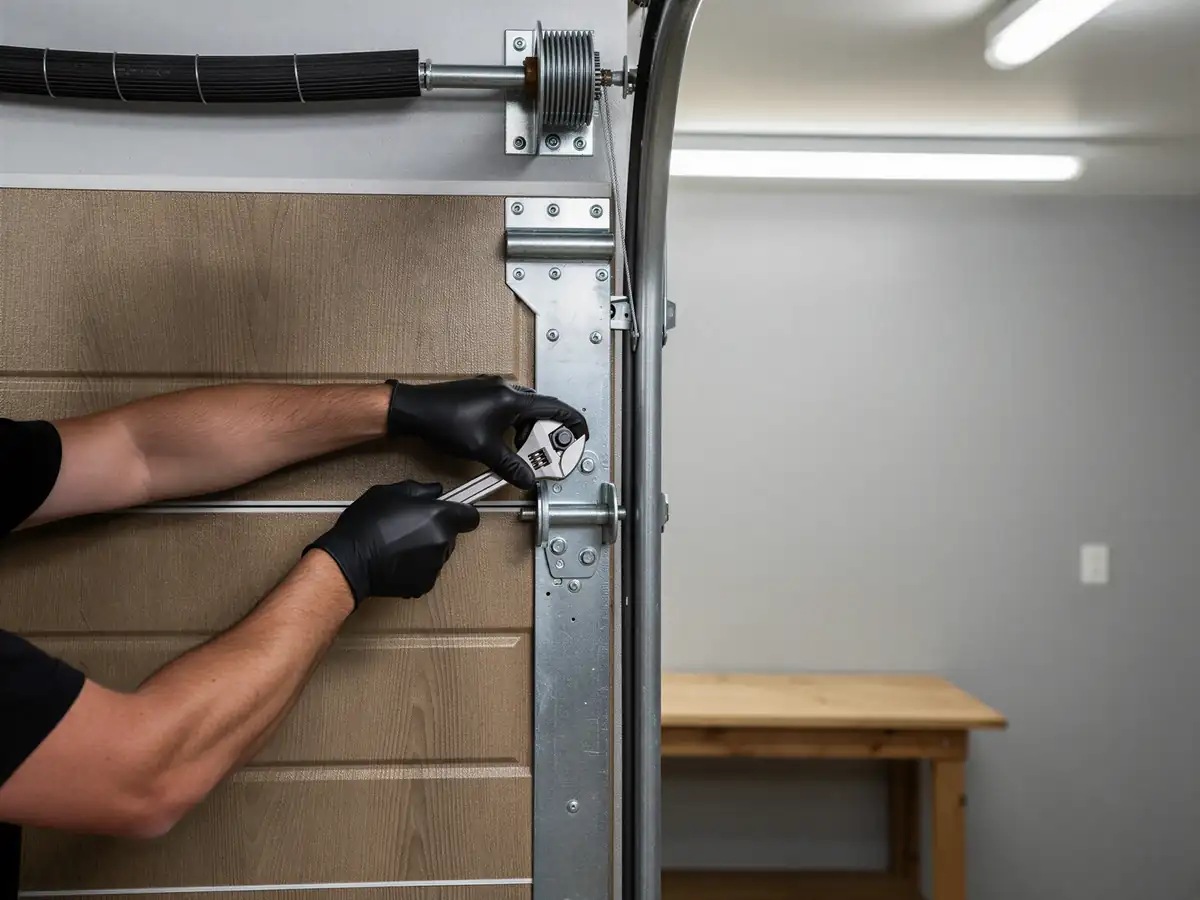
We replace torsion springs in pairs on double doors even if only one has broken, because the surviving spring on a door that old is close enough to the end of its life that it isn't worth a second trip. We measure the door's actual weight, not just its listed size, since a lot of these houses have had a heavier insulated door swapped in over the original builder door, and we match the spring's wire size and wind length to that weight rather than reusing whatever was on the drum. On extension-spring setups we replace the safety cables at the same time - if the spring let go once without a cable to catch it, that's the detail that matters most. Everything comes off the truck based in La Porte, so the spring stock on hand reflects what the service area's mixed housing ages actually need, not a one-size assumption.