How We Fix It
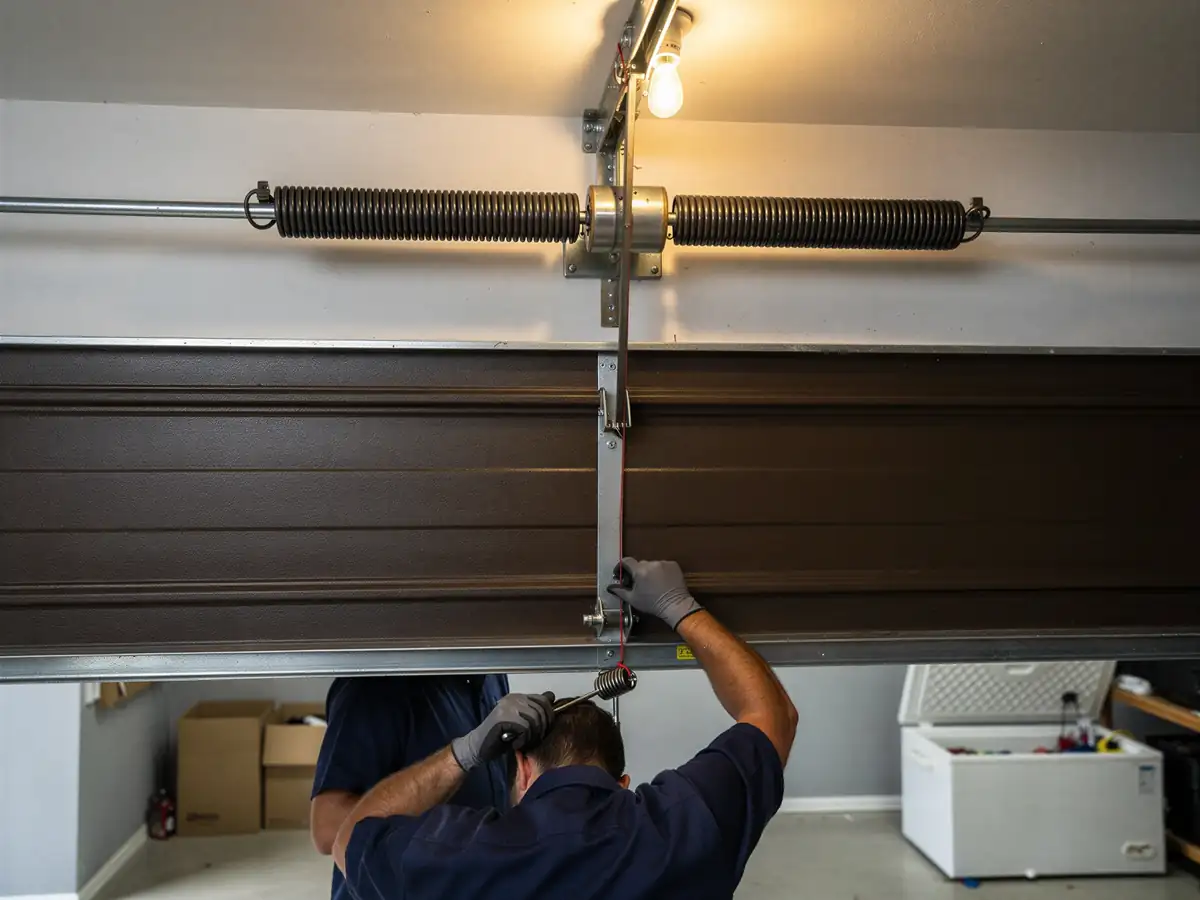
Seabrook's housing stock centers on a median build year of 1991, a few years newer than the 1984 median across the wider area we cover out of La Porte. That gap matters more than it sounds. A door built in 1991 is almost certainly on torsion springs with galvanized aircraft cable running over steel drums, not the older plain-steel cable and extension-spring setups you still find on pre-1980s doors elsewhere in the coverage area.
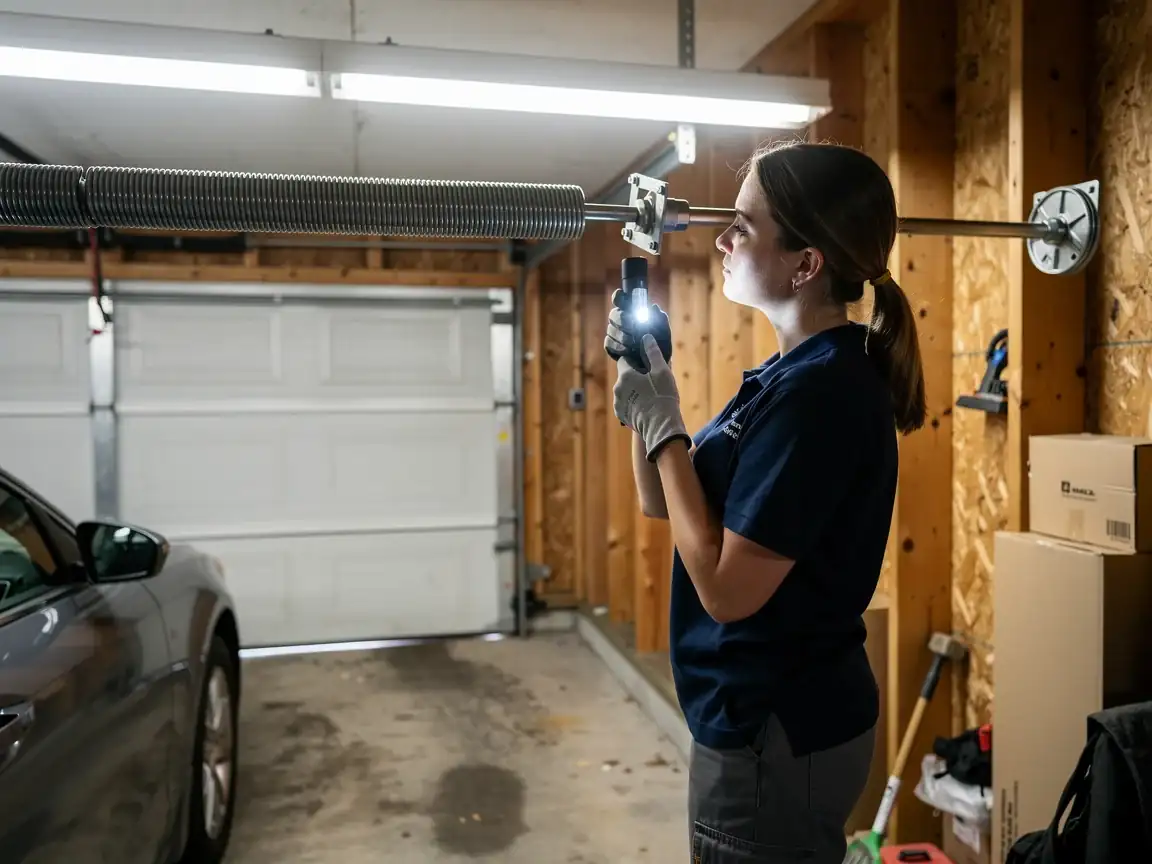
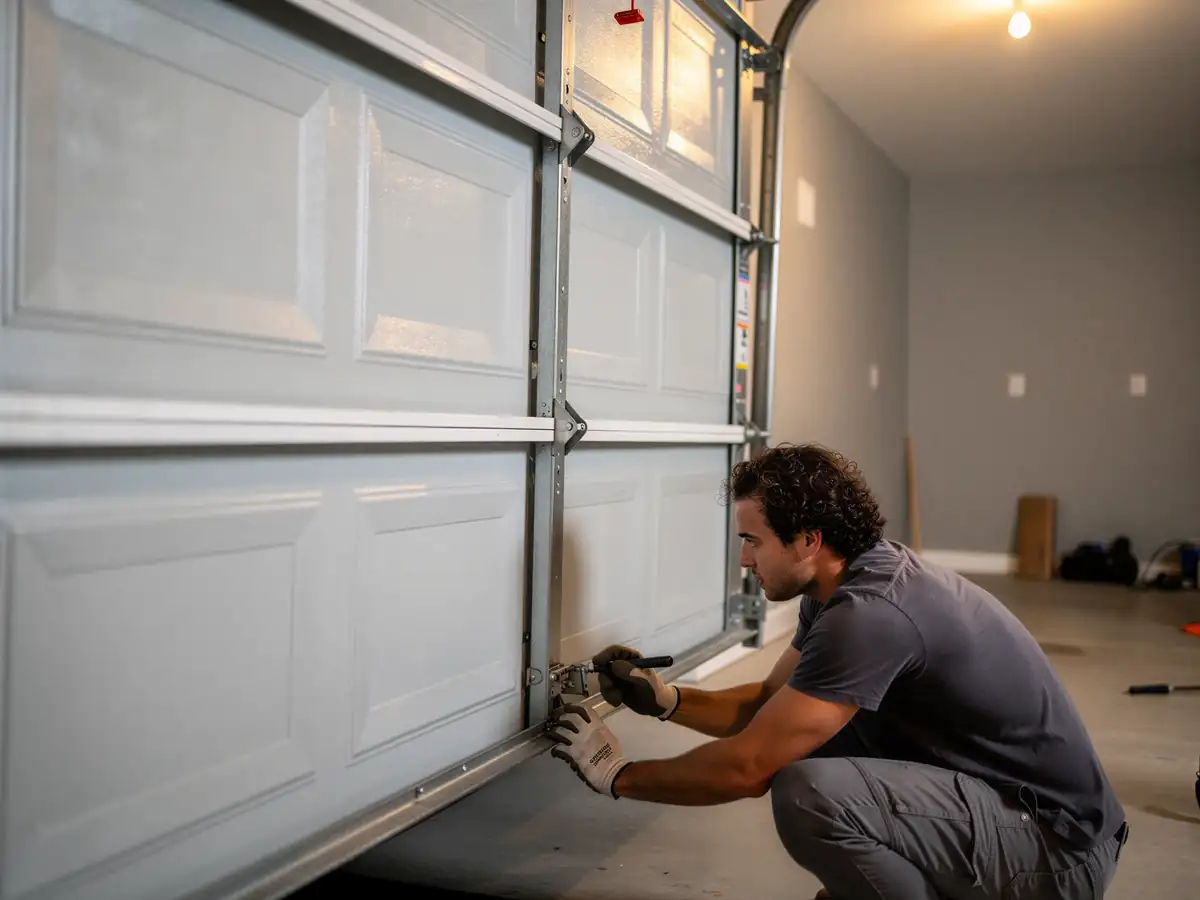
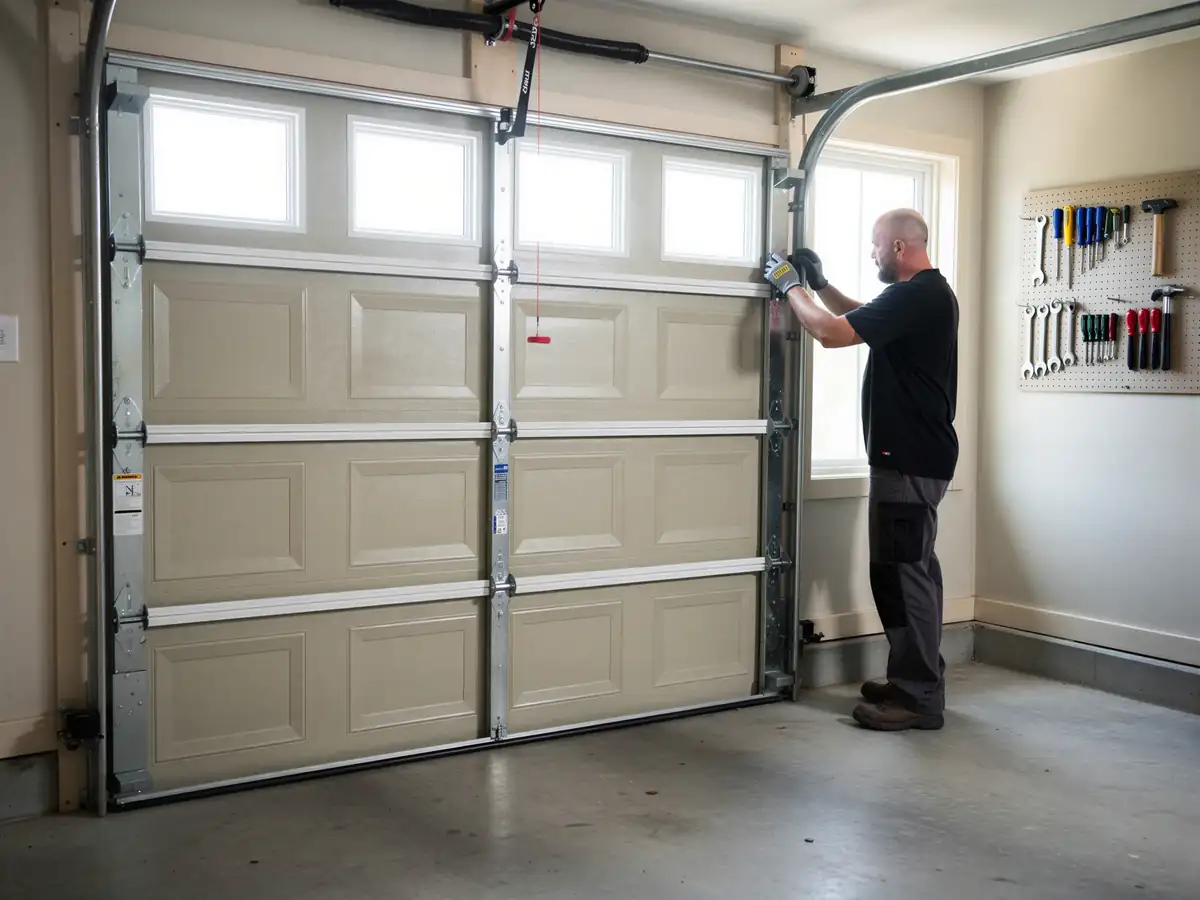
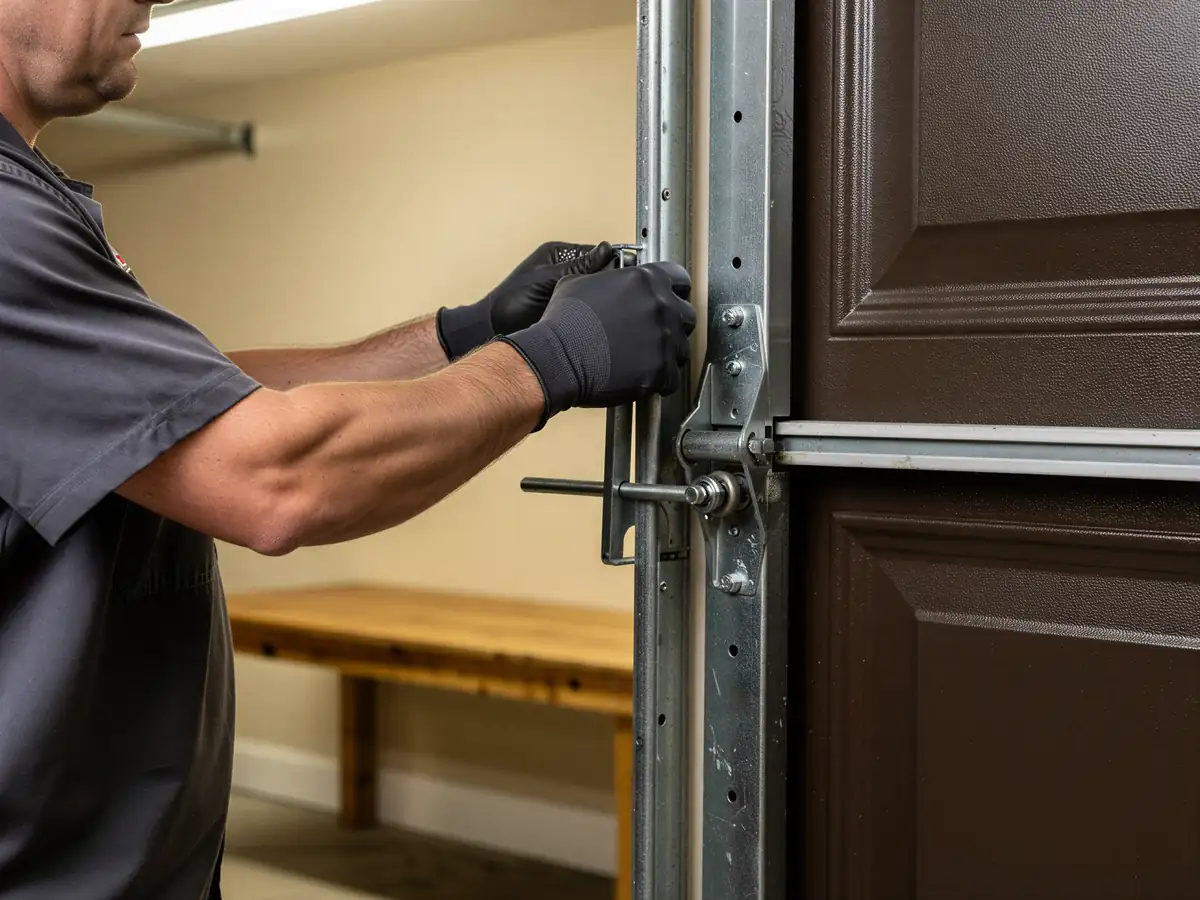
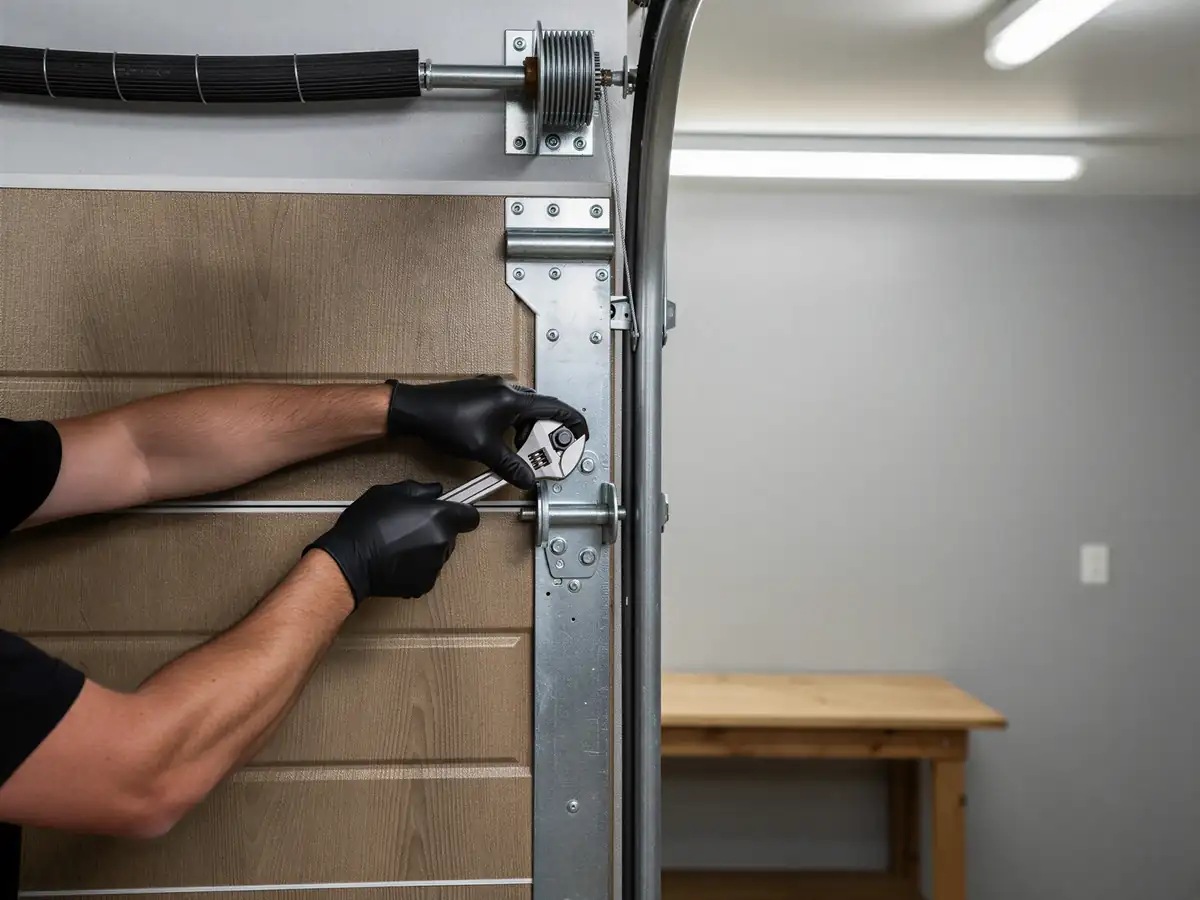
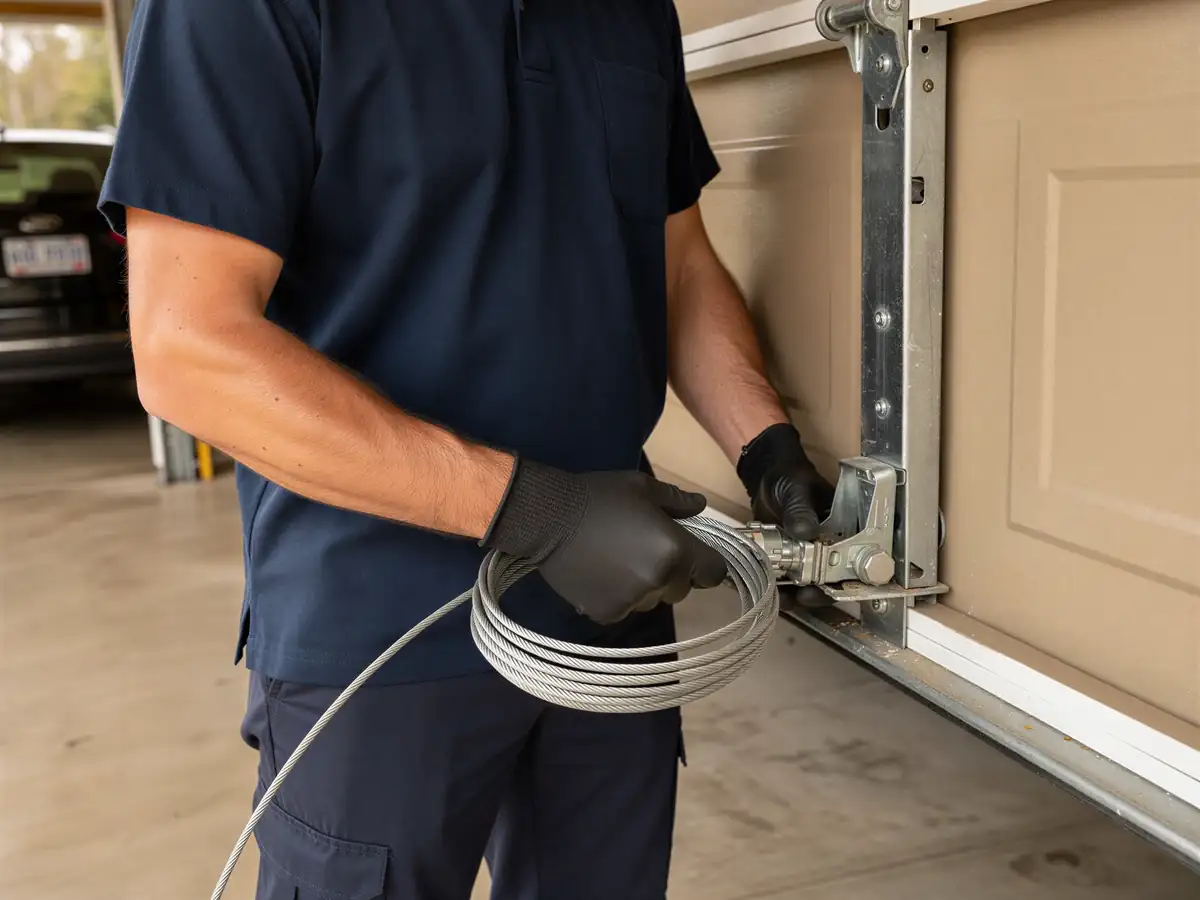
When a cable snaps on a torsion system, the door usually drops unevenly and jams in the track on one side, because one cable is still holding tension and the other isn't. We unload spring tension first, pull the broken cable and drum, check the other side for wear since cables on both sides age at close to the same rate, and run new cable matched to the door's drum size and track height.
We travel to Seabrook from La Porte, about six miles. That's a quick run, but we're not based in Seabrook, so we don't carry every drum size on the truck for every door era. If your door is older than the 1991 median, we may need to confirm the drum spec before we cut new cable. That's the one honest limitation on this job: we match what's on the door, we don't guess.
What You Pay
We don't have a posted price list for cable repair specific to Seabrook, and we're not going to invent one. What we can say is that Seabrook sits at the higher end of the income range across our coverage area, with a median household income of $109,489 against a $77,315 median for the broader area. That doesn't set your repair price, but it does mean most homes here are the kind where a cable job gets done once, correctly, rather than patched twice.
Cable repair pricing generally comes down to three things: whether one cable failed or both need replacing, whether the drums or bearing plates got damaged when the cable let go, and whether the opener needs reprogramming after the door is back on track. None of that is Seabrook-specific; it's door-specific. We'll tell you what we find before we cut anything, and the number reflects the door in front of us, not a rate card.
Why This Fails Locally
Seabrook has 5,545 households, smaller than the 77,380 households spread across the whole area we serve
But the housing here clusters tightly around that 1991 median. That means a lot of doors in Seabrook are hitting the same age at close to the same time: cables that were installed with 1990s-spec galvanized coating are now thirty-plus years into a climate band we'd call mild with occasional freeze.
Galvanized cable holds up well against humidity
But it still work-hardens over thousands of open-close cycles. The strands near the bottom bracket, where the cable bends around the roller, start to fray first. You'll see rust-colored dust on the floor under the door before you ever hear the snap. In a town built mostly in one era, we see that same fraying pattern on a lot of calls, because the doors are all roughly the same age and the cable was never a lifetime part to begin with.
The Complications
The complication in Seabrook isn't the climate so much as the clustering. Because so many doors here were installed within a few years of the 1991 median, cables tend to fail in batches as homes hit the same cycle count, not spread evenly across decades the way they might in an area with a wider build-year range. If one cable goes on a double door, we always check the other side, because it's usually not far behind.
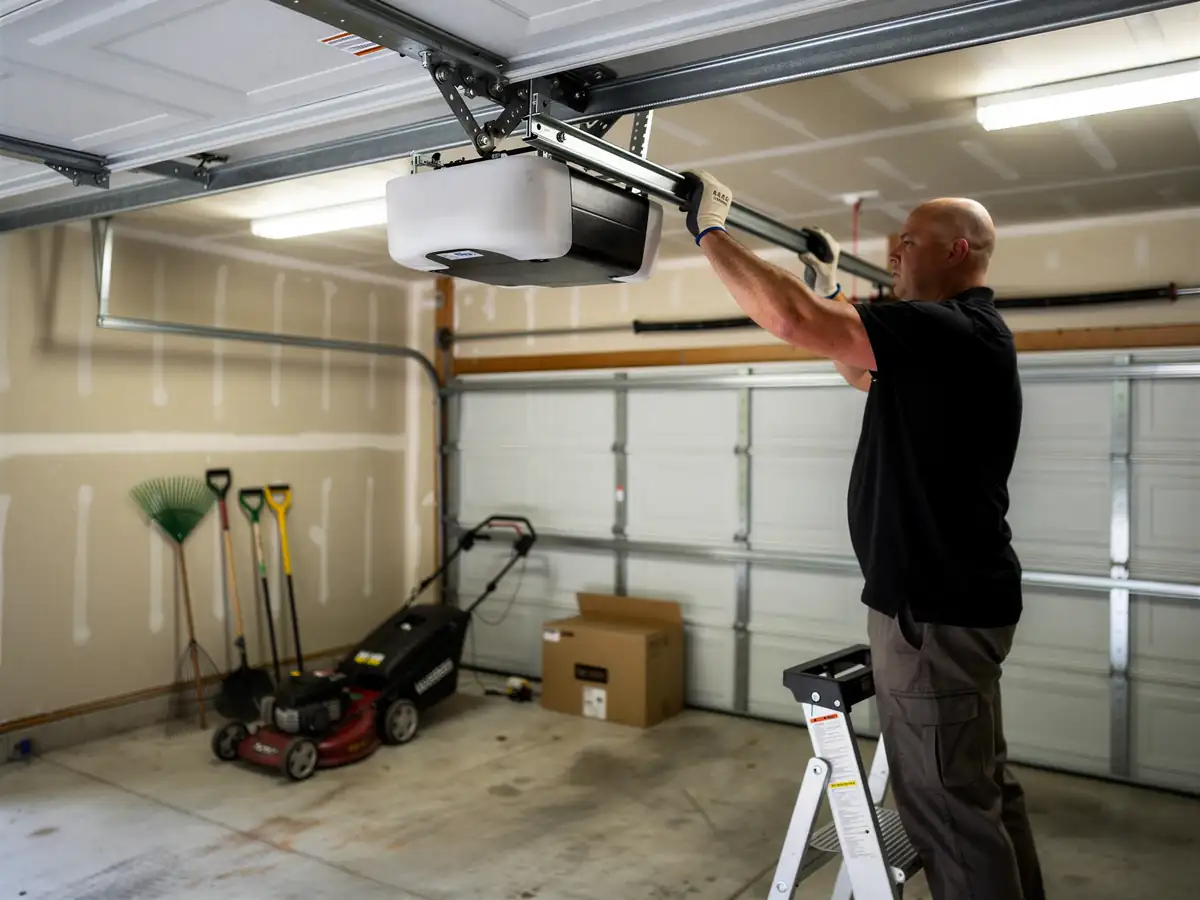
We also watch for opener-side complications. A lot of 1990s doors were retrofitted with newer openers at some point, and the force settings on that opener don't always match the original spring and cable setup. If the door drops hard when a cable breaks, it can bend the track or the bottom bracket on the way down, and that's a second repair stacked on the first. We'll check the track and bracket before we call the job closed, not after you've already run the opener on a bent rail.