How We Fix It
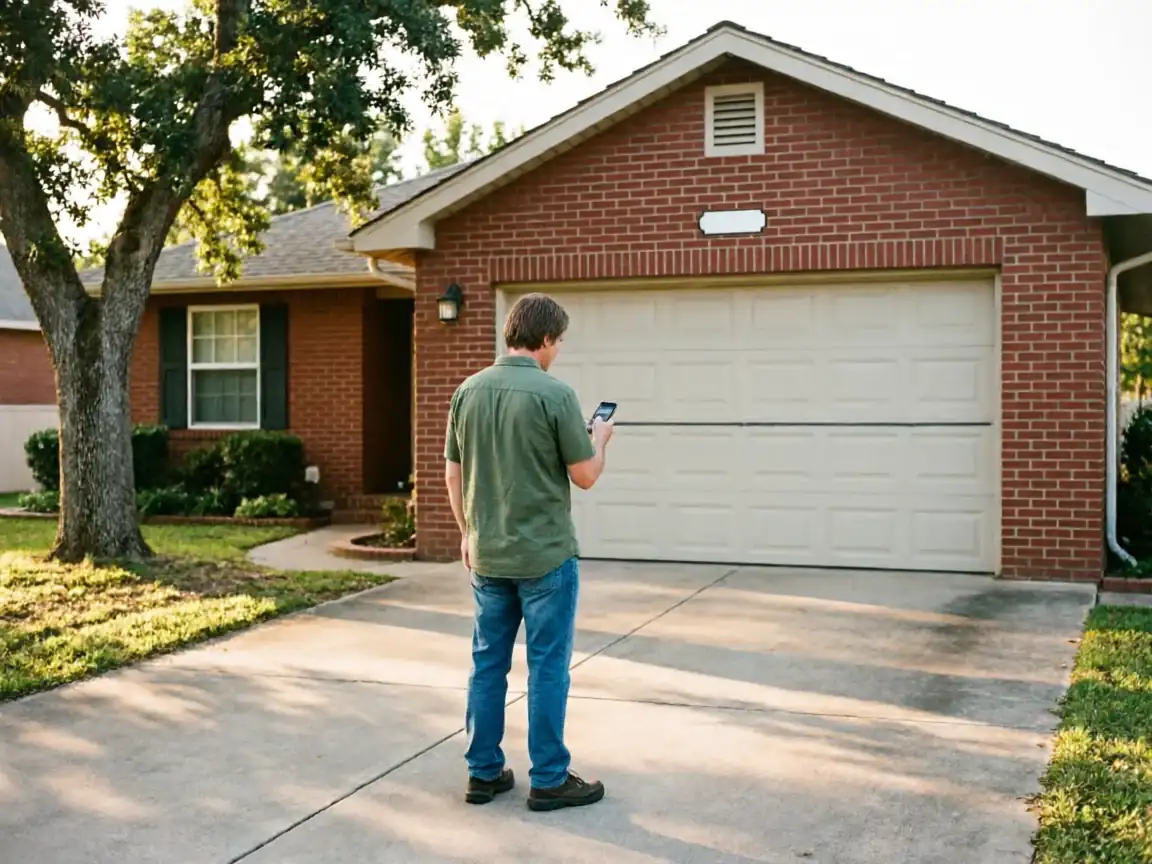
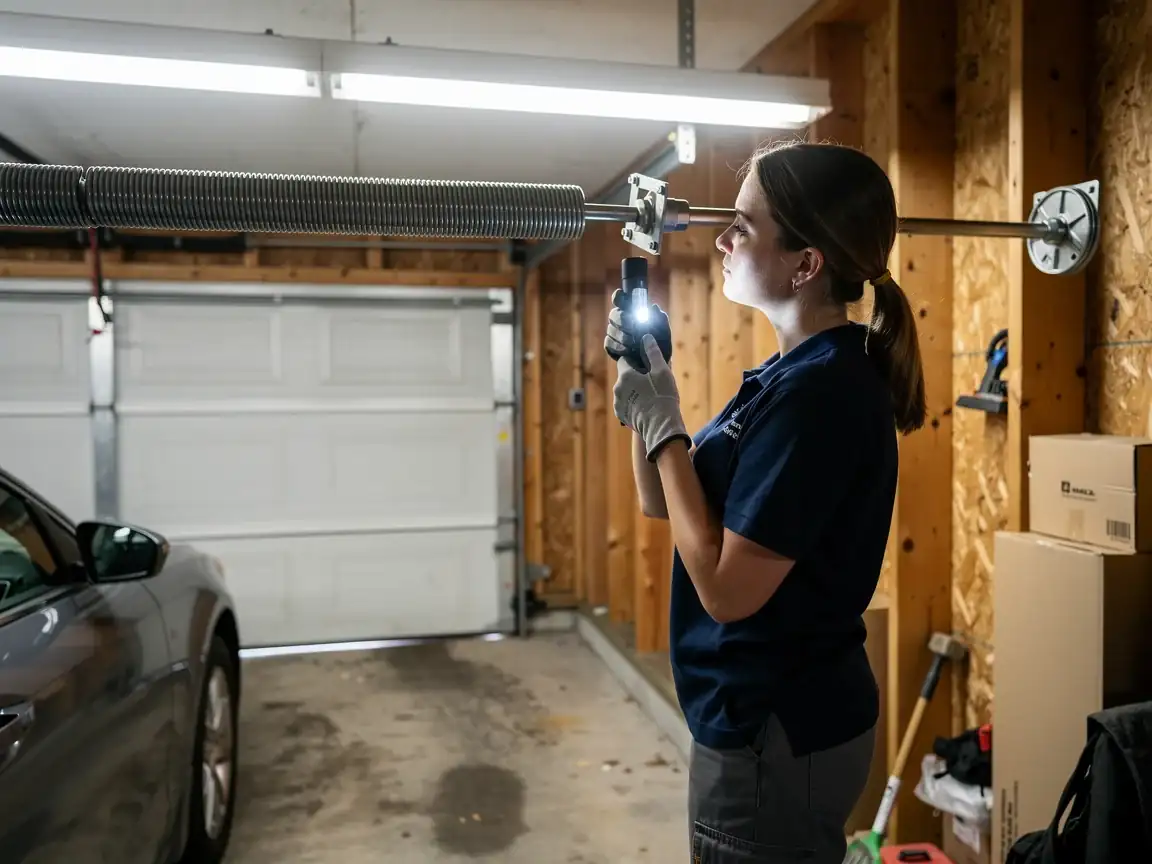
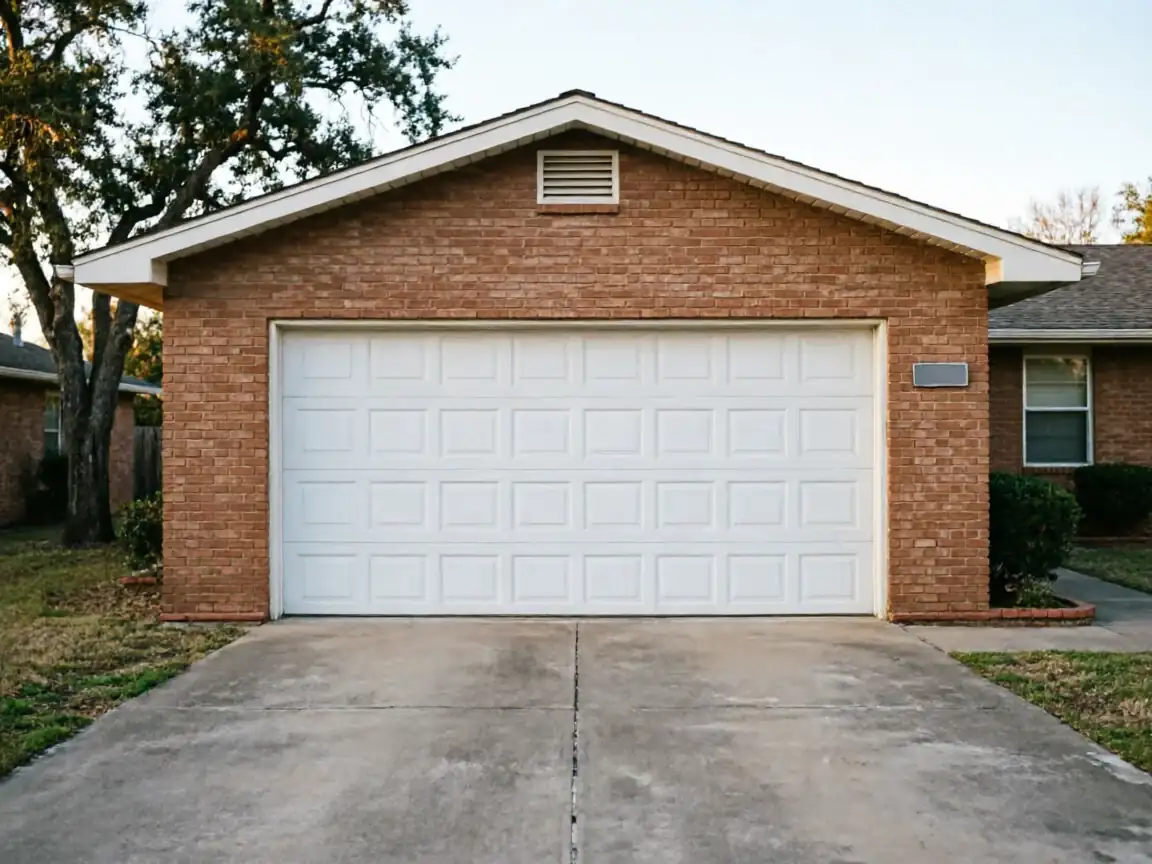
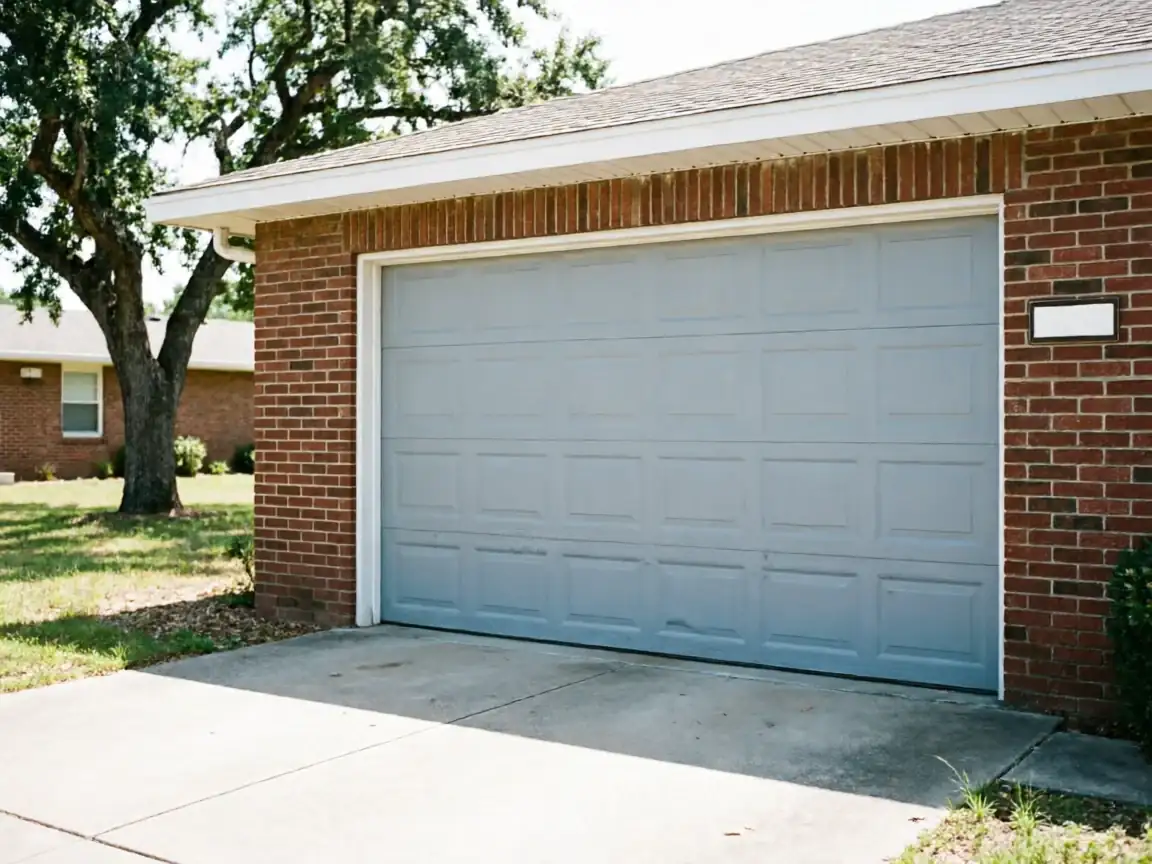
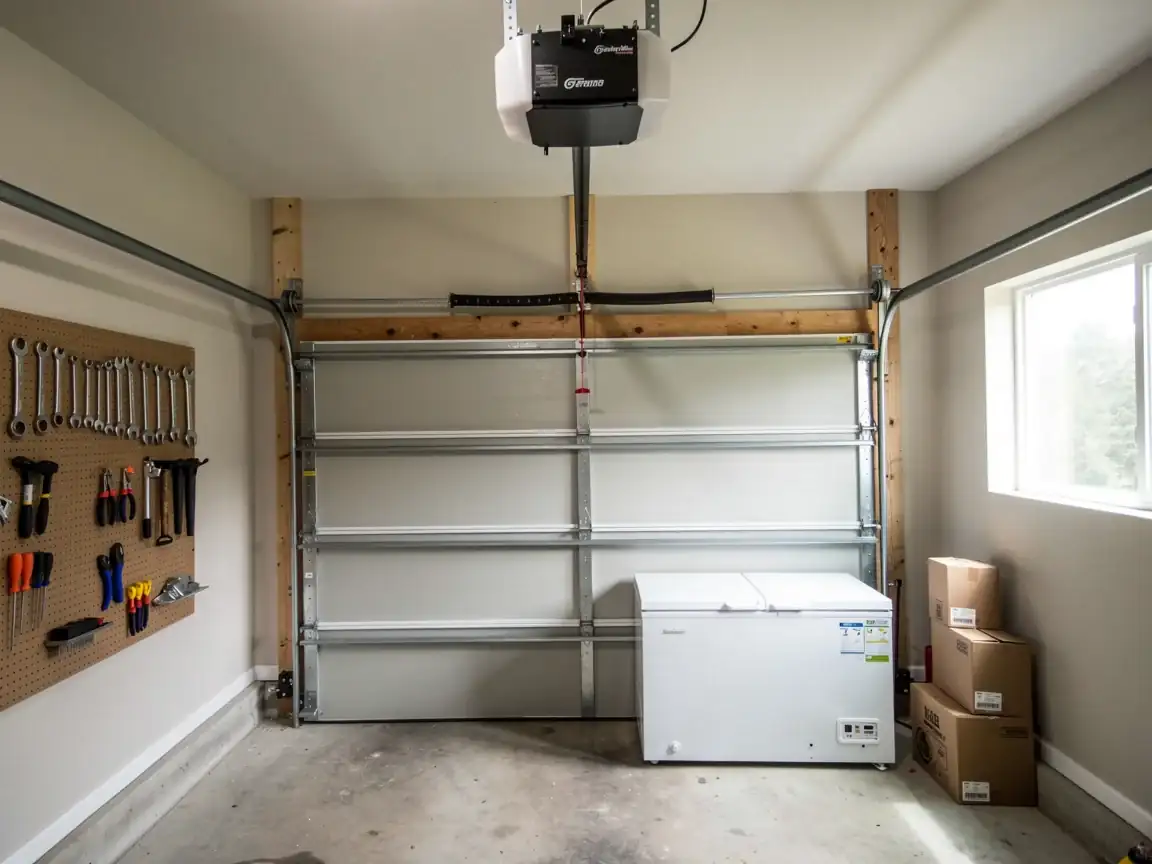
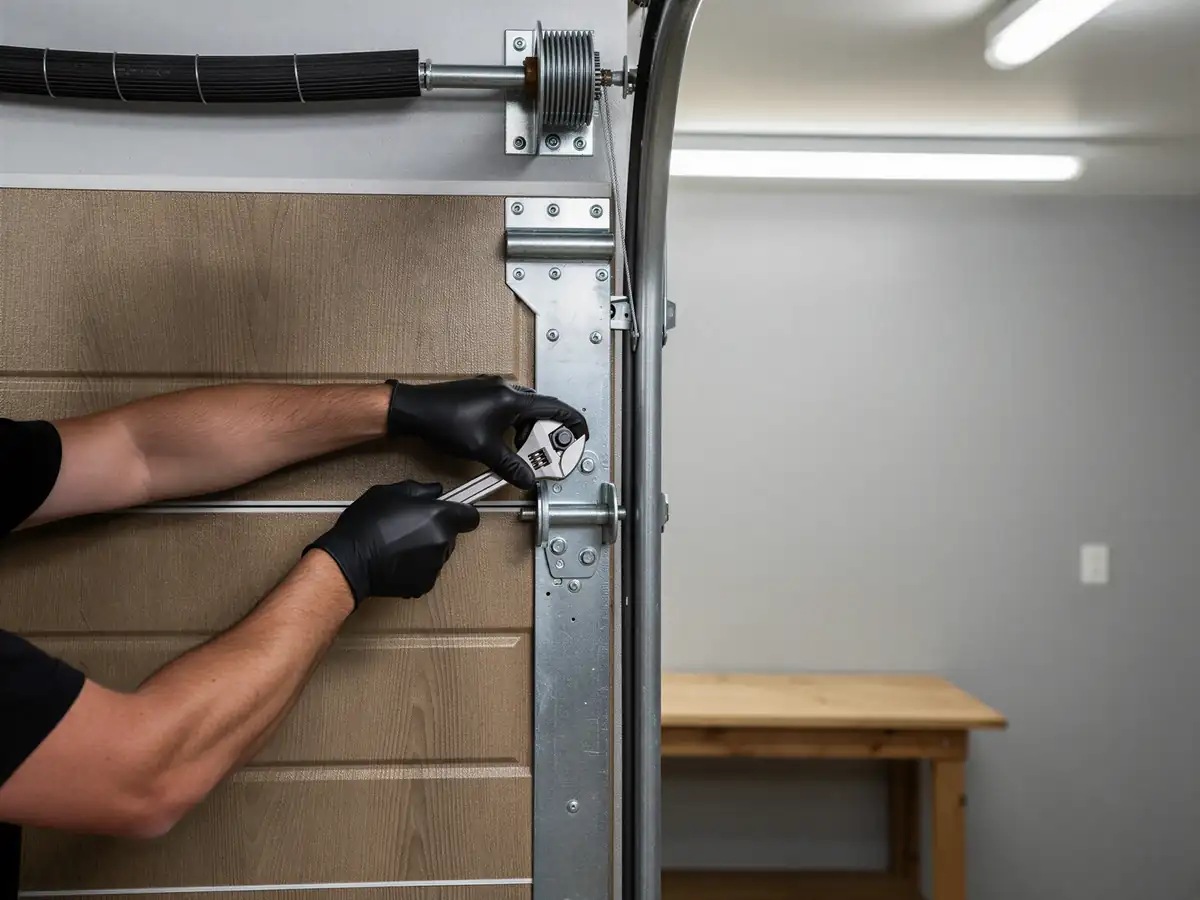
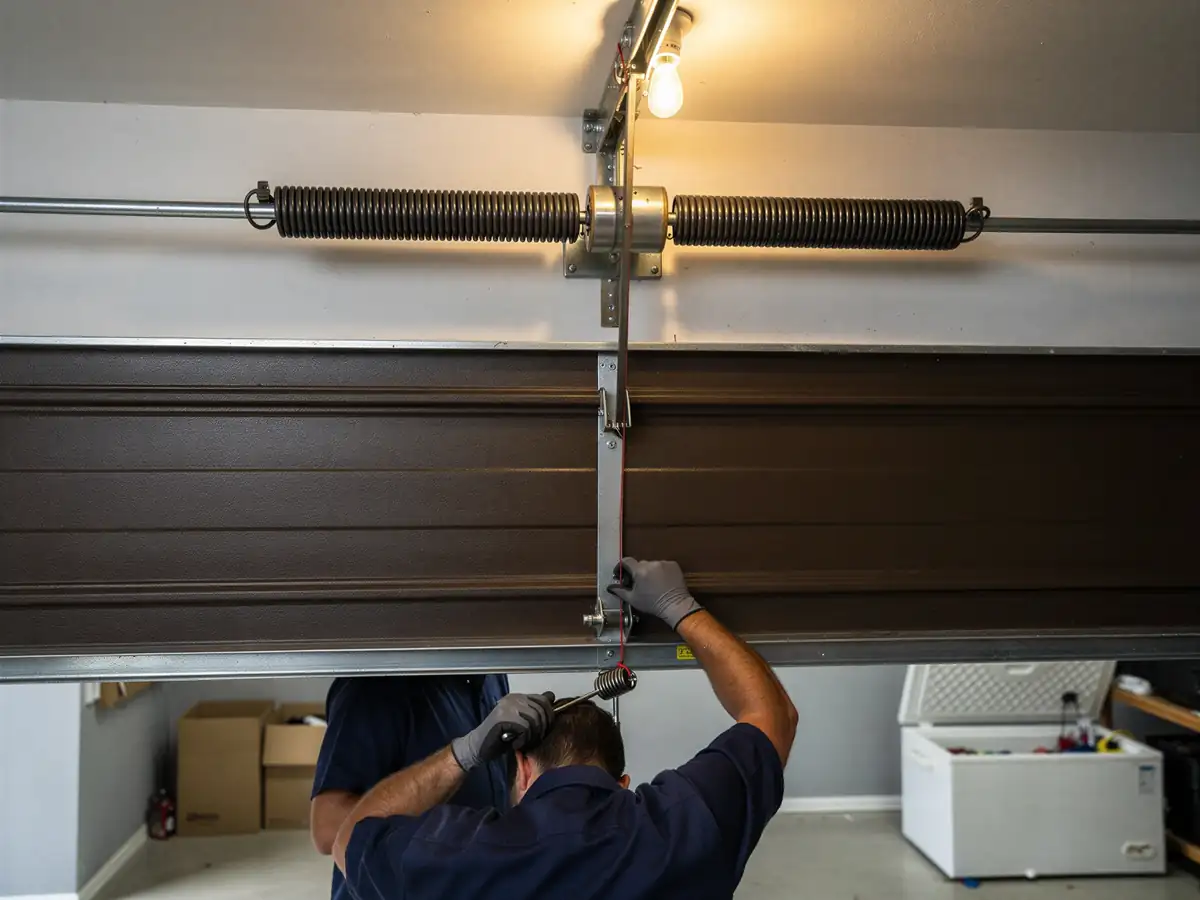
Most houses in Seabrook went up around 1991, which puts them a few years ahead of the typical build date across the wider La Porte service area (median 1984). By 1991, torsion springs mounted above the door on a steel shaft had become the standard setup for new construction, replacing the older side-mounted extension springs still common on homes built in the 1950s through 1970s. That matters because torsion spring jobs are a different repair than extension spring jobs: the shaft has to come out, the cable drums have to be marked and reset, and on a double-wide door you're almost always dealing with two matched springs, not one.
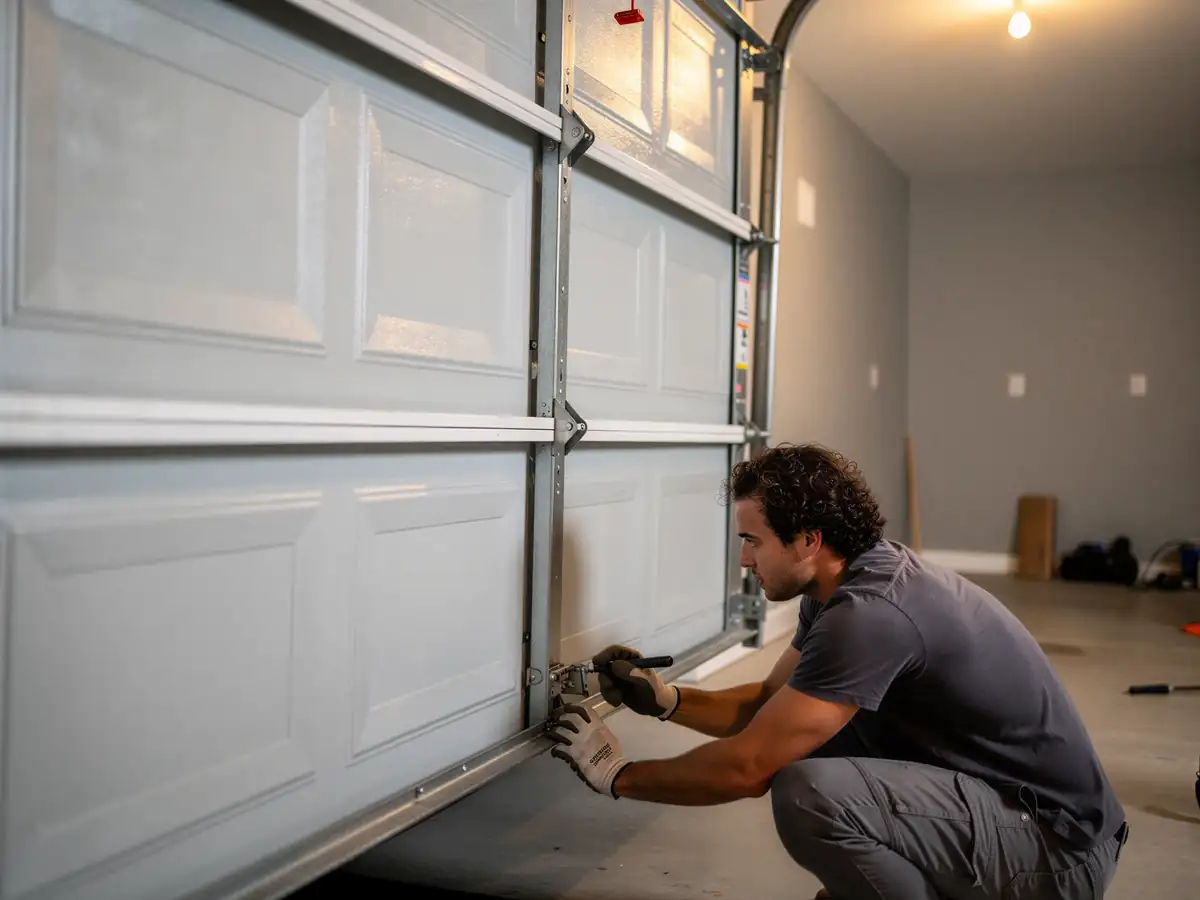
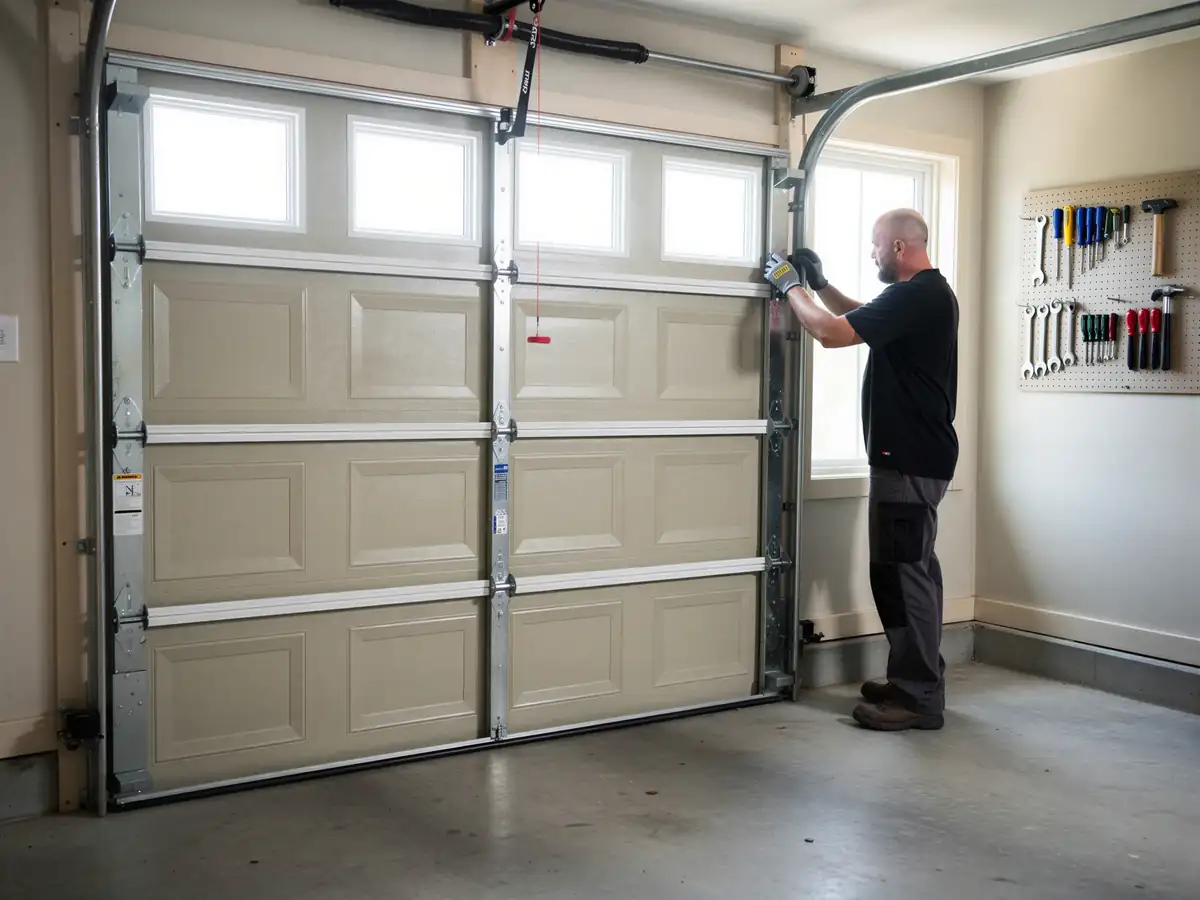
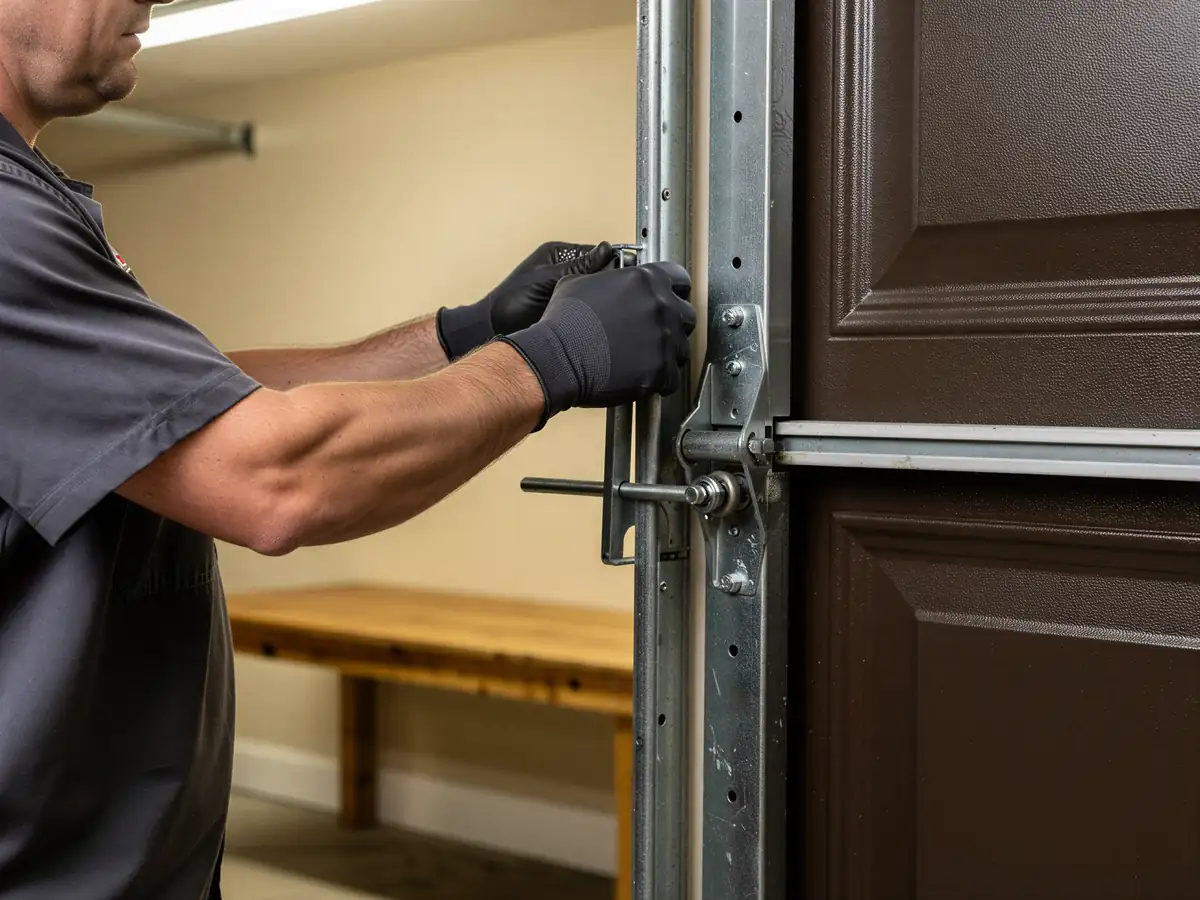
We come out from La Porte, about 6 miles away, with the torsion bar winding tools and the right wire-gauge springs sized to the door weight and cycle count. We don't eyeball torsion spring sizing - wrong wire gauge means the door either won't stay up or slams down, and we see both mistakes from past DIY attempts. If the door is a double, we replace both springs together even if only one broke, since the other is usually close behind on cycle life.
What You Pay
We don't have a posted price for Seabrook spring jobs, and we're not going to guess one here - torsion spring cost depends on the door's weight, the wire gauge needed, and whether it's a single or double door needing two springs instead of one. What we can tell you is what the job does not involve: there's no truck roll fee layered on top for driving the 6 miles from La Porte, and we price the spring itself plus labor, not a service-area surcharge.
Seabrook's median household income runs well above the wider service area figure - $109,489 here against $77,315 across the 77,380 households we cover. That doesn't change what we charge for a spring, but it does mean we see more owners asking for the heavier-duty spring upgrade on first replacement rather than a straight swap, since the incremental cost matters less relative to the house. Either option is reasonable. Ask us for both numbers before you decide, and get it in writing before the work starts.
Why This Fails Locally
A torsion spring is rated for a cycle count
Typically somewhere in the 10,000-cycle range for standard residential springs, and it fails on schedule whether the weather cooperates or not. Seabrook sits in a mild climate band with occasional freeze risk, not the hard freeze-thaw cycling that cracks concrete and seizes hardware further north. That's a point in this area's favor: the metal fatigue that kills a torsion spring here is almost entirely cycle-driven, not cold-driven.
What we do see more of in houses from the 1991 era specifically is original hardware nearing the end of its life all at once
A spring installed when the house was built in the early 1990s has had three decades to rack up cycles, and if nobody's replaced it since, it's due. We get calls where the spring snaps on a cold snap morning and the owner assumes the cold broke it - more likely it was simply at the end of its count and the stiff morning air was the final push, not the cause.
The Complications
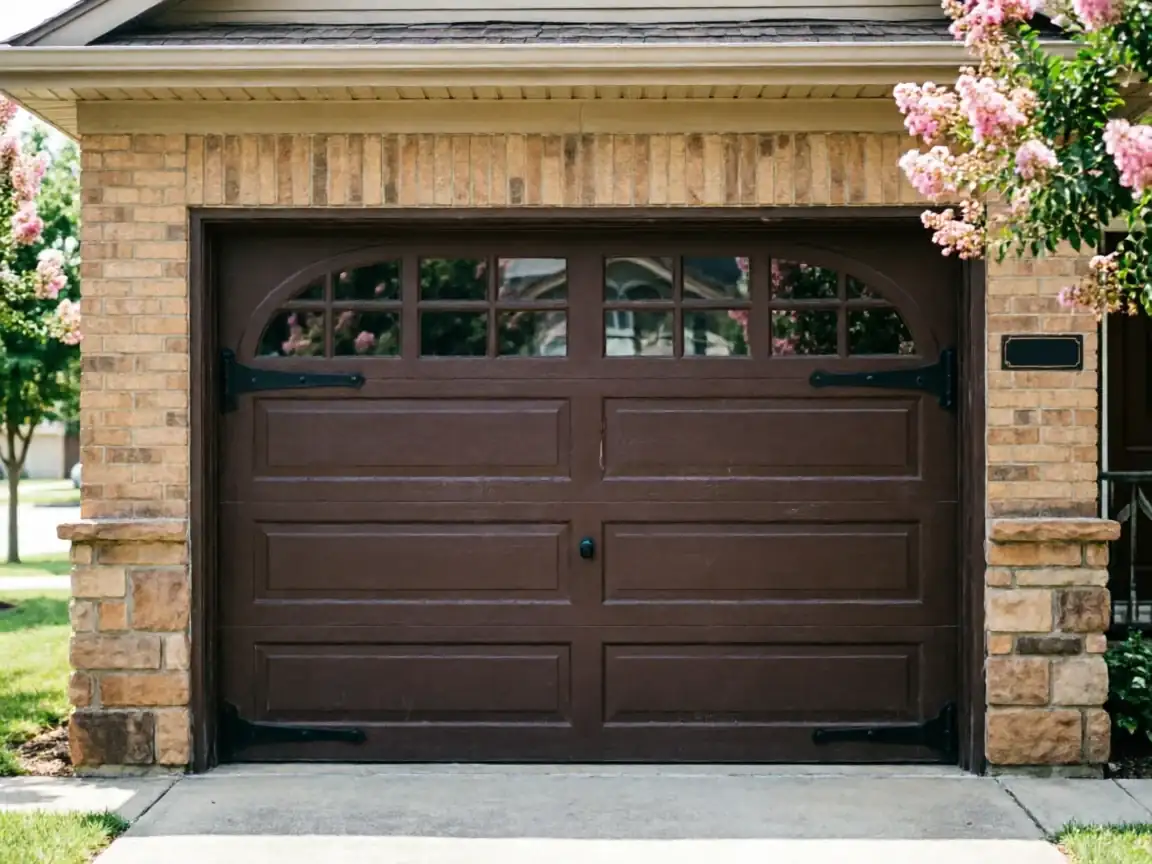
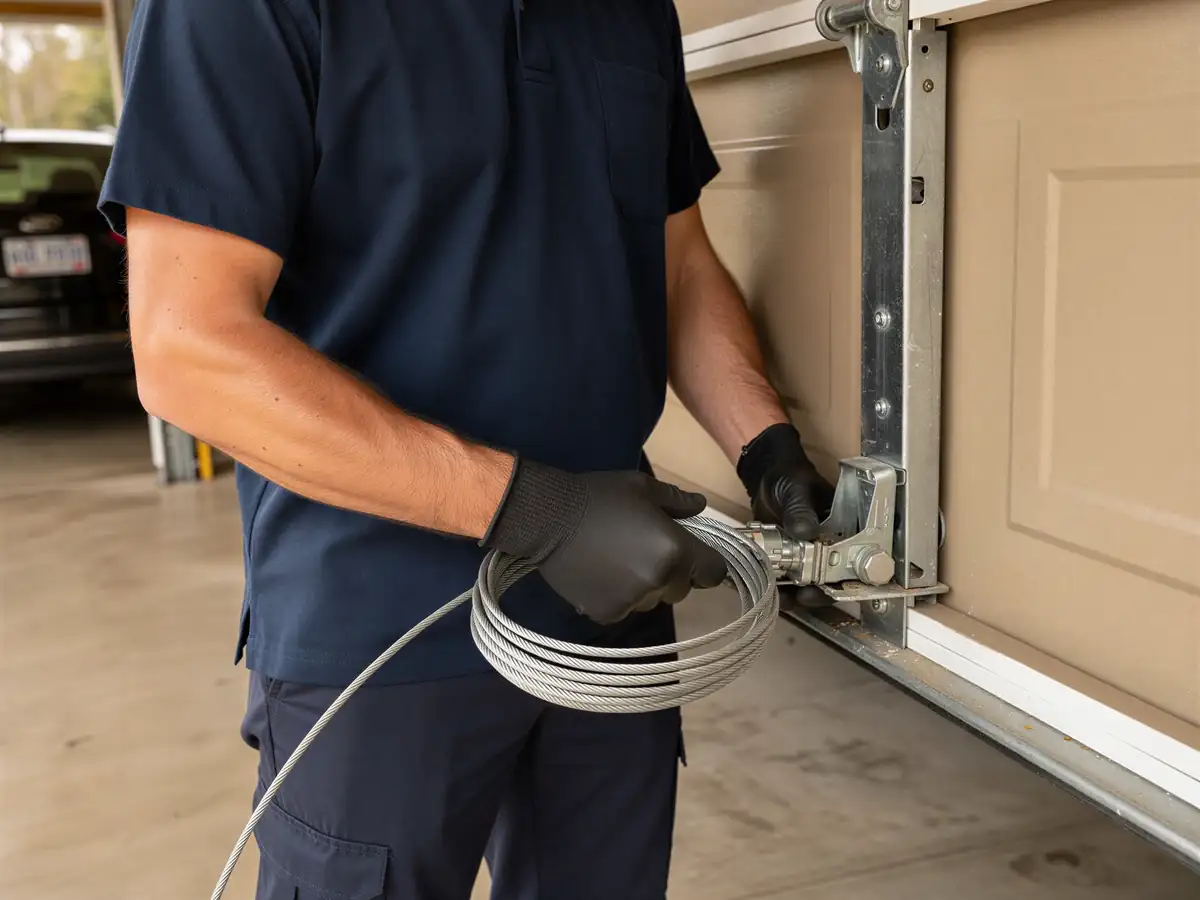
Not every broken spring is a 20-minute swap. If the door's been running on a snapped spring for more than a day or two - someone forced it open by hand - check the cables and rollers too, since a spring-less door strains those parts every time it moves. We'll look at the whole setup before we quote just the spring.
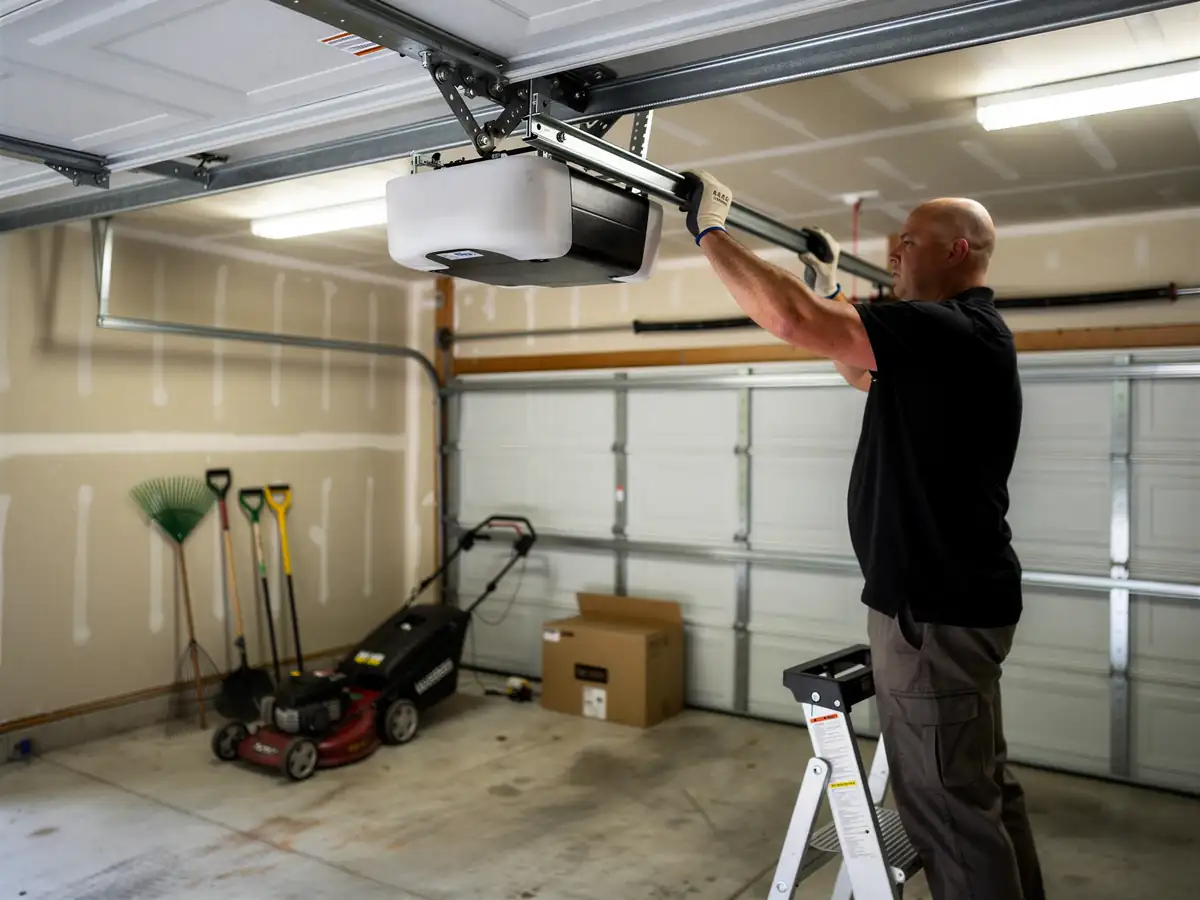
One limitation worth saying plainly: if your opener is original to a 1991-era build, parts for that specific chain-drive unit may be hard to source, and we may recommend replacing the opener alongside the spring rather than chasing a part that's no longer made. We won't push a full opener swap if the one you have is still working fine - that's a separate call from the spring repair.
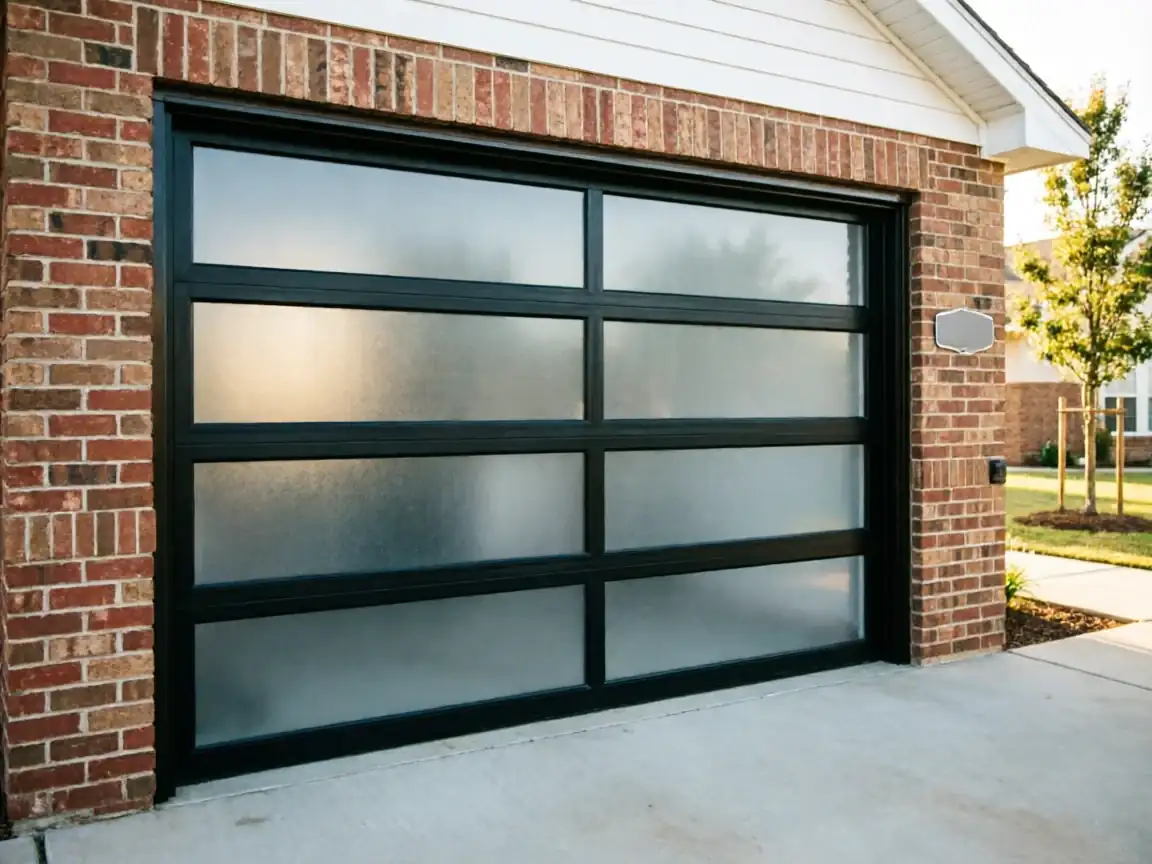
We also don't stock every spring size on the truck for every job; less common wire gauges on older or custom doors sometimes mean a short wait for the right part rather than a same-visit fix. We'll tell you up front if that's the case rather than installing something close enough.