How We Fix It
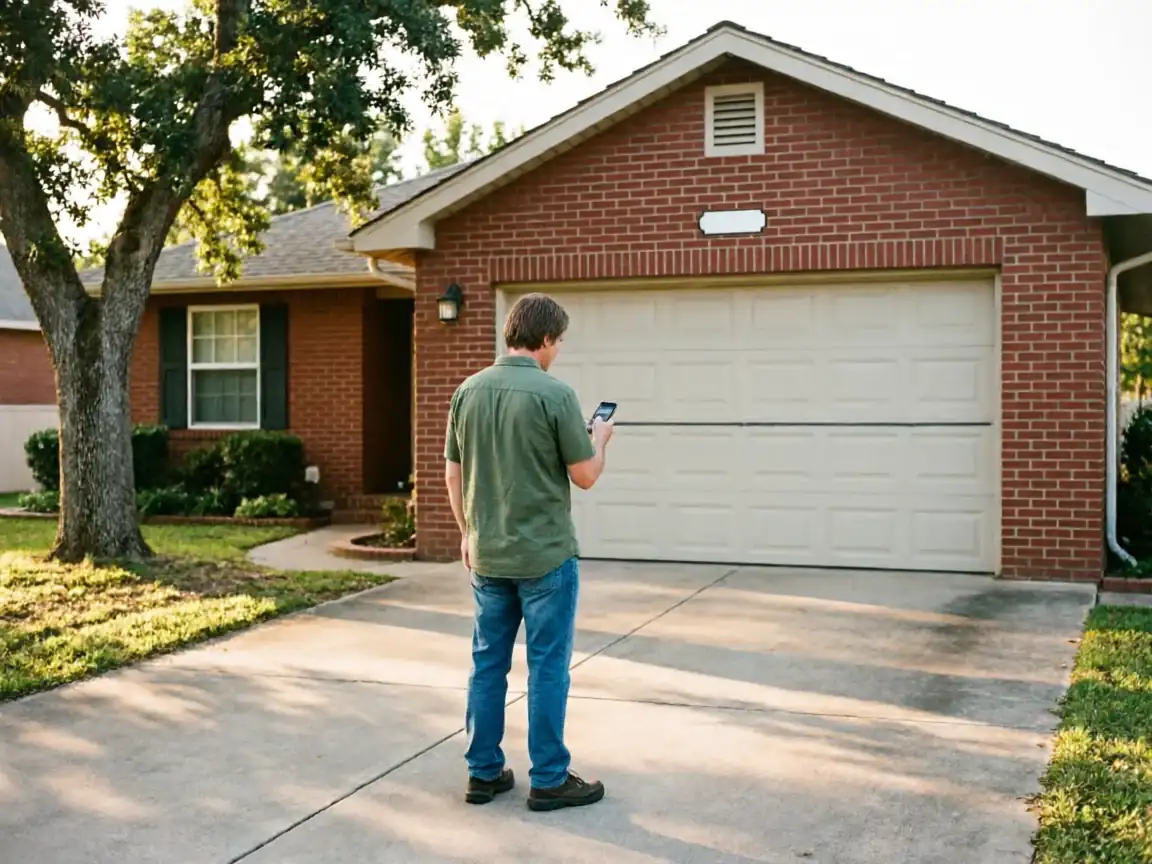
Seabrook is a small town as these things go - 5,545 households, nowhere near the call volume of the bigger suburbs we cover. That matters for how a repair goes: we're not juggling six trucks across a sprawling grid, we're making one trip out from La Porte, about 6 miles, to look at one door.
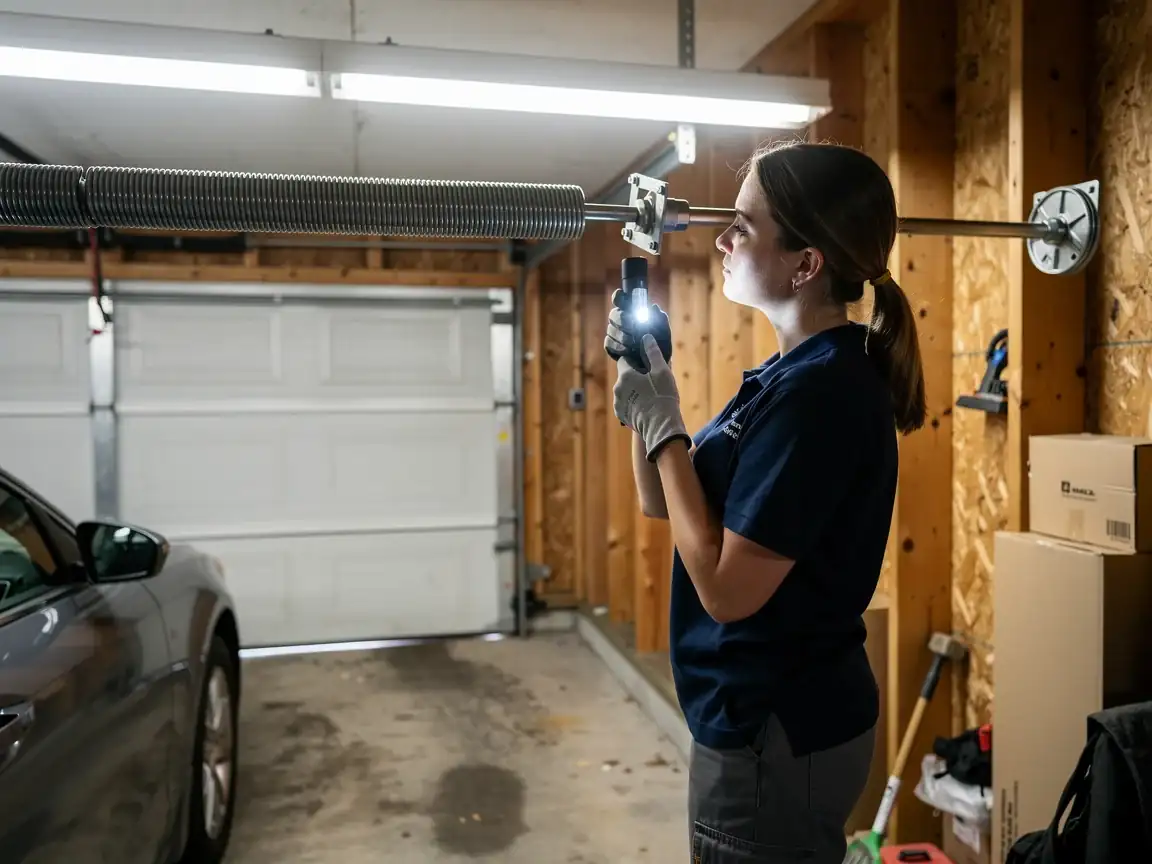
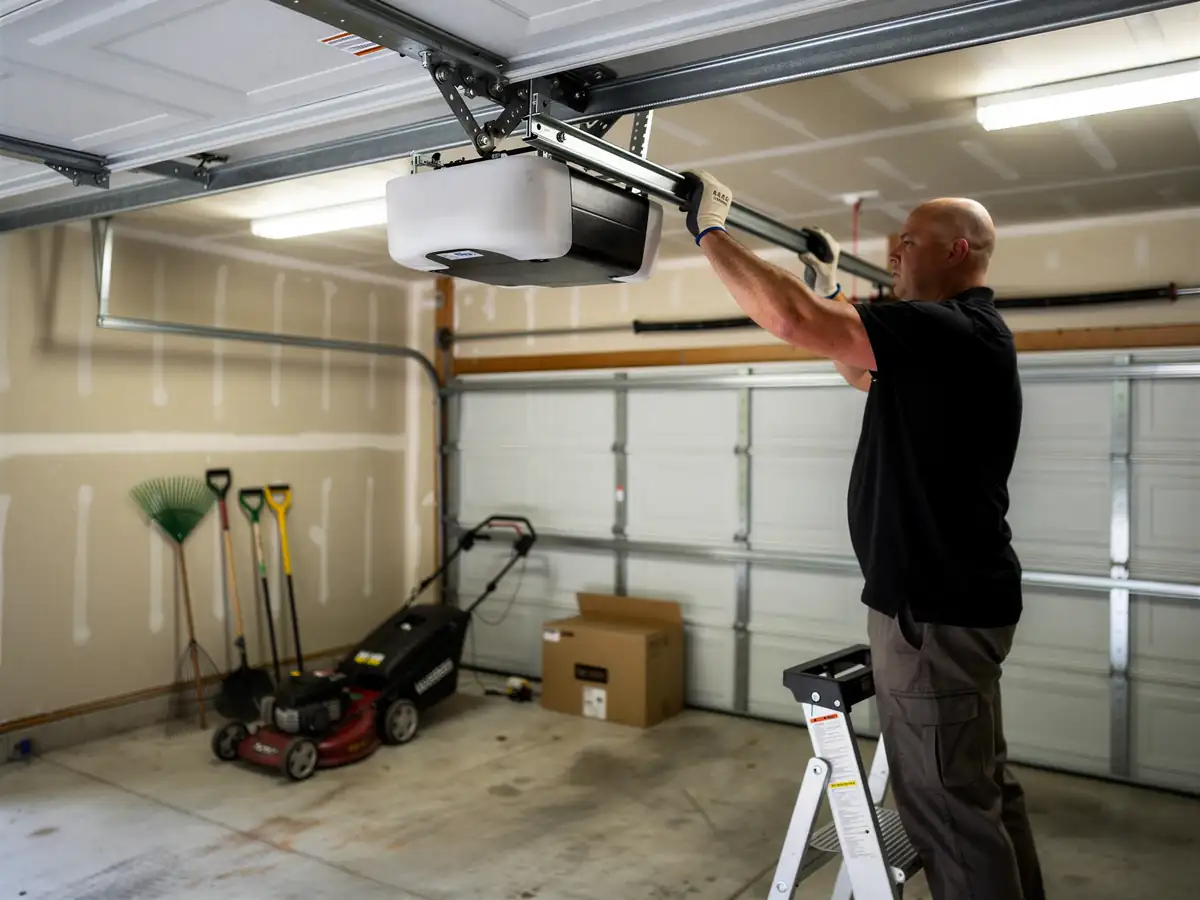
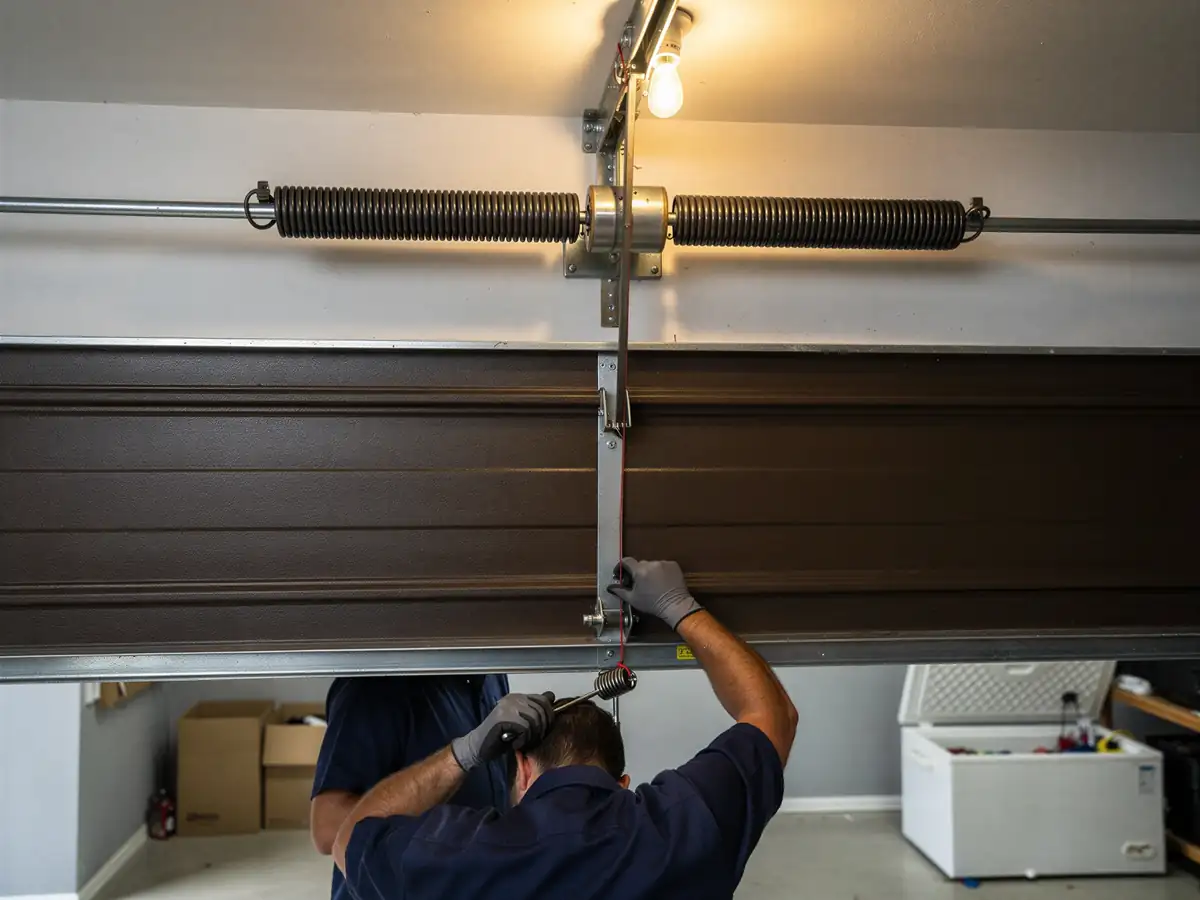
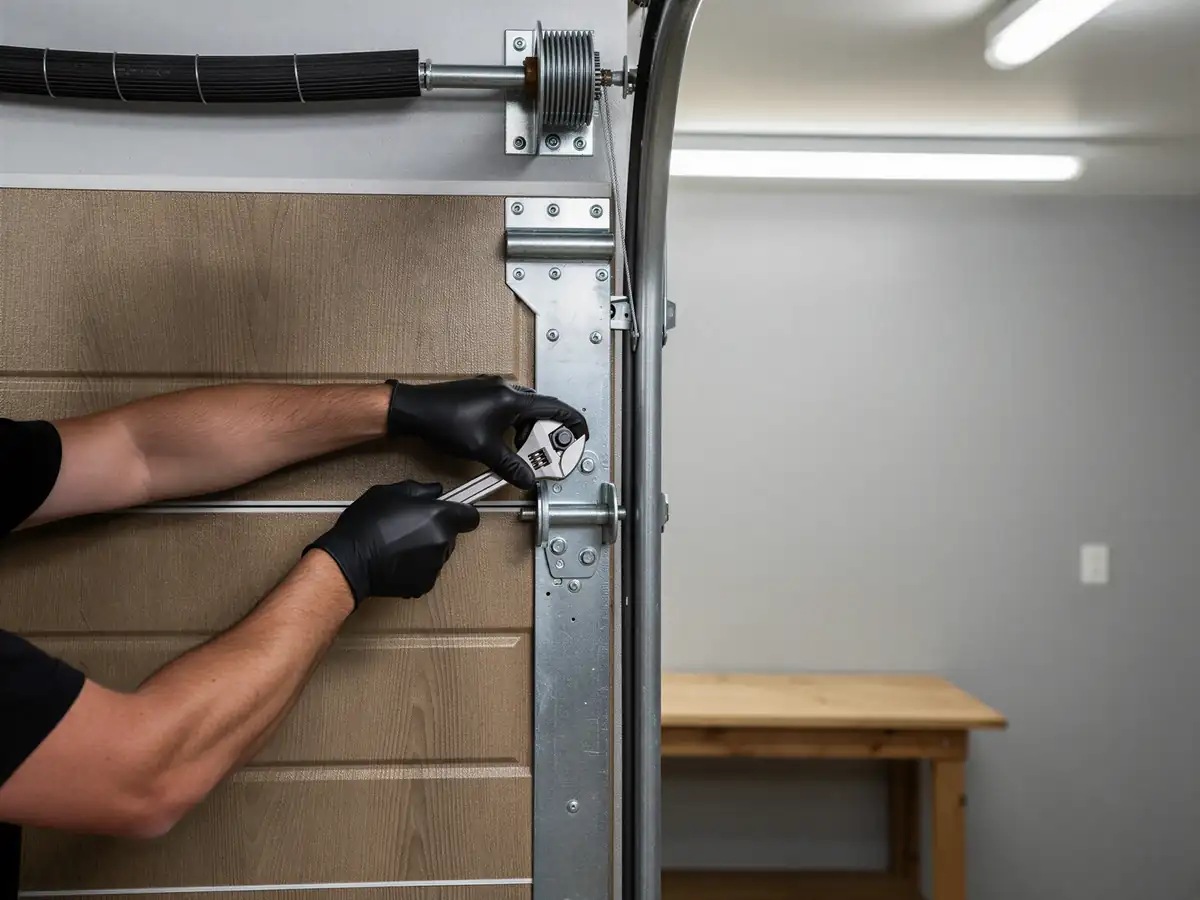
Most houses here went up around 1991, newer than the service area's overall median of 1984. That means torsion springs on standard brackets, not the side-mount setups you find in older stock. Openers from that era are mostly chain or belt drive, first or second generation of the safety-reverse models. When a spring goes on a 1991 door, we're pulling a size that's still stocked - no digging for an obsolete part, no waiting on a special order.
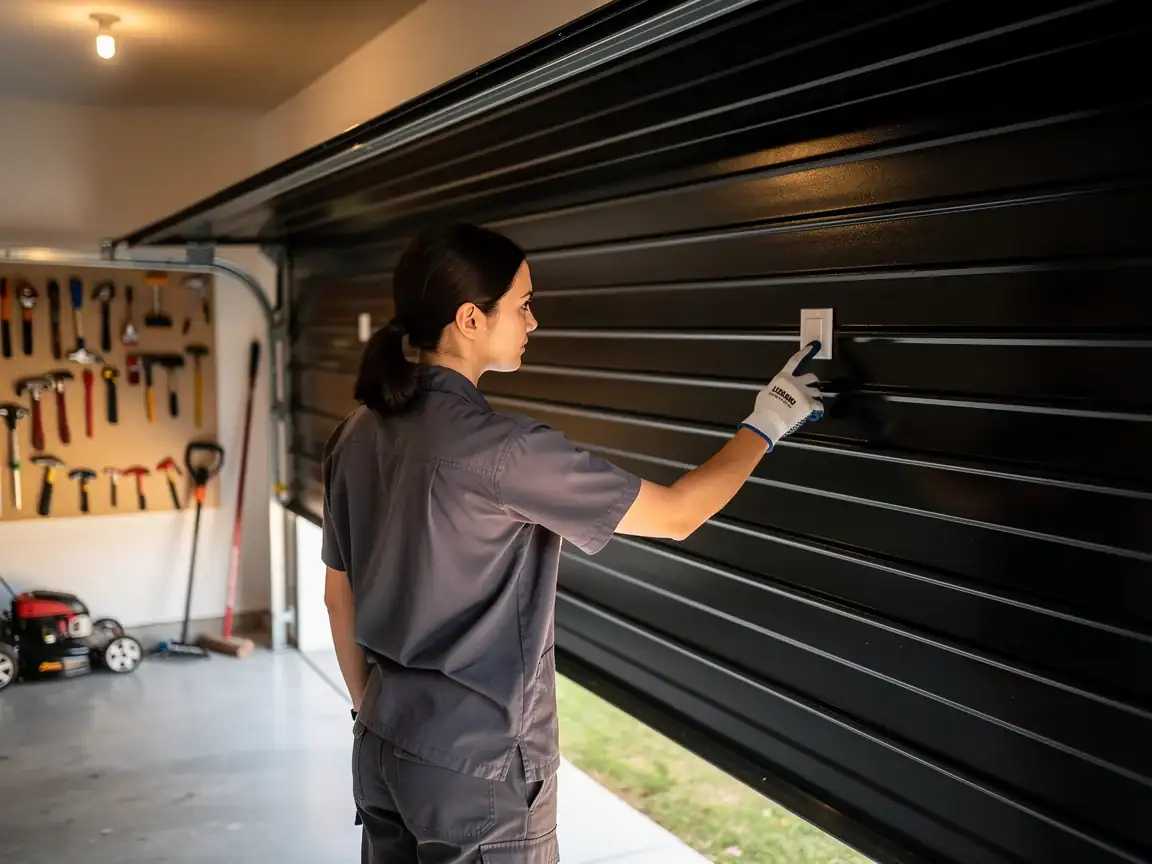
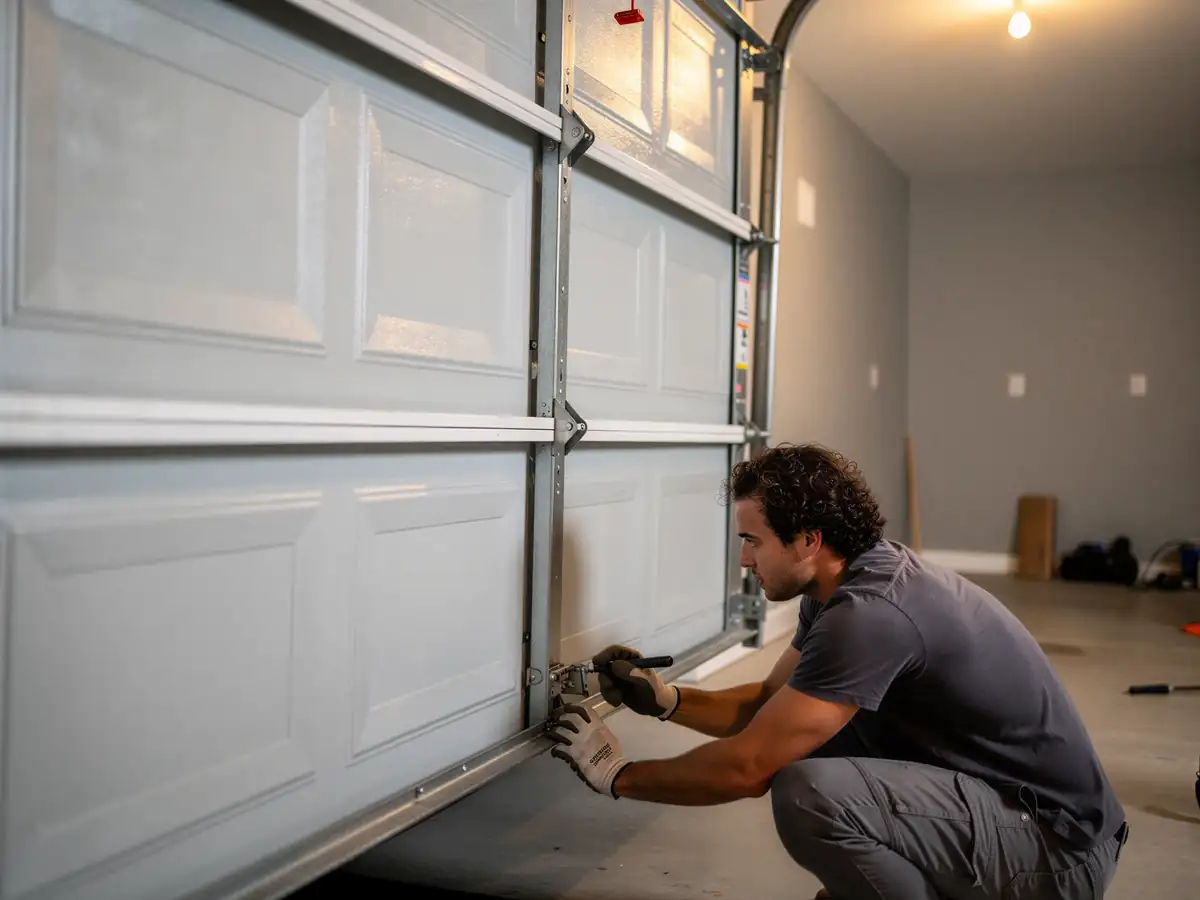
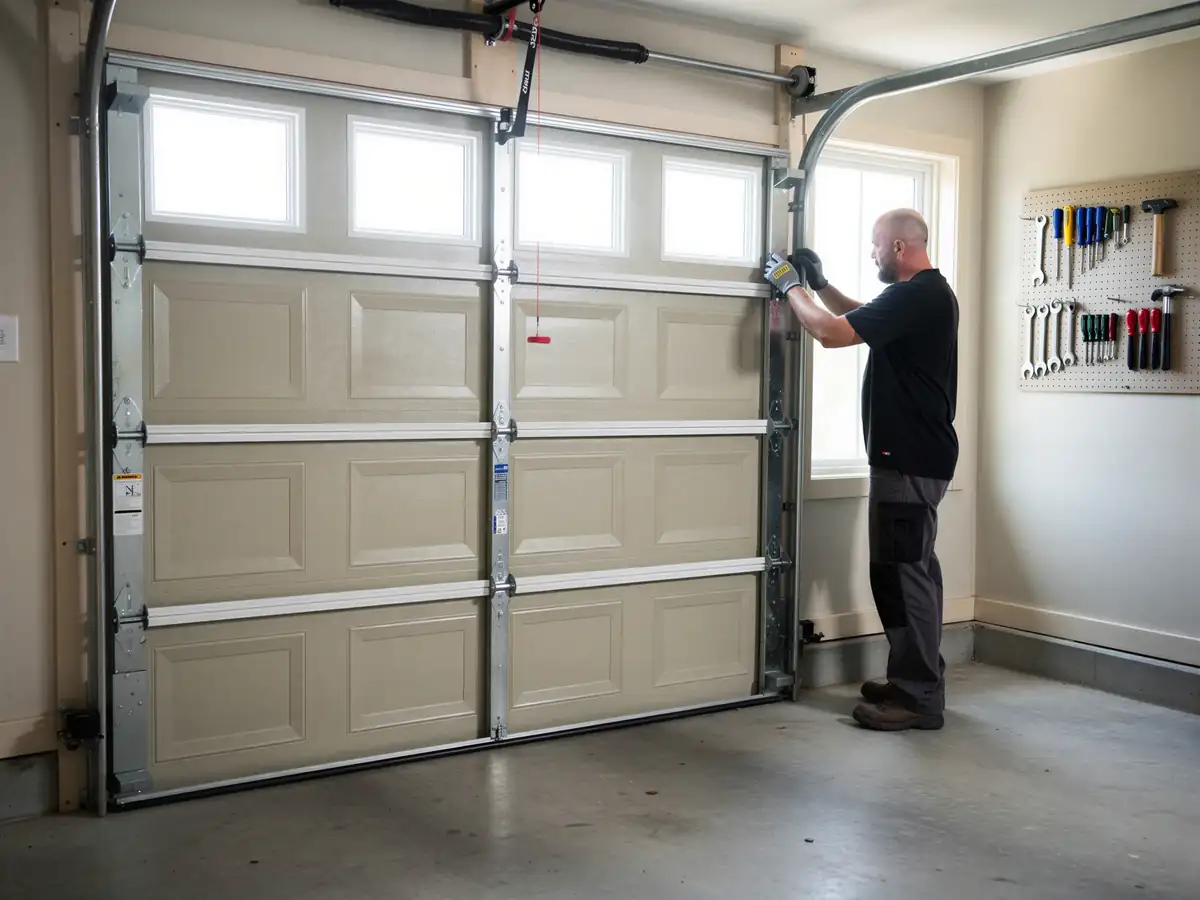
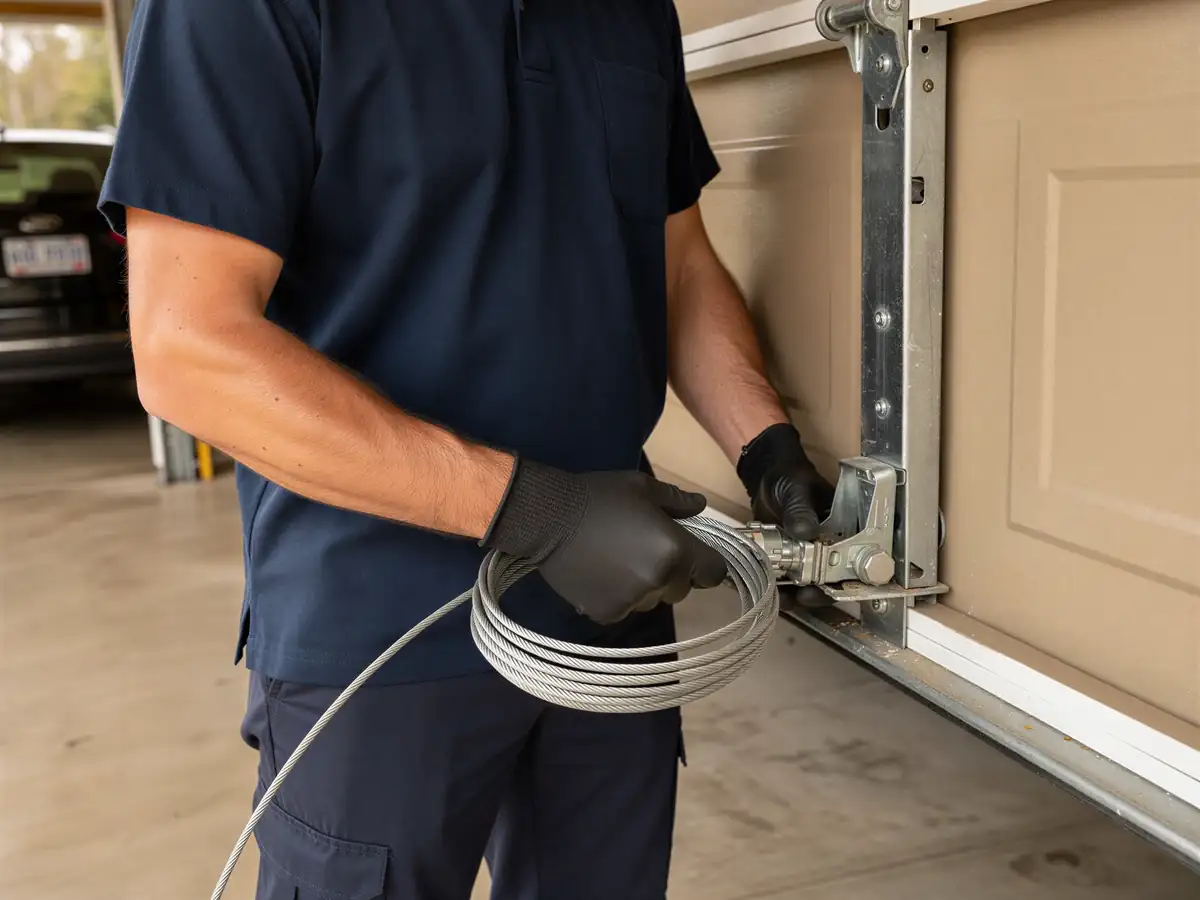
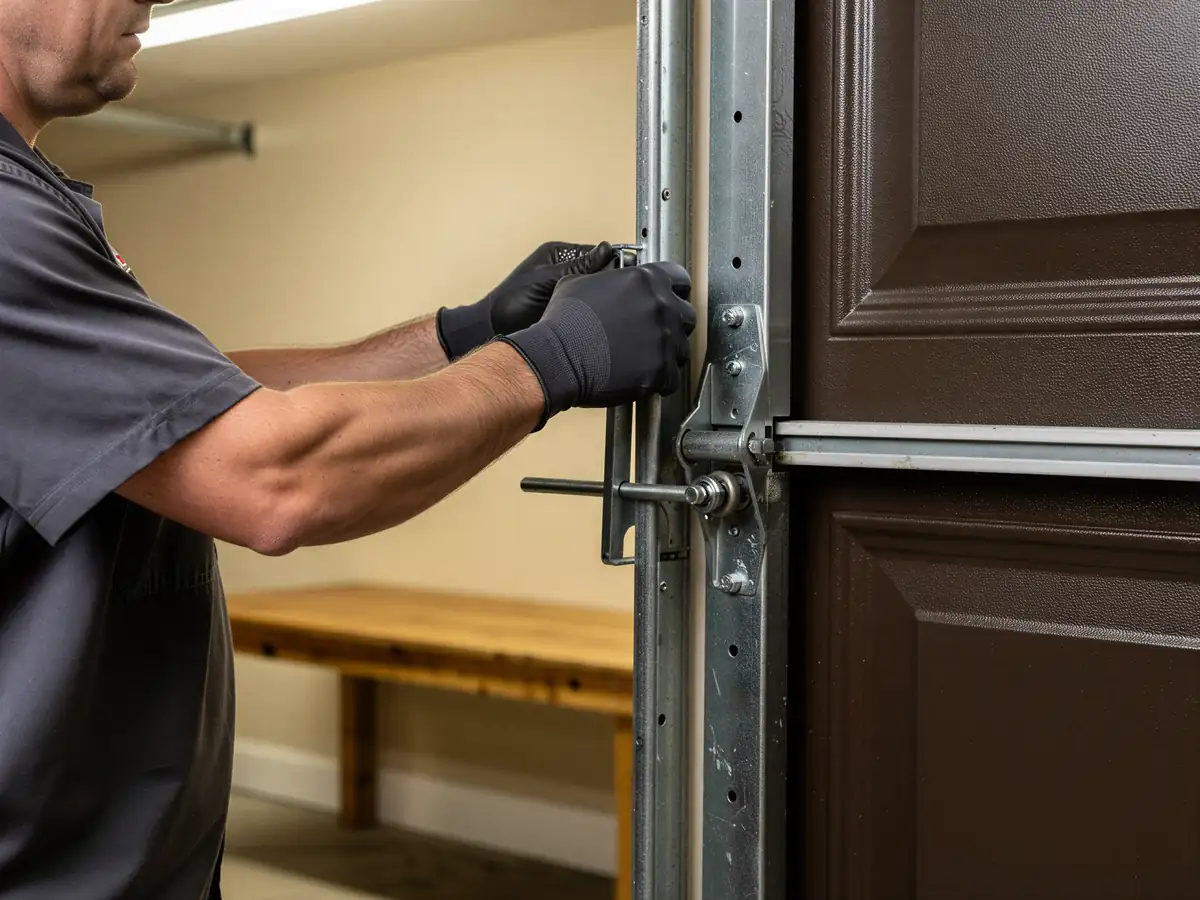
We check the door first: panel condition, track alignment, whether the opener is original or already a replacement. On a 30-year-old door, more than one system has usually had work done on it already, and that changes what we're actually fixing. We diagnose before we quote, and if a cable or roller looks original, we say so.
What You Pay
Seabrook's median household income is $109,489 - meaningfully higher than the $77,315 median across the wider service area. That doesn't change our pricing, but it does change what we typically get asked to do here: more full opener replacements instead of patch repairs, more requests to upgrade to a quieter belt drive rather than just fix the chain drive that's already failing.
We don't have a Seabrook-specific price list and we're not going to invent one. What we can tell you is that a 1991-era door usually needs simpler parts than an older one - standard torsion springs, common bracket sizes - which keeps a repair bill from climbing the way it can on a house with original 1960s hardware. If your door's had work done before by someone else, that history matters more to the final number than the town it sits in.
Why This Fails Locally
The Gulf Coast climate band here is mild with occasional freeze
Which is not hard on steel the way a real freeze-thaw cycle is. What it does instead is work on rubber and lubricant - weatherstripping dries out, bearings run dry, and nobody notices until the door starts grinding on the way up.
With a median build year of 1991, most Seabrook doors are on their second or third opener and are overdue for a spring at this point in their service life
Torsion springs are rated for cycles, not years, and a 30-year-old door has put a lot of cycles through a daily-use spring. We see this fail the same way across the area: smooth operation for years, then a snap on an ordinary Tuesday with no warning, because the spring was never going to send one.
The Complications
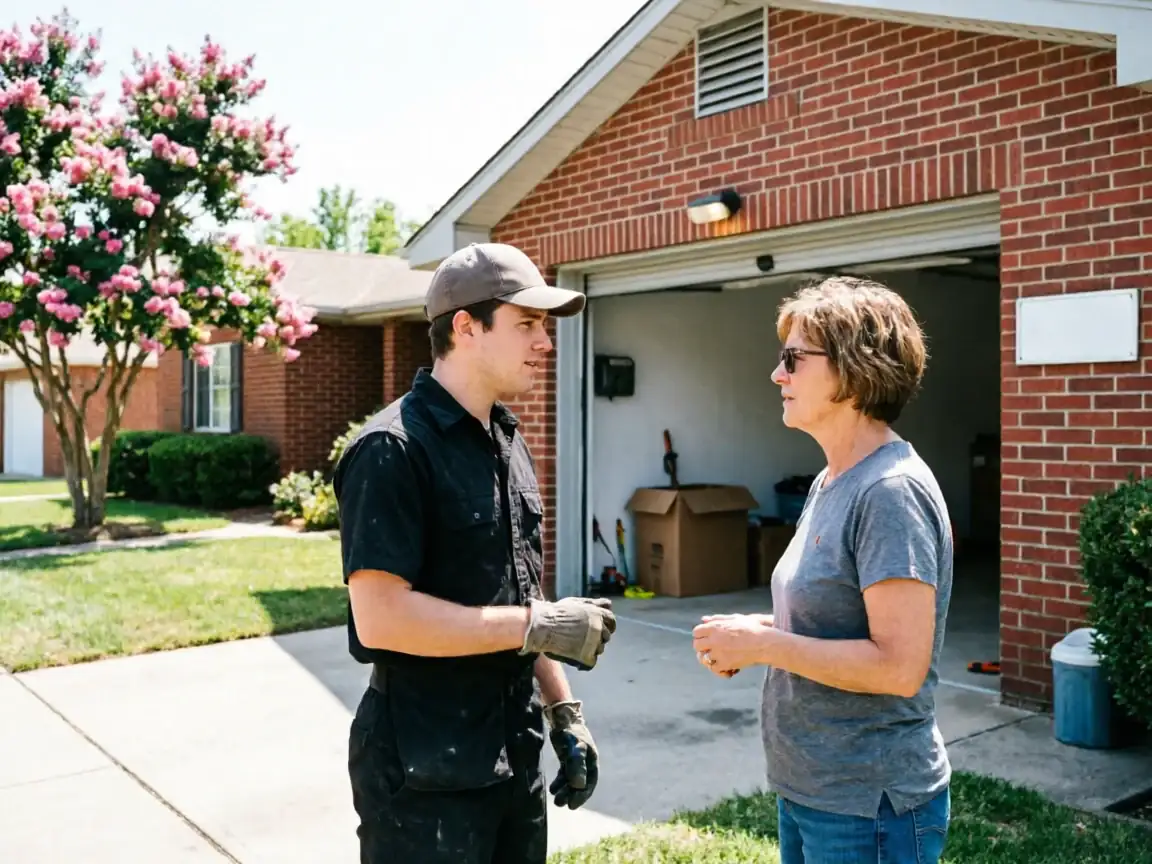
One thing we're upfront about: we don't keep a branch or a crew stationed in Seabrook. Every job here is a dispatch from La Porte, roughly 6 miles out. That's not far, but it means we can't promise a same-hour arrival the way a company with a local depot might - we schedule the trip, we don't drop what we're doing across town for it.
The other complication is parts for anything that isn't standard 1990s stock. If a house here got an early custom door or a non-standard opener installed outside the usual builder-grade run, that part can take longer to source than the common torsion springs and belt drives we stock for the typical 1991 build. We'll tell you up front if that's the situation rather than guess at a timeline we can't back up.