How It Shows Up
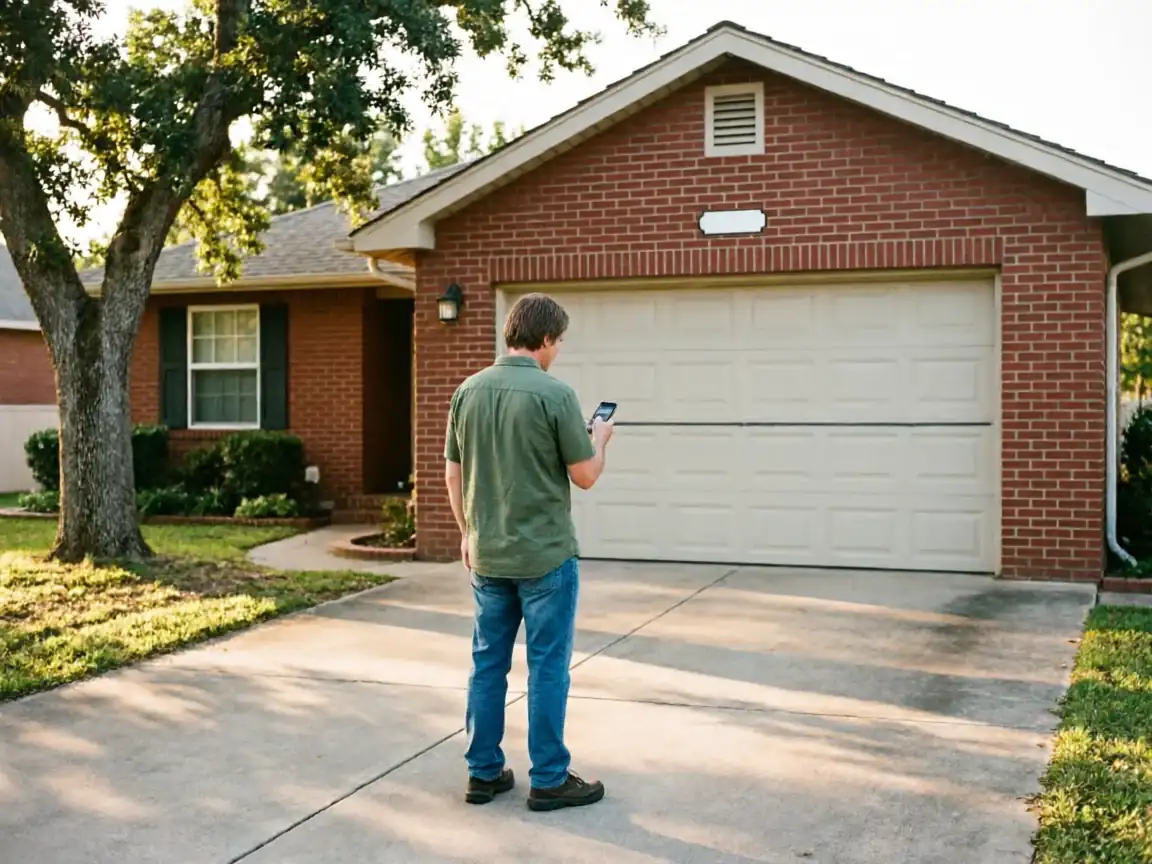
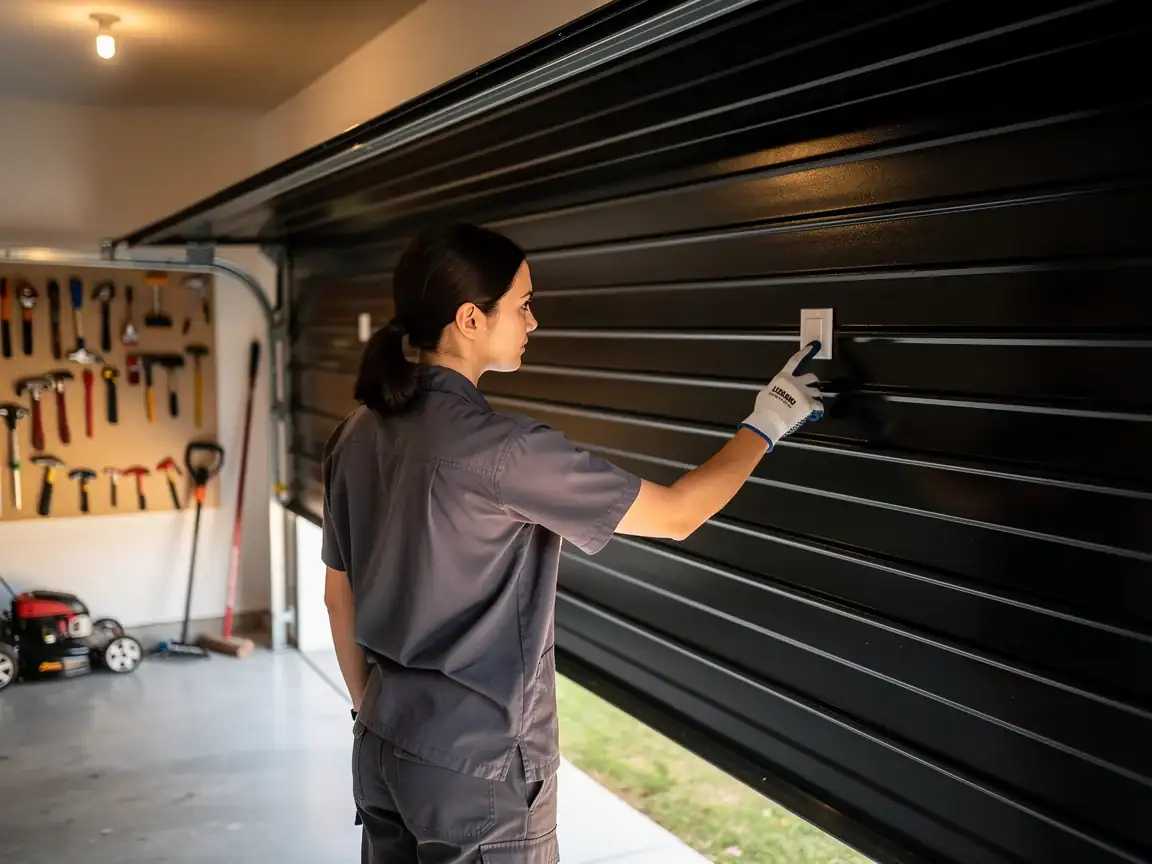
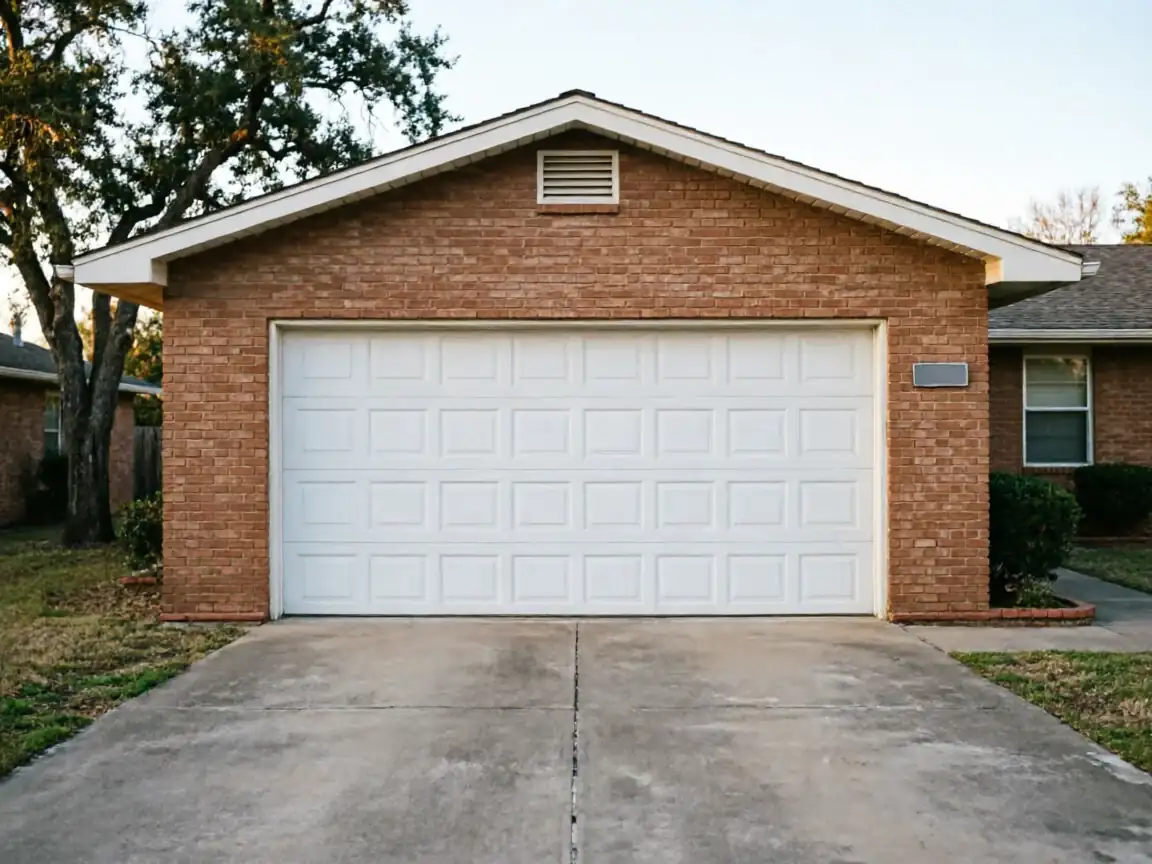
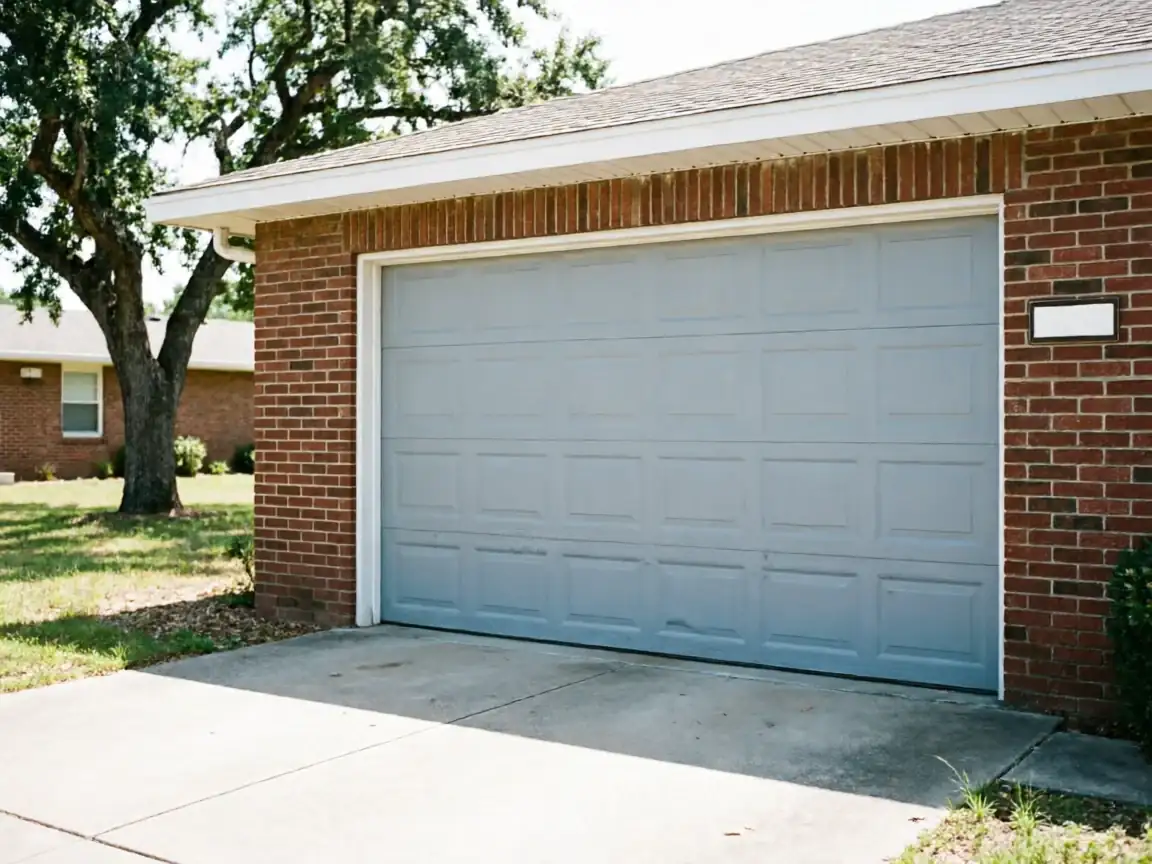
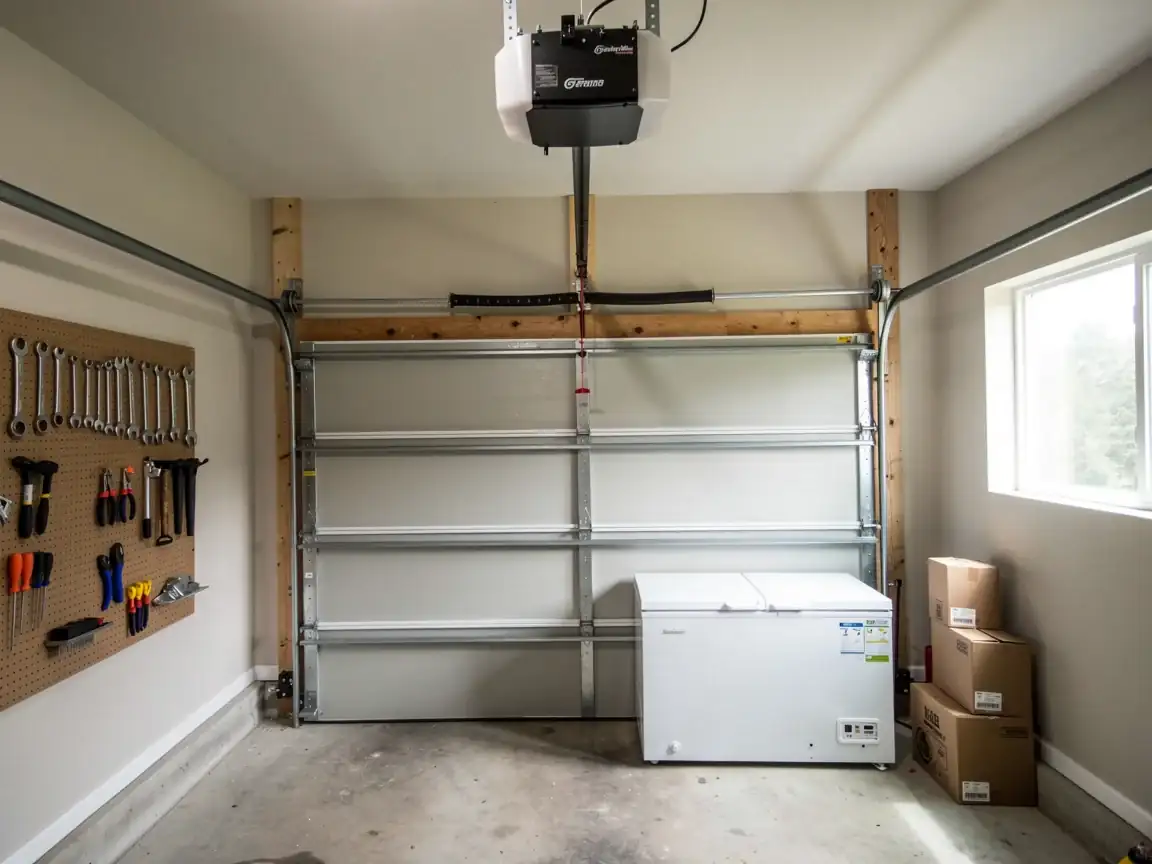
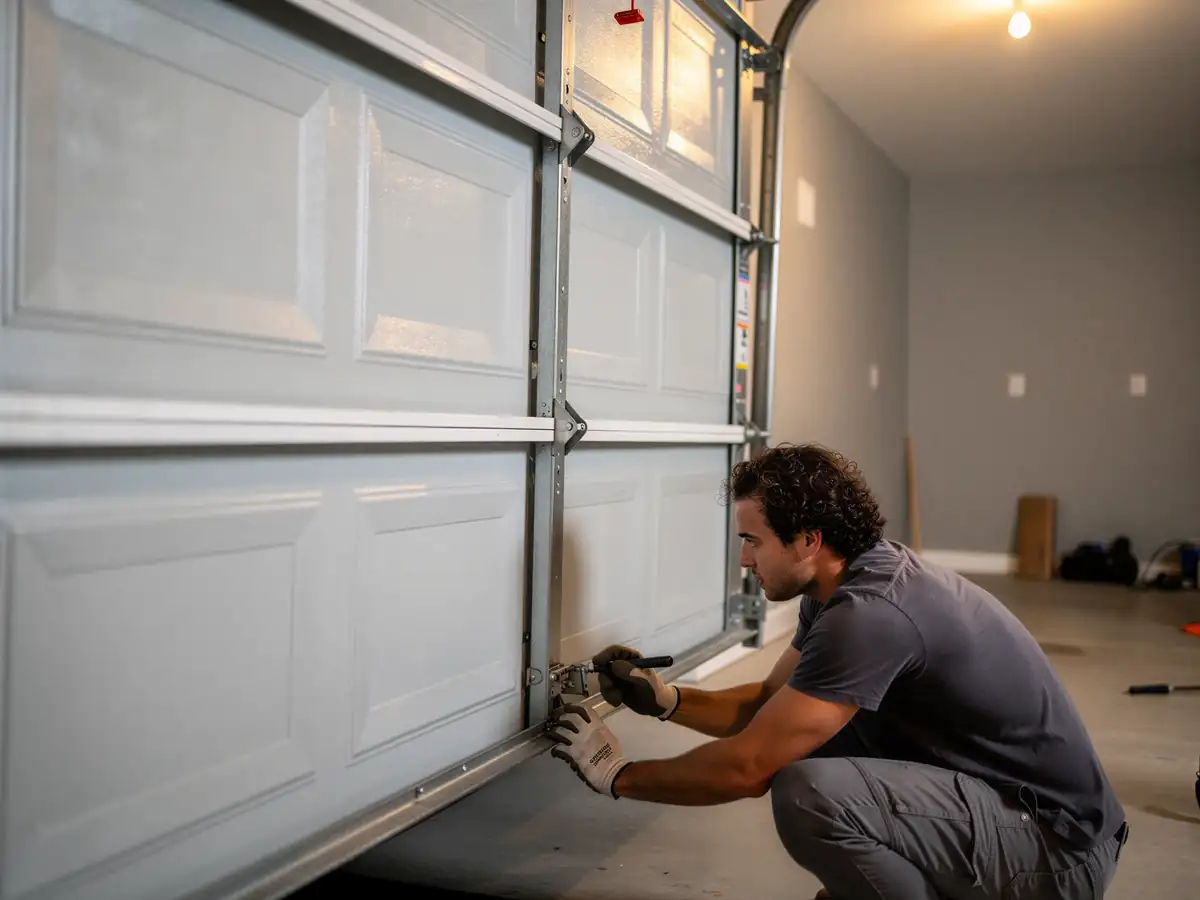
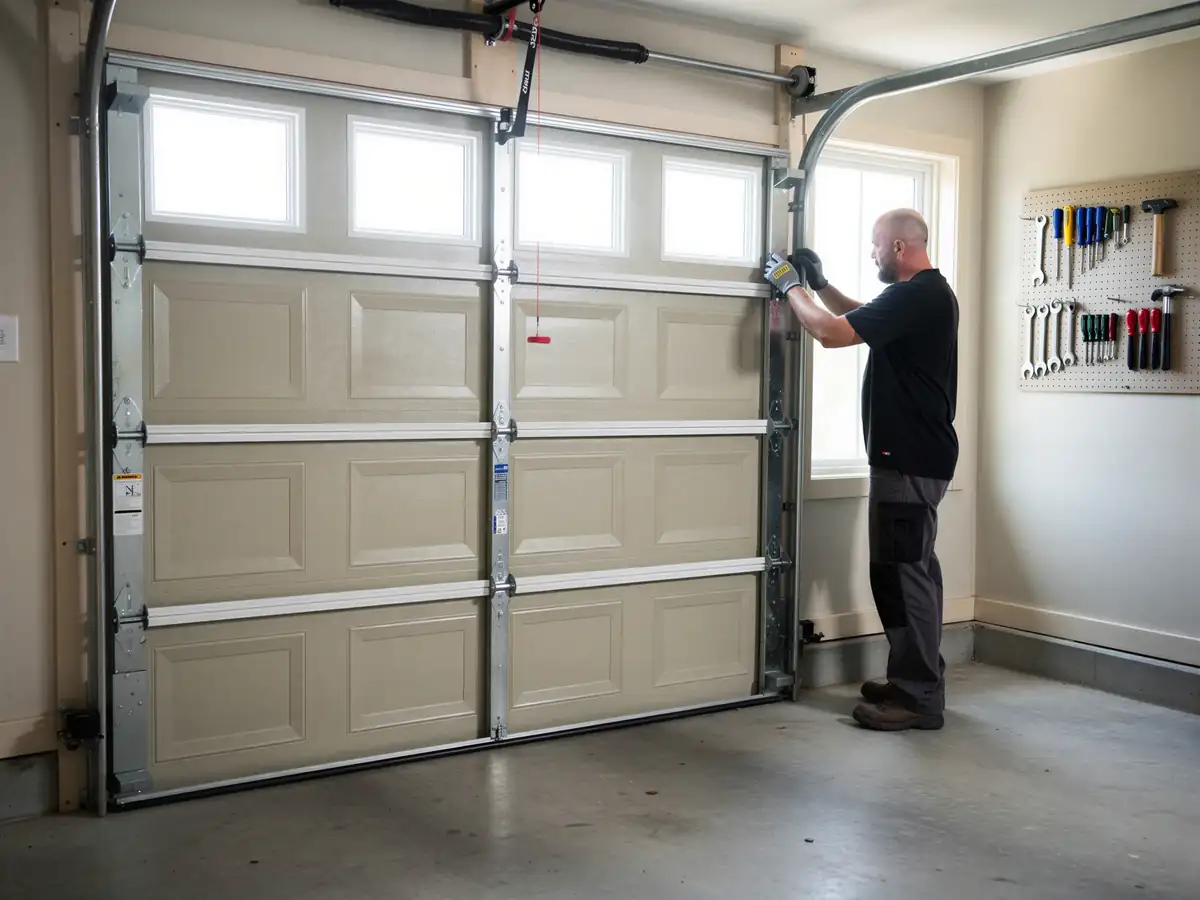
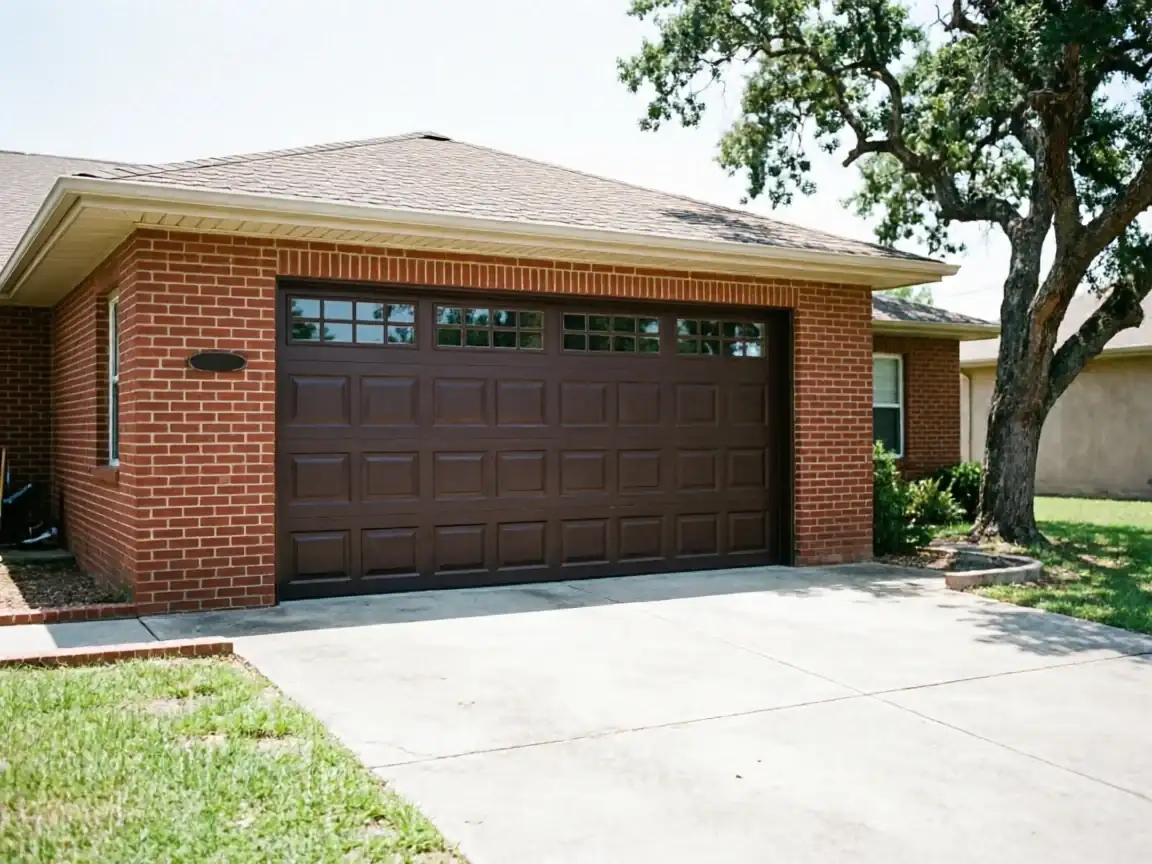
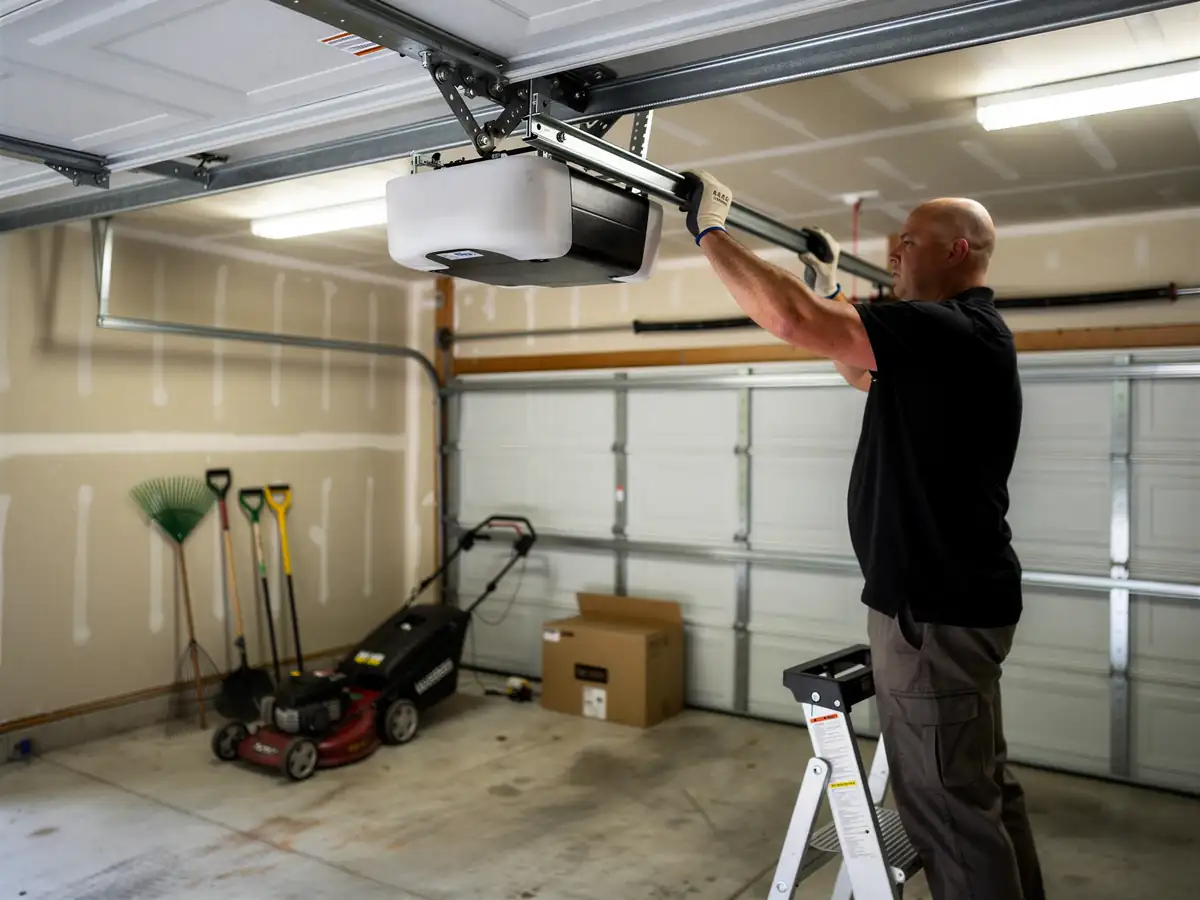
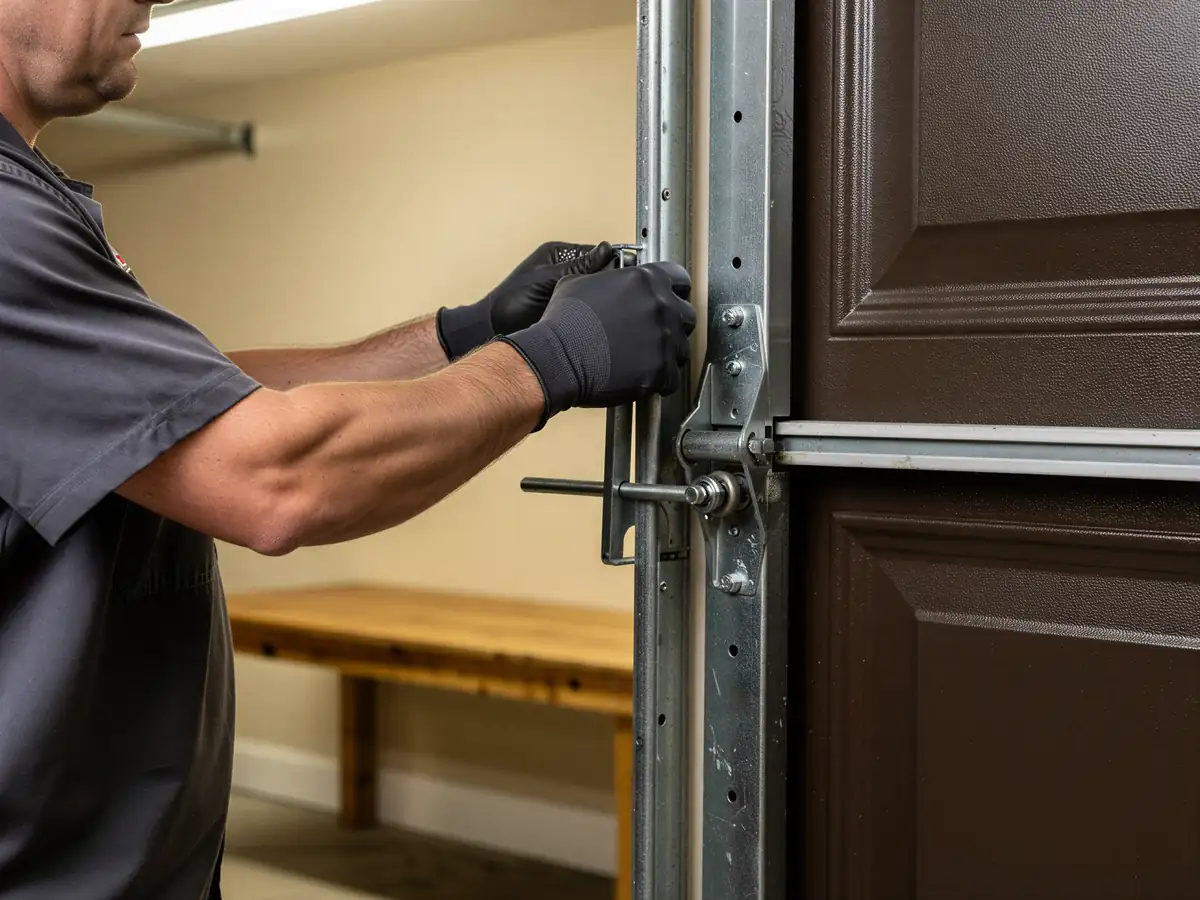
Most houses in Taylor Lake Village went up around 1974, which puts the garage doors here a decade or so ahead of the typical build across the rest of the service area. That matters because a door from this stretch is more likely to be an original steel sectional door, often the plain flush-panel kind with no insulation layer, hung on hardware that's been through forty-plus years of humid, mild-with-occasional-freeze weather. The faults look different from what you'd see on a newer door. Rollers wear oval instead of round. Hinges loosen at the pivot points before the springs ever go. Bottom panels show rust pinholes near the weather seal track, especially on doors that sit low and close to grade. Owners usually notice it first as a scrape or a hitch partway up the travel, not a dead opener - the opener motor is often newer than the door it's lifting, swapped in at some point while the original panel and track stayed put. That mismatch between a modern opener and old steel is the single biggest thing we check first on a maintenance call out here.
Parts We Carry
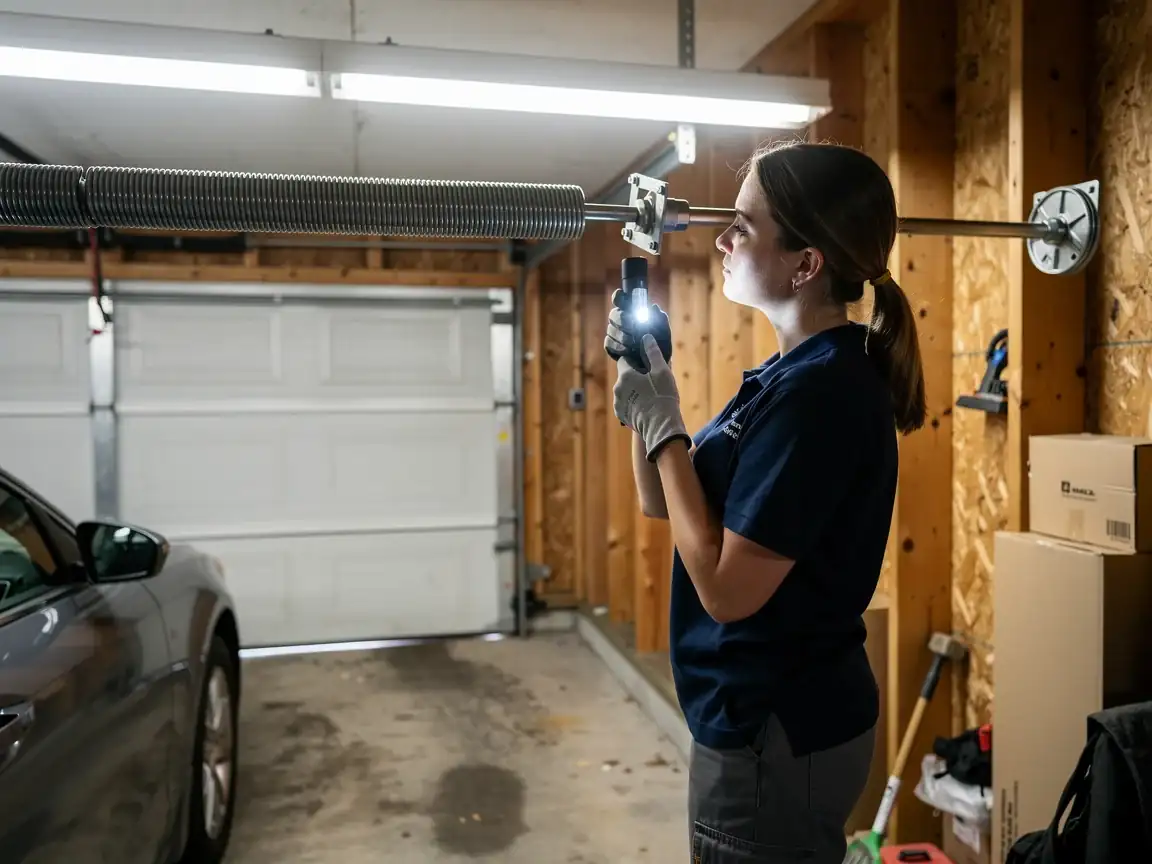
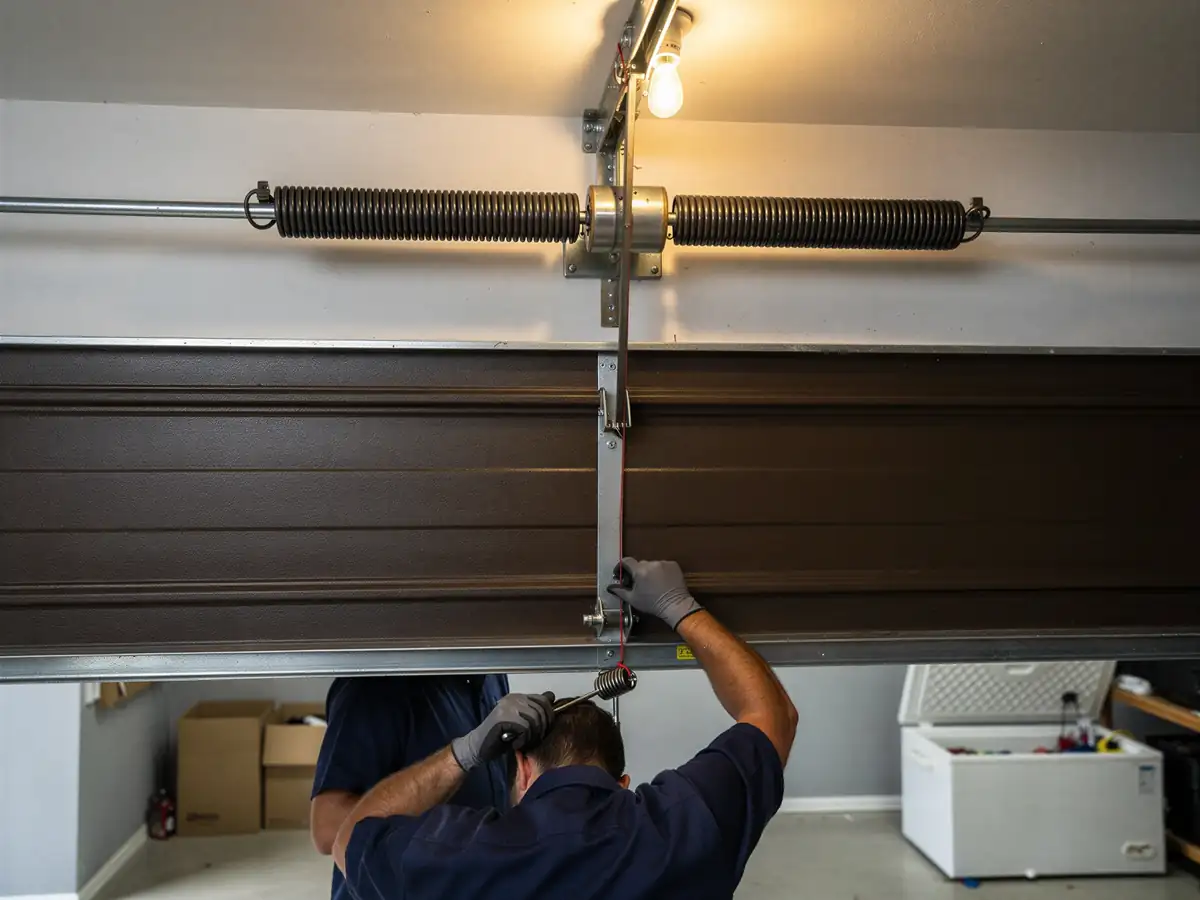
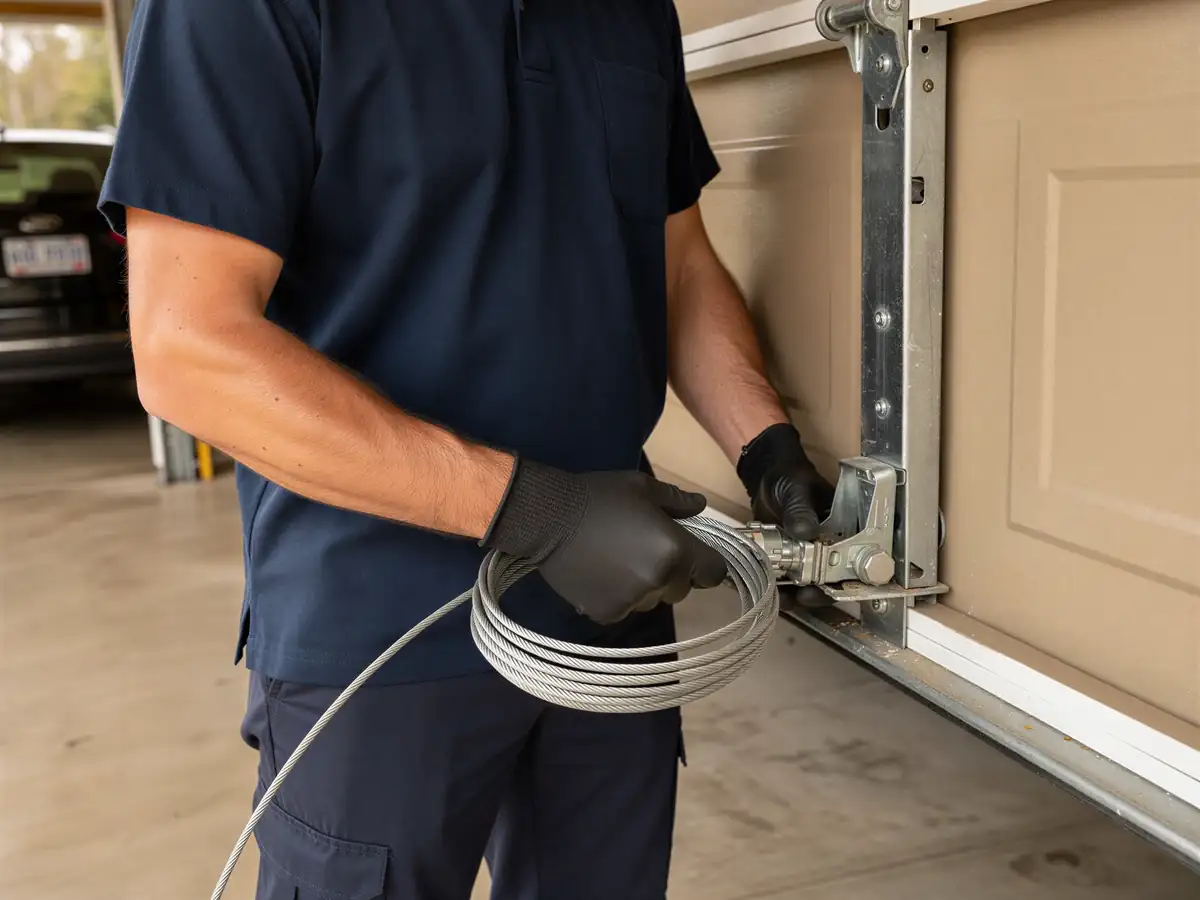
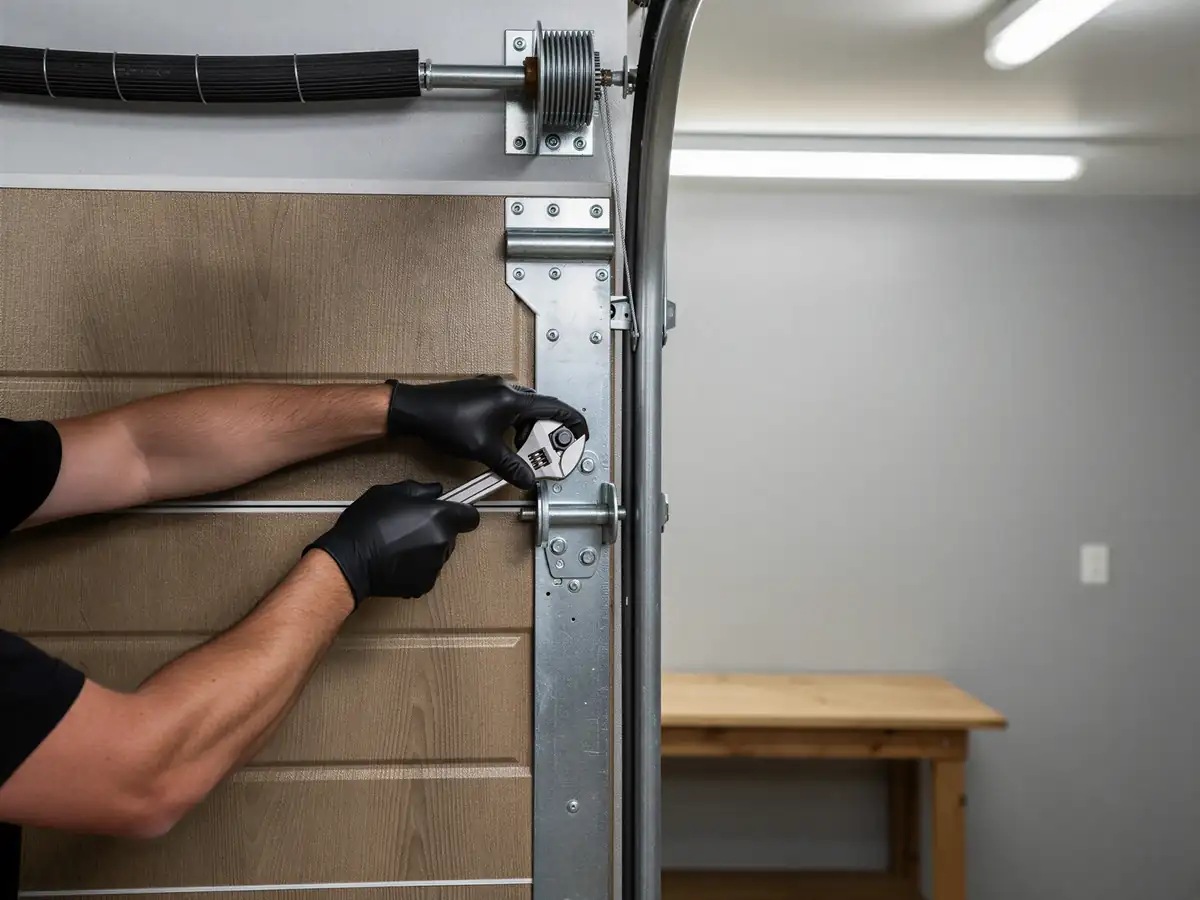
For doors from this era we carry standard-lift steel rollers and the shorter hinge plates that fit flush-panel sectional doors, along with galvanized torsion springs sized for a single-car or two-car steel door rather than the heavier insulated panels common in newer builds. Weatherstrip for a 1970s track profile isn't always the same width as what's stocked for current doors, so we bring a couple of sizes rather than guess on-site. What we don't stock on the truck is anything custom - a door that's been resized, re-skinned, or fitted with an aftermarket track at some point in its life. If a job needs a part like that, we tell you up front it's a special order, not a same-visit fix. That's one limitation worth knowing before you call: an older door in good original condition is usually a fast job, but one that's been modified over the years can take longer to source parts for.
What You Pay
We don't have a posted price for maintenance work in Taylor Lake Village specifically, and we're not going to make one up to fill space on this page. What we can tell you is that the age of the door changes the job more than the town does - a well-kept original 1970s steel door with its first or second roller set is a shorter visit than one that's had years of deferred lubrication and rust creep. Household incomes in this pocket run well above the wider service area's median of $77,315, but that has no bearing on what a torsion spring or a set of rollers costs; a quote is based on the door in front of us, not the zip code.
Doing It Yourself
You can do real maintenance yourself on a door this age without special tools. A light coat of lithium grease on the hinges, rollers, and track - not WD-40, which washes out and attracts grit - once or twice a year keeps steel hardware from seizing. Check the weatherstrip at the bottom panel for cracking; on a door built around 1974 it's likely been replaced at least once already, and a brittle strip lets water track along the slab in the area's mild but not dry climate. What you shouldn't touch yourself is the torsion spring. A spring on a standard steel door still holds enough stored tension to cause a serious injury if it lets go while you're adjusting it, and that's true no matter how old or light the door looks.