How It Shows Up
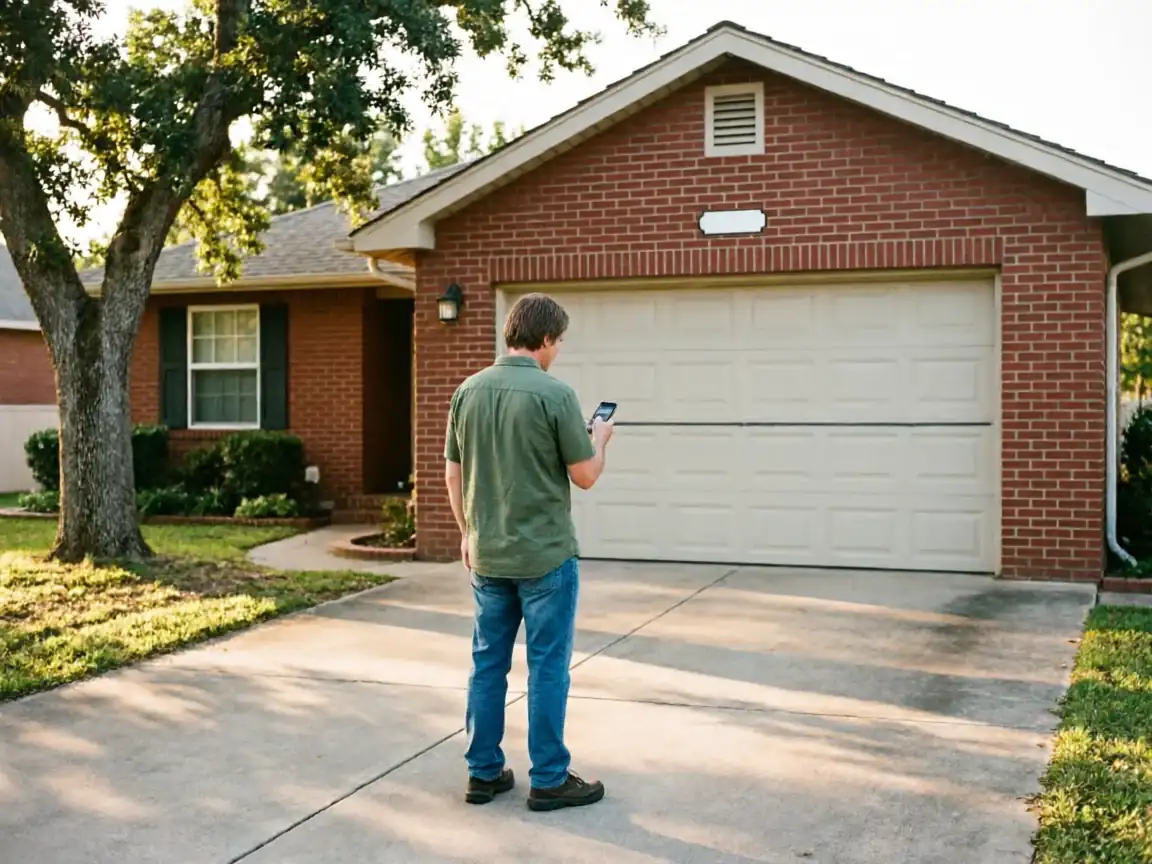
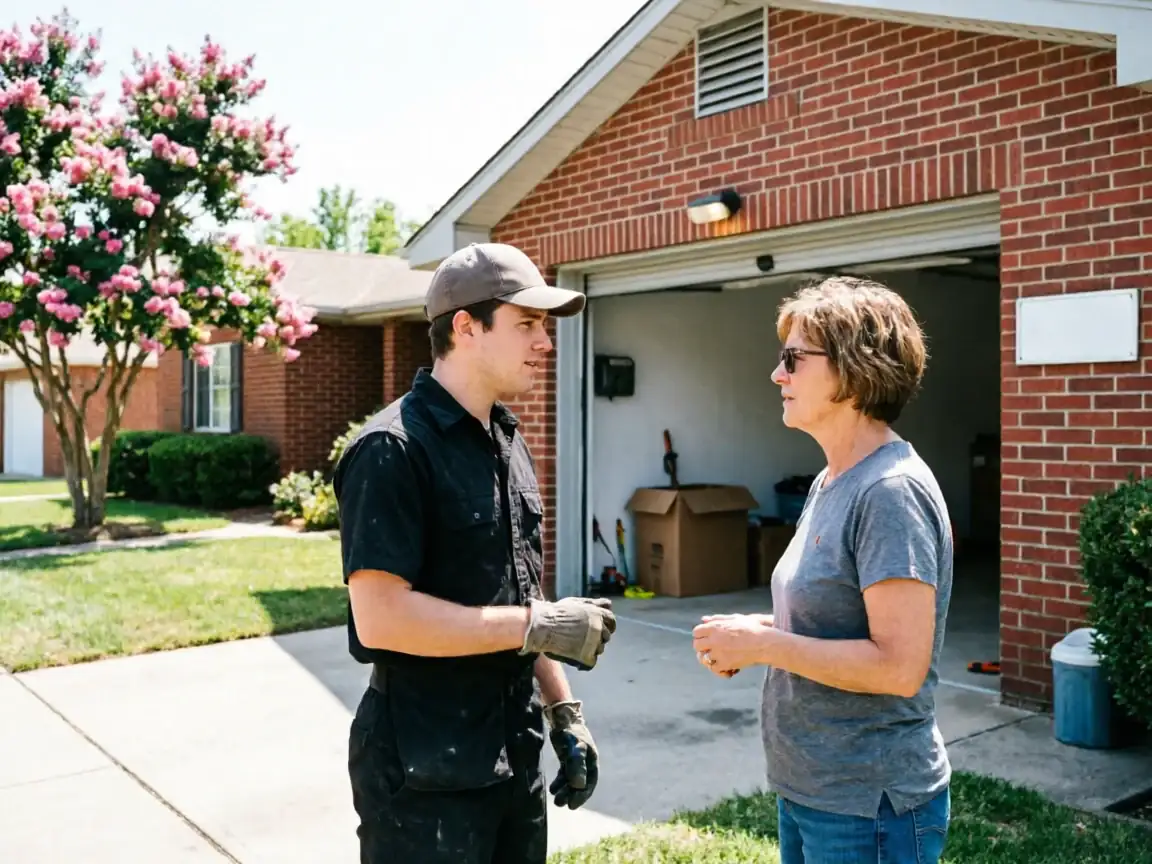
Taylor Lake Village sits about 6 miles from our shop in La Porte, close enough that a truck can be at your driveway within the same stretch of a morning as our in-town calls. That short drive matters because most of the openers failing out here aren't new units - the median home in Taylor Lake Village was built in 1974, a good decade older than the typical house across the wider La Porte service area. That means a lot of chain-drive units from the 80s and 90s, some on their second or third logic board, and a fair number of houses where the opener has outlived the door hardware it was paired with.
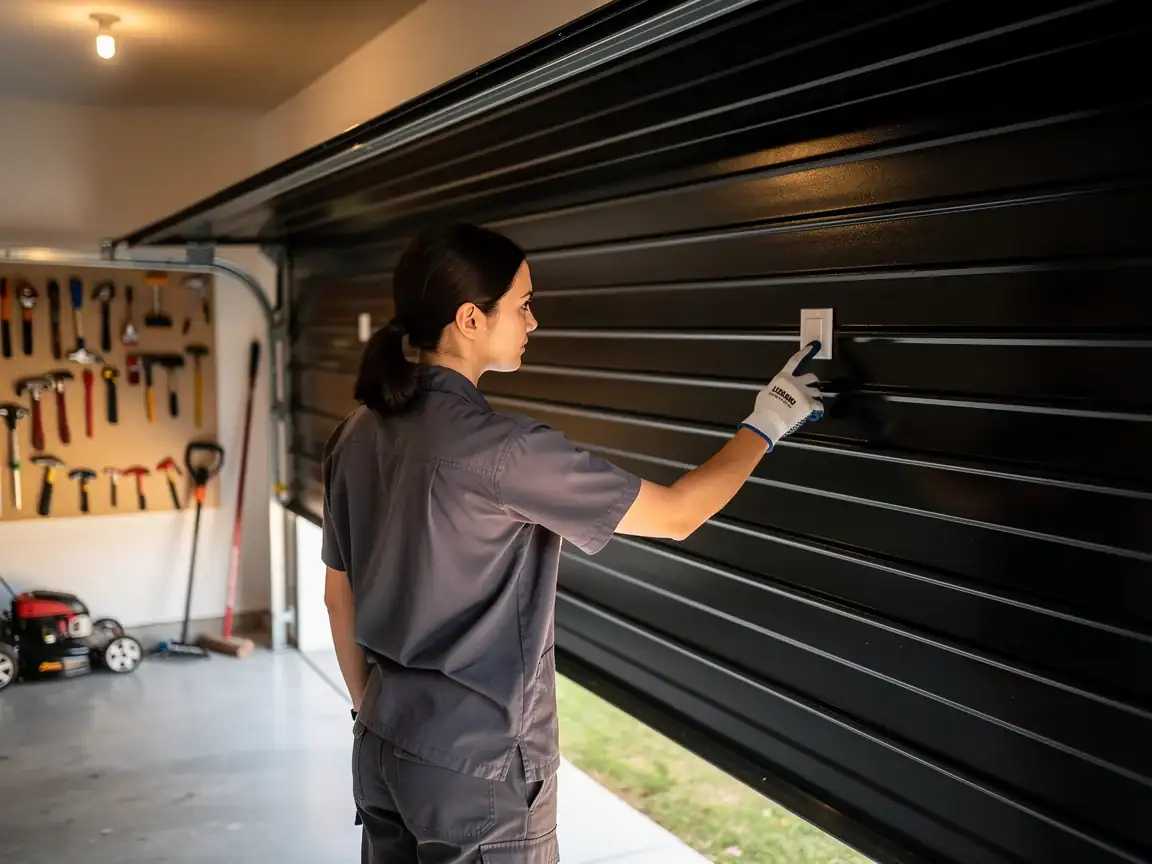
What we see most on these calls: a motor that hums but doesn't lift, a remote that works intermittently, or a unit that reverses the door halfway up for no clear reason. On older chain-drives, worn sprockets and stretched chain are common. On anything from the late 90s forward, it's usually the logic board or the safety-sensor wiring that's gone bad, not the motor itself. The MILD climate with occasional freeze here doesn't stress openers the way heat-cycle regions do, but humidity still gets into old circuit boards over three decades, and that's where a lot of these failures start.
Parts We Carry
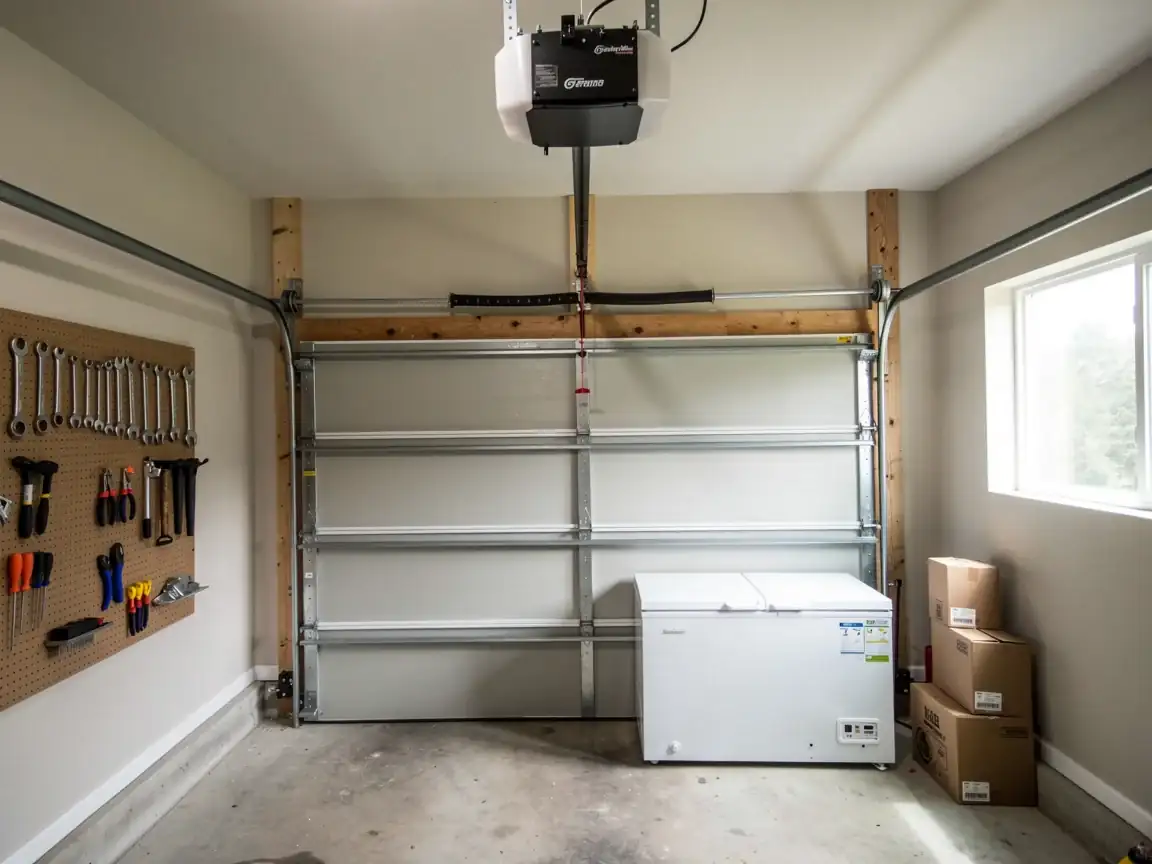
We stock the opener parts that actually fail on the housing stock out here: chain and belt kits, drive gears, capacitors, circuit boards for the major brands still running on 70s and 80s-era units, safety sensor pairs, and standard remotes and keypads. Taylor Lake Village's 1,451 households skew toward well-kept older homes, so we see more rebuild jobs - swapping a gear kit or board into a working motor - than straight teardown-and-replace.
Where we run short is specialty parts for openers that haven't been made in 20 years. If your unit is old enough that the manufacturer has stopped stocking boards for it, we'll tell you straight: a rebuild isn't always possible, and a new opener that matches your existing door and track is often the better call. We carry mid-range and higher-end openers on the truck, but we don't stock every obscure model, so a same-day job depends on what's actually wrong and what your unit needs.
How Long It Takes
Most opener repairs in Taylor Lake Village run one visit
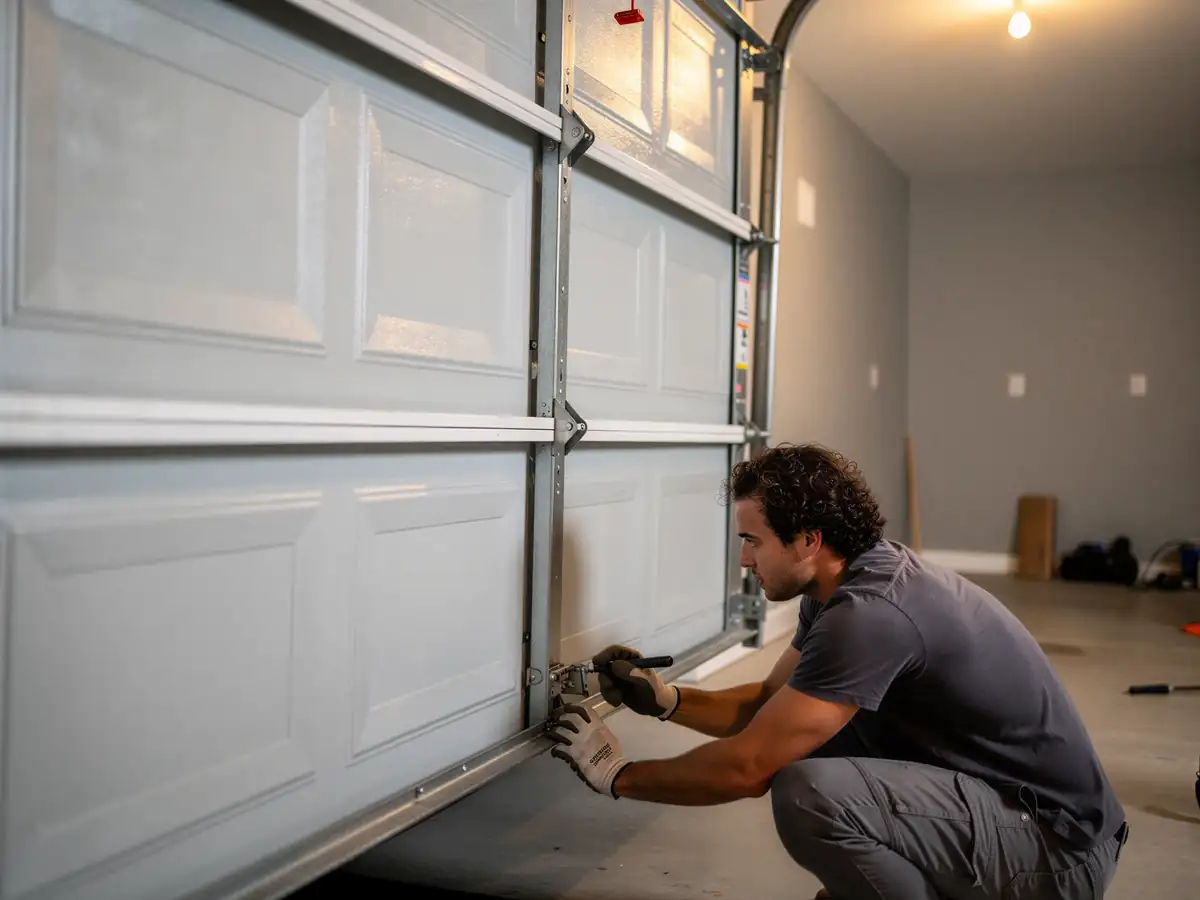
Sensor realignment, remote reprogramming, chain tensioning, and gear or capacitor swaps are all same-call fixes once the tech is on site. A board replacement usually goes the same way if we're carrying the right board on the truck.
Where it stretches past one visit is parts availability for the older units common in this area
A specific logic board for a unit from the 70s or 80s sometimes has to be ordered, and that's a lead time we don't control. We'll tell you on the first visit whether your opener is a same-day fix or a two-trip job, and why.
What You Pay
We don't publish flat prices here because opener repair cost depends on what's actually broken - a capacitor swap costs a fraction of a board replacement, and a full opener replacement costs more than either. What we can tell you is that Taylor Lake Village's median household income, at $161,191, runs well above the $77,315 median across our wider service area, and we get asked more often out here whether it's worth repairing an older unit versus just replacing it with something quieter and better insulated.
Our answer is the same regardless of the house: if the motor and drive are sound and it's a part failure, repair almost always costs less than replacement. If the unit is old enough that parts are hard to source, we'll give you both numbers before we touch anything, and let you decide.
Doing It Yourself
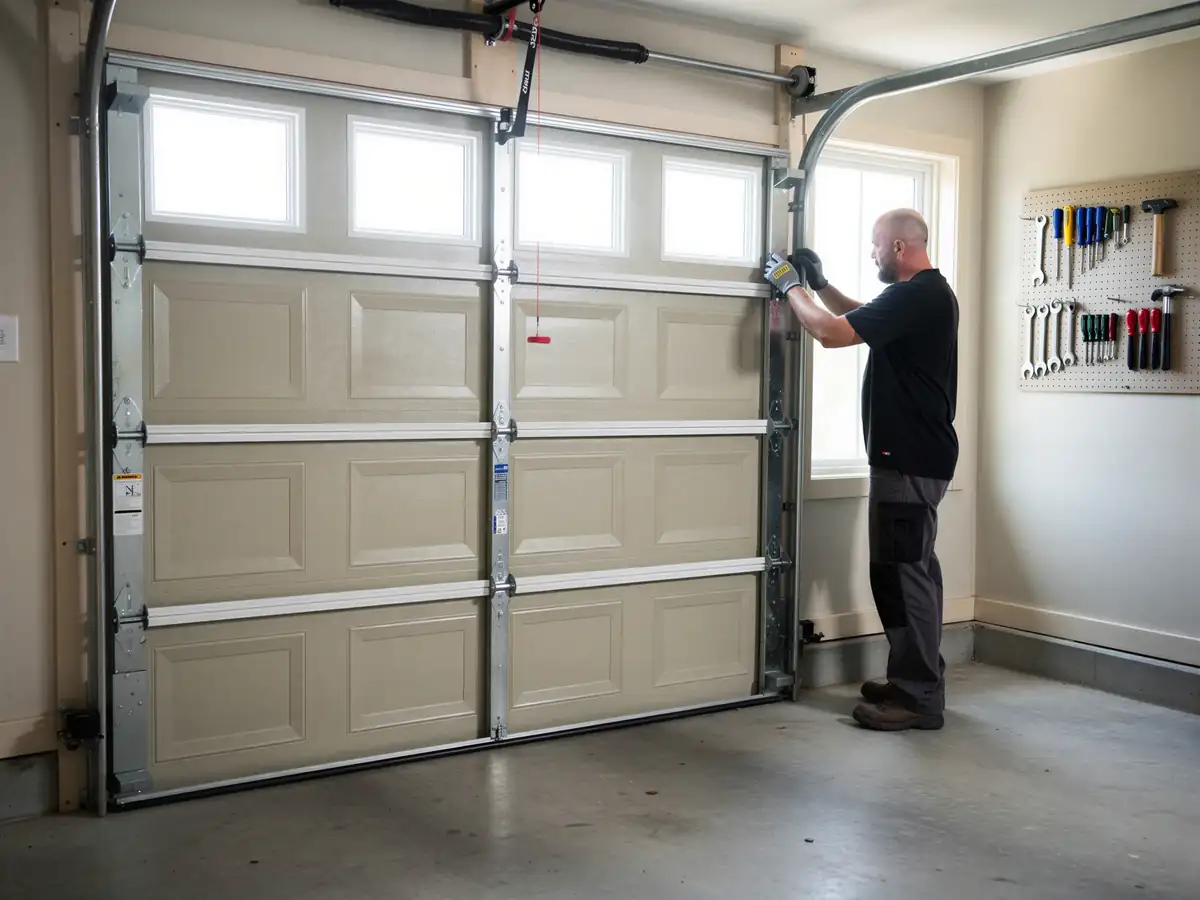
Reprogramming a remote, replacing batteries in a keypad, and realigning safety sensors that have drifted out of position are all things a homeowner can do without a tech. The sensor fix especially - if your door reverses before touching the floor, check that the two sensor eyes near the bottom of the tracks are facing each other and not knocked loose. On the older chain-drive units common in Taylor Lake Village, don't attempt a gear or sprocket swap yourself. The chain carries real tension, and the motor housing on 80s and 90s units isn't built the way newer sealed units are. If the opener hums without moving the door, call it in rather than force it - a stuck motor under load burns out fast.
How We Fix It
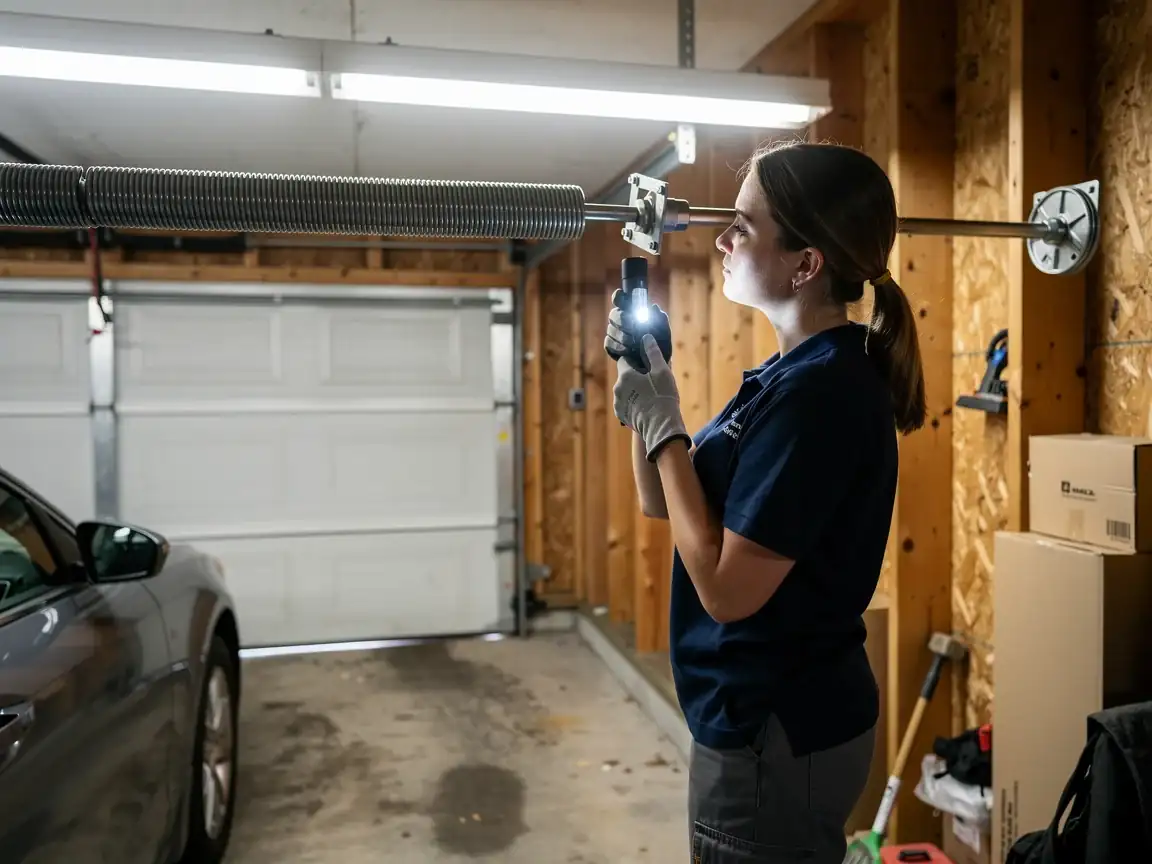
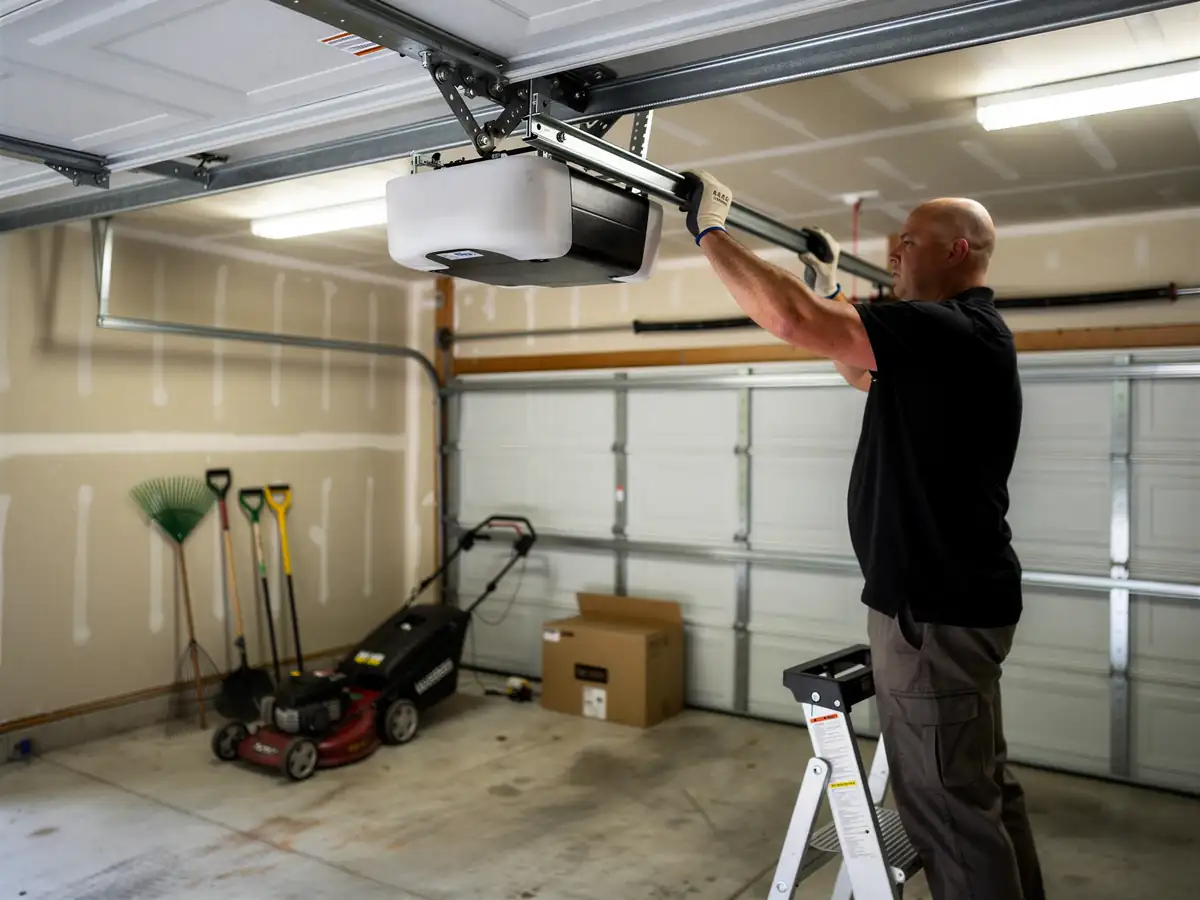
On a call to Taylor Lake Village, the tech starts by running the opener through a full cycle to isolate whether the fault is mechanical (chain, gear, drive) or electrical (board, capacitor, sensors)
Given the age of a lot of units out here, the first check is usually the capacitor and the board, since those fail on a predictable timeline regardless of how well the door itself has been maintained.
If it's a mechanical issue, we rebuild the drive assembly on site using stock from the truck
If it's electrical and we're carrying the matching board, that's a same-visit swap too. If the part needed is something only the original manufacturer stocks for a 40-plus-year-old unit, we'll quote a full opener replacement instead and match it to your existing door and track so the install goes clean. Either way, you get a straight answer about what's actually wrong before we start.