How It Shows Up
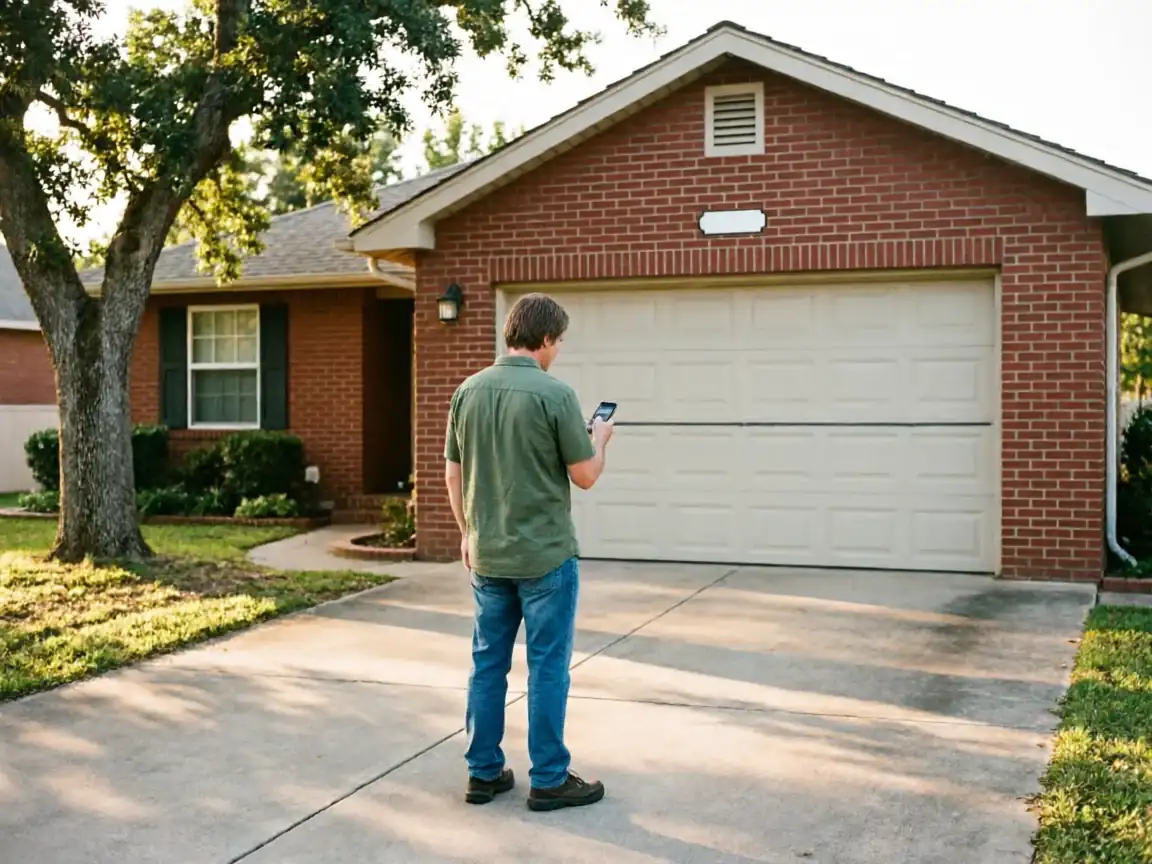
The call we get from Taylor Lake Village is almost always the same shape: the door still runs, but it runs wrong. It drags on one side, the opener strains and clicks off mid-cycle, or the panel has started to bow where the original hardware never quite matches what's sold today. That's not an accident of bad luck - it's the age of the house talking.
Median year built here is 1974, a decade older than the typical house across the rest of our service area, where the median runs closer to 1984. A door installed when a 1974 house was built is on its third or fourth opener by now, but the track, the jamb brackets, and sometimes the framing itself are still original. New doors have to be fitted to that older opening, not just dropped in - which is where a lot of off-the-shelf installs go sideways. We size and shim for what's actually there, not for a generic 7x16 that assumes 1990s framing.
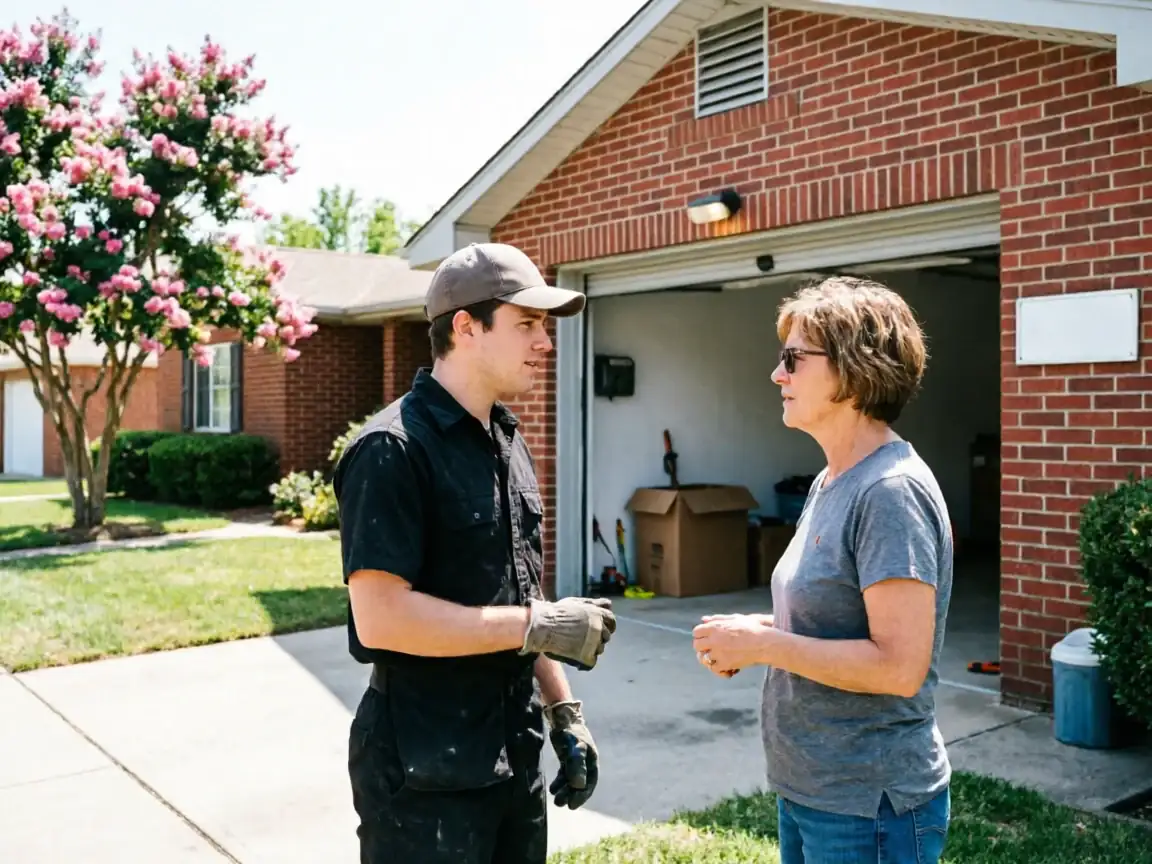
The other failure mode is simpler: the door is fine, the owner just wants it replaced before it fails, especially ahead of a sale or a remodel. Either way, the starting point is the same house stock, and that's what we plan the job around.
Parts We Carry
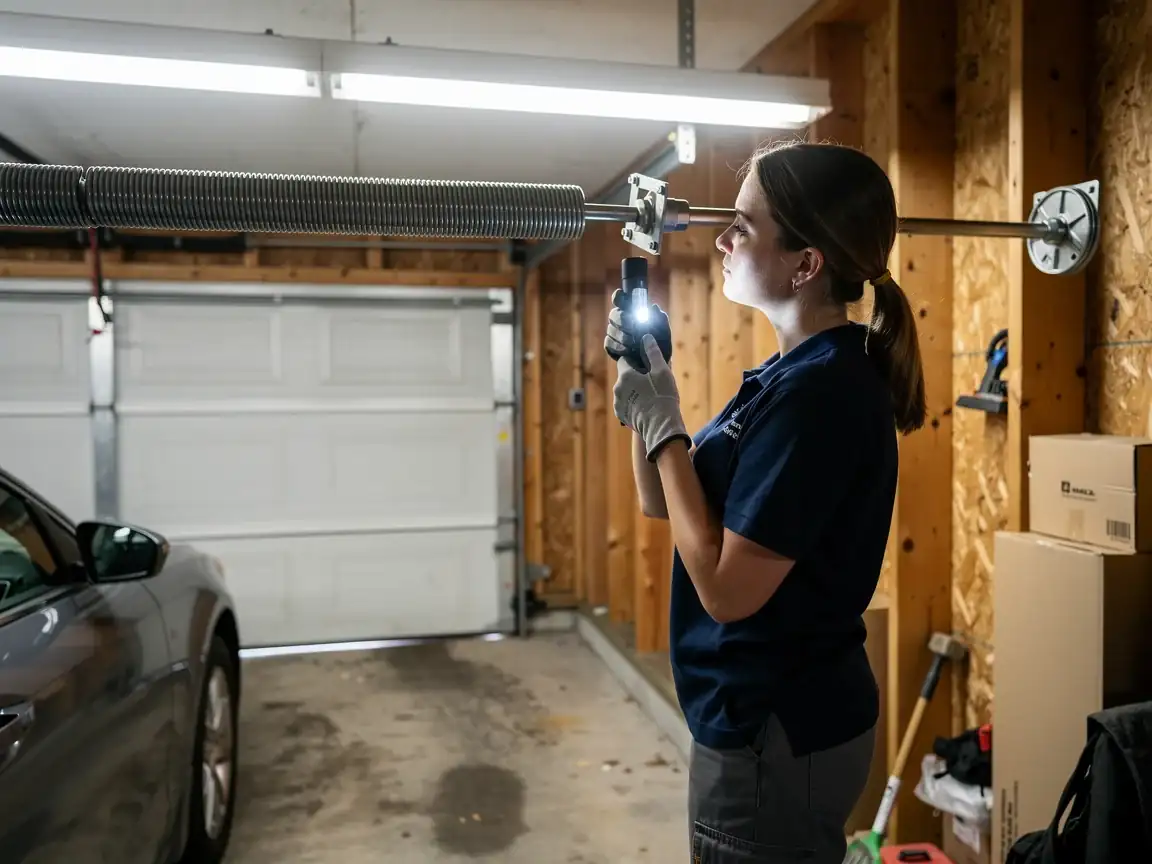
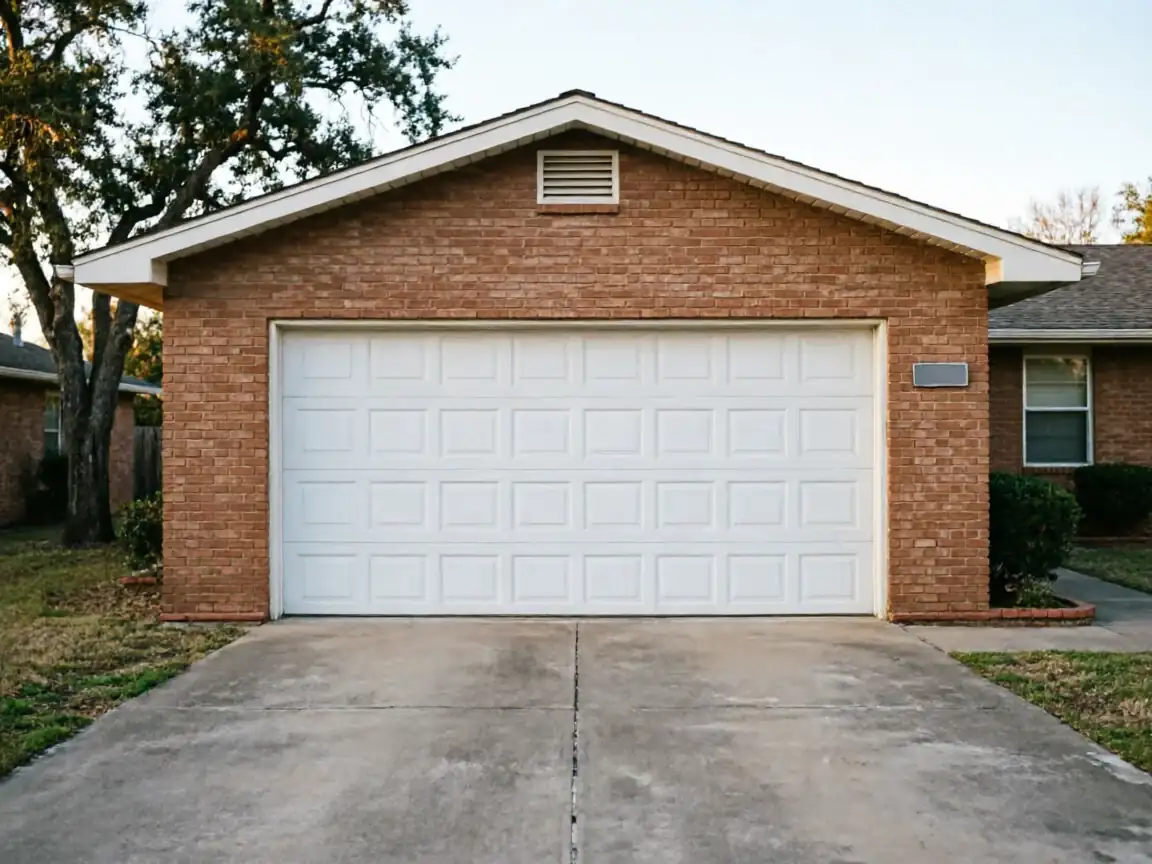
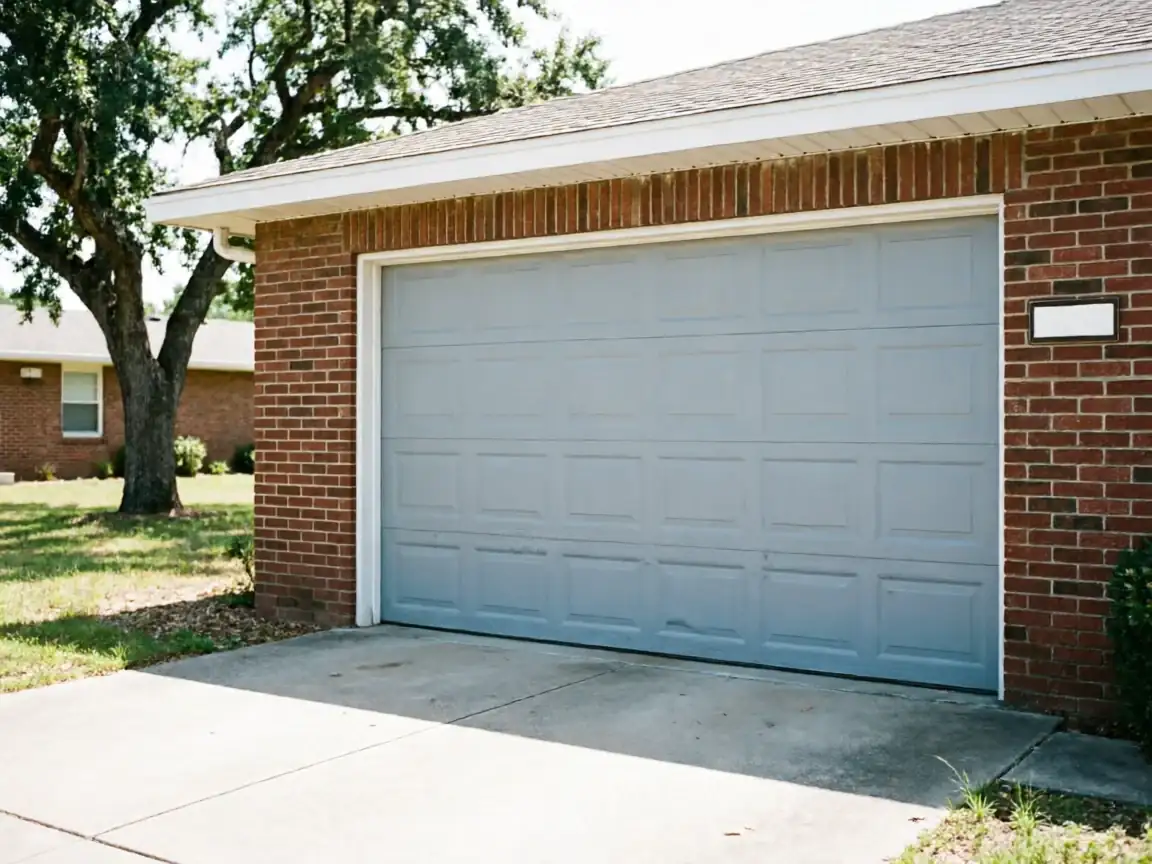
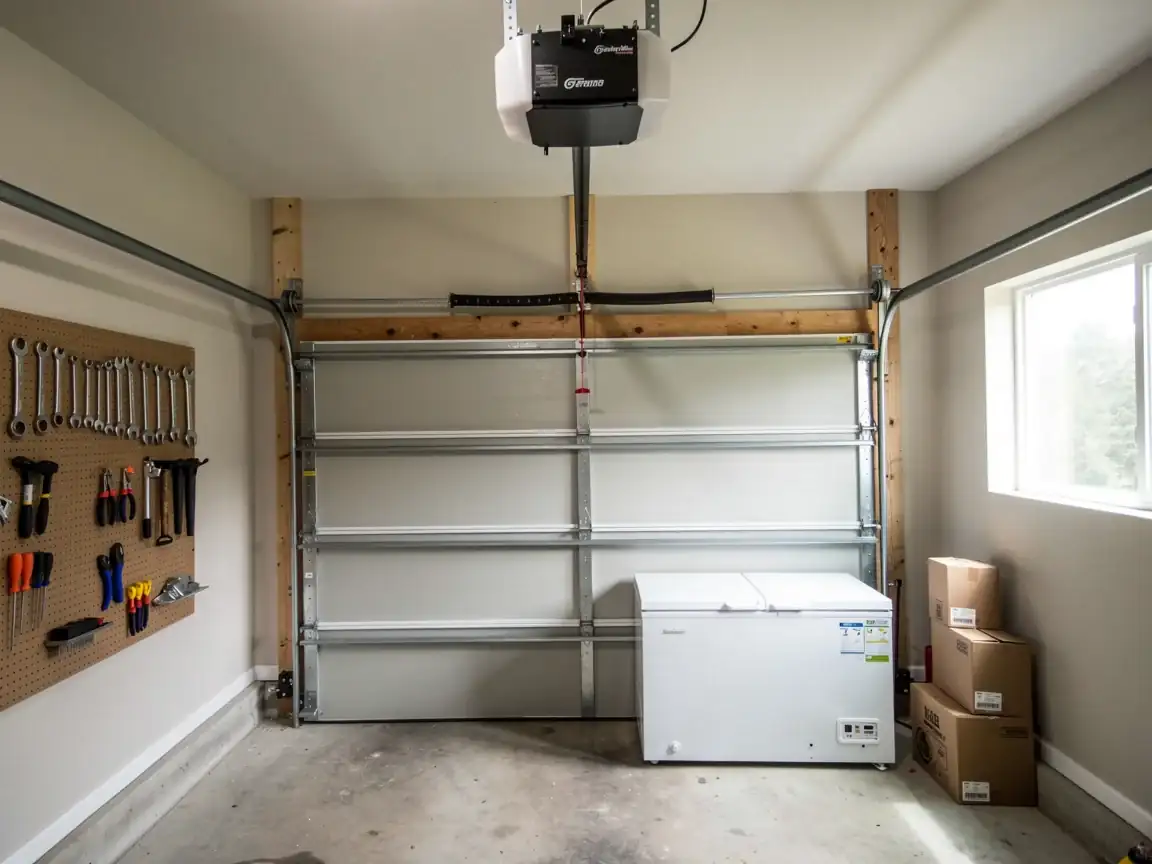
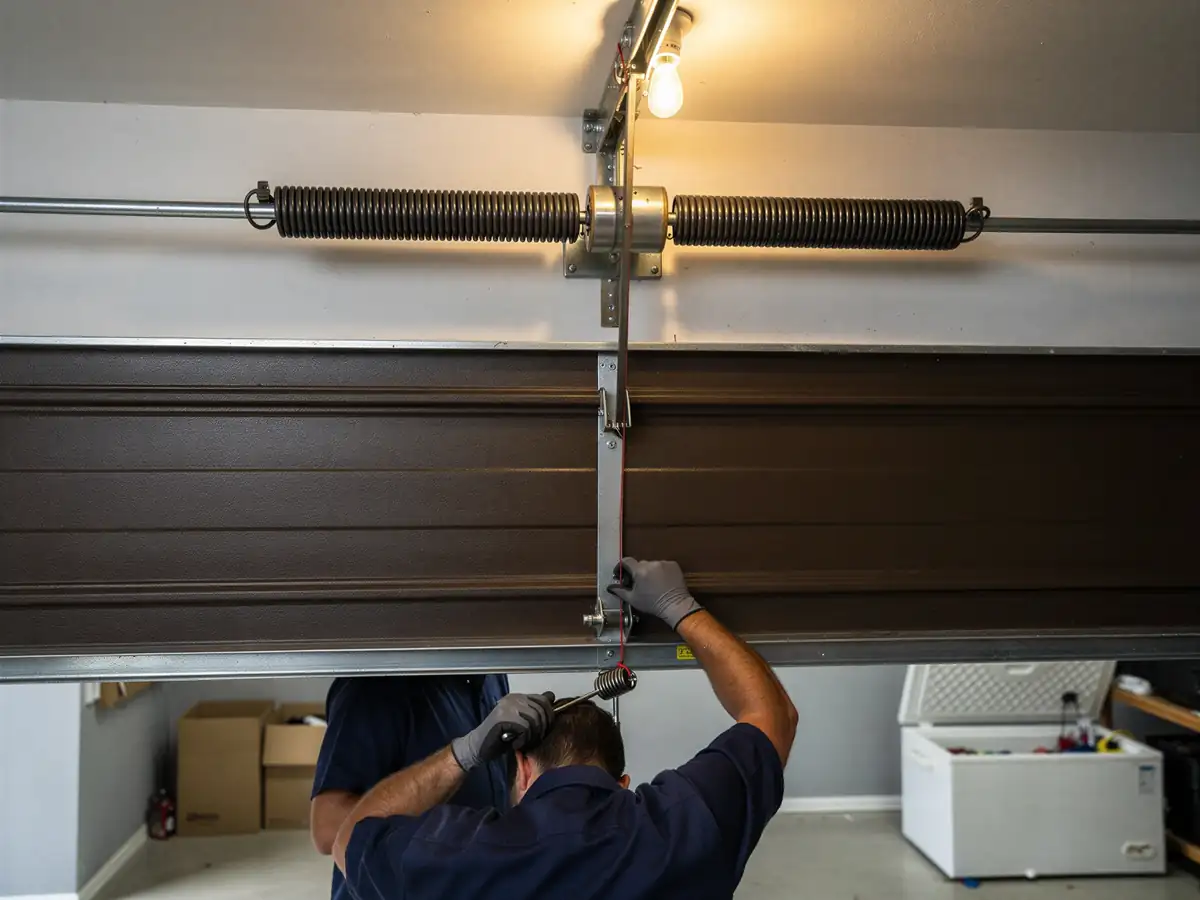
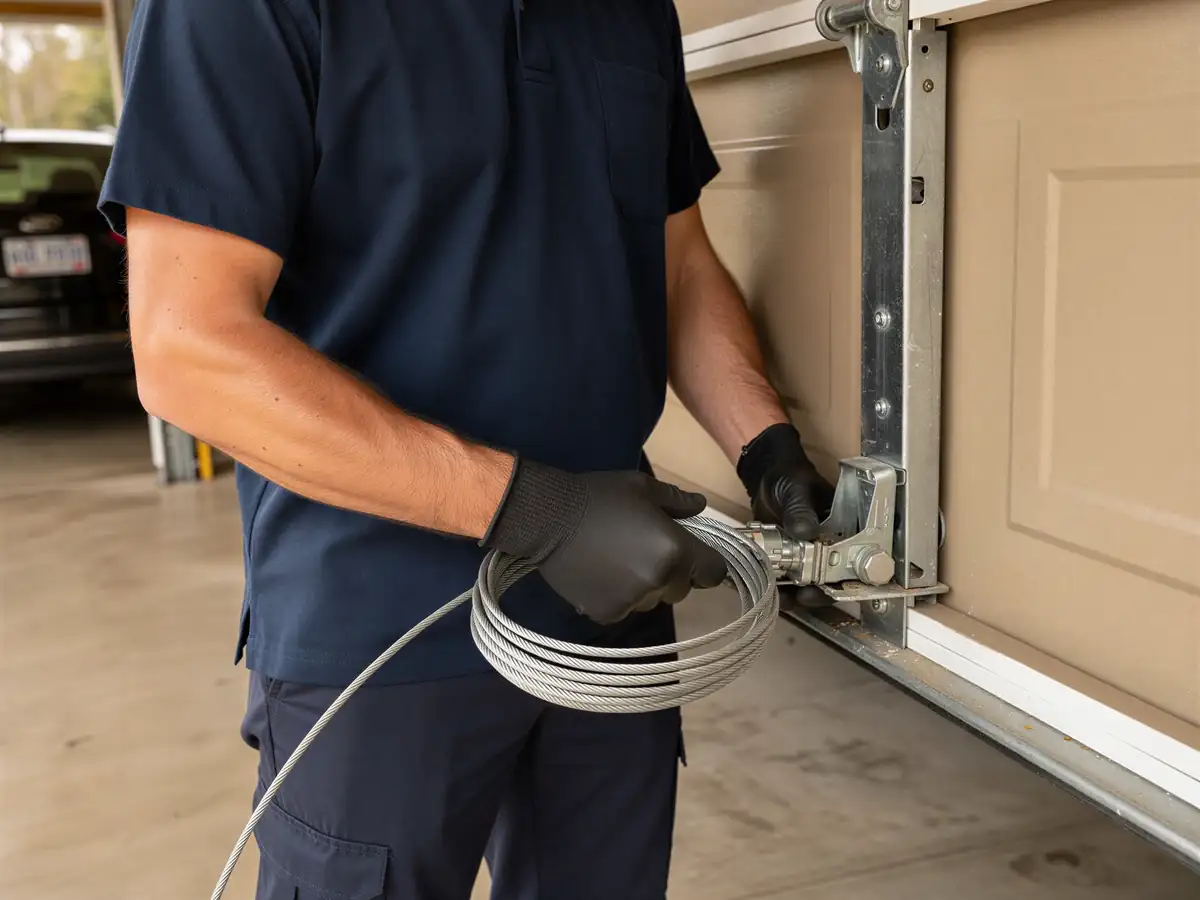
We stock torsion springs, galvanized track, rollers, and cable sized for both older openings - common in a 1974-era house - and the newer standard sizes you'll find on homes built since. Taylor Lake Village has a mix of both, since remodels and additions over 50 years have swapped some original openings for wider ones.
Climate here is mild with occasional freeze risk, so we don't carry or push heavy insulation packages built for harder winters - most owners don't need the cost. What matters more locally is weatherstripping and bottom seal that holds up to Gulf Coast humidity swings without cracking early, and that's what we fit as standard on new installs.
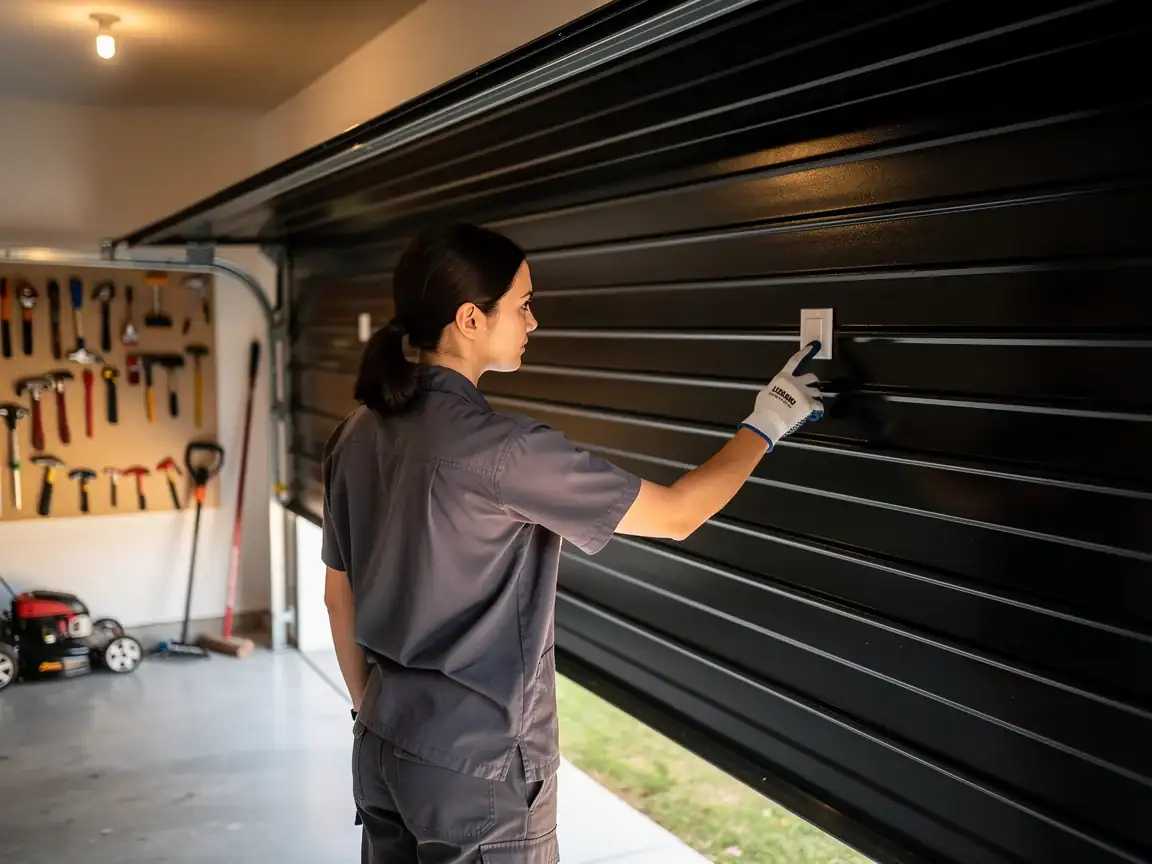
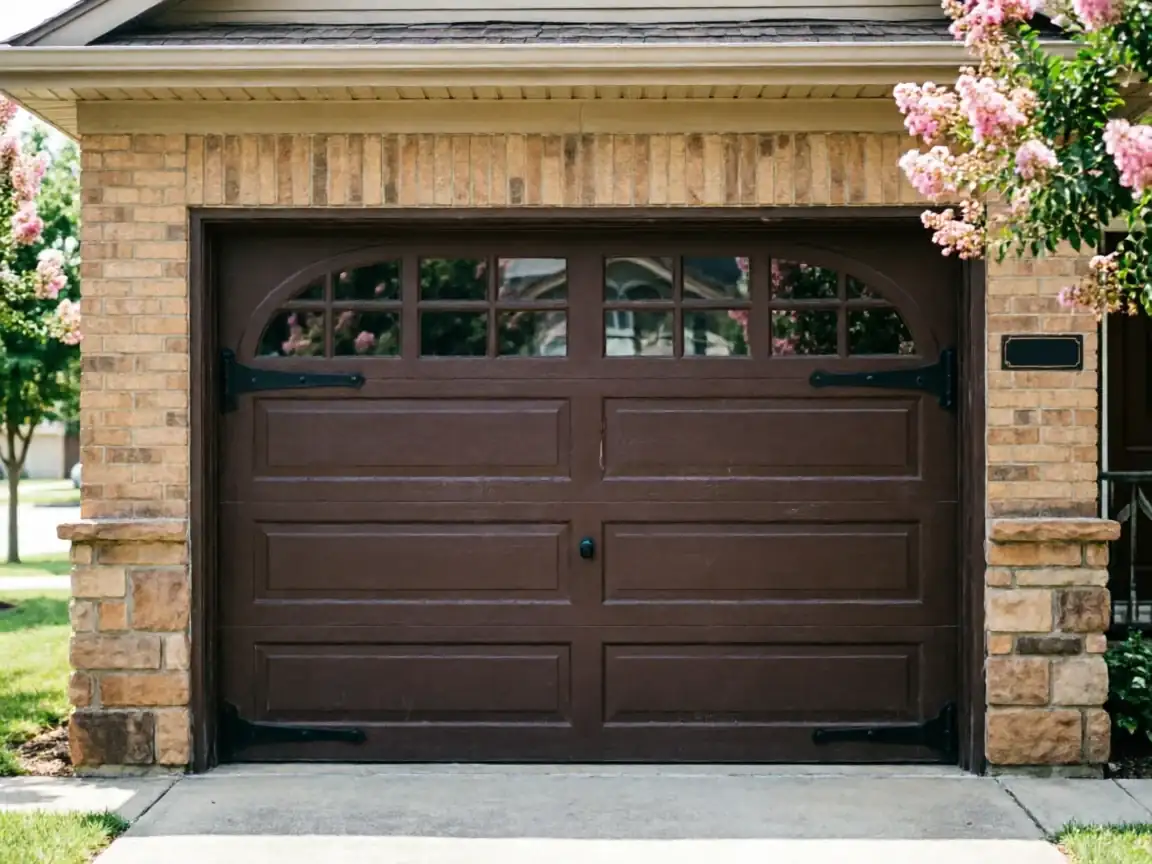
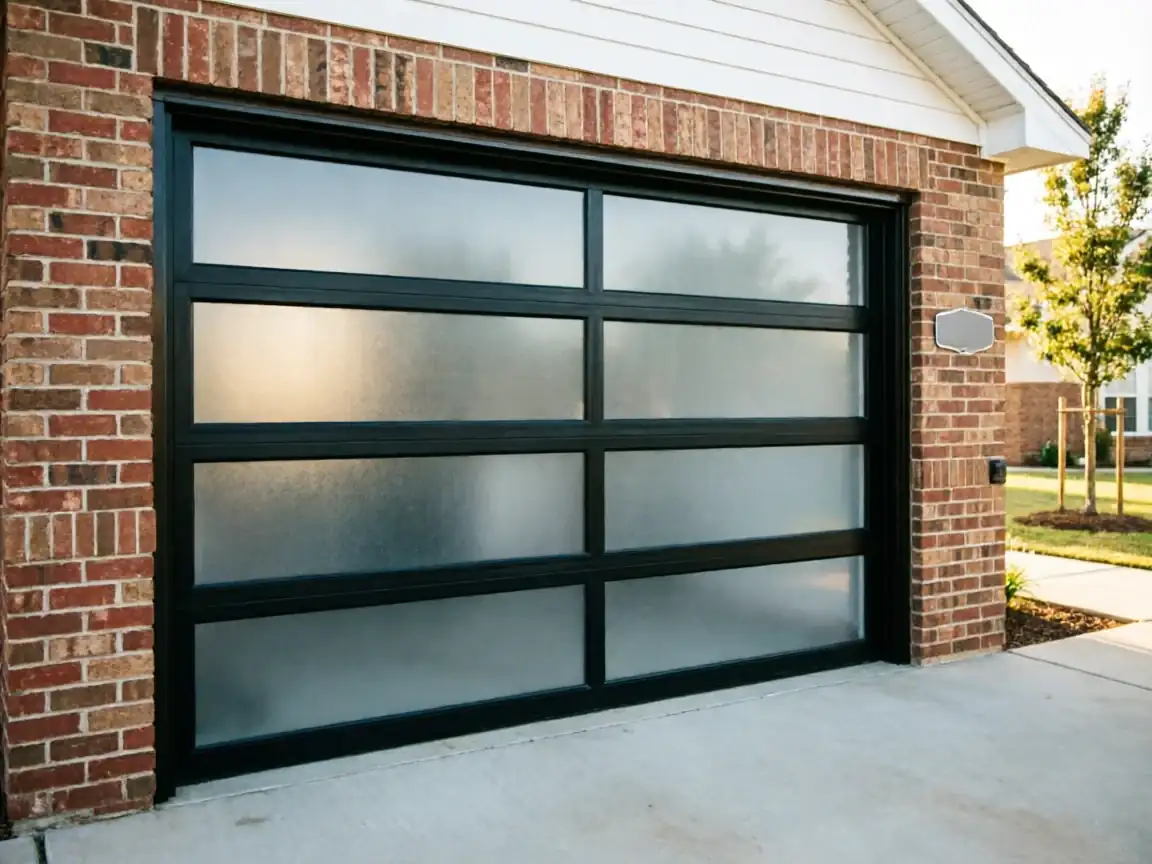
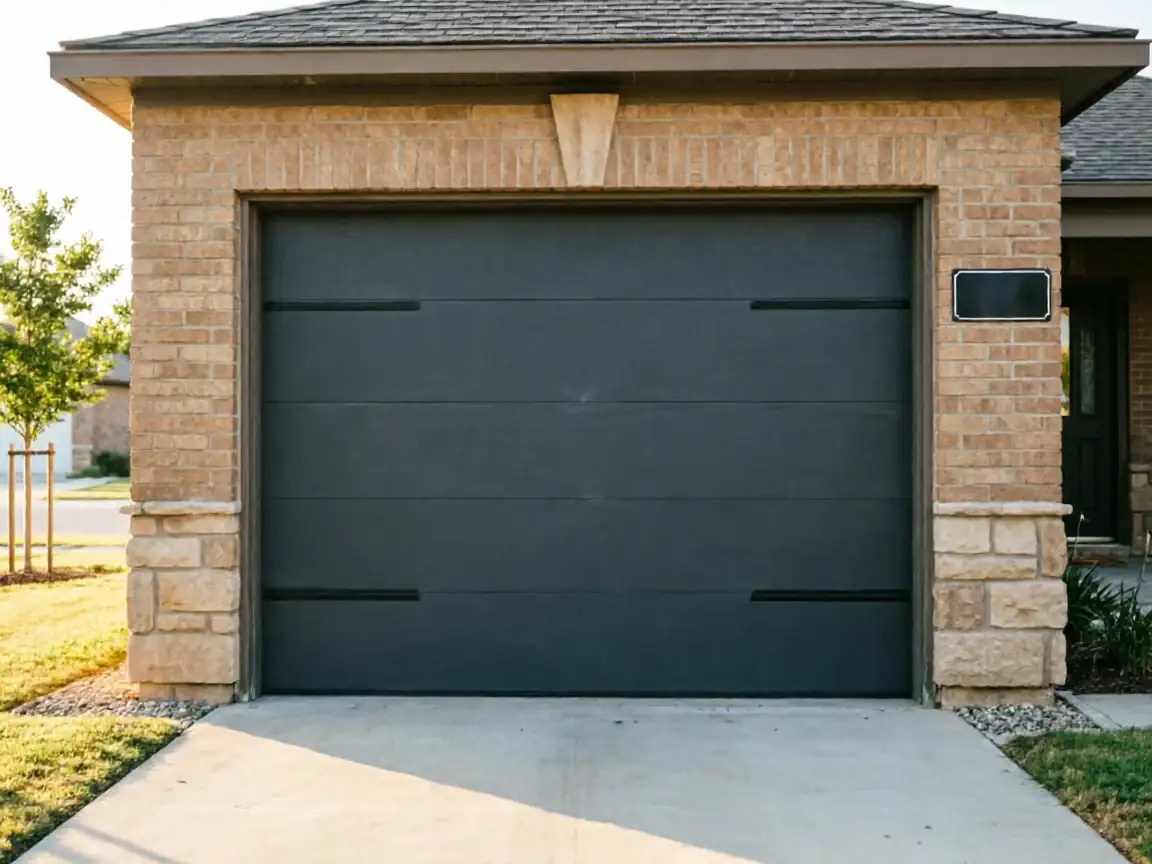
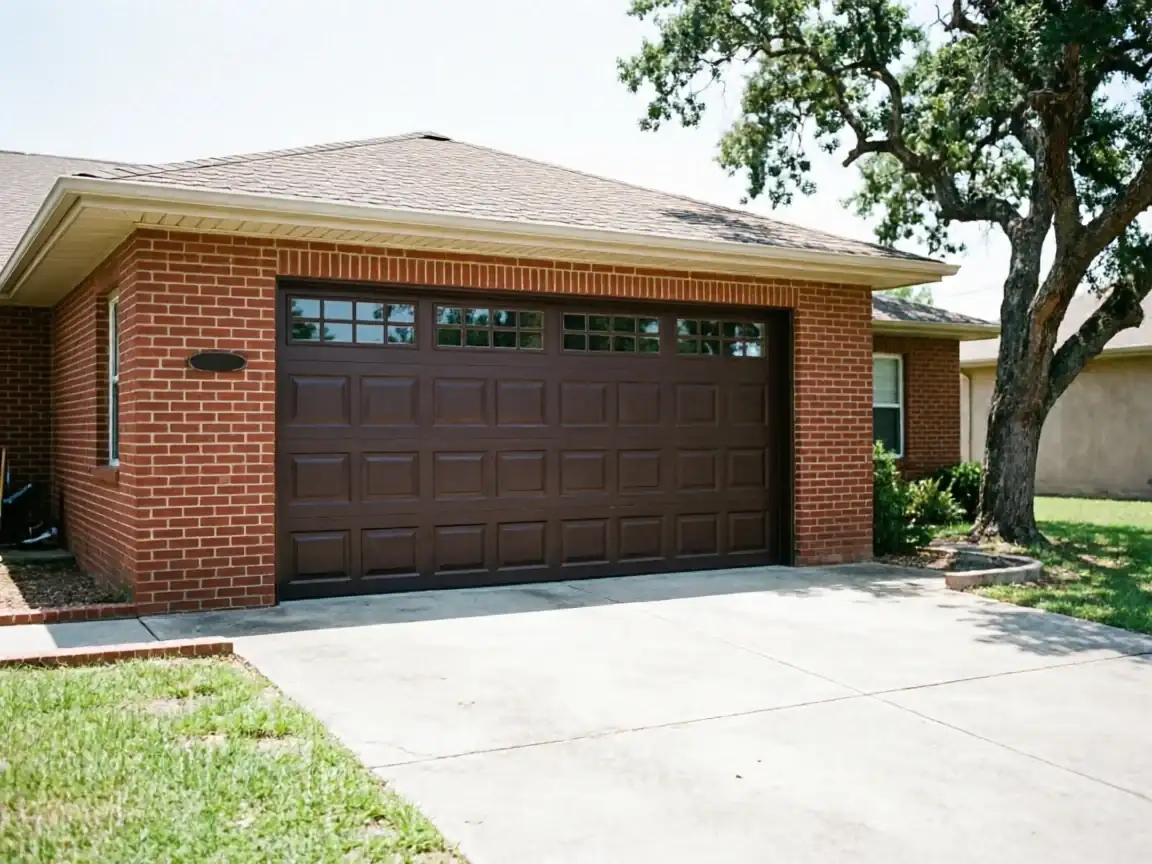
One honest limit: if you want a specialty wood-look door with a custom glass insert pattern, that's a special order through our supplier, not something off the truck. We'll quote it, but the lead time runs longer than a standard steel or aluminum door, and we'll tell you that number before you commit, not after.
How Long It Takes
A standard single or double door swap, once we're on site, runs a few hours to half a day depending on whether the opening needs reframing
On a 1974-built house, we budget extra time to check the jamb and header for square before the new unit goes in - skipping that step is how you end up with a door that looks fine on install day and binds six months later.
We travel from La Porte, about 6 miles out
So scheduling is built around that drive, not a local branch. That means we batch jobs by area when we can, which sometimes means a day or two of lead time to line up the visit, but it also means the crew that shows up has already looked at your specific opening dimensions beforehand, not guessing on the truck.
- 6 miles
What You Pay
We don't have a published price list for this page, and quoting a number without seeing the opening would be a guess, not a fact. What we can tell you is what drives the cost here: whether the existing frame needs work (more likely on a 1974 opening than a newer one), door material and insulation level, and opener compatibility if you're keeping the existing unit.
Taylor Lake Village's median household income runs well above the wider service area - about $161,191 here against roughly $77,315 across the area as a whole - and we see that reflected in the jobs: more owners here choose insulated steel or composite doors over the base builder-grade option. That's a choice, not a requirement; a basic door does the same job and costs less.
Doing It Yourself
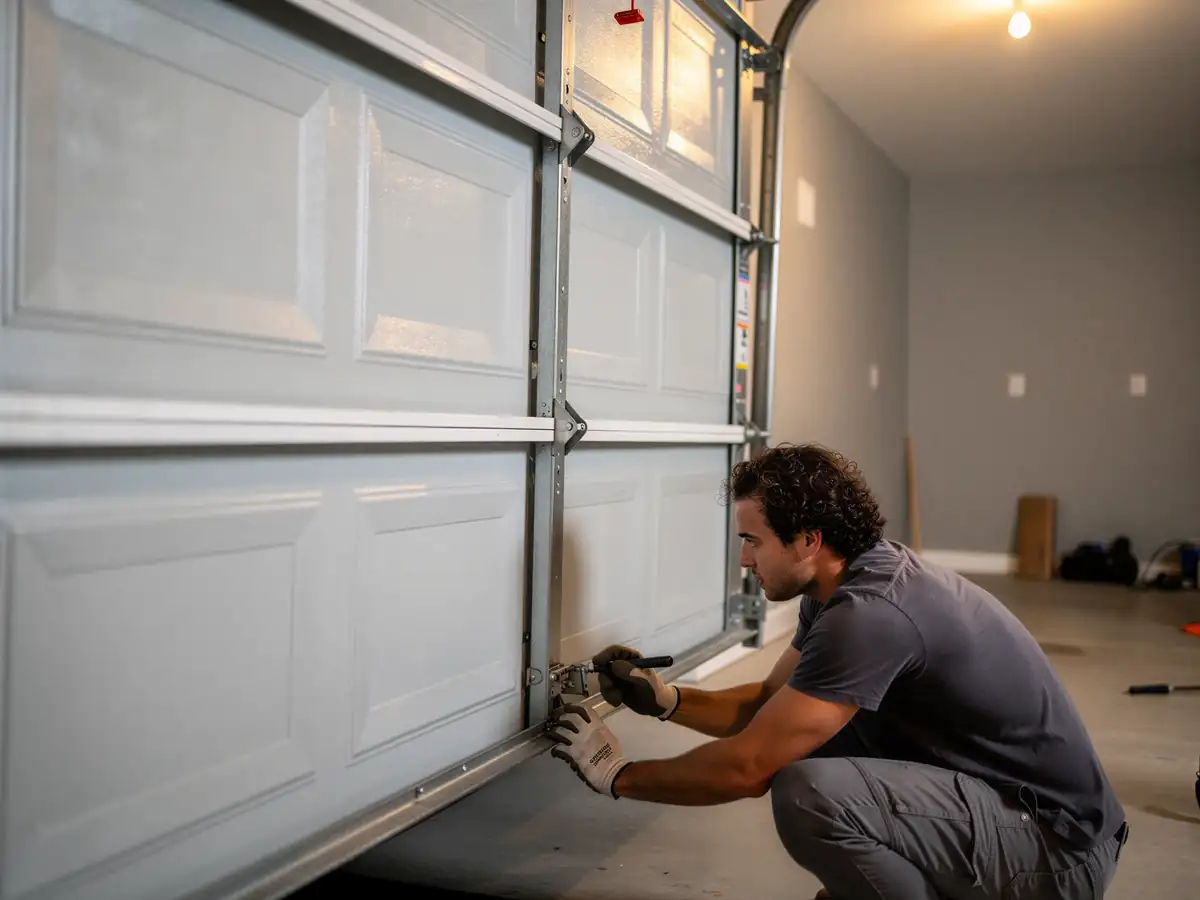
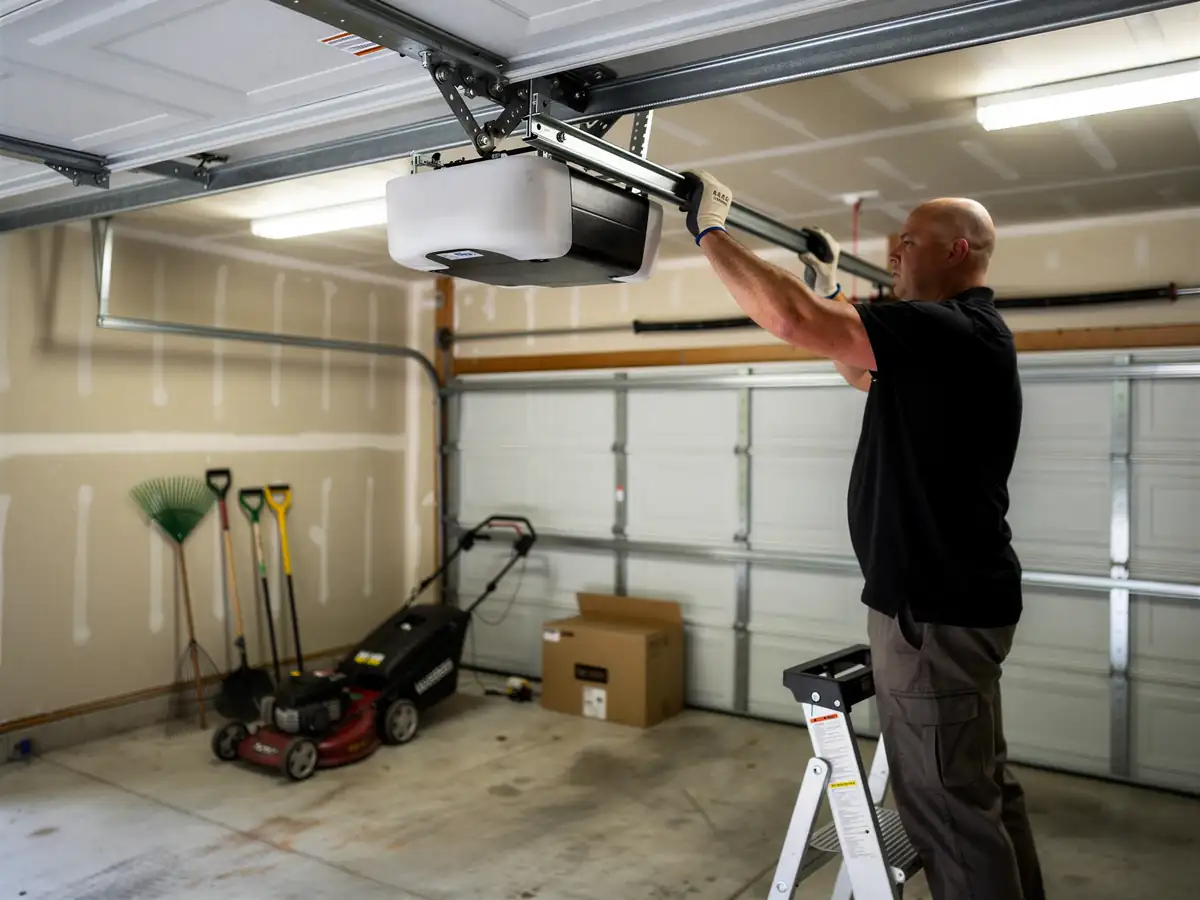
Swapping the opener or the weatherstripping yourself is reasonable if you're comfortable with a ladder and a drill. Replacing the door itself, especially on an older 1974-era frame, is not a one-person Saturday project - the springs are under real tension, and an opening that's slightly out of square needs shimming you can't eyeball from a box instruction sheet.
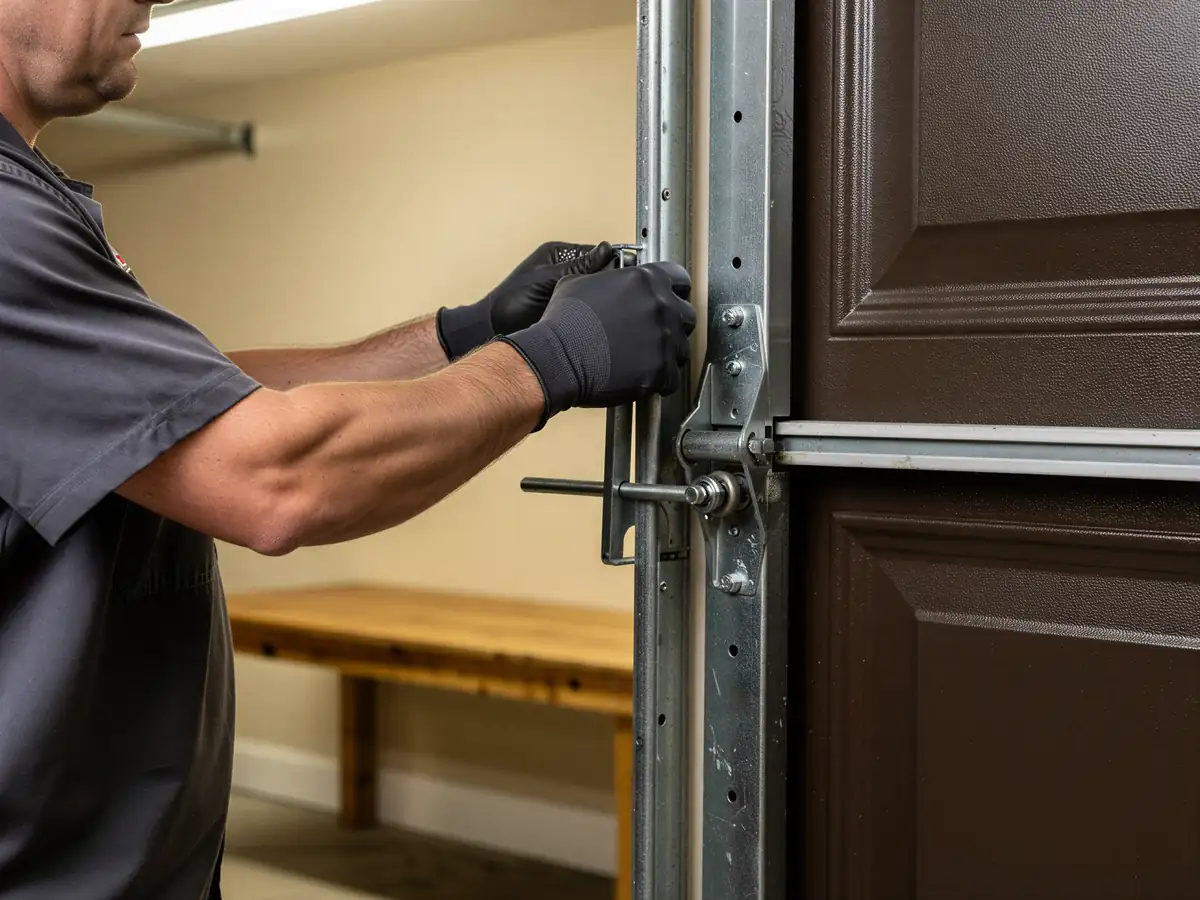
If your house still has the original jamb hardware, that's the part most DIY installs get wrong: they install the new door to the new track's spec and ignore that the frame itself has shifted slightly over 50 years. We're not going to tell you it can't be done - we're telling you where it usually goes wrong.
How We Fix It
We start by measuring the actual opening, not assuming it matches a standard size
That matters more in Taylor Lake Village than in newer-built parts of the service area, given the 1974 median build year. If the frame's out of square, we correct that before the door goes in, not after.
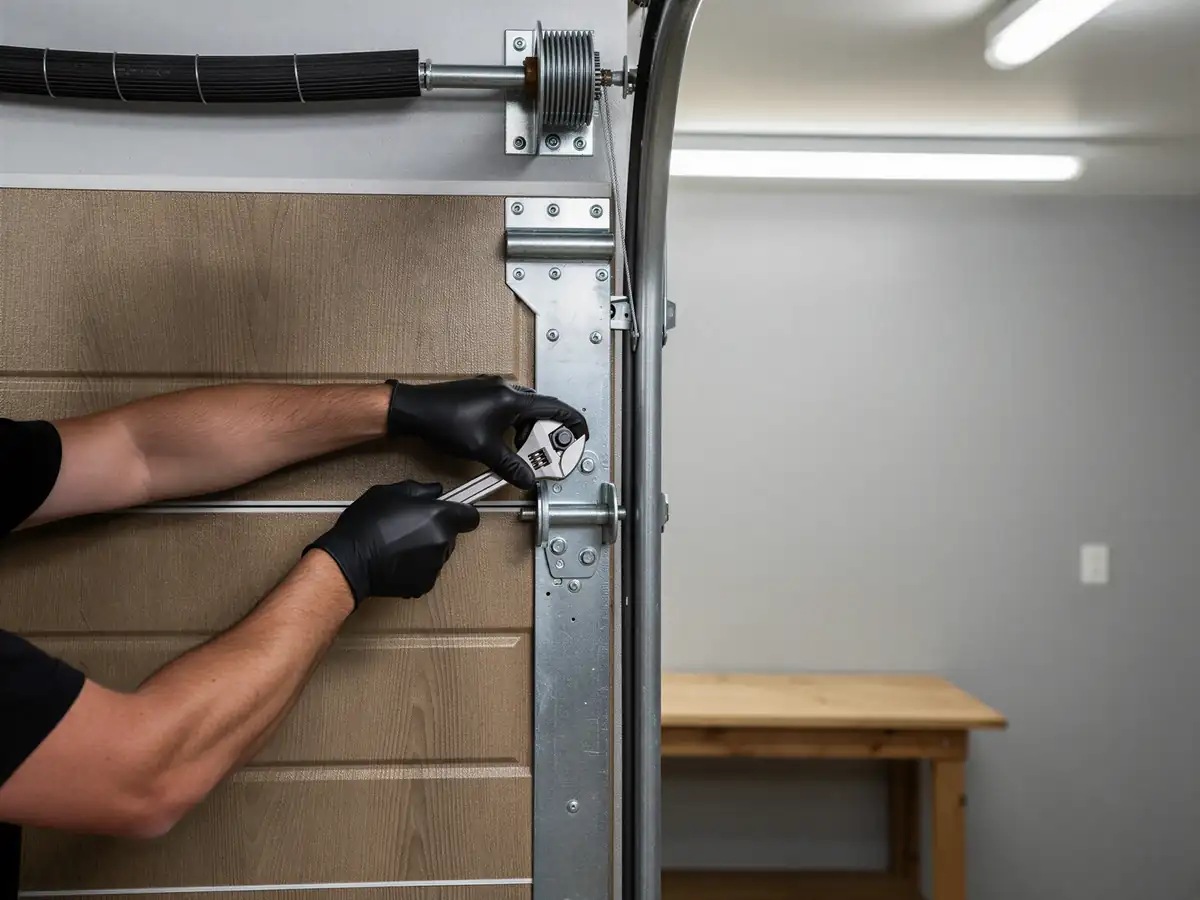
We set the new springs to the door's actual weight, test balance by hand before the opener ever touches it
And match the opener's force settings to the finished door rather than leaving factory defaults. Given the mild, occasional-freeze climate here, we don't oversell insulation ratings most owners don't need - we fit what the house and the use actually call for, explain the trade-off, and let you choose.