What You Pay
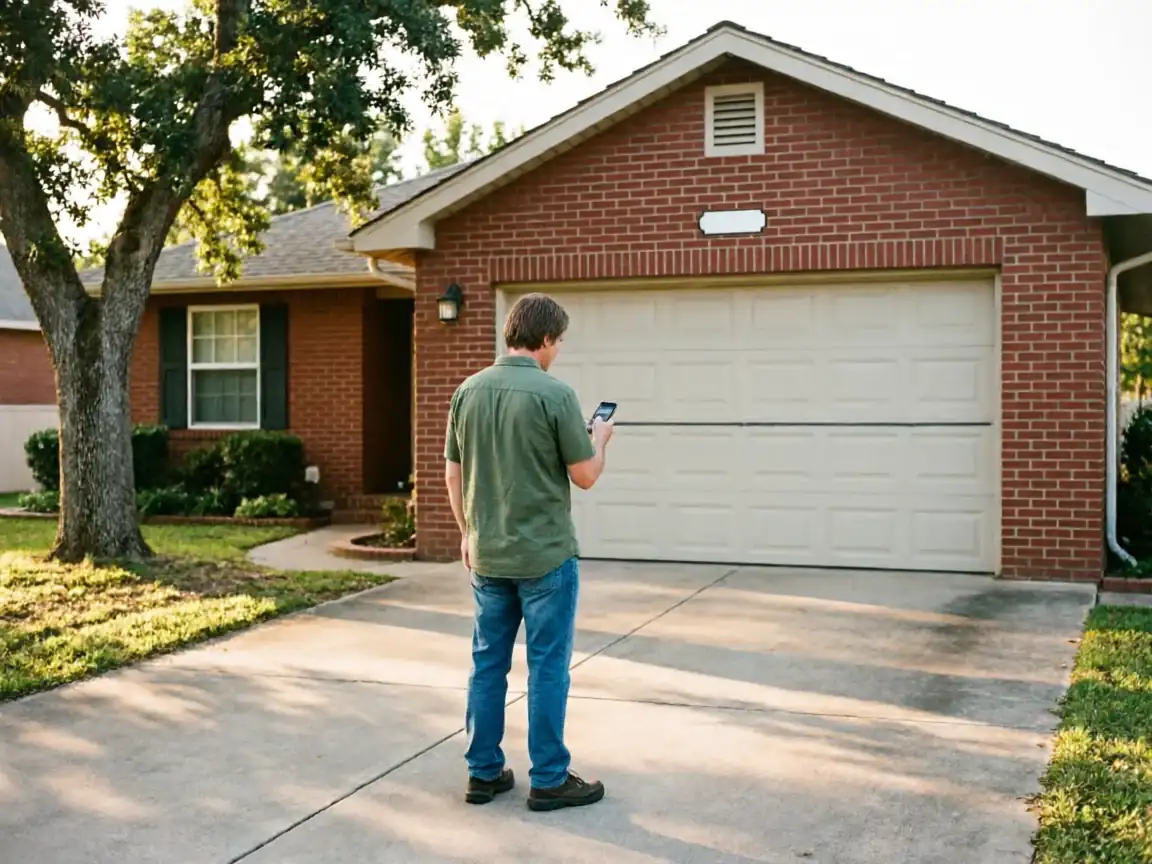
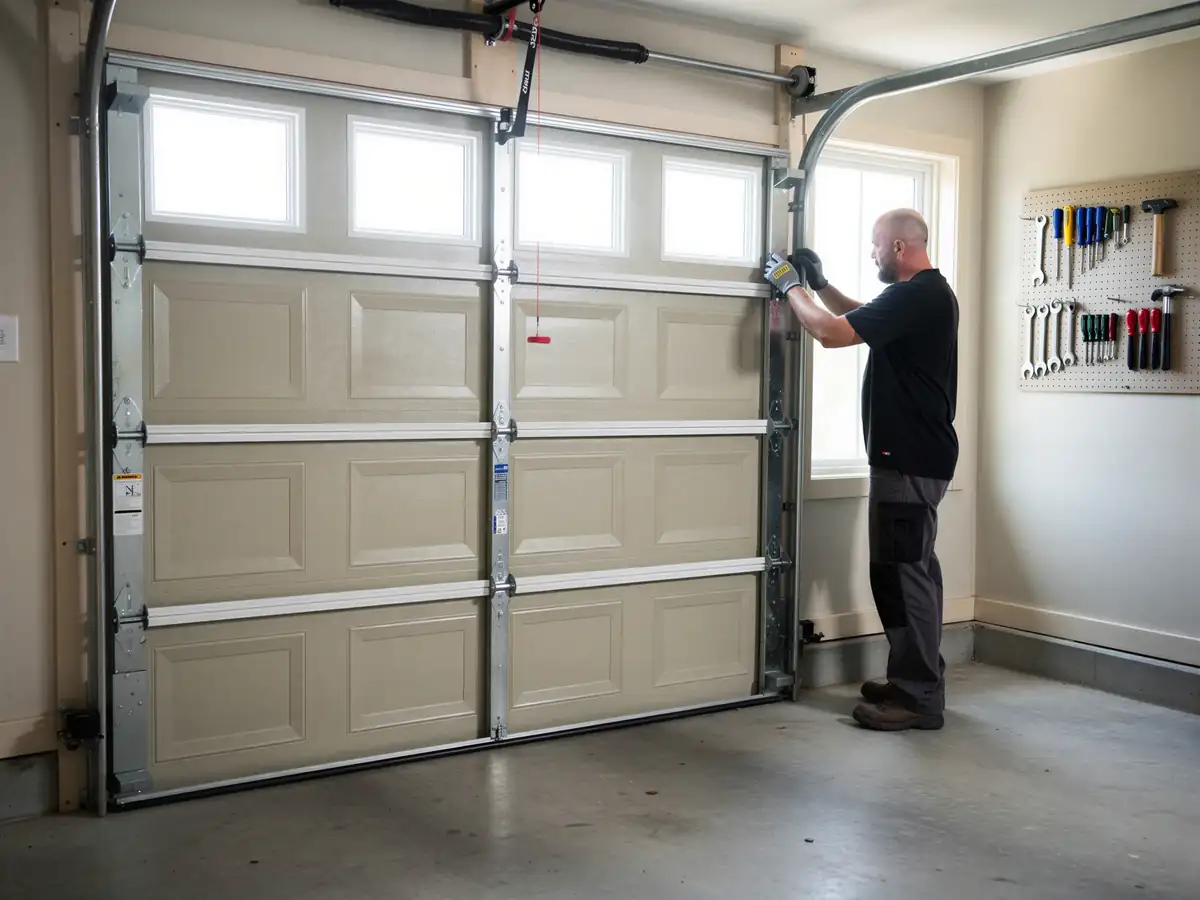
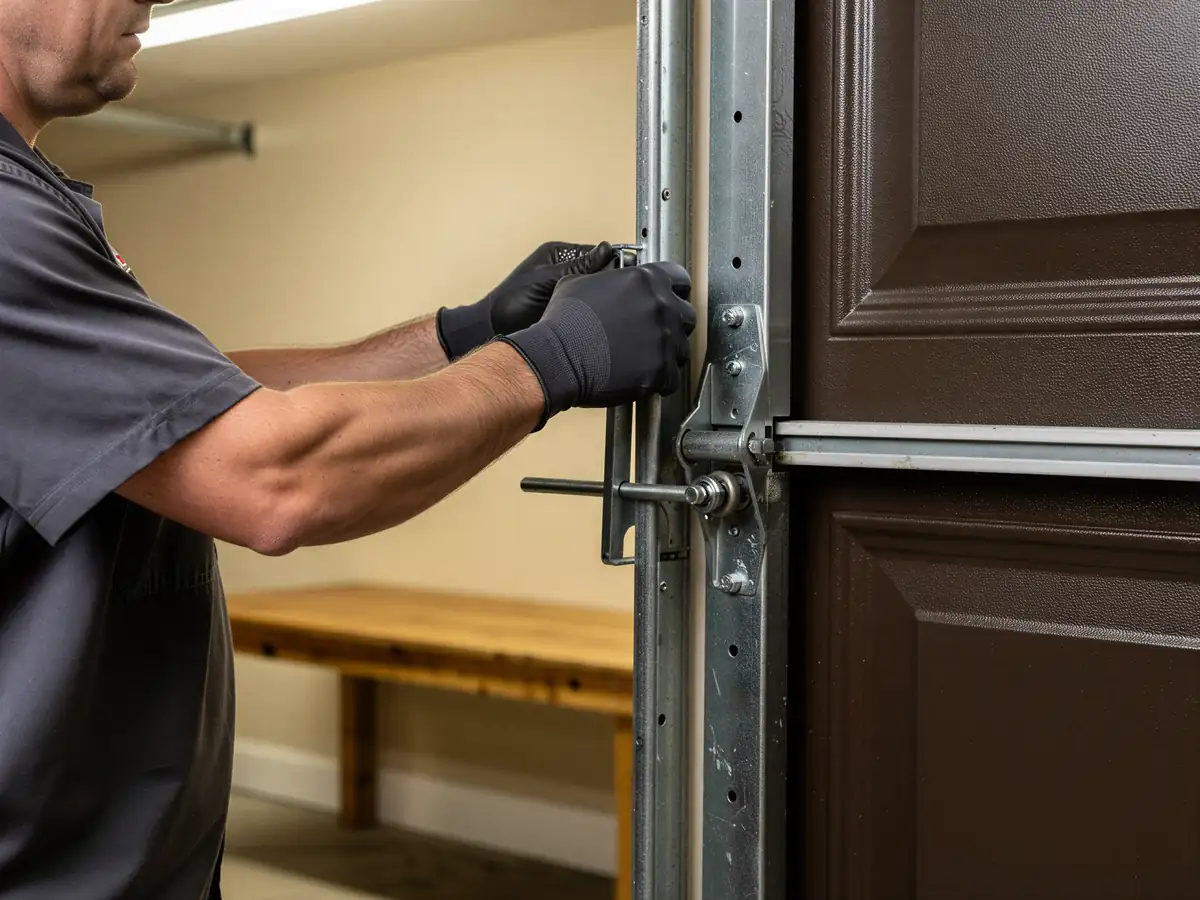
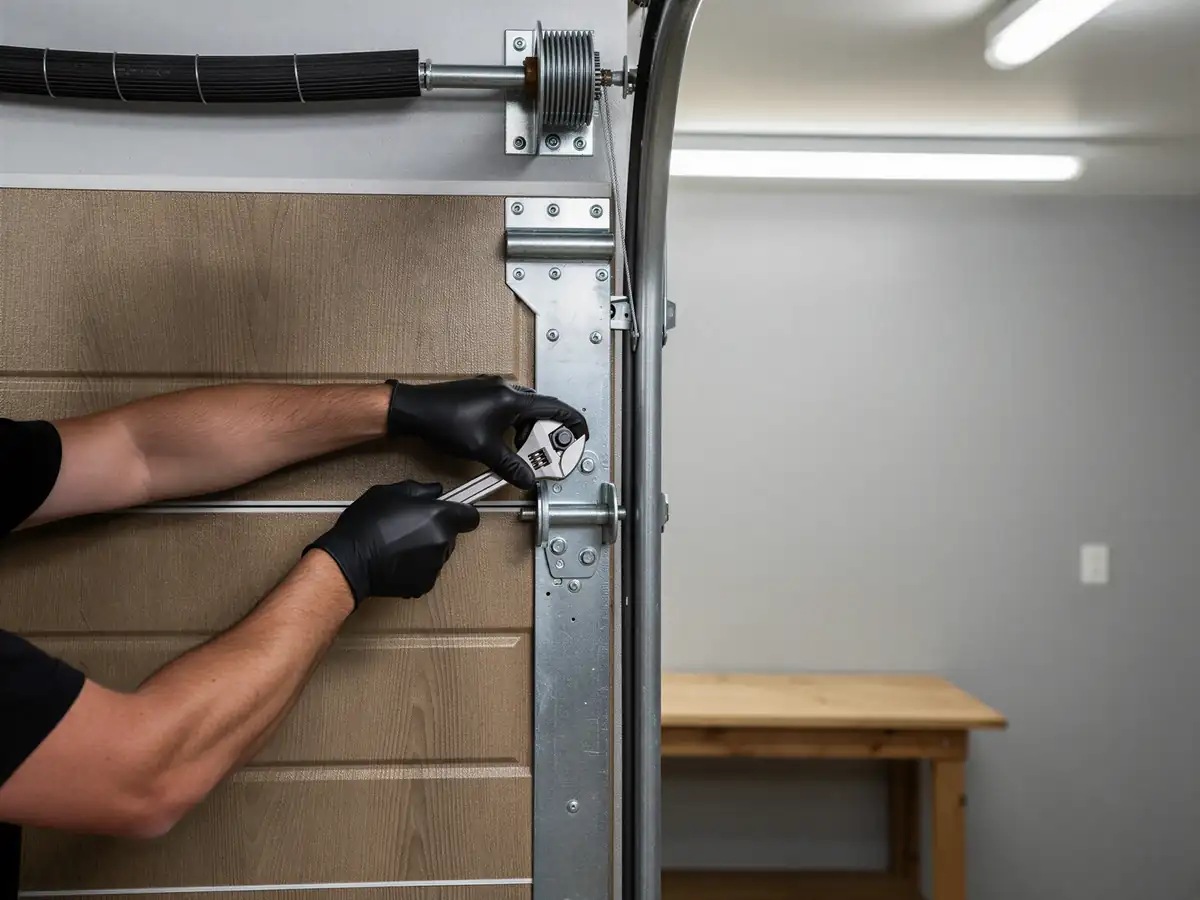
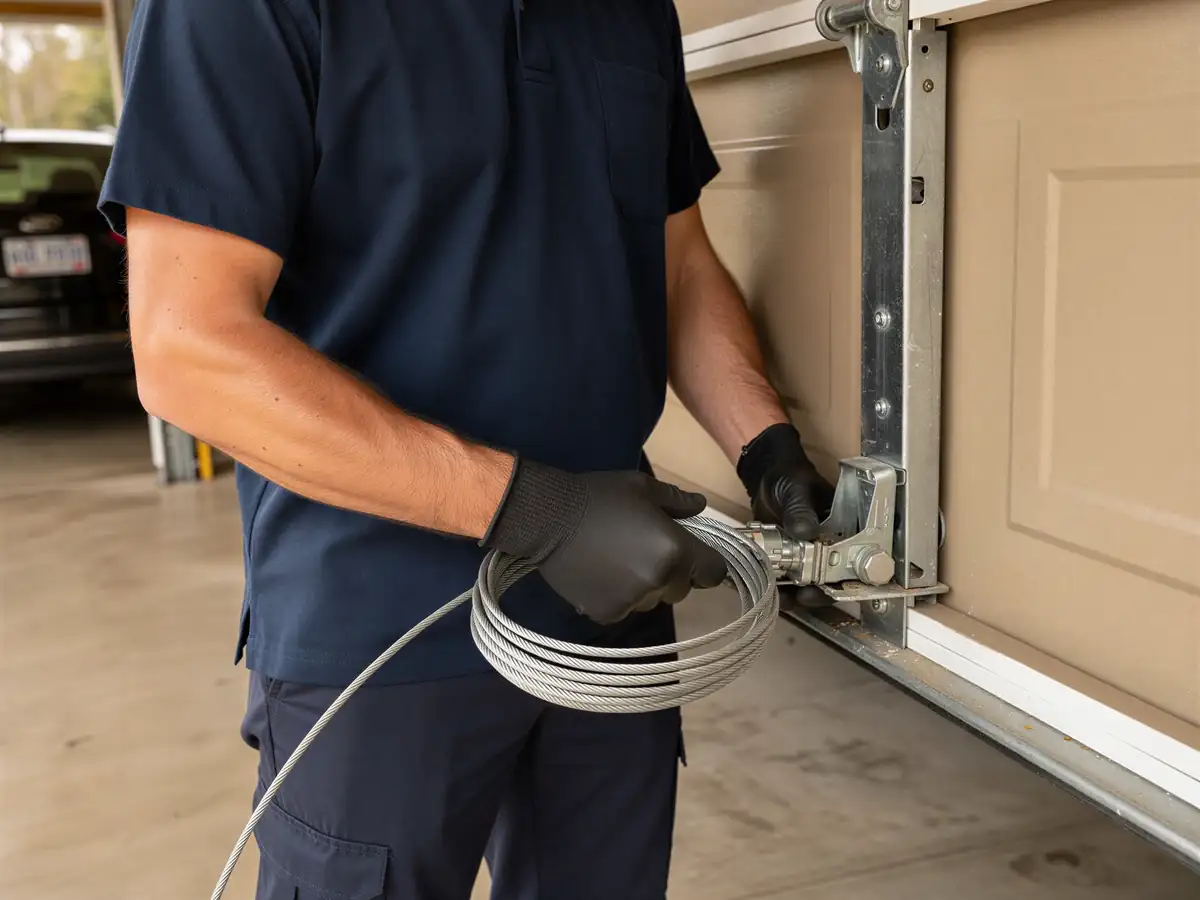
We don't post a flat number for cable repair because what's on your door changes the job. A single frayed lift cable on one side of a lighter door is a different repair than two cables plus the pulleys and drums that go with them on a heavier insulated door. What we can tell you is what drives the cost here specifically: Santa Fe's housing stock centers on 1991, which puts a lot of doors on extension-spring systems with cable-and-pulley setups rather than the torsion-drum hardware that showed up more in later builds. Pulleys wear, and a worn pulley chews through a cable faster than a clean one would, so sometimes the quote includes a pulley or two, not just cable. We give you the number before we touch anything, after we've actually looked at the drums, pulleys, and the cable ends - not over the phone from a guess. One honest limit: if the drums are rusted through or the cable has already jumped the track and bent the bottom bracket, that's not a cable job anymore, and we'll say so instead of patching it.
Why This Fails Locally
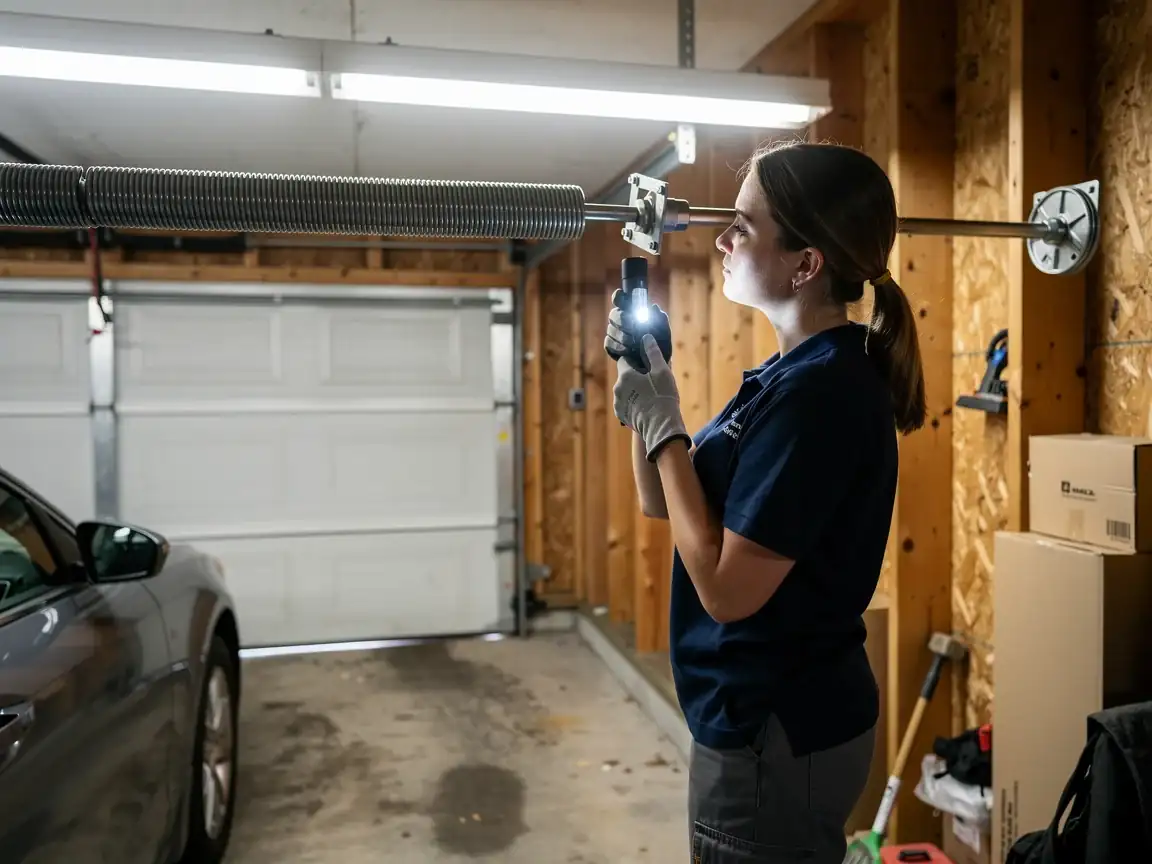
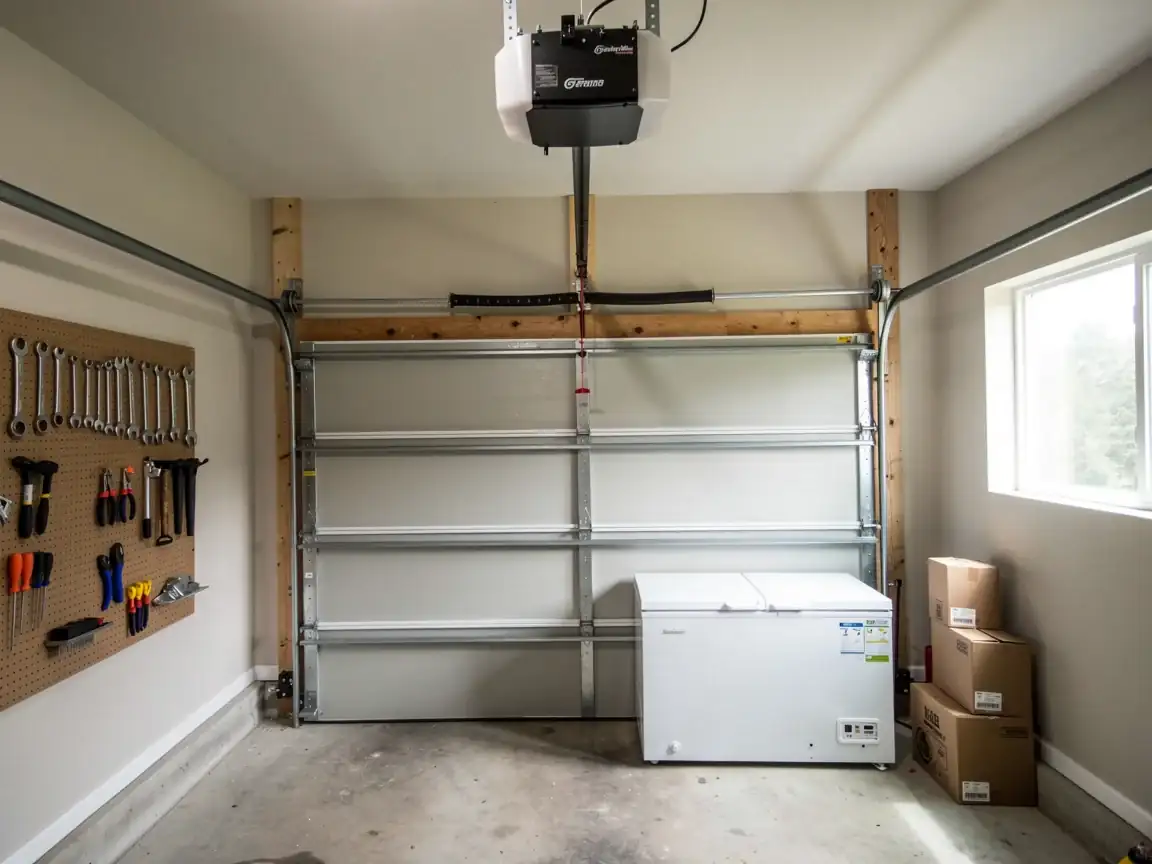
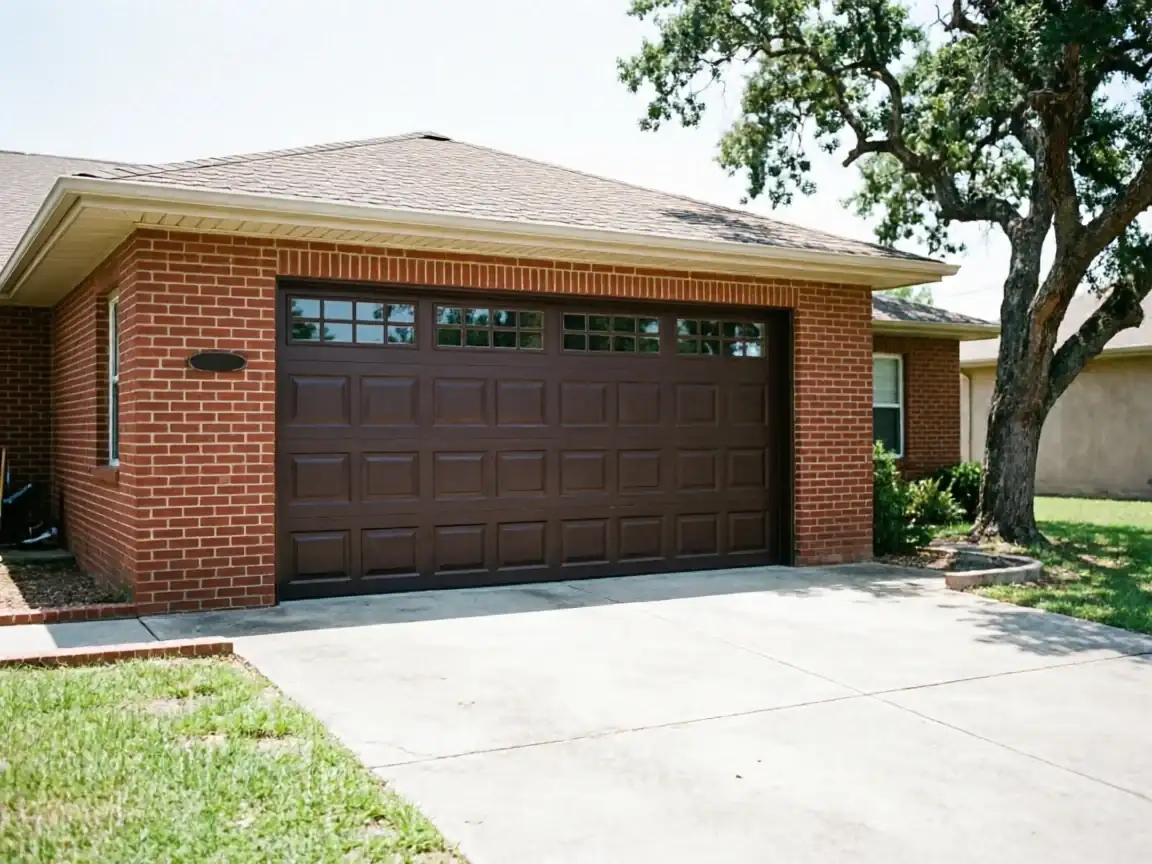
A door built around 1991, which is close to the median for homes in this area, is old enough that its original cable has been through three decades of Gulf Coast humidity with the occasional hard freeze mixed in. That's the MILD-with-some-freeze climate band this whole region sits in - not brutal cold, but enough temperature swing over the years to stress galvanized cable strands at the drum and the bottom bracket, where they flex every single cycle. On extension-spring doors, the cable also rides a pulley, and a pulley that's lost its bearing starts grinding a groove into the cable instead of letting it roll smooth. That groove is where the strands start to separate. We see this pattern on 1991-era doors more than on anything newer, because newer torsion systems don't lean on cable-and-pulley geometry the same way. It's not that newer doors can't break a cable - they can - it's that the failure mode and the parts involved are different, and a tech who assumes torsion hardware on a Santa Fe call can waste a visit guessing wrong before they even open the door.
Doing It Yourself
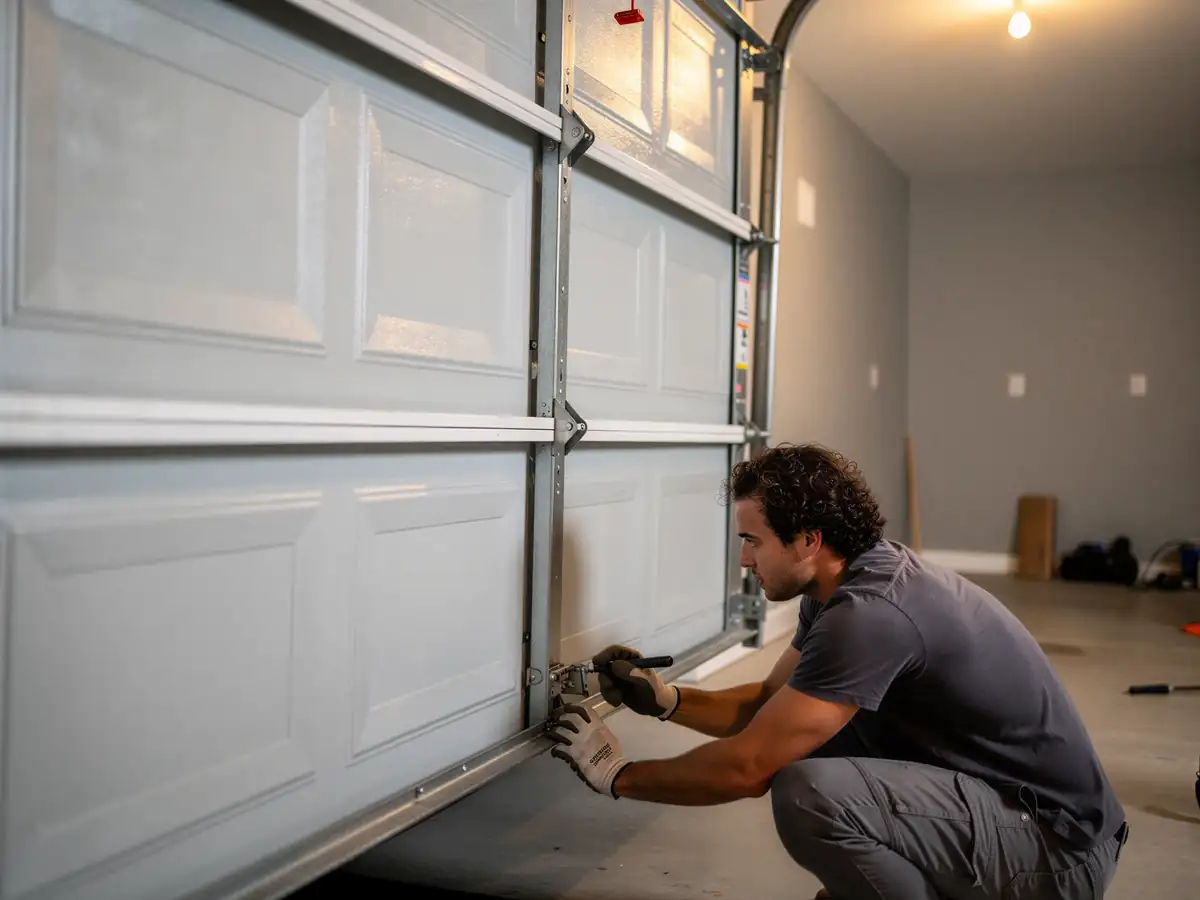
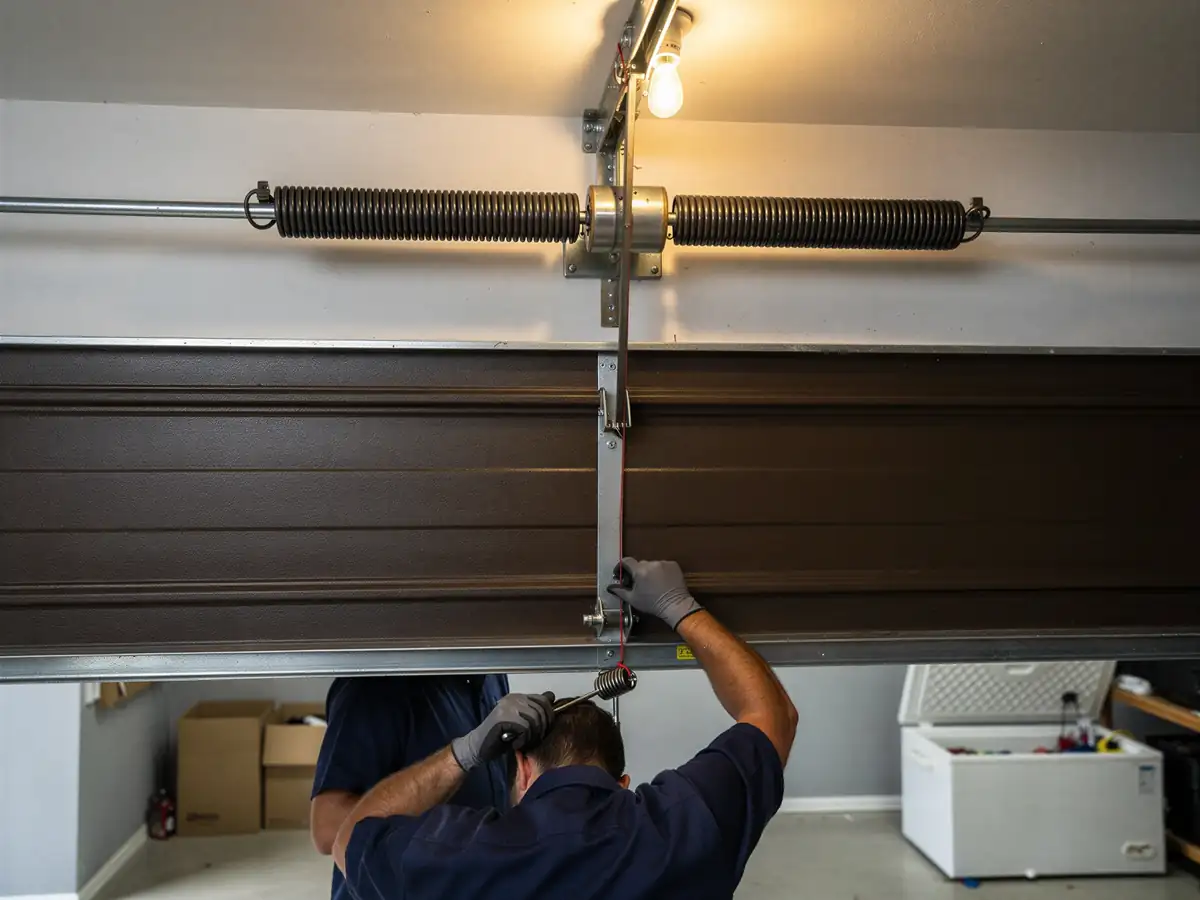
A lift cable under an extension spring is under real tension, and the spring on the other end of that cable can do damage if it releases while you're working near it. This isn't a task we'd walk a homeowner through over the phone, and we won't pretend otherwise. What you can safely do: look at the cable where it wraps the pulley and the drum, and note whether it's frayed, kinked, or has jumped off the pulley track entirely - that tells us a lot before we even arrive. Don't try to manually lift the door past the point where it's sticking, and don't cut or loosen anything near the spring. If the door is still closed and just sitting unevenly, leave it closed and call. If it's open and won't come down, prop it and keep the garage area clear until we get there from La Porte.