What You Pay
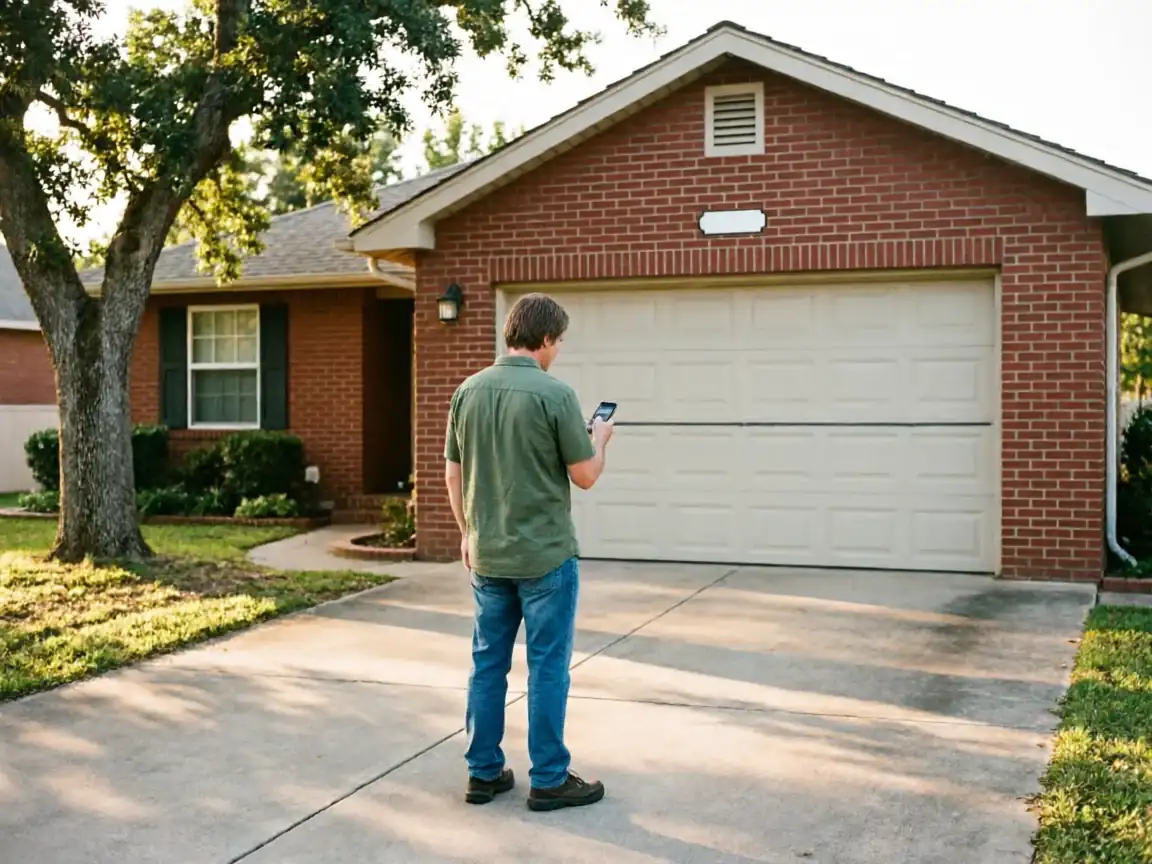
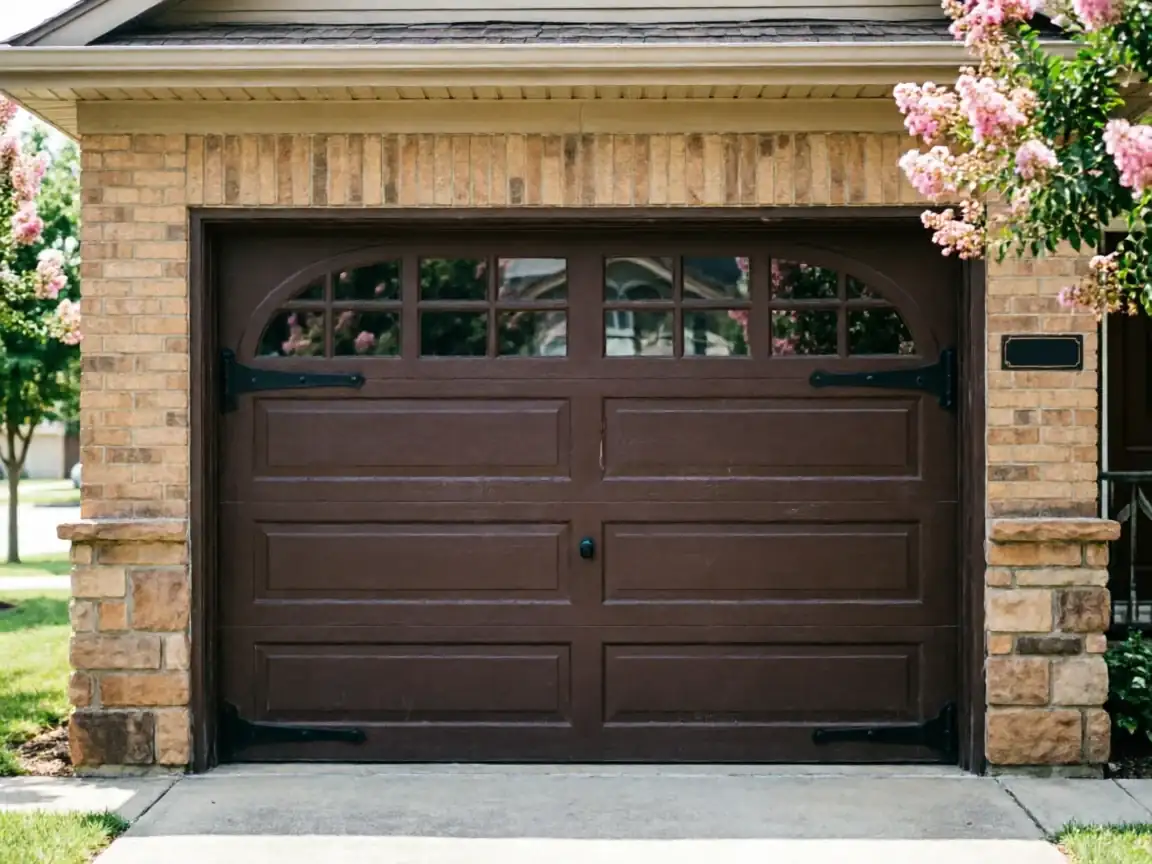
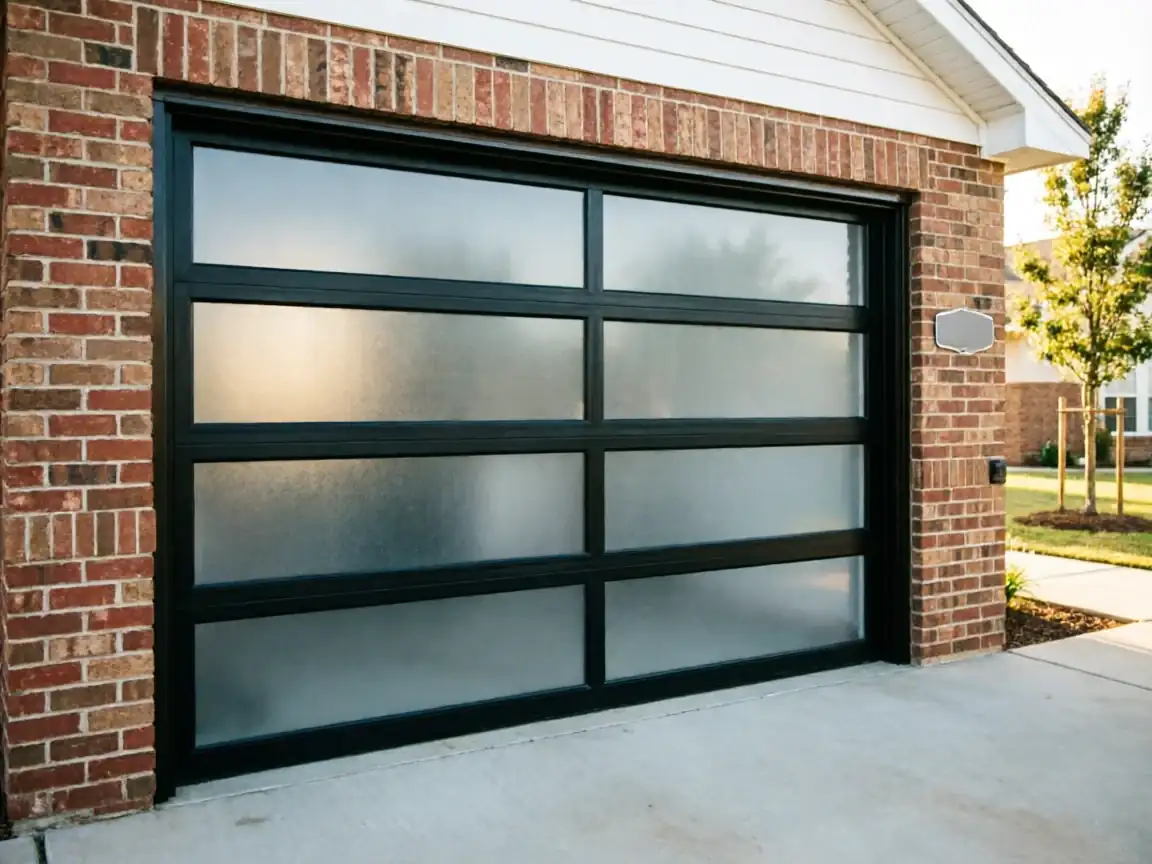
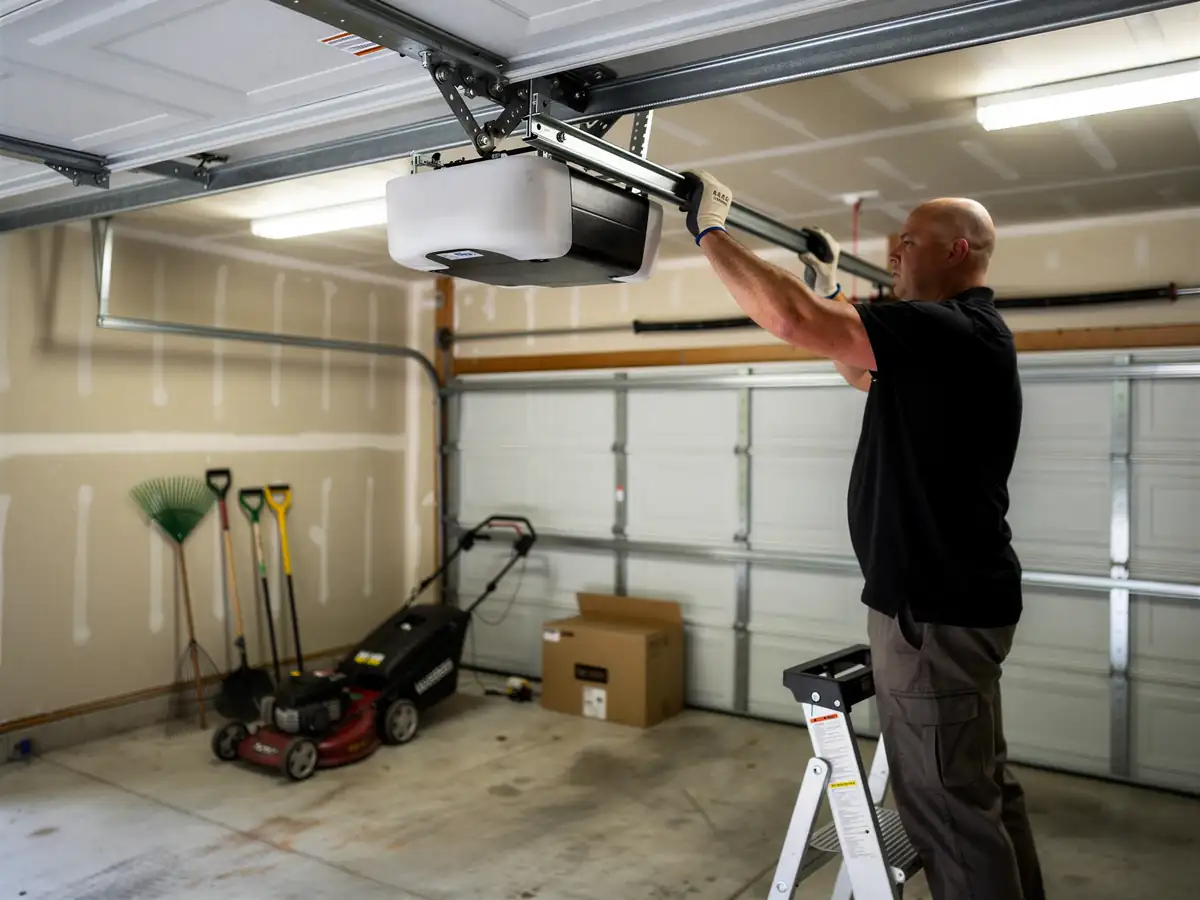
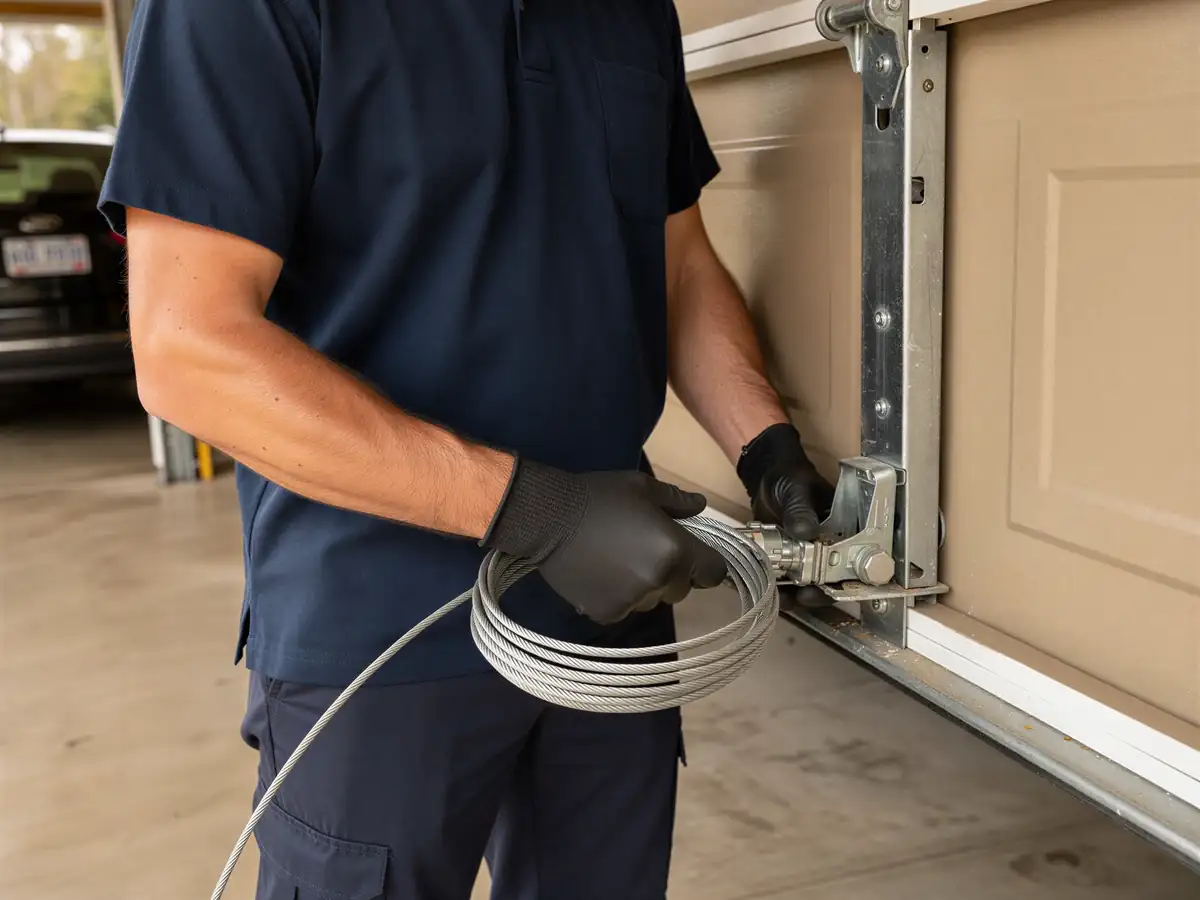
Santa Fe is a small piece of the area we cover - 4,685 households, against roughly 77,380 across the whole service territory. That matters because it's not a town where every third house has had a door swapped out already; a lot of what we find here is original hardware doing its first real repair. What you pay depends on what's broken, not on the trip from La Porte. A worn roller or a frayed cable costs a lot less than a snapped torsion spring or a opener board that's fried. We don't publish a flat number because a two-car steel door from the 1990s and a newer insulated panel door need different parts, and we're not going to quote one price and charge another once we're looking at the actual spring size. Household income here runs $95,815, noticeably higher than the $77,315 median across the broader area we serve, and we see that reflected in which repairs get approved - more owners here go straight to replacing a tired opener instead of nursing it along for another winter. That's a choice we lay out, not one we push.
Why This Fails Locally
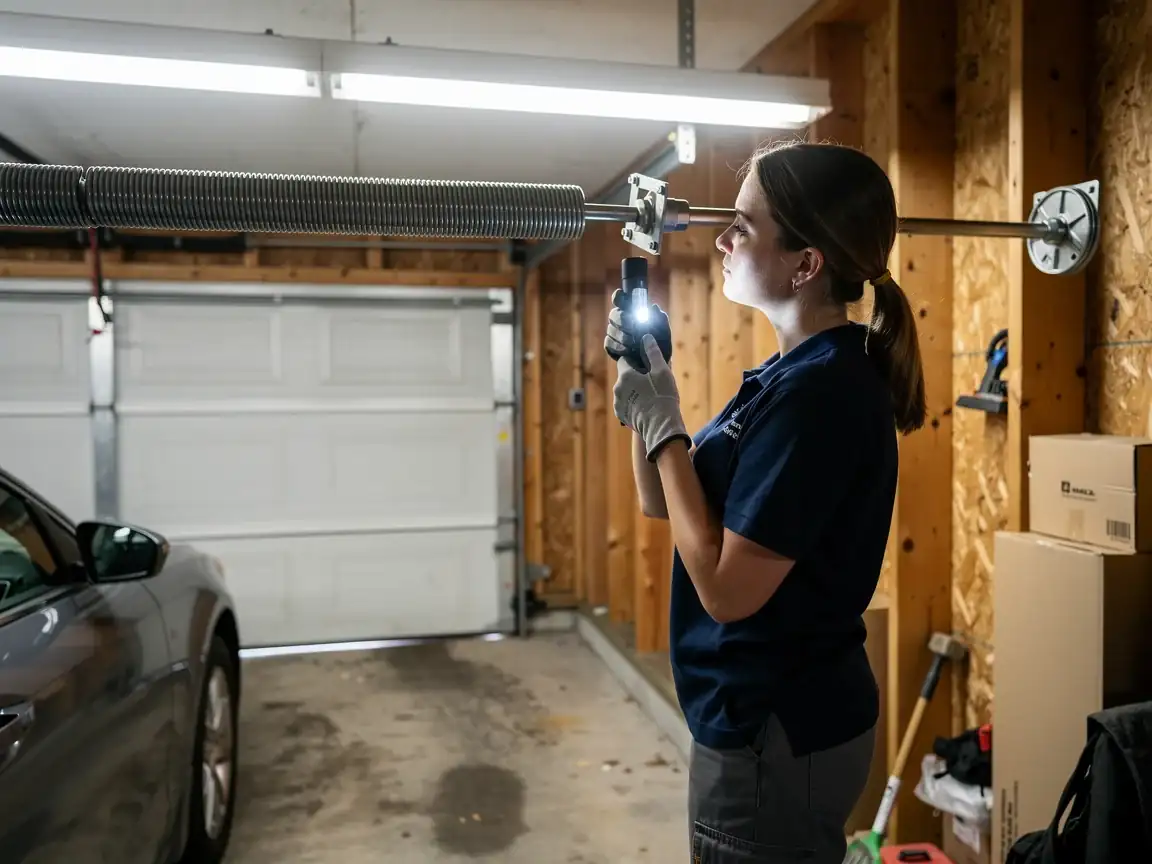
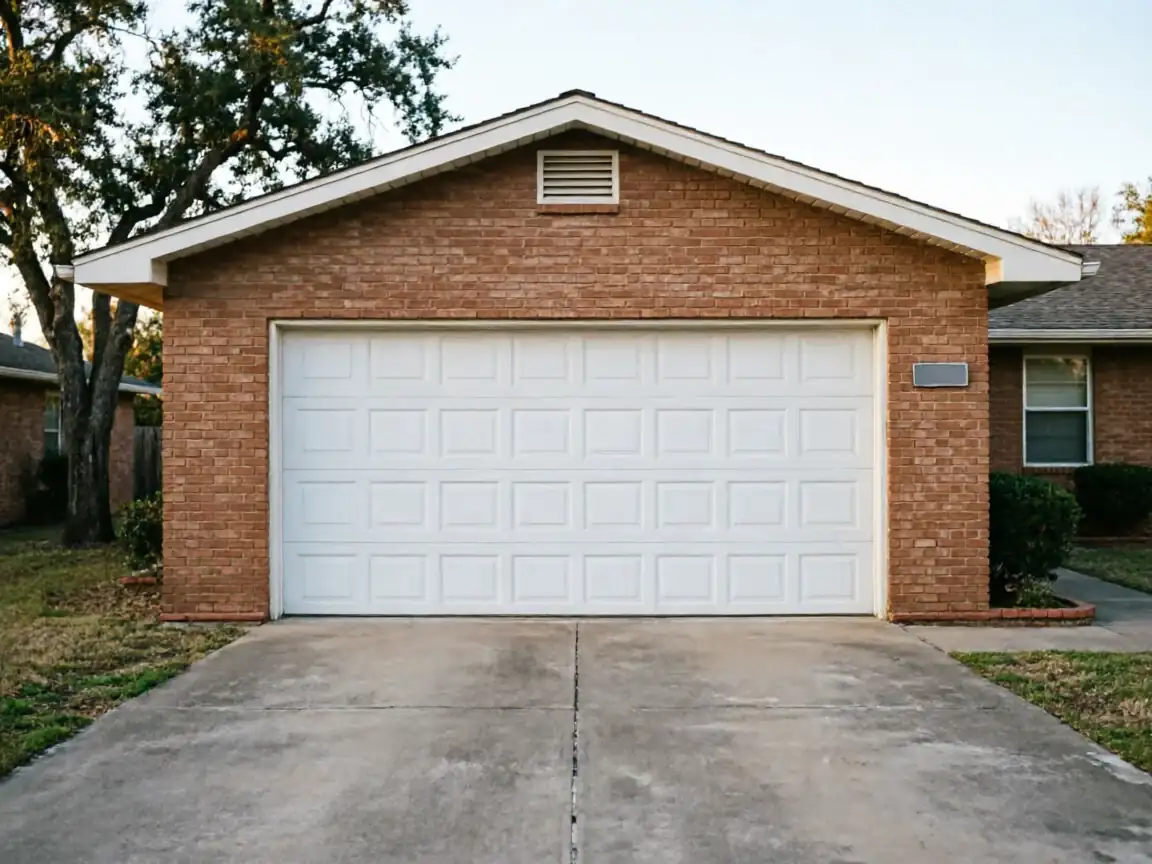
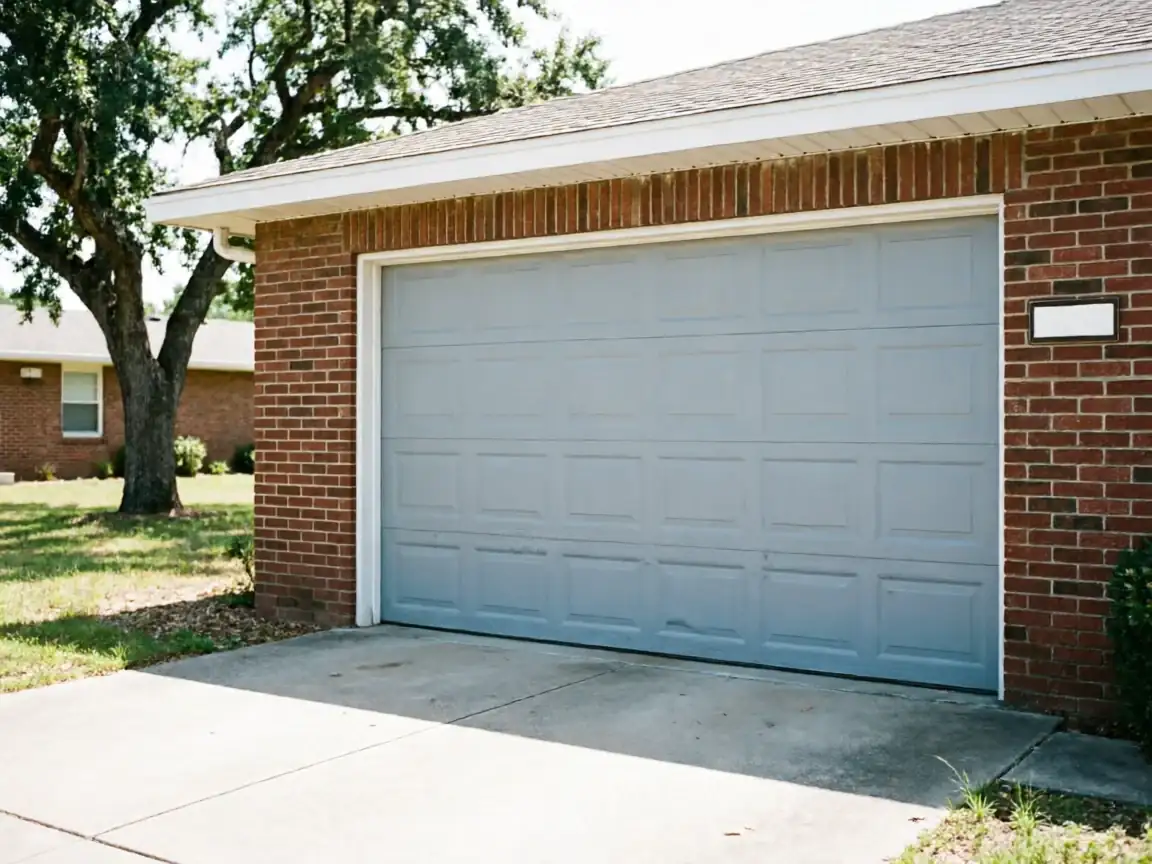
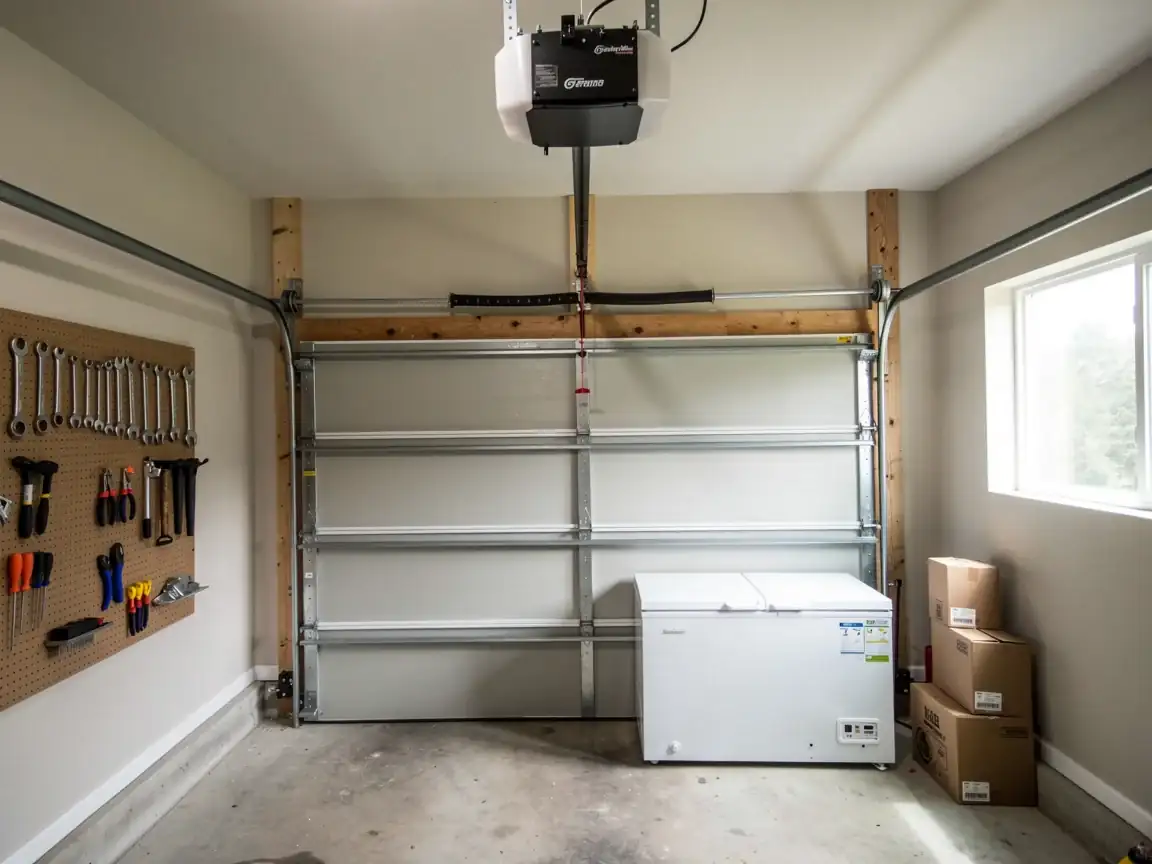
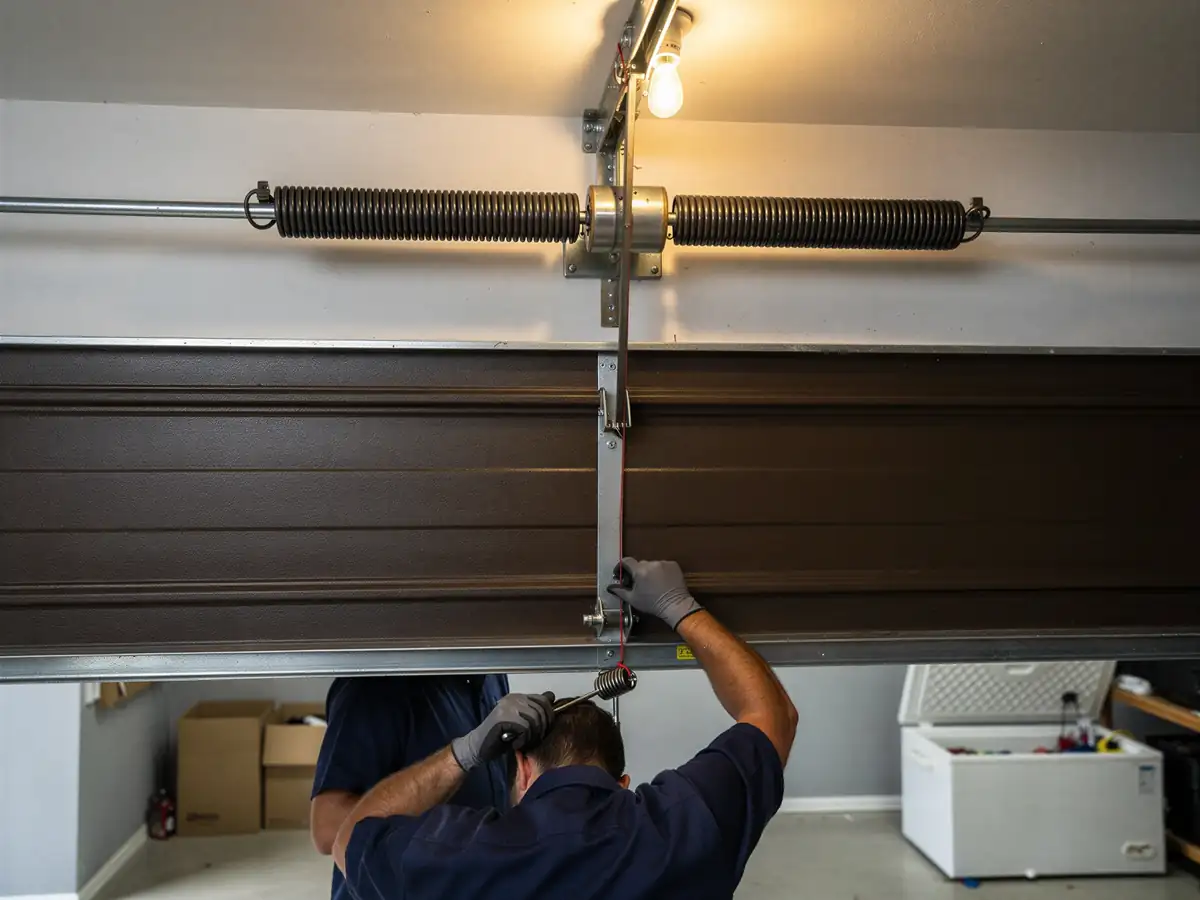
The median home in Santa Fe went up around 1991, which puts it at the newer end of the 1956-2011 range we see across the wider area. That's good news in one way - less chance of the oddball side-mounted torsion hardware from the older end of that range - but it means a lot of Santa Fe's garage doors and openers are now crossing the 30-year mark at the same time. Torsion springs rated for a set number of cycles don't care how nice the house is; they're reaching end of life on a lot of these doors right now, often alongside an opener motor that's been quietly losing strength for a few years. We also see openers from that era paired with safety sensors that were bolted on later, sometimes misaligned, which throws off diagnosis if you're only looking at the spring. A door that reverses on its own in a Santa Fe garage isn't always a sensor problem - on a house this age it's just as often the spring losing tension and the opener straining to compensate.
Doing It Yourself
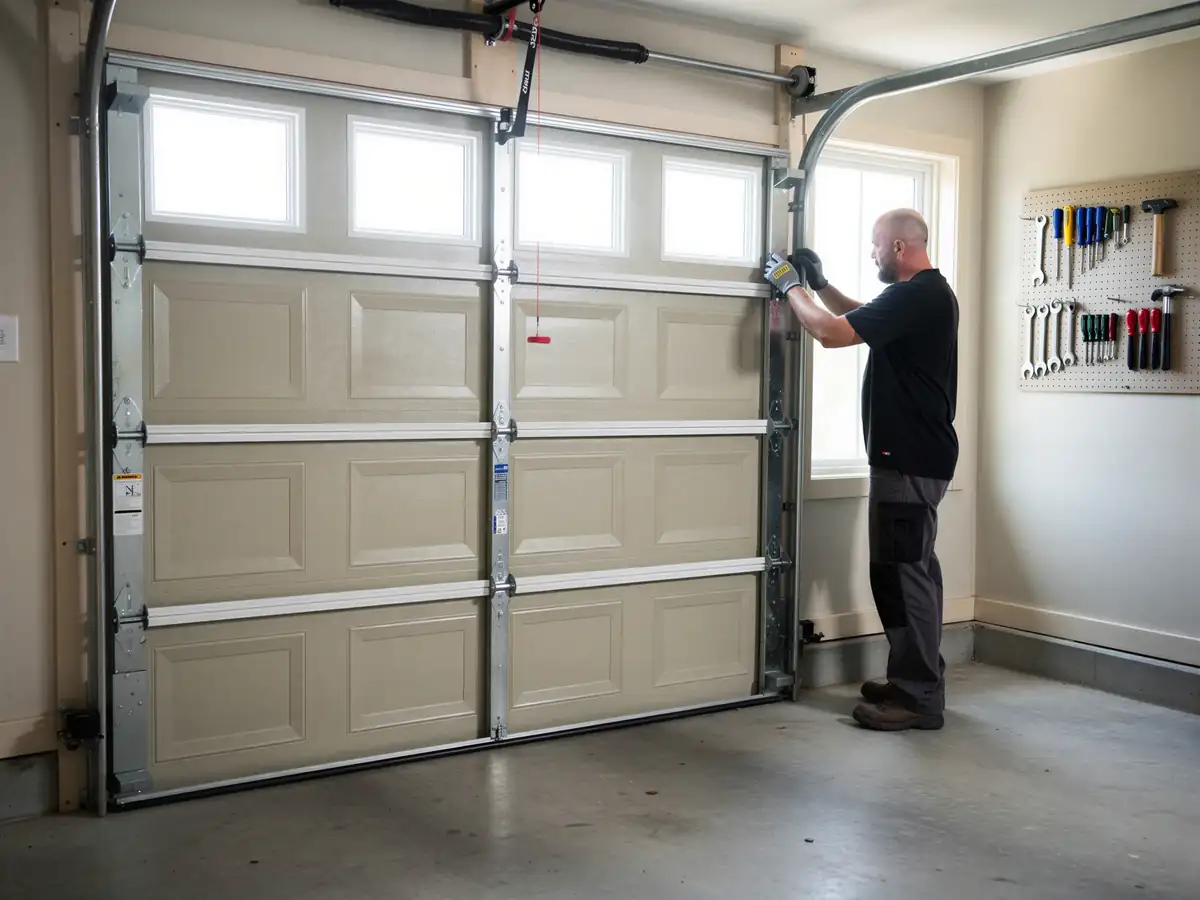
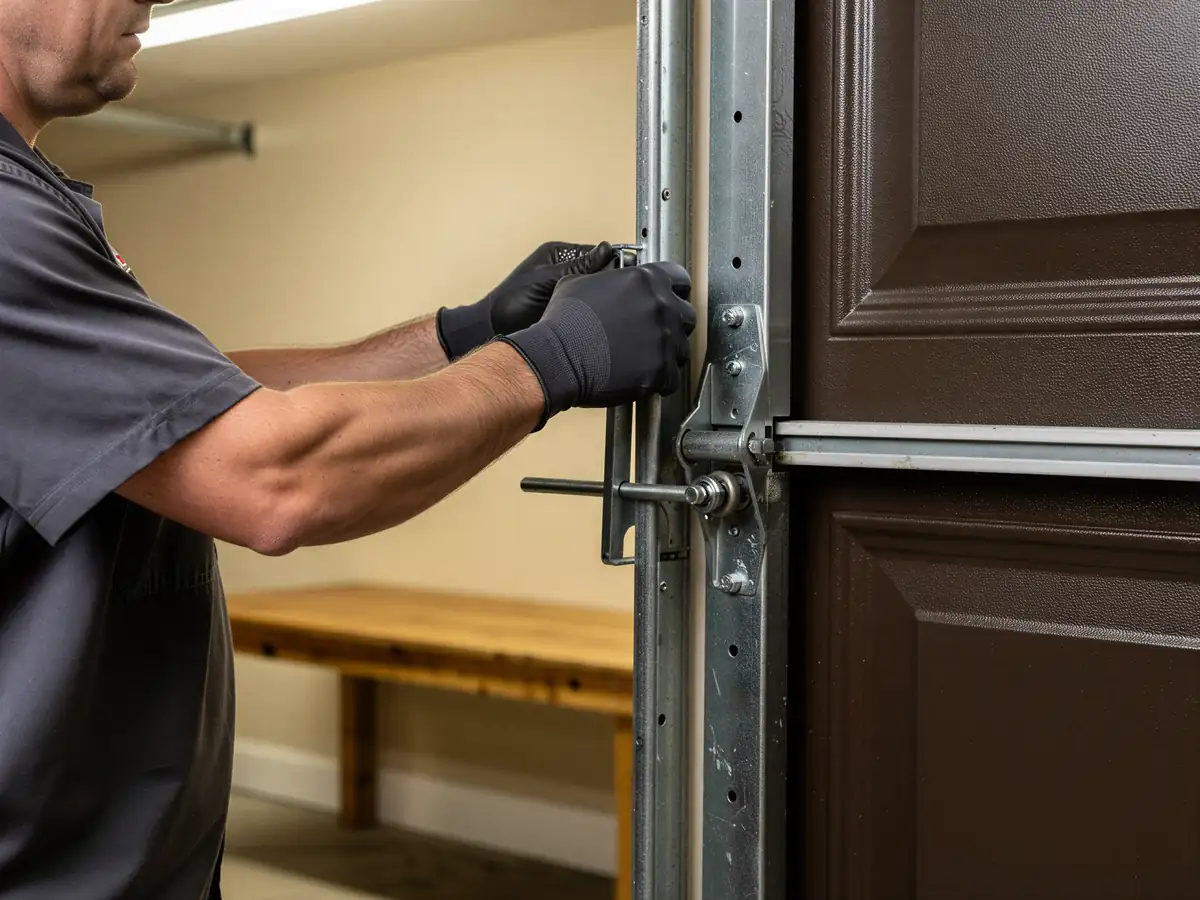
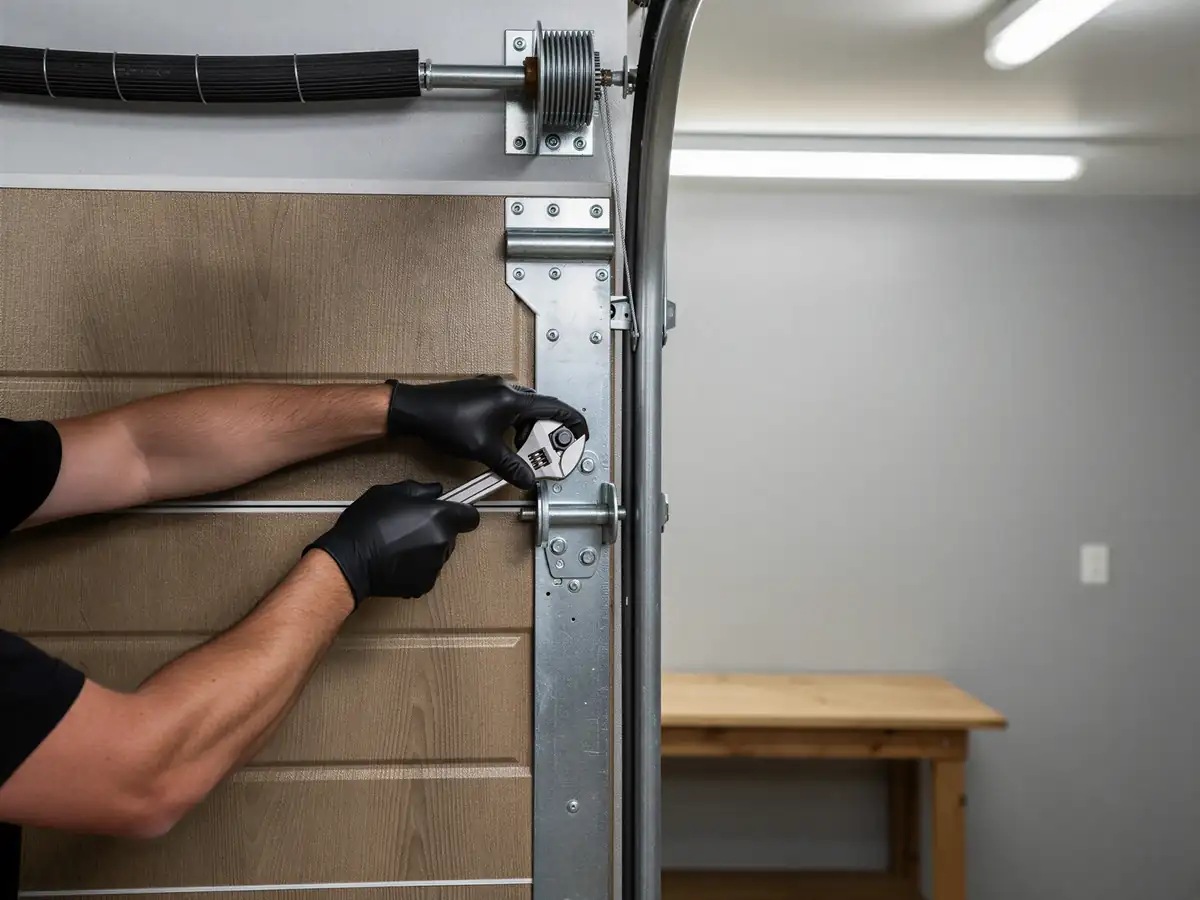
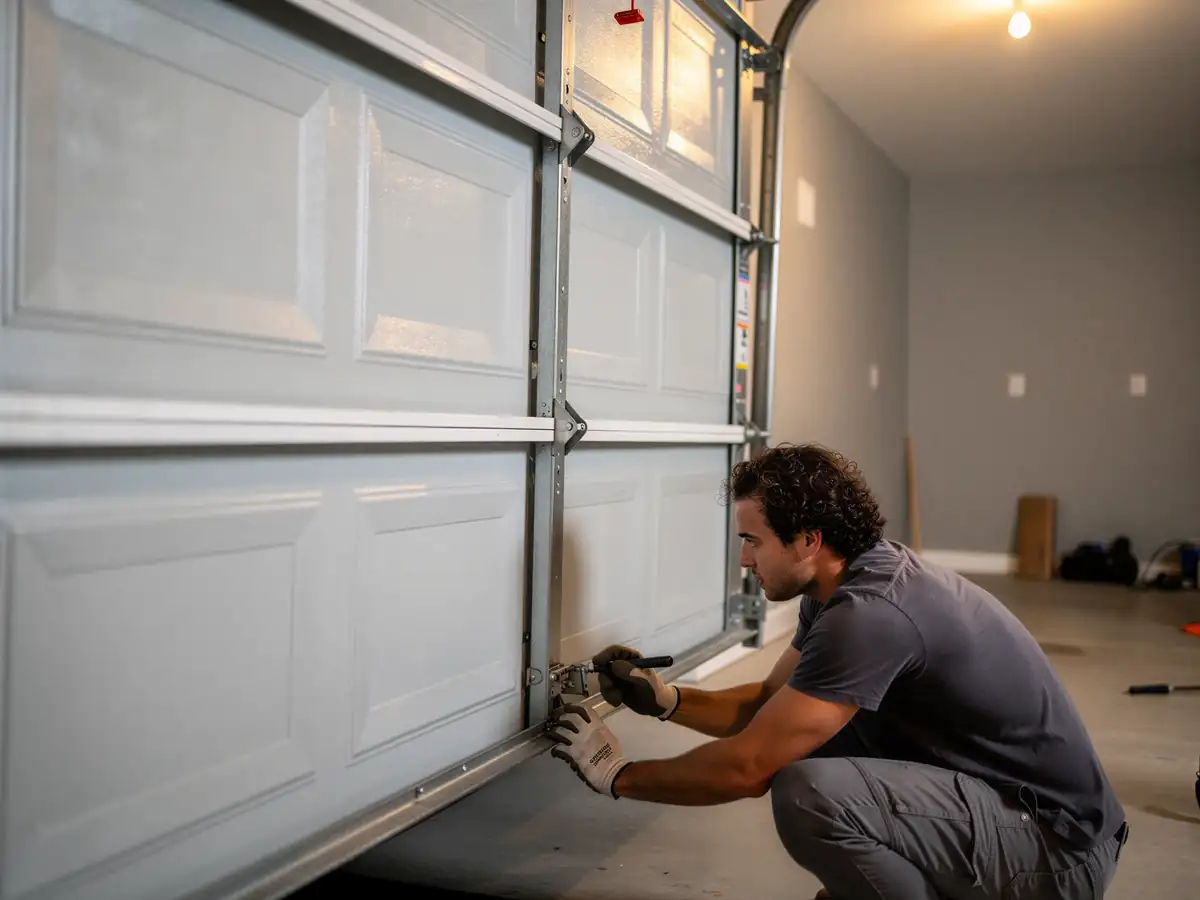
A torsion spring under tension can break a hand or worse, and that doesn't change because the house is newer or the town is smaller. If your door won't open and you can see the spring above the door is separated or coiled wrong, that's not a tightening job with a wrench from the garage - leave it. Roller and track lubrication, tightening loose hinge bolts, and clearing the track of debris are reasonable for an owner to handle, and doing that regularly on a door built in the early '90s can buy it real extra years. Where owners here get into trouble is opener circuit boards - a $95,815 median income means a lot of homes have newer openers with keypad and smart-home add-ons wired into the original system, and chasing a wiring fault without knowing the board layout usually turns a one-part fix into a full opener replacement. If you're not sure whether what's wrong is the spring, the opener, or just a sensor out of alignment, that's worth a call before you start pulling things apart.