What You Pay
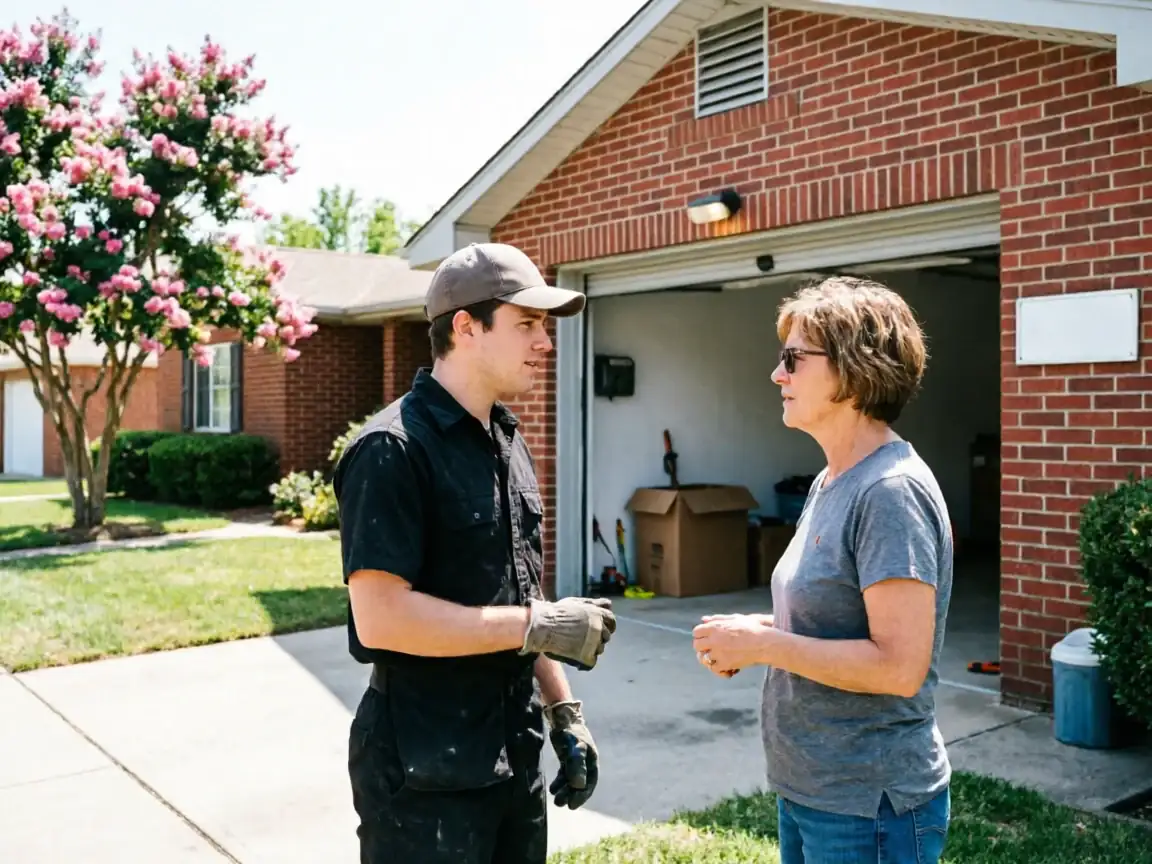
Santa Fe sits 20 miles from our La Porte base, which is the first thing worth knowing before you call. We don't keep a second truck stationed out here, so a spring job in Santa Fe gets folded into a route rather than dispatched same-hour the way a job five minutes from the shop might be. That doesn't change what the repair costs, but it does change how we schedule it: we try to batch Santa Fe calls with other stops along the way out, which sometimes means picking a window rather than an exact hour.
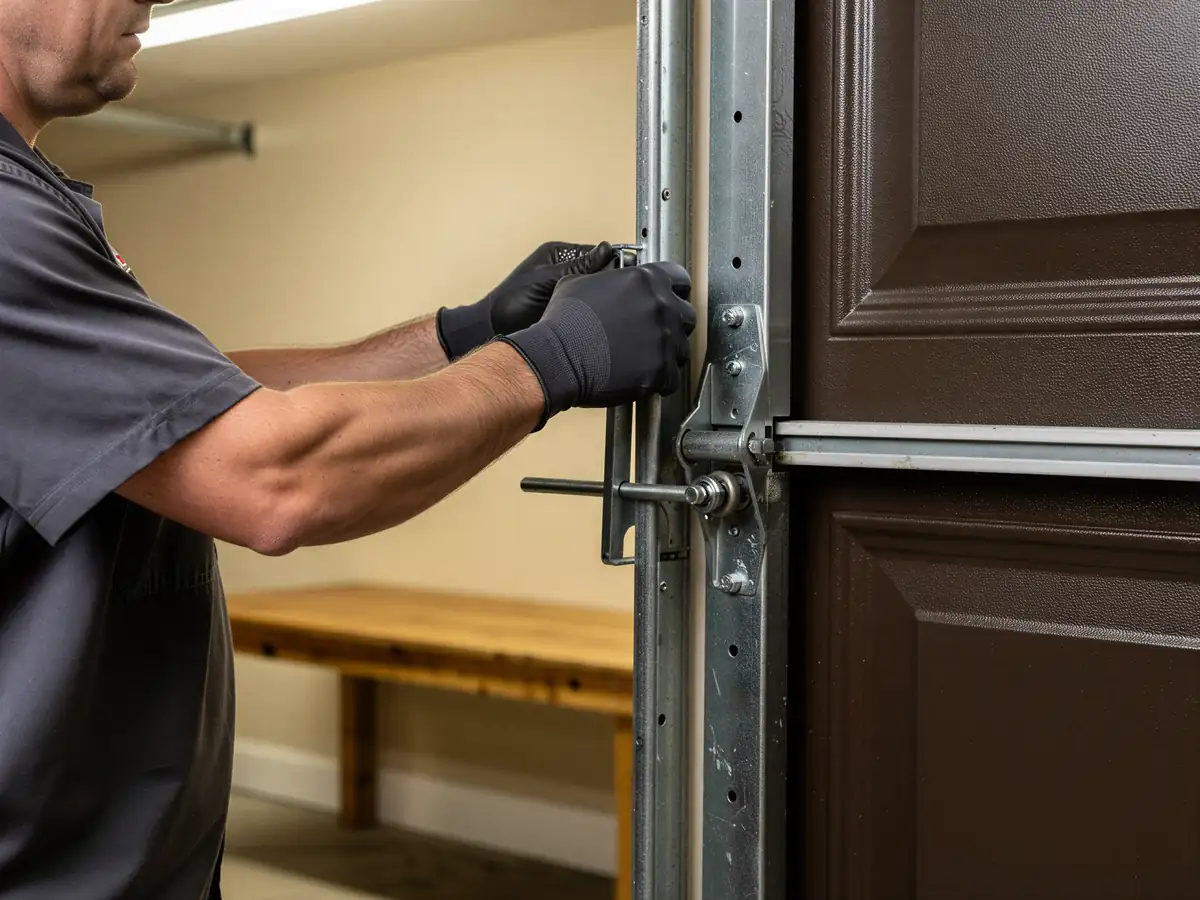
Most of what you pay for a broken spring job comes down to the spring type and size, not the drive. A standard torsion spring replacement on a single door is a different job than a double-door setup with two springs under higher cycle counts, and we price those separately once we've looked at the door. We're not going to quote a number here we haven't confirmed in FACTS for this market, but we will tell you plainly on the phone before the truck rolls.
Why This Fails Locally
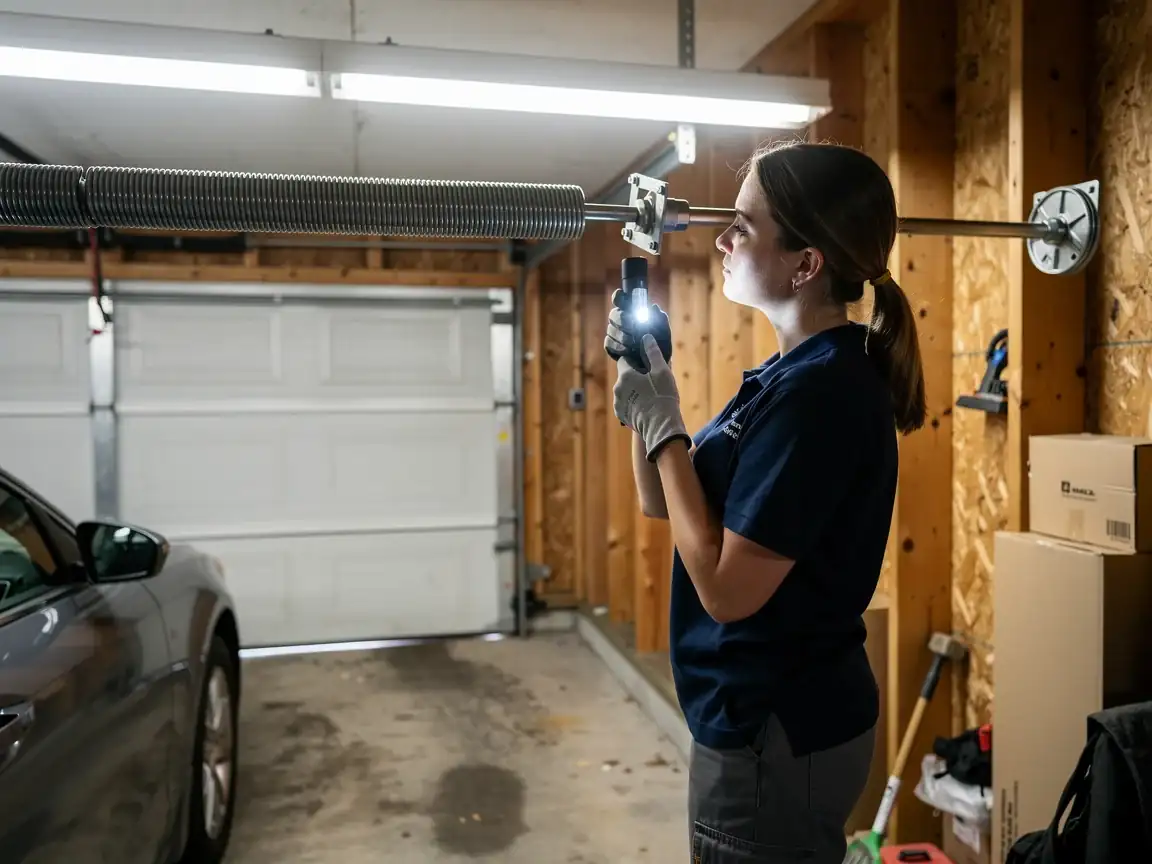
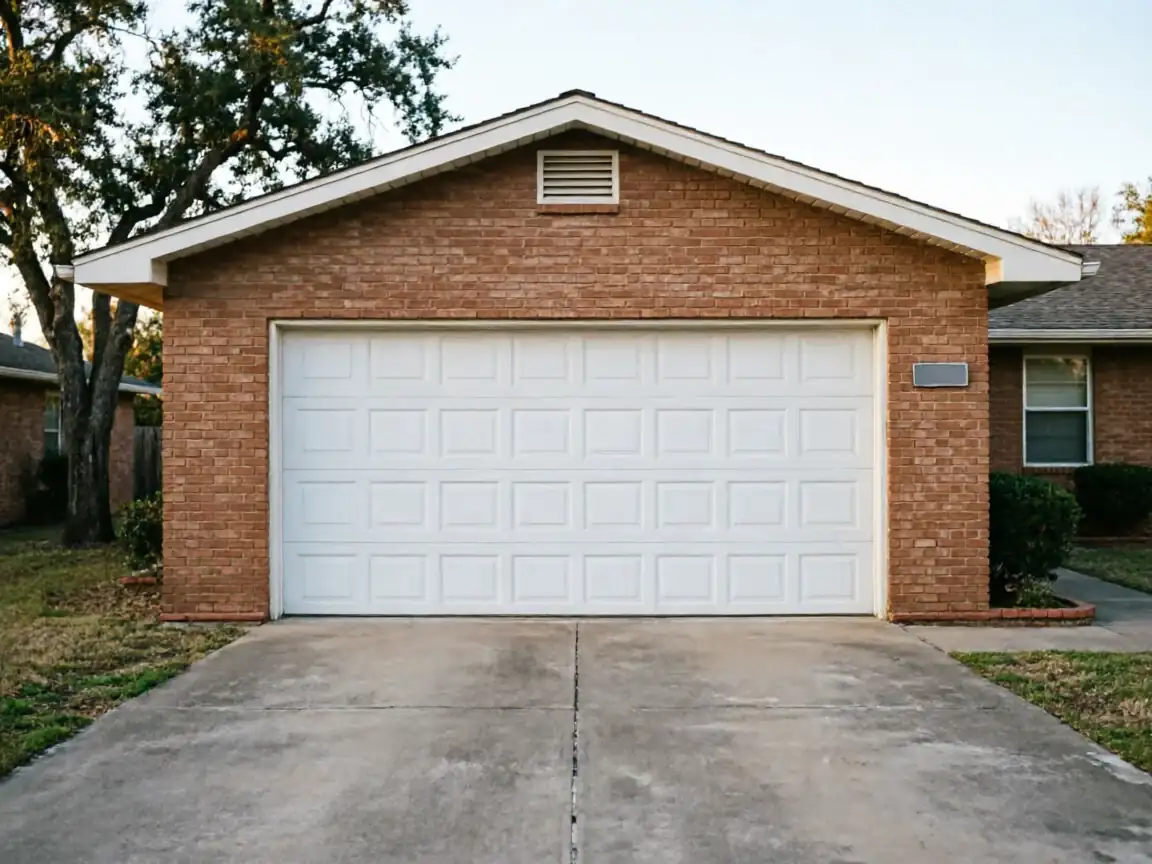
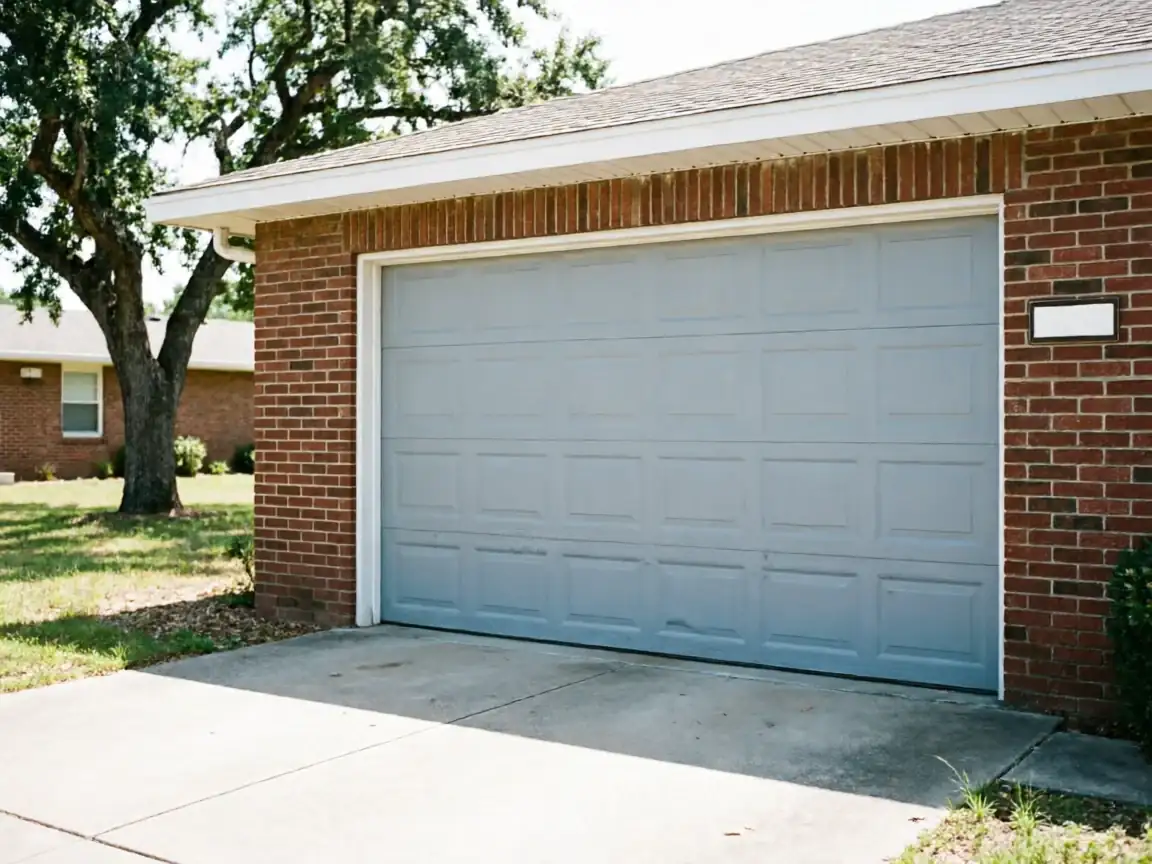
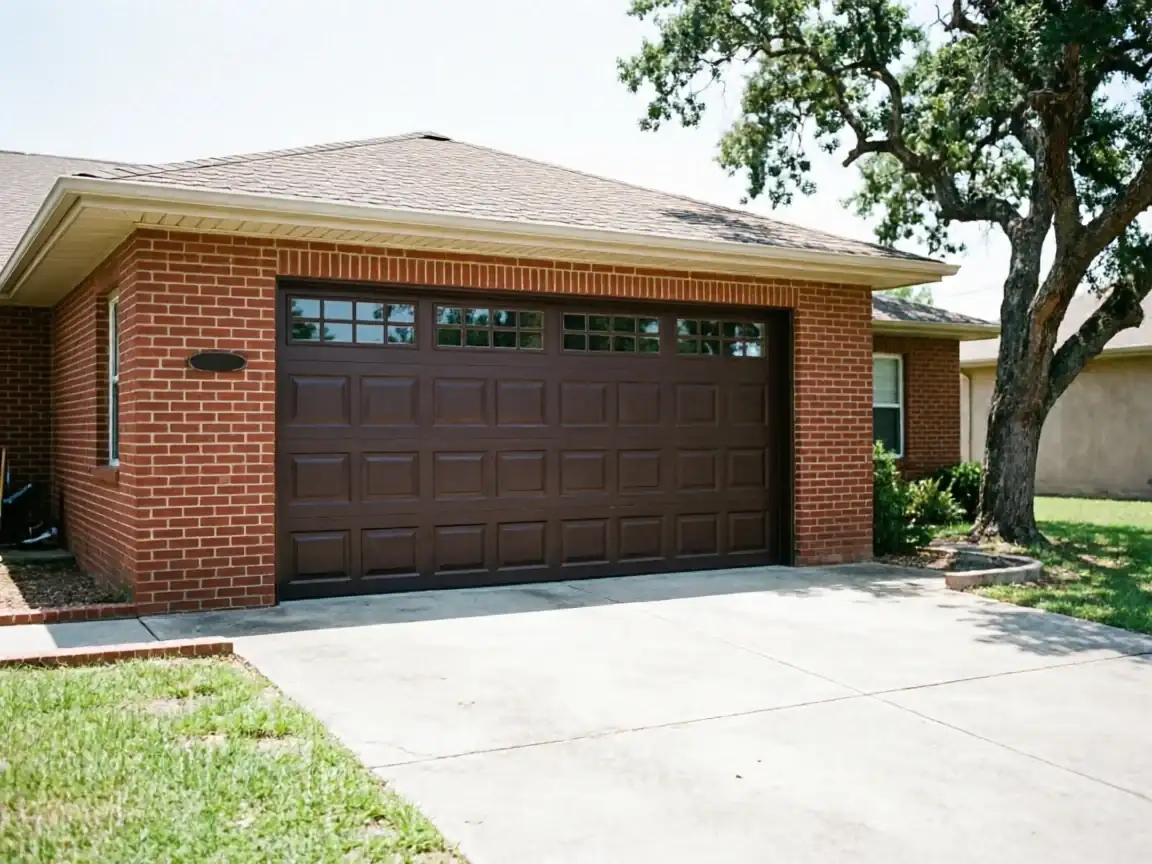
Santa Fe's housing stock centers on 1991, which puts a lot of these garage doors squarely in the era when steel sectional doors with torsion springs became the standard replacement for the older extension-spring setups. That's good news in one way - parts for 1990s torsion hardware are still common - but it also means a lot of these springs are now past the 10,000-cycle mark that most torsion springs are rated for, whether or not the door looks fine from the driveway.
The area runs a mild climate with occasional freeze risk, which isn't the spring-killer that a hard freeze-thaw cycle is further north, but it does mean steel fatigues on its own schedule here rather than getting hurried along by weather extremes. When a spring here fails, it's almost always a straight wear failure - the coil's just done its cycles - not a dramatic snap from cold-weather brittleness. That matters for what we tell you about the rest of the door while we're out there.
The Complications
A household income median of $95,815 in Santa Fe runs well above the $77,315 median across the wider service area we cover from La Porte
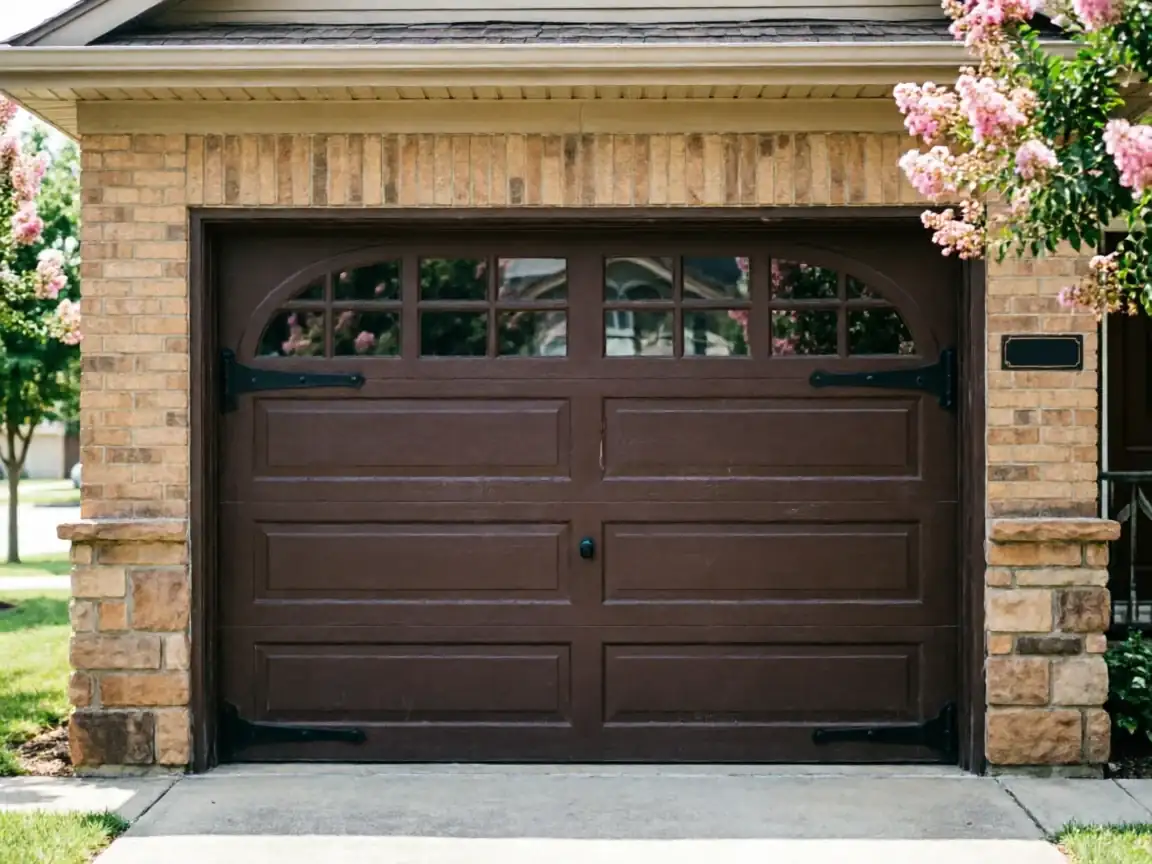
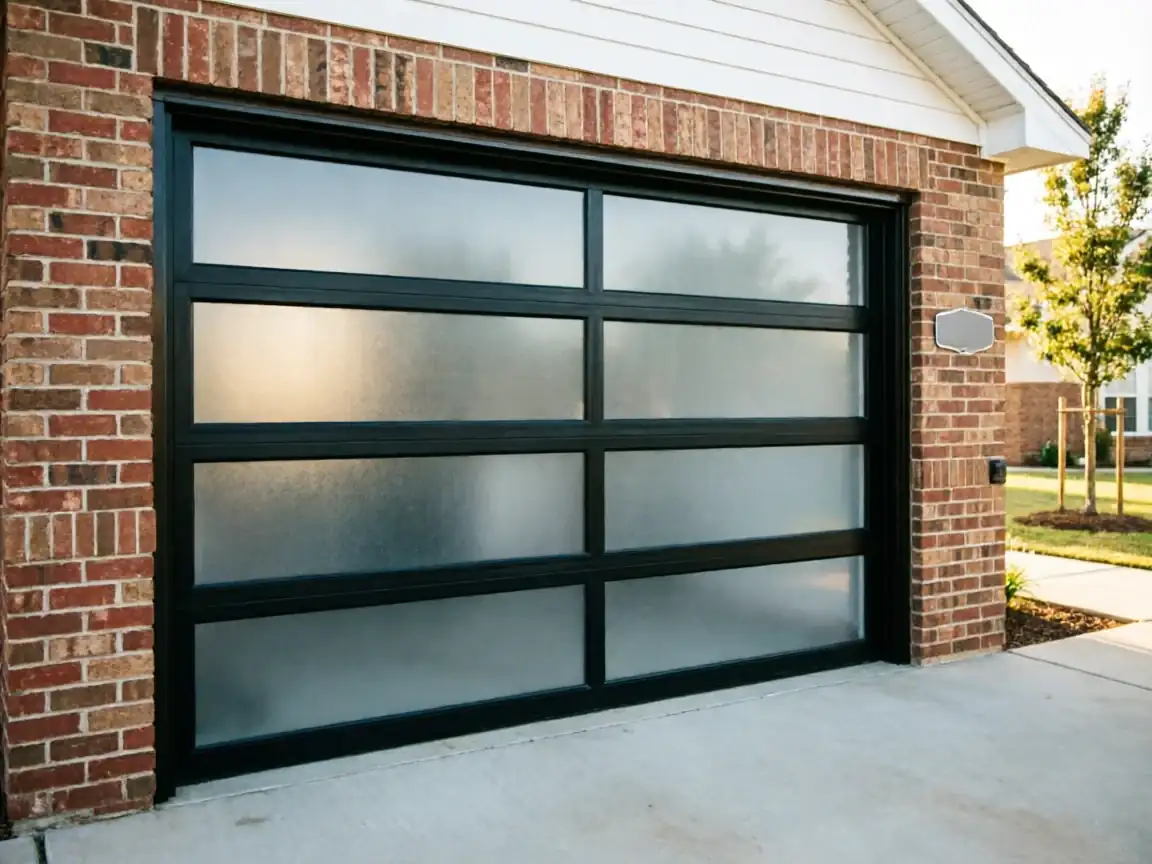
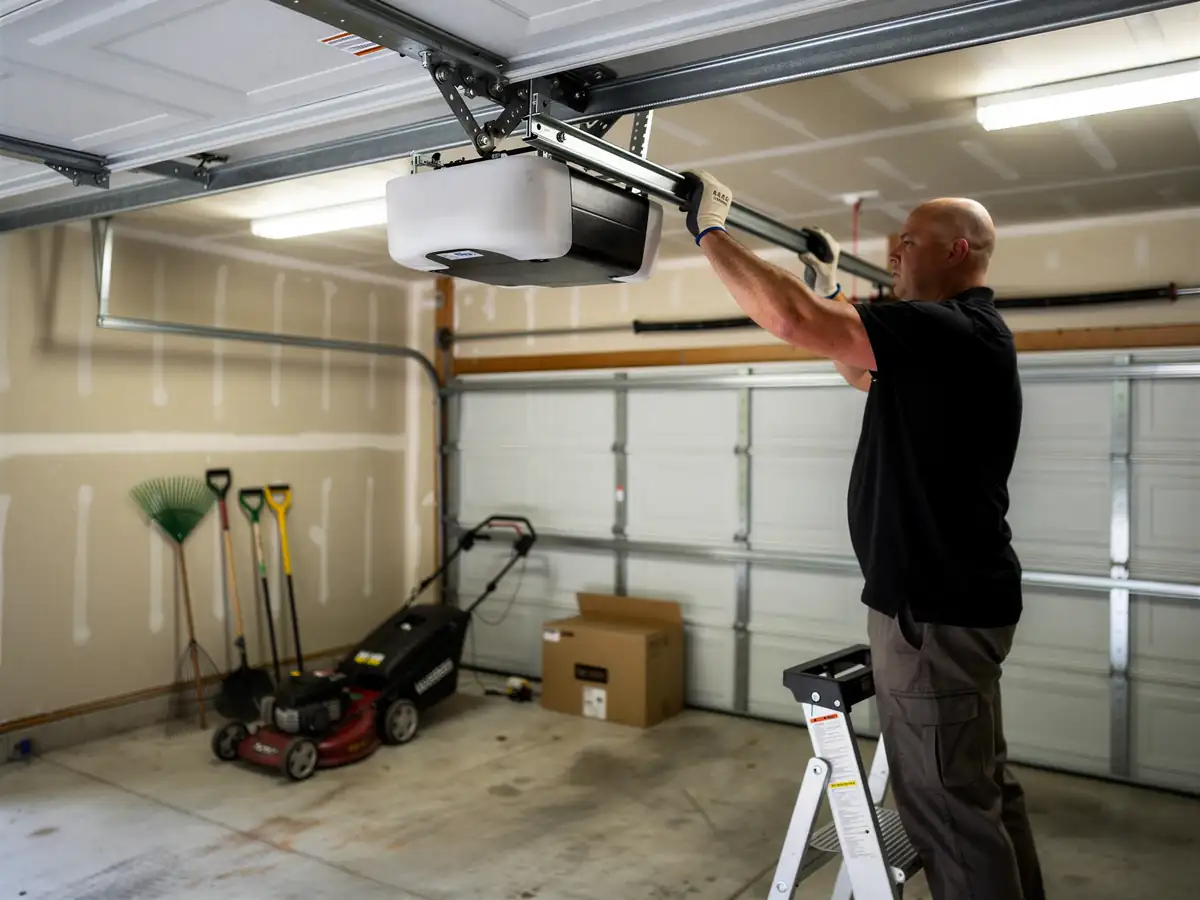
And that shows up in the kind of doors we see out here - more insulated sectional doors, more upgraded openers paired with the original torsion hardware from the early '90s build-out. That mismatch is its own complication: a newer opener bolted to a 30-year-old spring setup means the opener's force sensors sometimes mask a spring that's already failing, so the door seems fine right up until it isn't.
With roughly 4,685 households in Santa Fe, this isn't a high-volume route for us the way some closer-in areas are
So if you've got an uncommon spring wire gauge or a discontinued torsion size, we may need to order it rather than carry it on the truck. We'll tell you that up front rather than make you wait at the curb to find out.
- 4,685 households
Doing It Yourself
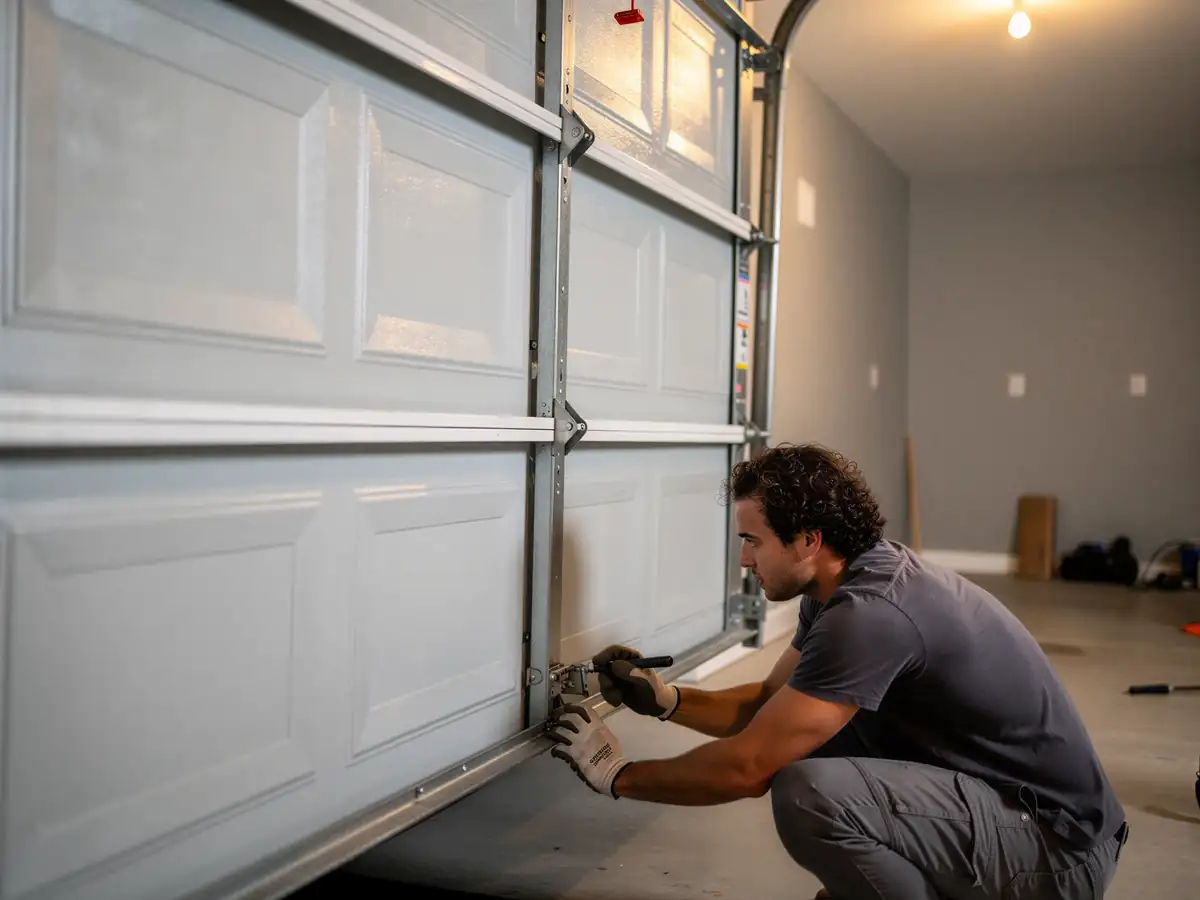
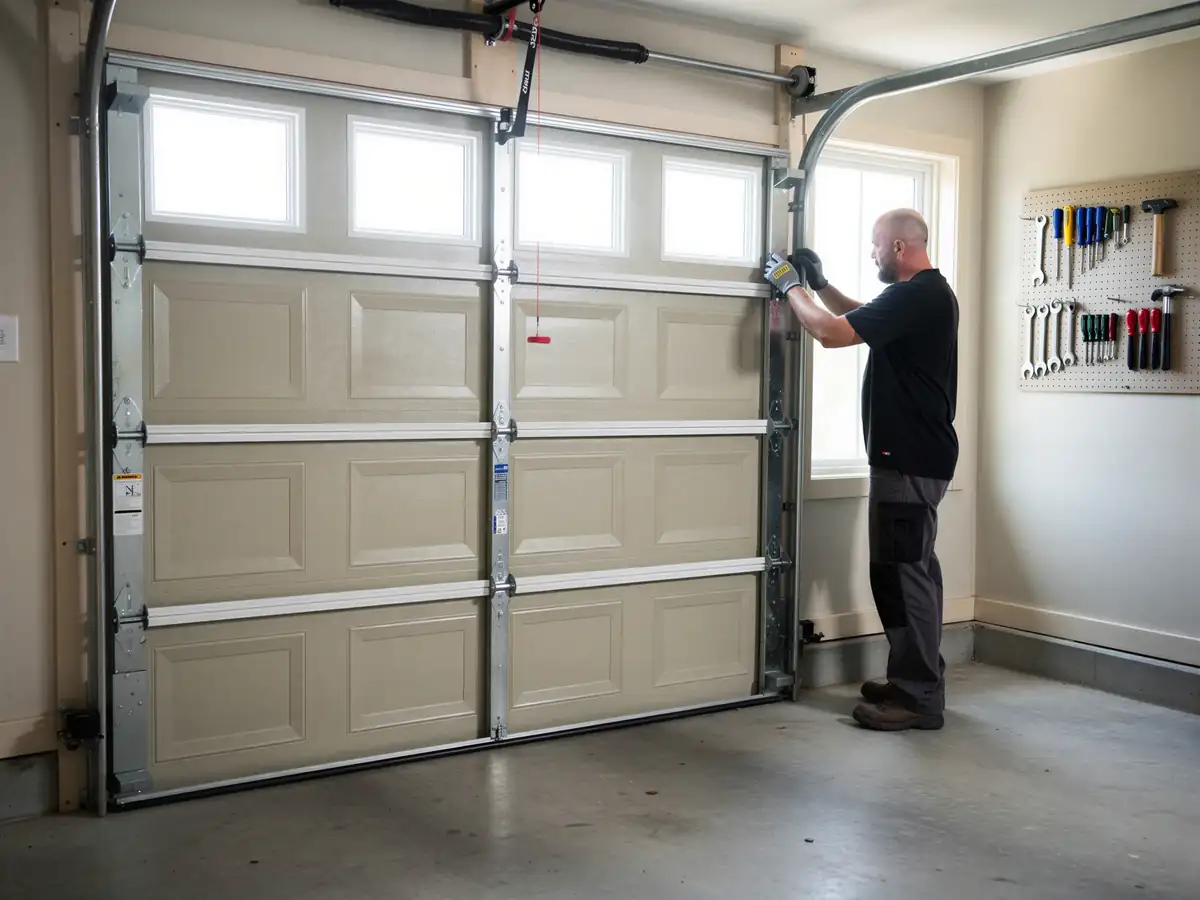
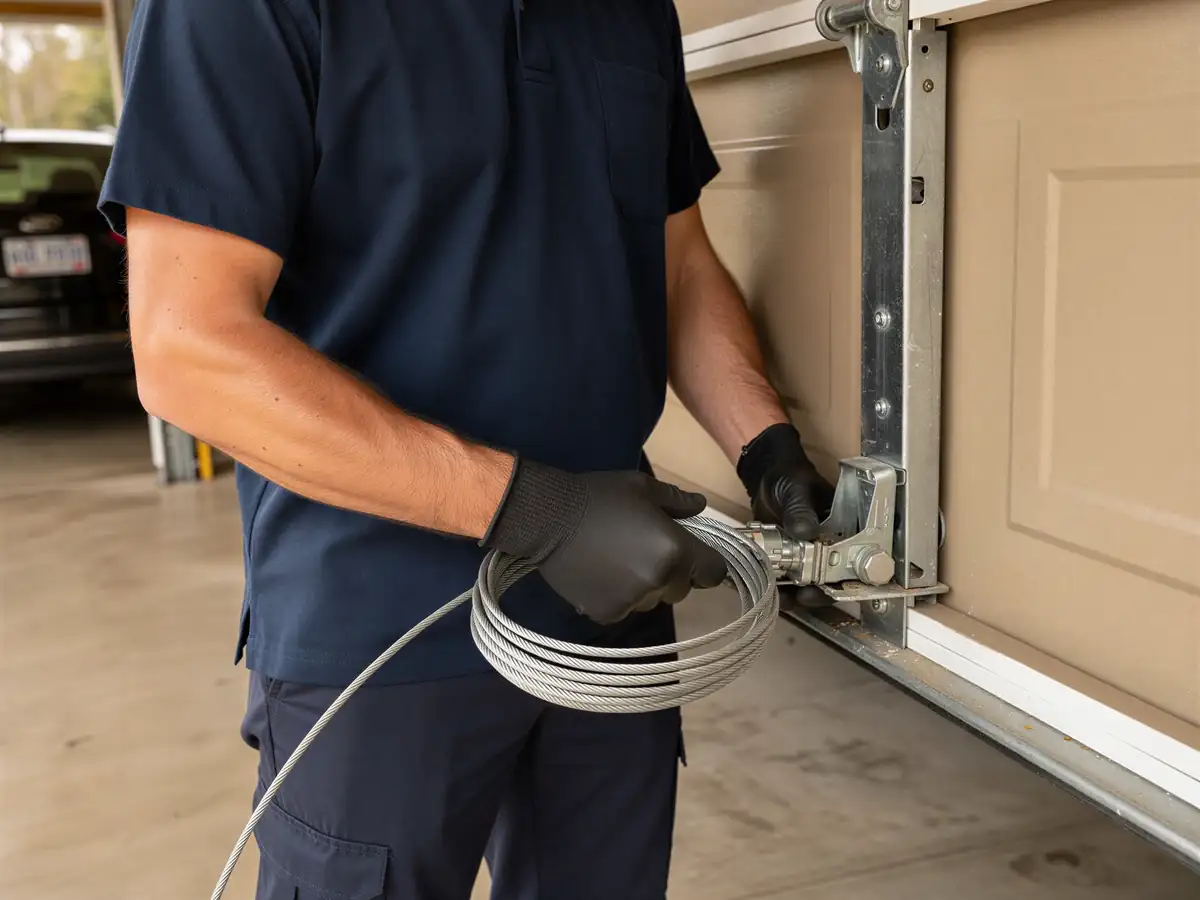
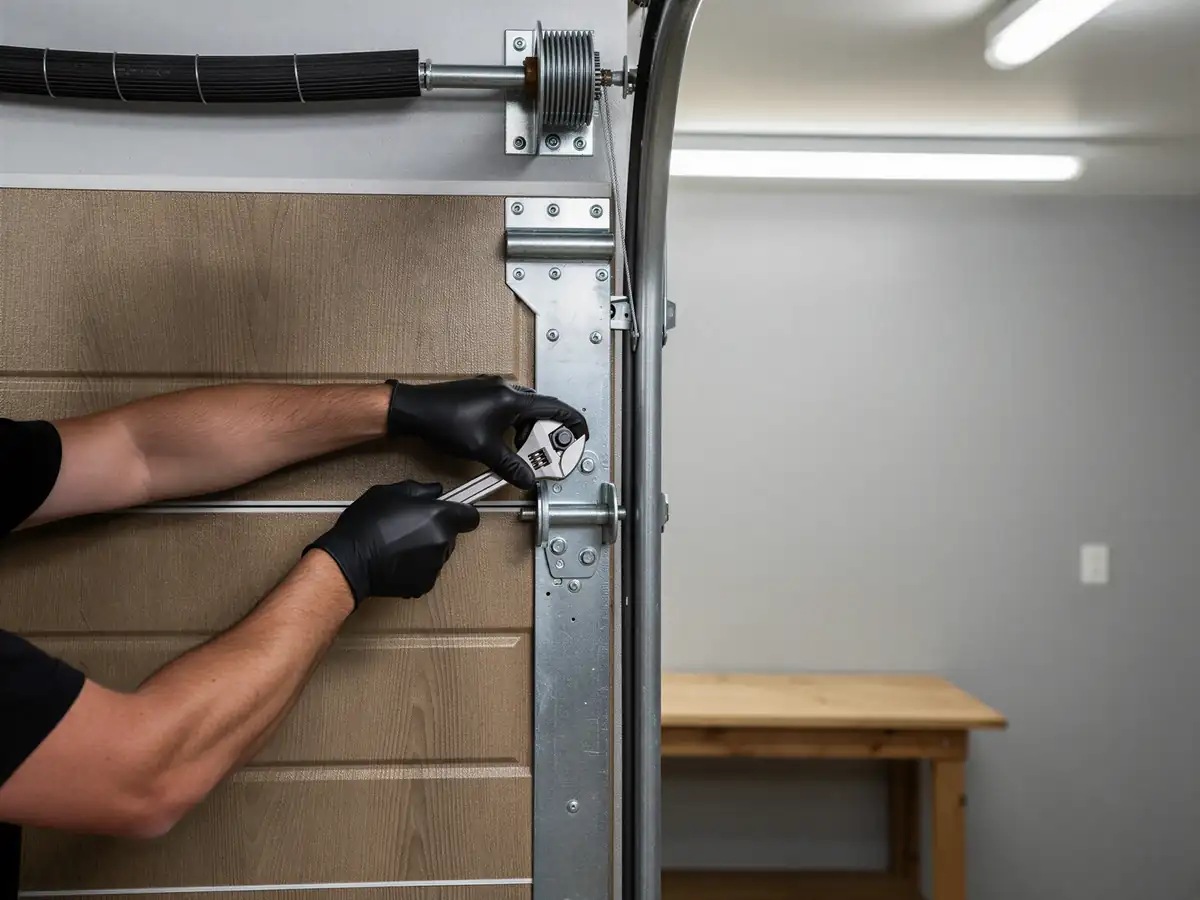
We'll say this plainly: don't try to replace a torsion spring yourself. These springs are wound under several hundred pounds of tension, and the winding bars and clamps that make the job safe aren't things most homeowners own or know how to use correctly. Extension springs are a little more forgiving but still carry real tension, and the safety cables that are supposed to catch a failed extension spring are often missing or incorrectly installed on older setups.
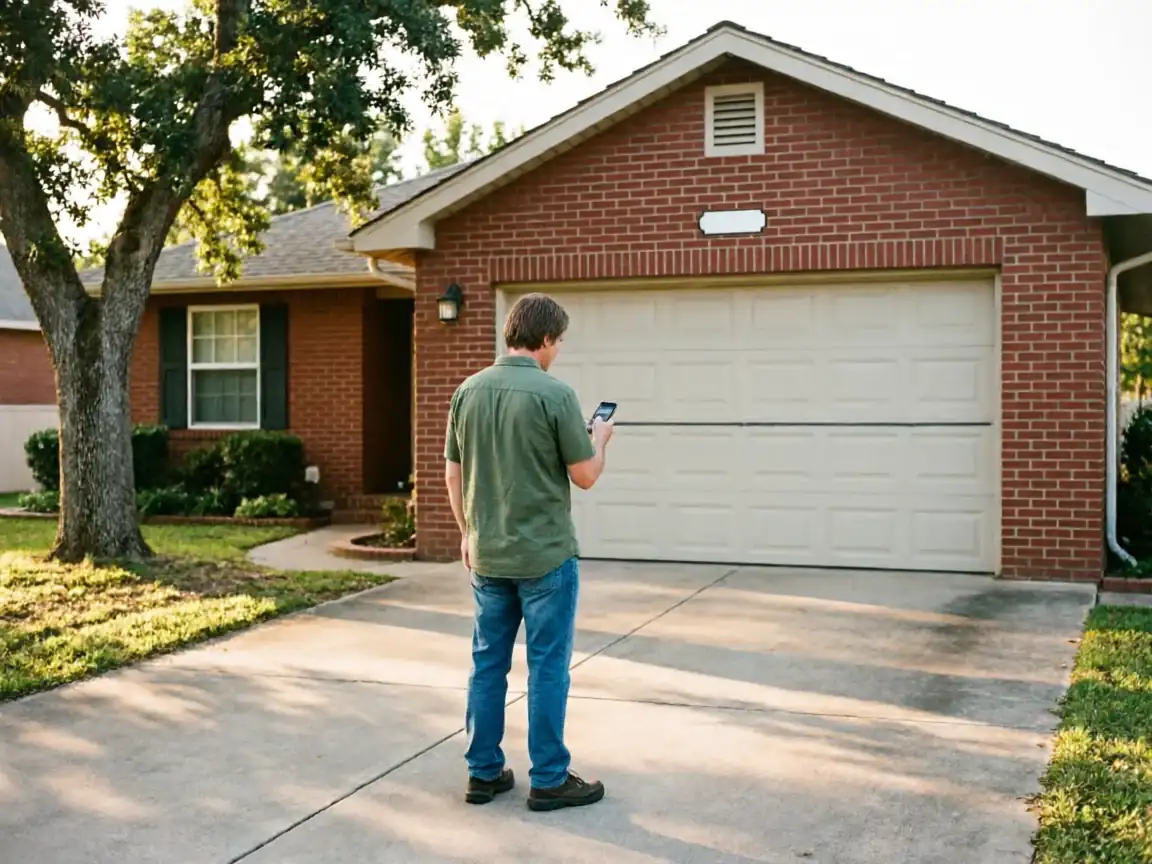
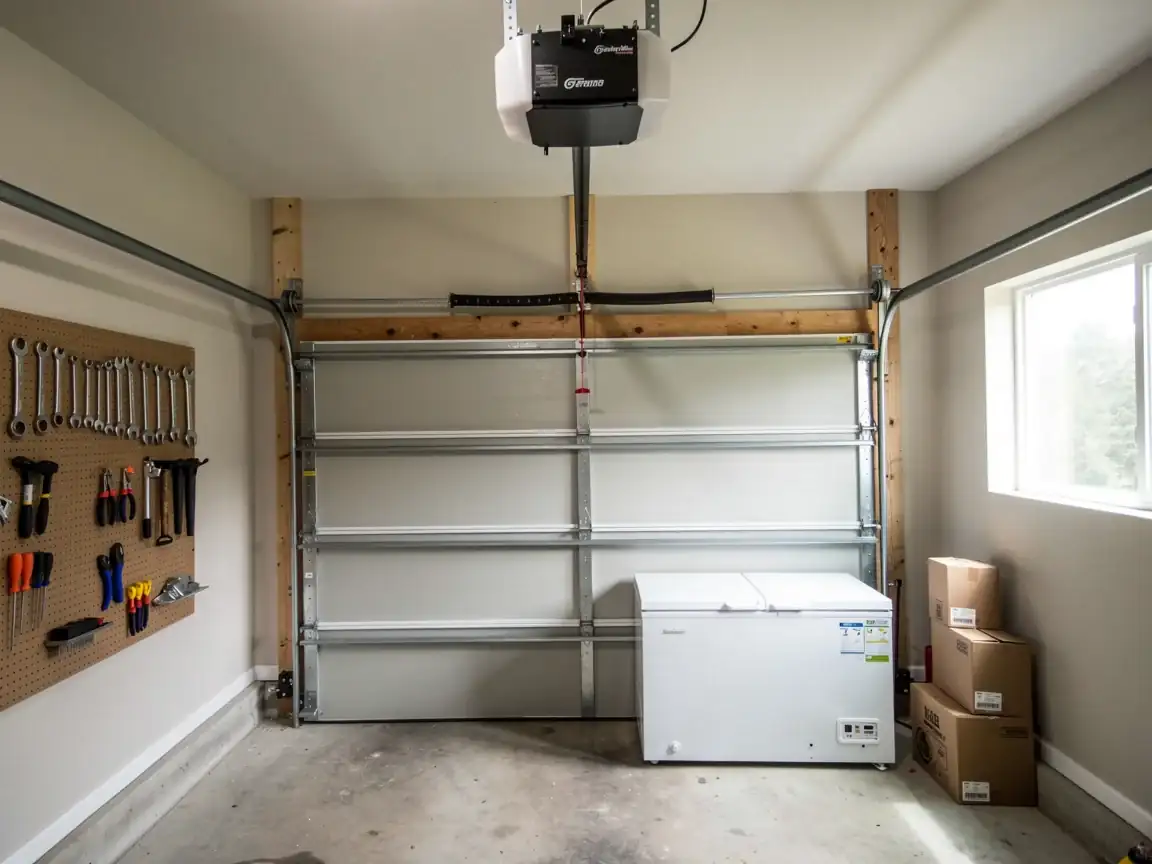
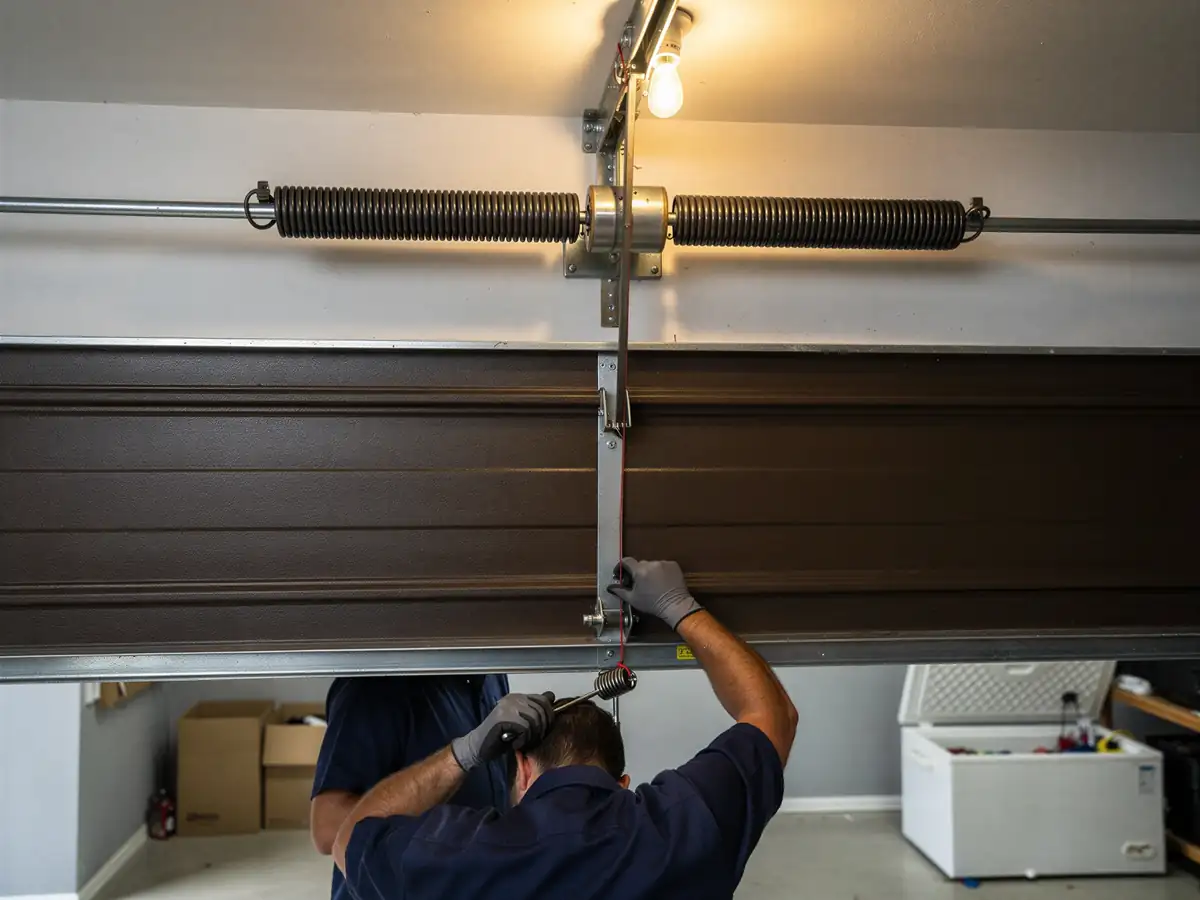
What you can reasonably do yourself: check whether the spring is torsion-style (horizontal bar above the door) or extension-style (stretched springs along the upper tracks), note whether it's a single or double door, and have that ready when you call. That alone saves time once the truck is out here, since it tells us roughly what we're bringing before we leave La Porte. Given the drive, getting the diagnosis right on the first call matters more here than it would somewhere closer.