What You Pay
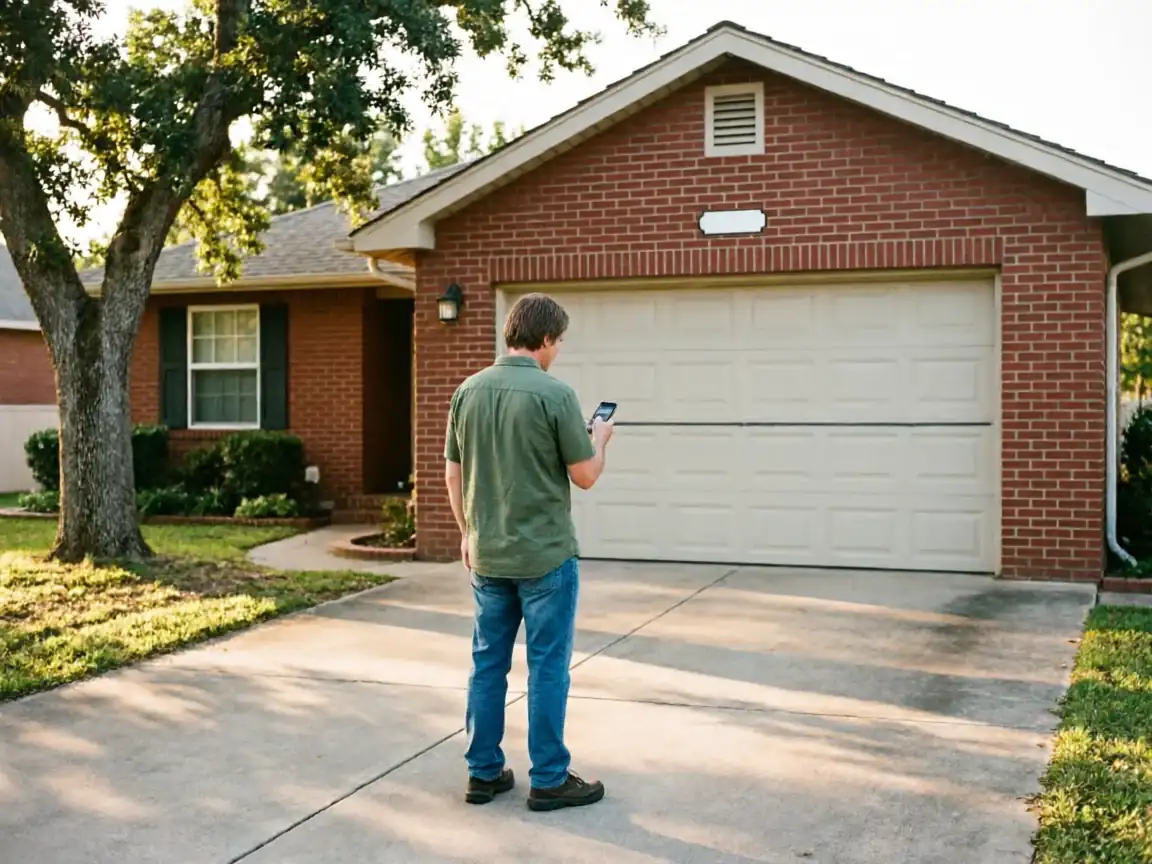
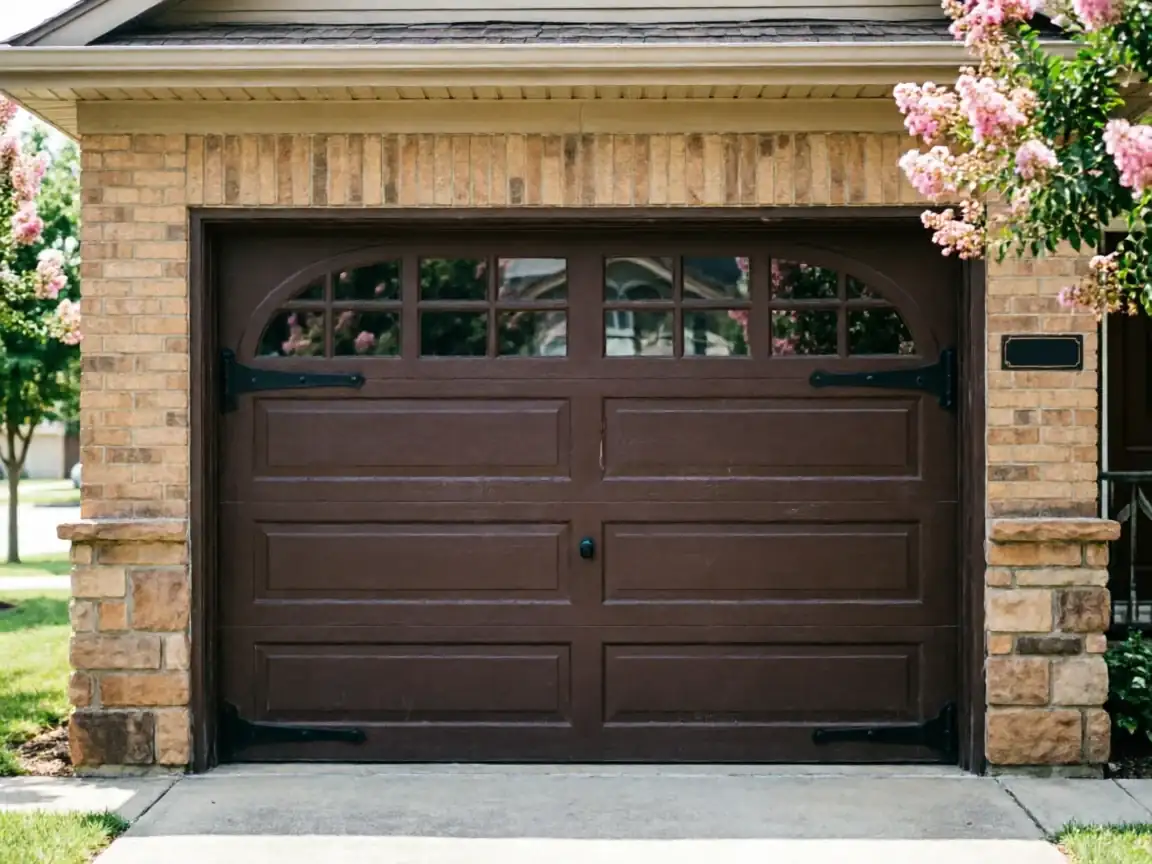
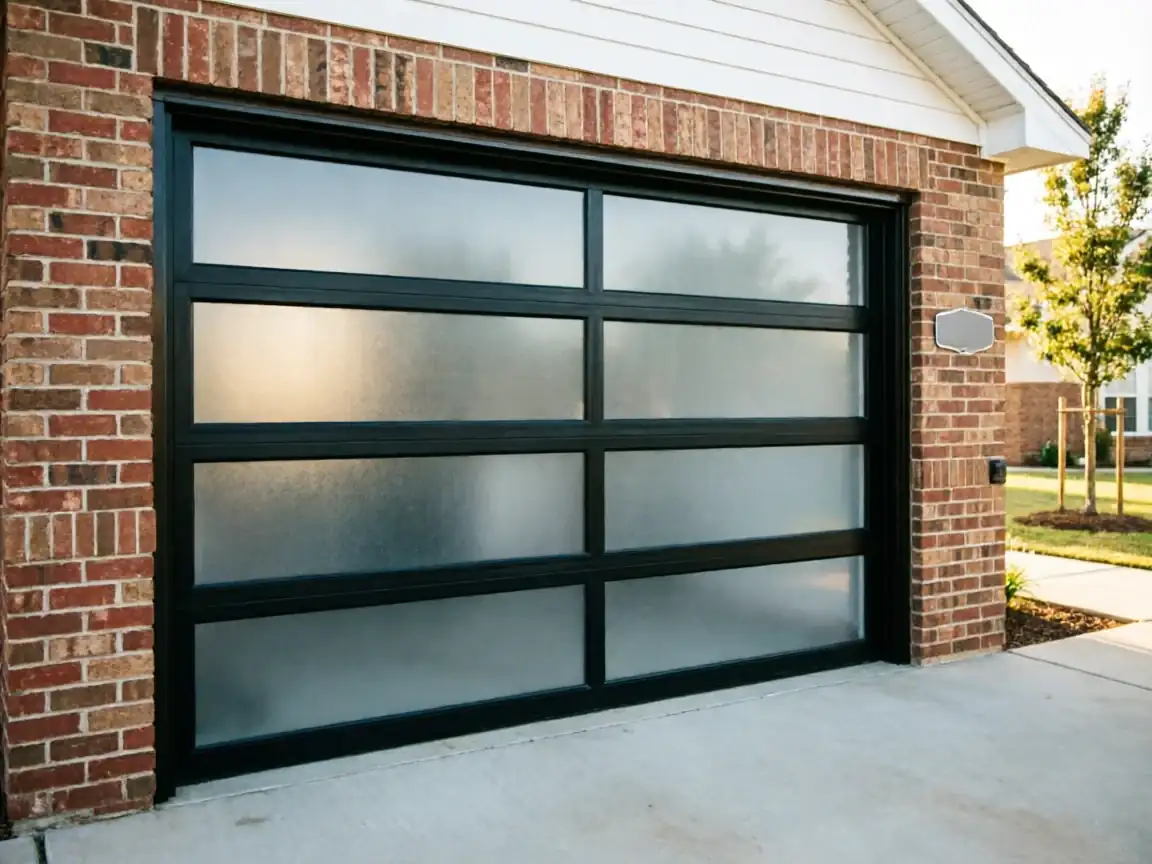
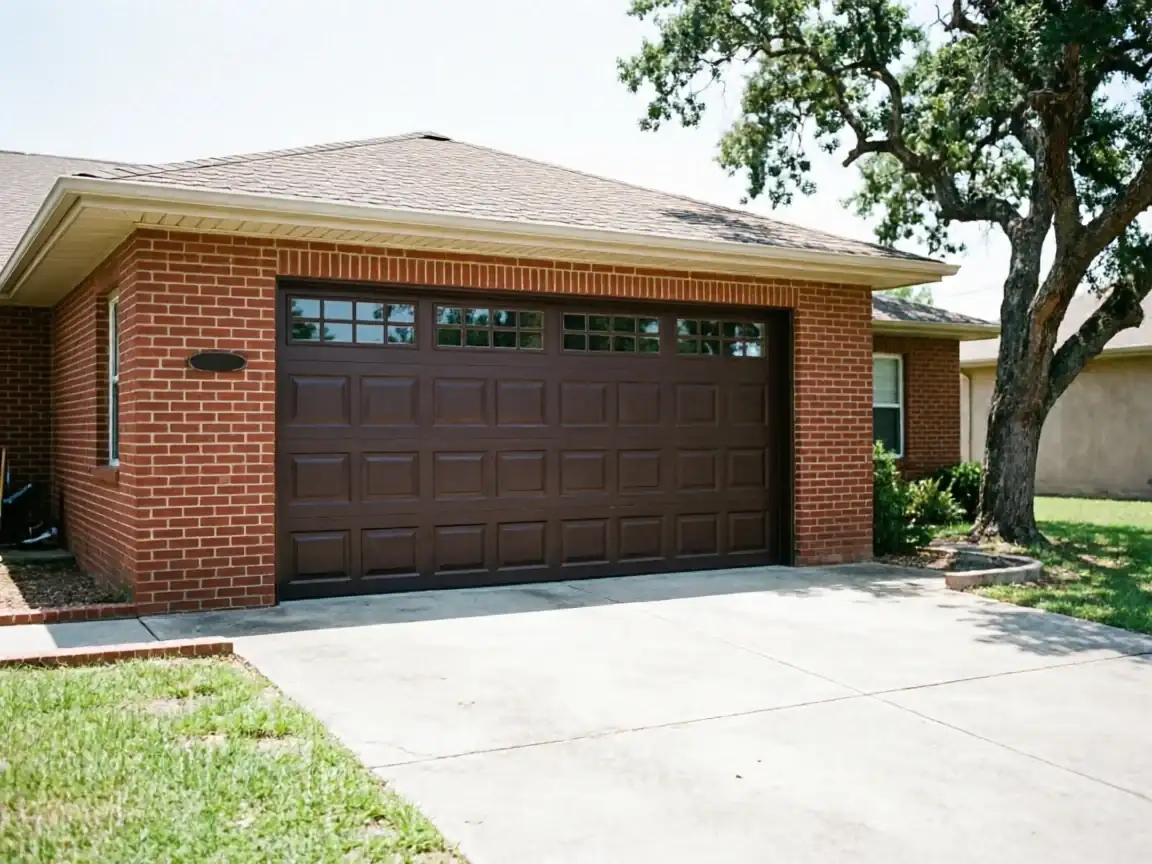
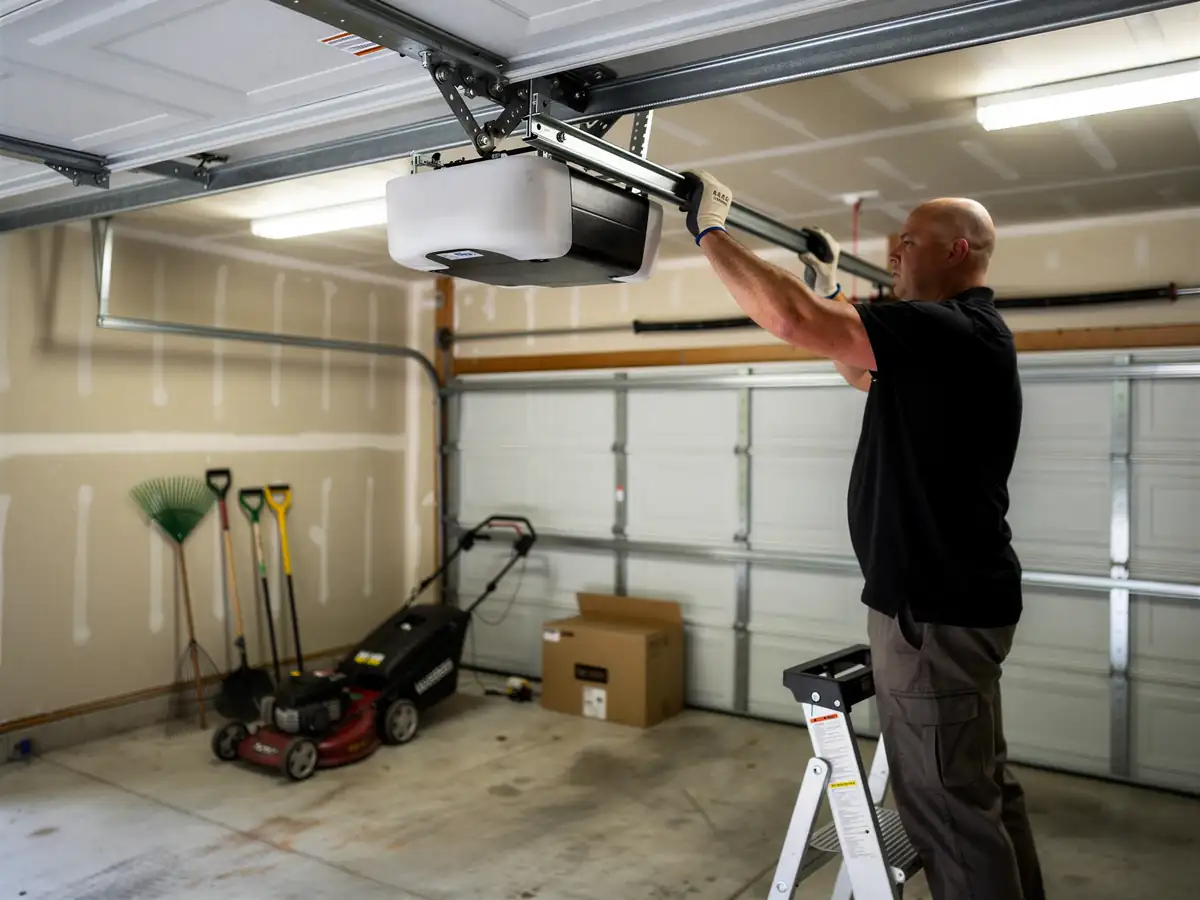
Santa Fe sits about 20 miles from our La Porte shop, which matters more here than in the closer suburbs we cover - a maintenance visit has to be worth the drive for both of us, so we bundle the inspection, lube, and adjustment into one stop rather than sending a truck twice. Median household income here runs $95,815, noticeably higher than the broader service area's $77,315, and the houses reflect it: fewer of the stripped-down builder-grade doors we see elsewhere, more upgraded openers added after the original install. That upgrade history is actually a maintenance issue in itself. A door built around 1991 with a replacement opener bolted on in, say, 2008 often has two different eras of hardware trying to work together - original rollers and brackets paired with a newer motor that's stronger than the track was ever designed for. We check that mismatch specifically, not just whether the opener runs. With only 4,685 households in Santa Fe, this isn't a neighborhood where we're doing volume work; it's a handful of calls a month, which means each one gets a full look rather than a rushed tune.
Why This Fails Locally
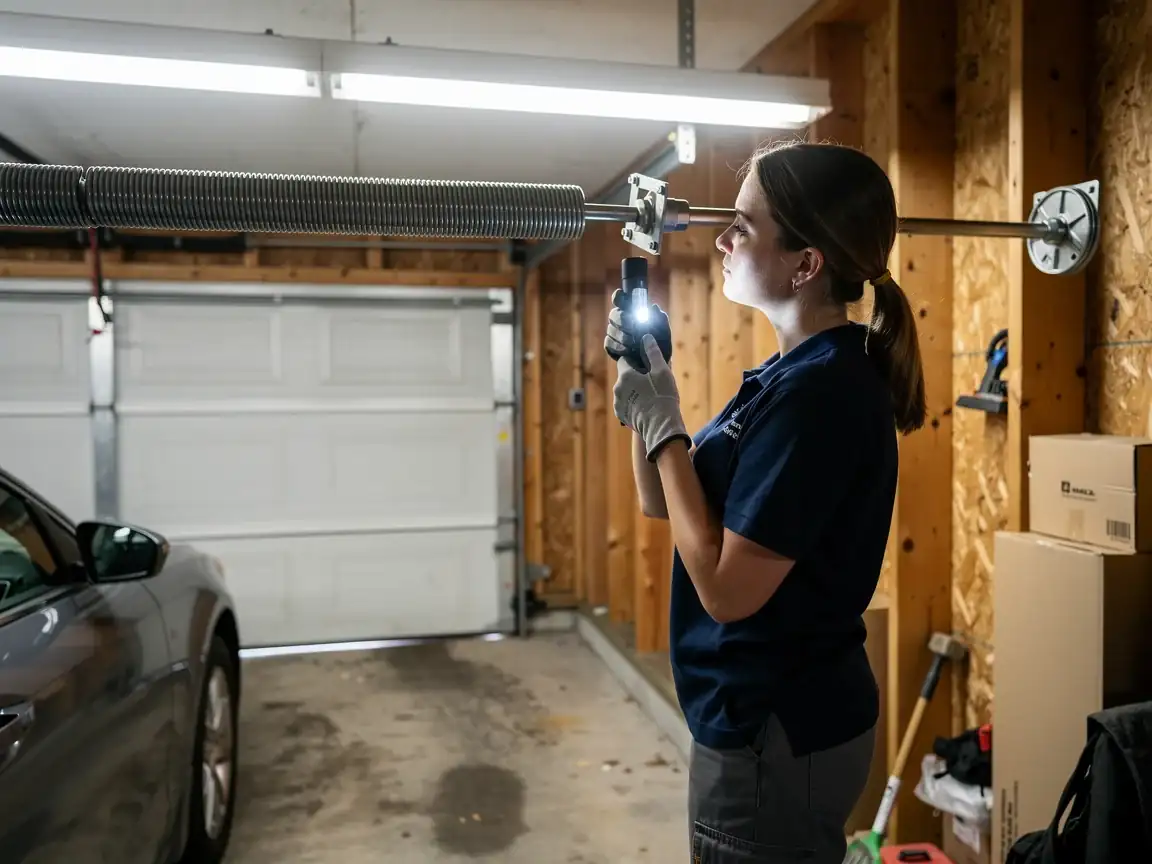
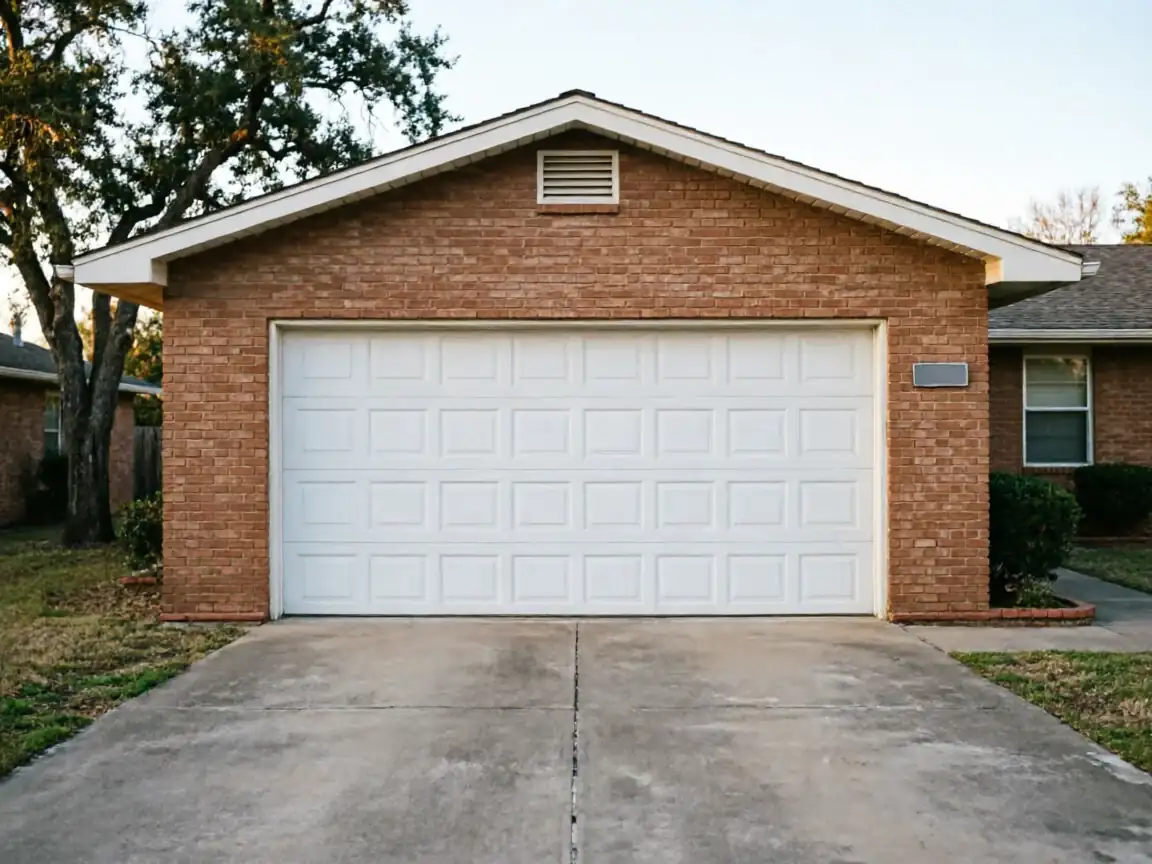
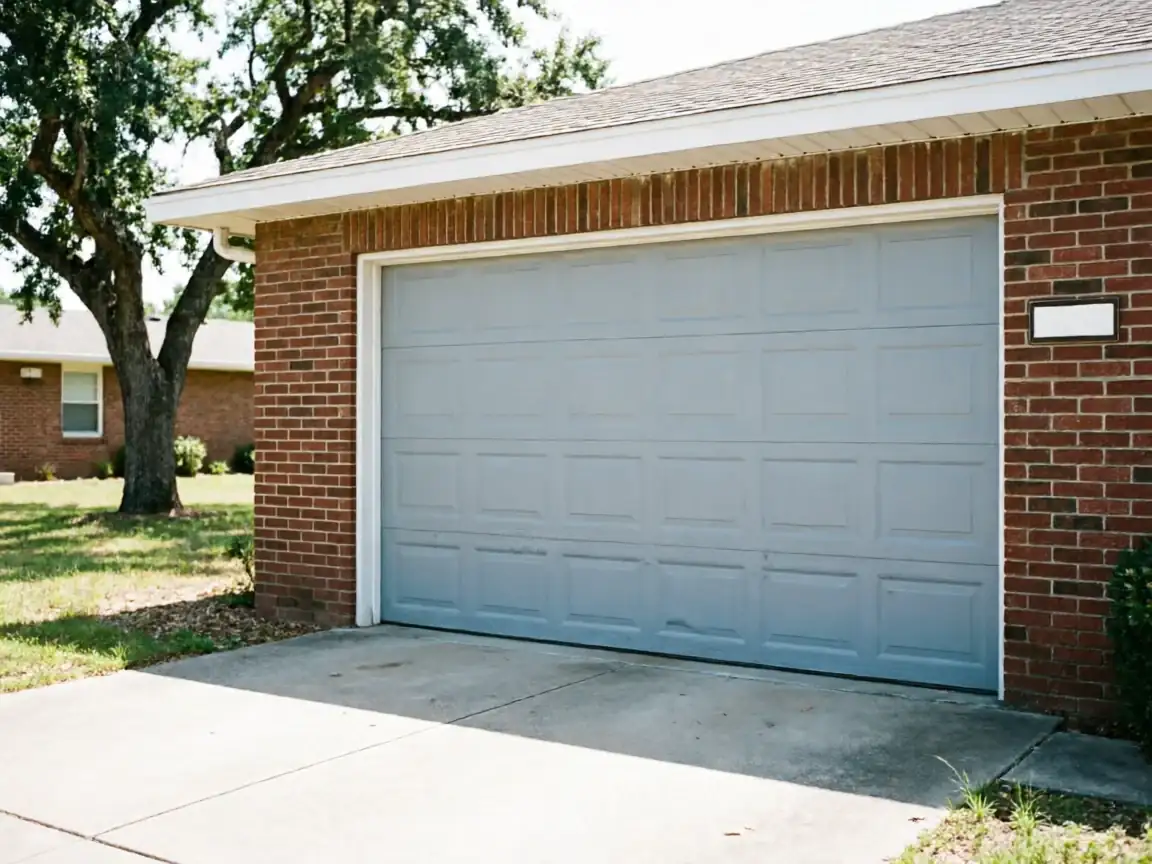
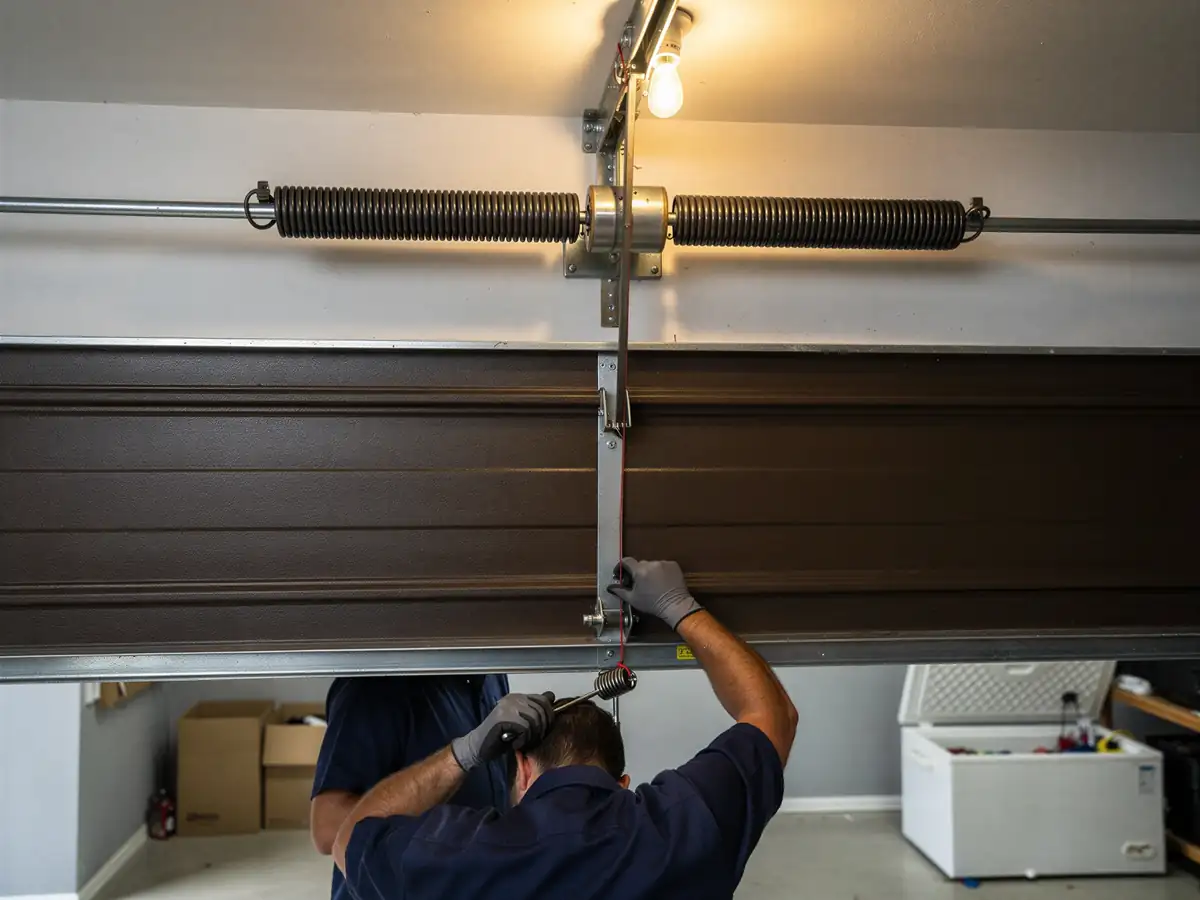
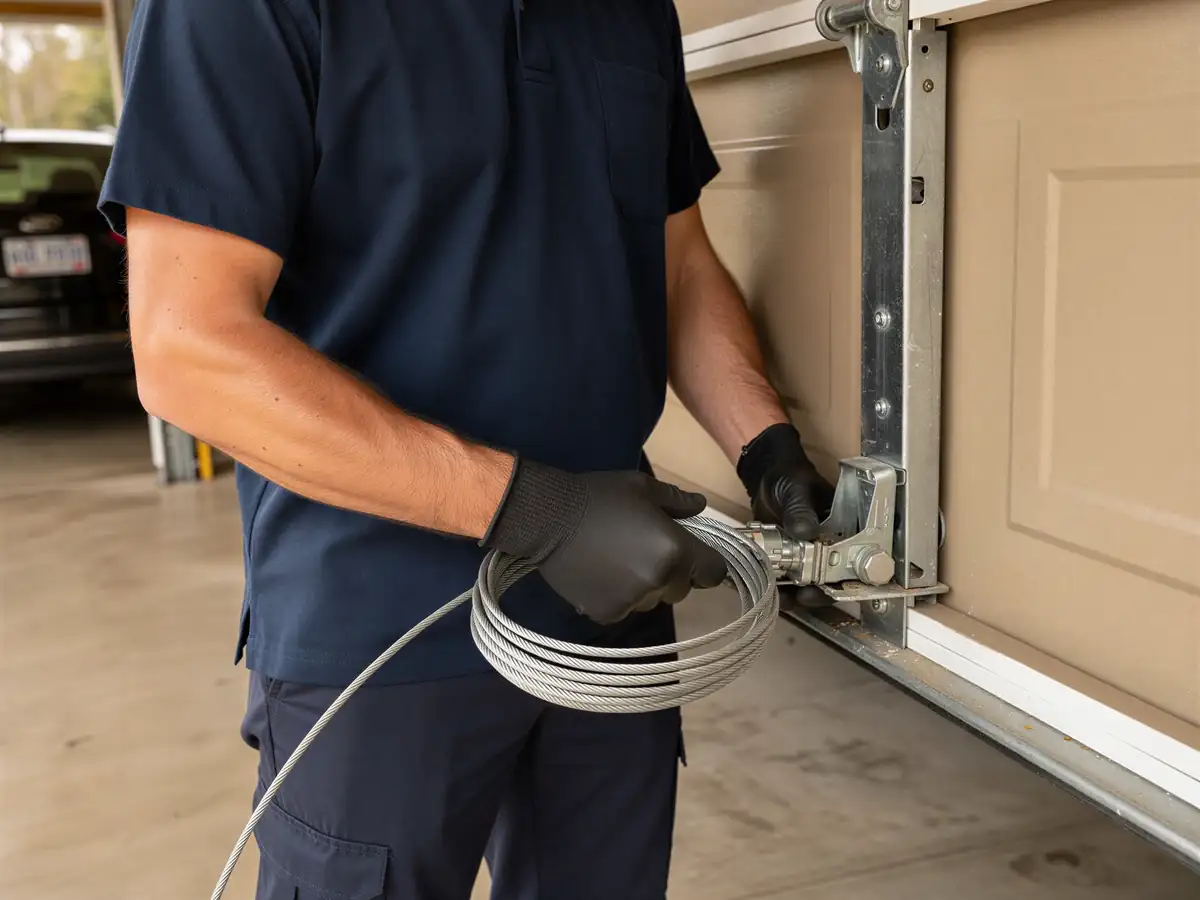
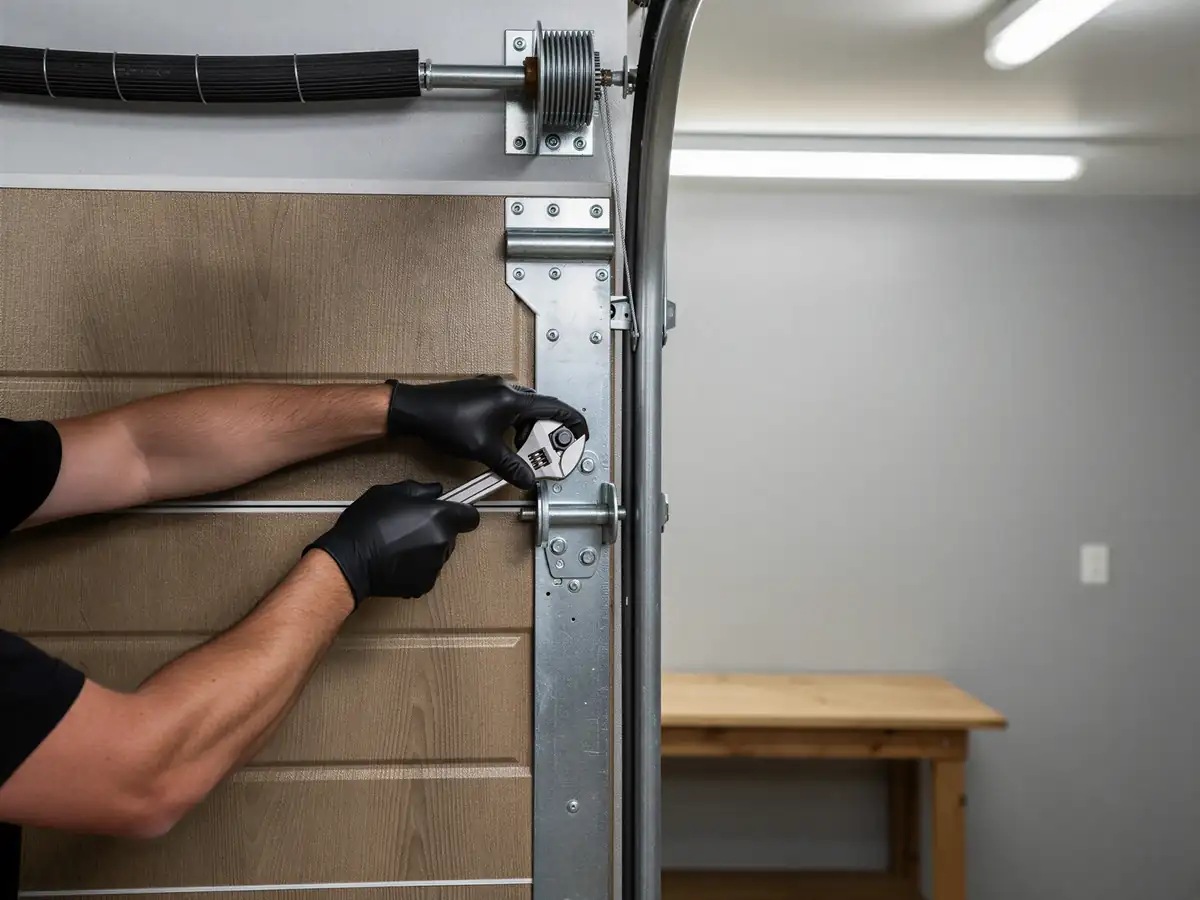
Most Santa Fe garage doors date to right around 1991, which puts the springs, cables, and rollers well past any reasonable service life even on a door that's never given anyone trouble. Nobody replaces a torsion spring because it looks fine - they replace it after it snaps, usually on the one day they needed the car out. A 30-plus-year-old spring under daily cycling is close to statistical failure whether or not the door shows any sign of it. The other original part that hangs on longest is the galvanized lift cable, and on houses from this era it's often never been swapped, just re-lubed by whoever serviced the opener. Cable strands don't fray evenly - they go quietly for years and then let go all at once, usually under tension, which is the worst moment for it to happen. The region sits in a mild climate with occasional freeze days, so we're not dealing with deep-freeze metal fatigue, but humidity cycling still corrodes springs from the inside of the coil where you can't see it. That's the specific failure mode maintenance here is built around: not weather damage, just thirty-plus years of unexamined torsion load.
Doing It Yourself
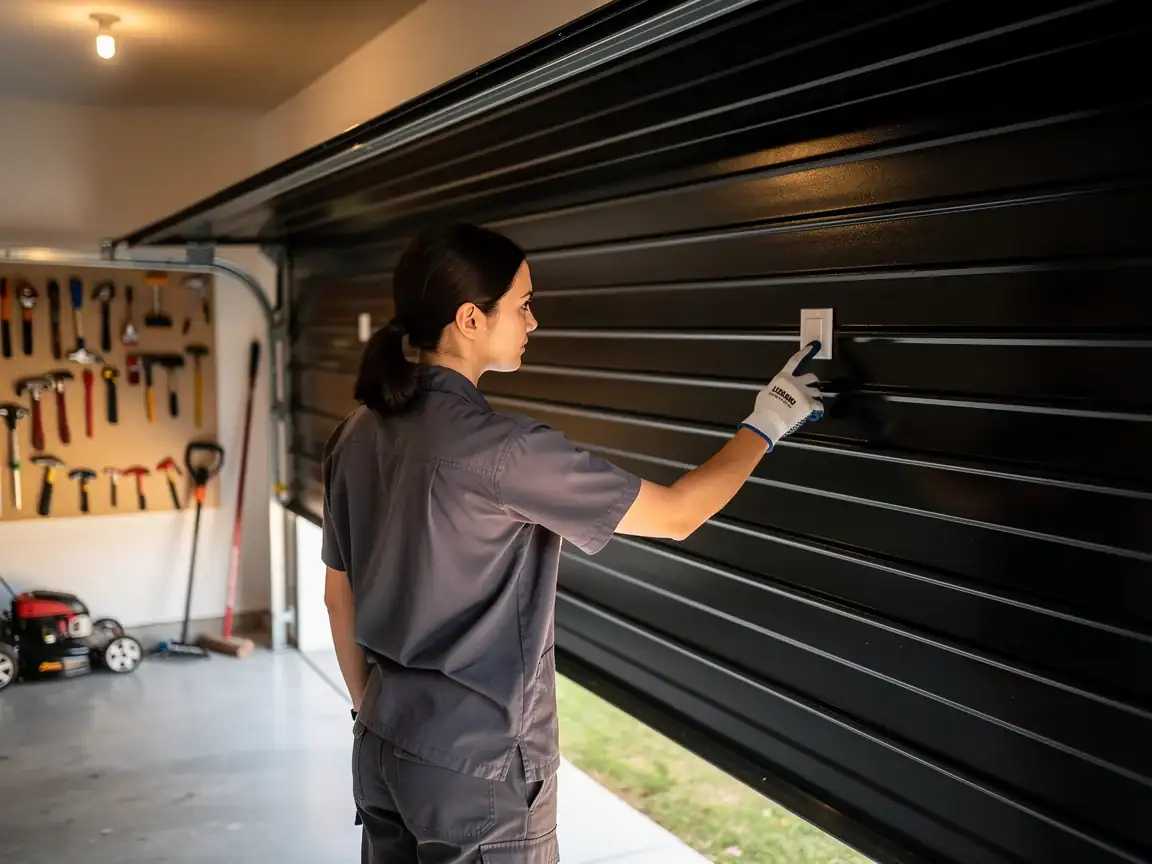
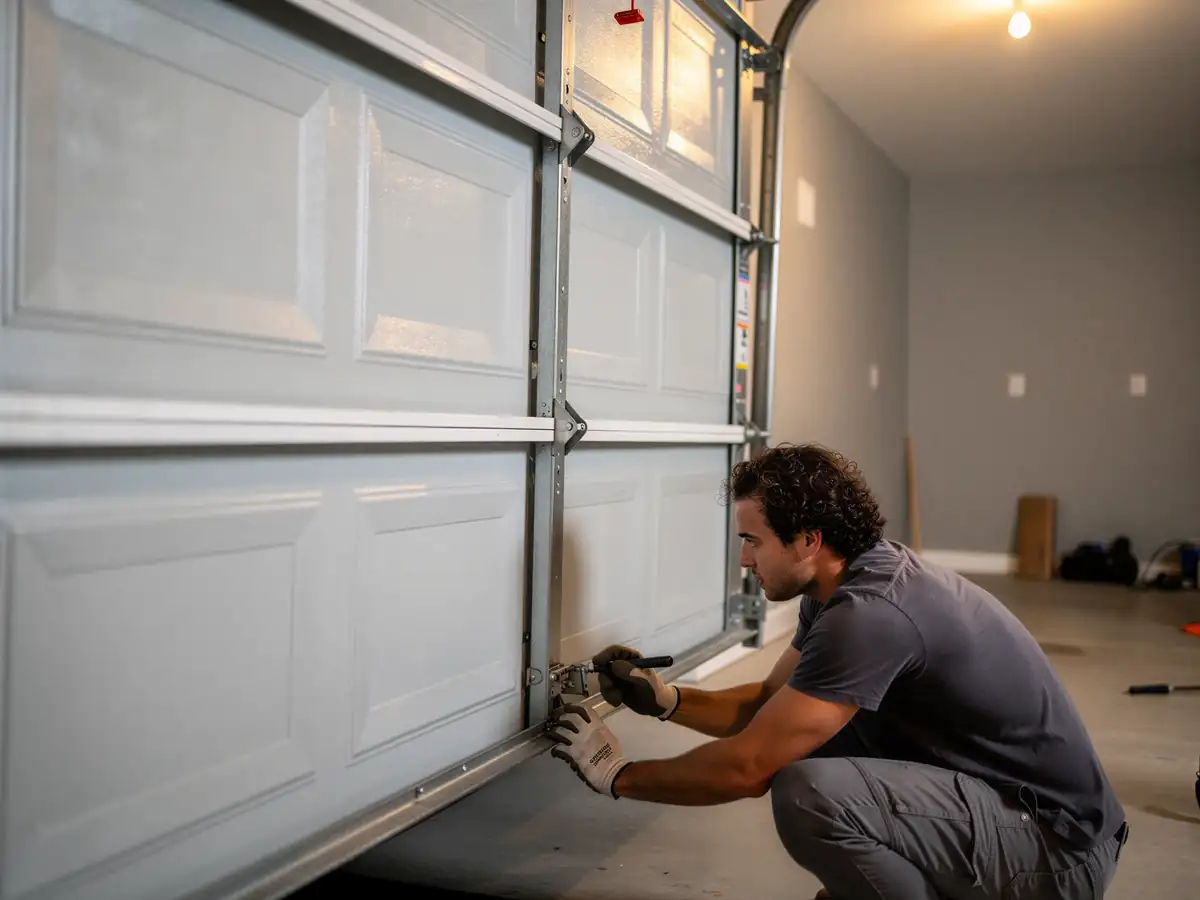
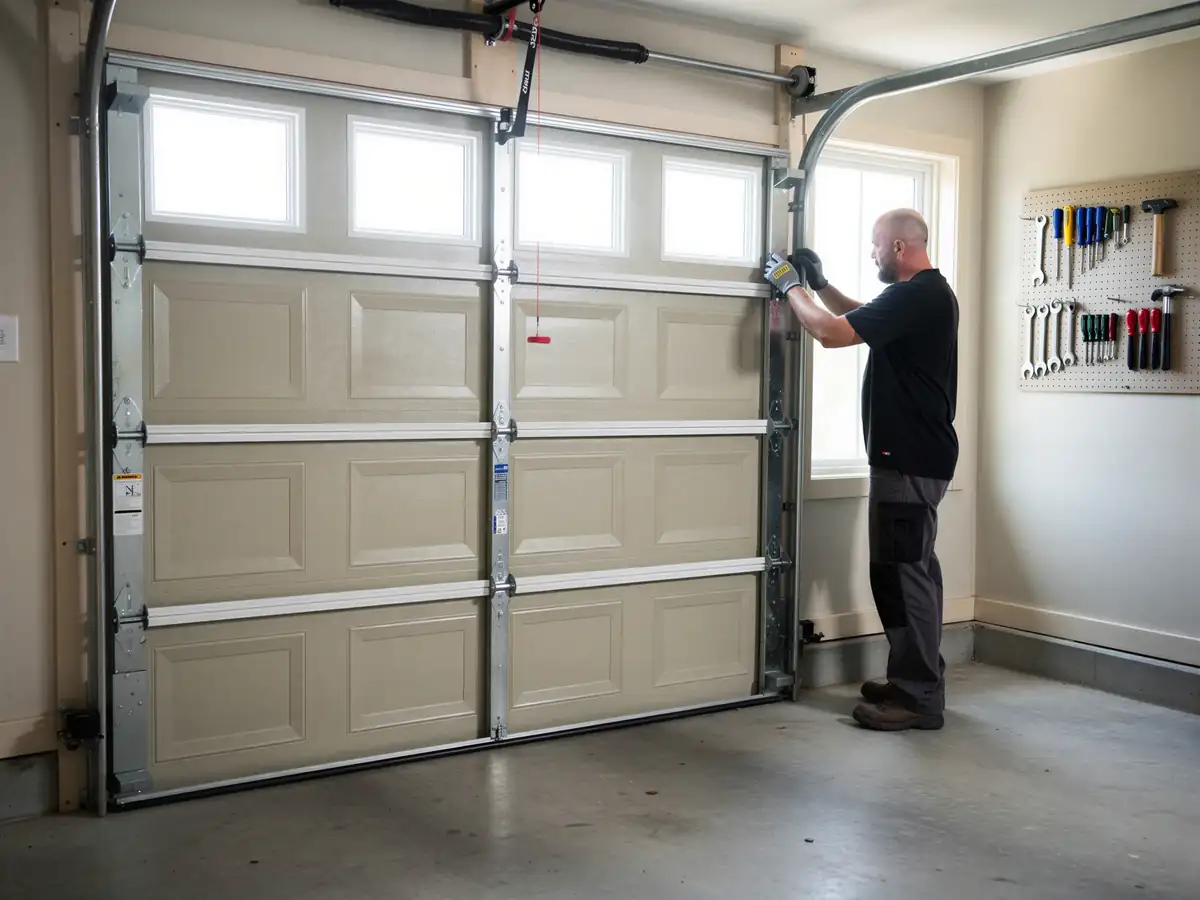
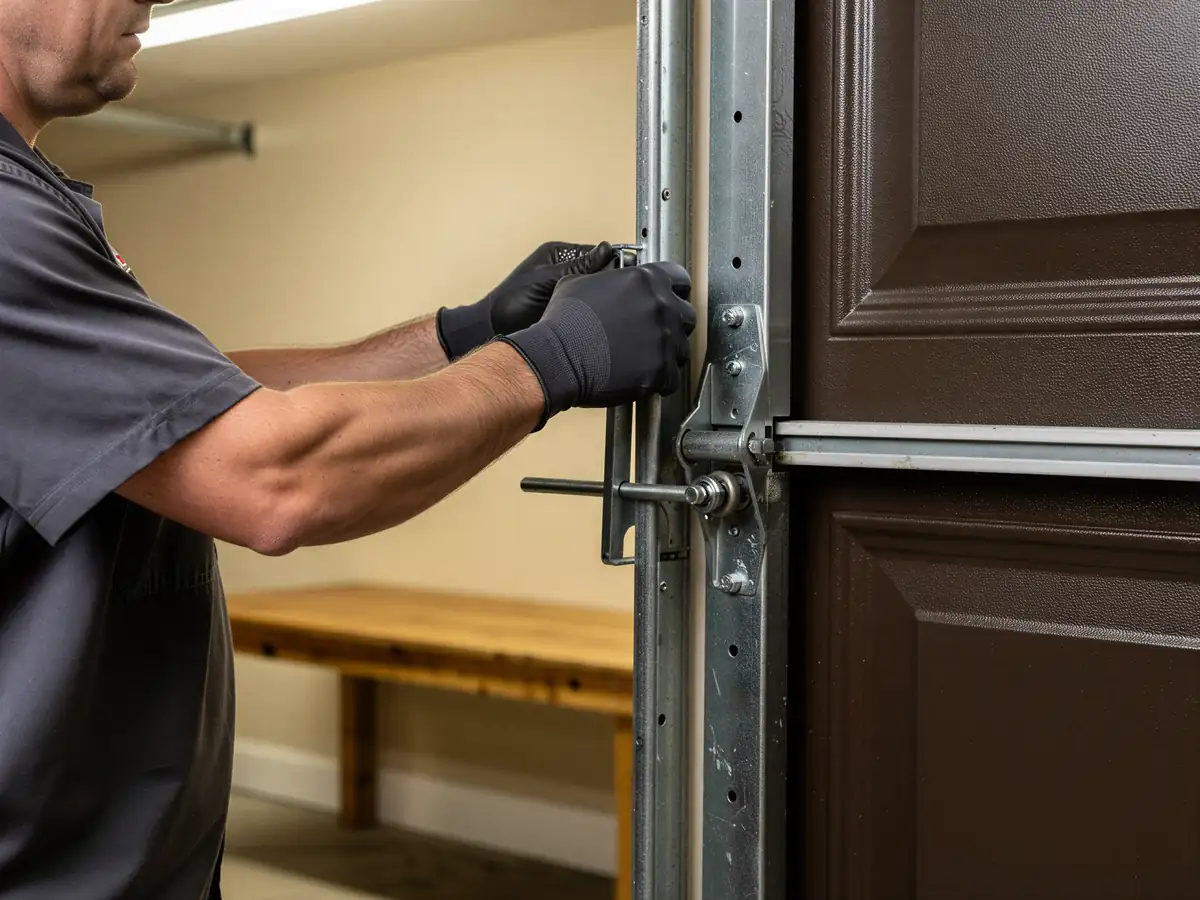
You can do some of this yourself between our visits. Wipe down and lightly lubricate the rollers and hinges every few months - a spray lithium or silicone lube, not WD-40, which attracts grit. Check that the auto-reverse safety feature still works by laying a 2x4 flat under the door and making sure it bounces back on contact; that's a two-minute test that catches a real safety issue. Listen for new grinding or popping sounds during the cycle, since that's usually the first sign a roller or bearing is going. What you shouldn't touch: the torsion spring itself. On a door this age, the spring is under enough stored tension to cause serious injury if it lets go while you're adjusting or removing it, and that's true regardless of how handy you are. If you're hearing a loud bang from the door or noticing it's suddenly heavier to lift by hand, that's spring failure, not a lube problem - that's the call to make before the door comes down on something.