What You Pay
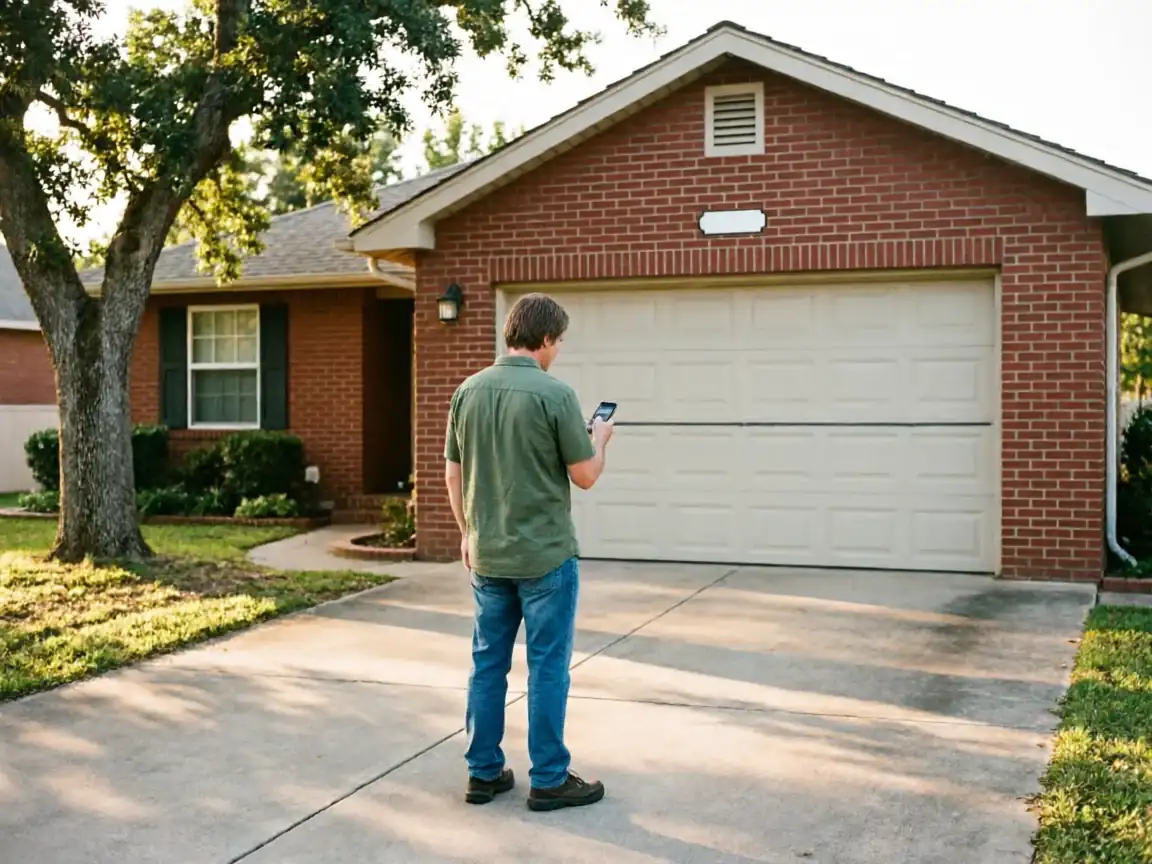
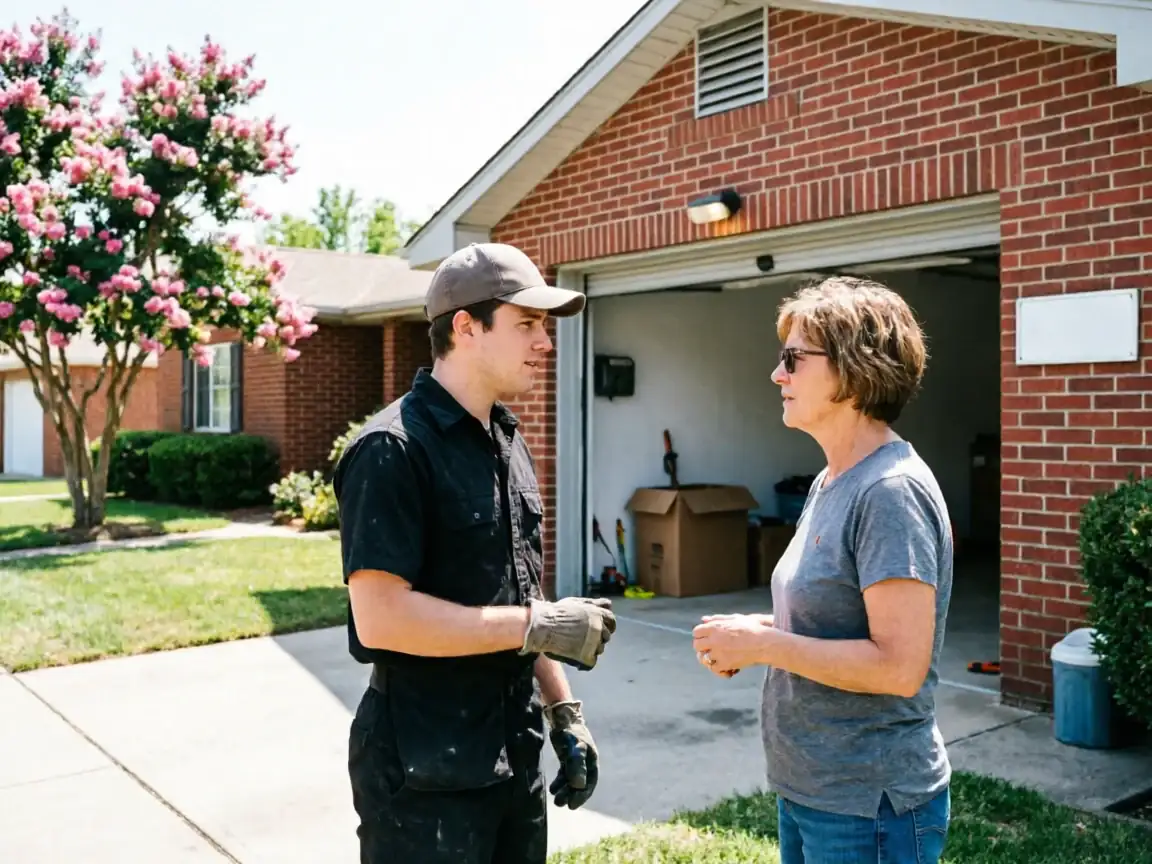
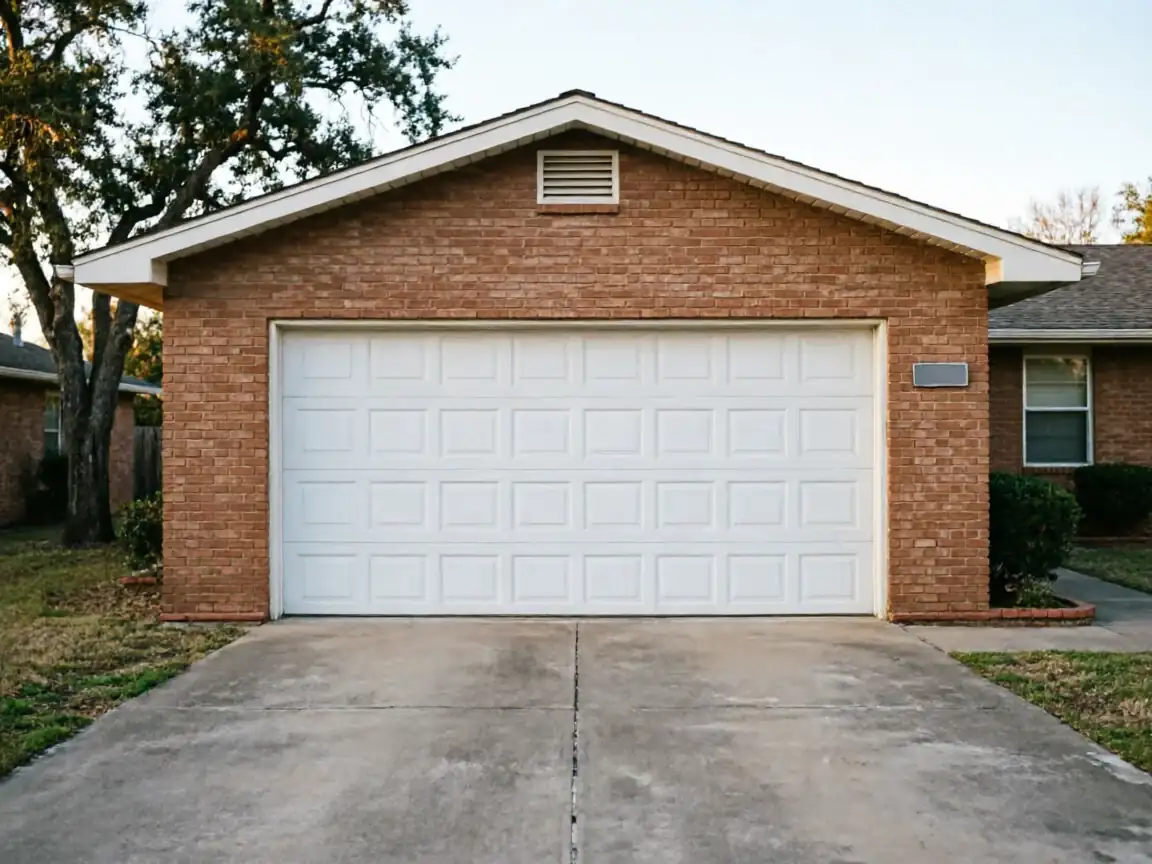
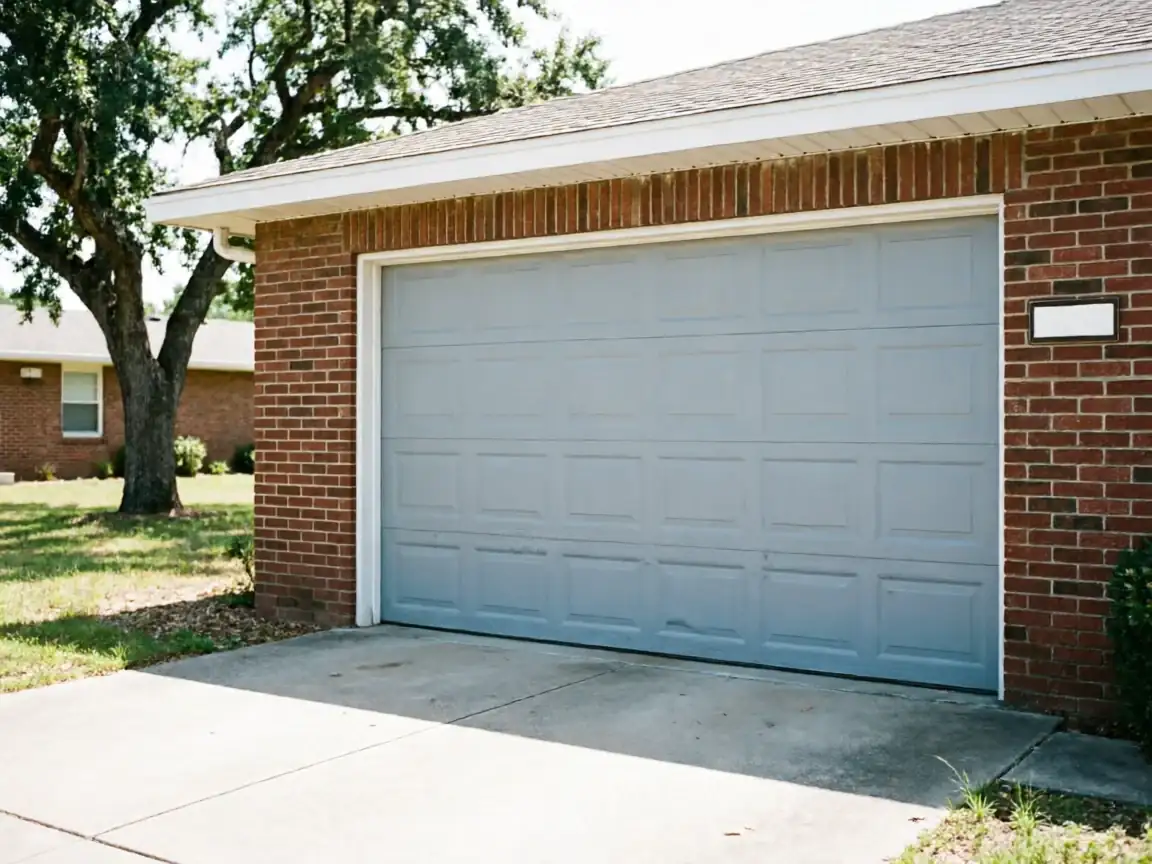
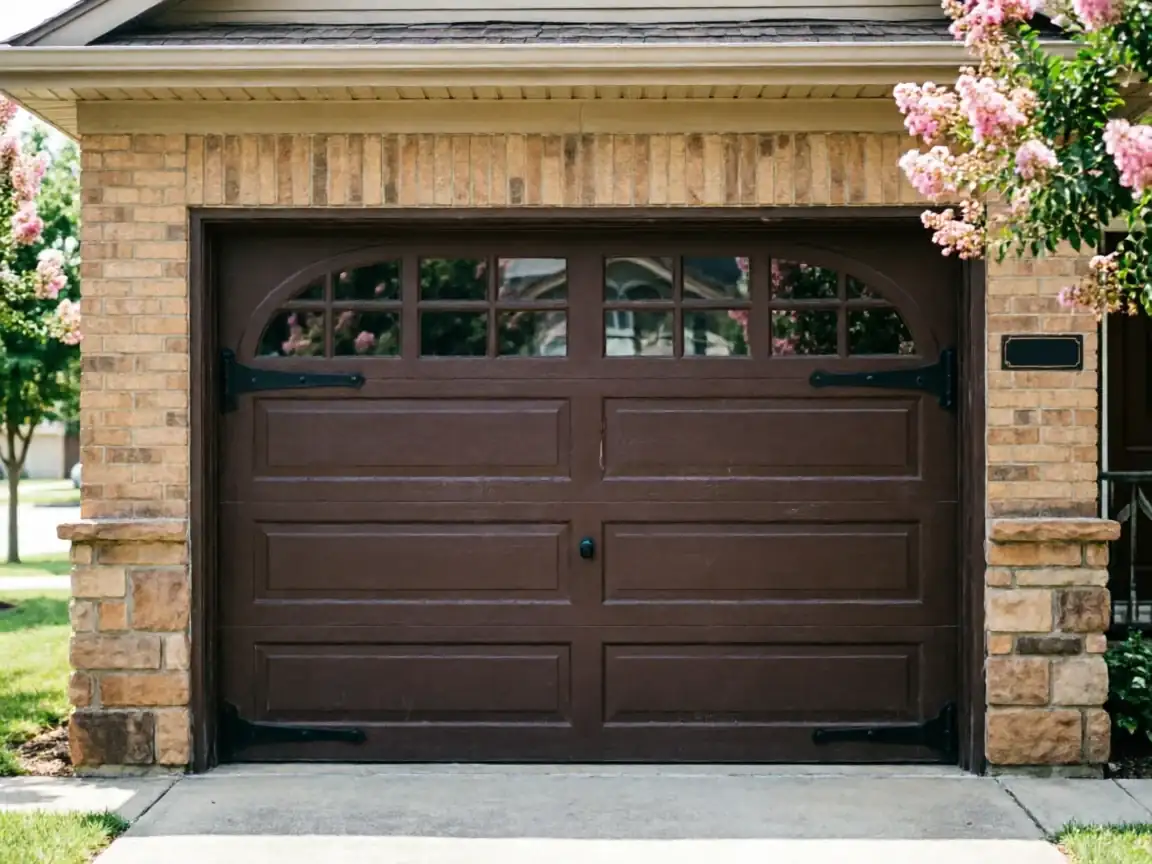
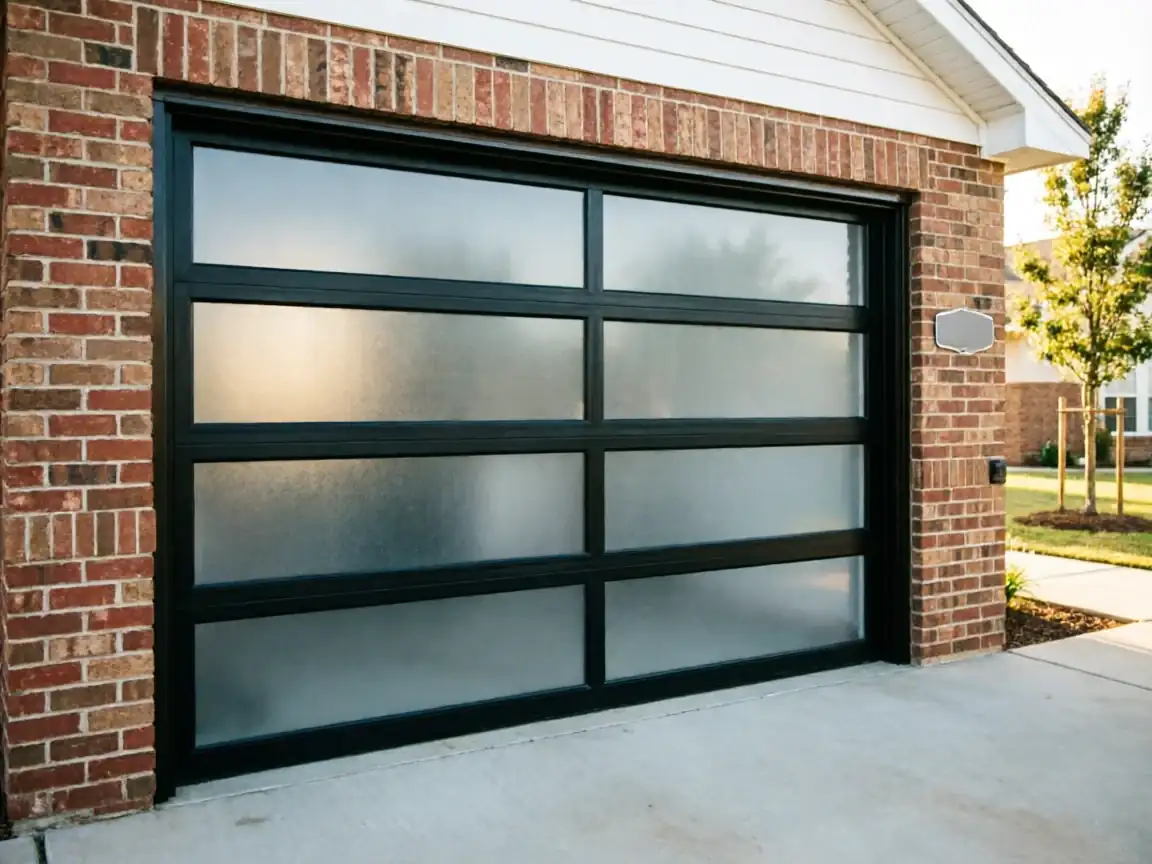
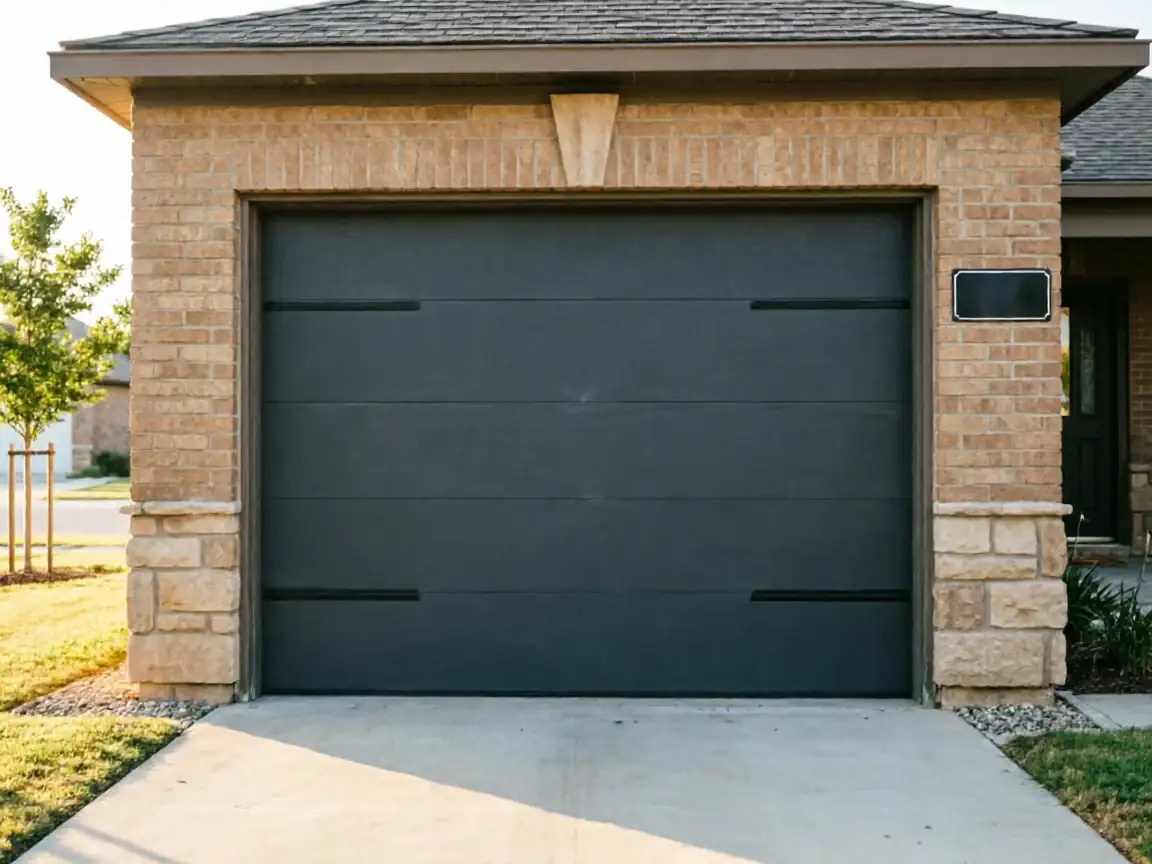
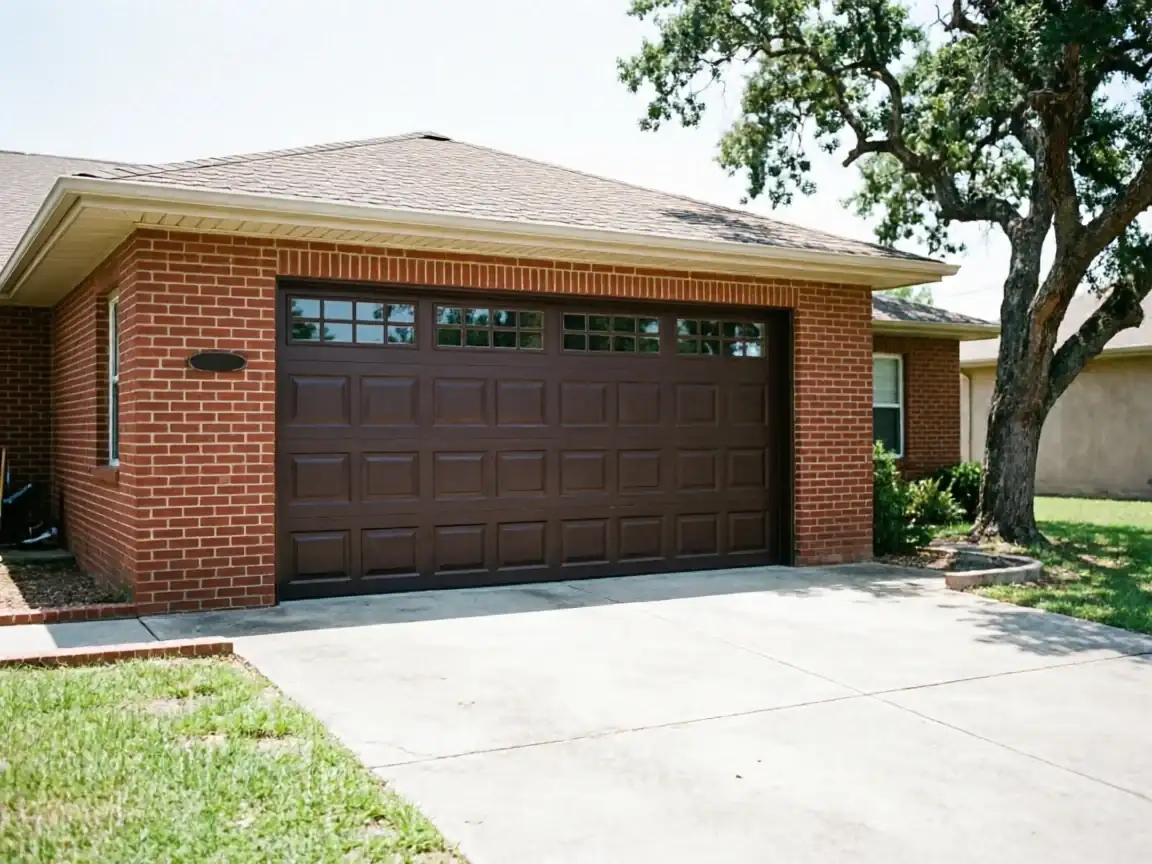
What a new door costs in Santa Fe comes down to two things: the opening you've got and the hardware your house was built to take. Most of Santa Fe went up around 1991, which puts it on the newer end compared to the 1956-2011 spread across the wider service area this company covers. That matters because a house from this era usually already has a standard 7-foot opening and factory-spec jamb framing, so you're not paying extra to reframe a short or oversized opening the way you might on an older block closer to La Porte. Santa Fe households also run a higher median income, just over $95,000, than the roughly $77,000 median across the broader area, and that shows up in what gets requested here - more two-car insulated doors, fewer single-layer steel replacements done on a budget. We don't publish a flat price list because the door, the track length, and whether the opener gets replaced all move the number, but the baseline job on a 1990s Santa Fe house tends to be simpler than on an older one: less bracket rework, less surprise framing repair. The crew comes from La Porte, about 20 miles away, and the quote accounts for that trip, not a local callout fee.
Why This Fails Locally
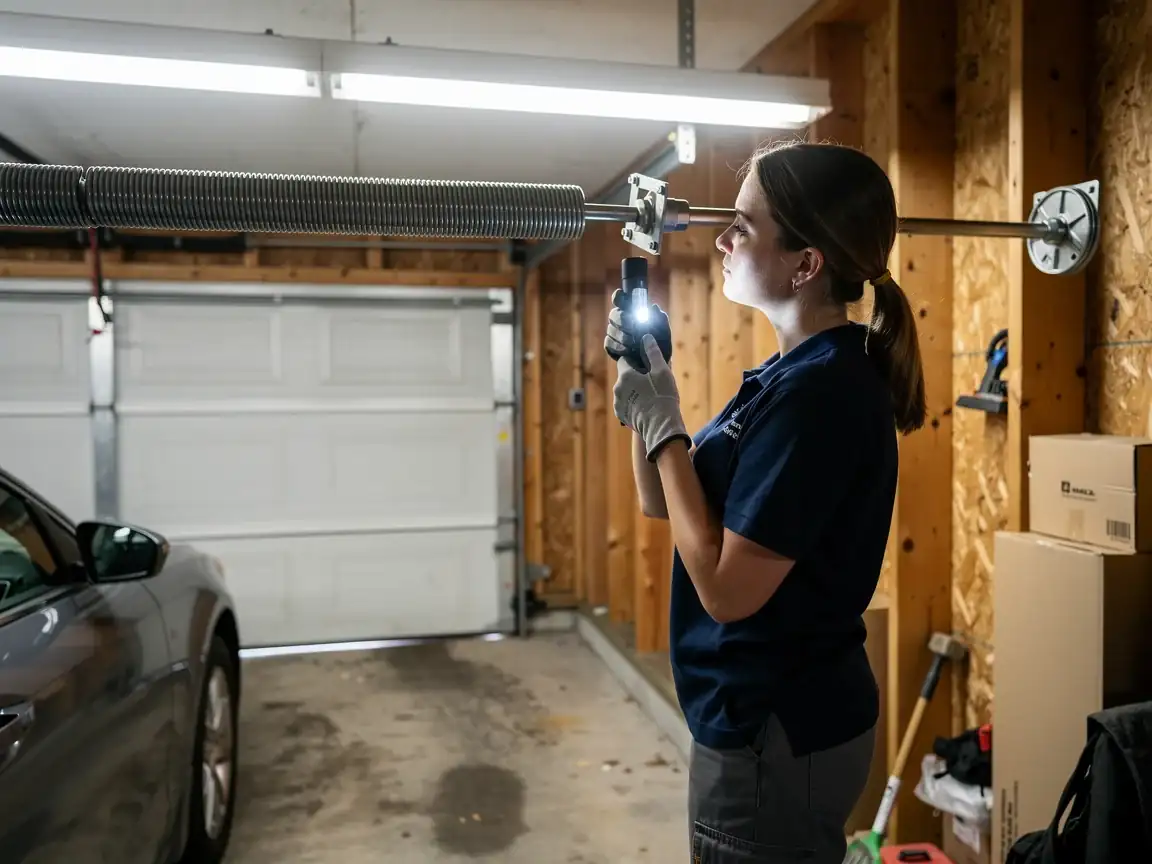
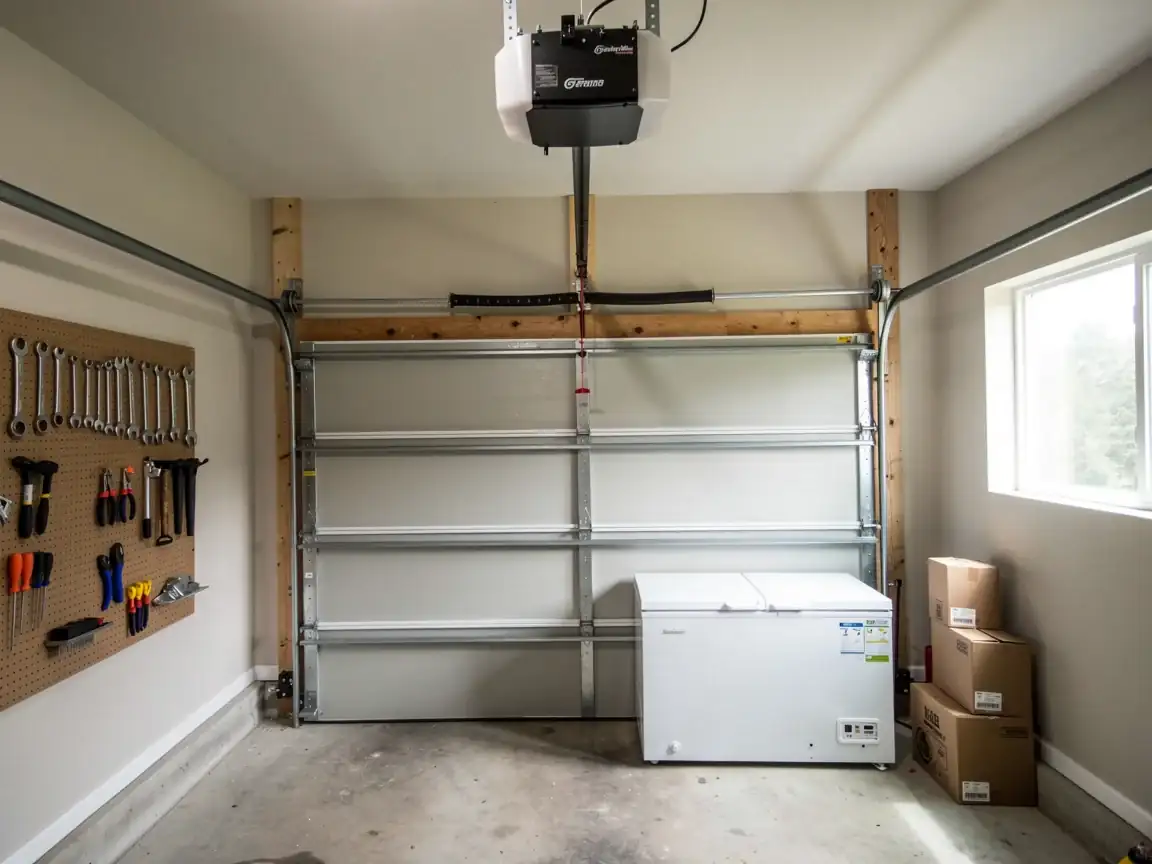
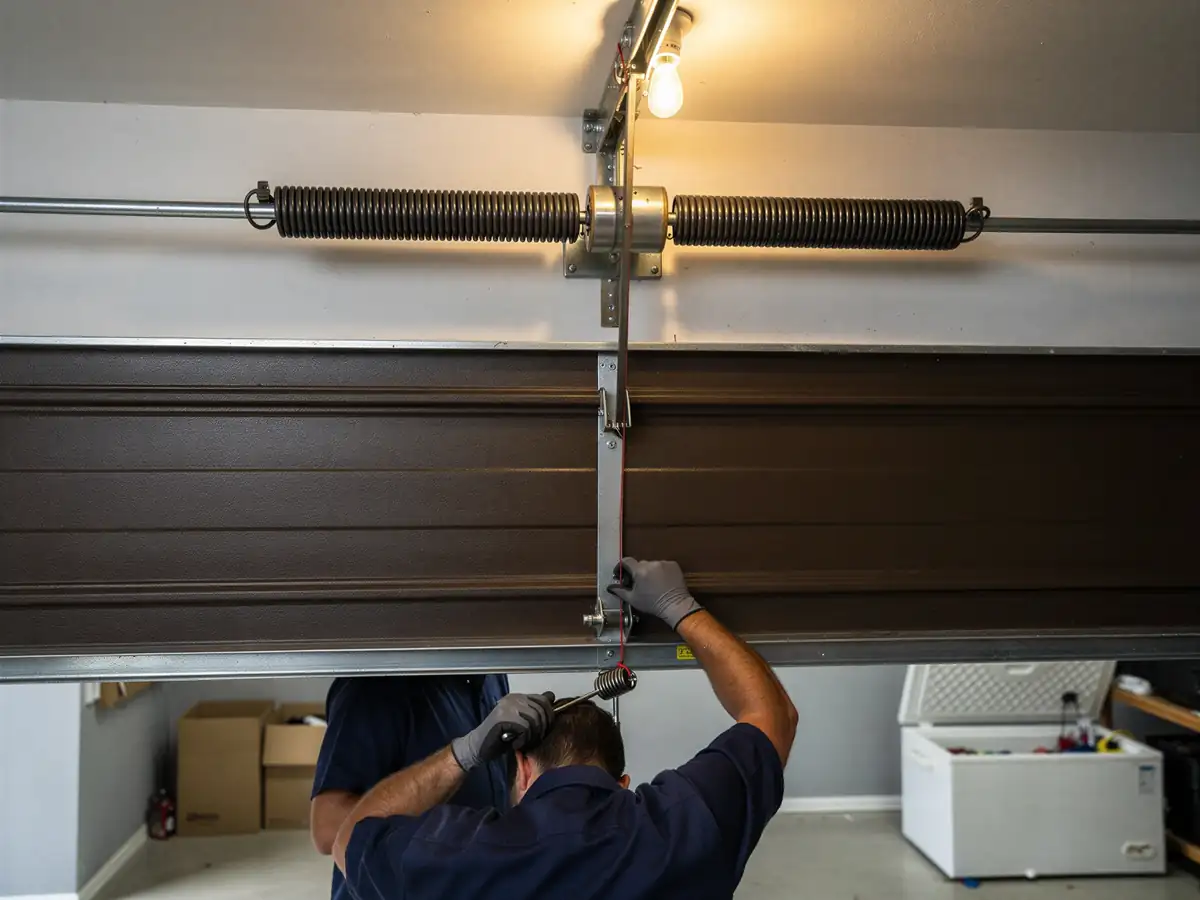
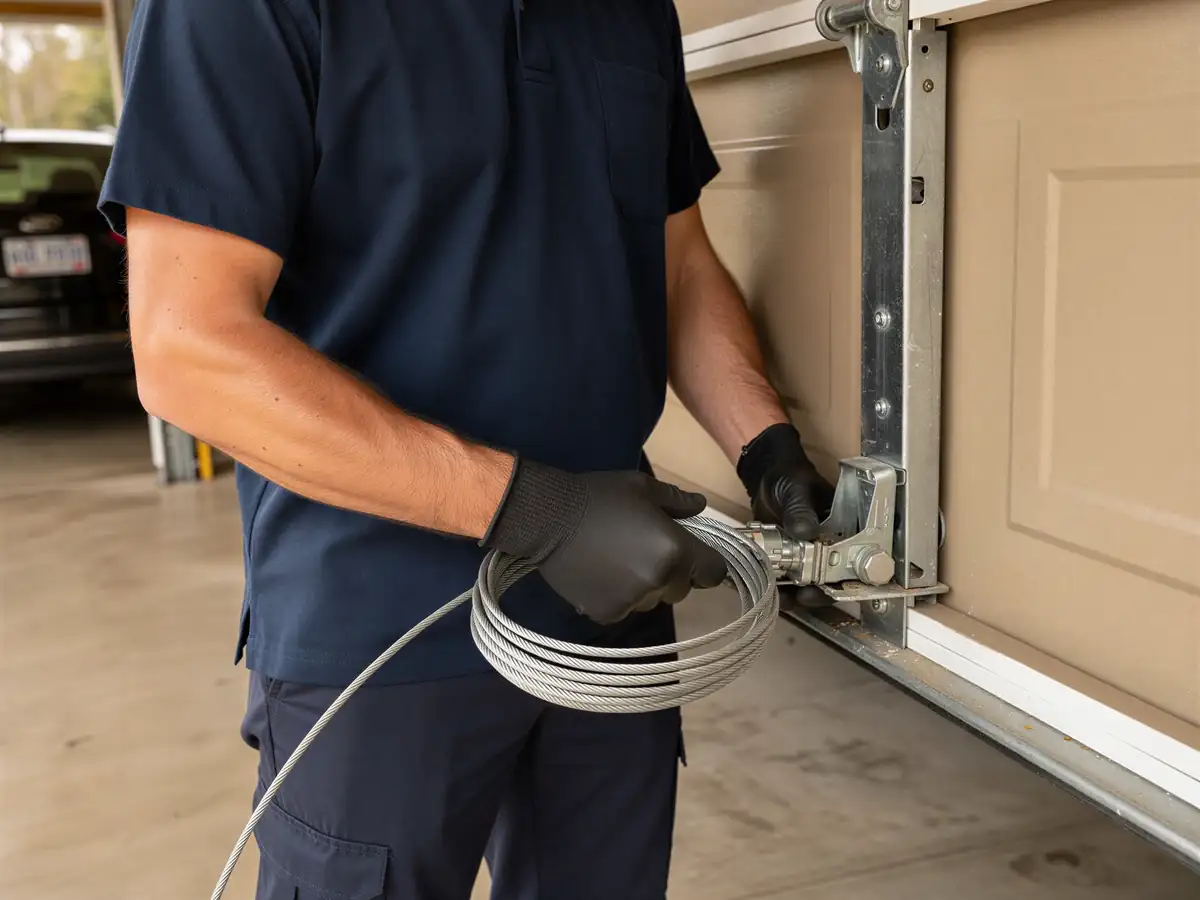
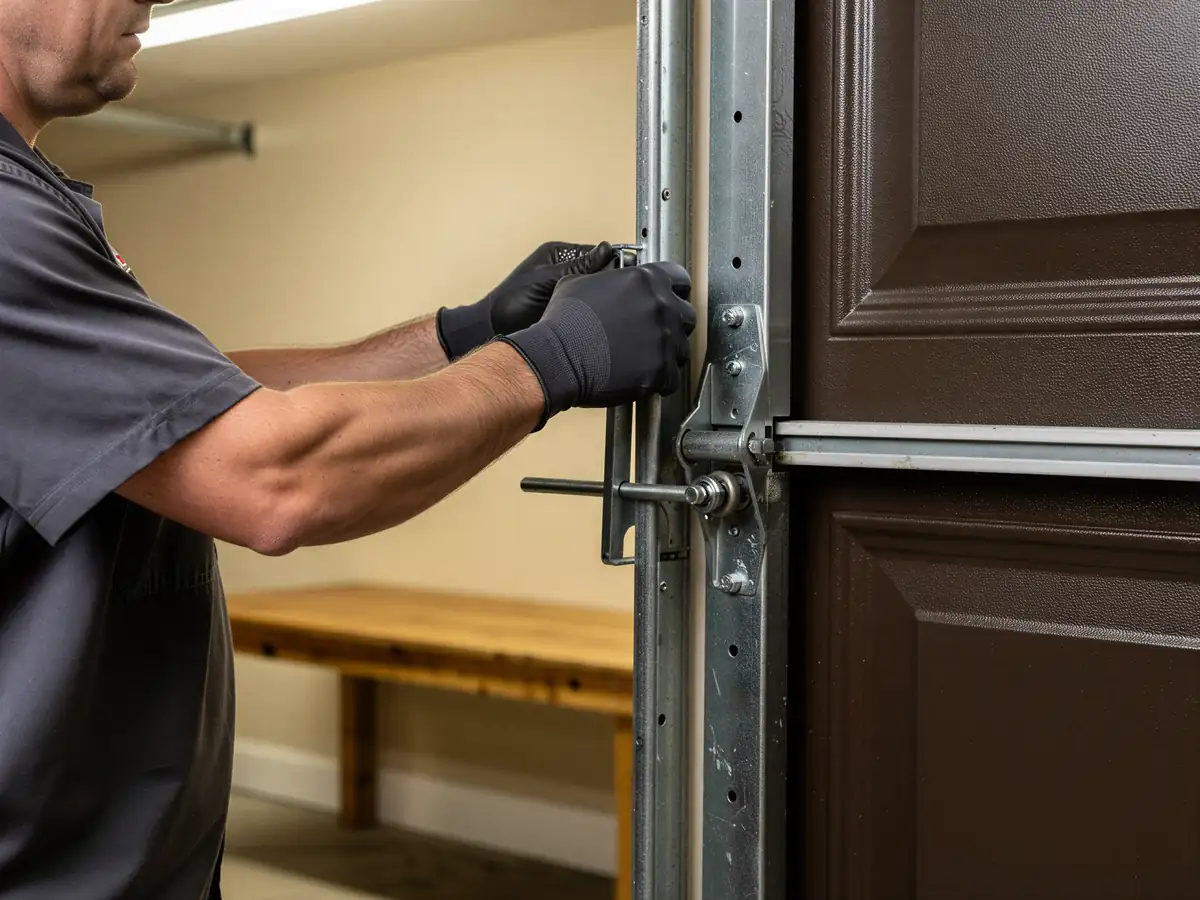
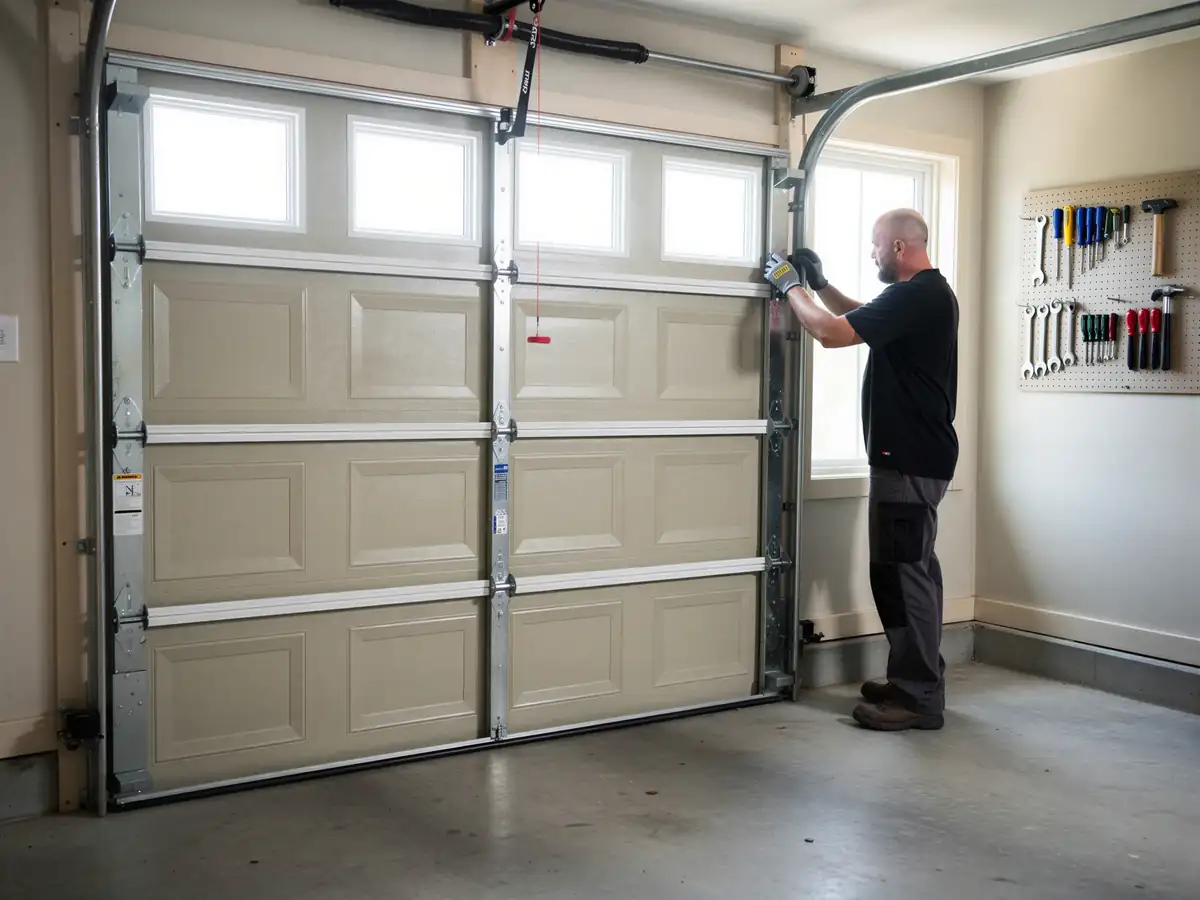
A door installed wrong on a 1991-built house fails differently than one on an older house. Homes from this era in Santa Fe were framed for standard torsion spring setups and factory headers, so the usual mistake isn't hardware mismatch - it's installers using springs sized for the door's listed weight instead of the actual weight once insulation and windows are added. On a mild climate like this one, with occasional freeze but no real cold-weather cycling, you don't get the metal fatigue that colder regions see, so a badly matched spring won't show up as cracking in year one. It shows up as a door that lifts unevenly or an opener straining on every cycle, because the opener is doing work the spring should be doing. That's a slow failure, not a dramatic one, and it's the kind that gets ignored until the cable finally gives. The other common miss is track alignment on a wider double door - Santa Zoe-era two-car openings run a hair wider than the older single-bay housing you'll find closer to La Porte, and an installer working off memory instead of measuring the actual rough opening will leave a gap that lets the door walk sideways over time.
Doing It Yourself
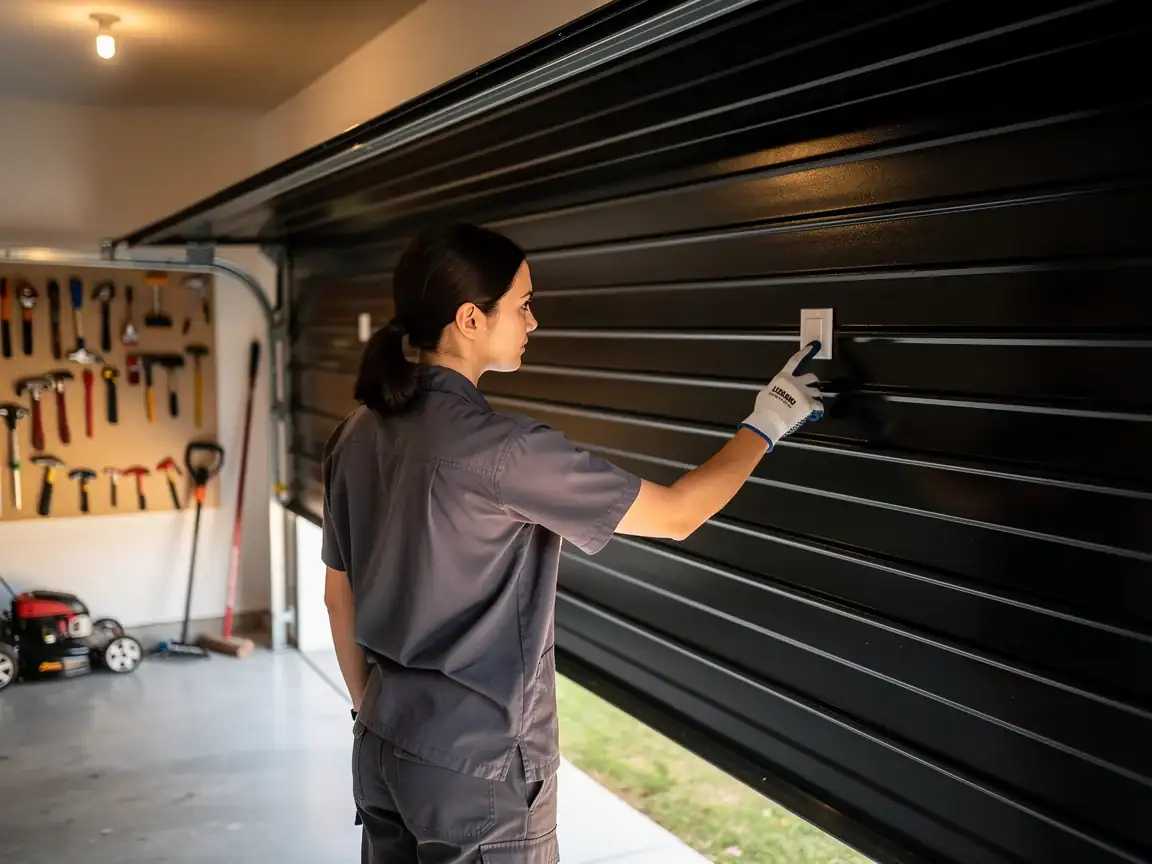
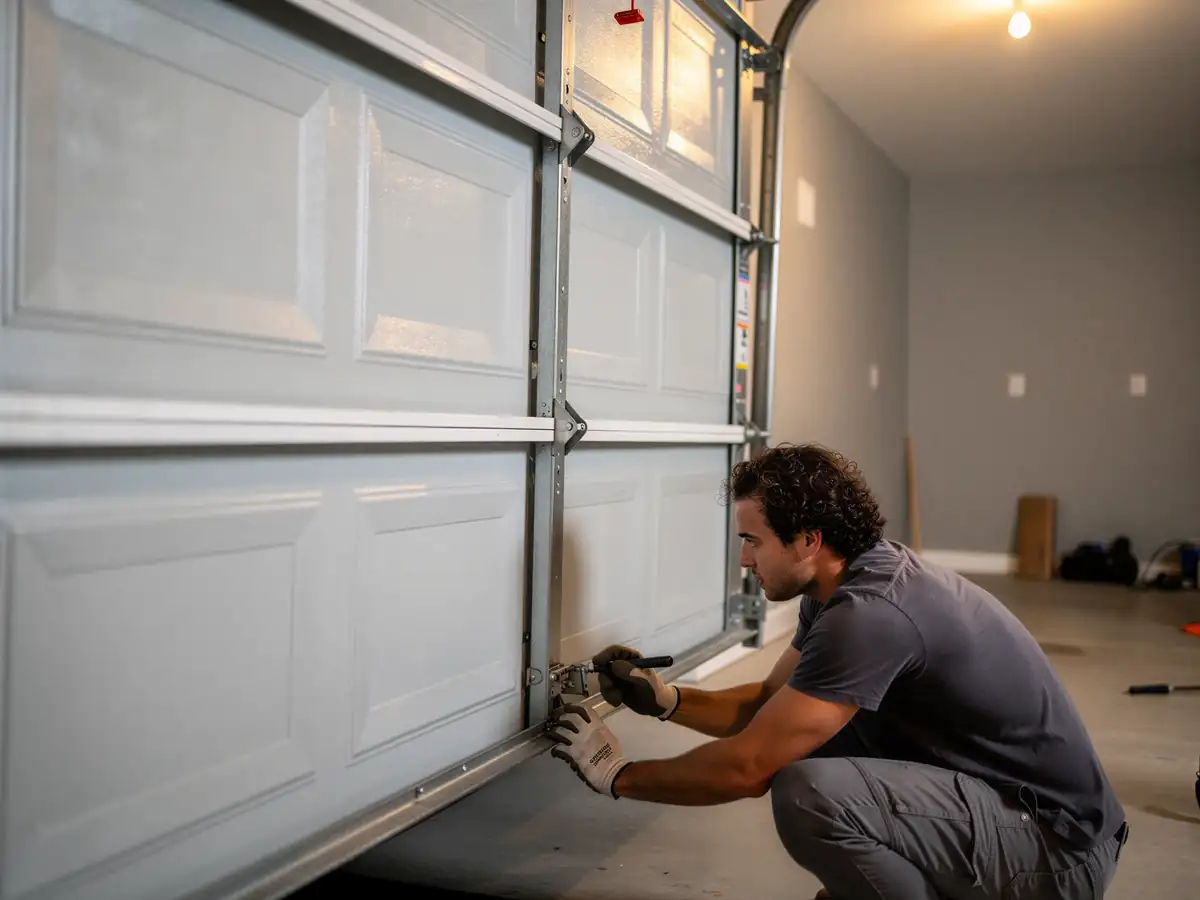
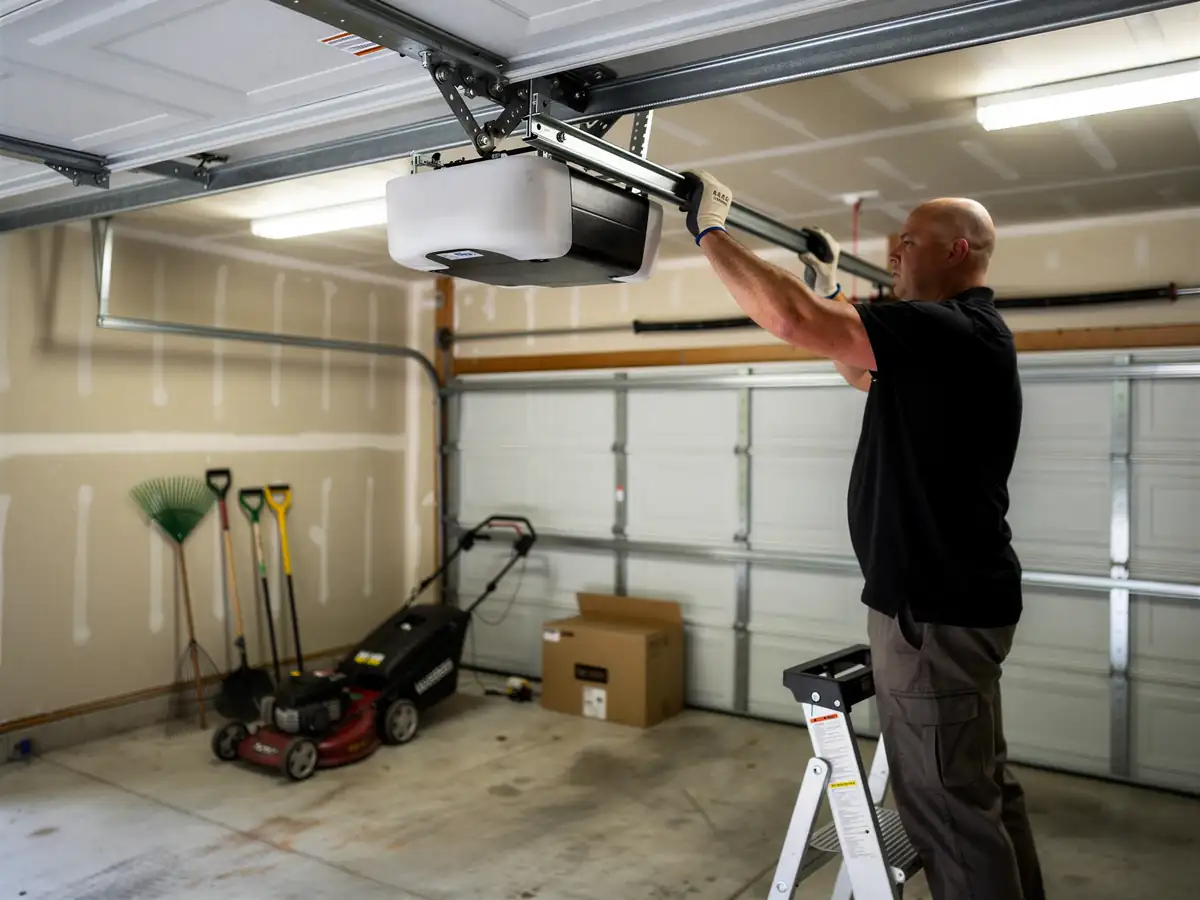
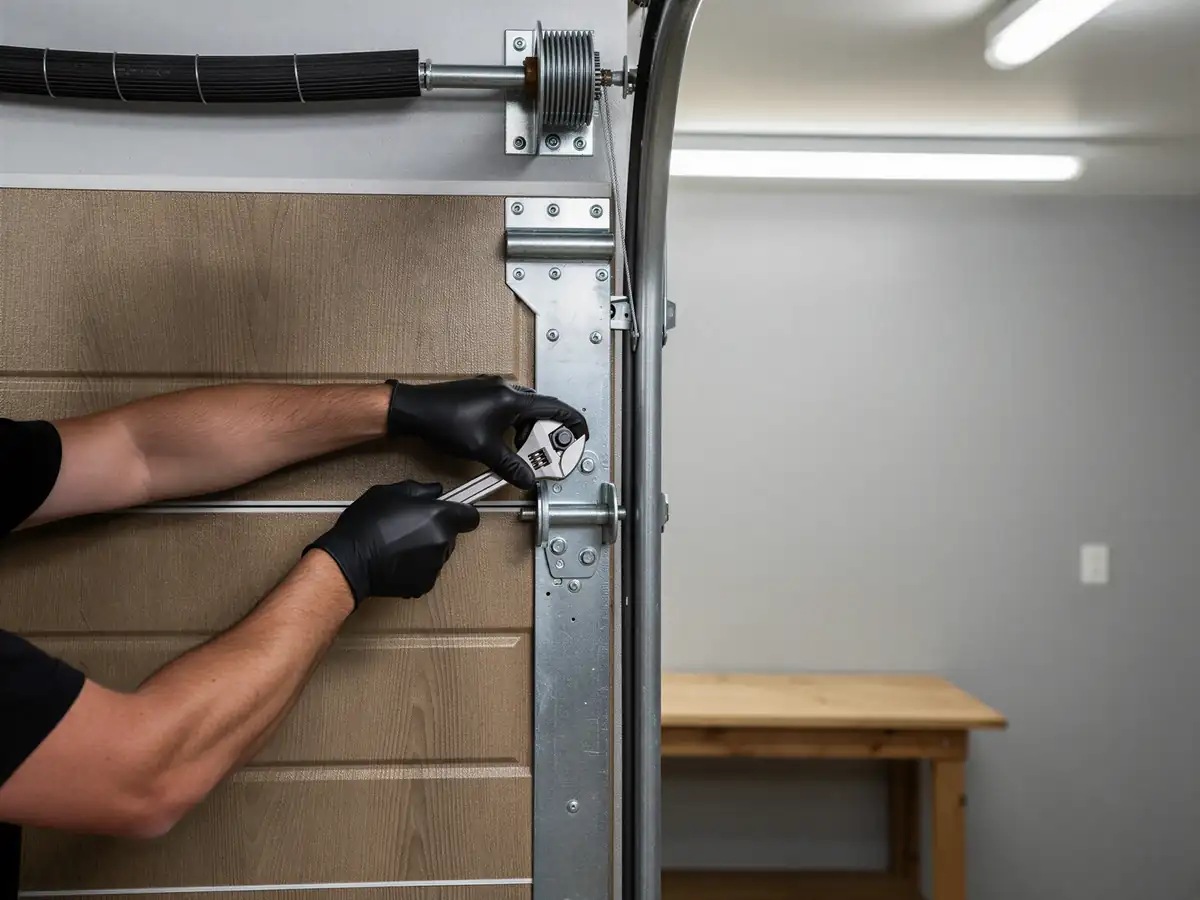
A new door install is not a weekend DIY job, and we'll say that plainly: torsion springs under load have put people in the hospital, and a door that's hung half a degree off square will bind, drop, or walk off its track within weeks. Where a Santa Fe homeowner can reasonably do their own work is cosmetic - swapping hardware, repainting panels, adding weatherstripping. The structural parts - spring sizing, header reinforcement, opener mounting - are where a mismeasured 1990s-era opening causes problems that don't show until the door's been run a few hundred cycles. If you're set on doing part of it yourself, pull the old door's spec plate first and bring it to whoever supplies the new one; matching that to the actual door weight, not the printed catalog weight, is the step most DIY installs get wrong.