What You Pay
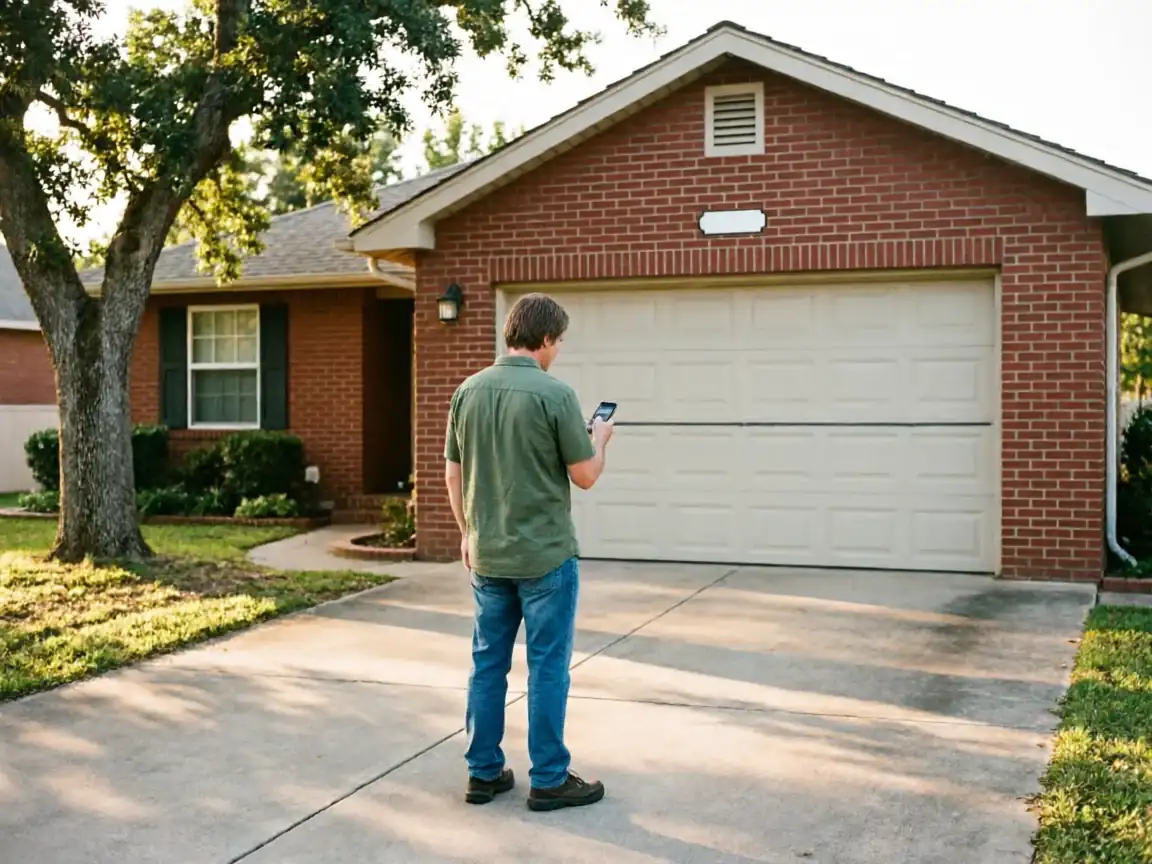
Santa Fe's median household income sits at $95,815, well above the $77,315 median across the rest of our service area. That number matters more than people think when a garage door call comes in, because it shifts where the repair-or-replace line falls. A household at this income level that gets quoted $400 to patch a 30-year-old opener with a stripped gear is more likely to ask about full replacement instead of nursing the unit along for another winter. We'll always quote the repair first if the door and track are sound - replacing a working door because it's old is not a service we push. But on a door that's already had two spring jobs and a opener motor swap, we'll tell you straight that a new system often pencils out cheaper over five years than a third repair. We travel from La Porte to reach Santa Fe, about 20 miles out, so we bundle the diagnostic visit with whatever work gets approved on-site rather than charging for a separate trip to requote.
Why This Fails Locally
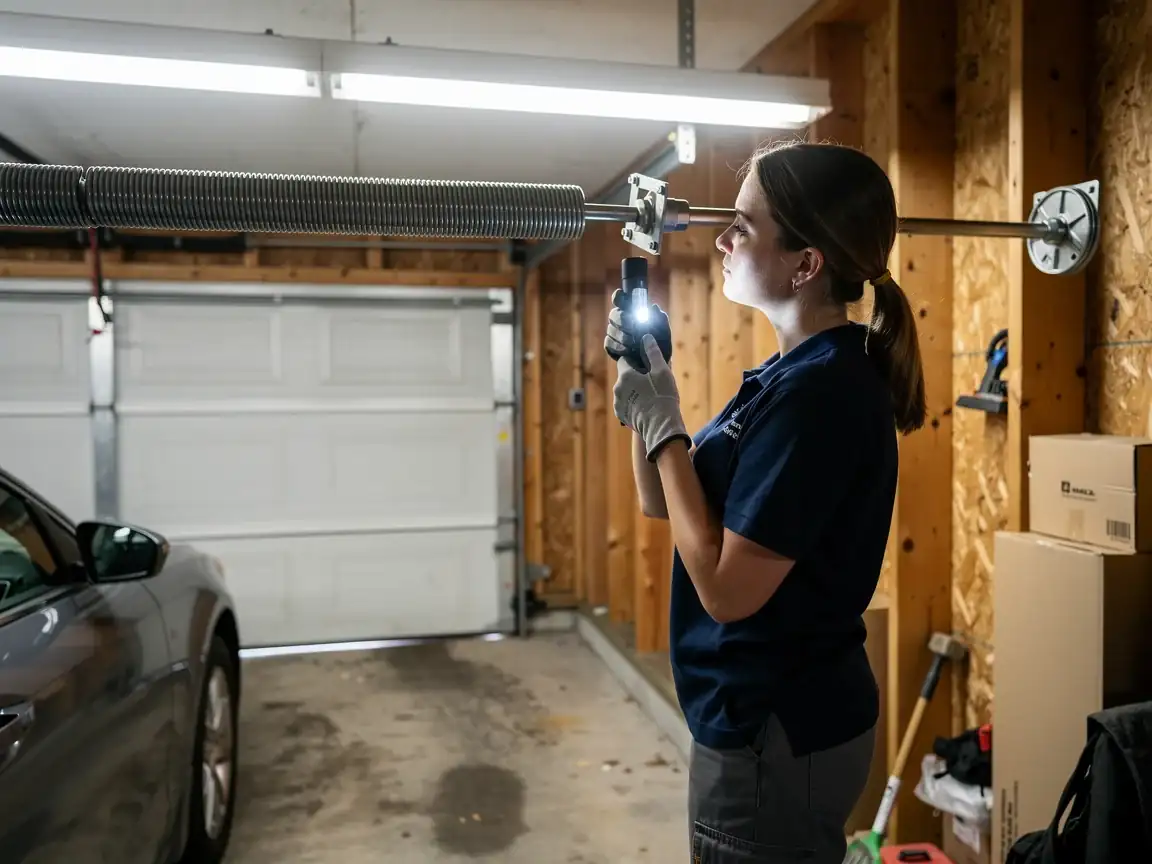
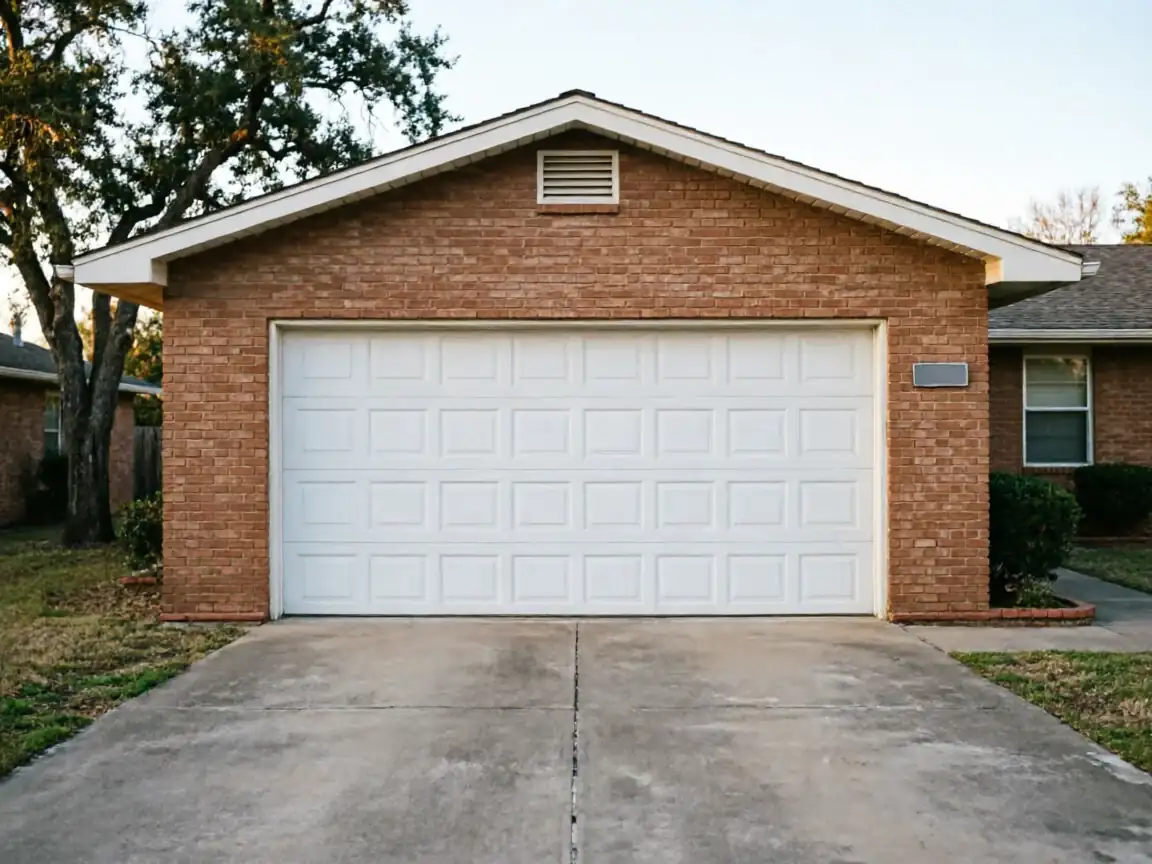
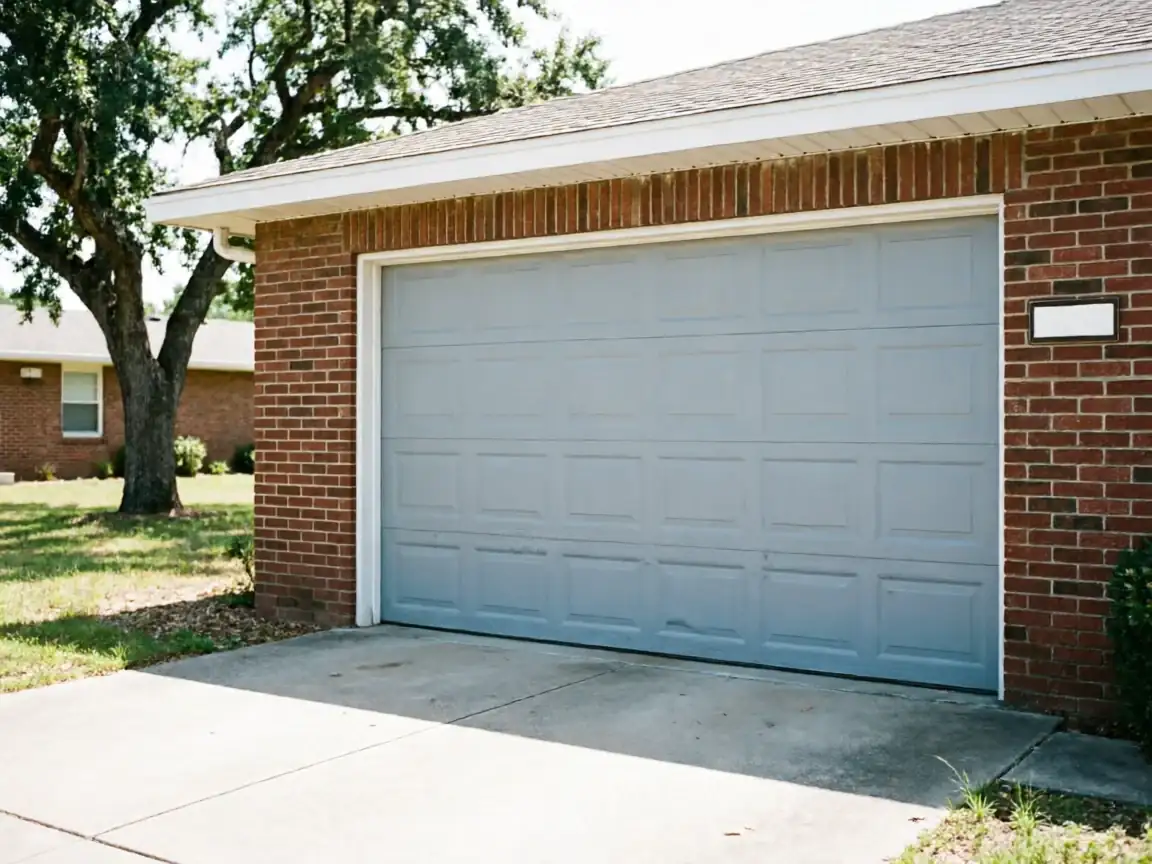
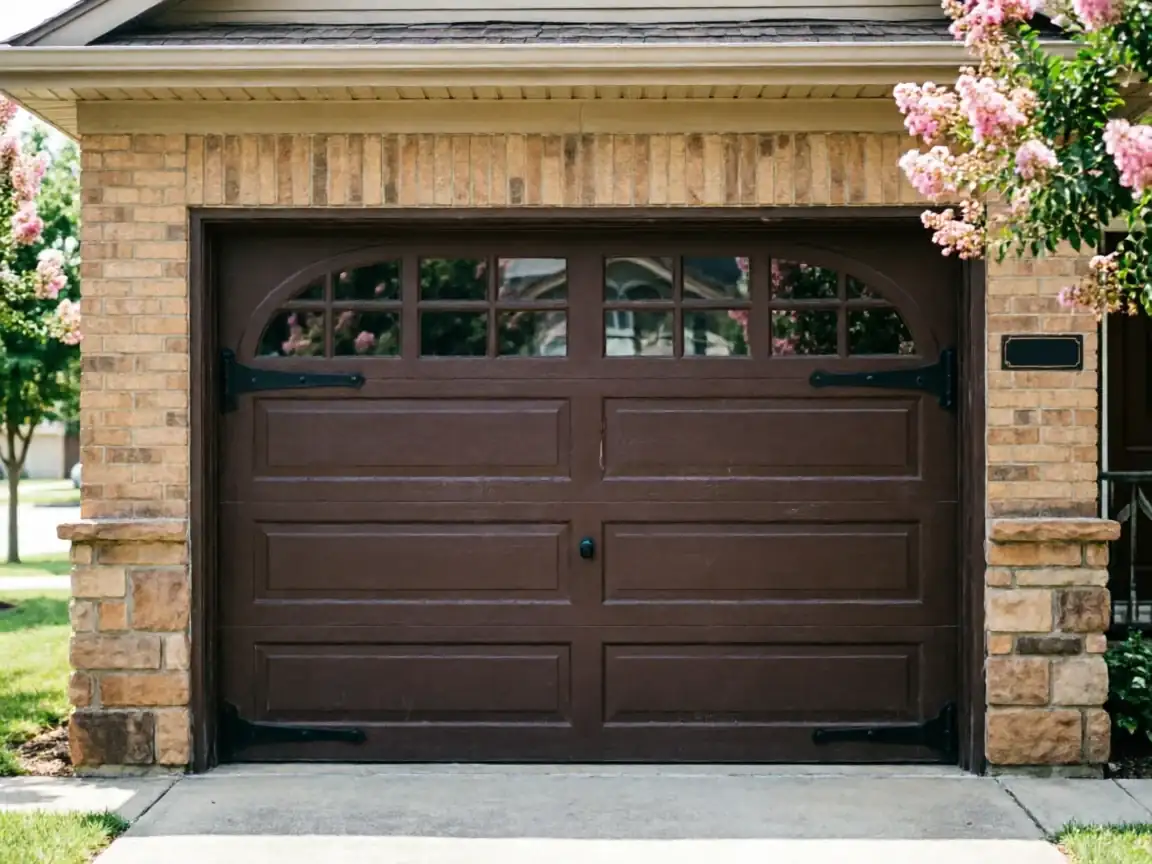
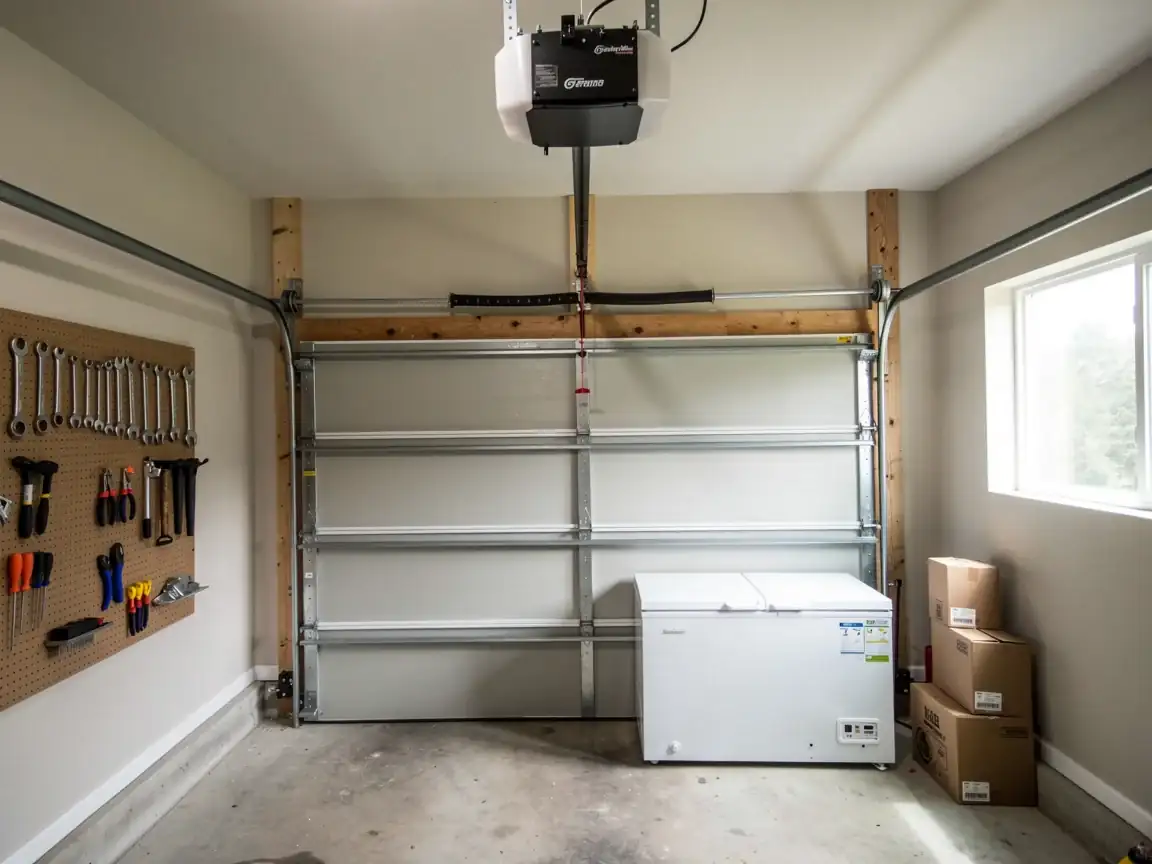
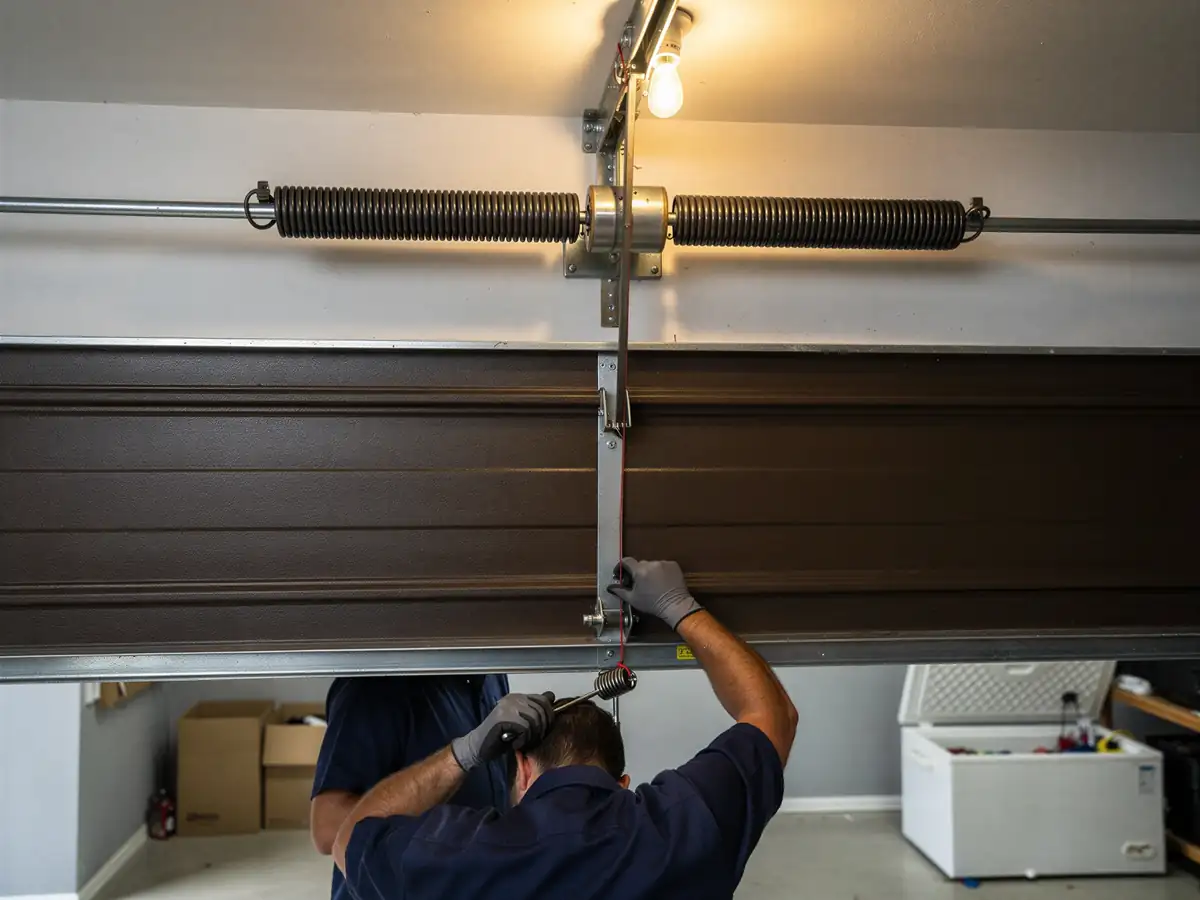
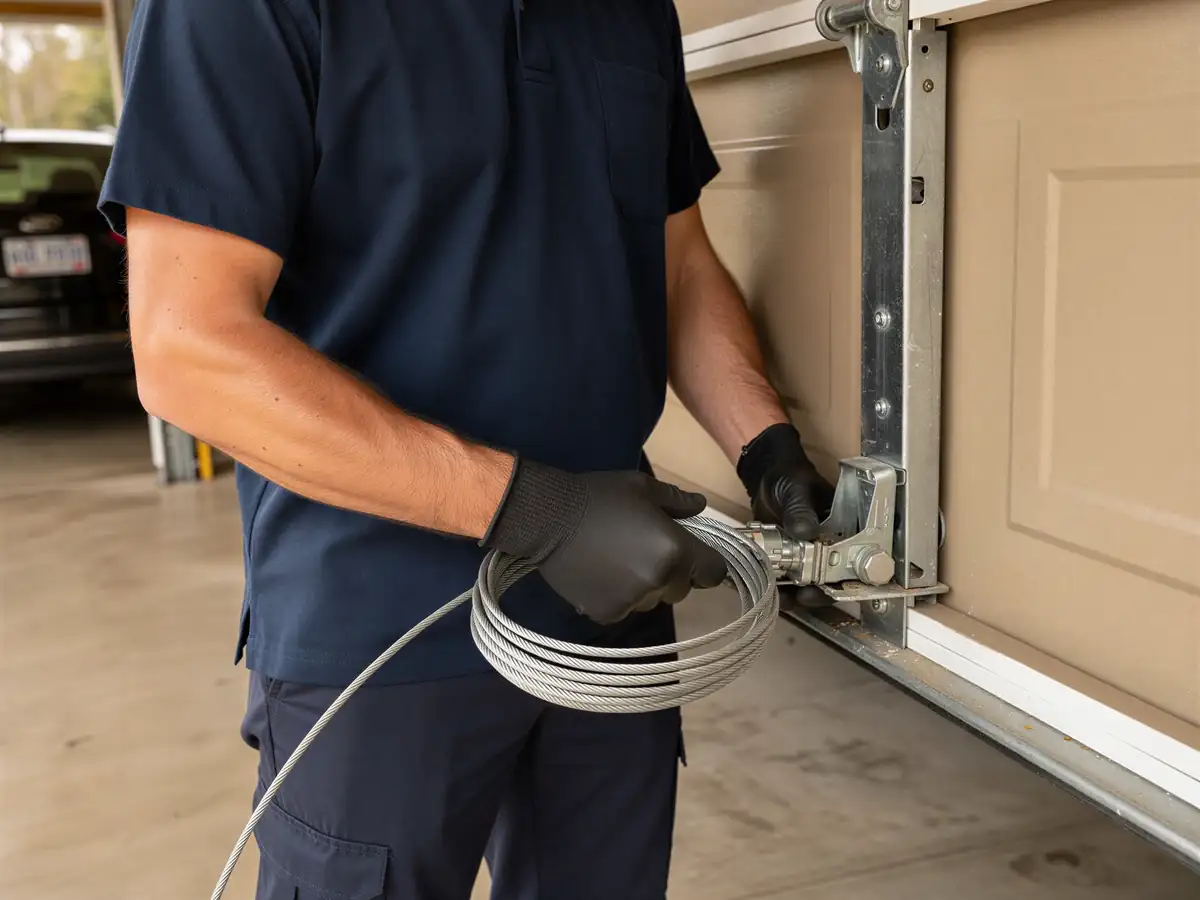
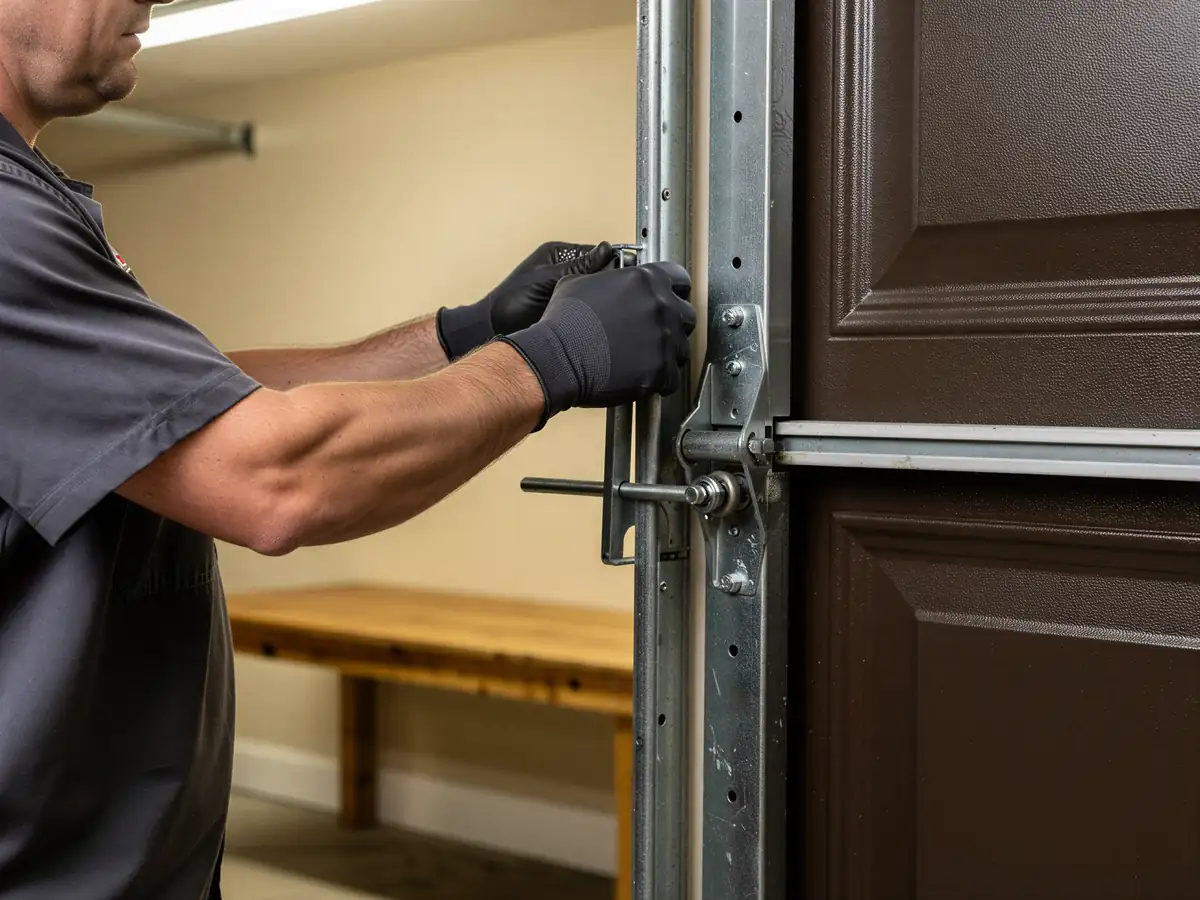
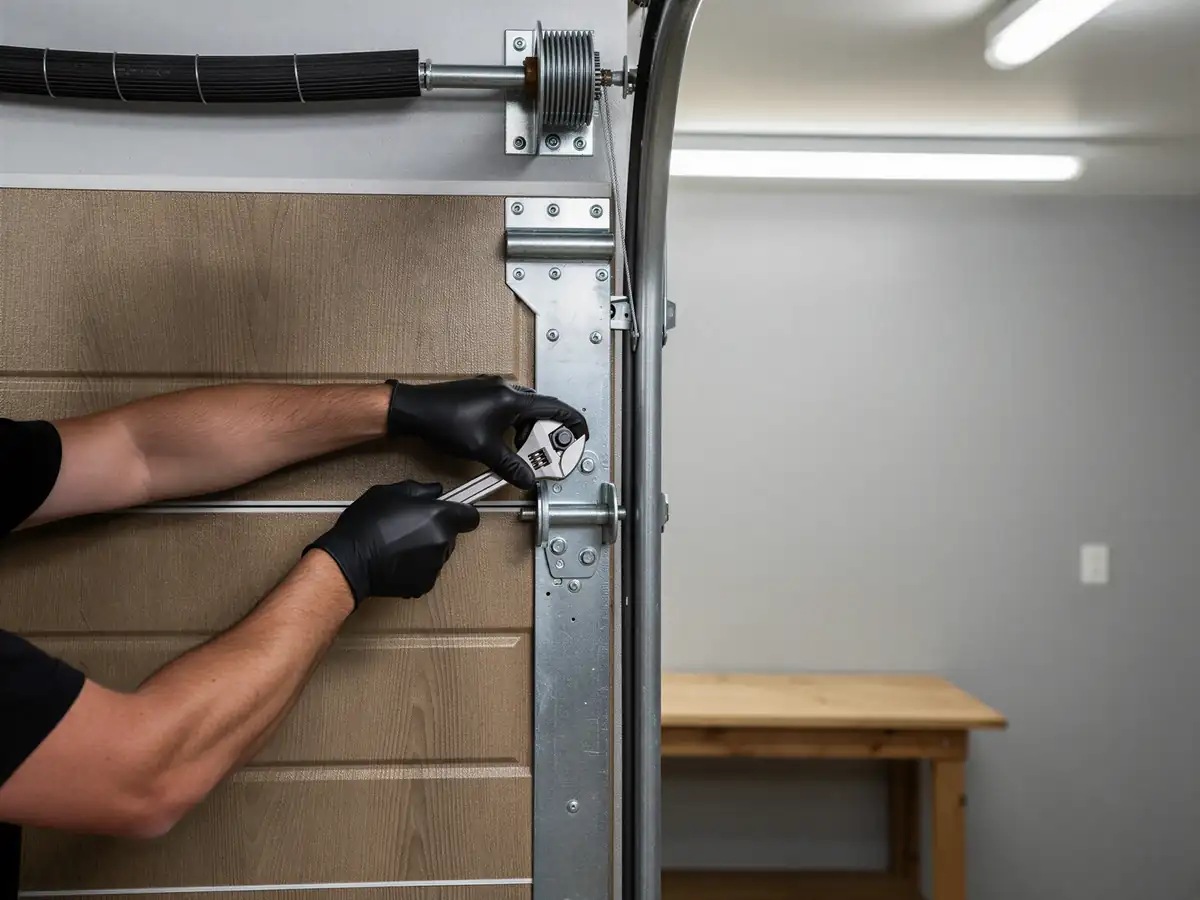
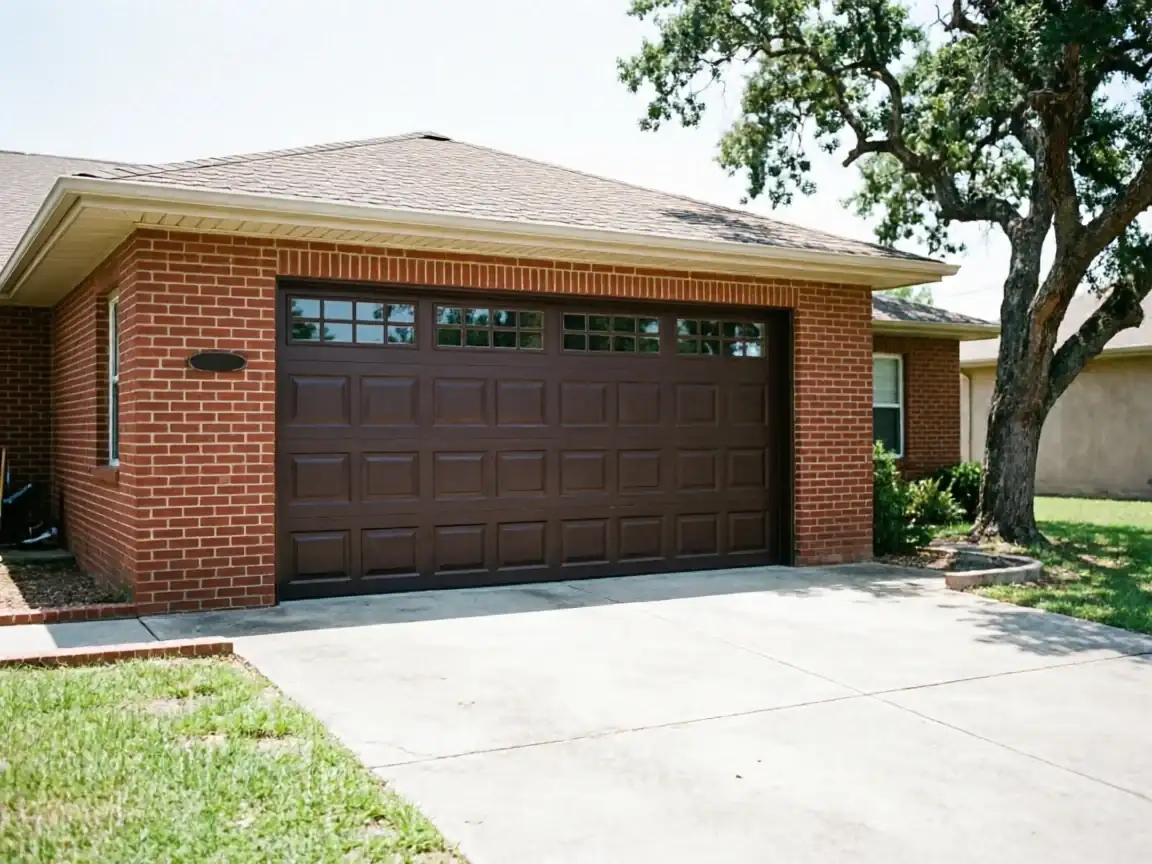
Most of the housing across our wider coverage area dates to a median build year of 1984, but Santa Fe runs newer, with a median build year of 1991. That seven-year gap is enough to change what's actually mounted on the header above your car. Houses from the early-to-mid 1990s almost universally shipped with torsion spring systems and steel sectional doors rather than the older one-piece or extension-spring setups still common on the earlier housing stock nearby. The failure pattern follows the hardware: in Santa Fe we see torsion spring fatigue and worn torsion bearing plates more than the cable-drum failures that plague the older extension-spring doors elsewhere in the area. With roughly 4,685 households in Santa Fe, that's a fair number of doors now entering their third decade on original springs rated for about 10,000 cycles - right in the window where failure starts clustering. The mild climate here with occasional freeze (per regional data) doesn't rot wood jambs the way a harder freeze-thaw zone would, but it does nothing to slow spring fatigue, which is purely a cycle-count problem, not a weather one.
Doing It Yourself
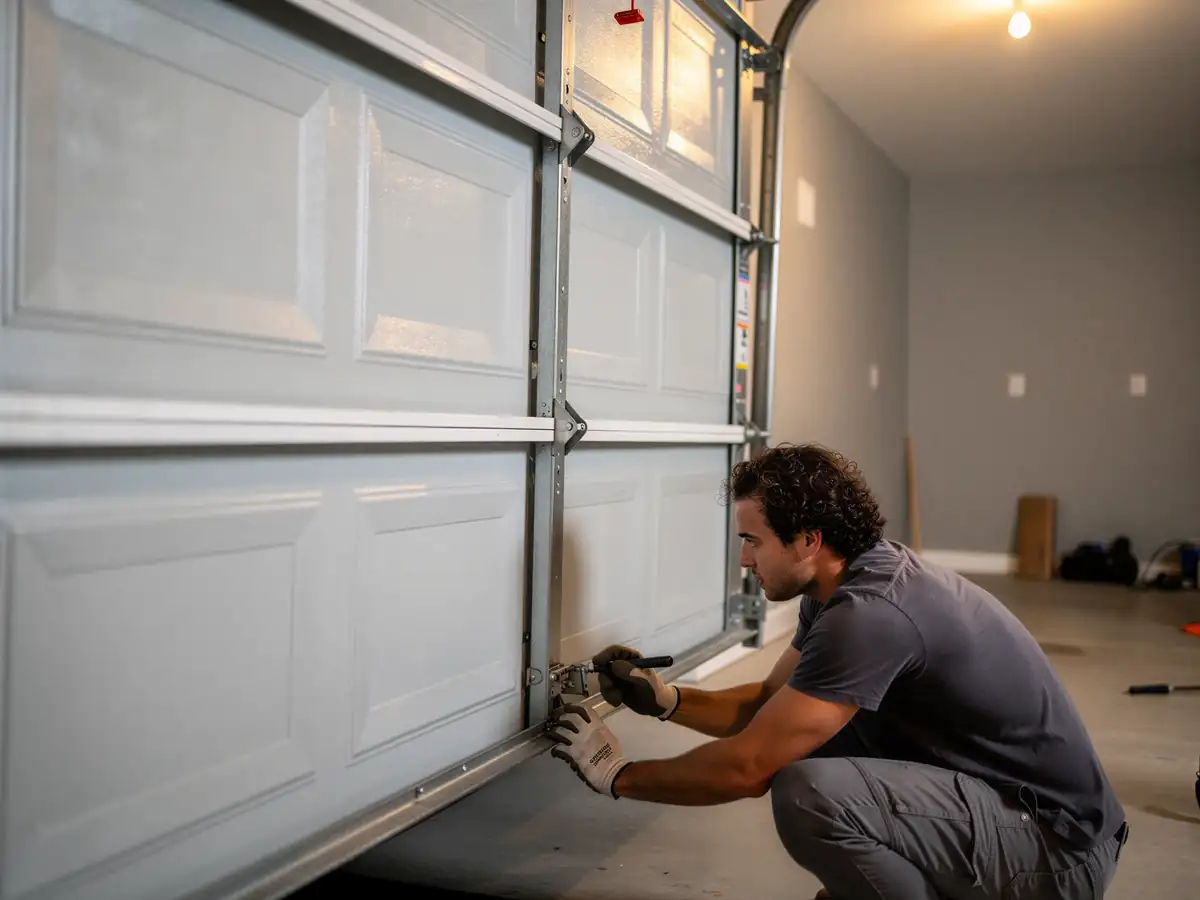
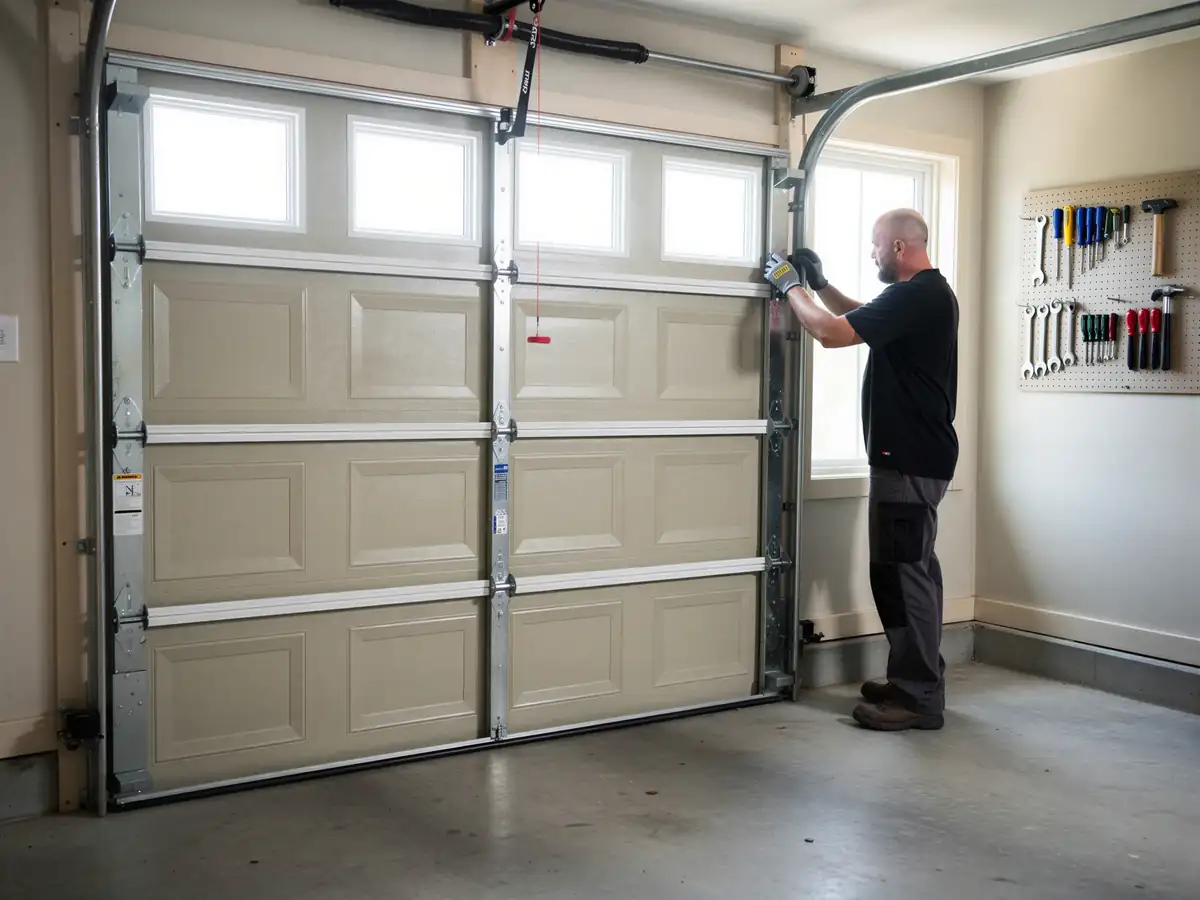
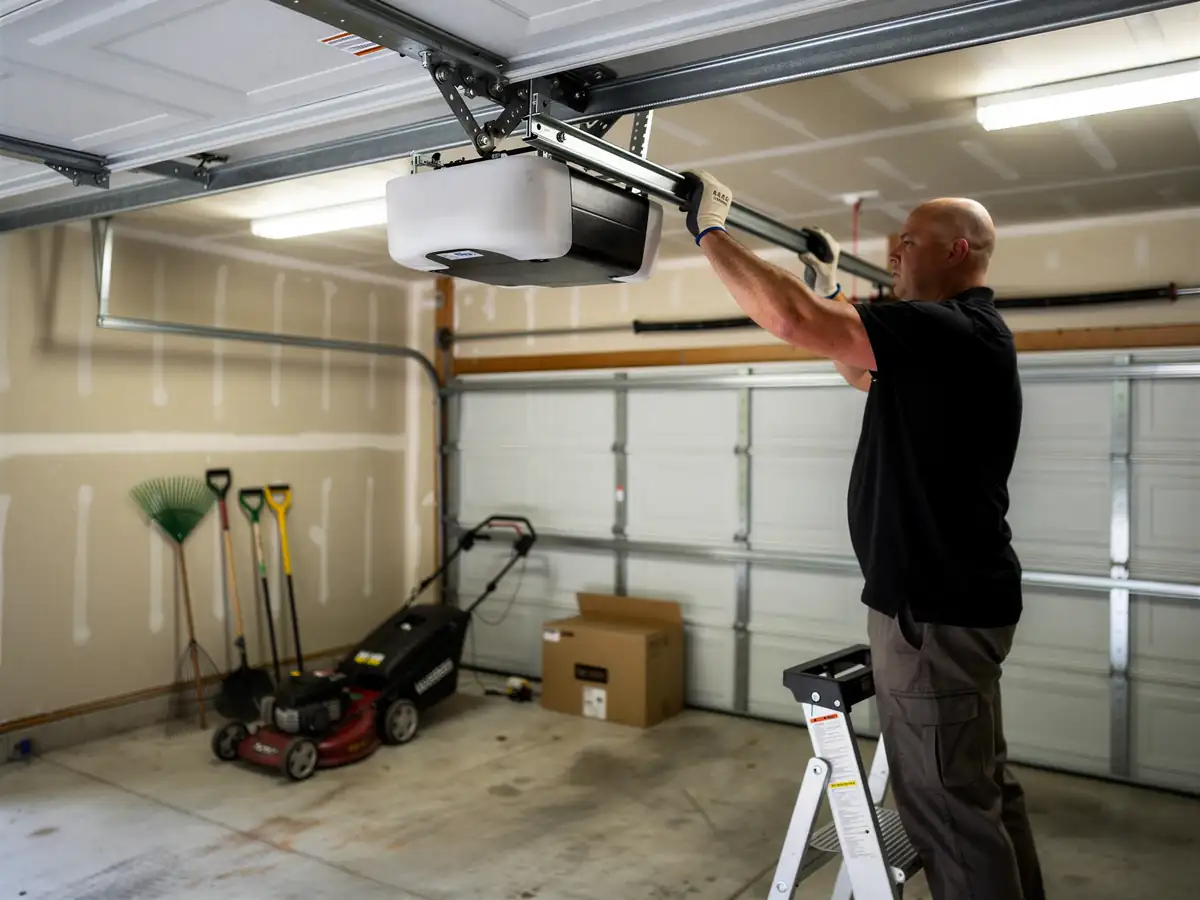
Opener issues - a remote that's stopped syncing, a sensor that needs realigning, a travel-limit adjustment - are reasonable for an owner to tackle on a door of this era, since the control boards from the 1990s and 2000s are generally well documented. Springs are not. A torsion spring under tension on a steel door built to this period's weight specs holds enough stored energy to cause a serious injury if the winding bar slips, and matching replacement springs to the door's actual weight (not just swapping in whatever's the same size as what came off) is where most DIY jobs go wrong. If your door is sagging unevenly, binding on one side of the track, or the opener is straining and reversing mid-close, that's a sign the spring tension is already off - stop opening it by motor and call rather than troubleshooting further yourself.